


















Matt Ngesa explores identity, collaboration and personal growth on debut album
26 Nov 2026 - 18:00


By Sisi Nkabinde and Nikilitha Guda
Kenyan singer-songwriter Matt Ngesa’s debut album, For The Road, marks a new chapter in his musical career, building on the foundations established by his first solo EP, Rem Me. Shaped by experiences across Kenya, Uganda and the United States, his music draws on different cultural influences, live instrumentation and collaborative songwriting. The album also reflects his evolving relationship with music, identity and artistic independence.
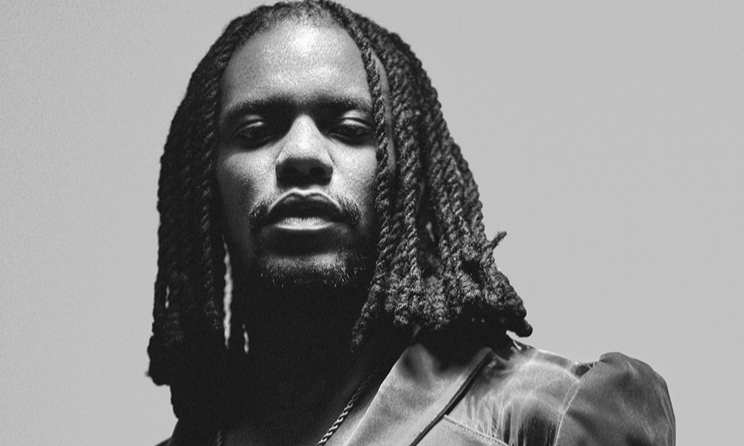
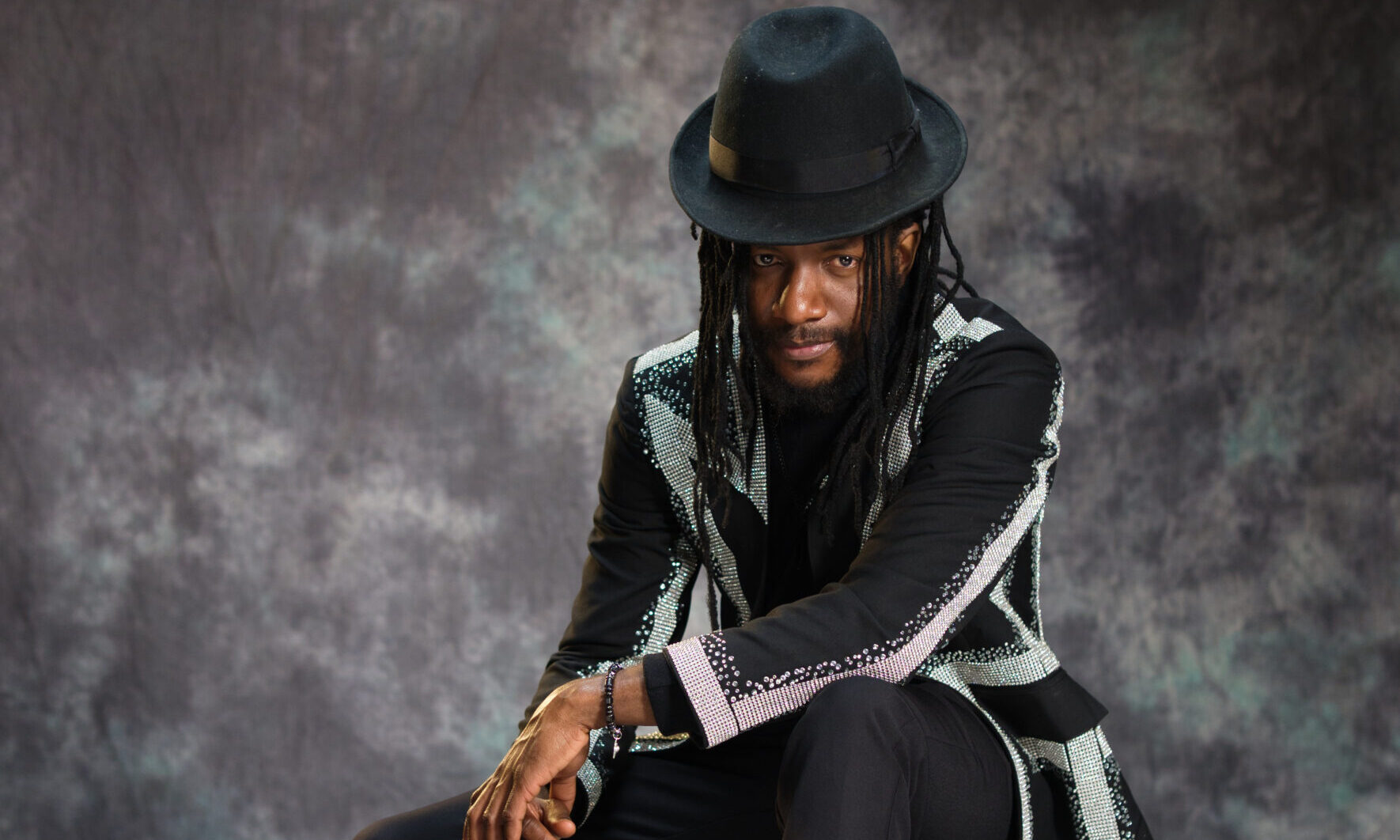
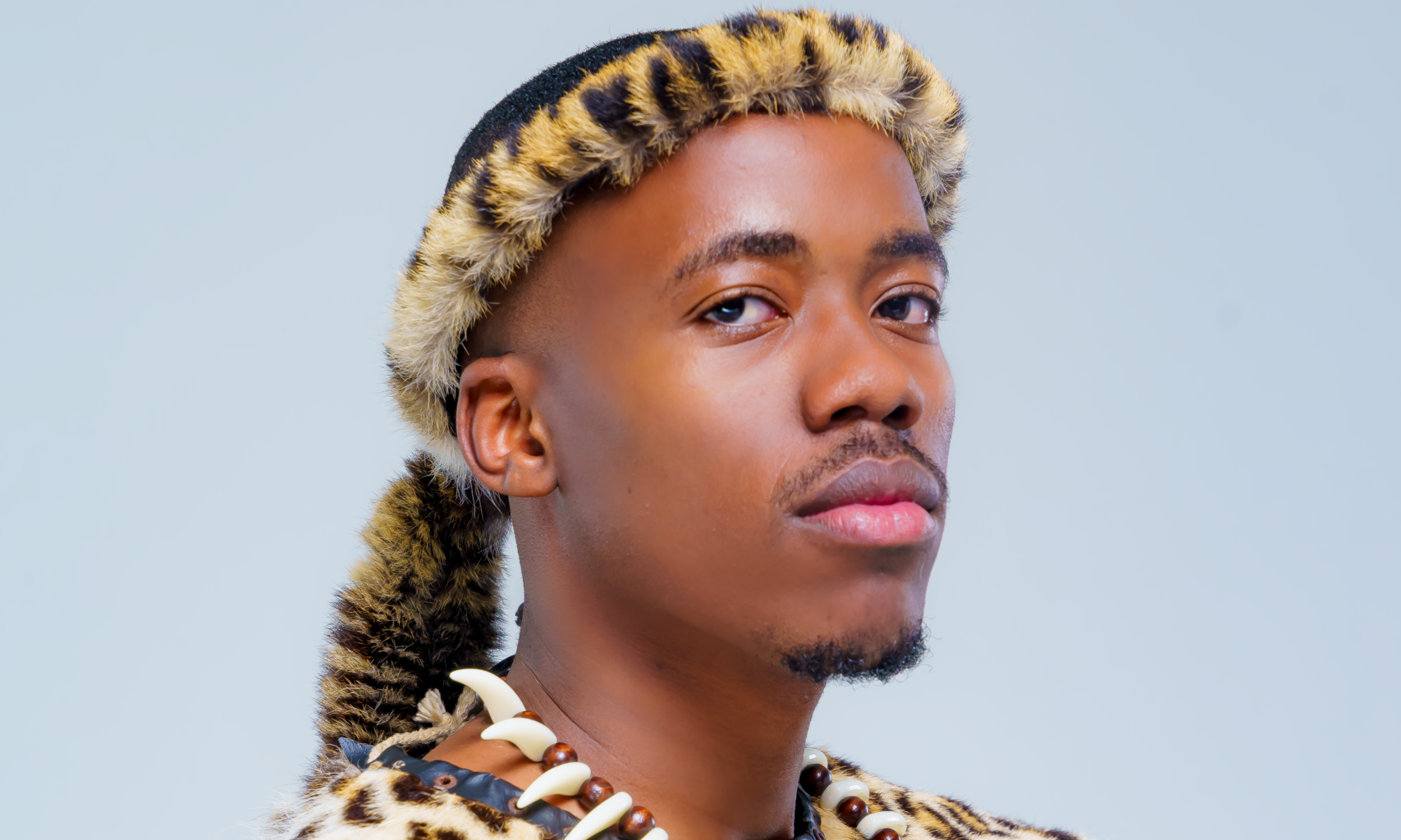
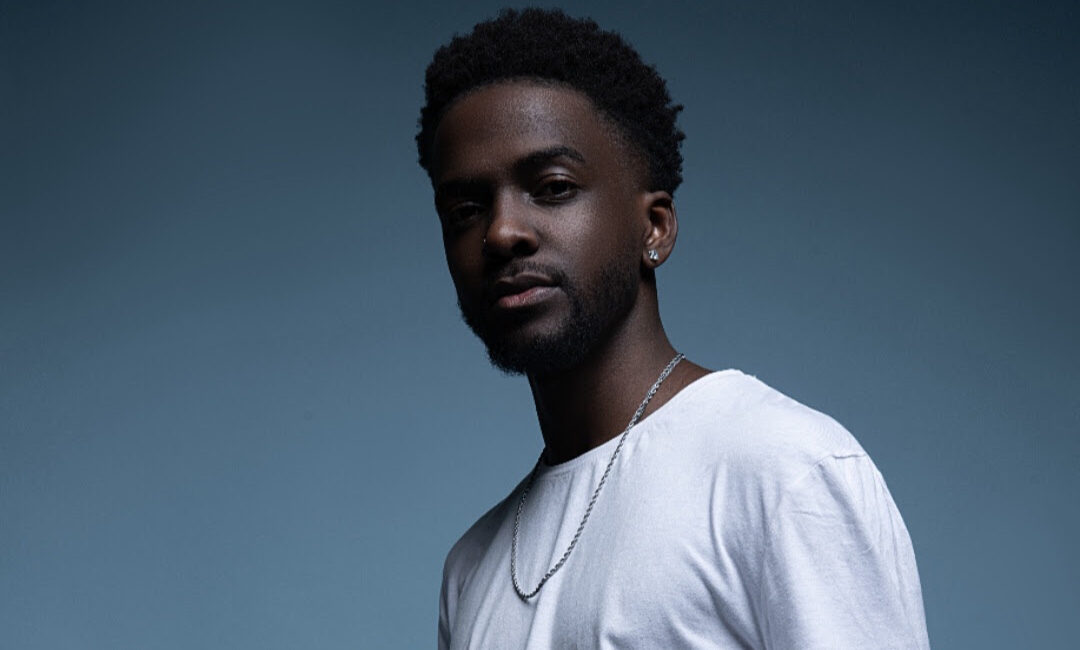
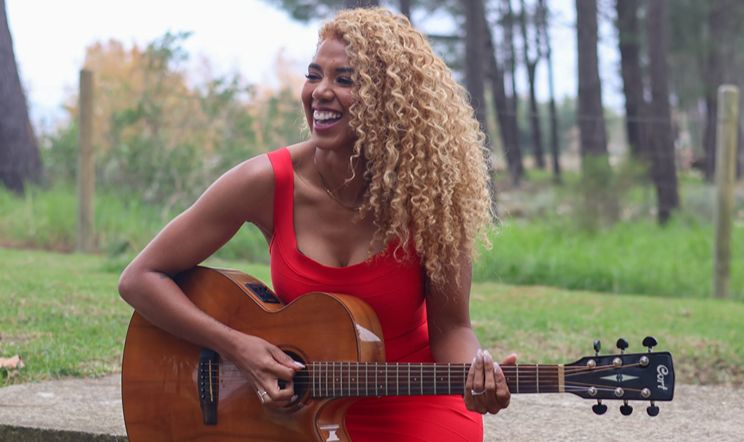
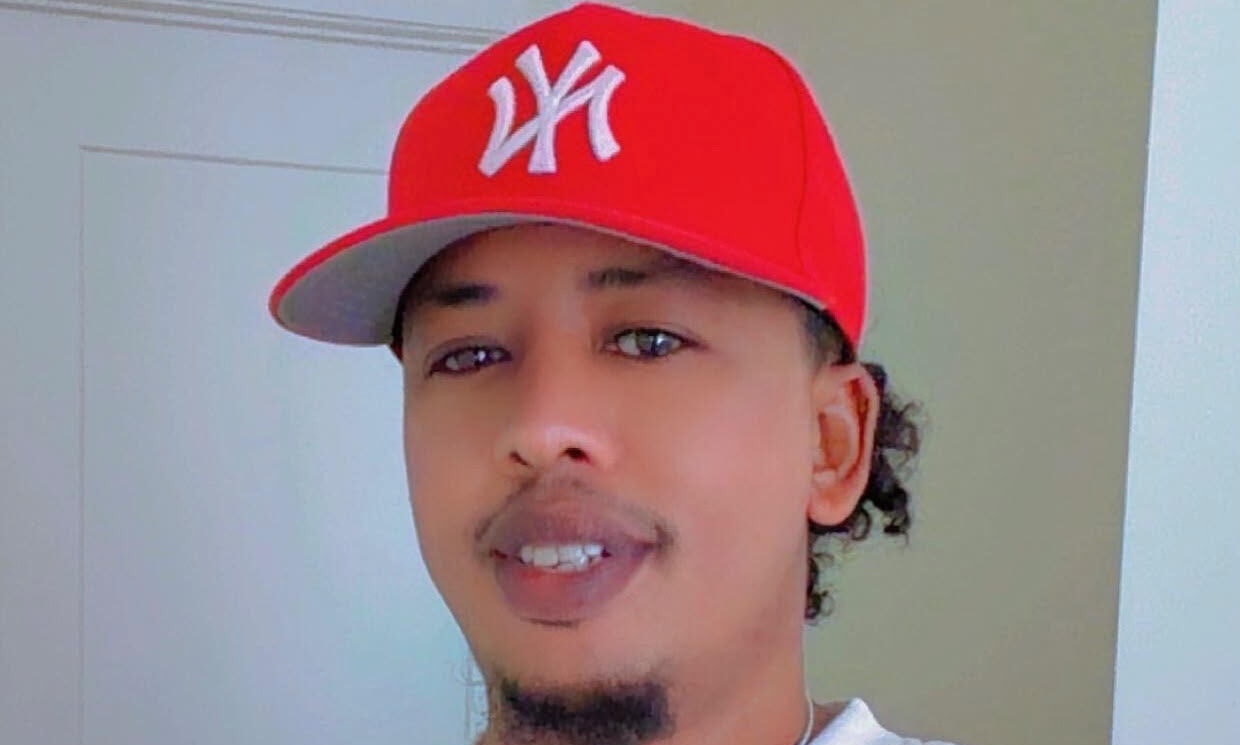
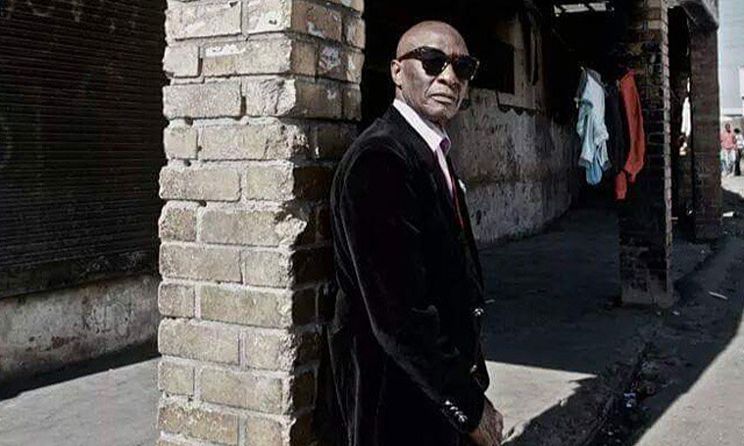
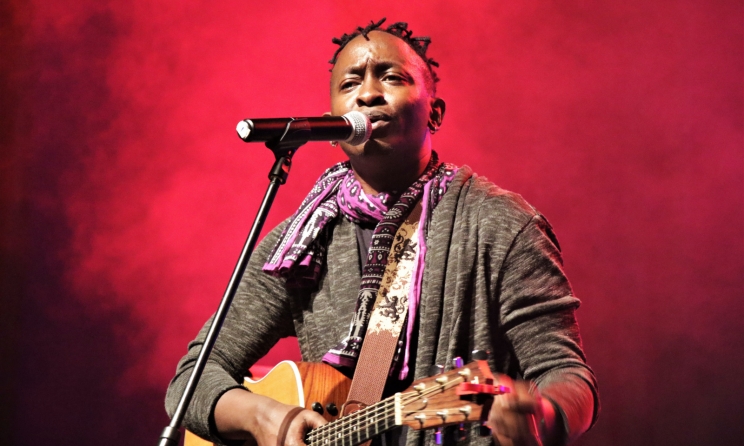
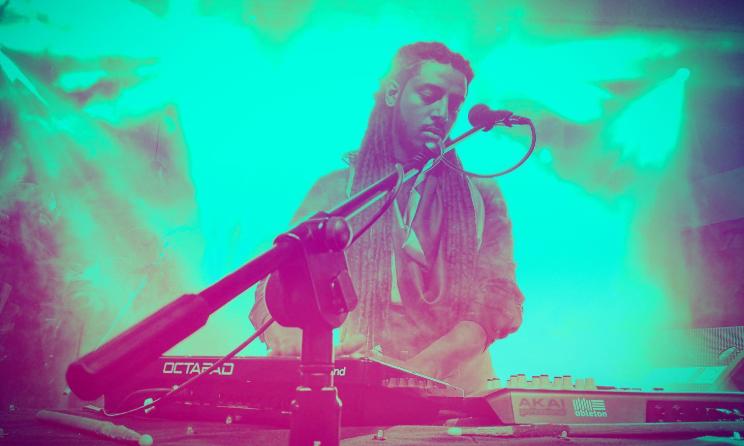
Matt Ngesa.
Ngesa’s exposure to different musical environments has informed his approach to songwriting, production and performance. While living in Uganda, he learnt to play the guitar and sing, performing with Collective UG and gaining experience in recording studios and album production. His time in the United States introduced him to home-based music production, where a laptop, sound card and microphone could provide the tools to create music. In Kenya, he developed a greater appreciation for collaboration and the exchange of creative ideas among musicians.
These experiences have shaped his musical outlook, allowing him to draw on African rhythms and storytelling alongside Western approaches to songwriting, instrumentation and production. Rather than attempting to represent a particular culture, Ngesa says he allows the different influences in his life to coexist in his music.
“Much of it happens subconsciously. These experiences have become part of my musical vocabulary, influencing the stories I’m drawn to, the melodies that come naturally and the rhythms I gravitate towards,” he says.
His songwriting also draws on everyday human experiences, particularly relationships, personal struggles and the different ways people navigate life. His song ‘August’, for instance, explores the fleeting nature of life, the importance of appreciating loved ones and the relationship between gratitude and loss. The themes also feature in ‘Muse’, another track on the album.
Reflecting on the inspiration behind ‘August’, Ngesa recalls his friendship with Timothy Reynolds, who recorded and arranged the violins on ‘Tea’. The two spent time writing music, singing and recording covers before Reynolds returned to Los Angeles.
“We spent our days singing, writing music, making memories and recording covers before he returned to Los Angeles. It’s been a long time since we've seen each other, but I know we'd pick up where we left off,” he says.
For Ngesa, the song serves as a reminder to value relationships and appreciate ordinary moments before they become distant memories.
His understanding of collaboration developed during his early musical years with Soul Mind Scars, a band he formed with his sister. The experience gave him room to experiment, exchange ideas and learn the importance of considering perspectives beyond his own. He has carried those lessons into his solo career, particularly through his working relationship with Newman Owor, the music director and co-composer of most of the songs on ‘For The Road’.
Moving from a band environment to working independently also required him to take greater responsibility for his artistic identity, creative decisions and the business demands of a music career. While the collaborative approach remains central to his work, going solo has allowed him to develop a more personal relationship with songwriting.
His debut EP, Rem Me, introduced him to audiences as a solo artist and provided an opportunity to establish his musical direction. Initially, he struggled with the expectation of creating music that reflected the prevailing Kenyan sound. Songs such as ‘Twende Kazi’ and ‘Remember Me’ became audience favourites, while tracks including ‘Compromise’ and ‘Problems’ allowed him to explore different musical approaches and draw on the instruments he had grown up performing with.
The experience also taught him that making music and building an independent career require different skills.
“Being independent means handling creative direction alongside planning, strategy, promotion and other behind-the-scenes responsibilities. It requires discipline and resilience,” he says.
Looking back, he describes ‘Rem Me’ as an important starting point rather than a project through which he had everything figured out.
With ‘For The Road’, Ngesa approached songwriting from a more experienced and reflective position. Unlike the EP, which was largely shaped by his initial experiments with laptop-based production, the album placed greater emphasis on collaboration and live performance. Most of the recording involved a live band, allowing musicians to respond to one another and capture spontaneous moments rather than concentrating solely on technical perfection.
“Some of the most compelling moments in a recording are unplanned, and that emotional quality can be difficult to recreate when every element is meticulously constructed,” he says.
Rehearsals, he explains, provide an opportunity to refine arrangements, experiment with musical textures and establish the overall sound before recording. However, he believes technical considerations should support rather than overshadow the emotional character of a performance.
His collaborative approach is also evident in his work with artists including Itha, Clark Keeng, Muthaka and Joy Ocholla. Ngesa values creative partnerships built on genuine connections and a willingness to explore ideas beyond familiar musical approaches.
With Clark and Itha, he organised a week-long creative workshop that allowed the musicians to develop ideas, build relationships and approach the music with fresh perspectives. His collaboration with Muthaka developed naturally through their growing friendship, while his work with Ocholla on ‘Kintsugi’ drew on their shared backgrounds in church worship leading.
Ngesa says he does not necessarily seek collaborators who share his musical instincts, arguing that different perspectives can strengthen the creative process. For him, successful collaboration requires openness and humility, alongside a clear understanding of the artistic direction of a project.
This approach also informs his views on musical identity and genre classification. While he recognises the importance of having a recognisable sound, he does not believe an artist’s identity should be confined to a particular genre.
“Genres provide context and help listeners navigate music, but they can become restrictive when treated as boundaries,” he says.
Instead, he prefers to build his identity around consistent songwriting, emotional themes and musical textures. He wants his work to evolve naturally without the pressure of reproducing a particular sound to meet industry expectations.
Completing his first full-length album has also changed how he views his development as an artist. He describes an album as a collection of songs that documents a particular period in a musician's life, while the process of making 'For The Road' taught him to trust his creative instincts without constantly seeking external validation.
“Rather than giving me a fixed direction, the album has given me greater creative freedom. I'm interested in allowing my music to reflect who I'm becoming rather than trying to reach a predetermined destination,” he says.
Looking ahead, Ngesa hopes to explore the relationship between organic instrumentation and experimental production, incorporating different rhythmic influences, textures and musical traditions while retaining the intimacy of his songwriting.
Beyond music, he is interested in film, visual storytelling, photography and performance disciplines such as dance, which he sees as opportunities to develop more immersive artistic experiences. He also hopes to work with musicians in Kenya and elsewhere who can challenge his creative instincts and introduce new perspectives.
Ultimately, ‘For The Road’ is less a statement of artistic arrival than a reflection of an ongoing journey. By combining personal storytelling, live instrumentation and collaborative composition, Ngesa has moved beyond the exploratory foundations of 'Rem Me' to present a more developed account of his musical identity. Yet he remains open to change, viewing experimentation and creative curiosity as essential to his growth as an artist.


Most popular

Top Afrobeats songs of 2026
19 Mar 2026

Top amapiano songs of 2026
16 Feb 2026
Top Naija songs of 2026
31 Mar 2026
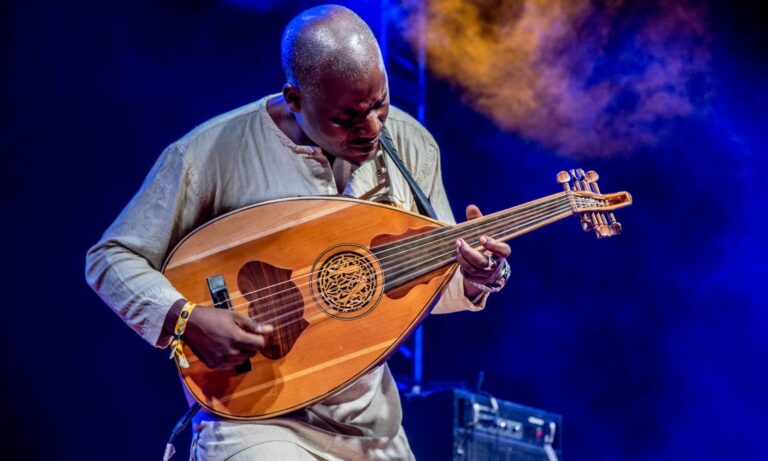
Open call: Sauti za Busara music management training programme
20 Nov 2026
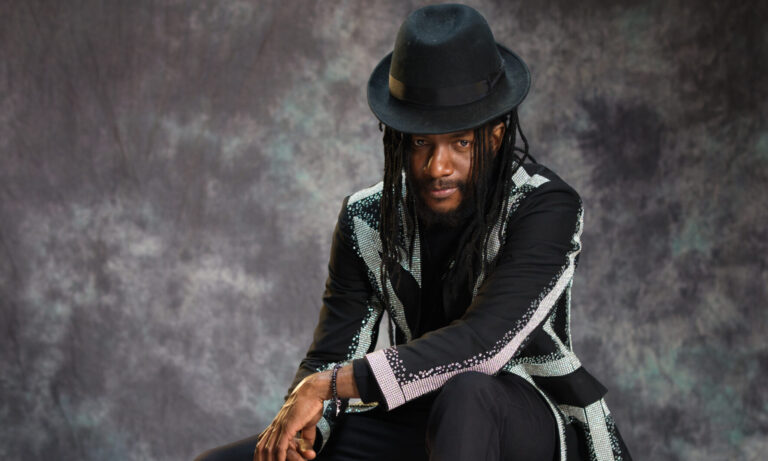
Winky D takes African message global with new album Tête-à-Tête (Hello Africa)
12 Nov 2026
Matt Ngesa explores identity, collaboration and personal growth on debut album
26 Nov 2026
Disclaimer: Music In Africa provides a platform for musicians and contributors to embed music and videos solely for promotional purposes. If any track or video embedded on this platform violates any copyrights please inform us immediately and we will take it down. Please read our Terms of Use for more.
Subscribe to our monthly Newsletter
Follow us on social media


Please log in to post a comment.