
































SAMRO retirement fund reaches $28.4m in assets after 57 years
26 Nov 2026 - 10:06


The Southern African Music Rights Organisation (SAMRO) Retirement Annuity Fund (SRAF) has accumulated R500 million (about $28.4m) in assets since its establishment in 1969, providing retirement benefits to qualifying music creators and their beneficiaries.

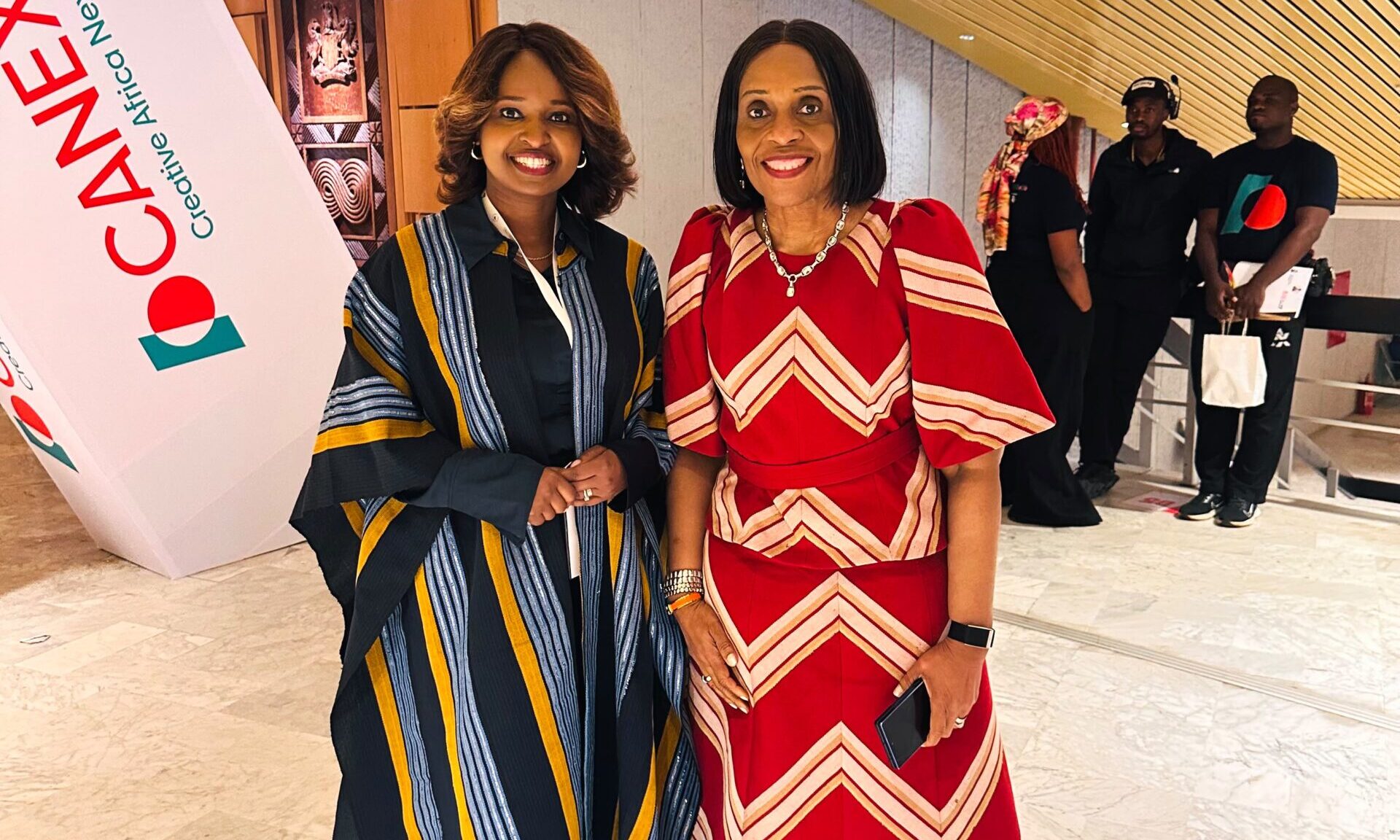
SAMRO CEO Annabell Lebethe.
According to figures released by SAMRO, the Fund has 11,968 active members and has paid out more than R303 million in benefits to members and beneficiaries over the period covered by its available records.
The Fund provides retirement, death and ill-health benefits to qualifying Full and Associate members. It is financed by SAMRO, with members not required to make personal contributions. However, they can make additional voluntary contributions (AVCs) to supplement their retirement savings.
In the 2026 financial year, SAMRO increased its contribution to the Fund from R15 million in 2025 to R17.2 million, representing a 14.7% rise. The Fund also paid R29.6 million in claims during the year, compared with R25.7 million in FY2025.
Membership and eligibility
The retirement provision is available to qualifying members who have earned at least R100 in royalties and progressed to Associate membership, subject to SAMRO's eligibility requirements. Members can subsequently qualify for Full membership by meeting the applicable criteria.
Music creators are not required to make personal contributions to maintain their retirement provision, as SAMRO makes annual payments on their behalf in accordance with the Fund's rules.
SRAF is a separate legal entity from SAMRO and is administered by retirement fund administrator Robson Savage (Pty) Ltd. Its assets are held for the benefit of its members and the purposes of the Fund.
Benefits and two-pot withdrawals
According to SRAF Principal Officer Jolly Mokorosi, more than R303 million has been paid to members and beneficiaries over the period covered by the Fund's available records.
A historical payment schedule covering 2,550 members shows an average benefit of R110,409.68 and a median of R27,962.71. The figures reflect differences in individual benefit amounts, which depend on the capital accumulated in each member's account and the applicable provisions.
The Fund has also processed 378 savings withdrawal claims under the two-pot retirement system, amounting to approximately R3.15 million.
While the system allows members to access eligible savings, withdrawals reduce the capital available for retirement. SAMRO has highlighted the importance of helping members understand the long-term implications of accessing their savings.
Retirement planning and future projections
As at October 2026, 962 SAMRO members are expected to reach the age of 55 within the next five years, placing retirement planning among the Fund's priorities.
Members reaching 55 are not necessarily required to end their music careers. They may continue performing, creating music and earning royalties while leaving their retirement savings invested, subject to the Fund's rules and applicable requirements.
A long-term projection estimates that 677 members could collectively receive approximately R61.84 million in benefits by the age of 55. The estimate takes into account projected contributions, investment growth, fees and potential withdrawals. However, it is not a guaranteed payout and applies only to the members included in the projection.
Members are encouraged to review their benefit statements, update their personal and beneficiary details, and ensure their musical works are registered or reported to SAMRO so that royalties can be identified and distributed.
SAMRO outlines next steps
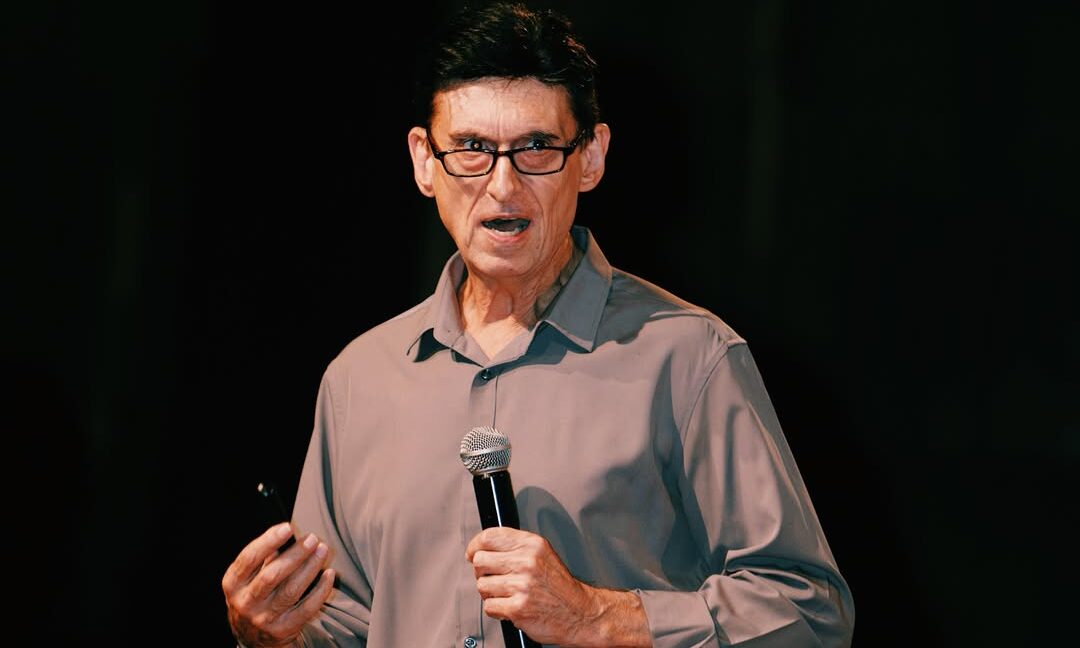
Mokorosi said the R500 million milestone reflected the Fund's role in providing financial support to music creators beyond royalty payments.
“Reaching R500 million in assets is a significant milestone for the SAMRO Retirement Annuity Fund. Established in 1969, the Fund has served South Africa’s music community for more than five decades, with a simple but important purpose: helping provide greater financial security and dignity for the people whose creativity has contributed so much to our country,” he said.
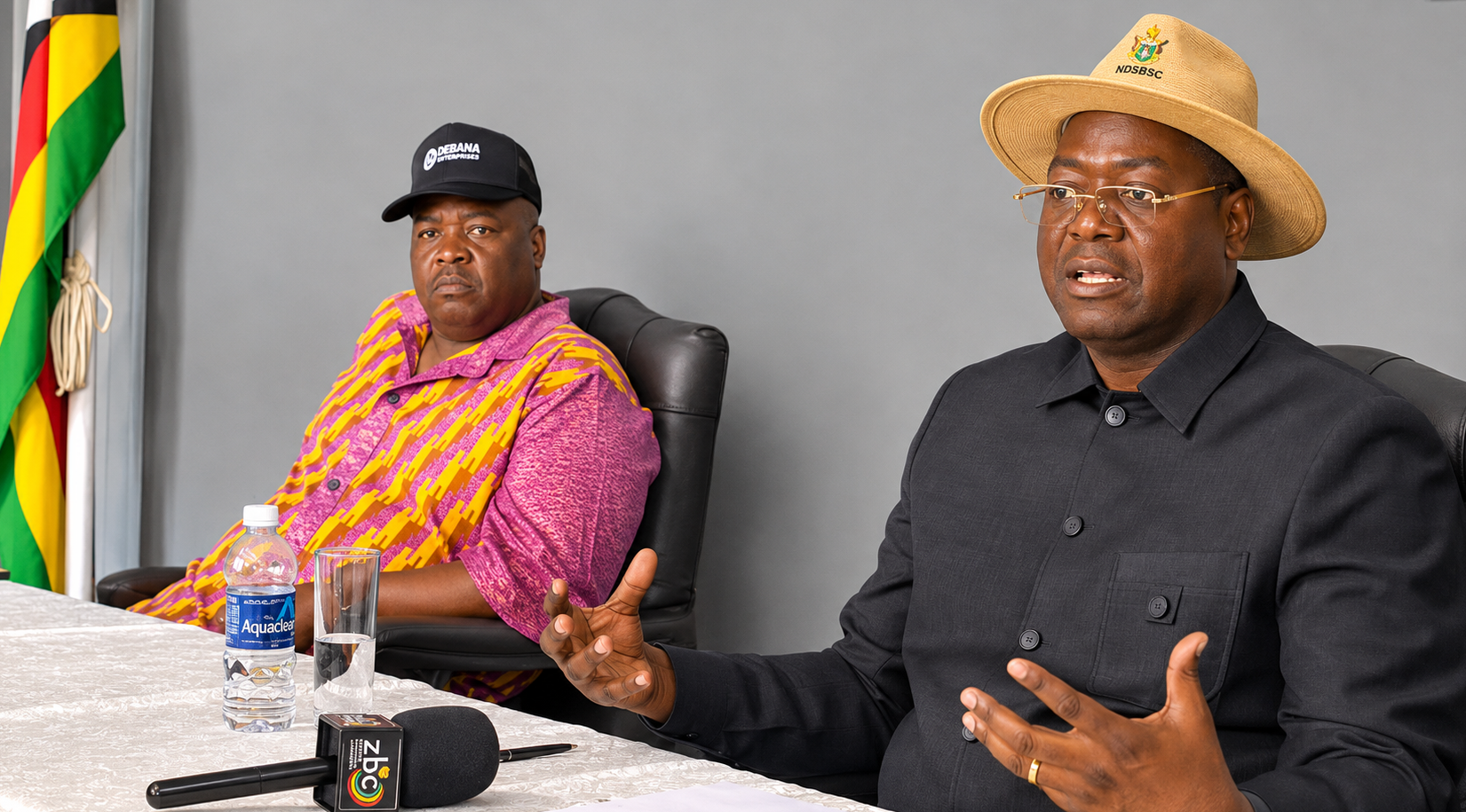
SRAF Chairperson Sisa Mayekiso said the Fund was intended to help qualifying members prepare financially for life beyond their music careers.
“The Fund gives practical expression to that commitment. SAMRO provides a foundation, and members can build on it through voluntary contributions where their circumstances allow. Our responsibility is to ensure members understand this benefit, access accurate information and prepare for their future,” she said.
Mayekiso added that the Fund aimed to help address financial challenges faced by music creators after years of working in the industry.
The Fund's priorities for its next phase include improving member education and engagement, updating membership data, expanding the use of technology, strengthening administration and governance, and maintaining financial sustainability.
SAMRO has encouraged Full and Associate members to contact its Member Services department to confirm their Fund status, review their accumulated benefits and obtain information about retirement planning and voluntary contributions.


Most popular

Top Afrobeats songs of 2026
19 Mar 2026

Top amapiano songs of 2026
16 Feb 2026
Top Naija songs of 2026
31 Mar 2026
Open call: Sauti za Busara music management training programme
20 Nov 2026
Winky D takes African message global with new album Tête-à-Tête (Hello Africa)
12 Nov 2026

SAMRO retirement fund reaches $28.4m in assets after 57 years
26 Nov 2026
Disclaimer: Music In Africa provides a platform for musicians and contributors to embed music and videos solely for promotional purposes. If any track or video embedded on this platform violates any copyrights please inform us immediately and we will take it down. Please read our Terms of Use for more.

Subscribe to our monthly Newsletter
Follow us on social media


Please log in to post a comment.