















































Building an industry around South Sudan’s music and the talent behind it – Part 1
02 Sep 2026 - 17:20


I first travelled to South Sudan in 2017 and quickly became attached to the country. The experience made me reflect on how easily those of us living in more stable environments take security, opportunity and the freedom to plan our lives for granted.

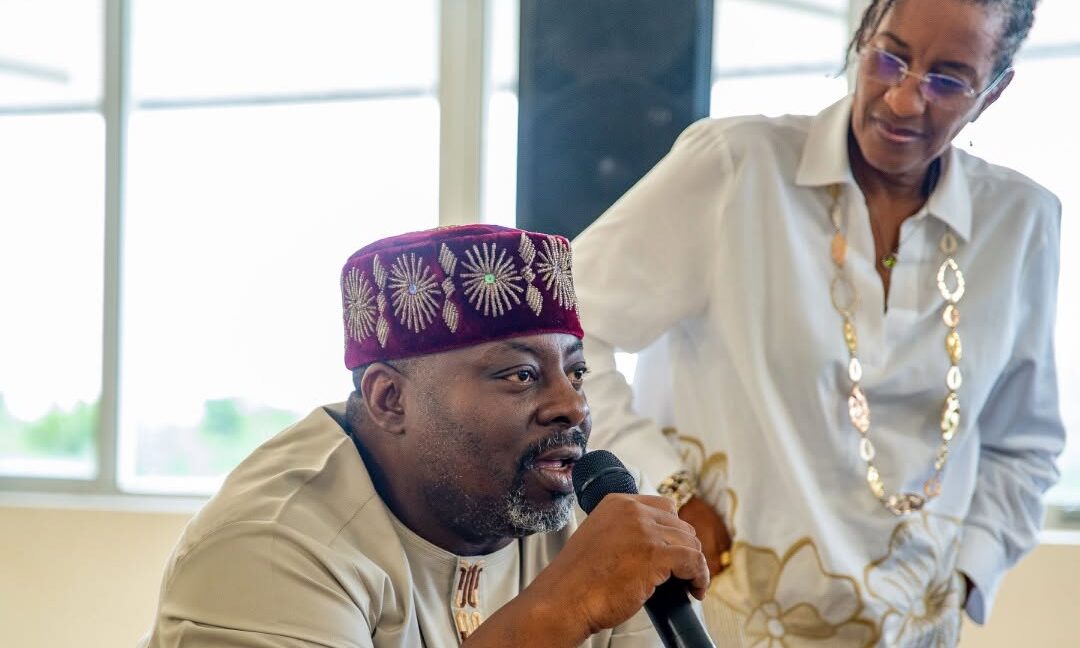
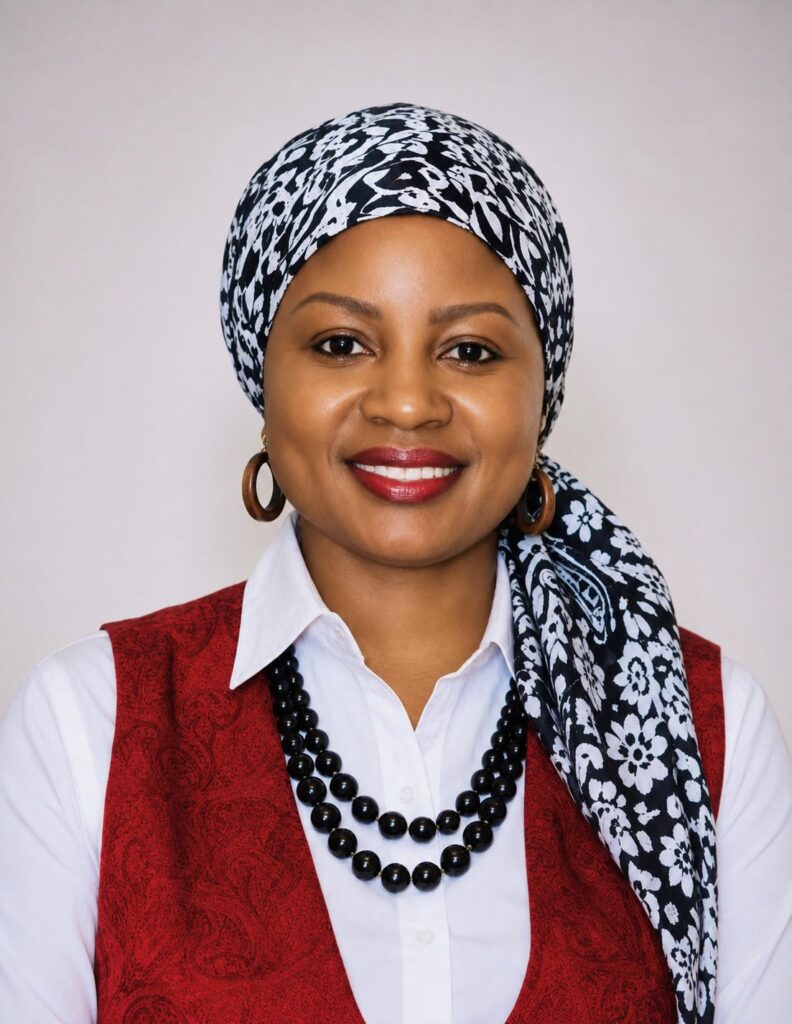
South Sudan’s Minister of Culture, Museums and National Heritage, Sarah Nyanath Elijah, with President Salva Kiir Mayardit during an official engagement in Juba.
What struck me most was the determination of young people and the richness of a culture expressed through music, dance, comedy, languages and traditions that remains relatively little known beyond the country’s borders. I have maintained close ties with South Sudan ever since.
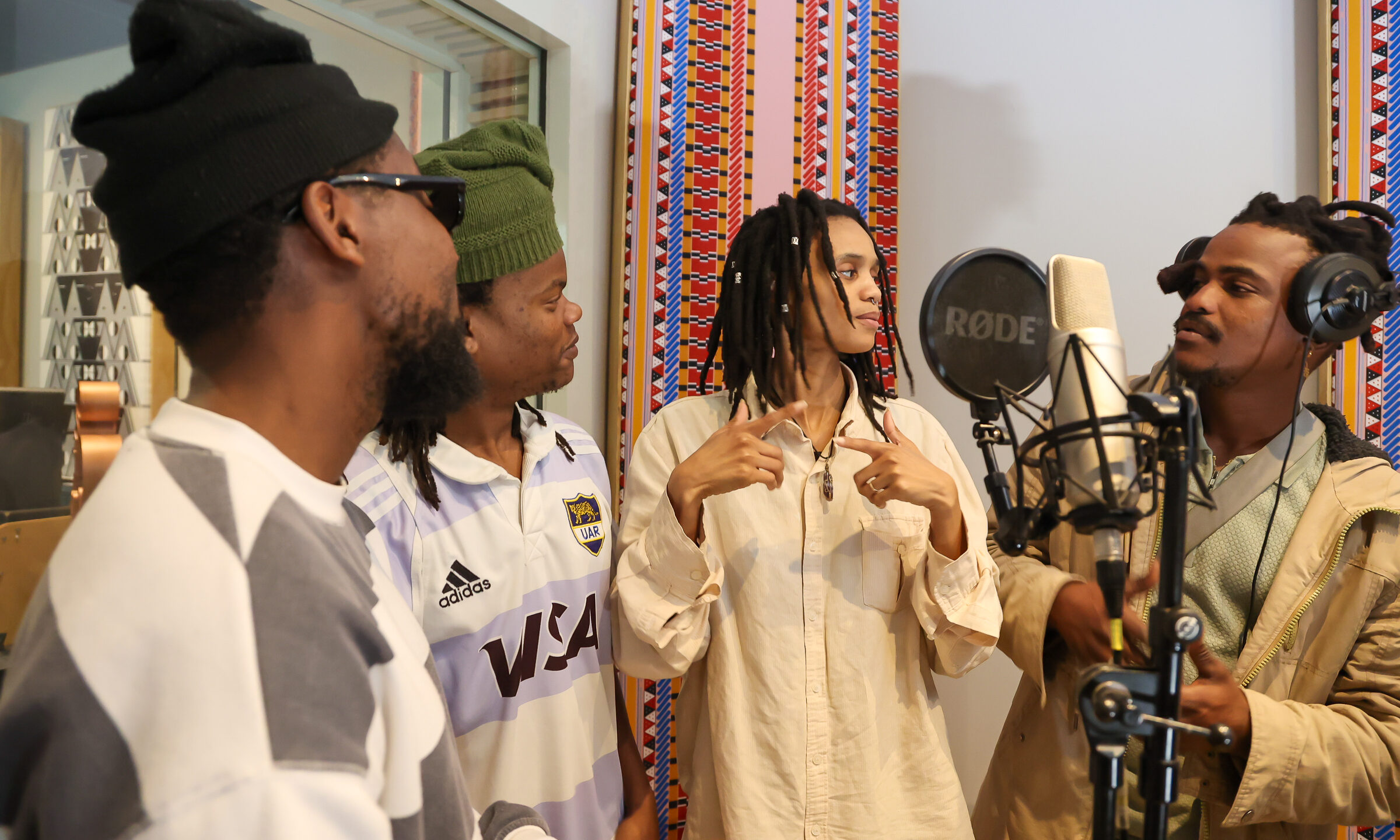
Some of my friends in Juba were music promoters. Through them, I began listening more closely to artists from different parts of the country who had built audiences in the capital. At performances, people would sing songs word for word, even when the recordings might have fallen short of conventional production standards. It hardly seemed to matter. The music spoke to experiences people recognised: their frustrations, aspirations and hopes for the South Sudan they wanted to see.
The talent and audience were already there. What was less developed were the structures that allow music to become a sustainable profession and business.
In July 2026, the Ghines Foundation launched the South Sudan Music Sector Baseline Report, for which I served as lead researcher. The research provided a clearer picture of the sector I had been observing for years. It found a largely informal music industry centred on Juba, with live performance providing an important source of income, while professional training, production infrastructure, copyright administration, digital monetisation and access to finance remain limited.
The research also highlighted a basic problem: South Sudan’s contemporary music sector has been poorly documented. Without reliable information, it is difficult for the ministry responsible for culture to plan effectively, for financial institutions and businesses to understand the market, or for organisations outside the country to identify meaningful opportunities for partnership. A lack of data also makes it easier for South Sudan to remain on the margins of regional conversations about African music.
This matters because South Sudan is often viewed through a narrow lens. Culture, including music, is frequently encountered through performances in clubs and at weddings, political and national-day gatherings, community cultural events, social media, or programmes in which NGOs engage artists to communicate messages about peace and social cohesion. These spaces are important, but they reveal only part of the picture. They do not tell us enough about the musicians, producers, promoters and other practitioners trying to build careers and businesses around their work.
South Sudan continues to face serious humanitarian, economic and security pressures. Those realities require sustained attention, but they cannot become the only way the country is understood. Life continues alongside these challenges. People work, raise families, start businesses, make music, follow sport, create fashion and plan for the future. Culture is part of that everyday life.
If African regional integration is to mean more than a policy aspiration, there has to be a deliberate effort to include countries such as South Sudan, Somalia and Sudan in the continent’s cultural and creative conversations.
African cultural exchange can easily become concentrated around familiar cities and established markets. The same festivals, conferences, organisations and professional networks meet repeatedly, while artists from places with fewer resources, weaker mobility or less developed cultural infrastructure struggle to enter those networks. Over time, their absence becomes normal.
That is difficult to reconcile with an industry that increasingly describes itself as African.
The African Union’s Agenda 2063 provides a broader framework, placing continental integration, peace and cultural identity within the same vision. It calls for greater movement and exchange across Africa, a culture of peace and tolerance, and a continent in which the creative arts contribute to growth and transformation.
The Charter for African Cultural Renaissance goes further, calling for cultural cooperation among member states, intercultural dialogue and the integration of culture into development strategies. It also recognises culture’s contribution to peace, good governance, social cohesion and human development.
These commitments are particularly relevant in countries where political and economic pressures can easily push cultural development down the list of priorities. Culture cannot be treated as something that begins only after every other problem has been solved.
South Sudanese musicians already understand the social value of culture. Music has long been used to speak about peace, unity and national identity. Traditional wrestling offers another example. It is deeply embedded in the cultural life of several communities, bringing people together around sport, music and dance, while tournaments have also been used as spaces for dialogue and peacebuilding.
The next step is to recognise that sustaining cultural life also requires careers, institutions and businesses.
There are already useful examples elsewhere in South Sudan. Basketball has given the country significant international visibility, culminating in its World Cup debut in 2023 and Olympic debut in 2024. Domestic infrastructure has also developed, including the Nimititalata Basketball Stadium in Juba.
Football has received substantial infrastructure investment as well. Juba National Stadium reopened in 2024 following almost US$7 million in FIFA-backed work.
Fashion provides another example. South Sudanese models have gained international visibility, while an agency structure is beginning to emerge at home, incorporating activities such as scouting, runway coaching, portfolio development, casting preparation and international placement.
These examples point to a broader lesson: talent alone does not build a sector. Talent needs infrastructure around it — places to train, professional services, institutions, businesses and pathways through which the next generation can enter the industry.
Music requires the same thinking.
The baseline study found fewer than five operational makeshift recording studios in Juba, many relying on basic equipment and operating without specialised acoustic facilities. Services such as mastering, music publishing, artist management and label operations remain scarce.
For years, Uganda, particularly Kampala, has been an important regional destination for South Sudanese musicians seeking better-equipped studios, experienced producers and established music-industry services. Some artists also work in Kenya, but Uganda has played the more consistent role in providing recording and production pathways.
That access has helped artists create music, but it raises a question that repeatedly came to mind during the research: what happens to the development of a contemporary South Sudanese sound when much of the technical production takes place elsewhere?
Producers inevitably work from the musical references around them. When artists repeatedly record in neighbouring markets, those markets can leave traces on the resulting production. The baseline study notes strong external influences and the absence, so far, of a clearly defined contemporary South Sudanese music identity.
This is why developing South Sudanese producers matters beyond improving technical quality. Producers need recording, mixing and mastering skills that meet professional standards, but they also need opportunities to study the rhythms, instruments, melodies, languages and vocal approaches found within South Sudan’s communities. That knowledge can provide a foundation for experimenting with contemporary forms and developing new sounds from within the country.
This does not mean isolating South Sudanese music from Uganda, Kenya or the rest of Africa. Regional exchange is essential. South Sudanese artists should be able to record in Kampala, write in Nairobi, collaborate in Lagos, perform in Kigali and meet publishers, managers and festival programmers wherever opportunities arise.
The difference is that they should enter those markets from a national sector that is also developing its own technical capacity and creative confidence.
The baseline found strong interest among South Sudanese practitioners in regional collaboration, but regular participation in festivals, conferences, residencies, touring circuits and professional networks remains limited. Financial constraints, mobility, limited information and weak professional networks all restrict access.
Peer-to-peer learning could help address some of these gaps. Much of the knowledge within the sector has been acquired through self-learning, practical experience and informal mentorship. Professional exchanges can therefore go beyond occasional workshops by allowing songwriters, producers, managers, engineers and promoters to work alongside their counterparts in other markets.
The report identifies specialised technical training and continuous professional development as important areas for building a more competitive workforce.
There is also much more about South Sudan that remains outside the usual picture.
In July 2026, the Boma–Badingilo Migratory Landscape became South Sudan’s first UNESCO World Heritage property. Covering more than 11 million hectares of grasslands, wetlands, floodplains, woodland and savannah, the landscape supports an estimated six million migrating mammals as well as diverse wildlife and communities whose lives and cultures are connected to it.
The recognition is a reminder of how much of South Sudan remains unfamiliar, even within Africa. The country has possibilities in conservation, heritage, research and responsible tourism alongside its creative industries.
If African cultural platforms cannot always make their way to Juba, South Sudanese artists need more routes into the places where the continent’s cultural industries meet. Over time, that movement should work in both directions, with more African artists, producers, researchers, businesses and cultural organisations spending time in South Sudan and building relationships there.
Regional integration becomes real through these encounters. It is built when people work together, exchange knowledge, enter one another’s markets and maintain relationships beyond a single project or event.
I fell in love with South Sudan because the country I encountered was far more layered than the one I had imagined before arriving. My employer at the time had advised against the trip because the country was classified as a high-risk destination under our donor’s security framework, so I took annual leave and travelled independently.
Much of what I knew about South Sudan had come through international media coverage. It was easy to imagine a country where bullets and bombs defined everyday life. The difficult realities were there, but so were music, sport, friendship, business, family life and communities holding on to the rhythms of ordinary life.
Almost a decade later, there is still so much to know. South Sudanese creatives should not have to wait for perceptions of the country to change before they are fully included in Africa’s cultural life.
Stronger structures at home, supported by regional partnerships, can help develop the sector and create more opportunities for young people to build careers, businesses and creative work that can travel beyond South Sudan.
African media also has a role to play. Conflict, displacement and humanitarian need must continue to be reported, but they should not become the only lens through which a country is seen. Reporting the continent more fully means paying attention to its cultural life, landscapes, industries, humour, talent and the people building futures while harder realities remain unresolved.
South Sudan does not need a different story invented for it. It needs more of its own story to be seen.
Read Part 2 here.
Lucy Ilado is a cultural policy specialist, researcher and programme manager working across Africas’s cultural and creative industries. Her work focuses on cultural policy, research, ecosystem building and programme design.


Most popular

Top amapiano songs of 2026
16 Feb 2026

Top Naija songs of 2026
31 Mar 2026

Top Afrobeats songs of 2026
19 Mar 2026

AFRIMA 2026: All the winners
12 Jan 2026
Open call: MTN One TV African film and television projects
16 Sep 2026
Open call: Goethe-Institut grants for Southern African creatives
08 Sep 2026
Disclaimer: Music In Africa provides a platform for musicians and contributors to embed music and videos solely for promotional purposes. If any track or video embedded on this platform violates any copyrights please inform us immediately and we will take it down. Please read our Terms of Use for more.

Subscribe to our monthly Newsletter
Follow us on social media


Please log in to post a comment.