


















































Trésor : « Mon parcours a influencé ma façon de faire de la musique »
Adolescent pleins de rêves, Trésor quitte sa ville sans prévenir sa famille, et ce n’est qu’à la fin d’un long périple de plusieurs mois, à silloner l’Afrique orientale et australe, qu’il atterrit dans la ville portuaire de Durban (Afrique du Sud). Il travaille alors comme gardien de parking le jour et agent de sécurité le soir, pour joindre les deux bouts. En même temps, il continue de faire de la musique et arrive à s’introduire dans la scène musicale locale.
En septembre 2015, il sort son premier album VII après 7 ans de travail. L’opus réunit de nombreux artistes tels qu’AKA, Kuli Chana, Beatenberg et The Soil. Le remix du single « Mount Everest » (Freddy Verano remix) atteint le top des hits en Italie et sur la liste Global Shazam trending list.
L’album sera nominé dans plusieurs catégories aux South African Music Awards et remporte le prix de l’album de l’année. Trésor sort son deuxième album The beautiful Madness en mai 2017. Cette seconde production connaît également un succès en Italie, au Royaume-Uni et au Japon notamment.
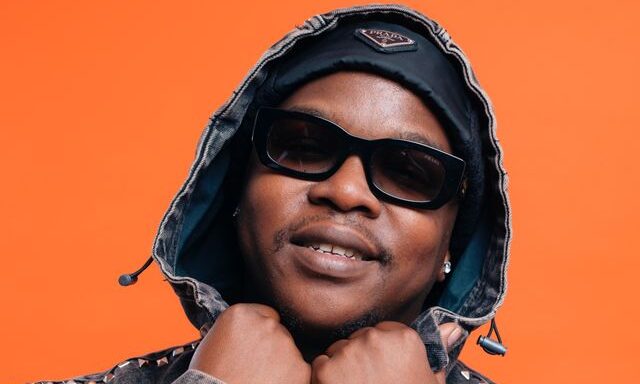
Quelques jours après la sortie de son 3e album, Nostalgia, portée par le lancement du clip « Electric Night » , Trésor s’est rendu dans nos locaux pour parler de l’album. Interview.
Tu viens de sortir ton 3e album Nostalgia, ainsi que le clip vidéo de la chanson « Electric Night » avec AKA. Qu’elle est l’inspiration derrière la chanson ?
Pour cette chanson, je me suis inspiré d’artistes tels que Michael Jackson et Brenda Fassie. Je me suis référé principalement au clip Thriller. Je voulais faire un clip classique qui laisserait une marque, une empreinte. Je voulais aussi faire quelque chose d’unique pour inciter les jeunes artistes à être originaux et créatifs.
On a l’impression en suivant l’opus, que l’on navigue constamment entre le passé et le présent. Quelles sont les messages que tu as voulu faire passer ?
J’ai voulu recréer une musique semblable à celle de mon enfance : J’ai grandi en écoutant Papa Wemba, Youssou N’Dour, Salif Keita, Brenda Fassie, Johnny Clegg, Bra Hugh Masekela. Vous entendrez sûrement leurs influences dans mes chansons.
Je recompose dans mon opus, l’univers musical dans lequel j’ai baigné entre 5 et 6 ans. Quand vous écoutez Nostalgia, vous percevez les influences musicales de mon enfance ; le public comprendra pourquoi j’ai choisi de faire la musique que je fais aujourd’hui.
Quand et comment as-tu découvert ta passion musicale ?
Dès mon plus jeune âge, vers 8 ans je crois, je savais déjà que la musique était ce que j’aimais et que je voulais faire. Je me suis alors lancé et je n’ai jamais vraiment arrêté. J’ai commencé à jouer de la batterie, puis de la guitare, puis j’ai commencé à chanter ; tout s’est très vite enchaîné. Issu d’un milieu non-musicien j’ai été le premier de ma famille à embrasser une carrière d’artiste et je suis fier de ce que j’accomplis.
Comment ton long voyage vers l’Afrique du sud a influencé ton processus musical ?
Mon parcours a vraiment fait de moi l’être humain que je suis aujourd’hui. Cela a influencé ma pratique de la musique et lui assure une certaine authenticité, cela m’a aussi fait apprécier davantage les cultures et façons de vivre du continent. Je ne prends pas de raccourcis et je ne fais rien à moitié ; je m’investis toujours à fond, avec tout mon cœur.
J’ai rêvé dès mon plus jeune âge de devenir un grand artiste international. À l’époque, à la maison, les gens pensaient que j’étais fou et que mes ambitions étaient démesurées. Mais dans la vie, on ne sait jamais où Dieu et l’univers peuvent nous envoyer. Je me suis retrouvé ici en Afrique du Sud et j’ai réalisé que c’était l’endroit idéal pour commencer ma carrière. Mon parcours est une bénédiction.
Tu écris également pour d’autres musiciens. Ton premier chèque en tant qu’auteur, tu l’as reçu pour une chanson interprétée par la Sud-africaine Zahara. Comment-as-tu réussi à t’établir en tant qu’auteur- compositeur ?
Je frappe à toutes les portes, je vais vers les gens. Je crois que la musique a un puissant pouvoir. Si j’étais dans la même pièce que Michael Jackson à cet instant et que je jouais de la musique, une connexion naturelle s’établirait entre nous ; il voudrait sûrement en savoir plus sur moi.
Je m’assure donc de toujours d’envoyer ma musique à différentes personnes, afin qu’elles l’entendent et l’apprécient. La collaboration avec Zahara , qui s’est même produite en concert chez moi au Congo, a été incroyable ; les gens adorent la chanson « Limbisa » et c’est une de mes chansons préférées parmi celles que j’ai composées jusqu’à ce jour. Depuis, j’ai écrit pour beaucoup d’artistes : des talents du concours Idols, Beatenberg, Heavy K, etc…
Je lisais hier un excellent article sur la nécessité de bien nommer nos différents genres de musique car actuellement on appelle tout afrobeat. Comment définis-tu ton genre musical ?
J’appelle ma musique African Pop ou New-age African Pop, parce que c’est différent de ce qui se fait actuellement. Ma mission est également de redéfinir la vision globale de la musique africaine. On la resume habituellement à l’afrobeat et au kwassa-kwassa, cependant, il y a beaucoup de genres et de nouveaux sons que j’expérimente.
Parle-moi de ta chanson/collaboration avec Lokua Kanza. Je pense que c’est un mentor pour toi ?
Lokua est quelqu’un d’incroyable. On a passé beaucoup de temps ensemble quand il était ici. Depuis mon enfance, je rêvais de travailler avec lui. Je voulais écrire quelque chose de spécial pour parler de ma famille et de mes défunts parents, j’ai pensé qu’il serait la personne idéale pour collaborer avec moi, car je l’apprécie et le respecte énormément.
Quand il a entendu la chanson, il a tout de suite accepté d’y travailler. Je l’ai écrite, mais il y a apporté sa vibration et une autre atmosphère. Nous avons travaillé sur deux chansons. L’une d’entre elles n’est pas encore sortie et nous espérons collaborer avec Fally pour sa réalisation.
L’an dernier, tu as été nommé ambassadeur de bonne volonté auprès de l’UN-HCR. Pourrais-tu nous en parler ?
J’ai été nommé ambassadeur de bonne volonté de l’ONU pour un projet particulier, qui vise à soutenir les réfugiés, à montrer qu’eux aussi ont une vie et qu’ils peuvent faire de grandes choses, en impactant la vie des gens qui les entourent. J’ai l’occasion dans ce rôle, de partager ma propre expérience et de donner de l’espoir aux réfugiés. C’est un projet qui s’étend sur toute l’Afrique. Nous sommes allés dans ce cadre, au Malawi, en Ouganda et nous espérons faire plus de choses cette année.
Quels sont tes projets pour 2019 ?
J’espère retourner à Goma faire un concert pour célébrer mes 10 ans de carrière. J’ai aussi des projets dans le domaine caritatif mais je ne peux pas en parler pour le moment.
Je suis en phase de lancer un label, Jaquel Entertainment Group, en partenariat avec Universal Music. Je travaille avec deux artistes pour le moment, dont un est également originaire du Congo. J’ai hâte de présenter leur travail.
[video:https://youtu.be/Xh1WsKKaEIQ autoplay:0]



