




























Les médias sont un outil important pour informer, éduquer et divertir. Le texte donne un aperçu du paysage médiatique en Zambie, particulièrement en ce qui a trait à l'industrie locale de la musique.
Les colons britanniques introduisent les médias modernes en Zambie au début du 20ème siècle avec les premiers journaux en 1902, bien que la distribution soit limitée. La première radio est lancée en1948, alors que la télévision est introduite en 1953. Depuis l’indépendance, en 1964, les médias ont efficacement contribué à la croissance de l'industrie musicale zambienne.
La radio
Il y a environ 28 stations de radio en Zambie, dont une qui transmet à l'échelle nationale. La majorité est régionale diffusant sur les 10 provinces de la Zambie. Les radios privées sont en grande partie propriétés de l'église ou de quelques entrepreneurs.
La Zambia National Broadcasting Corporation (ZNBC) (radio nationale zambienne) propose trois services. Radio 1 diffuse de la musique contemporaine et traditionnelle dans les sept langues principales, à savoir : bemba, nyanja, lozi, tonga, kaonde, lunda et luvale. Radio 2 diffuse en anglais, tout comme le troisième service Radio 4, le service commercial de la ZNBC. Les émissions interactives et dédicaces sont les plus populaires. Announcer’s choice attire un large public sur les deux chaines. Lady MC (Marian Chigwedere) et DJ Dazzle (Herbert Mutabi) sont quelques-uns des animateurs connus [i].
Radio Phoenix est une radio privée, couvrant neuf des 10 provinces de la Zambie, y compris certaines parties du Sud, Lusaka, le centre et la province du Copperbelt. La radio diffuse des émissions de variétés notamment le populaire Local Rhythms Countdown qui explore les nouvelles tendances musicales. Radio Phoenix est la première radio FM commerciale indépendante créée en 1996 par Errol Hickey, légendaire journaliste zambien [ii].
Radio Icengelo est créée en 1995 et mise en service le 11 mai 1996. Cette radio catholique opère de Kitwe et couvre l'ensemble de la province du Copperbelt (et quelques régions des provinces voisines). Les programmes sont proposés en anglais, bemba et lamba, le dialecte local. La station fonctionne tous les jours de 5:30 à minuit et émet sur la fréquence 102.9 FM et sur 89.1 en stéréo. La radio diffuse du gospel le matin suivi d’autres genres musicaux. Music Promotion et Golden Oldies sont parmi les émissions les plus populaires [iii].
Flava FM est administré par le célèbre disco DJ et avocat de formation, Gersh "Groove" (Chishala Chitoshi). Leur devise est : "le cœur et l'âme du Copperbelt" et leur cible principale est la jeunesse urbaine, bien que la radio soit appréciée par un auditoire plus large. L’émission du dimanche matin animée par Uncle BMK (Barney Kanjela, célèbre dramaturge) plaît aux Zambiens de tout âge. BMK diffuse du jazz, des golden oldies, du rock et "la musique d’aujourd’hui". La radio propose également de la variété dans The Power Tools Flash Forward, une émission quotidienne présentée par divers DJs. Flava FM a commencé à émettre en mars 2008 sur 87.7 FM. La radio est basée à Kitwe dans la province du Copperbelt [iv].
YAR FM est basée dans le centre-ville de Kitwe. La station couvre l'ensemble de la province du Copperbelt et diffuse en anglais. YAR est acronyme de « Your Anthem Radio ». La première station de radio commerciale du Copperbelt fut construite en 2004 par Ken Tonga. La radio "La voix de l'autorité du Copperbelt" émet sur 89.9 FM [v].
La radio communautaire Chikuni est basée dans la province du sud et est diffusée par la paroisse catholique de Chikuni. Son signal atteint trois autres paroisses à Monze, Mazabuka et Choma. La radio Chikuni a grandement contribué au Tonga Music Festival, qui est devenu un événement culturel annuel mettant en valeur le riche patrimoine musical du peuple Tonga. La musique jouée au festival est diffusée sur la station et est également publiée sur CD. La station émet sur 91.9 FM [vi].
Zambezi FM diffuse de la ville touristique de Livingstone. Swithin Haangala, le propriétaire, est un consultant en publicité, qui est également propriétaire de Lantana Communications. Zambezi FM diffuse sur 107.7 FM et couvre Livingstone et ses environs. Elle est également disponible en ligne [vii].
La télévision
Le Central African Broadcasting Services inaugure la première station de télévision zambienne en 1953, à Lusaka. C’est le premier studio de l'ensemble de la Fédération de Rhodésie et du Nyasaland regroupant la Zambie, le Malawi et le Zimbabwe.
La Zambia National Broadcasting Corporation (ZNBC) est initialement appelée la Rhodesia TV avant l'indépendance et devient Television Zambia (TVZ) en 1964. Le service dispose maintenant de trois chaines : ZNBC TV1, TV2 et TV3. La télévision nationale est le principal promoteur de musique zambienne avec des émissions musicales comme Born and Bread, Sounds Arcade et Faith Gospel Hour sur la TV1 ; 3.7 Blaze sur la TV2 et Gospel Cruise sur TV3. La musique fait également partie des talk-shows comme Youth Zone, Smooth Talk, Zed Connect ou encore Kwacha Good MorningZambia [viii].
MUVI TV est la télévision par satellite. Un service lancé par Steven Nyirenda et son épouse Kathryn. MUVI signifie "Musique et Vidéo" et propose de la musique locale et internationale ainsi que d’autres chaines telles Africa Unite TV et MuviNyimbo, qui proposent de la musique zambienne et africaine[ix].
La presse écrite
Zambia Daily Mail a toujours été un fervent partisan de la musique à travers une variété de rubriques. Daily Mail (conjointement avec l'ancien journal Week World) proposait des sondages où les lecteurs votaient pour le meilleur soliste, chanteur, groupe, album, single, etc. À l'heure actuelle, le journal ne consacre que quelques pages au divertissement et à la musique dans ses éditions du vendredi et samedi[x].
Times of Zambia fondé en 1962, propose un dossier divertissement d’environ quatre pages tous les week-ends. Ce dossier couvre la musique et les arts en général et est disponible chaque vendredi, samedi et dimanche.
Sunday Times of Zambia, la publication sœur de Times of Zambia propose régulièrement des rubriques TV et radio [xi].
L’édition du vendredi du journal The Post propose quant à lui, quatre pages sur les divertissements locaux notamment la musique. Son édition du week-end, The Week-end Post, est purement consacrée au divertissement. La rubrique ‘The Music Review’ d’Elvis Zuma est très appréciée pour ses critiques et articles riches d’informations [xii].
Speak out est un magazine de la jeunesse chrétienne qui consacre la part la plus importante de son contenu à la musique. Le magazine Pop Spot propose également une rubrique musicale et une affiche d’un musicien populaire chaque mois. La musique fait souvent l’objet de reportages [xiii].
Le magazine Bulletin & Record est relativement nouveau mais s'est déjà imposé comme le plus populaire mensuel en Zambie. Il couvre la politique, l'économie et les questions socio-culturelles. Le magazine consacre des articles à la musique locale dans presque toutes ses éditions. Des journalistes de divertissement comme Mkunte (aussi connu sous le nom de DeeJay Wolf), Austin Kaluba et Terence Miselo ont contribué à cet impressionnant magazine, qui est disponible dans les magasins Shoprite et la plupartdes librairies à travers le pays [xiv].
Les médias en ligne
Les médias en ligne gagnent en popularité en Zambie et représentent un forum populaire pour s’informer des courants musicaux dominants. Des sites web sont consacrés aux nouvelles tendances aussi bien qu’aux tendances passées. Par exemple, les sites Indimba [xv], ZambianMusicBlog [xvi],ZambianMusic.net [xvii] et Wapyamunzi [xviii] couvrent la scène contemporaine alors que ZamRock.org [xix] et le blog Zambian Rock [xx] proposent de la musique de la vieille école.
Les sites commerciaux comme iTunes et NyimboZambia [xxi] permettent d’acheter et de vendre de la musique en ligne.
La règlementation et la censure
En matière de réglementation de l'industrie locale, la Zambian Information and Communications Technology Authority (ZICTA) [XXII] et l’Independent Broadcasting Authority (IBA) assurent la régulation des contenus. À de très rares occasions, les musiciens ont eu leurs chansons retirées des ondes pour vulgarité ou fort contenu socio-politique, créant une controverse dans la plupart des cas. En général, la Zambie bénéficie d'un paysage médiatique relativement libre, dans lequel la musique joue un rôle central.
[i] Www.znbc.co.zm
[ii] Www.facebook.com/RadioPhoenixZambia/
[iii] Www.radioicengelo.com.zm
[iv] Flavafm.co.zm
[v] Www.yarfm.co.zm
[vi] Www.chikuniradiozm.org
[vii] Www.zambezifm.co.zm
[viii] Www.znbc.co.zm
[ix] Www.muvitv.com
[x] Www.daily-mail.co.zm ou www.facebook.com/ZAMBIA.DAILY.MAIL
[xi] Www.times.co.zm
[xii] Www.postzambia.com
[xiii] Www.facebook.com/SpeakOutZambia/
[xiv] Ou https://www.facebook.com/BulletinandRecord/ www.bulletinandrecord.com/
[xv] Indimba.com
[xvi] Www.zambianmusicblog.co
[xvii] Www.zambianmusic.net
[xviii] Ou wapyamunzi.blogspot.com www.wapyamunzi.com
[xix] Www.zamrock.org
[xx] Www.zambianrock.blogspot.com
[xxi] Nyimbozambia.com
[XXII] Www.zicta.zm


Most popular

Top 10 des artistes africains les plus populaires sur YouTube
08 Fév 2023

Top 10 des artistes congolais les plus streamés en France en 2026
05 Mai 2026

10 rappeurs d’origine africaine qui redéfinissent la scène rap française en 2025
06 Juin 2025
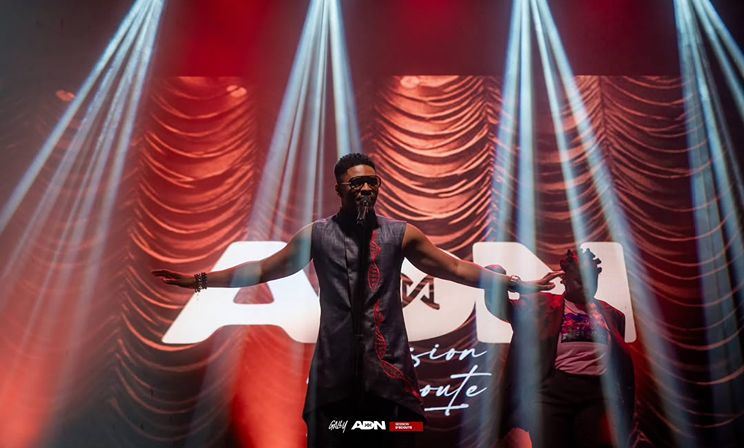
Chronique : dans « ADN », Gally Garvey raconte la rumba congolaise autrement
24 Oct 2026

ACCES DÉVOILE UNE PROGRAMMATION D’EXCEPTION POUR SON ÉDITION 2026
23 Oct 2026
ACCES dévoile une programmation exceptionnelle pour son édition 2026
14 Oct 2026
Disclaimer: Music In Africa provides a platform for musicians and contributors to embed music and videos solely for promotional purposes. If any track or video embedded on this platform violates any copyrights please inform us immediately and we will take it down. Please read our Terms of Use for more.

Abonnez-vous à notre newsletter
Retrouvez-nous sur les réseaux sociaux


Please se connecter to post a comment.