




















NEFCISA
NEFCISA

The Music In Africa Foundation (MIAF) is proud to announce its partnership with the Industrial Development Corporation (IDC) as a Strategic Implementing Partner (SIP) for its Social Employment Fund (SEF). Through this collaboration, MIAF is launching a new national programme designed to create jobs, address skills gaps, and strengthen South Africa’s creative industries — in line with the SEF’s overarching goal to generate work for the common good and build community value through employment, social contribution, and inclusive economic participation. Operating under the banner NEFCISA (National Employment Facility for Creative Industries in South Africa), the initiative will recruit and train participants, match them with host organisations, and place a minimum of 1 000 workers across the country. Key Objectives: Support employment and entrepreneurship in the creative industries. Offer skills development and training programmes. Foster partnerships between public and private creative sectors. Promote South African creativity at both provincial and national levels Foster community development through social contribution.

ACCES
ACCES

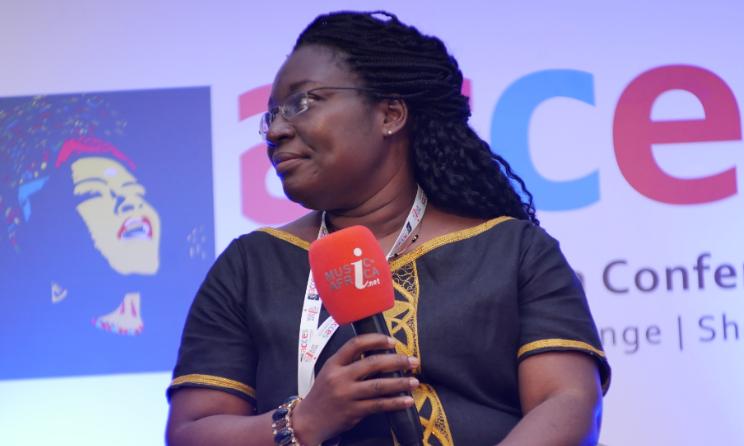
Chaque année, nous fournissons des informations générales afin de guider les participants dans la préparation de leur voyage. En plus de ce site, des mises à jour importantes seront envoyées par e-mail à tous les délégués inscrits. Assurez-vous de vous inscrire dès que possible. Pour plus d'informations, veuillez contacter [email protected] Continuez à consulter cette page pour plus d'information.  

Gender@Work
Gender@Work

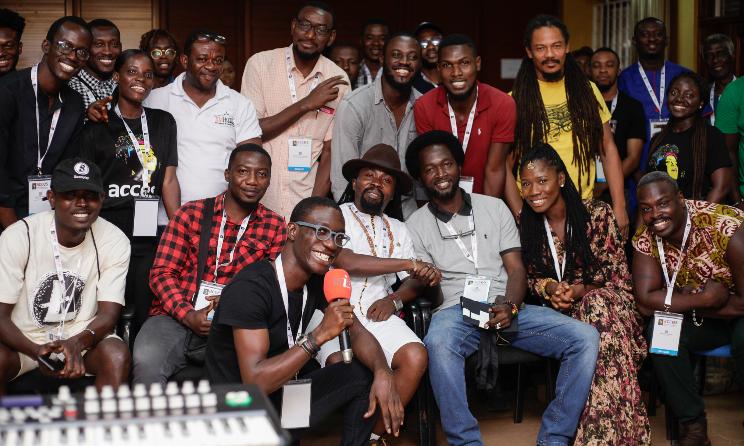
Music In Africa Gender @ Work is a three-year training programme aimed at upskilling and increasing the participation of female professionals in the African music sector. Launched by the Music In Africa Foundation (MIAF) in April 2019, the programme is connected to the MIAF’s ACCES music conference – a pan-African event held in a different African country every year. This connection enables the programme to reach new participants in a different African country every year. The programme marks the beginning of a more concerted effort by the Foundation to support the participation and inclusion of women in all facets of its programmes and the music sector in Africa as a whole. Over the three years, the programme will aim to address gender imbalances in the sector through training, lobbying, facilitating knowledge exchange and dialogues that foster the interest of women. The broader objectives of the programme are to: Provide industry training for women on critical music industry skills, focusing on: Stage management Electronic music production and recording Music business management Technical knowledge Provide an opportunity for both professional and aspiring women to benefit from the Music In Africa network and its broad range of activities in 2019, 2020 and 2021. Provide a solution-based platform in the form of a round table at ACCES with a view to identify challenges, discuss opportunities and lobby for the interests of female practitioners. Offer participants the opportunity to benefit from programmes offered by MIAF’s partners. Increase access to educational materials. Integrate participants in the broader ACCES programme to maximise experience and exposure to the industry. Record and present training materials on the www.musicinafrica.net, including but not limited to tutorials, templates and other best-practice materials. Communicate women-based themes that support the initiatives and messages of the programme. MAIN TRAINING ACTIVITIES Training in first country (Ghana): In the first year, participants will be trained on all aspects of stage management by a team of experienced stage managers from 10 to 17 November 2019. The programme will offer robust classroom training as well as practical, hands-on training in which participants will also be given the opportunity to manage various aspects of the ACCES performance programme. Training in second country: The second training iteration will take place at ACCES 2020 when the programme will diversify its course to include music production lessons and training on other music business topics. A round-table platform will also be introduced to coincide with the ACCES programme. Training in third country: The third training iteration will take place at ACCES 2021 in a different country, offering an advanced course. HOW DO YOU GET INVOLVED?  As a participant, facilitator or trainer: The programme enrolls up to 12 trainees every year. All opportunities are advertised publicly on this website, and will be added to this page. Please keep checking this page for new calls (below under UPDATES & CURRENT OPPORTUNITIES). As a partner Please contact Claire Metais at [email protected]. APPLY The call for applications for 2020 will be announced soon. The Music In Africa Gender @ Work programme is made possible with the support of the Prince Claus Fund, Siemens Stiftung and Goethe-Institut.

Sound Connects Fund
Sound Connects Fund

Pour les praticiens et les organisations culturels et créatifs opérant en Afrique australe, l’accès au financement reste un défi majeur. La pandémie de COVID-19 a également eu un impact massif sur les politiques gouvernementales, les dépenses et l’économie en général, et a vu les dépenses consacrées à la culture reléguées plus bas dans la liste des priorités. De plus, les industries culturelles et créatives citent régulièrement quatre domaines principaux où l’investissement est nécessaire pour la croissance : une visibilité accrue, la mobilité incluant l’accès à de nouveaux marchés, le financement et les structures de soutien.

Music In Africa Live

MUSIC IN AFRICA LIVE Lancé en 2020 pour une durée de 3 ans, Music In Africa Live est une initiative visant à soutenir l'écosystème de la musique africaine face aux contraintes imposées par la pandémie de COVID-19 ; le projet a été lancé par la Fondation Music In Africa (MIAF) en partenariat avec le ministère fédéral allemand des Affaires étrangères, Siemens Stiftung et le Goethe Institut. Plus de 30 aides sont disponibles dans le cadre de la troisième édition de Music In Africa Live, dans 3 catégories :  showcases, renforcement des compétences et plaidoyer, en conformité avec les modalités énoncées.

Instrument Building And Repair Project

The overarching objective of Music In Africa Foundation’s Instrument Building and Repair (IBR) project is to encourage the formalisation and professionalisation of instrument-making and repair in Africa, especially in relation to indigenous African instruments. Background In 2014, the Music In Africa Foundation (MIAF) identified as one of its focus areas for development the need to encourage young people from music and music-related sectors to consider instrument-making as a career. This need extended itself from the recognition that the making of traditional African instruments is not a widely practiced skill and seems to be limited to the older generation. Traditional African instrument makers are also few and far between, making communication and logistics between teachers and learners an obstacle. When instrument building workshops take place, budgetary constraints do not allow teachers or learners the time to explore the finer details of an instrument. Based on these observations, the MIAF designed and piloted the first IBR workshop at the Dhow Countries Music Academy (DCMA) in Zanzibar in February 2015. In 2016, the foundation received funding from the South African National Lotteries Commission to implement a much bigger version of the project in Johannesburg. The project drew participants from five African countries. 25 students from South Africa, Ghana, Senegal, Kenya and Ethiopia were trained on how to build and repair musical instruments. The instruments that they made were: Traditional Instruments: Umakhweyana and Marimba Conventional Instrument: Dulcimer guitar The workshop culminated in a traditional instruments concert at the Wits Theatre in Johannesburg. It is the MIAF’s aim to roll out similar workshops in as many African countries as possible over the next few years. Objectives Developing awareness of musical instrument makers in Africa with a view to promote their work to a wider global audience. Facilitating the sharing and transfer of skills in indigenous instruments between countries on the continent. Encouraging the formalisation and professionalisation of instrument-making and repair in Africa, especially in relation to indigenous instruments. Helping instrument makers develop their careers. Fostering the rapid monetisation and sustainable development of instrument-making and repair in Africa. Promoting constant exchange of ideas, expertise, experiences and know-how among instrument makers in Africa. Facilitating the identification of existing gaps in the field with a view to contribute new solutions. Facilitating the transfer of knowledge and skills of indigenous instruments between younger and older generations. 2020 edition The MIAF has also announced that multi-instrumentalist and instrument maker Joe Makhanza will facilitate one of the workshops on the building of the kamale ngoni instrument. Kamale ngoni is a kora-like, stringed instrument that originated in West Africa. The instrument contributed to the rise of Wassoulou music in the 1970s and 1990s. Makhanza was born in Giyani in South Africa's Limpopo province. He completed a bachelor of music degree and a post-graduate diploma in arts marketing from Wits University. He is currently completing his masters in ethnomusicology and is a part-time lecturer in African music studies at Rhodes University. He plays the kora, mbira, valiha, masenqo, xiwewe, ngoni ba and xizambi, among others. He also manufactures the aforementioned instruments. The MIAF will confirm more trainers who will join the workshops as well as the other instruments that will be featured in the 2020 IBR programme.  Apply to participate here. Connect with us on Twitter, Instagram and Facebook, and subscribe to our monthly newsletter. The Music In Africa Instrument Building and Repair project is funded by the National Lotteries Commission. It is implemented in partnership with Siemens Stiftung, Goethe-Institut, Wits Theatre and Kaya FM.

Overviews

La musique populaire en Éthiopie

08 Déc 2016 - 20:03

cc-img flag-img

La musique éthiopienne caractérisée par ses rythmes asymétriques, ses mélodies et un système modal pentatonique unique, a connu une constante évolution depuis ses débuts. La musique populaire, représentée par les ménestrels vagabonds appelés Azmaris, fusionne des éléments de l'Occident après l'arrivée des premiers orchestres militaires occidentaux, envoyés par le Tsar Nicolas II en 1897.
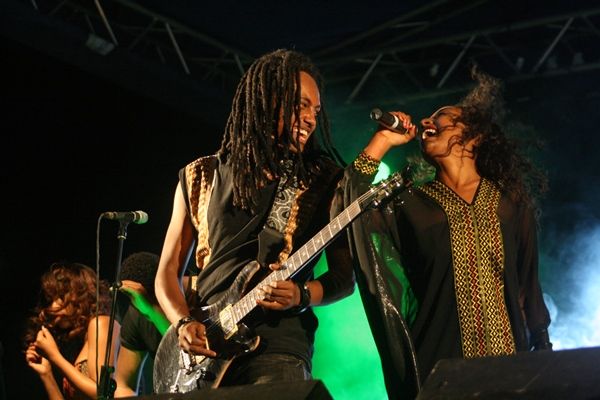
Jano Band, groupe éthiopien. Photo de SisayGuzay

L’Éthio-Jazz

Les années 60 sont une période de transition. De nouveaux groupes éthiopiens, entretenant des liens avec la garde impériale, l'armée et la police, commencent à émerger donnant naissance à la musique urbaine moderne. L'émergence de ces groupes donne lieu à la diffusion d'éléments de la musique occidentale chez les Éthiopiens. Un des précurseurs est le théâtre de la municipalité, connu sous le nom de Théâtre National.

L’arménien Narsès Nalbandian, joue un rôle de premier plan dans le mouvement théâtral et musical au Théâtre National. Il est en effet reconnu pour avoir harmonisé les sons locaux à la pop occidentale, tout en préservant l'authenticité de la musique. Ce faisant, il a contribué à donner le ton à l'évolution de l'Éthio-Jazz.

Mulatu Astatke, arrangeur et compositeur formé au Royaume-Uni et aux États-Unis, retourne en Éthiopie en 1970 et y apporte sa touche personnelle. Il sera plus tard nommé « le père de l'Éthio-Jazz ». Sous sa tutelle, de nombreux professionnels réussissent à émerger.

Dans les années 60 et 70, l’Éthio-jazz gagne en popularité. De grands artistes tels que Mahmoud Ahmed, Tilahun Gessese, Alemayehu Eshete, Girma Beyene et Bizunesh Bekele composent des chansons chargées de différents thèmes musicaux, enregistrées pour la plupart au studio AMHA Records. Les musiciens adoptent les instruments occidentaux notamment les cuivres, et s’essaient aux sons novateurs. D'autres instruments comme le violon, le saxophone, le cor, l’accordéon et la guitare sont également adoptés. Getatchew Mekurya, qui a joué au théâtre d’Hailé Sélassié et avec l’orchestre de la police, développe son propre style en interprétant ‘Shillela’, un puissant chant de guerre.

Après le renversement de l'Empereur Hailé Sélassié en 1974 et suite à l'introduction de l'idéologie socialiste, la musique populaire, pourtant en pleine éclosion, perd de son attrait. Les grands groupes disparaissent, bien que certains musiciens restent au pays et continuent de jouer. C’est ainsi que nés des groupes tels que l'Éthio Stars et le Roha Band, qui ont tous deux foulé la scène locale des années 80. Des musiciens tels Aster Aweke, Neway Debebe, Tsehaye Yohannes, Ephrem Tamiru ou encore Hamelmal Abate se retrouvent sur le devant de la scène, laissant une marque indélébile sur le paysage musical éthiopien.

Dans les années 80, la révolution éthiopienne pousse de nombreux grands musiciens éthiopiens à quitter le pays pour les États-Unis. Aster Aweke et Ejigayehu “Gigi” Shibabaw deviendront des légendes musicales de la diaspora éthiopienne. Bien qu'Aster se fait connaitre en 1989 avec la sortie de son album Aster, Gigi sort des singles notamment 'Abyssinia Infinite’ et ‘Zion Roots’. Gigi jouera plus tard avec certains des plus grands musiciens de jazz américains, tels Herbie Hancock et Wayne Shorter.

La musique populaire de nos jours

Aujourd'hui, une nouvelle génération de musiciens Éthio-jazz font leur apparition sur la scène éthiopienne. En s'inspirant de l’âge d’or de l'Éthio-jazz d'Addis, ces musiciens contemporains reprennent les mélodies du passé aux côtés des grands maîtres du genre. Ainsi, Addis Acoustic Project, sous la direction du guitariste Girum Mezmur, joue de la musique instrumentale des années 50 et 60. D’autres groupes inclus The Nubian Arc, Zemen et Express Band.

La musique d’Abinet Agonafir est un amalgame de divers sons et genres, avec des chansons qui touchent à des aspects de la vie quotidienne, à la fois publique et personnelle. Depuis la sortie de son premier album Dibik Wubet (beauté cachée) en 2003, le chanteur, âgé de 40 ans, a séduit le public éthiopien. En 2007, sort l’album Wuleta (faveur), qui atteint un succès considérable. En 2014 sort son troisième album Astaraky (médiateur). Cet album riche et varié, connaît un succès encore plus grand. Bien que certaines de ses œuvres soient des ballades sentimentales douces, d'autres sont fortes et optimistes. Son inventivité est perceptible dans l'unique et mélancolique 'ZimBeye', tandis que la mélodie folklorique 'Leman Beye' tient une place particulière parmi ses fans.

Fikeraddis a été sur la scène musicale éthiopienne pendant plus de deux décennies. Son récent album Misekir, sorti en 2015, a rapidement conquis les critiques et le public. L'album, superbement soutenu par son mari arrangeur Abebe Berhane, oscille entre un mélange éclectique de sons éthiopiens du nord et rythmes du sud. Il est à la fois émouvant et nostalgique. Deux de ses pistes, 'Be Medinaw" et ‘Zoma’, se distinguent par les sons uniques du traditionnel violon monocorde éthiopien, tandis que 'Basha Wolde' rencontre un énorme succès.

[video:https://www.youtube.com/embed/9X9LzBgrhsU autoplay:0]


Une autre étoile montante est le chanteur Oromo, Abdi Nuressa, basé à Washington. Âgé de 34 ans, ce chanteur-compositeur est un souffle d'air frais, explorant les thèmes de l'amour, la politique et l’émancipation de la femme. Né dans la partie ouest de la région d'Oromia, Abdi grandit à Addis-Abeba. Il émigre aux États-Unis à l’adolescence. Naturellement influencé par les différentes cultures qu’il y rencontre, il reste fidèle à ses racines, comme le démontre sa musique. Il débute sa carrière de chanteur en effectuant des reprises de vieux classiques Oromo tels que ceux d’Ali Birra. Son premier album, Iree Adda, sort à la fin de juillet 2009, marquant ses premiers pas sur la scène musicale. L'album, portant un sous-titre anglais The power of culture (le pouvoir de la culture) est perçu comme une déclaration politique et un désir de revenir à ses racines. Les rythmes forts et énergiques traditionnels se mêlent de manière subtile avec les sons du reggae, du funk, du folk et du hip-hop.

La chanson 'Ayyaana Laalattu’ (qui signifie 'opportuniste'), propulsera la carrière d’Abdi Nuressa. La chanson transcende les barrières linguistiques et est un grand succès tant en Ethiopie qu’à l'étranger prouvant l'argument de la star que "si des artistes Oromo peuvent livrer une musique de qualité, la langue n’est point un obstacle, surtout de nos jours".

[video:https://www.youtube.com/embed/9Uqdymse370 autoplay:0]


Le groupe Jano est actuellement en vogue en Éthiopie, le seul à offrir du live alors que la plupart sont chargés de sons synthétisés. Le groupe est formé en 2011 à Addis-Abeba par le manager Addis Gessesse et a pour ambition de transformer la musique éthiopienne traditionnelle en la fusionnant avec les sons du rock 'n’ roll. Leur premier album Ertale sort en 2012. La tournée du groupe, dans différentes régions du pays ainsi qu'aux États-Unis en 2015, est un véritable succès. Au début de 2016, le groupe part en tournée en Europe, parcourant Oslo, Rome, Genève, Bâle et Milan. Bien que le public attende avec impatience leur deuxième album, leur single ‘Darigne' obtient déjà des commentaires positifs.

[video:https://www.youtube.com/embed/hyHALnmGr5A autoplay:0]


Michael Belayneh fait partie d'une nouvelle génération de jeunes artistes qui suscite beaucoup d’intérêt sur la scène musicale en Éthiopie. Son deuxième album ‘Afekeotena Fiker’ (nostalgie et amour) sort en 2015 et fait de lui un succès au pays et parmi la diaspora. Michael écrit la plupart de ses textes, le reste provenant de poètes bien établis. Contrairement à d'autres artistes éthiopiens qui ont tendance à migrer vers les États-Unis, Michael a choisi de rester dans son pays, où il est à l'avant-garde de la scène musicale, jouant chaque samedi à l'African Jazz Village de l’hotel Ghionà Addis.

Basée à Dallas aux États-Unis, la musicienne éthiopienne Abby Lakew est un bon exemple du melting-pot de culture qui influence une grande partie de son identité musicale. Son album de 2007 intitulé Manale est composé de synthés durs et tranchants inspirés des rythmes éthiopiens. Même si elle n’a pas sorti d’album depuis, ces deux nouvelles chansons ‘Yene Habesha' et 'Befikir Eskista' font parler d’elle. 'Yene Habesha' dévoile son unique identité et sa sensibilité à la musique éthiopienne et la vidéo de la chanson a recueilli plus de 9 millions de vues. Le deuxième album d'Abby est prévu pour cette année.

[video:https://www.youtube.com/embed/PsfVYQ8zd4M autoplay:0]


Ces artistes éthiopiens, qu’ils soient au pays ou à l'étranger, ont ainsi contribué à rétablir la musique populaire éthiopienne sur la carte musicale internationale, et c’est avec plaisir qu’on les retrouve.

Please se connecter to post a comment.

Most popular

Disclaimer: Music In Africa provides a platform for musicians and contributors to embed music and videos solely for promotional purposes. If any track or video embedded on this platform violates any copyrights please inform us immediately and we will take it down. Please read our Terms of Use for more.

newsletter banner

Abonnez-vous à notre newsletter

Retrouvez-nous sur les réseaux sociaux