
































Le reggae prend une dimension internationale dans les années 70. En Ethiopie, le reggae est considéré comme 'underground' et donc ne figure pas sur les ondes des radios éthiopiennes ni ne reçoit beaucoup d'attention sur les scènes live d’Addis-Abeba. Malgré le manque de promotion, les rythmes hypnotiques et le message réfléchi ou à portée sociale du reggae restent au cœur des préoccupations de quelques artistes qui tiennent à promouvoir le genre. Ce texte donne un aperçu du reggae éthiopien et des artistes qui ont soutenu le genre.
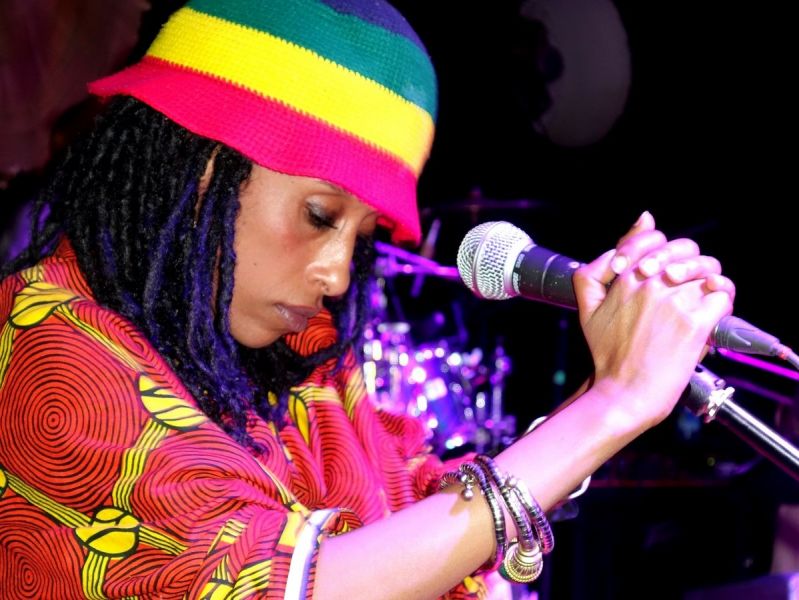
L'Éthiopie demeure au cœur de nombreux amateurs de reggae dans le monde entier figurant dans plusieurs chansons du légendaire artiste jamaïcain Bob Marley, la plus grande star du genre. Par exemple, dans la chanson 'Exodus', Marley chante : « Exodus, movement of Jah People! We know where we are from. We are leaving Babylon, we going to our Fatherland » (Exode, mouvement du peuple de Jah! Nous savons d’où nous venons. Nous quittons Babylone, pour retrouver la terre de nos pères). Un thème central dans les chansons de Marley est en effet le rapatriement des noirs à Sion, en Éthiopie, ou plus généralement, en Afrique selon le chanteur.
L'Empereur Hailé Sélassié I visite la Jamaïque en avril 1966 et alimente l'influence du mouvement Rastafari en Éthiopie, ouvrant la voie au développement du Roots Reggae. Au cours de sa visite, l'empereur encourage les Rastafaris à retourner en Éthiopie. Répondant à l'appel, plus de 2000 immigrants Rastafaris de Jamaïque arrivent progressivement en Éthiopie, et s’installent dans la ville de Shashamane, à environ 250 km au sud de la capitale éthiopienne, Addis-Abeba.
Les principaux artistes reggae en Ethiopie
Yohannes Bekele, plus connu sous le nom de Jonny Ragga, est l'un des premiers artistes reggae éthiopiens. Né en 1977 à Addis Abeba, sa passion pour le reggae s’affirme alors qu’il est étudiant au Bole High School. Il a l'occasion de pratiquer son chant et le DJing au Ram Jam[i], l'un des clubs reggae les plus populaires de l'époque. À l'âge de 17 ans, Jonny rejoint le groupe Medina et se produit sur scène. En 2005, il sort son premier album reggae Kulfun Sechign (Donne-moi la clé), acclamé par la critique internationale. Jonny se produit notamment aux côtés de la star jamaïcaine Chronixx lors d'un concert au Fana Park en Éthiopie.
[video:https://www.youtube.com/embed/nE6uUFRu_VU autoplay:0]
Tewodros Kassahun - mieux connu sous le nom de Teddy Afro - est l'un des artistes les plus connus en Éthiopie. Il devient vite le chouchou du reggae éthiopien grâce à ses hymnes et notamment ‘Yasteseryal’, la chanson-titre de son troisième album, sorti en 2005. L’album comprend des chansons à caractère politique et social et attire l'attention du gouvernement, ce qui lui vaudra quelques heurts. L’album sort au même moment où se tiennent les élections générales. Bien que vendu à plus d'un million d'exemplaires, le gouvernement interdit certaines chansons. Les tensions avec les autorités augmentent avec la sortie de l’album, ‘Tikur Sew’, qui évoque l’équilibre entre les pouvoirs régionaux en Éthiopie. Teddy est arrêté dans le cadre d'un prétendu délit de fuite et est condamné à six ans de prison en avril 2008. À la suite d'un appel, le célèbre chanteur est libéré en août 2009.
Le deuxième album de Teddy, ‘Abugida’ (du nom de l’alphasyllabaire éthiopien) contient des titres tels que ‘Haile Selassie', en honneur à l'empereur déchu ; 'Mona Lisa', une chanson à propos de la beauté ; ainsi que 'Haile Haile', un hommage au célèbre coureur de fond éthiopien Haile Gebreselassie.
[video:https://www.youtube.com/embed/IuyfK7NLosY autoplay:0]
Haile Roots est une autre star éthiopienne connu pour sa fusion de la culture éthiopienne au son reggae. Le titre de son album Chiggae est composé du terme utilisé pour décrire le triplet de la musique amharique, chik chika et du mot reggae. ‘Fayamo’, le tube de Jah Lude, sorti en 2013, fournit une nouvelle approche de la musique reggae en Éthiopie. Le mot fayamo, qui existe dans un certain nombre de langues éthiopiennes, se traduit par 'belle'. Le morceau évoque la beauté de la langue et Jah Lude chante en plusieurs langues éthiopiennes [ii].
Zeleke Gessesse est un artiste qui laissera ses marques sur le reggae éthiopien. L'artiste joue un rôle déterminant durant les deux grands concerts de reggae en Éthiopie. Le premier est à l'occasion du 60ème anniversaire de Bob Marley en 2005. Zeleke, aux côtés de Rita Marley et en collaboration avec l'Union Africaine et l'UNICEF, participe à l’organisation du spectacle Africa Unite. Le deuxième concert a lieu 10 ans plus tard, le jour où Bob Marley aurait dû fêter son 70ème anniversaire. Le concert gratuit accueille des artistes reggae locaux comme Jalud Awol, Abenet Agonafer, Kenny Allen, Sydney Salmon et Ras Jani, entre autres. Au cours des célébrations, les autorités éthiopiennes inaugurent également une statue de bronze de Bob Marley, sculptée par Bizuneh Tesfa. La statue a été commandée par Zeleke et son frère Addisu ainsi que l'homme d'affaires Mohamed Awad. Le quatrième album de Zeleke ‘Ayzone’ sortira en août 2015.
[video:https://www.youtube.com/embed/WMjWbae-ghA autoplay:0]
Sami Dan est le nouvel arrivant sur la scène reggae en Éthiopie. Au début de 2016, Sami sort un album intitulé ‘Negeger Keras Gar’, qui lui vaudra de nombreuses nominations à la Leza Awards en 2016.
Zion Vibration est un autre groupe de reggae populaire. Originaire de la région d’Hawassa, le groupe sort le single ‘Mela Mela’ en 2013. [iii]
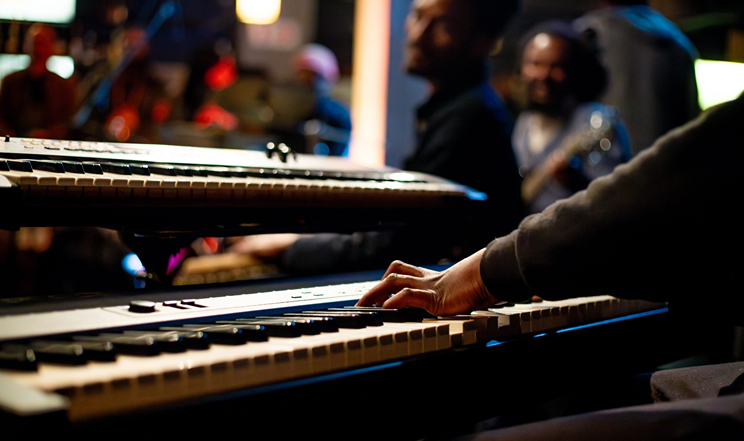
En 2001, le jamaïcain Sydney Salmon s’installe en Éthiopie avec la volonté de contribuer à la croissance de la scène reggae en Éthiopie. Sydney fonde l’Imperial Majestic Band et à force de travail, se fait un nom sur la scène du reggae authentique en Éthiopie. L'Imperial Majestic Band est composé du trinidadien Ras Kawintseb à la guitare, du jamaïcain Alton Ricketts à la batterie, de Ma'an Juda des Philippines aux claviers et du trompettiste éthiopien Salomon 'Bajaj’ Betremaryam. Le percussionniste italien Nikko Masolini, le guitariste Andy Bete Zema ainsi que les chanteurs Pat Joseph de la Jamaïque et ‘Little’ Helen Legesse d'Éthiopie, rejoindront par la suite le groupe.[iv]
Salle et événements
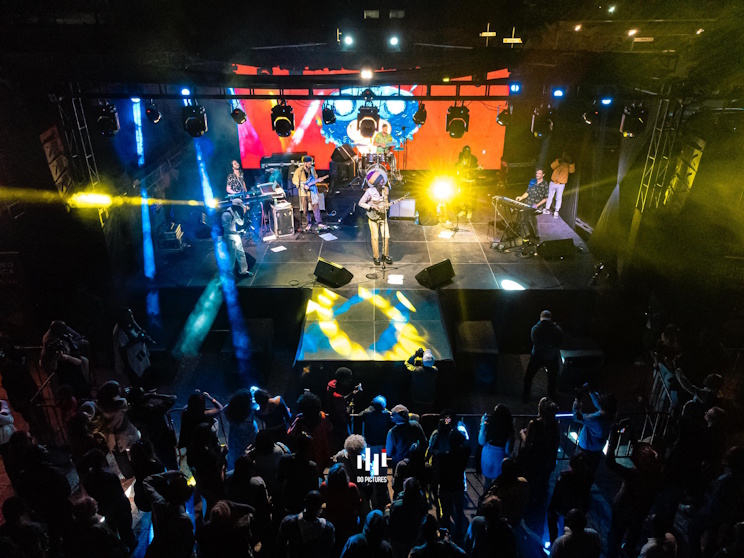
Autour de 2011, quelques salles d’Addis-Abeba proposent de la musique reggae chaque semaine. Le Club Alizé, le Club Illusion et le Sheraton sont quelques-uns des endroits où l'on peut écouter du reggae en live. Le Vibration Cocktail Bar est un autre lieu qui organise des séances reggae le week-end accueillant principalement des artistes locaux[v]. En 2014, l'Imperial Majestic Band se produit le week-end au Jazz Amba, une grande salle de concerts pas loin d’Itegue Taitu Hotel, mais cette salle est malheureusement fermée suite à un incendie en janvier 2015. À cette époque, le Smokey Blues Café propose également des concerts de reggae en live.
Les salles de spectacles manquent en Ethiopie. Sydney Salmon et l’Imperial Majestic Band attiraient chaque week-end des foules au Jams, une salle pas loin de l'aéroport de Bole, mais l'endroit a depuis fermé ses portes.
Au début de 2016, les artistes reggae n’ont plus le choix des salles mais les fans du genre ont toutes les raisons de sourire car Sydney Salmon et l’Imperial Majestic Band ont récemment repris leurs spectacles chaque samedi à l’African Jazz Village de l'Hôtel Ghion, où il paraît que Bob Marley lui-même a interprété ‘No Woman No Cry’ au cours d'une courte visite en Éthiopie en 1979.
La ville de Shashamane, qui abrite une grande communauté de Rastafaris, accueille en février de chaque année le Reggae in the Rift Valley, un concert de deux jours pour célébrer l'anniversaire de Bob Marley. L’évènement est possible grâce à la participation de nombreux musiciens reggae venus du monde entier.
Les défis
Le manque de salles de concerts en Éthiopie n'est pas le seul problème auquel font face les artistes reggae.
Les frais pour la mise en location des salles varient. Si les représentations sont un succès auprès du grand public, les propriétaires ont tendance à gonfler leurs prix. Si les concerts ne parviennent pas à attirer suffisamment de gens, les propriétaires des salles sont prompts à chercher des groupes alternatifs - et le choix est vaste.
Il faut dire que la scène musicale à Addis-Abeba est particulièrement instable. La capitale compte plus de 20 groupes de divers styles allant du traditionnel à l’Éthio-jazz. De nombreux groupes populaires - tels Zemen Band, Zagol Band, Lubac Acoustic Band, Admas Acoustic Band, Express Band ou encore Hasset Band – se produisent chaque semaine dans plusieurs salles, proposant un répertoire varié (musique populaire, succès internationaux et un peu de reggae).
[i] http://ethio-pain-music.blogspot.co.ke/search/label/ethiopian%20reggae
[ii] www.theguardian.com/music/2014/may/23/the-playlist-reggae-
[iii] www.facebook.com/Zion-vibration-435521529876496/timeline
[iv] www.whitelion.it/wp content/uploads/2013/06/SYDNEY_SALMON__THE_IMPERIAL_MAJESTIC_BAND_BIO_2012.pdf
[v] Bonnabesse, M. 'Une ethnographie musicale du Reggae à Addis-Abeba'.


Most popular

Top 10 des artistes africains les plus populaires sur YouTube
08 Fév 2023

Top 10 des artistes congolais les plus streamés en France en 2026
05 Mai 2026

10 rappeurs d’origine africaine qui redéfinissent la scène rap française en 2025
06 Juin 2025
ACCES dévoile une programmation exceptionnelle pour son édition 2026
14 Oct 2026
Afrique du Sud: Angélique Kidjo, Ibrahim Maalouf et Anaïs Rosso font vibrer le Joy of Jazz
12 Oct 2026
Appel à accréditation : ACCES 2026 à Johannesburg
12 Oct 2026
Disclaimer: Music In Africa provides a platform for musicians and contributors to embed music and videos solely for promotional purposes. If any track or video embedded on this platform violates any copyrights please inform us immediately and we will take it down. Please read our Terms of Use for more.

Abonnez-vous à notre newsletter
Retrouvez-nous sur les réseaux sociaux


Please se connecter to post a comment.