




















NEFCISA
NEFCISA

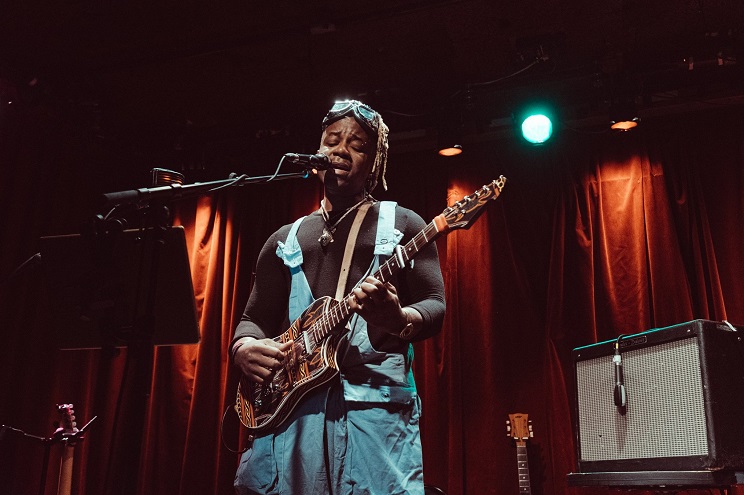
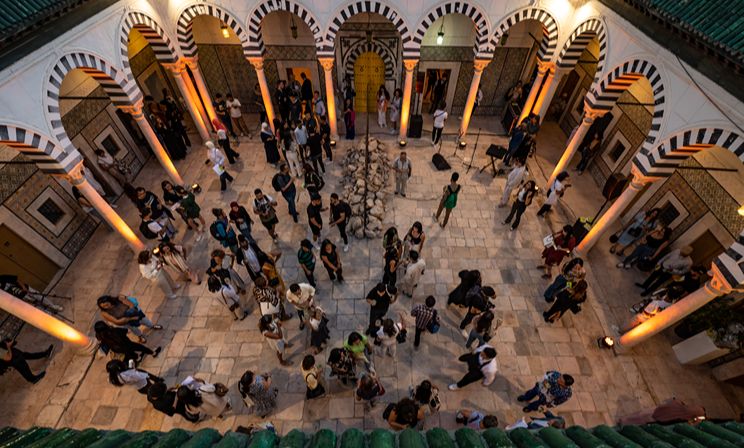
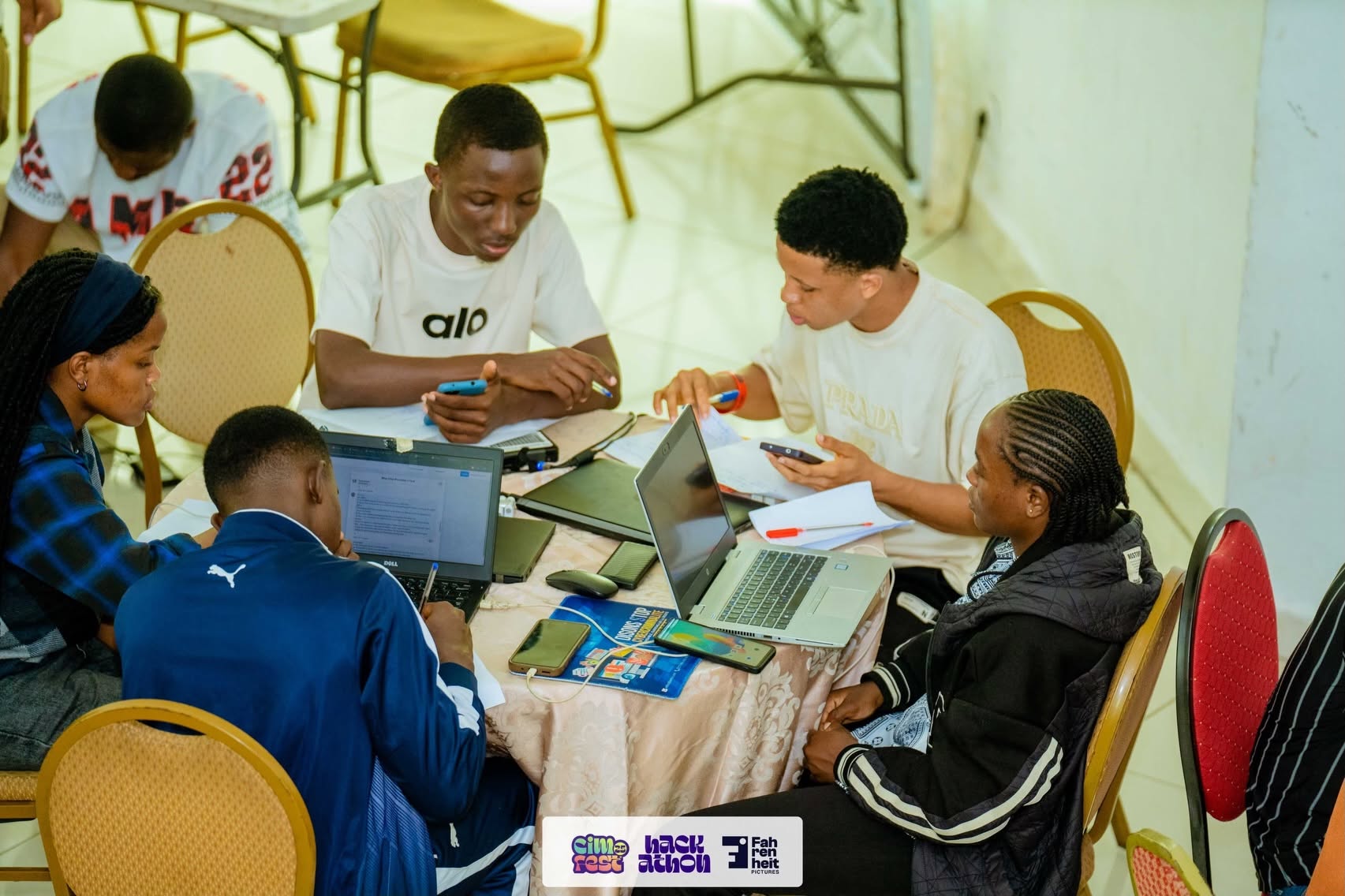
The Music In Africa Foundation (MIAF) is proud to announce its partnership with the Industrial Development Corporation (IDC) as a Strategic Implementing Partner (SIP) for its Social Employment Fund (SEF). Through this collaboration, MIAF is launching a new national programme designed to create jobs, address skills gaps, and strengthen South Africa’s creative industries — in line with the SEF’s overarching goal to generate work for the common good and build community value through employment, social contribution, and inclusive economic participation. Operating under the banner NEFCISA (National Employment Facility for Creative Industries in South Africa), the initiative will recruit and train participants, match them with host organisations, and place a minimum of 1 000 workers across the country. Key Objectives: Support employment and entrepreneurship in the creative industries. Offer skills development and training programmes. Foster partnerships between public and private creative sectors. Promote South African creativity at both provincial and national levels Foster community development through social contribution.

ACCES
ACCES

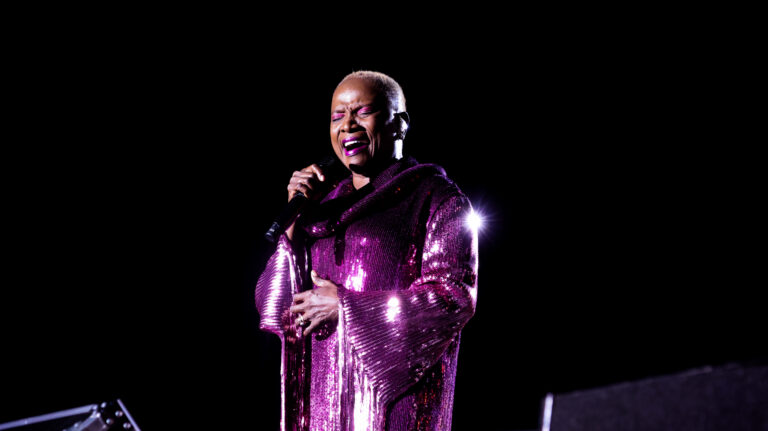
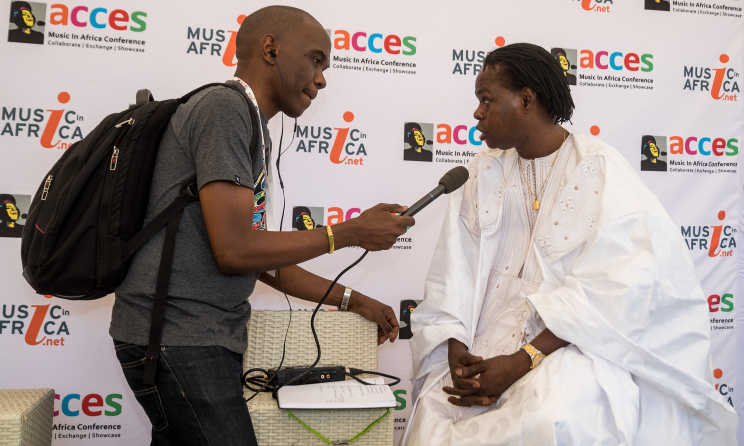
Chaque année, nous fournissons des informations générales afin de guider les participants dans la préparation de leur voyage. En plus de ce site, des mises à jour importantes seront envoyées par e-mail à tous les délégués inscrits. Assurez-vous de vous inscrire dès que possible. Pour plus d'informations, veuillez contacter [email protected] Continuez à consulter cette page pour plus d'information.  

Gender@Work
Gender@Work

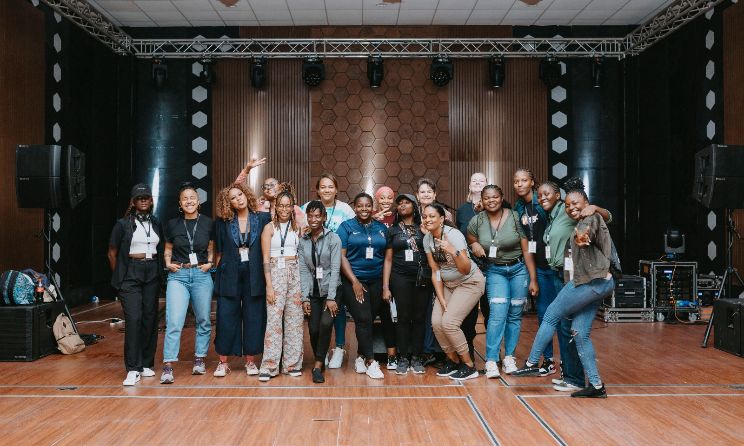
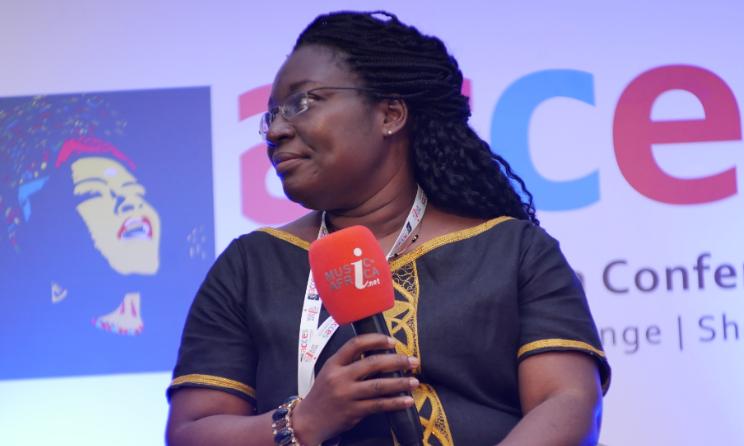
Music In Africa Gender @ Work is a three-year training programme aimed at upskilling and increasing the participation of female professionals in the African music sector. Launched by the Music In Africa Foundation (MIAF) in April 2019, the programme is connected to the MIAF’s ACCES music conference – a pan-African event held in a different African country every year. This connection enables the programme to reach new participants in a different African country every year. The programme marks the beginning of a more concerted effort by the Foundation to support the participation and inclusion of women in all facets of its programmes and the music sector in Africa as a whole. Over the three years, the programme will aim to address gender imbalances in the sector through training, lobbying, facilitating knowledge exchange and dialogues that foster the interest of women. The broader objectives of the programme are to: Provide industry training for women on critical music industry skills, focusing on: Stage management Electronic music production and recording Music business management Technical knowledge Provide an opportunity for both professional and aspiring women to benefit from the Music In Africa network and its broad range of activities in 2019, 2020 and 2021. Provide a solution-based platform in the form of a round table at ACCES with a view to identify challenges, discuss opportunities and lobby for the interests of female practitioners. Offer participants the opportunity to benefit from programmes offered by MIAF’s partners. Increase access to educational materials. Integrate participants in the broader ACCES programme to maximise experience and exposure to the industry. Record and present training materials on the www.musicinafrica.net, including but not limited to tutorials, templates and other best-practice materials. Communicate women-based themes that support the initiatives and messages of the programme. MAIN TRAINING ACTIVITIES Training in first country (Ghana): In the first year, participants will be trained on all aspects of stage management by a team of experienced stage managers from 10 to 17 November 2019. The programme will offer robust classroom training as well as practical, hands-on training in which participants will also be given the opportunity to manage various aspects of the ACCES performance programme. Training in second country: The second training iteration will take place at ACCES 2020 when the programme will diversify its course to include music production lessons and training on other music business topics. A round-table platform will also be introduced to coincide with the ACCES programme. Training in third country: The third training iteration will take place at ACCES 2021 in a different country, offering an advanced course. HOW DO YOU GET INVOLVED?  As a participant, facilitator or trainer: The programme enrolls up to 12 trainees every year. All opportunities are advertised publicly on this website, and will be added to this page. Please keep checking this page for new calls (below under UPDATES & CURRENT OPPORTUNITIES). As a partner Please contact Claire Metais at [email protected]. APPLY The call for applications for 2020 will be announced soon. The Music In Africa Gender @ Work programme is made possible with the support of the Prince Claus Fund, Siemens Stiftung and Goethe-Institut.

Sound Connects Fund
Sound Connects Fund

Pour les praticiens et les organisations culturels et créatifs opérant en Afrique australe, l’accès au financement reste un défi majeur. La pandémie de COVID-19 a également eu un impact massif sur les politiques gouvernementales, les dépenses et l’économie en général, et a vu les dépenses consacrées à la culture reléguées plus bas dans la liste des priorités. De plus, les industries culturelles et créatives citent régulièrement quatre domaines principaux où l’investissement est nécessaire pour la croissance : une visibilité accrue, la mobilité incluant l’accès à de nouveaux marchés, le financement et les structures de soutien.

Music In Africa Live

MUSIC IN AFRICA LIVE Lancé en 2020 pour une durée de 3 ans, Music In Africa Live est une initiative visant à soutenir l'écosystème de la musique africaine face aux contraintes imposées par la pandémie de COVID-19 ; le projet a été lancé par la Fondation Music In Africa (MIAF) en partenariat avec le ministère fédéral allemand des Affaires étrangères, Siemens Stiftung et le Goethe Institut. Plus de 30 aides sont disponibles dans le cadre de la troisième édition de Music In Africa Live, dans 3 catégories :  showcases, renforcement des compétences et plaidoyer, en conformité avec les modalités énoncées.

Instrument Building And Repair Project

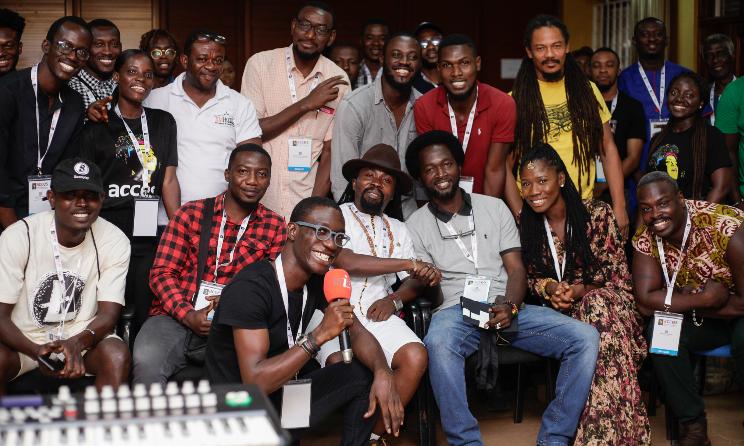
The overarching objective of Music In Africa Foundation’s Instrument Building and Repair (IBR) project is to encourage the formalisation and professionalisation of instrument-making and repair in Africa, especially in relation to indigenous African instruments. Background In 2014, the Music In Africa Foundation (MIAF) identified as one of its focus areas for development the need to encourage young people from music and music-related sectors to consider instrument-making as a career. This need extended itself from the recognition that the making of traditional African instruments is not a widely practiced skill and seems to be limited to the older generation. Traditional African instrument makers are also few and far between, making communication and logistics between teachers and learners an obstacle. When instrument building workshops take place, budgetary constraints do not allow teachers or learners the time to explore the finer details of an instrument. Based on these observations, the MIAF designed and piloted the first IBR workshop at the Dhow Countries Music Academy (DCMA) in Zanzibar in February 2015. In 2016, the foundation received funding from the South African National Lotteries Commission to implement a much bigger version of the project in Johannesburg. The project drew participants from five African countries. 25 students from South Africa, Ghana, Senegal, Kenya and Ethiopia were trained on how to build and repair musical instruments. The instruments that they made were: Traditional Instruments: Umakhweyana and Marimba Conventional Instrument: Dulcimer guitar The workshop culminated in a traditional instruments concert at the Wits Theatre in Johannesburg. It is the MIAF’s aim to roll out similar workshops in as many African countries as possible over the next few years. Objectives Developing awareness of musical instrument makers in Africa with a view to promote their work to a wider global audience. Facilitating the sharing and transfer of skills in indigenous instruments between countries on the continent. Encouraging the formalisation and professionalisation of instrument-making and repair in Africa, especially in relation to indigenous instruments. Helping instrument makers develop their careers. Fostering the rapid monetisation and sustainable development of instrument-making and repair in Africa. Promoting constant exchange of ideas, expertise, experiences and know-how among instrument makers in Africa. Facilitating the identification of existing gaps in the field with a view to contribute new solutions. Facilitating the transfer of knowledge and skills of indigenous instruments between younger and older generations. 2020 edition The MIAF has also announced that multi-instrumentalist and instrument maker Joe Makhanza will facilitate one of the workshops on the building of the kamale ngoni instrument. Kamale ngoni is a kora-like, stringed instrument that originated in West Africa. The instrument contributed to the rise of Wassoulou music in the 1970s and 1990s. Makhanza was born in Giyani in South Africa's Limpopo province. He completed a bachelor of music degree and a post-graduate diploma in arts marketing from Wits University. He is currently completing his masters in ethnomusicology and is a part-time lecturer in African music studies at Rhodes University. He plays the kora, mbira, valiha, masenqo, xiwewe, ngoni ba and xizambi, among others. He also manufactures the aforementioned instruments. The MIAF will confirm more trainers who will join the workshops as well as the other instruments that will be featured in the 2020 IBR programme.  Apply to participate here. Connect with us on Twitter, Instagram and Facebook, and subscribe to our monthly newsletter. The Music In Africa Instrument Building and Repair project is funded by the National Lotteries Commission. It is implemented in partnership with Siemens Stiftung, Goethe-Institut, Wits Theatre and Kaya FM.

News

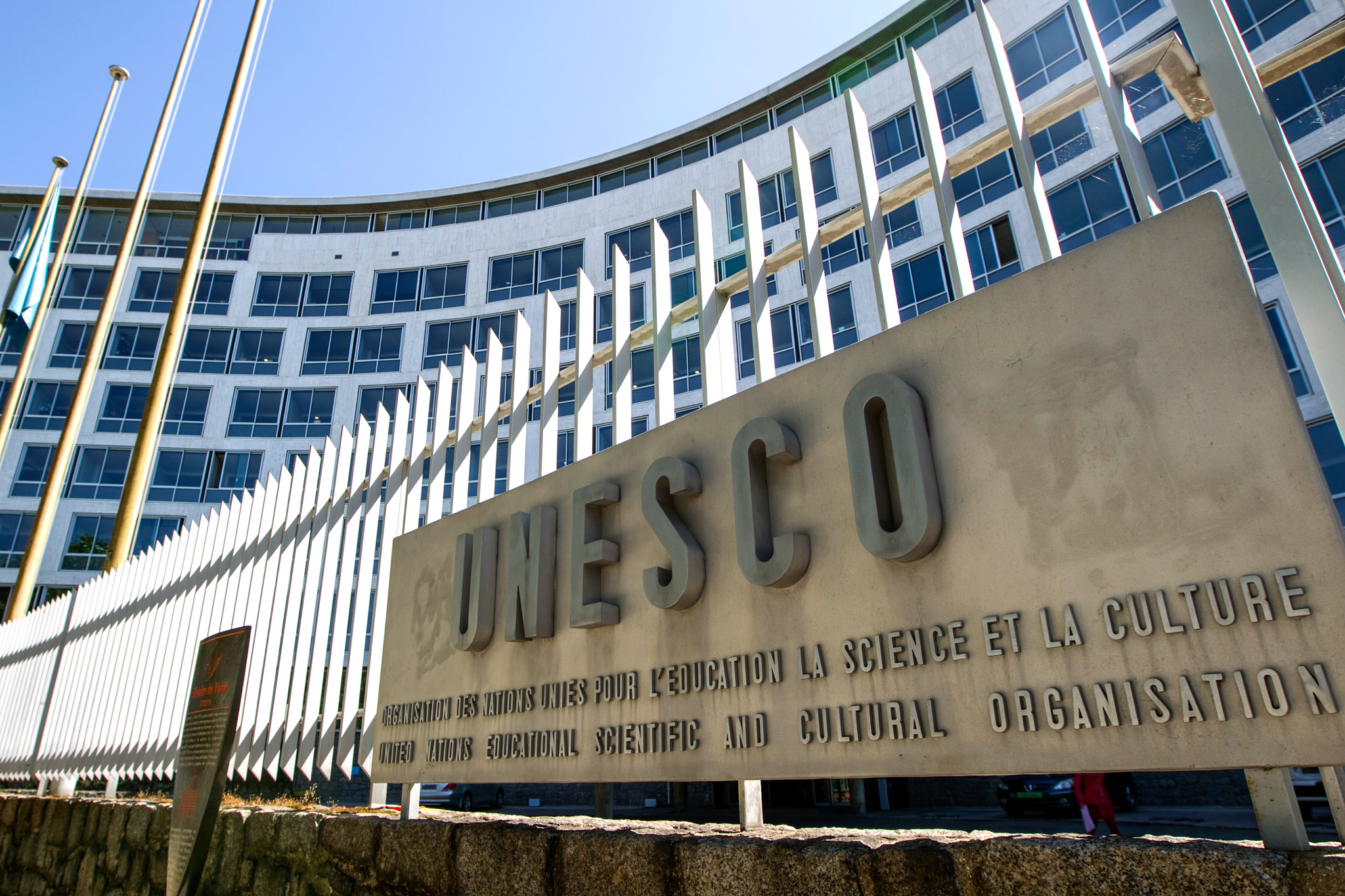
Avis de recrutement : responsable adjoint de projet – UNESCO
22 Sep 2022 - 12:15

cc-img flag-img

L'Organisation des Nations unies pour l'éducation, la science et la culture (UNESCO), recrute pour son bureau de Dakar (Sénégal), un responsable adjoint de projet.
unesco

Missions

Sous l’autorité du directeur du bureau régional multisectoriel de l’UNESCO pour l’Afrique de l’Ouest (Sahel), les orientations du chef du secteur education et du chef du cluster enseignement-apprentissage, et la supervision directe du responsable principal de projet, le/la titulaire du poste devra assister dans la gestion, la planification de la mise en œuvre, le suivi et l’évaluation du projet « Appui à la production et à la diffusion de ressources éducatives pour les établissements scolaires et les élèves du primaire et du secondaire en Afrique Sub-Saharienne Francophone» financé par l’Agence Française de Développement et visant à améliorer les acquis d’apprentissage par le renforcement de l’accès des élèves et de la communauté éducative à des ressources éducatives matérielles et numériques variées, de qualité, mises à disposition de manière efficace et rentable et adaptées aux besoins d’apprentissage.

Plus précisément, le/la titulaire du poste s’acquittera des tâches suivantes :

  • Coordination et mise en œuvre du projet
  • Suivi et évaluation de la mise en œuvre du projet et élaboration des rapports d’activités du projet
  • Lien avec les gouvernements, les décideurs, les parties prenantes nationales et internationales
  • Communication et visibilité du projet

Qualifications requises

Éducation

  • Diplôme universitaire supérieur (master ou diplôme équivalent) dans le domaine de l’éducation, des sciences sociales ou dans un autre domaine connexe.

Expérience professionnelle

  • Au moins 2 années d’expérience professionnelle pertinente, dont une année acquise de préférence au niveau international, à responsabilité progressive, dans le domaine de l’éducation ;
  • Expérience dans la planification, la gestion, la mise en œuvre de projets et de grands programmes d’éducation.

Capacités et compétences

  • Capacité à gérer des budgets, participer à la planification, au suivi et à l’évaluation des activités d’un projet et rendre compte de leur mise en œuvre ;
  • Bonne compréhension du contexte de l’éducation dans les pays africains et des défis ;
  • Capacité à établir et à maintenir des relations de travail efficaces avec les autorités nationales/locales, les institutions concernées, les organisations intergouvernementales et non gouvernementales ;
  • Capacité à travailler efficacement et à entretenir des relations de travail efficaces dans un environnement multiculturel ;
  • Capacité à gérer de lourdes charges de travail et à respecter des délais serrés, en prêtant une attention particulière aux détails ;
  • Solides compétences informatiques, y compris la connaissance des logiciels de bureautique (MS Word, Excel, PowerPoint, Outlook).

Langues

  • Excellente connaissance du français et bonne connaissance de l’anglais.

Salaires et indemnités

Les traitements de l’UNESCO se composent d’un traitement de base et d’autres prestations pouvant inclure, le cas échéant: 30 jours de congé annuel, allocations pour charge de famille, assurance maladie, régime de retraite, etc.

Le traitement annuel de départ pour ce poste est de l’ordre de 72,895 dollars des États-Unis.

Pour des informations complètes sur les salaires et indemnités, veuillez consulter le guide concernant les prestations dues au personnel.

Comment postuler ?

Veuillez noter que tous les candidats doivent remplir une demande en ligne et fournir des informations complètes et exactes.

Pour postuler, veuillez visiter le site web de l'UNESCO, précisément la section carrières. Aucune modification ne peut être apportée à la candidature soumise. Les candidats sont invités à consulter toutes les informations liées à l'offre avant de postuler.

La date limite de candidature est fixée au 10 octobre 2022.

Vous pouvez consulter l'offre originale ici.

Please se connecter to post a comment.

Most popular

Disclaimer: Music In Africa provides a platform for musicians and contributors to embed music and videos solely for promotional purposes. If any track or video embedded on this platform violates any copyrights please inform us immediately and we will take it down. Please read our Terms of Use for more.

newsletter banner

Abonnez-vous à notre newsletter

Retrouvez-nous sur les réseaux sociaux