















NEFCISA
NEFCISA

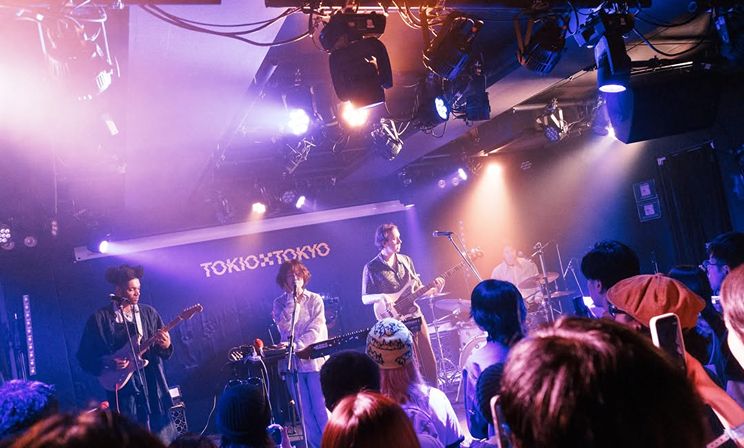
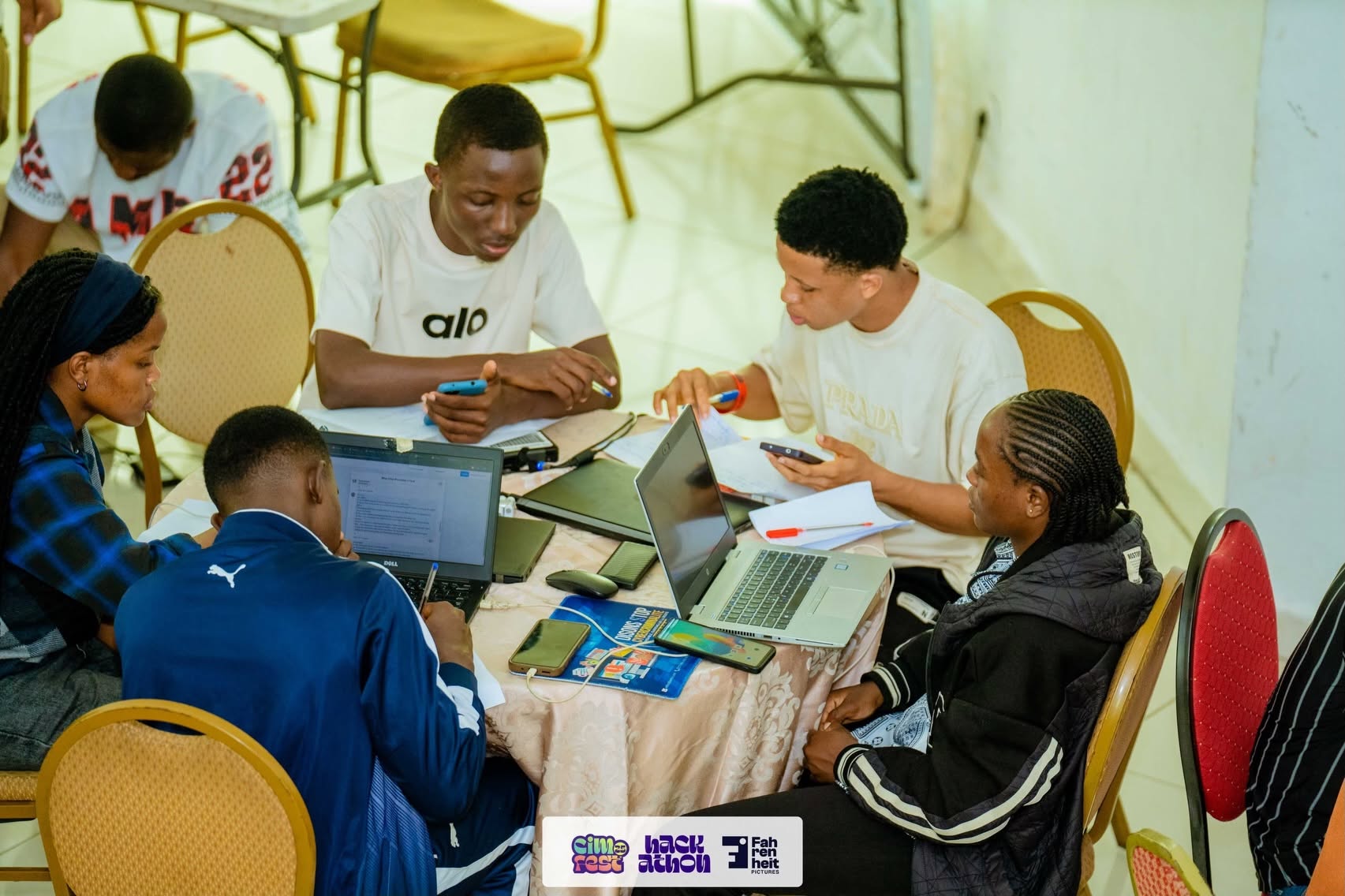
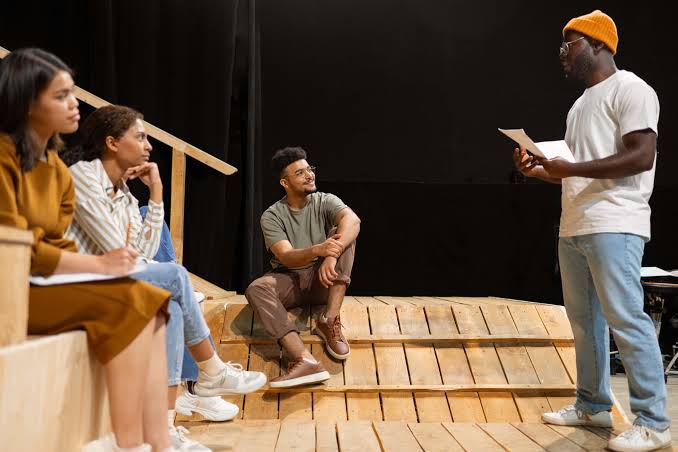
The Music In Africa Foundation (MIAF) is proud to announce its partnership with the Industrial Development Corporation (IDC) as a Strategic Implementing Partner (SIP) for its Social Employment Fund (SEF). Through this collaboration, MIAF is launching a new national programme designed to create jobs, address skills gaps, and strengthen South Africa’s creative industries — in line with the SEF’s overarching goal to generate work for the common good and build community value through employment, social contribution, and inclusive economic participation. Operating under the banner NEFCISA (National Employment Facility for Creative Industries in South Africa), the initiative will recruit and train participants, match them with host organisations, and place a minimum of 1 000 workers across the country. Key Objectives: Support employment and entrepreneurship in the creative industries. Offer skills development and training programmes. Foster partnerships between public and private creative sectors. Promote South African creativity at both provincial and national levels Foster community development through social contribution.

ACCES
ACCES

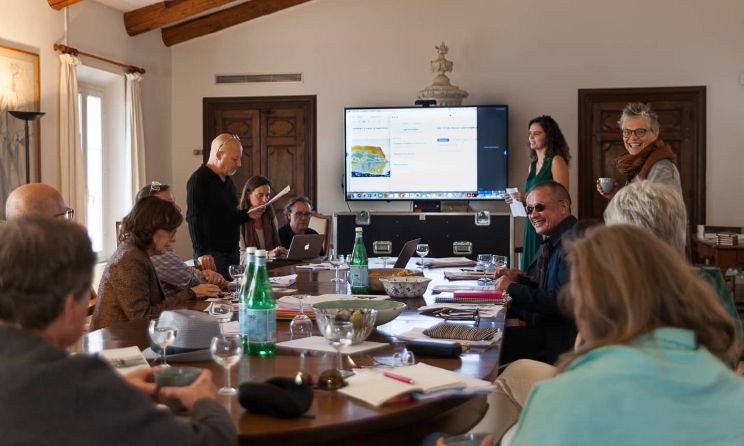
Chaque année, nous fournissons des informations générales afin de guider les participants dans la préparation de leur voyage. En plus de ce site, des mises à jour importantes seront envoyées par e-mail à tous les délégués inscrits. Assurez-vous de vous inscrire dès que possible. Pour plus d'informations, veuillez contacter [email protected] Continuez à consulter cette page pour plus d'information.  

Gender@Work
Gender@Work

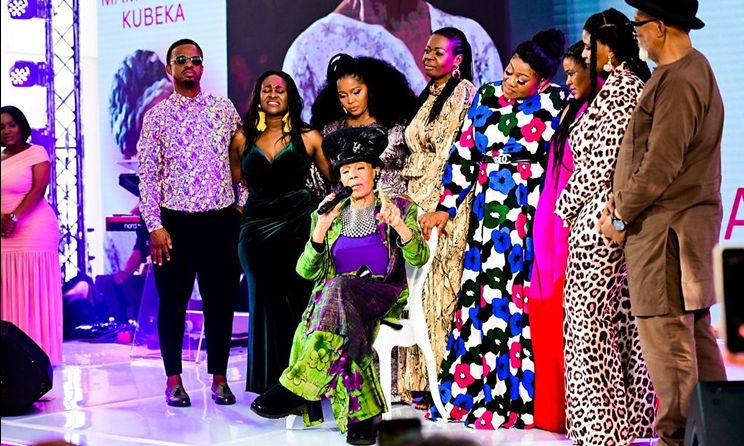
Music In Africa Gender @ Work is a three-year training programme aimed at upskilling and increasing the participation of female professionals in the African music sector. Launched by the Music In Africa Foundation (MIAF) in April 2019, the programme is connected to the MIAF’s ACCES music conference – a pan-African event held in a different African country every year. This connection enables the programme to reach new participants in a different African country every year. The programme marks the beginning of a more concerted effort by the Foundation to support the participation and inclusion of women in all facets of its programmes and the music sector in Africa as a whole. Over the three years, the programme will aim to address gender imbalances in the sector through training, lobbying, facilitating knowledge exchange and dialogues that foster the interest of women. The broader objectives of the programme are to: Provide industry training for women on critical music industry skills, focusing on: Stage management Electronic music production and recording Music business management Technical knowledge Provide an opportunity for both professional and aspiring women to benefit from the Music In Africa network and its broad range of activities in 2019, 2020 and 2021. Provide a solution-based platform in the form of a round table at ACCES with a view to identify challenges, discuss opportunities and lobby for the interests of female practitioners. Offer participants the opportunity to benefit from programmes offered by MIAF’s partners. Increase access to educational materials. Integrate participants in the broader ACCES programme to maximise experience and exposure to the industry. Record and present training materials on the www.musicinafrica.net, including but not limited to tutorials, templates and other best-practice materials. Communicate women-based themes that support the initiatives and messages of the programme. MAIN TRAINING ACTIVITIES Training in first country (Ghana): In the first year, participants will be trained on all aspects of stage management by a team of experienced stage managers from 10 to 17 November 2019. The programme will offer robust classroom training as well as practical, hands-on training in which participants will also be given the opportunity to manage various aspects of the ACCES performance programme. Training in second country: The second training iteration will take place at ACCES 2020 when the programme will diversify its course to include music production lessons and training on other music business topics. A round-table platform will also be introduced to coincide with the ACCES programme. Training in third country: The third training iteration will take place at ACCES 2021 in a different country, offering an advanced course. HOW DO YOU GET INVOLVED?  As a participant, facilitator or trainer: The programme enrolls up to 12 trainees every year. All opportunities are advertised publicly on this website, and will be added to this page. Please keep checking this page for new calls (below under UPDATES & CURRENT OPPORTUNITIES). As a partner Please contact Claire Metais at [email protected]. APPLY The call for applications for 2020 will be announced soon. The Music In Africa Gender @ Work programme is made possible with the support of the Prince Claus Fund, Siemens Stiftung and Goethe-Institut.

Sound Connects Fund
Sound Connects Fund

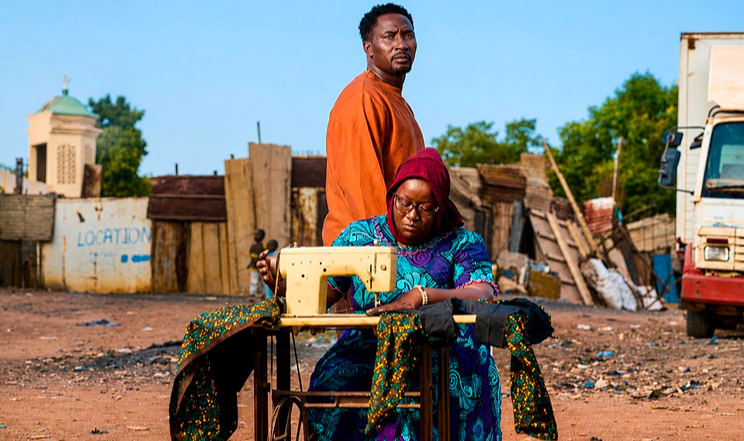
Pour les praticiens et les organisations culturels et créatifs opérant en Afrique australe, l’accès au financement reste un défi majeur. La pandémie de COVID-19 a également eu un impact massif sur les politiques gouvernementales, les dépenses et l’économie en général, et a vu les dépenses consacrées à la culture reléguées plus bas dans la liste des priorités. De plus, les industries culturelles et créatives citent régulièrement quatre domaines principaux où l’investissement est nécessaire pour la croissance : une visibilité accrue, la mobilité incluant l’accès à de nouveaux marchés, le financement et les structures de soutien.

Music In Africa Live

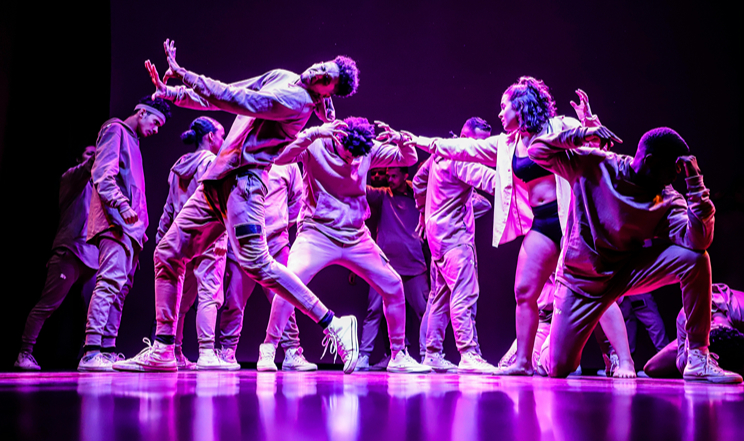
MUSIC IN AFRICA LIVE Lancé en 2020 pour une durée de 3 ans, Music In Africa Live est une initiative visant à soutenir l'écosystème de la musique africaine face aux contraintes imposées par la pandémie de COVID-19 ; le projet a été lancé par la Fondation Music In Africa (MIAF) en partenariat avec le ministère fédéral allemand des Affaires étrangères, Siemens Stiftung et le Goethe Institut. Plus de 30 aides sont disponibles dans le cadre de la troisième édition de Music In Africa Live, dans 3 catégories :  showcases, renforcement des compétences et plaidoyer, en conformité avec les modalités énoncées.

Instrument Building And Repair Project

The overarching objective of Music In Africa Foundation’s Instrument Building and Repair (IBR) project is to encourage the formalisation and professionalisation of instrument-making and repair in Africa, especially in relation to indigenous African instruments. Background In 2014, the Music In Africa Foundation (MIAF) identified as one of its focus areas for development the need to encourage young people from music and music-related sectors to consider instrument-making as a career. This need extended itself from the recognition that the making of traditional African instruments is not a widely practiced skill and seems to be limited to the older generation. Traditional African instrument makers are also few and far between, making communication and logistics between teachers and learners an obstacle. When instrument building workshops take place, budgetary constraints do not allow teachers or learners the time to explore the finer details of an instrument. Based on these observations, the MIAF designed and piloted the first IBR workshop at the Dhow Countries Music Academy (DCMA) in Zanzibar in February 2015. In 2016, the foundation received funding from the South African National Lotteries Commission to implement a much bigger version of the project in Johannesburg. The project drew participants from five African countries. 25 students from South Africa, Ghana, Senegal, Kenya and Ethiopia were trained on how to build and repair musical instruments. The instruments that they made were: Traditional Instruments: Umakhweyana and Marimba Conventional Instrument: Dulcimer guitar The workshop culminated in a traditional instruments concert at the Wits Theatre in Johannesburg. It is the MIAF’s aim to roll out similar workshops in as many African countries as possible over the next few years. Objectives Developing awareness of musical instrument makers in Africa with a view to promote their work to a wider global audience. Facilitating the sharing and transfer of skills in indigenous instruments between countries on the continent. Encouraging the formalisation and professionalisation of instrument-making and repair in Africa, especially in relation to indigenous instruments. Helping instrument makers develop their careers. Fostering the rapid monetisation and sustainable development of instrument-making and repair in Africa. Promoting constant exchange of ideas, expertise, experiences and know-how among instrument makers in Africa. Facilitating the identification of existing gaps in the field with a view to contribute new solutions. Facilitating the transfer of knowledge and skills of indigenous instruments between younger and older generations. 2020 edition The MIAF has also announced that multi-instrumentalist and instrument maker Joe Makhanza will facilitate one of the workshops on the building of the kamale ngoni instrument. Kamale ngoni is a kora-like, stringed instrument that originated in West Africa. The instrument contributed to the rise of Wassoulou music in the 1970s and 1990s. Makhanza was born in Giyani in South Africa's Limpopo province. He completed a bachelor of music degree and a post-graduate diploma in arts marketing from Wits University. He is currently completing his masters in ethnomusicology and is a part-time lecturer in African music studies at Rhodes University. He plays the kora, mbira, valiha, masenqo, xiwewe, ngoni ba and xizambi, among others. He also manufactures the aforementioned instruments. The MIAF will confirm more trainers who will join the workshops as well as the other instruments that will be featured in the 2020 IBR programme.  Apply to participate here. Connect with us on Twitter, Instagram and Facebook, and subscribe to our monthly newsletter. The Music In Africa Instrument Building and Repair project is funded by the National Lotteries Commission. It is implemented in partnership with Siemens Stiftung, Goethe-Institut, Wits Theatre and Kaya FM.

Overviews

Gumbe, musique populaire de Guinée-Bissau

10 Sep 2018 - 13:04

cc-img flag-img

La Guinée-Bissau s’est nourrie culturellement de ses diverses composantes ethniques : Manjaque, Mandingue, Mancagne, Balante, Diolas, Baïnouk, Badiaranké, Soussou, Baga, Papel Landoma, Bayot, Tenda, Bijago, Peuls, Floups, Pkumel, Koniake ou encore Nalu…
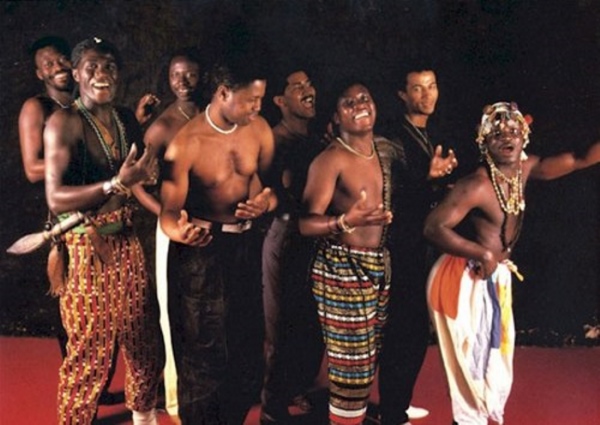
(Photo) : Naka & N'Kassa Cobra

Origine

Style musical très rythmé d'Afrique de l'Ouest, le gumbe (goumbé), nom aussi de la danse et de l’instrument, a été originellement pratiqué en Guinée-Bissau par les « lambats » (les griots), qui s’accompagnaient alors de tambours gumbe, de sico, de palmas et de tina (une calebasse creuse renversée dans un récipient cylindrique rempli d’eau).

Musique traditionnelle d’origine animiste, à la fois entraînante et chaleureuse, le gumbe de la Guinée-Bissau est aussi un chant dédié aux génies tutélaires. Il accompagne tous les évènements de la vie sociale (naissance, mariage, décès, circoncision…). C’est aussi un moyen de communication entre deux villages rapprochés. Le gumbe est également présent en Sierra Leone, en Gambie et au Sénégal.

Les pionniers de la modernisation

Les prémices de la modernisation du gumbe remontent à la fin des années 1960 avec Cobiana Jazz (ou Cobiana Djazz), un groupe fondé en 1969 par de jeunes musiciens, dont les auteurs-compositeurs Ernesto Dabo, Aliu Barry et José Carlos Schwartz. Surnommés « les voix du peuple », ils font tous trois partie d’un mouvement culturel contestataire, et sont considérés comme des rebelles par le gouvernement portugais d’António de Oliveira Salazar

Considéré comme l'un des plus grands groupes du pays, Cobiana Jazz développe de l’afro-pop tiré des sonorités du terroir, gumbe, koussoundé, brassa et nalou, agrémenté de kizomba (rythme cadencé d’Angola), de jazz, de soul ou de funk. Ces artistes engagés militent pour l'indépendance de leur pays, incitant dans leurs textes chantés en créole portugais, les Bissau-guinéens à la résistance anticolonialiste.

Exilé au Portugal, le groupe acquiert bien vite une immense réputation dans les pays lusophones, grâce notamment à une invitation en 1971 à la RTP (Radio-Télévision du Portugal). Cobiana Jazz retourne en 1974 au pays pour célébrer le premier anniversaire d'indépendance de la Guinée-Bissau acquise le 24 septembre 1973.

Ernesto Dabo forme au début des années 1970 le groupe Djorson, avec Gregório de Almeida a.k.a. Gundas et les frères Duko et Zeca Castro Fernandes. Avec cette formation, il enregistre à Lisbonne le premier disque de l’histoire musicale bissau-guinéenne, M'ba Bolama. Cette réalisation, considérée comme l’opus annonciateur du gumbe moderne, vaut à Ernesto Dabo le titre de précurseur du genre. Il composera de nombreuses chansons et collaborera avec divers artistes, tout en poursuivant des études de droit international.

Aliu Barry, après des études à Cuba de 1976 au 1978, est nommé directeur des Arts et des Scènes (1978-1980) de Guinée-Bissau. Les années 1990, voient le militant Aliu Barry rejoindre la Ligue Bissau-guinéenne des Droits de l'Homme (LGDH). Formateur de nombreux jeunes musiciens bissau-guinéens, Aliu Barry se retire ensuite de la vie publique pour devenir agriculteur. Il décède le vendredi 19 Juillet 2013, des suites d’une longue maladie.

Quant au poète polémique et prolifique José Carlos Schwartz, né le 6 décembre 1949, il meurt le 27 mai 1977 dans un mystérieux accident d'avion près de La Havane (Cuba), alors qu’il est diplomate à l'ambassade de Guinée-Bissau à Cuba.

Les années 1970/1980

Dans les années 1970, de nouveaux groupes et artistes vont contribuer à la popularisation du gumbe, apportant chacun leurs propres couleurs musicales, et dénonçant dans des textes engagés et réalistes, les problèmes sociaux et politiques.

  • Nkassa Cobra

Groupe fondé au tout début des années 1970, Nkassa Cobra se singularise par son indépendance et ses adaptations du gumbe traditionnel aux parfums kizomba. À la fin des années 1970, Nkassa Cobra était composé de Djilys Mamô (batterie), Tadeu Banana (percussions), Pwkw Gonçalves (basse), Joao « Djon » Motta (guitare solo), Baba Djalô (guitare accompagnement), Ze Augusto « Codê » (voix), Nene Tuty (voix) et Naka Ramiro (lead vocal).

Au bout de 15 années d’exploration du goumbé traditionnel, Nkassa Cobra sort l'album Naka& N'Kassa Cobra Vol. 1 (100% Goumbé). Après les départs de Naka Ramiro et Nene Tuty, le groupe, rejoint par le percussionniste Lile Son, enregistre Lundju (label Lusafrica), un album de fusion fidèle au rythme gumbe.

  • Super Mama Djambo

Fondé en 1973 par Adrian Atchuchi, Super Mama Djombo représentait la première identité musicale de la Guinée-Bissau indépendante. Cette formation dont le nom fait référence au dieu protecteur des guerriers, a débuté dans les mariages et les fêtes privées dans la région de Bissau. Le pays alors sous domination coloniale portugaise lutte pour son indépendance : le PAIGC d'Amilcar Cabral engage une lutte de libération dans les zones rurales aussi bien que dans les villes dès 1959.

En 1974, Super Mama Djombo, composé de jeunes musiciens amateurs dont Armando Pereira, Wye Sissoko (percussions) et Ze Manel (guitare), trouve en son leader Adrian Atchutchi, celui qui va leur apporter un souffle militant et du professionnalisme. Il fusionne divers rythmes du pays (gumbe, musique mandingue, sonorités créoles) à de la kizomba angolaise, le tout chanté en créole portugais. Leur succès est immédiat avec le tube « Pamparida », une adaptation d'une chanson populaire à destination des enfants, diffusée en boucle à la radio.

À la sortie en 1978 de l'album Na Cambança enregistré à Lisbonne (Portugal), le groupe tourne en Europe et en Afrique. En 1986, il se disloque, laissant une forte contribution à la naissance d'une culture nationale et indépendante. Le groupe se reforme en 2012 pour une tournée européenne.

  • Naka Ramiro

Fils d'un fonctionnaire qui le traîne aux quatre coins du pays, Ramiro Gomez Dias aka Ramiro Naka, né en 1955, glane sans le savoir tout ce qui influencera sa future vocation musicale : musique peule, malinké et mandjak, sans oublier les accents du créole portugais. Formé à plusieurs disciplines dont le chant initiatique, il rejoint à 17 ans le Cobiana Jazz et délaisse les études au désespoir de son père.

Par la suite, il intègre comme lead vocal Nkassa Cobra, alors groupe phare du pays. S’inspirant de ses diverses influences, il entame une carrière solo et lance le gumbe blues créole, un concept au carrefour du blues et des sonorités traditionnelles, enrichi du swing et du gumbe. Sa musique est un savant mélange d’influences africaines, de fado, de samba et même de rap. Fondateur de l’association Na kasa darte et d’un festival à Bissau, Ramiro Naka, dit le « roi du gumbe », est aussi comédien, conteur et peintre...

Mais aussi…

De nombreux groupes et artistes intégreront le gumbe dans leurs créations musicales : Tabanka Djaz (gumbé, fado, samba, morna, coladeira, kizomba), Sido (gumbé, koussounde, kizomba, bossa nova, rumba, zouk, salsa), Manecas Costa (gumbe acoustique), Binhan Quimor (gumbe, tina), Justin Delgado (gumbe-pop), Patcho de Lima (le bad boy du gumbe-rap), Domingo Gonçalves aka Pwkw (référence de la basse gumbe) ou Maio Coope (gumbe-jazz).

Les femmes et le gumbe

Après l’indépendance, les femmes commencent à s’imposer dans la musique, comme la pionnière Dulce Neves, chanteuse du Super Mama Djombo. Depuis 2000 une nouvelle génération de femmes comme Tchuna Barry, fille d’Aliu Barry ou Zalyka (entre jazz, gospel, blues, afro- folk, gumbe) s'impose.

Discographie
_ CD1 – José Carlos Schwartz et le Cobiana Jazz Vol. 2 - 1978 – Label : Sonafric
_ CD2 - Naka& N'Kassa Cobra vol.1 (100% Goumbé) - 2007 - Label : N'Kassa Cobra Production
_ CD3– Ar Puro (Super Mama Djombo) – 2008 - Label : Smekkleysa
_ CD4 – Gumbe Blues Kréol (Ramiro Naka) - 2009 – Label : Na kasa darte
_ CD5– Udjus di Mininus (Dulce Neves) - 2016 - Label : DulceN eves Prod.

Références
_ Livre : Musiciens africains des années 80 par Nago Seck et Sylvie Clerfeuille – Editions L’Harmattan - 1986
_ Livre : Les musiciens du beat africain par Nago Seck et Sylvie Clerfeuille – Préface de Jack Lang – Editions Bordas - 1993
_ Exposition + livret + compilation : Les grandes figures des musiques urbaines africaines - Editions Afrique en Créations - 1996

Avertissement/Clause de non-responsabilité

Les aperçus de Music In Africa fournissent des informations générales sur les scènes de musique dans les pays africains. Music In Africa comprend que l'information contenue dans certains de ces textes pourrait devenir dépassée avec le temps. Si vous souhaitez fournir des informations plus récentes ou des corrections à l'un de nos textes, veuillez nous contacter sur [email protected].

Édité par Lamine BA

Please se connecter to post a comment.

Most popular

Disclaimer: Music In Africa provides a platform for musicians and contributors to embed music and videos solely for promotional purposes. If any track or video embedded on this platform violates any copyrights please inform us immediately and we will take it down. Please read our Terms of Use for more.

newsletter banner

Abonnez-vous à notre newsletter

Retrouvez-nous sur les réseaux sociaux