



NEFCISA
NEFCISA

The Music In Africa Foundation (MIAF) is proud to announce its partnership with the Industrial Development Corporation (IDC) as a Strategic Implementing Partner (SIP) for its Social Employment Fund (SEF). Through this collaboration, MIAF is launching a new national programme designed to create jobs, address skills gaps, and strengthen South Africa’s creative industries — in line with the SEF’s overarching goal to generate work for the common good and build community value through employment, social contribution, and inclusive economic participation. Operating under the banner NEFCISA (National Employment Facility for Creative Industries in South Africa), the initiative will recruit and train participants, match them with host organisations, and place a minimum of 1 000 workers across the country. Key Objectives: Support employment and entrepreneurship in the creative industries. Offer skills development and training programmes. Foster partnerships between public and private creative sectors. Promote South African creativity at both provincial and national levels Foster community development through social contribution.

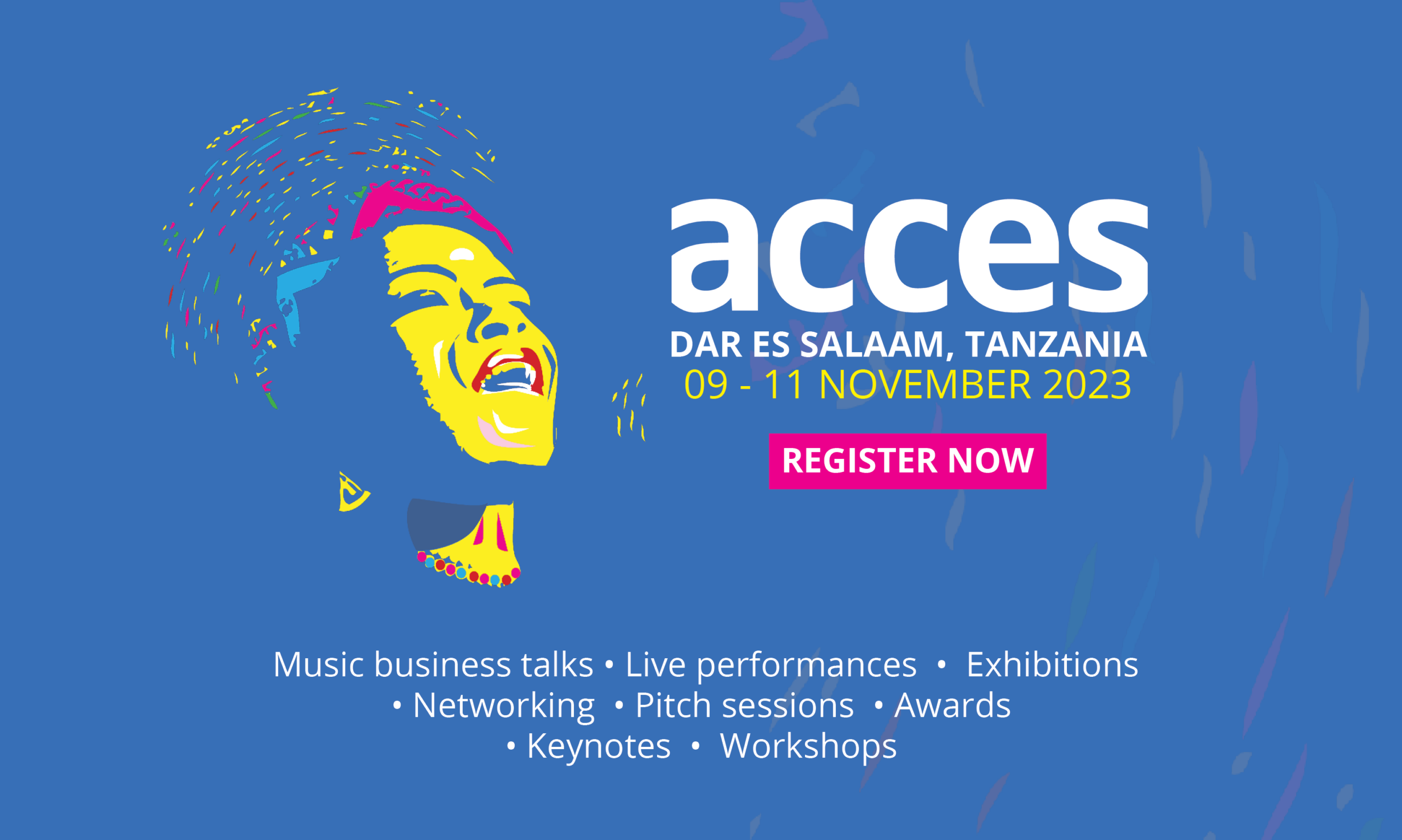
ACCES
ACCES

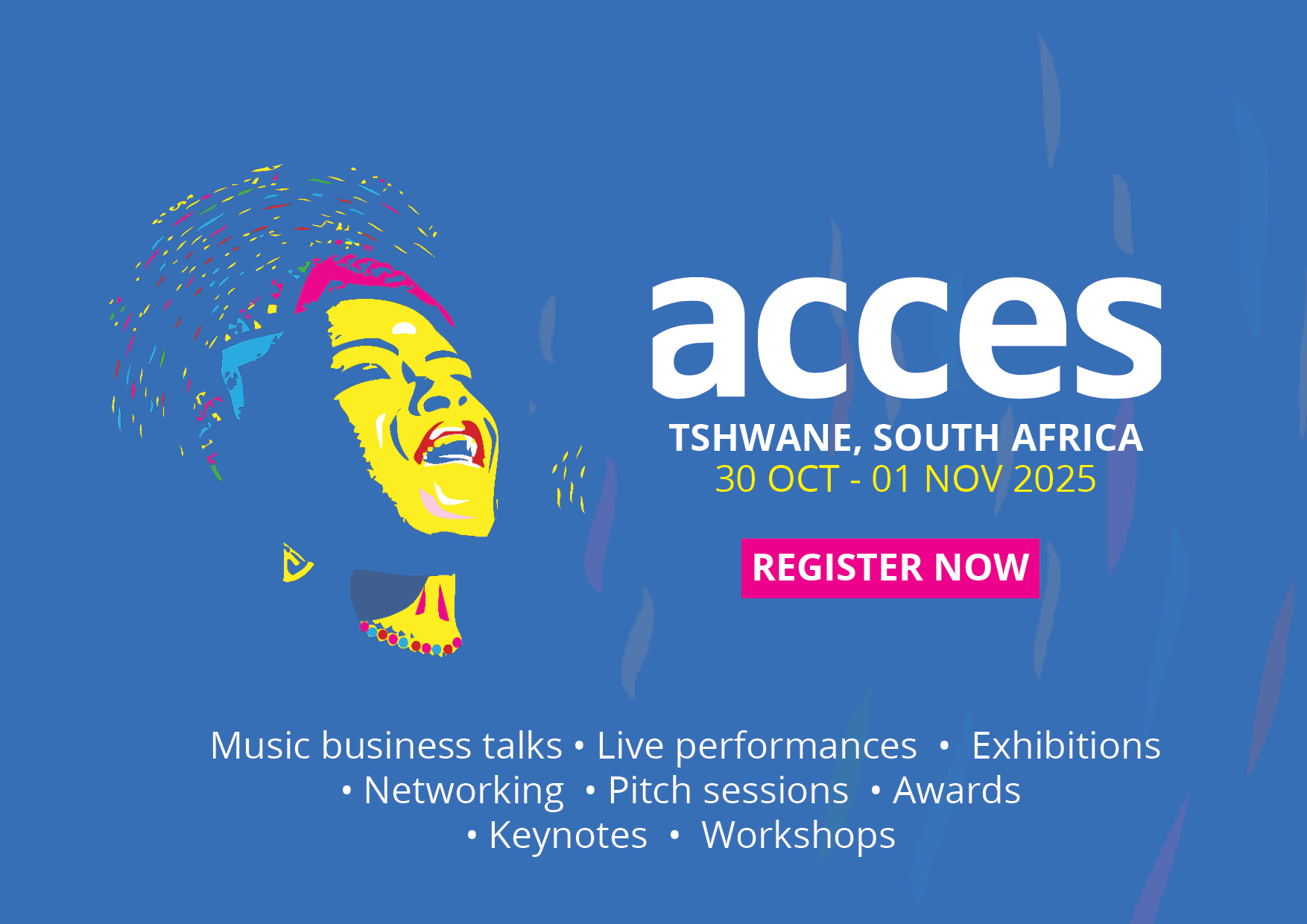
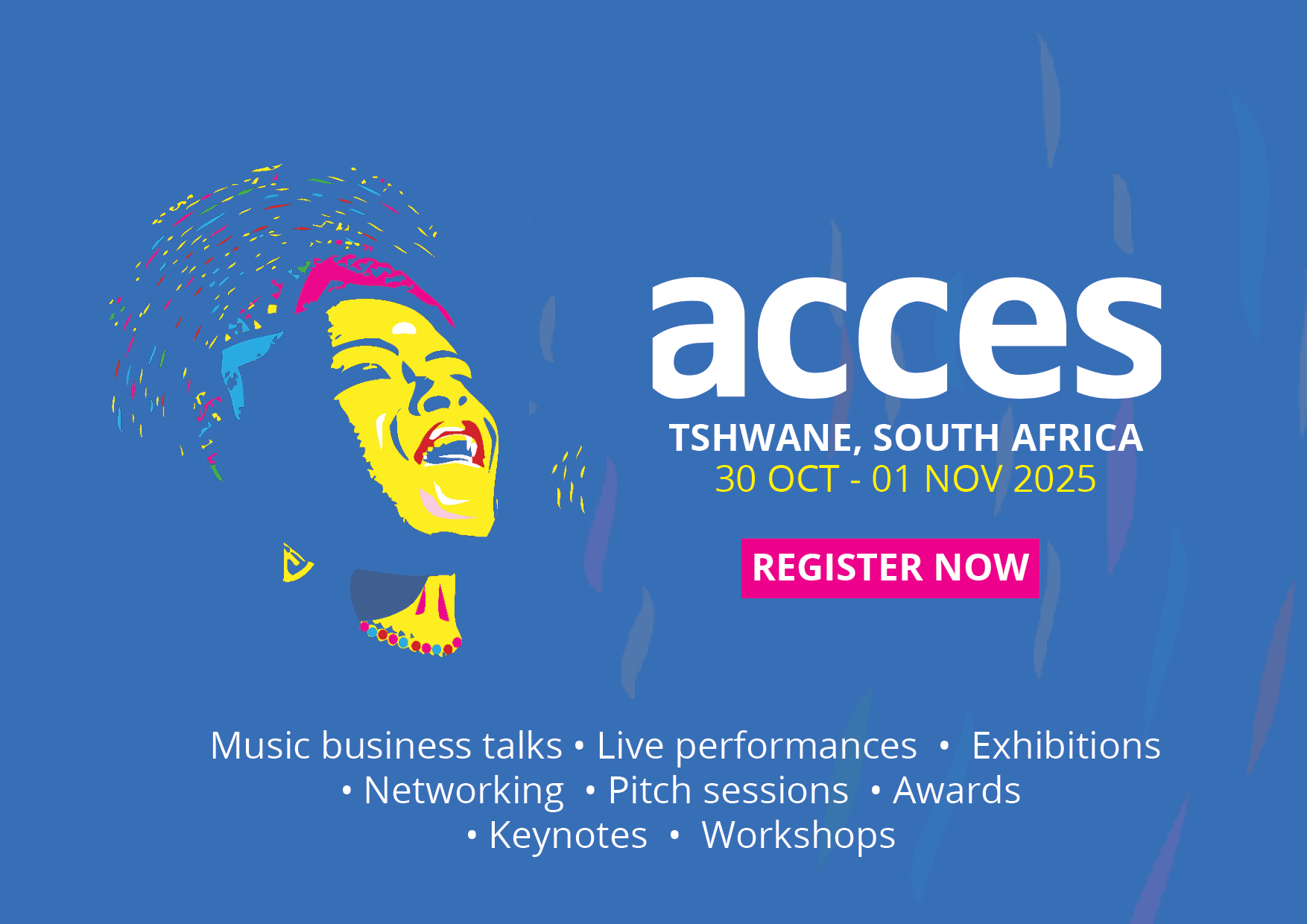
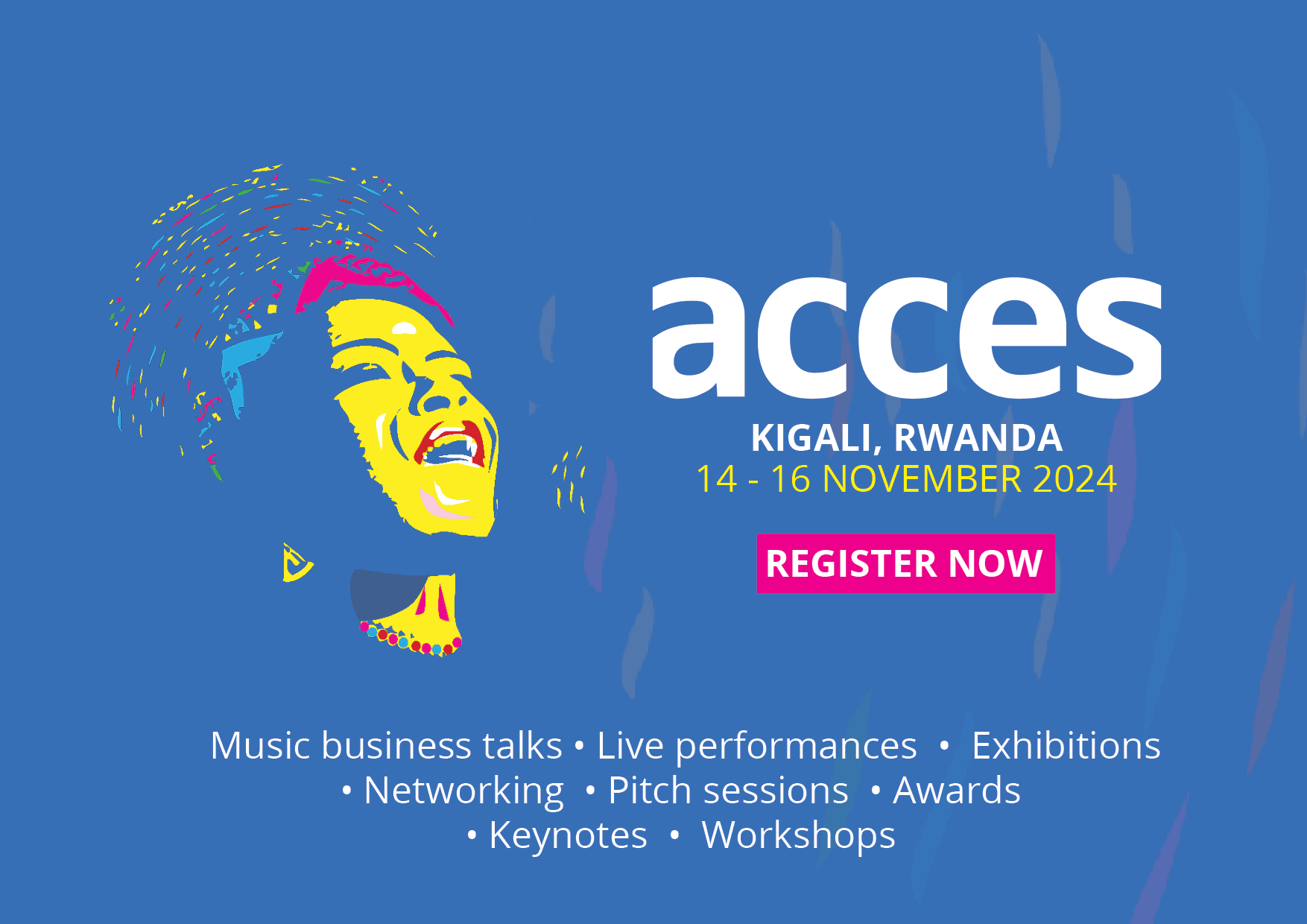
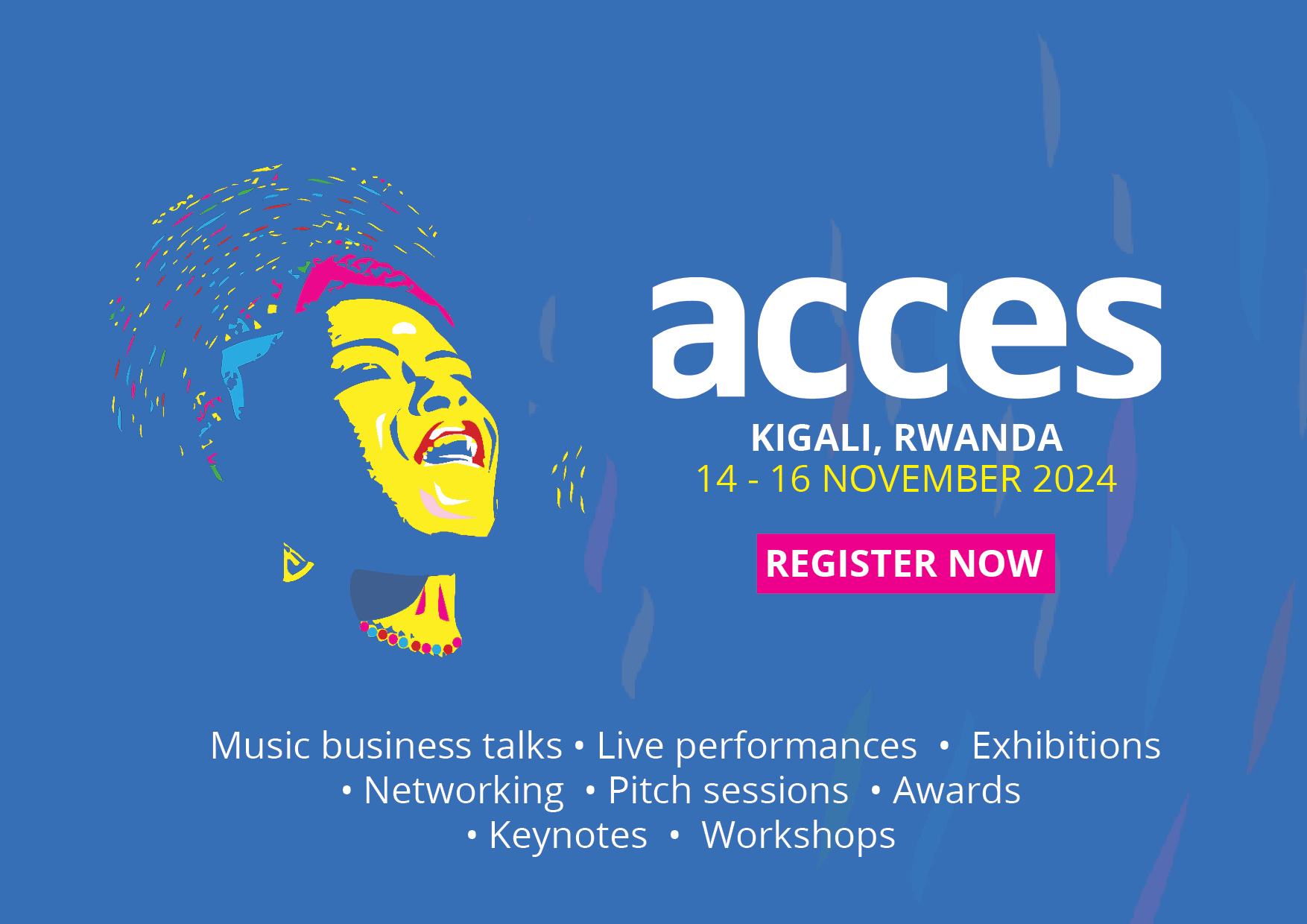
Chaque année, nous fournissons des informations générales afin de guider les participants dans la préparation de leur voyage. En plus de ce site, des mises à jour importantes seront envoyées par e-mail à tous les délégués inscrits. Assurez-vous de vous inscrire dès que possible. Pour plus d'informations, veuillez contacter [email protected] Continuez à consulter cette page pour plus d'information.  

Gender@Work
Gender@Work

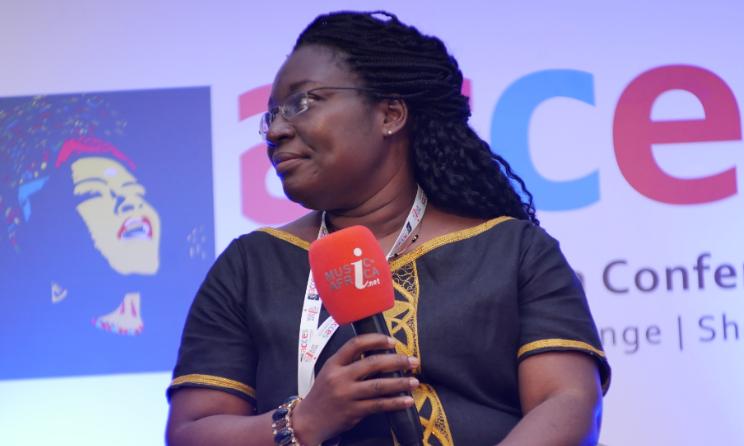
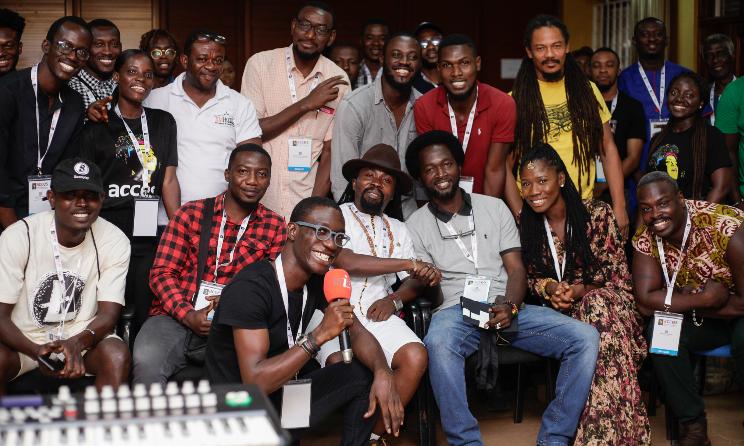
Music In Africa Gender @ Work is a three-year training programme aimed at upskilling and increasing the participation of female professionals in the African music sector. Launched by the Music In Africa Foundation (MIAF) in April 2019, the programme is connected to the MIAF’s ACCES music conference – a pan-African event held in a different African country every year. This connection enables the programme to reach new participants in a different African country every year. The programme marks the beginning of a more concerted effort by the Foundation to support the participation and inclusion of women in all facets of its programmes and the music sector in Africa as a whole. Over the three years, the programme will aim to address gender imbalances in the sector through training, lobbying, facilitating knowledge exchange and dialogues that foster the interest of women. The broader objectives of the programme are to: Provide industry training for women on critical music industry skills, focusing on: Stage management Electronic music production and recording Music business management Technical knowledge Provide an opportunity for both professional and aspiring women to benefit from the Music In Africa network and its broad range of activities in 2019, 2020 and 2021. Provide a solution-based platform in the form of a round table at ACCES with a view to identify challenges, discuss opportunities and lobby for the interests of female practitioners. Offer participants the opportunity to benefit from programmes offered by MIAF’s partners. Increase access to educational materials. Integrate participants in the broader ACCES programme to maximise experience and exposure to the industry. Record and present training materials on the www.musicinafrica.net, including but not limited to tutorials, templates and other best-practice materials. Communicate women-based themes that support the initiatives and messages of the programme. MAIN TRAINING ACTIVITIES Training in first country (Ghana): In the first year, participants will be trained on all aspects of stage management by a team of experienced stage managers from 10 to 17 November 2019. The programme will offer robust classroom training as well as practical, hands-on training in which participants will also be given the opportunity to manage various aspects of the ACCES performance programme. Training in second country: The second training iteration will take place at ACCES 2020 when the programme will diversify its course to include music production lessons and training on other music business topics. A round-table platform will also be introduced to coincide with the ACCES programme. Training in third country: The third training iteration will take place at ACCES 2021 in a different country, offering an advanced course. HOW DO YOU GET INVOLVED?  As a participant, facilitator or trainer: The programme enrolls up to 12 trainees every year. All opportunities are advertised publicly on this website, and will be added to this page. Please keep checking this page for new calls (below under UPDATES & CURRENT OPPORTUNITIES). As a partner Please contact Claire Metais at [email protected]. APPLY The call for applications for 2020 will be announced soon. The Music In Africa Gender @ Work programme is made possible with the support of the Prince Claus Fund, Siemens Stiftung and Goethe-Institut.

Sound Connects Fund
Sound Connects Fund

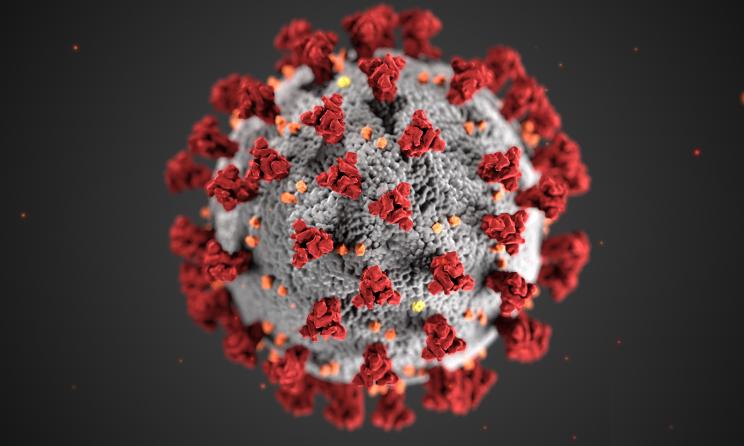
Pour les praticiens et les organisations culturels et créatifs opérant en Afrique australe, l’accès au financement reste un défi majeur. La pandémie de COVID-19 a également eu un impact massif sur les politiques gouvernementales, les dépenses et l’économie en général, et a vu les dépenses consacrées à la culture reléguées plus bas dans la liste des priorités. De plus, les industries culturelles et créatives citent régulièrement quatre domaines principaux où l’investissement est nécessaire pour la croissance : une visibilité accrue, la mobilité incluant l’accès à de nouveaux marchés, le financement et les structures de soutien.

Music In Africa Live

MUSIC IN AFRICA LIVE Lancé en 2020 pour une durée de 3 ans, Music In Africa Live est une initiative visant à soutenir l'écosystème de la musique africaine face aux contraintes imposées par la pandémie de COVID-19 ; le projet a été lancé par la Fondation Music In Africa (MIAF) en partenariat avec le ministère fédéral allemand des Affaires étrangères, Siemens Stiftung et le Goethe Institut. Plus de 30 aides sont disponibles dans le cadre de la troisième édition de Music In Africa Live, dans 3 catégories :  showcases, renforcement des compétences et plaidoyer, en conformité avec les modalités énoncées.

Instrument Building And Repair Project

The overarching objective of Music In Africa Foundation’s Instrument Building and Repair (IBR) project is to encourage the formalisation and professionalisation of instrument-making and repair in Africa, especially in relation to indigenous African instruments. Background In 2014, the Music In Africa Foundation (MIAF) identified as one of its focus areas for development the need to encourage young people from music and music-related sectors to consider instrument-making as a career. This need extended itself from the recognition that the making of traditional African instruments is not a widely practiced skill and seems to be limited to the older generation. Traditional African instrument makers are also few and far between, making communication and logistics between teachers and learners an obstacle. When instrument building workshops take place, budgetary constraints do not allow teachers or learners the time to explore the finer details of an instrument. Based on these observations, the MIAF designed and piloted the first IBR workshop at the Dhow Countries Music Academy (DCMA) in Zanzibar in February 2015. In 2016, the foundation received funding from the South African National Lotteries Commission to implement a much bigger version of the project in Johannesburg. The project drew participants from five African countries. 25 students from South Africa, Ghana, Senegal, Kenya and Ethiopia were trained on how to build and repair musical instruments. The instruments that they made were: Traditional Instruments: Umakhweyana and Marimba Conventional Instrument: Dulcimer guitar The workshop culminated in a traditional instruments concert at the Wits Theatre in Johannesburg. It is the MIAF’s aim to roll out similar workshops in as many African countries as possible over the next few years. Objectives Developing awareness of musical instrument makers in Africa with a view to promote their work to a wider global audience. Facilitating the sharing and transfer of skills in indigenous instruments between countries on the continent. Encouraging the formalisation and professionalisation of instrument-making and repair in Africa, especially in relation to indigenous instruments. Helping instrument makers develop their careers. Fostering the rapid monetisation and sustainable development of instrument-making and repair in Africa. Promoting constant exchange of ideas, expertise, experiences and know-how among instrument makers in Africa. Facilitating the identification of existing gaps in the field with a view to contribute new solutions. Facilitating the transfer of knowledge and skills of indigenous instruments between younger and older generations. 2020 edition The MIAF has also announced that multi-instrumentalist and instrument maker Joe Makhanza will facilitate one of the workshops on the building of the kamale ngoni instrument. Kamale ngoni is a kora-like, stringed instrument that originated in West Africa. The instrument contributed to the rise of Wassoulou music in the 1970s and 1990s. Makhanza was born in Giyani in South Africa's Limpopo province. He completed a bachelor of music degree and a post-graduate diploma in arts marketing from Wits University. He is currently completing his masters in ethnomusicology and is a part-time lecturer in African music studies at Rhodes University. He plays the kora, mbira, valiha, masenqo, xiwewe, ngoni ba and xizambi, among others. He also manufactures the aforementioned instruments. The MIAF will confirm more trainers who will join the workshops as well as the other instruments that will be featured in the 2020 IBR programme.  Apply to participate here. Connect with us on Twitter, Instagram and Facebook, and subscribe to our monthly newsletter. The Music In Africa Instrument Building and Repair project is funded by the National Lotteries Commission. It is implemented in partnership with Siemens Stiftung, Goethe-Institut, Wits Theatre and Kaya FM.

banner image

SAE Institute offers top-quality education in music, film and animation

Accueil/Non classé/SAE Institute offers top-quality education in music, film and animation

The SAE Institute in Cape Town, South Africa is an internationally accredited tertiary institution, delivering creative media education in sound, film and animation. Its campus at the Woodstock Exchange is one of 54 SAE campuses in 28 countries and includes world-class facilities with the latest technology. 

Focus areas

The institute offers a wide variety of courses to cater for all requirements, including a three-year Bachelor of Arts in Sound Production and a one-year Higher Certificate in Sound Production. The courses cover all aspects of sound production, studio recording and live sound reinforcement techniques, mixing, mastering, MIDI and modern music creation, music business, studio acoustics and the application of current technology to the music production process. Students also gain expertise in music and business management, marketing, communications and knowledge of the contemporary ‘infotainment’ industry.

Led by a team of approximately 23 skilled lecturers, both Sound Production courses provide students with the practical skills necessary to work in the entertainment industry.  Students learn the technical and creative aspects of the recording process by working on complex projects in various professional studio environments. 

In recent years the SAE Academy has trained hundreds of people from all over the continent, who are now pursuing successful careers in the entertainment industry

As the only SAE Institute in Africa, the state-of-the-art Cape Town campus welcomes aspiring professionals not only from South Africa but also from other parts of the continent. Some of its recent graduates currently forging their own successful careers include Nigerian producers Chubie Ujah (Xtremelife Media), Quami Okonny (Nigeria New Dawn) and Ugbede Ogbobe (Digi Audio). Many others are currently plying their trade at well-established studios, production houses and sound companies throughout South Africa. According to SAE Market Manager Thabo Mobo, “There are exciting developments within the SAE group with regards to the rest of the African continent.”

Flexible programmes 

For those without the time or resources to study full-time, SAE also offers a variety of eight-week short courses: Electronic Music Production in Ableton Live, Live Sound Production, Pro Performance DJ and Radio Production.

Then there are SAE’s free Music Business Masterclasses, which are hosted every two months. Industry leaders are invited to share their knowledge and promote much-needed business skills in the African music industry. In 2015 the masterclasses covered topics such as music promotion; artist management, taking South African music global and the role of records labels in today’s music industry.

Besides their music-related offerings, the SAE Institute also offers a similarly impressive range of degrees, certificates, short courses and master classes in the fields of film and animation.

Giving back

Besides educating students at the institute itself, SAE’s strategic partnership with Bridges for Music, a non-profit organization that aims to promote electronic music in disadvantaged communities by encouraging established artists to help ‘give back’, has already had a hugely positive influence on the local music industry.

Together they currently offer four scholarship programmes, represented by top artists AKA, Ready D, Black Coffee and Young Guru from the US (Jay Z’s engineer and tour DJ), for young talent who lack the financial means to pay for their tuition. The scholarships allow young talent to study at SAE, creating a brighter future for hard-working students through the removal of financial obstacles, as well as mentoring sessions, internship opportunities, career guidance and life skills development. 

According to SAE Director Trenton Birch, « Teaming up to provide opportunities for young disadvantaged creatives is incredibly powerful and we are inspired to be able to offer a platform that can truly change lives. »

Another important result of the relationship between SAE and Bridges for Music is the construction of a music school in Langa township in Cape Town, where legendary singer Brenda Fassie grew up. The main goal of the school is to become a creative hub for talented young artists – not only from Langa but from other townships on the Cape Flats – are able to pursue their dreams and develop their skills, through a shared passion for music. Lectures will be given on aspects of music production, graphic design, basic internet usage, and video editing, while the school will also have specific production facilities and an outdoor events space. 

With its global brand, proven track record and commitment to positive social change, choosing to study at the SAE Institute is a wise investment for anyone wanting to lay the foundation for a successful professional career in music, film or animation – and ultimately to make a significant contribution to Africa’s creative sector. 

For more details visit the SAE website or watch the video below.

[video:https://www.youtube.com/watch?v=GlIgO3Dl4d4 autoplay:0]
 

newsletter banner

Abonnez-vous à notre newsletter

Retrouvez-nous sur les réseaux sociaux