




























































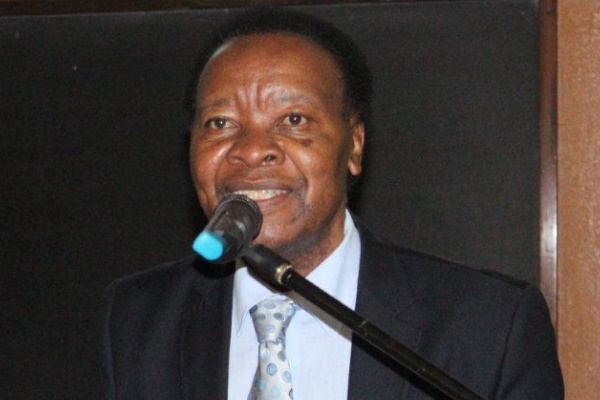


This year’s Harare International Festival of the Arts (HIFA), which is running under the theme We Count, kicks off from 1 to 6 May, three days after the Thomas Mapfumo Big Bira Concert at Glamis Stadium. The HIFA team, which includes its chairman, former Harare mayor Muchadeyi Masunda, artistic director and founder Manuel Bagorro and his sister, Maria Wilson, the executive director, and Tafadzwa Simba, the associate executive director, with a host of many others who play different roles in the well-spoken HIFA team, are expected to deliver magical moments.
I am pleased to note that HIFA has become an institution, so have many local artists who seem to appear at the event every year.
As Bagorro puts it: “How dull the world would be if we didn’t have some form of artistic life. How would we share the things that cannot be communicated in any other way and have fun at the same time? How would we rise above words to articulate the most poetic aspects of being human? The arts can express who we are as individuals and as a vital nation. This is our opportunity to articulate who we want to be, so speak up.”
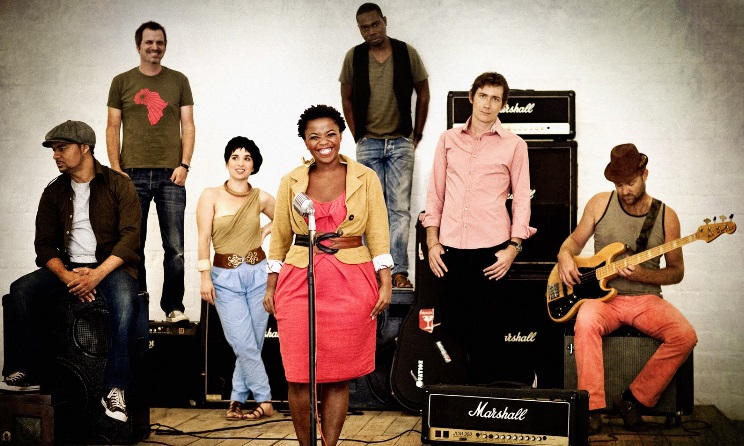
Indeed, HIFA is speaking out this year as We Count how things unfold. Two popular music groups from South Africa, Beatenberg and Freshlyground, will take centre stage at HIFA this year.
Beatenberg is a pop band based in Cape Town, composed of Matthew Field, Robin Brink and Ross Dorkin. They gained national attention in 2014 from their 'Remember You' collaboration with DJ Clock and Pluto and became the No 1 popular song on South African radio for 19 consecutive weeks. Their second album The Hanging Gardens of Beatenberg (2014) generated hit singles including 'Beauty Like a Tightened Bow', 'Scorpionfish' and 'Remember You'.
With the new dispensation in Zimbabwe, controversial band Freshlyground, also from Cape Town (whose lead singer is Zolani Mahola of 'Doo be Doo be Do Wawa' fame) who were banned from perfoming at HIFA in 2014, are back in the country. The ban was over their song titled 'Chicken to Change'. The ZANEWS puppet show music video portrayed former president Robert Mugabe as a chicken afraid to relinquish power. The video also showed Mugabe, in a puff of feathers, transforming into a poultry version of his former self in the back of his presidential limousine.
The band, which is made up of South Africans, a Zimbabwean and one Mozambican, was due to perform at HIFA in 2014, but Zimbabwe’s immigration department revoked the members' working visas without explanation. It is speculated that this was due to the launch of the 'Chicken to Change' song.
The song and accompanying video are the result of a collaboration between Freshlyground, best known for performing the World Cup anthem 'Waka Waka' with Shakira, and cartoonist Jonathan Shapiro, who was also at the time in hot water for portraying former South African president Jacob Zuma as “raping” Lady Justice. The 'Chicken to Change' video condemned Mugabe for clinging on to power for more than 30 years and urged him to “become the hero he used to be” by stepping down.
The South African Afro-fusion group was billed to perform at the closing ceremony of Hifa in May 2014. “The group was sent back because they did not have a valid work permit," the then regional immigration officer, Francis Mabika, said. "Their permit had not yet been processed so they could not be allowed to enter the country.” The then Home Affairs minister Kembo Mohadi said that for anyone coming to any country to work, they should have a permit and failure would result in denial of entry.
“Those are the laws of the country. Do you want us to bend the laws of the country just to suit a South African group? The officials who refused them entry were just implementing the laws of the country,” Mohadi said at the time.
However, HIFA had a different story to tell. When I spoke to Elvas Mari, the former director of the National Arts Council of Zimbabwe, he also had a different story to tell. None of the responsible officers I spoke to mentioned the 'Chicken to Change' song as the root cause of the band’s deportation.
We hope this time HIFA has got all their papers in order. It looks like the timing is right this time as there is no 'Chicken to Change' song to worry about with the new dispensation. Whether by hook or by crook, the change has already taken place.
In my view, HIFA should have also taken advantage of the arrival of Mapfumo and incorporate him into this year’s We Count ceremony.
Mapfumo, who was also regarded as a controversial artist at a time when most Zimbabwean musicians were immersed in pusillanimity due to fear of the Mugabe regime, like his Nigerian counterpart Fela Kuti, plucked enough courage to sing 'Corruption', 'Pamuromo Chete', 'Zvichapera', 'Pasi Paenda', 'Nhamo Zvakare', 'Mamvemve' and 'Disaster'. It would definitely have been more fun if HIFA had included him in this year’s programme, but HIFA starts planning its events at least six months in advance.
I attended HIFA in 2014. Despite the non-appearance of Freshlyground, the captivating performances from other groups took the thousands of fans gathered for the ceremony down memory lane as the performers dished out songs from yesteryear greats such as Dolly Parton, Kenny Rogers, UB40, Bob Marley, The Bhundu Boys, Tupac, Mapfumo and many more.
The show kicked off with the singing of the Zimbabwe national anthem after which old school classics were played one after another, non-stop. The mood of the crowd at the spectacular show said it all with loud cheers which came through memories of the good old days that were brought by the old-school songs performed in a style that demonstrated creativity.
The final act of the opening night of the show was full of fireworks, which drew loud cheers from the crowd. And indeed when they left, the crowds were wondering what would be in store for them next after such a memorable show.
We hope that this year’s ceremony is bigger and better as it delivers more politically controversial and humourous acts. As expected, there will be firework displays at the end of the ceremony on the closing night.
Fred Zindi is a professor at the University of Zimbabwe. He is also a musician and an author of several books on music. This article was first published on The Standard.


Most popular

Top Naija songs of 2026
31 Mar 2026

Top Afrobeats songs of 2026
19 Mar 2026

Ghana: Mr Eazi and MOLIY’s ‘Comfort’ earns Urban Music Awards nomination
21 Oct 2026

Top amapiano songs of 2026
16 Feb 2026

Open call: CANEX Music Business Lab and Songwriting Camp
15 Oct 2026

Nigeria: CANEX WKND unveils 2026 programme
21 Oct 2026
Disclaimer: Music In Africa provides a platform for musicians and contributors to embed music and videos solely for promotional purposes. If any track or video embedded on this platform violates any copyrights please inform us immediately and we will take it down. Please read our Terms of Use for more.

Subscribe to our monthly Newsletter
Follow us on social media


Please log in to post a comment.