









NEFCISA
NEFCISA

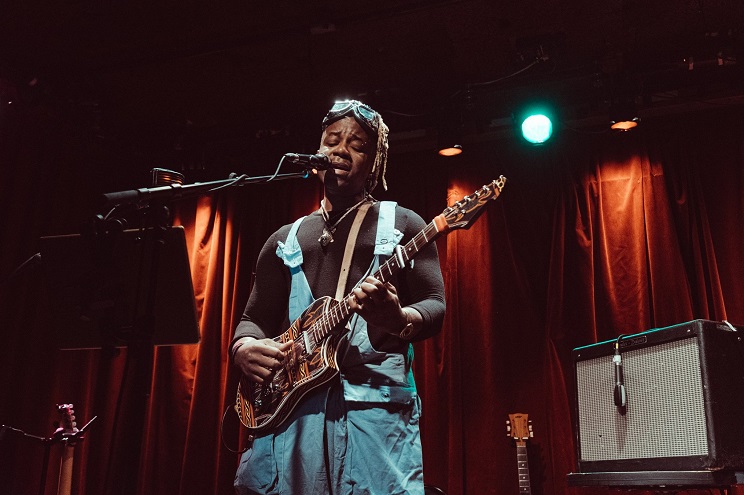
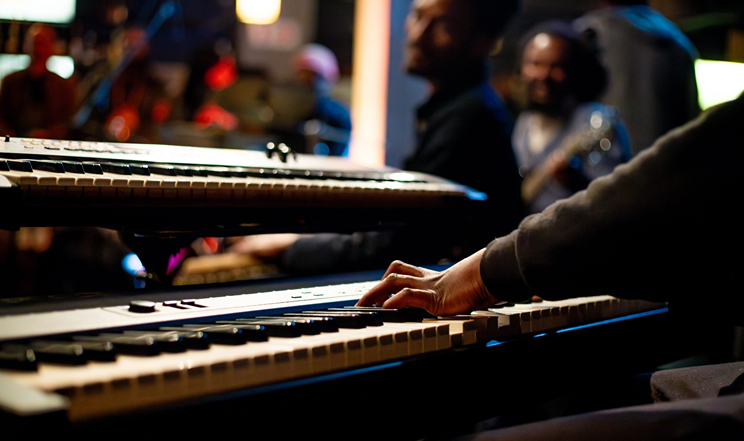
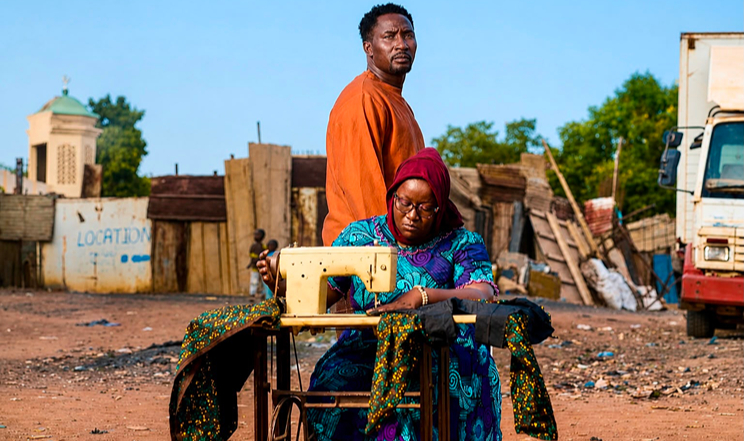
The Music In Africa Foundation (MIAF) is proud to announce its partnership with the Industrial Development Corporation (IDC) as a Strategic Implementing Partner (SIP) for its Social Employment Fund (SEF). Through this collaboration, MIAF is launching a new national programme designed to create jobs, address skills gaps, and strengthen South Africa’s creative industries — in line with the SEF’s overarching goal to generate work for the common good and build community value through employment, social contribution, and inclusive economic participation. Operating under the banner NEFCISA (National Employment Facility for Creative Industries in South Africa), the initiative will recruit and train participants, match them with host organisations, and place a minimum of 1 000 workers across the country. Key Objectives: Support employment and entrepreneurship in the creative industries. Offer skills development and training programmes. Foster partnerships between public and private creative sectors. Promote South African creativity at both provincial and national levels Foster community development through social contribution.

ACCES
ACCES

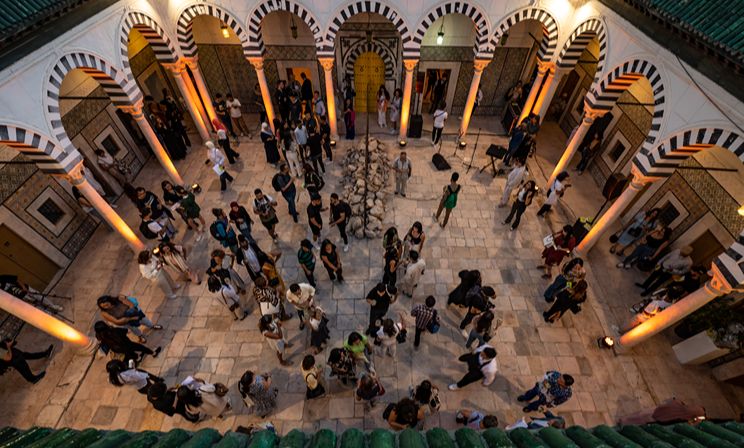
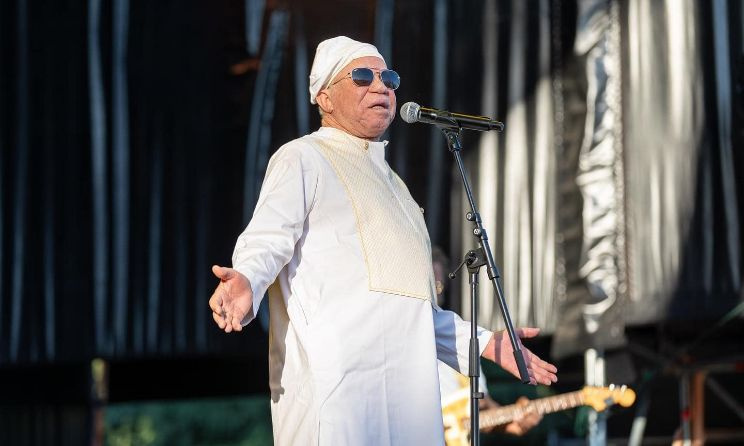
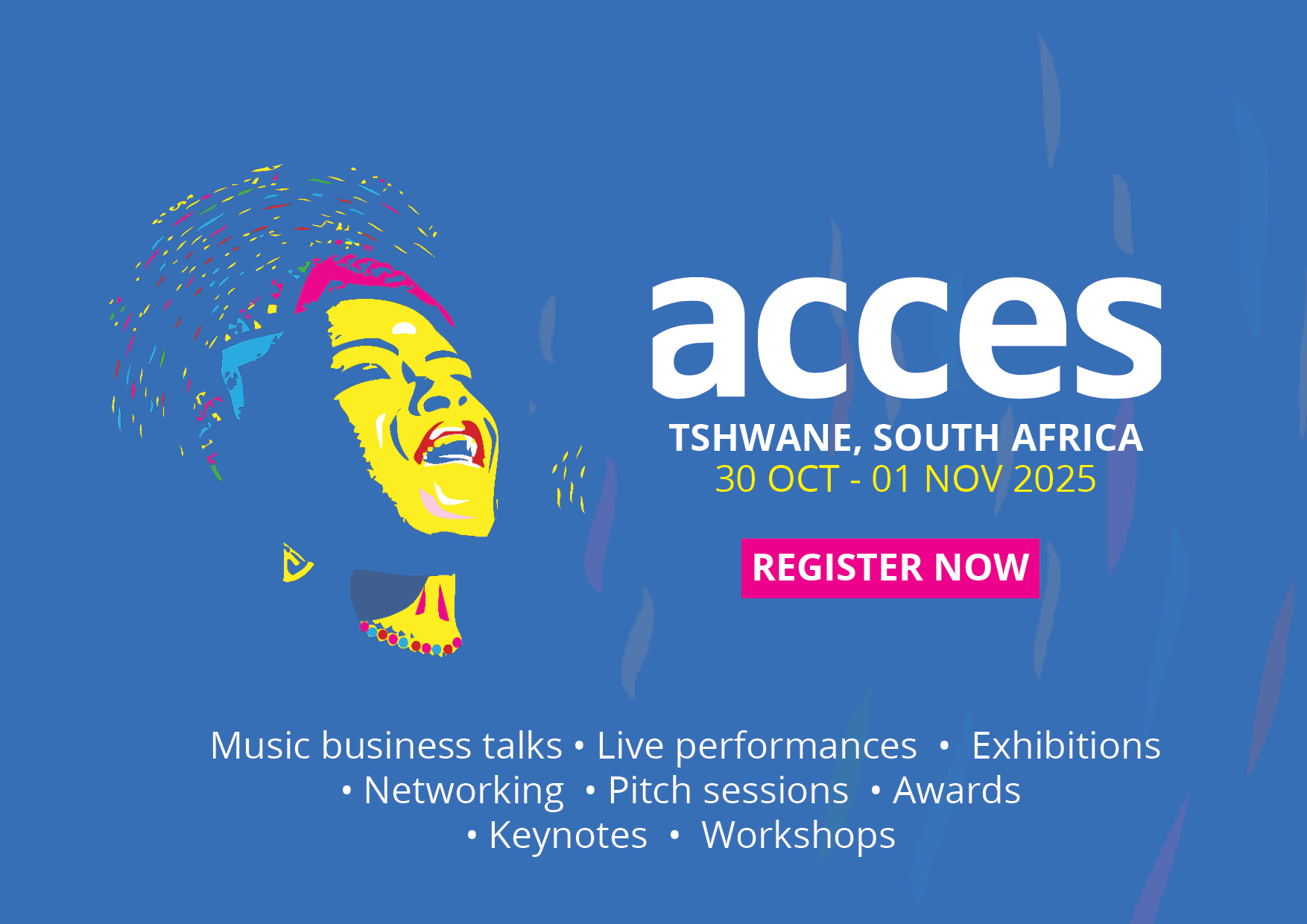
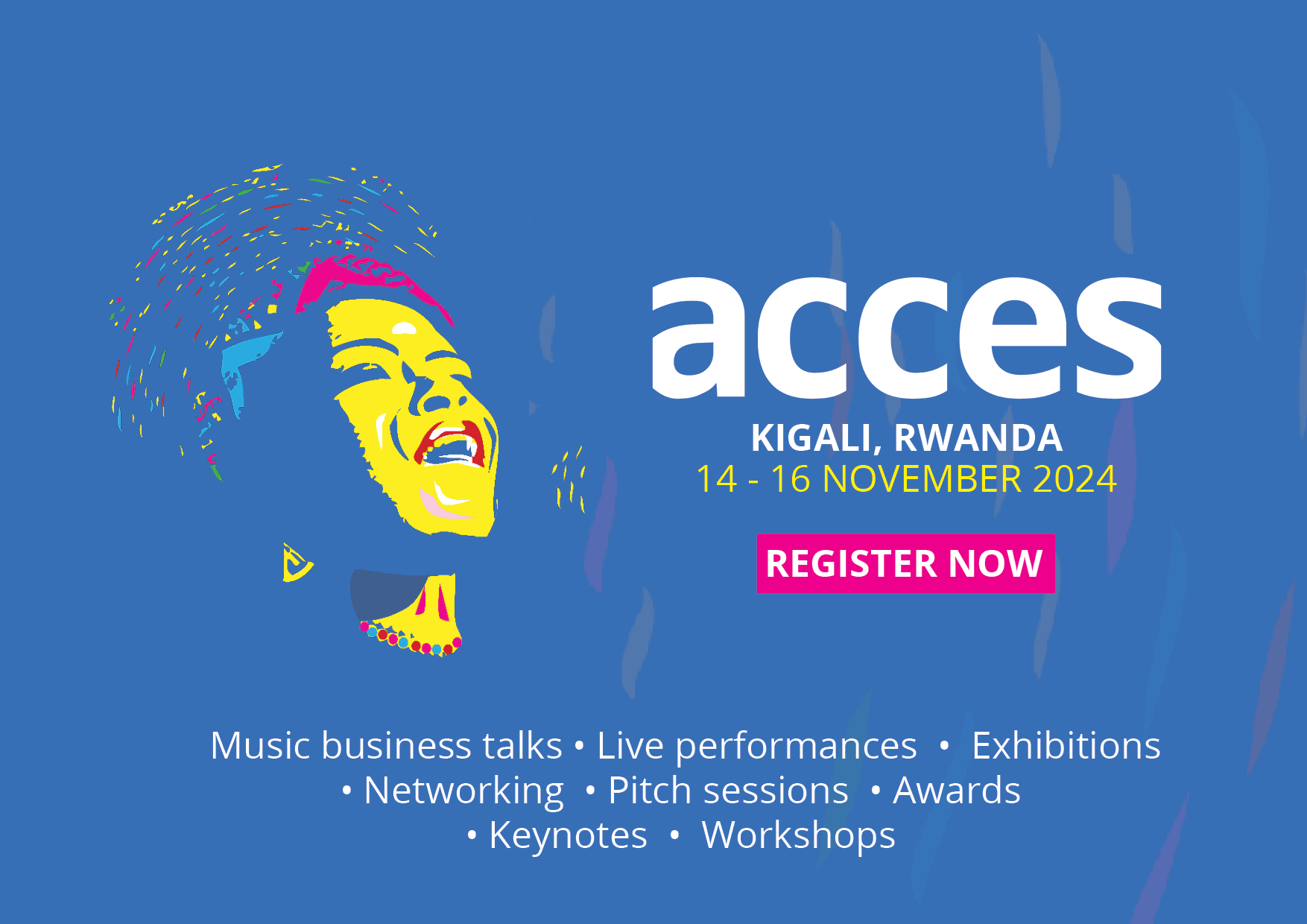
Chaque année, nous fournissons des informations générales afin de guider les participants dans la préparation de leur voyage. En plus de ce site, des mises à jour importantes seront envoyées par e-mail à tous les délégués inscrits. Assurez-vous de vous inscrire dès que possible. Pour plus d'informations, veuillez contacter [email protected] Continuez à consulter cette page pour plus d'information.  

Gender@Work
Gender@Work

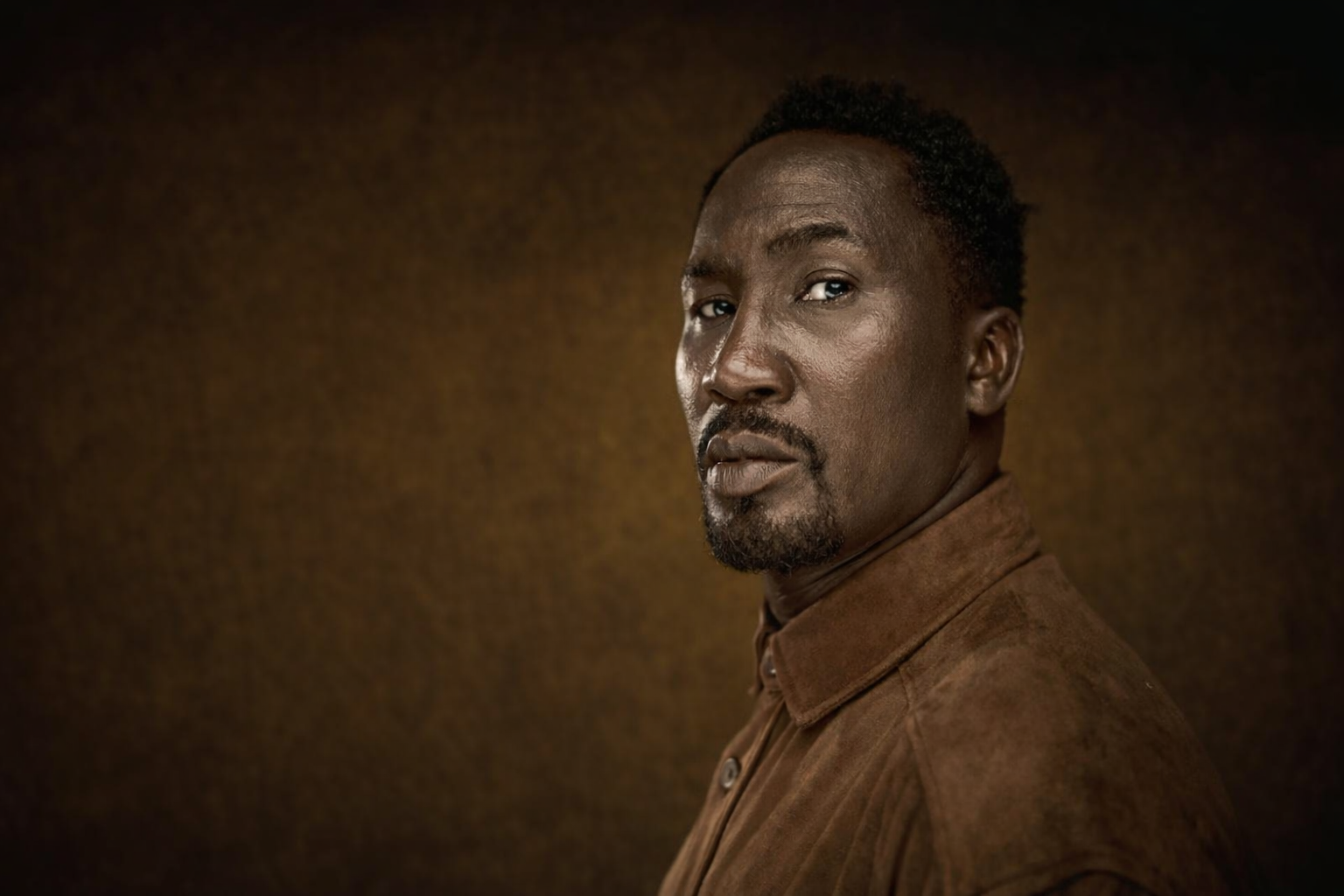
Music In Africa Gender @ Work is a three-year training programme aimed at upskilling and increasing the participation of female professionals in the African music sector. Launched by the Music In Africa Foundation (MIAF) in April 2019, the programme is connected to the MIAF’s ACCES music conference – a pan-African event held in a different African country every year. This connection enables the programme to reach new participants in a different African country every year. The programme marks the beginning of a more concerted effort by the Foundation to support the participation and inclusion of women in all facets of its programmes and the music sector in Africa as a whole. Over the three years, the programme will aim to address gender imbalances in the sector through training, lobbying, facilitating knowledge exchange and dialogues that foster the interest of women. The broader objectives of the programme are to: Provide industry training for women on critical music industry skills, focusing on: Stage management Electronic music production and recording Music business management Technical knowledge Provide an opportunity for both professional and aspiring women to benefit from the Music In Africa network and its broad range of activities in 2019, 2020 and 2021. Provide a solution-based platform in the form of a round table at ACCES with a view to identify challenges, discuss opportunities and lobby for the interests of female practitioners. Offer participants the opportunity to benefit from programmes offered by MIAF’s partners. Increase access to educational materials. Integrate participants in the broader ACCES programme to maximise experience and exposure to the industry. Record and present training materials on the www.musicinafrica.net, including but not limited to tutorials, templates and other best-practice materials. Communicate women-based themes that support the initiatives and messages of the programme. MAIN TRAINING ACTIVITIES Training in first country (Ghana): In the first year, participants will be trained on all aspects of stage management by a team of experienced stage managers from 10 to 17 November 2019. The programme will offer robust classroom training as well as practical, hands-on training in which participants will also be given the opportunity to manage various aspects of the ACCES performance programme. Training in second country: The second training iteration will take place at ACCES 2020 when the programme will diversify its course to include music production lessons and training on other music business topics. A round-table platform will also be introduced to coincide with the ACCES programme. Training in third country: The third training iteration will take place at ACCES 2021 in a different country, offering an advanced course. HOW DO YOU GET INVOLVED?  As a participant, facilitator or trainer: The programme enrolls up to 12 trainees every year. All opportunities are advertised publicly on this website, and will be added to this page. Please keep checking this page for new calls (below under UPDATES & CURRENT OPPORTUNITIES). As a partner Please contact Claire Metais at [email protected]. APPLY The call for applications for 2020 will be announced soon. The Music In Africa Gender @ Work programme is made possible with the support of the Prince Claus Fund, Siemens Stiftung and Goethe-Institut.

Sound Connects Fund
Sound Connects Fund

Pour les praticiens et les organisations culturels et créatifs opérant en Afrique australe, l’accès au financement reste un défi majeur. La pandémie de COVID-19 a également eu un impact massif sur les politiques gouvernementales, les dépenses et l’économie en général, et a vu les dépenses consacrées à la culture reléguées plus bas dans la liste des priorités. De plus, les industries culturelles et créatives citent régulièrement quatre domaines principaux où l’investissement est nécessaire pour la croissance : une visibilité accrue, la mobilité incluant l’accès à de nouveaux marchés, le financement et les structures de soutien.

Music In Africa Live

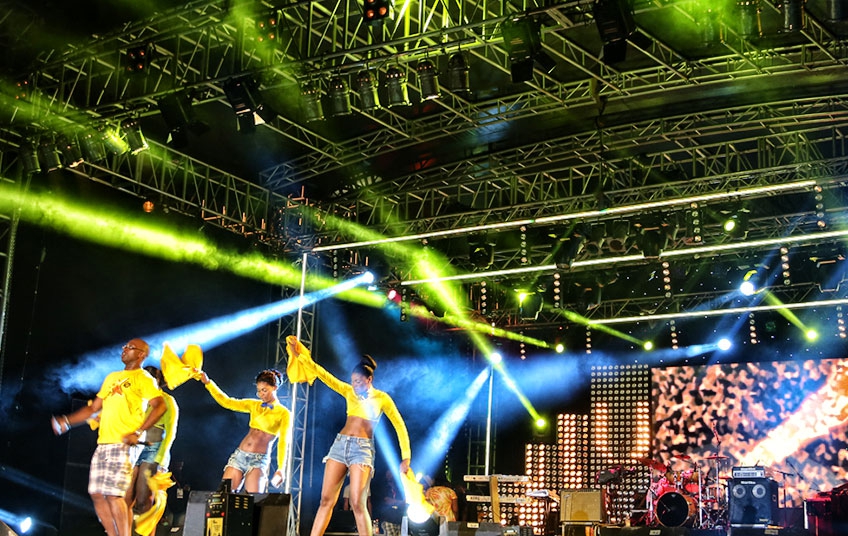
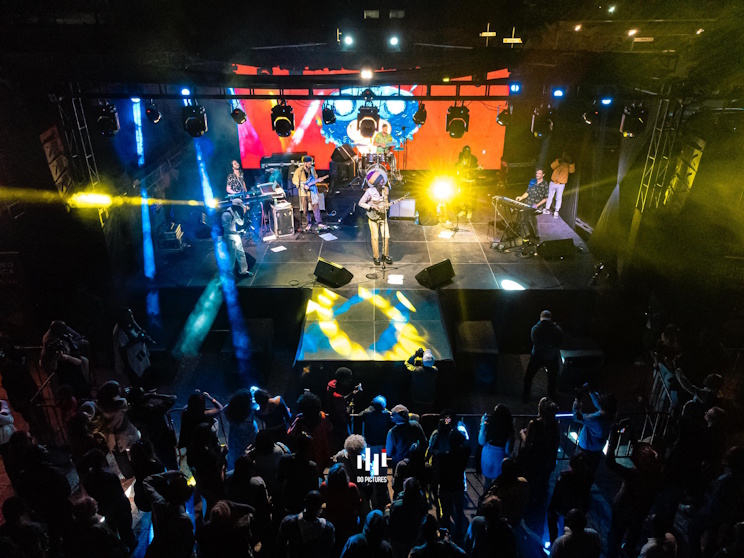
MUSIC IN AFRICA LIVE Lancé en 2020 pour une durée de 3 ans, Music In Africa Live est une initiative visant à soutenir l'écosystème de la musique africaine face aux contraintes imposées par la pandémie de COVID-19 ; le projet a été lancé par la Fondation Music In Africa (MIAF) en partenariat avec le ministère fédéral allemand des Affaires étrangères, Siemens Stiftung et le Goethe Institut. Plus de 30 aides sont disponibles dans le cadre de la troisième édition de Music In Africa Live, dans 3 catégories :  showcases, renforcement des compétences et plaidoyer, en conformité avec les modalités énoncées.

Instrument Building And Repair Project

The overarching objective of Music In Africa Foundation’s Instrument Building and Repair (IBR) project is to encourage the formalisation and professionalisation of instrument-making and repair in Africa, especially in relation to indigenous African instruments. Background In 2014, the Music In Africa Foundation (MIAF) identified as one of its focus areas for development the need to encourage young people from music and music-related sectors to consider instrument-making as a career. This need extended itself from the recognition that the making of traditional African instruments is not a widely practiced skill and seems to be limited to the older generation. Traditional African instrument makers are also few and far between, making communication and logistics between teachers and learners an obstacle. When instrument building workshops take place, budgetary constraints do not allow teachers or learners the time to explore the finer details of an instrument. Based on these observations, the MIAF designed and piloted the first IBR workshop at the Dhow Countries Music Academy (DCMA) in Zanzibar in February 2015. In 2016, the foundation received funding from the South African National Lotteries Commission to implement a much bigger version of the project in Johannesburg. The project drew participants from five African countries. 25 students from South Africa, Ghana, Senegal, Kenya and Ethiopia were trained on how to build and repair musical instruments. The instruments that they made were: Traditional Instruments: Umakhweyana and Marimba Conventional Instrument: Dulcimer guitar The workshop culminated in a traditional instruments concert at the Wits Theatre in Johannesburg. It is the MIAF’s aim to roll out similar workshops in as many African countries as possible over the next few years. Objectives Developing awareness of musical instrument makers in Africa with a view to promote their work to a wider global audience. Facilitating the sharing and transfer of skills in indigenous instruments between countries on the continent. Encouraging the formalisation and professionalisation of instrument-making and repair in Africa, especially in relation to indigenous instruments. Helping instrument makers develop their careers. Fostering the rapid monetisation and sustainable development of instrument-making and repair in Africa. Promoting constant exchange of ideas, expertise, experiences and know-how among instrument makers in Africa. Facilitating the identification of existing gaps in the field with a view to contribute new solutions. Facilitating the transfer of knowledge and skills of indigenous instruments between younger and older generations. 2020 edition The MIAF has also announced that multi-instrumentalist and instrument maker Joe Makhanza will facilitate one of the workshops on the building of the kamale ngoni instrument. Kamale ngoni is a kora-like, stringed instrument that originated in West Africa. The instrument contributed to the rise of Wassoulou music in the 1970s and 1990s. Makhanza was born in Giyani in South Africa's Limpopo province. He completed a bachelor of music degree and a post-graduate diploma in arts marketing from Wits University. He is currently completing his masters in ethnomusicology and is a part-time lecturer in African music studies at Rhodes University. He plays the kora, mbira, valiha, masenqo, xiwewe, ngoni ba and xizambi, among others. He also manufactures the aforementioned instruments. The MIAF will confirm more trainers who will join the workshops as well as the other instruments that will be featured in the 2020 IBR programme.  Apply to participate here. Connect with us on Twitter, Instagram and Facebook, and subscribe to our monthly newsletter. The Music In Africa Instrument Building and Repair project is funded by the National Lotteries Commission. It is implemented in partnership with Siemens Stiftung, Goethe-Institut, Wits Theatre and Kaya FM.

G Pers

G Pers

Solo artists
linkedin
flag-img

Casablanca, Morocco

En service depuis :

2005

Personne de contact:

G Pers

Contact :

+33617126516

BIO

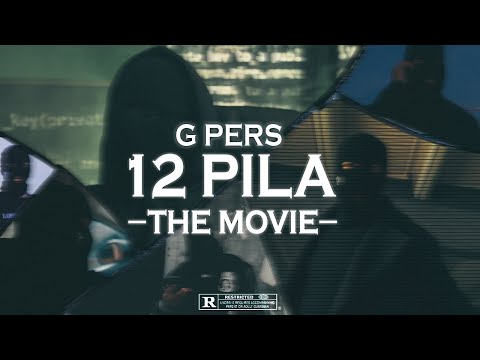
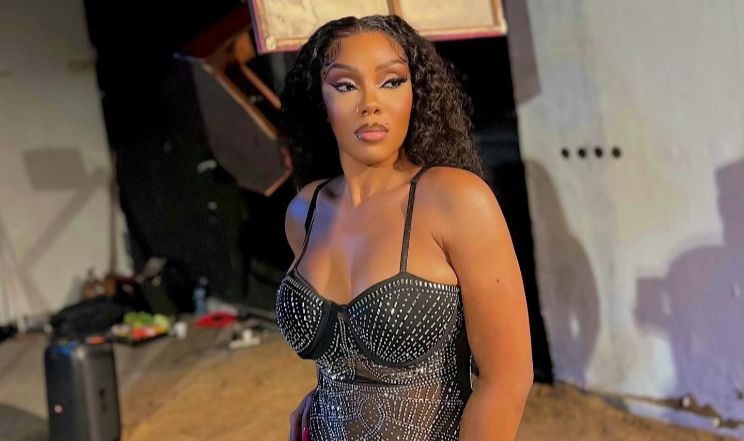
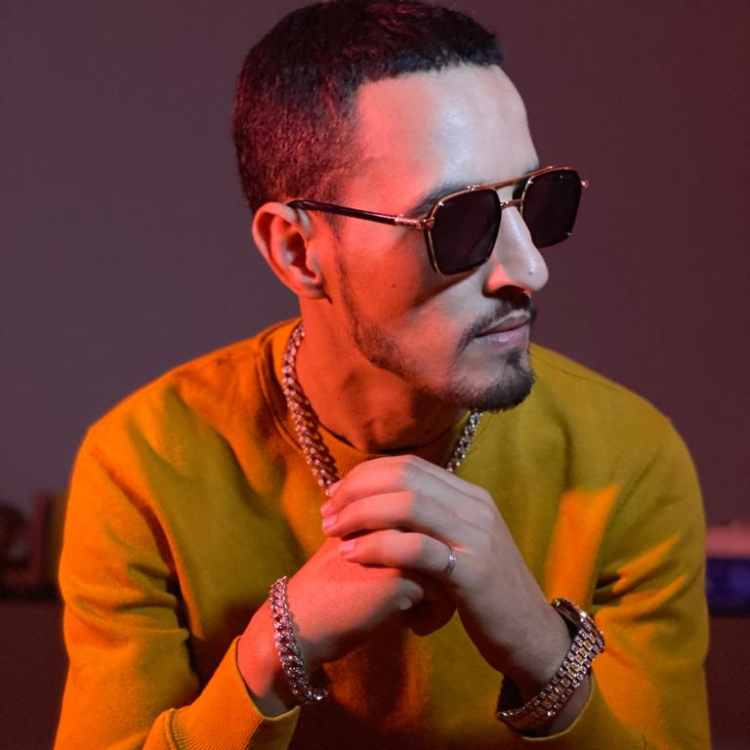
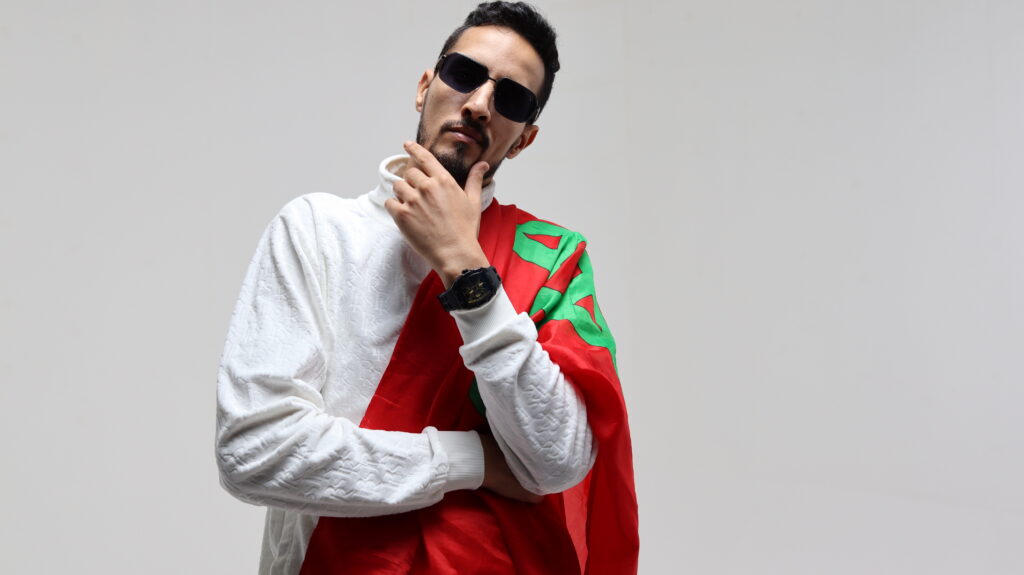
G Pers, De son vrai nom Khalid El ghazy, est un rappeur marocain né à l’ancienne médina de Casablanca et a grandi ensuite dans les bidonvilles de Douar Haj el watani à lisassfa. Ayant ouvert ces yeux dans le manque de moyens, il avait vite compris qu’il lui faudra une solution pour s’en sortir sans que cette dernière entraîne des conséquences négatives. L’école n’était pas un choix mais une obligation imposée par les parents qui voyait en elle une assurance pour l’avenir de leur enfant (G pers), mais l’idée ne lui plaisait pas jusqu’au moment où il se retrouve viré de son lycée en 2006 à cause de son mauvais comportement. « Khalid décrit cette situation étant un virage pour lui, il ne s’est jamais senti intégré dans la vie d’étudiant et justifie en disant : commet pourrai je adhérer à un système qui ne m’accorde même pas mon droit au logement, sans eau potable et sans électricité » Sans aucune activité ni connaissances professionnelles, il devait faire un choix entre une vie de délit ou une vie de succès. Il s’est mis à mis à traduire ses sentiments à travers des textes de rap mettant en évidence sa frustration de jeune dans la société marocaine, se sentant incompris. 2006 était une année marquante car elle vue la naissance d’un artiste, cela va rapidement se faire connaitre une fois qu’il a été invité chez un ami dans un studio et il a pu enregistrer son premier single qui lui a été offert gratuitement par DJ adam qui a cru en son talent. En 2007, ses parents ont demandé une autorisation exceptionnelle pour une réintégration au lycée pour que leur enfant puisse en moins avoir son baccalauréat. Le pardon a été accordé mais ce qui a changé cette fois-ci c’est que Khalid s’est assagit et a compris que la réussite de sa vie dépond de son talent et de ses études. Les études en journée et le travail le soir et de la musique 24h/24, un rythme intense qui lui a permis de développer des automatismes lui permettant de structurer des textes dans sa mémoires sans avoir à les écrire. Une technique qui lui a permis de sortir deux EP : The Professi” en 2008 et Ghetto Star en 2010. Les deux projets lui ont permis de confirmer sa position dans le rap marocain. G PERS ou « GANGSTA Personnality », son surnom artistique fait référence à son attitude et à sa personnalité étant un jeune qui a grandit dans une zone défavorisée où il avait besoin d’imposer son fort caractère pour gagner le respect dans la rue, mais ce n’étais son unique défi, il a réussi aussi à obtenir un diplôme d’ingénierie (Bac+5) en 2011, une année qui a coïncidé avec la sortie de son premier Album Studio qui s’intitule « GODAM EL 3ETBA ». En 2012 il a décidé de faire un album qui s’intule « sawt wa Soura » qui signifie l’image et le son. Un album aborde diverses problématiques sociales et culturelles rencontrées par l'artiste et son pays. Les paroles expriment des sentiments de frustration, d'espoir et un appel au changement. Avec une direction artistique purement sociétale sur des titres comme « Nafssi Toubi » et « Khass » et « Doukha ». En 2014, il revient avec un single nommé « FAYK Toul Lil » qui signifie « je n’ai pas sommeil » et qui parle des défis et des aspirations d'un artiste dans l'industrie du rap, en mettant l'accent sur l'importance de la persévérance, de la confiance en soi et de la capacité à surmonter les revers et les sceptiques. Elle met en avant la détermination de l'artiste à réussir et encourage les auditeurs à trouver leur propre chemin et à rester fidèles à leurs rêves, même face à l'adversité. En 2015, G Pers se fait repérer par une multinationale qui ne cherche pas l’artiste en lui mais plutôt ses qualités d’ingénieure lui offrant l’opportunité de s’installer en France et découvrir la vie au-delà du Gibraltar. Une opportunité que Khalid n’a pas ratée mais qui nécessitait une dédication totale de son temps. Son amour pour la musique est tellement fort qu’il se battait des jours pouvoir sortir des projets musicaux du type personnel comme le single « Ya labass » et l’album « NEO » qui a renforcé son lien avec la musique réside son unique refuge et son unique échappatoire. En 2024 (10 ans après), G Pers a décidé de reprendre la musique avec un engagement et une dédication incomparable et le déclic faisait suite à sa rencontre avec une professionnel dans le milieu artistique (Anissa) qui avec son mentorat a réussi à redonner vit à l’artiste en Khalid. Le 06 Janvier, G Pers a recommencé l’aventure avec le signle « 3 Metos » suivit par « Napoleon » et « Takini » les singles se sont enchainés avec un rythme de 2 titres par mois. For business inquiries : [email protected]

Photos

Aucune photo disponible

Réseaux sociaux et sites web

Disclaimer: Music In Africa provides a platform for musicians and contributors to embed music and videos solely for promotional purposes. If any track or video embedded on this platform violates any copyrights please inform us immediately and we will take it down. Please read our Terms of Use for more.

newsletter banner

Abonnez-vous à notre newsletter

Retrouvez-nous sur les réseaux sociaux