


















































Comment est né « Birima » le chef-d’œuvre de Youssou N’Dour

29 Jan 2020 - 17:01


« Birima » de Youssou N’Dour ne ressemble à aucune autre chanson du roi du Mbalakh. Ce chef-d’œuvre, avec sa mélodie envoûtante, son rythme unique, a été conçue de façon particulière. C'est l’une des chansons qui prouve que l’enfant de la Médina appartient à la catégorie des artistes exceptionnels capables de maîtriser leurs voix et qui transcendent toutes les situations.
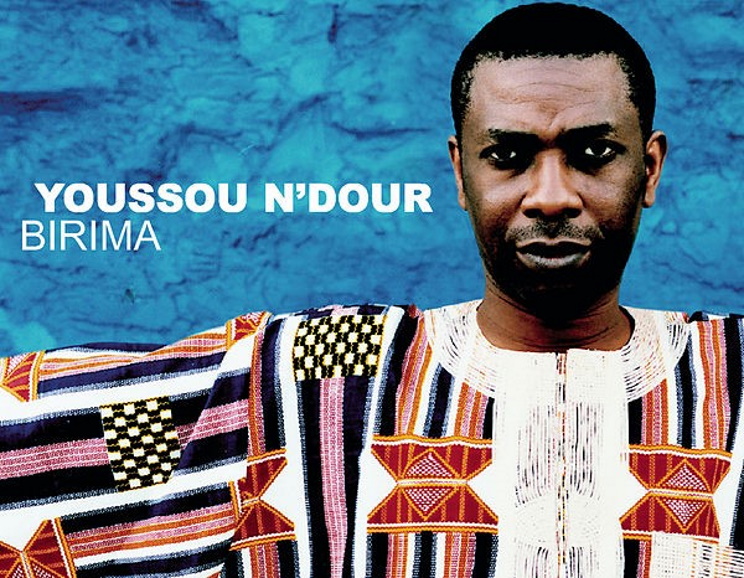
L’histoire populaire du roi qui apporta l’allégresse
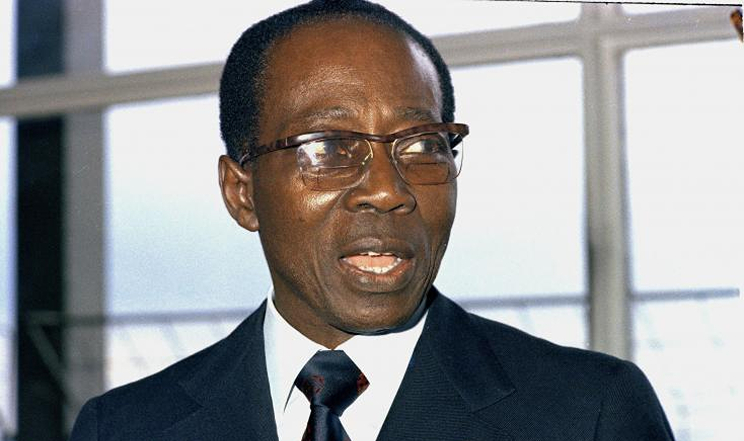
La chanson fait référence au roi Birima Ngoné Latyr Fall qui règna de 1855 à 1859 comme Damel du Cayor (roi du Cayor). Le Cayor était un royaume précolonial situé à l'ouest de l'actuel Sénégal. Birima a la particularité d’avoir régné sur le trône du Cayor avant son père qui lui succédera quatre ans après.
D’après les griots généalogistes, c'était un souverain qui aimait beaucoup son peuple à tel point qu’il gagna l’estime de tous les habitants du royaume qui le surnommèrent « Borom mbaboor mi » (le porteur d’allégresse).
D’une gentillesse proverbiale, il traitait avec égard tout le monde, aussi bien les classes moyennes que les couches sociales les plus défavorisées. Il tenait aussi fermement au respect de la parole donnée.
D’où les nombreuses chansons populaires wolofs à son endroit : « Birima fu mu yendu, kufa yendu, yendo naan » (là où Birima passe la journée, c’est le festin). « Birima ma ca been baat ba, bu waxe ren, ba laa waxaat dewen (celui qui n'a qu'une seule parole) ».
Malgré la courte durée de son règne, il a laissé une empreinte indélébile dans le royaume du Cayor et la société wolof en général. Jusqu'à aujourd'hui, on chante ses louanges au Sénégal.
Youssou N’Dour séduit par l’histoire du roi Birima
En 1992, le label Saprom de Youssou N’Dour produit la grande cantatrice Ndèye Mbaye Djinma Djinma qui maîtrise l’arbre généalogique du roi Birima. Youssou va collaborer sur le morceau « Damel Fall », un hommage que la griotte rend au souverain. C'est la première « rencontre » de Youssou avec Birima.
Youssou n'assure qu’un seul refrain sur la chanson : « ...Birima fu mu yendu, ma yendu fa, ma yendo naane...» (partout où Birima passe la journée, j’y serai pour boire et manger à volonté) mais à partir de ce jour, le refrain ne le quittera plus jamais. Il lui restera durant presque quatre ans.
L’histoire du roi devient une chanson de Youssou N’Dour
C’est en 1996 que Youssou N’Dour, grâce au refrain, avec l’aide de Ndèye Mbaye Djinma et Jimi Mbaye, trouve l’inspiration et couche sur papier ce qui deviendra le tube « Birima ». D’ailleurs Jimi et Ndèye Mbaye sont crédités comme auteurs-compositeurs de la chanson.
Youssou N’Dour et le Super Étoile profiteront de la fin de la tournée « Jololi Review » pour mettre « Birima » en musique à Bruxelles (Belgique) lors de l’enregistrement de l’album Lii destiné au marché africain.
« Jololi Review » est une tournée européenne plutôt acoustique de Youssou effectue en 1996 en compagnie de Cheikh Lô (qui participera notamment dans tous les chœurs de l’album) de Yandé Codou Sène et de son ami le claviériste-arrangeur français Jean-Philippe Rykiel qui sera présent sur tous les titres.
Juste avant la tournée, un événement qui influera indirectement sur le morceau va se produire. Jean-Philippe raconte : « Juste avant de partir, pendant les répétitions, j’apprends la terrible nouvelle du décès d’un de mes amis très chers, Mamadou Diallo, conteur sénégalais avec qui je venais de terminer un enregistrement. J’étais tellement bouleversé que j’ai proposé à Youssou de me laisser à Dakar, prétextant que dans mon état, je ne serai pas bon à grand-chose. « C’est hors de question » me répondit-il dit, avec sa voix de vrai chef, c’est-à-dire sans élever la voix. « Tu vas sombrer dans la tristesse si tu restes là, viens avec nous, on sera tous avec toi et autour de toi ! ».
Et il disait vrai, car dès qu’il me voyait triste, il me consolait, racontant comment lui aussi avait perdu des amis, faisant preuve d’une réelle empathie à mon égard. Nous partagions le même autocar, dormions dans les mêmes hôtels, et je ne lui ai jamais connu, du moins à l’époque où je le fréquentais, un comportement de star, ce qui ne pouvait que s’ajouter à l’admiration que je lui portais déjà ».
Le succès phénoménal de « Birima »
« Birima » sort en 1996 sur l’album Lii destiné en particulier au marché sénégalais et africain en général. C'est à mon sens, l’un des meilleurs albums de Youssou.
D'une très bonne qualité sonore, Il allie avec brio simplicité, douceur, puissance et profondeur. Tous les instrumentistes y donnent le meilleur d’eux-mêmes. Quand on l'écoute on sent nettement le désir des musiciens de participer à cette œuvre.
D’ailleurs, tous les titres sont des merveilles. On y retrouve un Youssou très en forme vocalement, surtout sur « Sunu Yaye » et « Birima » véritable tube qui se hissera très rapidement en tête du top des chansons les plus diffusées à la radio.
Le public tombera sous le charme de cette chanson atypique qui devint un succès immense.
Qu’est-ce qui fait de « Birima » un chef-d’œuvre ?
La musique et les paroles de « Birima » prennent racine dans le vaste répertoire traditionnel des griots wolof (ethnie sénégalaise). Dans « Birima », Youssou se tourne vers sa transmission maternelle qu'il relie à ses origines et à ses nombreuses influences, le chant traditionnel des griots et ses inspirations s’enchevêtrent et forment un tissage singulier.
La plupart de ses chansons sont nées de cette inspiration et « Birima » ne déroge pas à la règle. Mais la manière dont Youssou et ses musiciens transcendent les frontières de cette tradition place le titre à un tout autre niveau.
« Birima » a la particularité d’avoir l’une des intros les plus marquantes de l'histoire de la musique sénégalaise. L’intro, bien sûr, c'est la guitare envoûtante et inoubliable de Jimi Mbaye. Elle est accompagnée par la guitare rythmique électro-acoustique de Pape Omar. Et c'est bien rythmiquement que le morceau se distingue par un subtil, incessant et génial groove qui produit une sensation et une dynamique particulières.
La contrebasse du phénoménal Habib Faye, les percussions de Mbaye Dièye, la batterie de Galass et les chœurs de Ouzin Ndiaye et de Cheikh Lô sont bien arrangées afin que la chanson soit mémorable et marque l’esprit des auditeurs à jamais.
L’ensemble est porté par cette voix exceptionnelle et envoûtante de Youssou qui nous transporte à travers le Sénégal des profondeurs. Le sommet du morceau, c’est le solo (claviers) extraordinaire et mélancolique de Jean-Philippe Rykiel suivi du solo vocal sublime de Youssou.
Au moment où Rykiel faisait son solo qui sonne comme un xalam, il pensait à Mamadou Diallo, son ami conteur décédé quelque temps avant leur départ. D'où la mélancolie qui s'y dègage. D’ailleurs Il le dédiera à son feu ami. Quand on écoute cette partie, elle éveille en nous une forte émotion.
A propos de ce solo, Jean-Philippe, nostalgique confie : « Youssou est infatigable, et Habib l'était tout autant. Je me souviens d'un soir en Allemagne après un concert, nous étions rentrés à l'hôtel, et ils étaient en train de travailler sur le premier morceau de l'album.
Habib programmait la boîte à rythmes, et je me suis faufilé jusqu'à l'appareil en essayant de ne pas me faire remarquer, pour rajouter un petit quelque chose qui me manquait dans la programmation, rien qu'un petit coup, ils ont éclaté de rire tous les deux. Et puis je suis allé me coucher, j'imagine qu'ils ont travaillé toute la nuit.
Nous profitions de nos jours off, pour répéter les nouveaux morceaux à l'hôtel dans un petit studio mais aussi les jours de concert pendant les balances. Mais c'est bien à Bruxelles que l'enregistrement a eu lieu. Ça n'a pris que trois jours tant les morceaux étaient déjà aboutis.
J'ai laissé Youssou Habib et les autres à Bruxelles et je suis reparti à Paris un mardi après-midi, c'est le matin même que j'ai enregistré le solo. Peu de gens le savent, mais ce solo est rempli du souvenir de mon ami, Mamadou Diallo, c'est à lui que je le dois.
Une fois rentré chez moi, je reçois un coup de fil, c'était en 1997, les numéros et les noms des appelants ne s'affichaient pas encore sur les appareils. Je décroche, et j'entends mon solo, recouvert par des cris d'enthousiasme de tout le groupe : « Jean-Phi, notre chéri, Jean-Phi, notre chéri. » Ça m'a vraiment réchauffé le cœur, j'imagine que c'est en grande partie ce qui m'a aidé à surmonter la mort de mon ami. À toi, Mamadou Diallo, À toi Habib Faye ! ».
« Birima » n’a pris aucune ride au fil du temps et continue de nous émouvoir, car comme le disait Emmanuel Kant : « la musique est la langue des émotions ».
L’une des choses qui fascine le plus à travers cette chanson, c’est son pouvoir de par son rythme et sa mélodie à rester dans les têtes et à traverser les générations.
Depuis 1996, aucune autre chanson de Youssou n’a pu dépasser en perfection « Birima », c'est un hit indémodable et intemporel, un chef-d’œuvre tout simplement.
Artiste : Youssou N'Dour
Chanson : « Birima »
Année / Label : 1996 / Jololi


Most popular

Top 10 des artistes congolais les plus streamés en France en 2026
05 Mai 2026
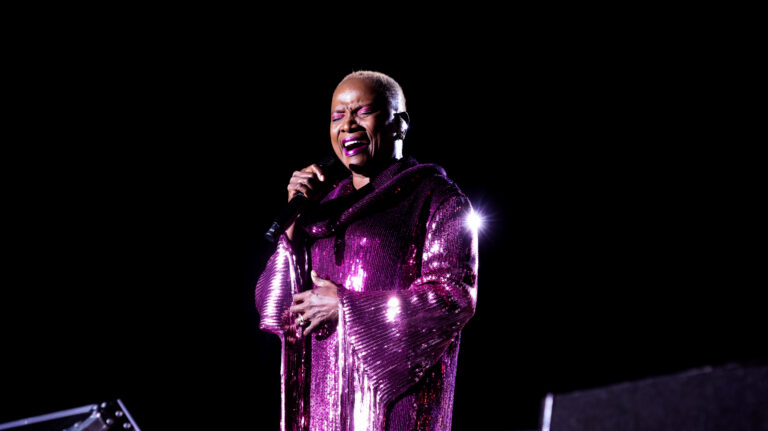
Afrique du Sud: Angélique Kidjo, Ibrahim Maalouf et Anaïs Rosso font vibrer le Joy of Jazz
12 Oct 2026
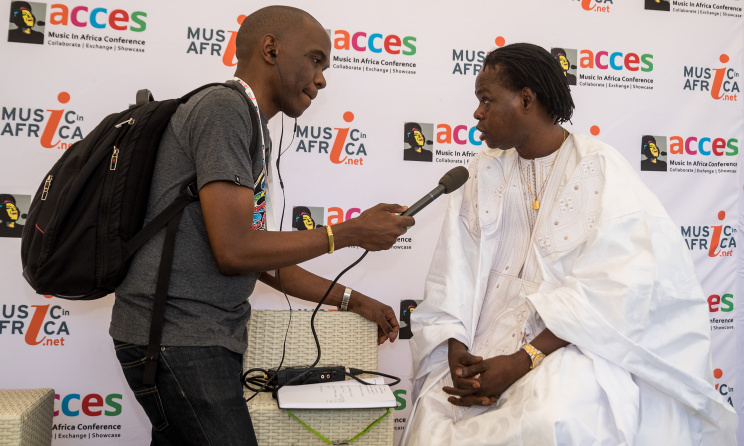
Appel à accréditation : ACCES 2026 à Johannesburg
12 Oct 2026
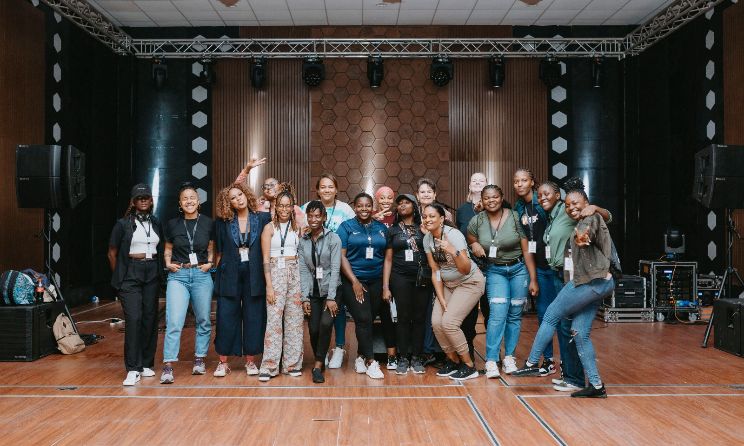
Appel à candidatures : formation Gender@Work 2026 aux métiers de l’industrie musicale à Johannesburg
06 Oct 2026
Sayon Camara, une voix mandingue entre héritage et nouveau départ
02 Oct 2026
À Tunis, Jaou fait dialoguer les nouvelles scènes musicales du monde arabe et au-delà
02 Oct 2026
Disclaimer: Music In Africa provides a platform for musicians and contributors to embed music and videos solely for promotional purposes. If any track or video embedded on this platform violates any copyrights please inform us immediately and we will take it down. Please read our Terms of Use for more.

Abonnez-vous à notre newsletter
Retrouvez-nous sur les réseaux sociaux


Please se connecter to post a comment.