

























NEFCISA
NEFCISA

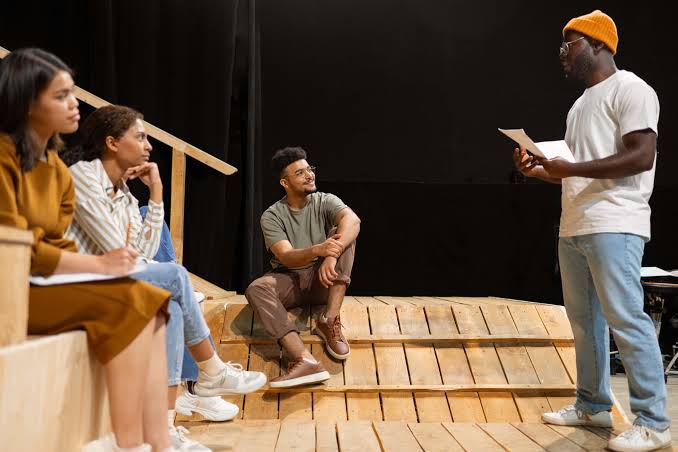
The Music In Africa Foundation (MIAF) is proud to announce its partnership with the Industrial Development Corporation (IDC) as a Strategic Implementing Partner (SIP) for its Social Employment Fund (SEF). Through this collaboration, MIAF is launching a new national programme designed to create jobs, address skills gaps, and strengthen South Africa’s creative industries — in line with the SEF’s overarching goal to generate work for the common good and build community value through employment, social contribution, and inclusive economic participation. Operating under the banner NEFCISA (National Employment Facility for Creative Industries in South Africa), the initiative will recruit and train participants, match them with host organisations, and place a minimum of 1 000 workers across the country. Key Objectives: Support employment and entrepreneurship in the creative industries. Offer skills development and training programmes. Foster partnerships between public and private creative sectors. Promote South African creativity at both provincial and national levels Foster community development through social contribution.

ACCES
ACCES

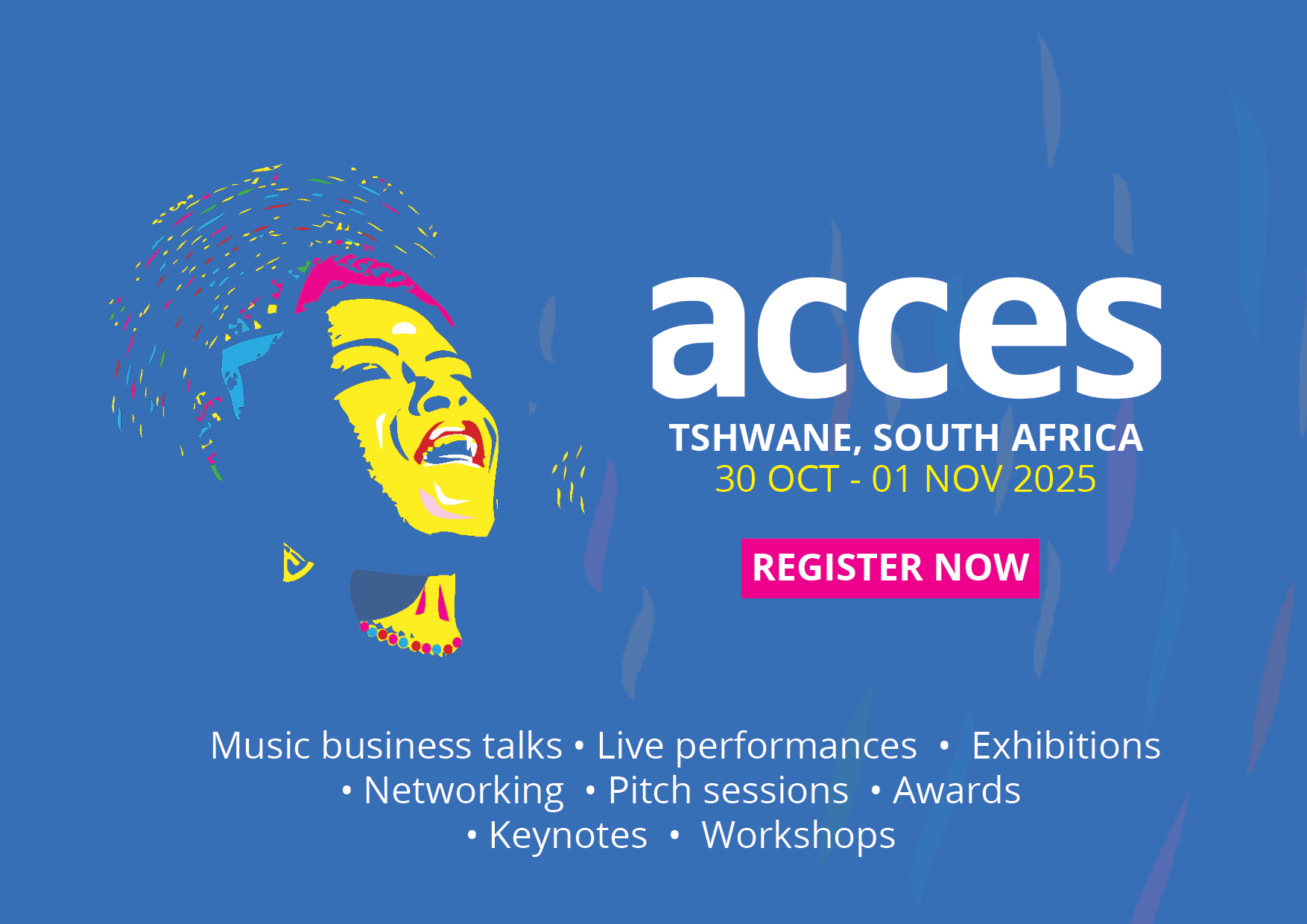
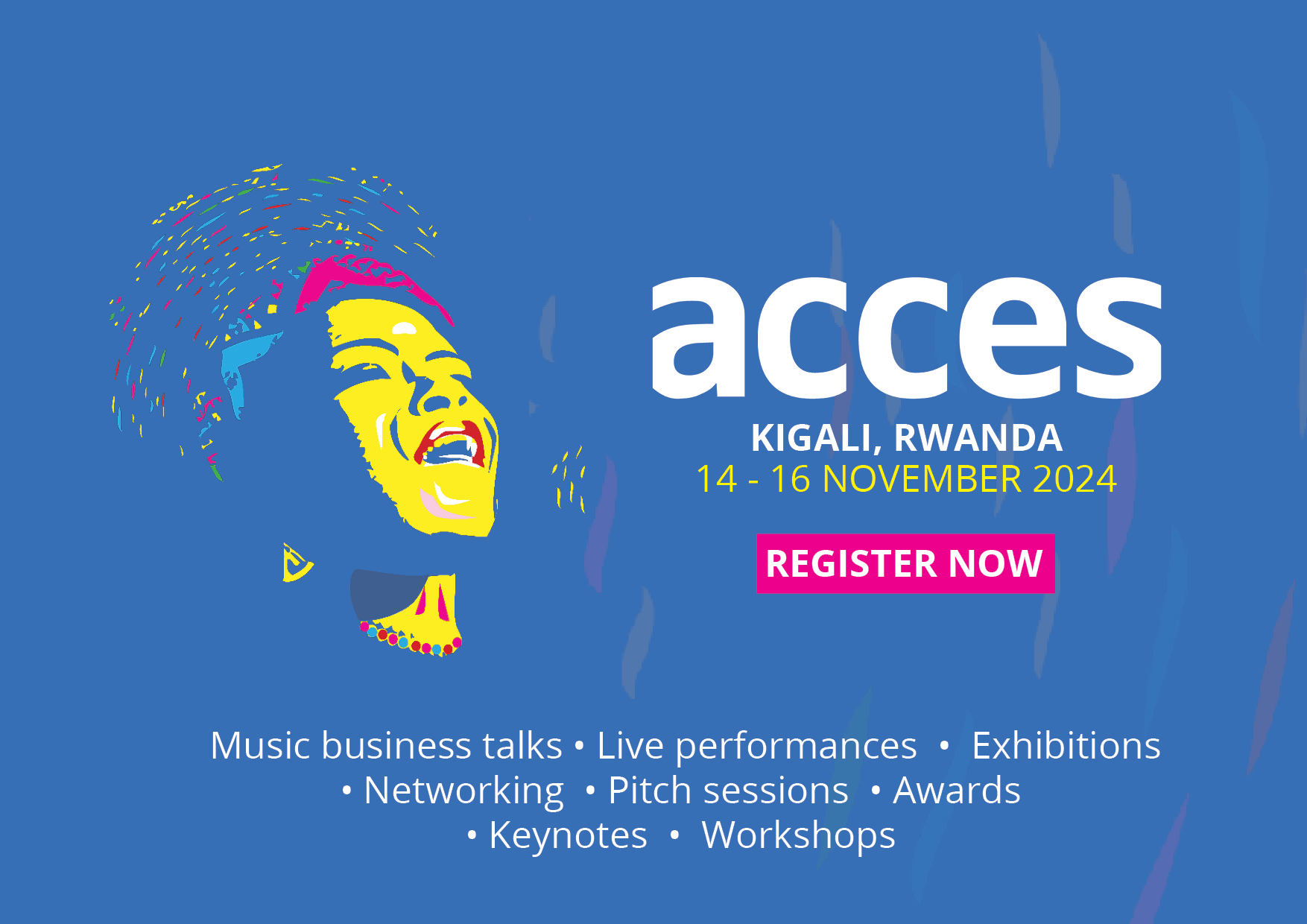
Chaque année, nous fournissons des informations générales afin de guider les participants dans la préparation de leur voyage. En plus de ce site, des mises à jour importantes seront envoyées par e-mail à tous les délégués inscrits. Assurez-vous de vous inscrire dès que possible. Pour plus d'informations, veuillez contacter [email protected] Continuez à consulter cette page pour plus d'information.  

Gender@Work
Gender@Work

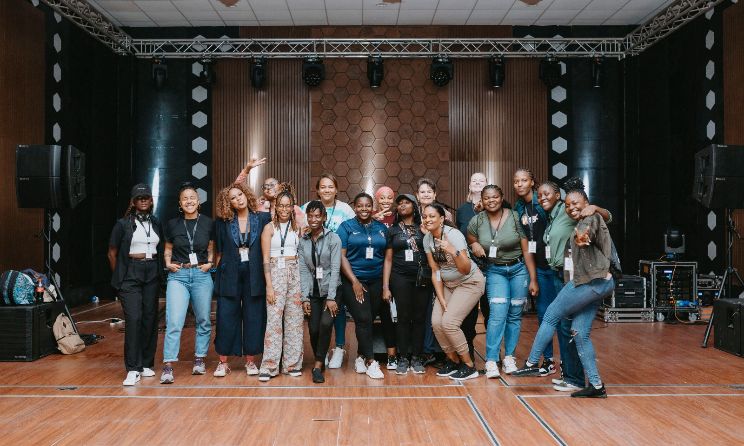
Music In Africa Gender @ Work is a three-year training programme aimed at upskilling and increasing the participation of female professionals in the African music sector. Launched by the Music In Africa Foundation (MIAF) in April 2019, the programme is connected to the MIAF’s ACCES music conference – a pan-African event held in a different African country every year. This connection enables the programme to reach new participants in a different African country every year. The programme marks the beginning of a more concerted effort by the Foundation to support the participation and inclusion of women in all facets of its programmes and the music sector in Africa as a whole. Over the three years, the programme will aim to address gender imbalances in the sector through training, lobbying, facilitating knowledge exchange and dialogues that foster the interest of women. The broader objectives of the programme are to: Provide industry training for women on critical music industry skills, focusing on: Stage management Electronic music production and recording Music business management Technical knowledge Provide an opportunity for both professional and aspiring women to benefit from the Music In Africa network and its broad range of activities in 2019, 2020 and 2021. Provide a solution-based platform in the form of a round table at ACCES with a view to identify challenges, discuss opportunities and lobby for the interests of female practitioners. Offer participants the opportunity to benefit from programmes offered by MIAF’s partners. Increase access to educational materials. Integrate participants in the broader ACCES programme to maximise experience and exposure to the industry. Record and present training materials on the www.musicinafrica.net, including but not limited to tutorials, templates and other best-practice materials. Communicate women-based themes that support the initiatives and messages of the programme. MAIN TRAINING ACTIVITIES Training in first country (Ghana): In the first year, participants will be trained on all aspects of stage management by a team of experienced stage managers from 10 to 17 November 2019. The programme will offer robust classroom training as well as practical, hands-on training in which participants will also be given the opportunity to manage various aspects of the ACCES performance programme. Training in second country: The second training iteration will take place at ACCES 2020 when the programme will diversify its course to include music production lessons and training on other music business topics. A round-table platform will also be introduced to coincide with the ACCES programme. Training in third country: The third training iteration will take place at ACCES 2021 in a different country, offering an advanced course. HOW DO YOU GET INVOLVED?  As a participant, facilitator or trainer: The programme enrolls up to 12 trainees every year. All opportunities are advertised publicly on this website, and will be added to this page. Please keep checking this page for new calls (below under UPDATES & CURRENT OPPORTUNITIES). As a partner Please contact Claire Metais at [email protected]. APPLY The call for applications for 2020 will be announced soon. The Music In Africa Gender @ Work programme is made possible with the support of the Prince Claus Fund, Siemens Stiftung and Goethe-Institut.

Sound Connects Fund
Sound Connects Fund

Pour les praticiens et les organisations culturels et créatifs opérant en Afrique australe, l’accès au financement reste un défi majeur. La pandémie de COVID-19 a également eu un impact massif sur les politiques gouvernementales, les dépenses et l’économie en général, et a vu les dépenses consacrées à la culture reléguées plus bas dans la liste des priorités. De plus, les industries culturelles et créatives citent régulièrement quatre domaines principaux où l’investissement est nécessaire pour la croissance : une visibilité accrue, la mobilité incluant l’accès à de nouveaux marchés, le financement et les structures de soutien.

Music In Africa Live

MUSIC IN AFRICA LIVE Lancé en 2020 pour une durée de 3 ans, Music In Africa Live est une initiative visant à soutenir l'écosystème de la musique africaine face aux contraintes imposées par la pandémie de COVID-19 ; le projet a été lancé par la Fondation Music In Africa (MIAF) en partenariat avec le ministère fédéral allemand des Affaires étrangères, Siemens Stiftung et le Goethe Institut. Plus de 30 aides sont disponibles dans le cadre de la troisième édition de Music In Africa Live, dans 3 catégories :  showcases, renforcement des compétences et plaidoyer, en conformité avec les modalités énoncées.

Instrument Building And Repair Project

The overarching objective of Music In Africa Foundation’s Instrument Building and Repair (IBR) project is to encourage the formalisation and professionalisation of instrument-making and repair in Africa, especially in relation to indigenous African instruments. Background In 2014, the Music In Africa Foundation (MIAF) identified as one of its focus areas for development the need to encourage young people from music and music-related sectors to consider instrument-making as a career. This need extended itself from the recognition that the making of traditional African instruments is not a widely practiced skill and seems to be limited to the older generation. Traditional African instrument makers are also few and far between, making communication and logistics between teachers and learners an obstacle. When instrument building workshops take place, budgetary constraints do not allow teachers or learners the time to explore the finer details of an instrument. Based on these observations, the MIAF designed and piloted the first IBR workshop at the Dhow Countries Music Academy (DCMA) in Zanzibar in February 2015. In 2016, the foundation received funding from the South African National Lotteries Commission to implement a much bigger version of the project in Johannesburg. The project drew participants from five African countries. 25 students from South Africa, Ghana, Senegal, Kenya and Ethiopia were trained on how to build and repair musical instruments. The instruments that they made were: Traditional Instruments: Umakhweyana and Marimba Conventional Instrument: Dulcimer guitar The workshop culminated in a traditional instruments concert at the Wits Theatre in Johannesburg. It is the MIAF’s aim to roll out similar workshops in as many African countries as possible over the next few years. Objectives Developing awareness of musical instrument makers in Africa with a view to promote their work to a wider global audience. Facilitating the sharing and transfer of skills in indigenous instruments between countries on the continent. Encouraging the formalisation and professionalisation of instrument-making and repair in Africa, especially in relation to indigenous instruments. Helping instrument makers develop their careers. Fostering the rapid monetisation and sustainable development of instrument-making and repair in Africa. Promoting constant exchange of ideas, expertise, experiences and know-how among instrument makers in Africa. Facilitating the identification of existing gaps in the field with a view to contribute new solutions. Facilitating the transfer of knowledge and skills of indigenous instruments between younger and older generations. 2020 edition The MIAF has also announced that multi-instrumentalist and instrument maker Joe Makhanza will facilitate one of the workshops on the building of the kamale ngoni instrument. Kamale ngoni is a kora-like, stringed instrument that originated in West Africa. The instrument contributed to the rise of Wassoulou music in the 1970s and 1990s. Makhanza was born in Giyani in South Africa's Limpopo province. He completed a bachelor of music degree and a post-graduate diploma in arts marketing from Wits University. He is currently completing his masters in ethnomusicology and is a part-time lecturer in African music studies at Rhodes University. He plays the kora, mbira, valiha, masenqo, xiwewe, ngoni ba and xizambi, among others. He also manufactures the aforementioned instruments. The MIAF will confirm more trainers who will join the workshops as well as the other instruments that will be featured in the 2020 IBR programme.  Apply to participate here. Connect with us on Twitter, Instagram and Facebook, and subscribe to our monthly newsletter. The Music In Africa Instrument Building and Repair project is funded by the National Lotteries Commission. It is implemented in partnership with Siemens Stiftung, Goethe-Institut, Wits Theatre and Kaya FM.

Overviews

Gombo salsa, l’histoire de la salsa au Bénin

16 Août 2016 - 11:39

cc-img flag-img

De Gnonnas Pedro à Jospinto la salsa est consubstantielle de l'ADN du Bénin. Retour sur une culture qui marque l'émulation entre Afrique et Caraïbes...
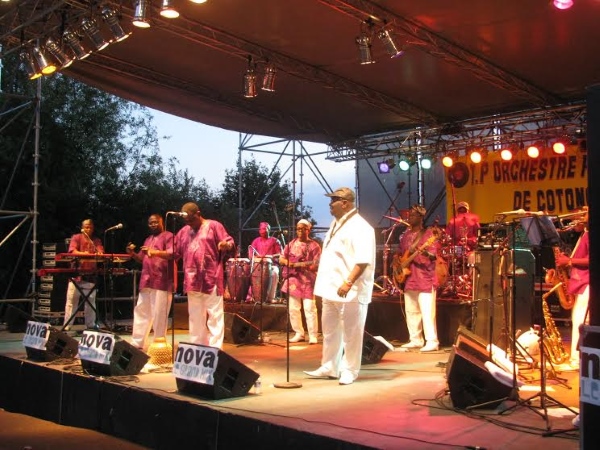
Le Poly-rythmo de Cotonou à Paris en 2012. (Photo) : Julien Legros

Bénin, terre de Vaudou, terre de Santeria

La salsa a toujours eu une place à part au Bénin, ce pays coincé entre le Togo et le géant anglophone nigérian. Dans la sous-région, au Sénégal, en Guinée Conakry ou en Côte d'Ivoire cette musique n'est plus au premier plan aujourd'hui, considérée par une bonne partie de la jeunesse comme « une musique de vieux ».

Mais au Bénin, elle garde un enracinement profond intrinsèquement lié à l'Histoire de ce berceau de la culture vaudoue. « La salsa est un mélange entre les rythmes des Orishas originaires des Yorubas et la musique occidentale. » résume le salsero béninois Michel Pinheiro. « On a ajouté le piano et les cuivres au tambour des Yorubas. C'est ce qui a donné la salsa. Naturellement, en tant qu'africain je m'y retrouve ! »

Les cérémonies vaudoues sont caractérisées par des polyrythmies avec force incantations des esprits au son du tambour, des cloches et des hochets. Des éléments que l'on retrouve dans le son cubain, lié à la Santeria, c'est à dire le culte des Orishas, les demi-dieux humains évoqués dans la culture Yoruba, importée dans la Caraïbe à travers l'esclavage.

« Le vaudou est notre identité. » rappelle Vincent Ahehehinnou, le chanteur du Tout-Puissant orchestre Poly-rythmo de Cotonou. « Aujourd'hui de par le monde le vaudou a apporté énormément à la musique. Les cloches, les castagnettes, les tam tams, les tumbas ont été créés dans les couvents. Ensuite cette culture s'est modernisée. »

Les caliente années 60-70

En 1960, la République du Dahomey accède à l'Indépendance. S'ensuit une succession de coups d'état. En 1975, Matthieu Kérékou instaure la République populaire du Bénin. Comme le Mali, l'Angola ou du Congo-Brazzaville son régime s'inspire - jusqu'à la caricature - du marxisme léninisme soviétique. Porto-Novo devient la capitale. Et le Cuba de Fidel Castro, qui se déhanche au son de la guaracha est alors le modèle à suivre.

Dans les années 70 des groupes béninois comme le Tout Puissant Orchestre Poly-rythmo de Cotonou ont su incarner avec brio cette vague afro-latine. Un des pionniers de ce genre au pays du Vaudou est le regretté Gnonnas Pedro, décédé en 2004, qui a aussi joué avec cet orchestre mythique.

Cette musique salsa, comme la rumba congolaise, est un aller et retour perpétuel entre l'Afrique et la Caraïbe revenant tel un boomerang sur le continent dans les années 60. Dès cette décennie rumba, salsa et pachanga irriguent les rues de Cotonou et Porto Novo avec des groupes aux noms bien sentis: El Rego y sus commandos, Ignacio Blazio osho y orchestra Las Ondas et bien sûr Gnonnas Pedro y sus Panchos.

A la même époque les stars de la salsa comme le dominicain Johnny Pacheco et les cubains de l'Orquesta Aragon font des tournées à guichets fermés dans la région. Avec l'afro beat et le funk, la salsa fait aussi partie de la matrice du Tout-Puissant orchestre Poly-rythmo de Cotonou. Son chanteur en titre Vincent Ahehehinnou raconte l'émergence du groupe à la fin des années 60 : « On ne s'attendait pas à devenir musiciens au départ. Nous étions tous des collégiens passionnés. On jouait dans des compétitions inter-collèges au sein de groupes scolaires.On était fascinés par la vague yéyé Johnny Halliday, Françoise Hardy, Jacques Dutronc, Richard Anthony... On a commencé à interpréter leurs chansons en autodidactes, sur le tas. On s'est servis de ces interprétations pour créer quelque chose de complètement différent. Nous faisons tous les rythmes. C'est ce qui fait de nous les Poly-rythmo ! On a adapté les rythmes de chez nous au funk pour faire quelque chose de particulier, le son du Poly-rythmo qu'on appelle le Voodoo Funk. »

Le groupe fondé par le regretté Clément Mélomé est aujourd'hui adulé par les collectionneurs de disques vinyles et par le groupe rock écossais Franz Ferdinand qui a joué avec eux. « Notre aventure a commencé en 1966, parmi les nombreux groupes de l'époque. » explique Vincent Ahehehinnou. « Dix ans plus tard, on avait enregistré plus de quatre-cents disques ! La demande était forte. En 1969 on a eu un premier succès « Gbeti ma djro » qui a fait le tour du monde.

Le programme radio la Voix de l'Amérique l'a relayé dans le monde entier. Le succès s'est collé à nous. Ça veut dire que ce que nous faisions était bon ! Alors on a continué. On a connu de bons et de mauvais moments et aujourd'hui on rend grâce ! » Grâce à l'aide d'une jeune journaliste française Elodie Maillot le TP a pu tourner à nouveau dans le monde entier avec l'album Cotonou club -Strut records 2011-, avec la participation de leur « petite sœur » Angélique Kidjo.

Le gombo-salsa de Gnonnas

Gnonnas Pedro, de son vrai nom Gnonnas Sousou Pierre Kwasivi, est un pur produit des Indépendances et du vent de liberté artistique qui souffle à l'époque. Le « son » cubain, (prononcer sonne en espagnol) fait alors fureur dans toute l'Afrique. Gnonnas s'impose comme un grand salsero avec deux tubes: « Von o von non » et « Yri yri boum », une reprise d'un standard cubain popularisé par Bény Moré et Célia Cruz

Le chanteur Gnonnas Pedro reprend le style agbadja de sa région de Lokossa et le fusionne avec les rythmes latins. Cela donne un style.... le « gombo-salsa » ! En 1996, à la mort de Pape Serigne Seck, Gnonnas Pedro rejoint Africando, cette « Fania panafricaine » créée par Boncana Maiga. L'haïtien Shoubou, le burkinabé Amadou Ballaké, le guinéen Sékouba Bambino, le sénégalais Médoune Diallo de l'Orchestra Baobab ou encore Ronnie Baro de l'Orchestra Broadway ont fait partie des voix de ce pont entre Afrique et Caraïbes. Le dernier album en date d'Africando Viva Africando - Syllart productions/Sterns music- date de 2013.

La relève des années 90 et 2000

Cette tradition béninoise de la salsa perdure aujourd'hui. Fondée en 1994, la fanfare du Gangbe brass band est dans le prolongement du TP orchestre Poly-rythmo. Elle mêle allègrement funk, afro beat et salsa dans un joyeux patchwork. En 2015, ce très bon groupe de scène a sorti l'album Go slow to lagos - Buda musiques. Citons également le chanteur Jospinto. Créateur de l'association Agogbe des amateurs de salsa, cet ancien déclarant en douane a eu la lourde tâche de remplacer Gnonnas Pedro dans Africando. Il lui rend hommage sur le titre « Es para ti Gnonnas » de l'album Viva Africando. Jospinto chante en Fon, en Yoruba, en Goun et en Mina, les principales langues du pays.

Michel Pinheiro, un ex tromboniste de Tiken Jah Fakoly, originaire de Pobé, une ville du plateau de Louémé, a fondé l' African salsa orchestra en 2014. Michel s'est formé dans les hôtels d'Abidjan dans les années 90, il se souvient : « Notre répertoire était varié : Chocolate, Papaito, Coupé Cloué d'Haiti, Kassav, Moni Bilé, Hotel California... Ensuite il tourne avec Tiken Jah Fakoly, sans délaisser la salsa : « Quand j'allais dans les boums au pays, c'était sur la salsa que je me levais pour aller danser. C'est comme si j'entrais en transe. » En 2009 à Cotonou, il sort Bénin en forme de carte postale du pays, de la porte de non-retour des esclaves à Ouidah jusqu'au village lacustre de Ganvié. Son dernier album, autoproduit sorti en 2013 s'appelle Voyage.

Quel futur ?

Malgré son dynamisme musical évident le Bénin n'échappe pas au phénomène mondial de diminution des orchestres au profit des DJ : «Les jeunes sont trop influencés par les musiques programmées sur des machines. Cela va avec la tendance actuelle qui est de pré-fabriquer les artistes. Avant, pour enregistrer un album, l'artiste faisait des concerts, jouait dans des bals.

Aujourd'hui on sort de nulle part, on fait un album et c'est après qu'on fait une carrière. La salsa est une musique très complexe. Ne vient pas en faire qui veut ! Et puis il n'y a plus de producteur. Quand j'ai proposé mes premières maquettes à Abidjan on m'a dit: « C'est une musique de vieux ! Il faut faire du zouglou ! » Il faut inciter les jeunes à jouer de la salsa.

Quand tu joues la salsa au Bénin les jeunes et les vieux se lèvent pour danser. Quand un artiste sort un album, il y a toujours un titre qui tend vers la salsa. Les gens aiment. Seule l'audace manque ! » Pour l'avenir, Michel rêve d'un festival de salsa en Afrique qui ferait un pont entre l'Amérique latine et l'Afrique, avec des artistes cubains, vénézuéliens... A suivre !


Quelques liens :
Jospinto Simedjito
Michel Pinheiro Bénin
Gangbe Brass Band live Ermitage 2015
https://www.youtube.com/watch?v=_5DkVe0h3_I
Interview réalisées par l'auteur en 2012 et 2013 à Paris
A lire
L'épopée de la musique africaine de Florent Mazzoleni-Hors collection 2013

Please se connecter to post a comment.

Most popular

Disclaimer: Music In Africa provides a platform for musicians and contributors to embed music and videos solely for promotional purposes. If any track or video embedded on this platform violates any copyrights please inform us immediately and we will take it down. Please read our Terms of Use for more.

newsletter banner

Abonnez-vous à notre newsletter

Retrouvez-nous sur les réseaux sociaux