














NEFCISA
NEFCISA

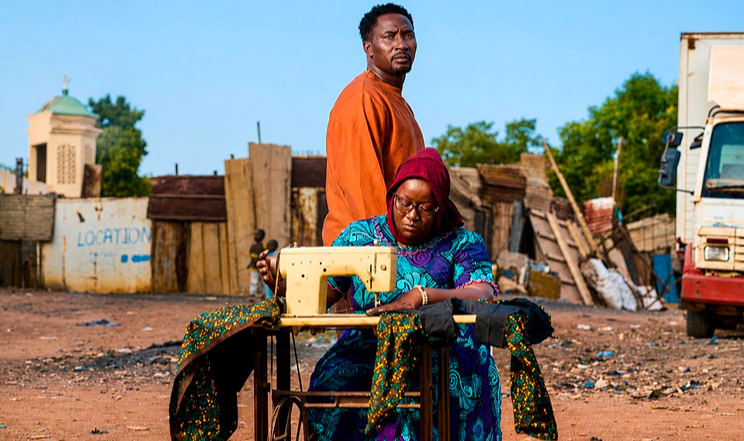
The Music In Africa Foundation (MIAF) is proud to announce its partnership with the Industrial Development Corporation (IDC) as a Strategic Implementing Partner (SIP) for its Social Employment Fund (SEF). Through this collaboration, MIAF is launching a new national programme designed to create jobs, address skills gaps, and strengthen South Africa’s creative industries — in line with the SEF’s overarching goal to generate work for the common good and build community value through employment, social contribution, and inclusive economic participation. Operating under the banner NEFCISA (National Employment Facility for Creative Industries in South Africa), the initiative will recruit and train participants, match them with host organisations, and place a minimum of 1 000 workers across the country. Key Objectives: Support employment and entrepreneurship in the creative industries. Offer skills development and training programmes. Foster partnerships between public and private creative sectors. Promote South African creativity at both provincial and national levels Foster community development through social contribution.

ACCES
ACCES

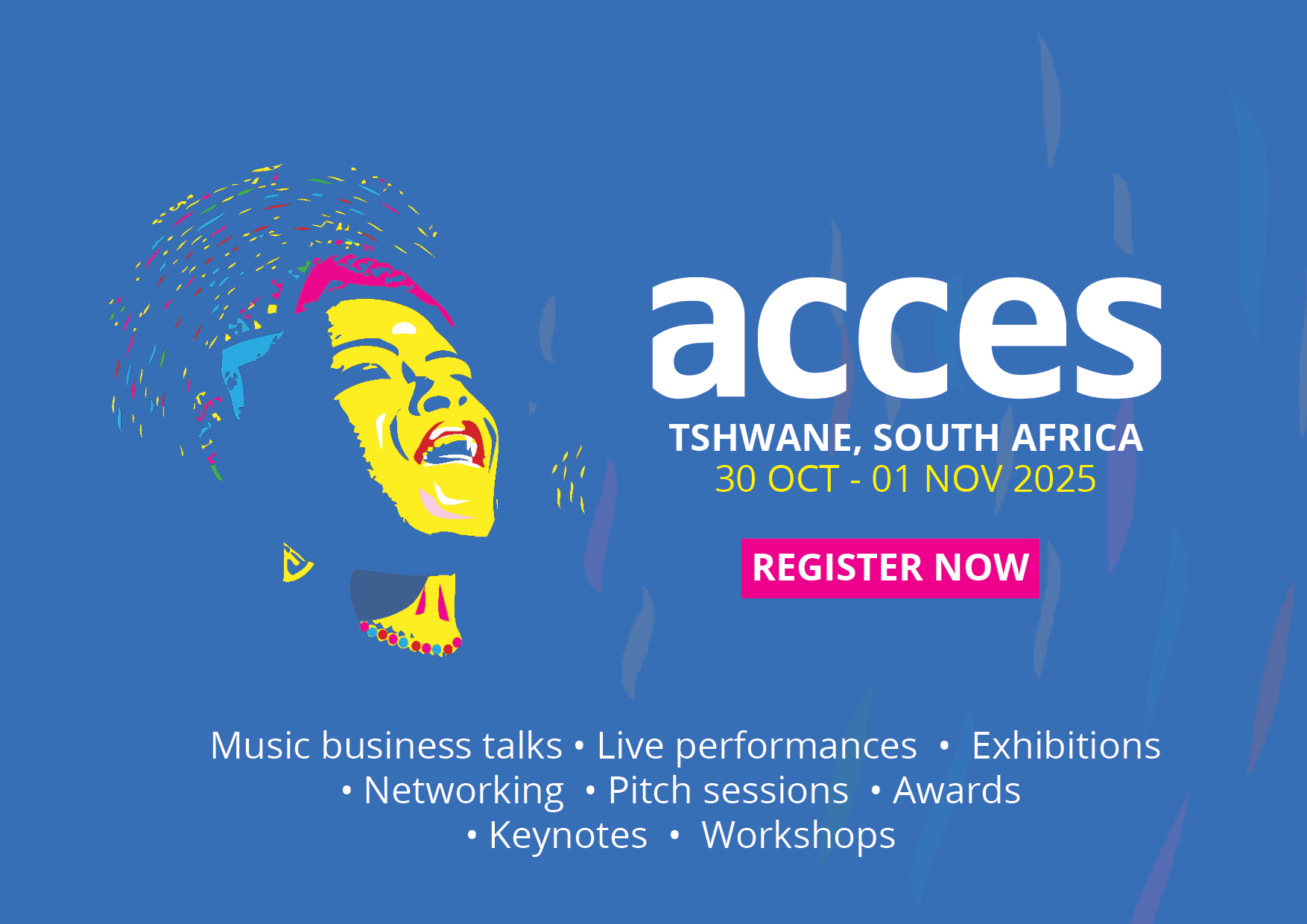
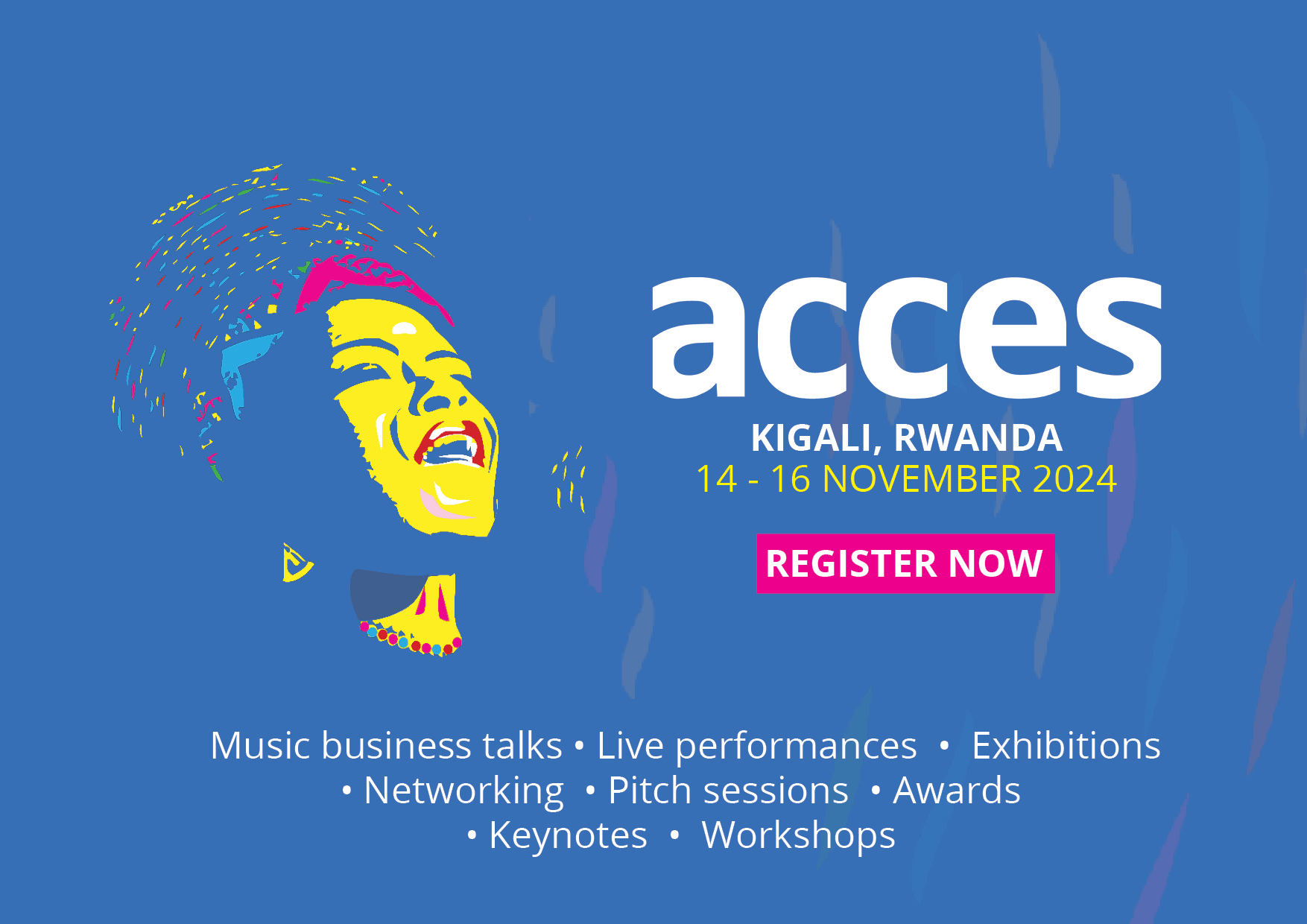
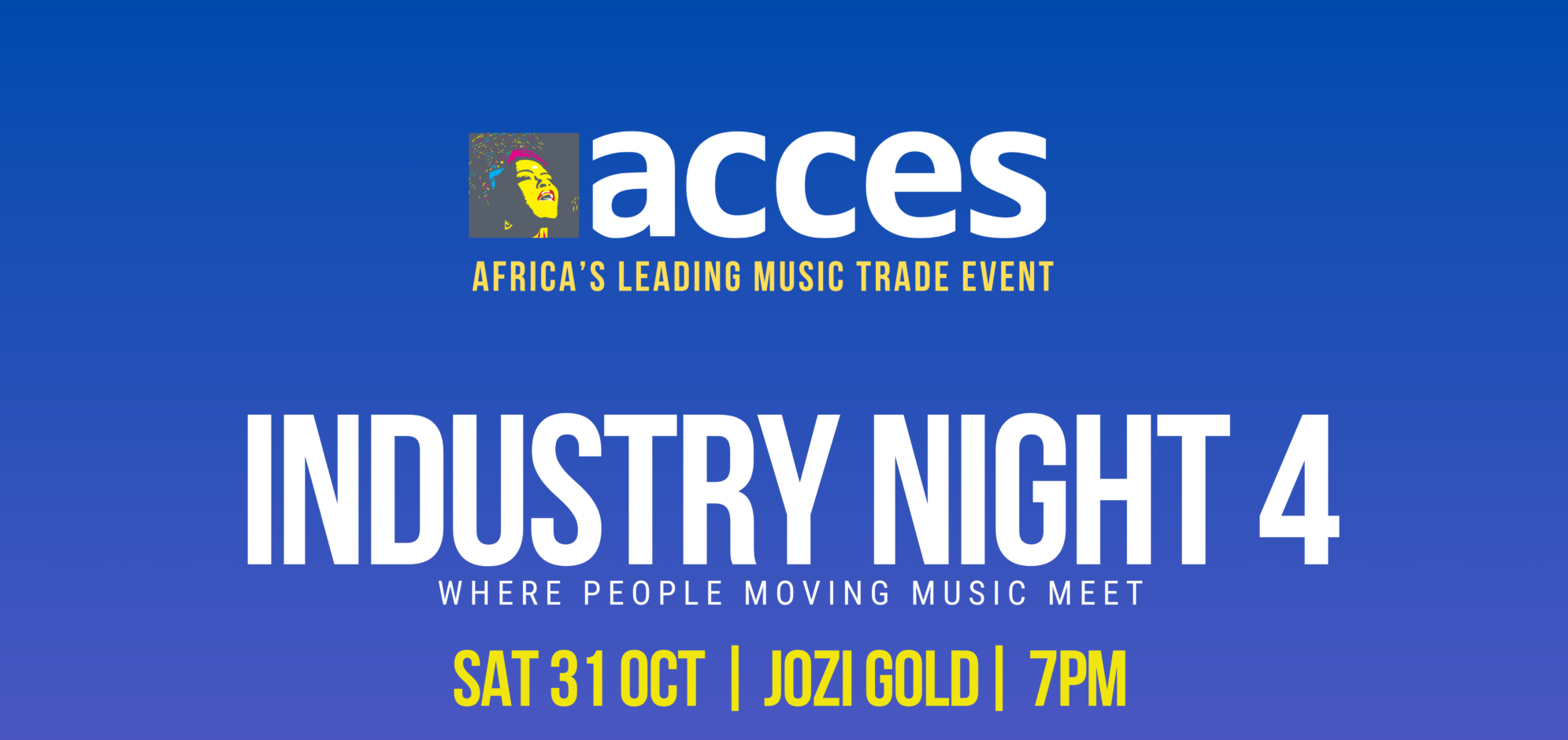
Chaque année, nous fournissons des informations générales afin de guider les participants dans la préparation de leur voyage. En plus de ce site, des mises à jour importantes seront envoyées par e-mail à tous les délégués inscrits. Assurez-vous de vous inscrire dès que possible. Pour plus d'informations, veuillez contacter [email protected] Continuez à consulter cette page pour plus d'information.  

Gender@Work
Gender@Work

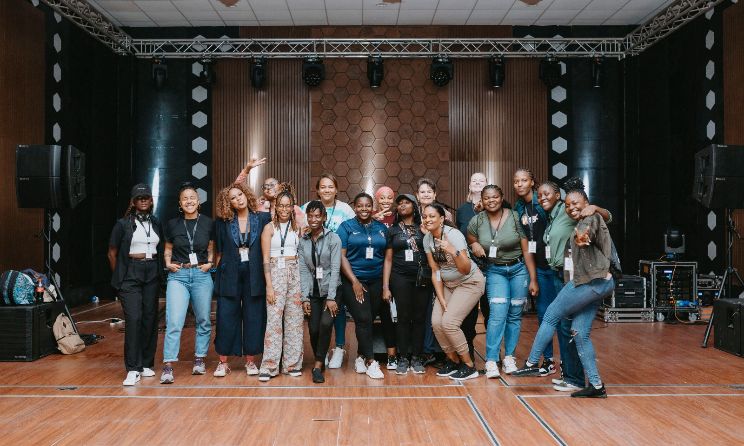
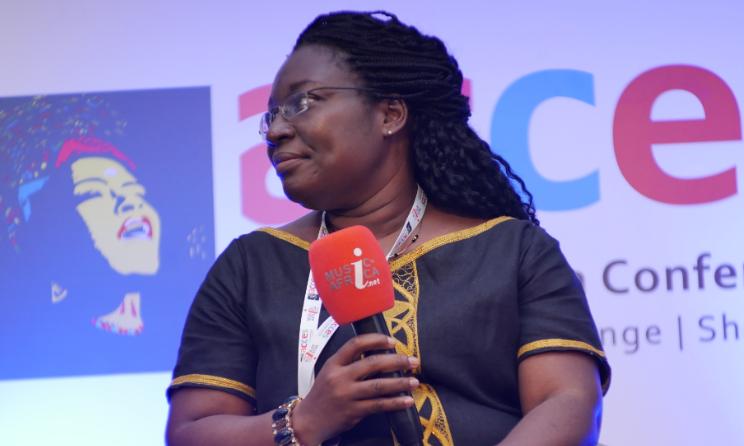
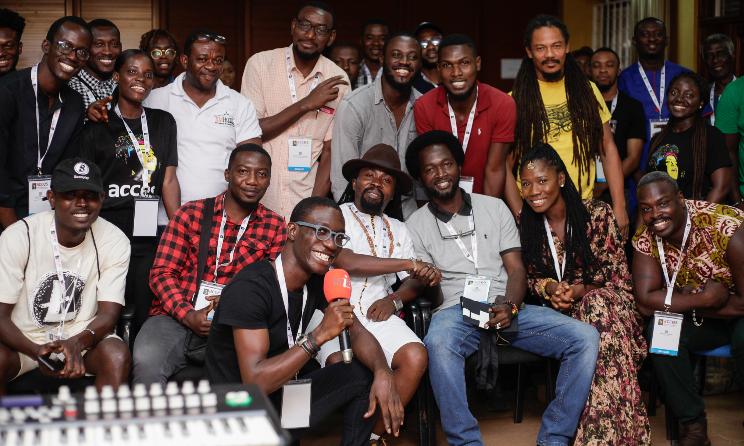
Music In Africa Gender @ Work is a three-year training programme aimed at upskilling and increasing the participation of female professionals in the African music sector. Launched by the Music In Africa Foundation (MIAF) in April 2019, the programme is connected to the MIAF’s ACCES music conference – a pan-African event held in a different African country every year. This connection enables the programme to reach new participants in a different African country every year. The programme marks the beginning of a more concerted effort by the Foundation to support the participation and inclusion of women in all facets of its programmes and the music sector in Africa as a whole. Over the three years, the programme will aim to address gender imbalances in the sector through training, lobbying, facilitating knowledge exchange and dialogues that foster the interest of women. The broader objectives of the programme are to: Provide industry training for women on critical music industry skills, focusing on: Stage management Electronic music production and recording Music business management Technical knowledge Provide an opportunity for both professional and aspiring women to benefit from the Music In Africa network and its broad range of activities in 2019, 2020 and 2021. Provide a solution-based platform in the form of a round table at ACCES with a view to identify challenges, discuss opportunities and lobby for the interests of female practitioners. Offer participants the opportunity to benefit from programmes offered by MIAF’s partners. Increase access to educational materials. Integrate participants in the broader ACCES programme to maximise experience and exposure to the industry. Record and present training materials on the www.musicinafrica.net, including but not limited to tutorials, templates and other best-practice materials. Communicate women-based themes that support the initiatives and messages of the programme. MAIN TRAINING ACTIVITIES Training in first country (Ghana): In the first year, participants will be trained on all aspects of stage management by a team of experienced stage managers from 10 to 17 November 2019. The programme will offer robust classroom training as well as practical, hands-on training in which participants will also be given the opportunity to manage various aspects of the ACCES performance programme. Training in second country: The second training iteration will take place at ACCES 2020 when the programme will diversify its course to include music production lessons and training on other music business topics. A round-table platform will also be introduced to coincide with the ACCES programme. Training in third country: The third training iteration will take place at ACCES 2021 in a different country, offering an advanced course. HOW DO YOU GET INVOLVED?  As a participant, facilitator or trainer: The programme enrolls up to 12 trainees every year. All opportunities are advertised publicly on this website, and will be added to this page. Please keep checking this page for new calls (below under UPDATES & CURRENT OPPORTUNITIES). As a partner Please contact Claire Metais at [email protected]. APPLY The call for applications for 2020 will be announced soon. The Music In Africa Gender @ Work programme is made possible with the support of the Prince Claus Fund, Siemens Stiftung and Goethe-Institut.

Sound Connects Fund
Sound Connects Fund

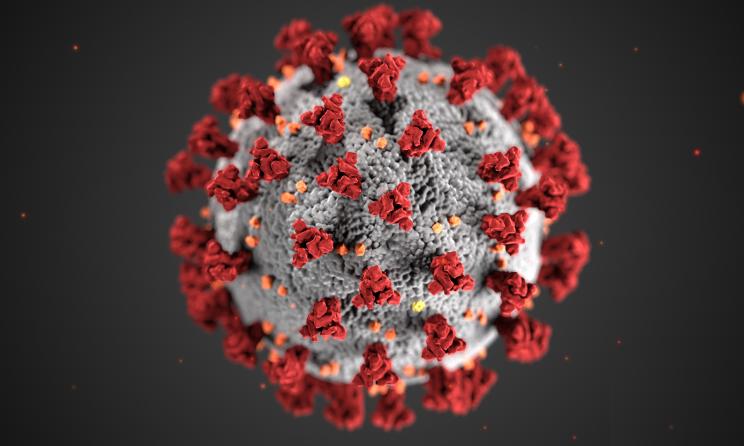
Pour les praticiens et les organisations culturels et créatifs opérant en Afrique australe, l’accès au financement reste un défi majeur. La pandémie de COVID-19 a également eu un impact massif sur les politiques gouvernementales, les dépenses et l’économie en général, et a vu les dépenses consacrées à la culture reléguées plus bas dans la liste des priorités. De plus, les industries culturelles et créatives citent régulièrement quatre domaines principaux où l’investissement est nécessaire pour la croissance : une visibilité accrue, la mobilité incluant l’accès à de nouveaux marchés, le financement et les structures de soutien.

Music In Africa Live

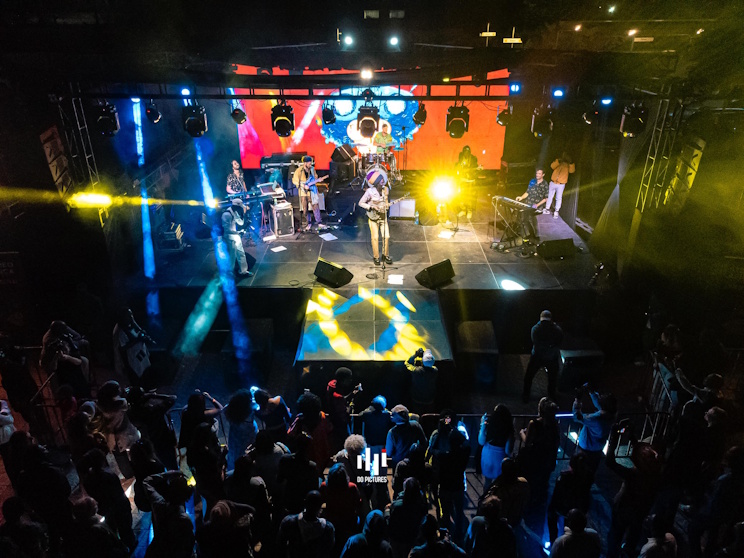
MUSIC IN AFRICA LIVE Lancé en 2020 pour une durée de 3 ans, Music In Africa Live est une initiative visant à soutenir l'écosystème de la musique africaine face aux contraintes imposées par la pandémie de COVID-19 ; le projet a été lancé par la Fondation Music In Africa (MIAF) en partenariat avec le ministère fédéral allemand des Affaires étrangères, Siemens Stiftung et le Goethe Institut. Plus de 30 aides sont disponibles dans le cadre de la troisième édition de Music In Africa Live, dans 3 catégories :  showcases, renforcement des compétences et plaidoyer, en conformité avec les modalités énoncées.

Instrument Building And Repair Project

The overarching objective of Music In Africa Foundation’s Instrument Building and Repair (IBR) project is to encourage the formalisation and professionalisation of instrument-making and repair in Africa, especially in relation to indigenous African instruments. Background In 2014, the Music In Africa Foundation (MIAF) identified as one of its focus areas for development the need to encourage young people from music and music-related sectors to consider instrument-making as a career. This need extended itself from the recognition that the making of traditional African instruments is not a widely practiced skill and seems to be limited to the older generation. Traditional African instrument makers are also few and far between, making communication and logistics between teachers and learners an obstacle. When instrument building workshops take place, budgetary constraints do not allow teachers or learners the time to explore the finer details of an instrument. Based on these observations, the MIAF designed and piloted the first IBR workshop at the Dhow Countries Music Academy (DCMA) in Zanzibar in February 2015. In 2016, the foundation received funding from the South African National Lotteries Commission to implement a much bigger version of the project in Johannesburg. The project drew participants from five African countries. 25 students from South Africa, Ghana, Senegal, Kenya and Ethiopia were trained on how to build and repair musical instruments. The instruments that they made were: Traditional Instruments: Umakhweyana and Marimba Conventional Instrument: Dulcimer guitar The workshop culminated in a traditional instruments concert at the Wits Theatre in Johannesburg. It is the MIAF’s aim to roll out similar workshops in as many African countries as possible over the next few years. Objectives Developing awareness of musical instrument makers in Africa with a view to promote their work to a wider global audience. Facilitating the sharing and transfer of skills in indigenous instruments between countries on the continent. Encouraging the formalisation and professionalisation of instrument-making and repair in Africa, especially in relation to indigenous instruments. Helping instrument makers develop their careers. Fostering the rapid monetisation and sustainable development of instrument-making and repair in Africa. Promoting constant exchange of ideas, expertise, experiences and know-how among instrument makers in Africa. Facilitating the identification of existing gaps in the field with a view to contribute new solutions. Facilitating the transfer of knowledge and skills of indigenous instruments between younger and older generations. 2020 edition The MIAF has also announced that multi-instrumentalist and instrument maker Joe Makhanza will facilitate one of the workshops on the building of the kamale ngoni instrument. Kamale ngoni is a kora-like, stringed instrument that originated in West Africa. The instrument contributed to the rise of Wassoulou music in the 1970s and 1990s. Makhanza was born in Giyani in South Africa's Limpopo province. He completed a bachelor of music degree and a post-graduate diploma in arts marketing from Wits University. He is currently completing his masters in ethnomusicology and is a part-time lecturer in African music studies at Rhodes University. He plays the kora, mbira, valiha, masenqo, xiwewe, ngoni ba and xizambi, among others. He also manufactures the aforementioned instruments. The MIAF will confirm more trainers who will join the workshops as well as the other instruments that will be featured in the 2020 IBR programme.  Apply to participate here. Connect with us on Twitter, Instagram and Facebook, and subscribe to our monthly newsletter. The Music In Africa Instrument Building and Repair project is funded by the National Lotteries Commission. It is implemented in partnership with Siemens Stiftung, Goethe-Institut, Wits Theatre and Kaya FM.

Reviews

Grand bal 2017 de Youssou N’Dour : le triomphe était total… presque !
05 Jan 2017 - 14:50

cc-img flag-img

Dimanche 1er Janvier 2017, il est 21heures à peine. L’entrée du CICES de Dakar grouille de monde. Pas seulement devant le CICES d’ailleurs, sur la VDN, la route qui mène à la Foire, les voitures avancent difficilement. Que se passe-t-il ? C’est Youssou N’Dour qui est en concert ce soir : le traditionnel grand bal du 1er janvier. Après Thiès et Mbour, la star va offrir le même spectacle à ses fans de la capitale.
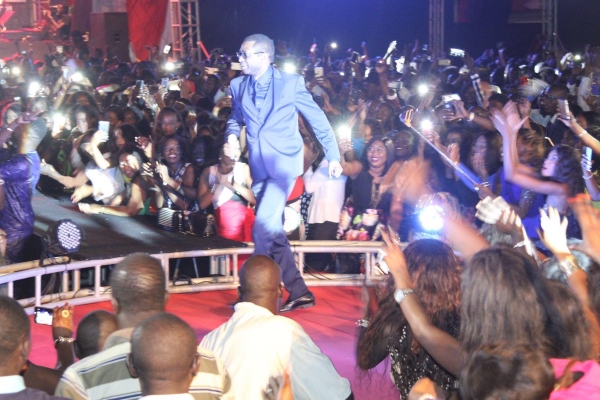
Youssou N'Dour (Photo) Facebook Officiel

Une fois n’est pas coutume, les dakarois semblent ponctuels et disciplinés en envahissant assez tôt le lieu du concert. Avec un spectacle qui commence généralement vers 01 heures du matin, arriver à 21 heures, est une sacrée prouesse pour qui connaît le rapport conflictuel du sénégalais au temps.

Malheureusement, tous ceux qui se sont pointés à cette heure n’avaient que trop raison. Malgré quelques légères bousculades, tous ont pu accéder à l’enceinte où devait se produire Youssou et le Super Étoile. Par contre, ce qu'il s’est passé les heures qui ont suivi, est tout simplement indigne eu égard à la dimension de l’artiste.

En plus des 25.000 ou 30.000 spectateurs déjà entrés, dehors se tenait selon les organisateurs près de 20.000 personnes, pass en main, et qui se démenaient tant bien que mal pour pénétrer dans le saint des saints. Frictions, vols, agressions de toutes sortes, se sont déroulés devant des forces de l’ordre en nombre insuffisant et donc naturellement vite dépassés.

« Hé les enfants rentrons à la maison, je n’ai pas payé 5 billets à 20.000 FCFA pour qu’on m’agresse. J’étais sortie avec mes amis pour passer un bon moment, pas pour me faire tuer. Même si je peux comprendre que des désagrements arrivent, là c'est trop » dit une dame dégoutée et très en colère. Un autre spectateur renchérit « Je viens de perdre mon téléphone mais je dis Al hamdoulilah parce que dans des conditions d’organisation aussi mauvaises, tout est possible, tout peut arriver. Dieu seul nous protège et je crois que le Sénégal est béni ».

Le sentiment général est le dégout, la lassitude et surtout la colère. Amère façon de débuter 2017. Ils voulaient le commencer dans l’optimiste en venant voir le concert de Youssou N’Dour, la mauvaise organisation les précipite dans un doute profond… « 2017 année de malheur pour nous ? En tout cas ça commence mal, très mal, je ne retrouve même plus mes billets d’entrées » lance, fataliste, un monsieur accompagné de son amie qui elle a perdu une chaussure et est complètement décoiffée.

À qui la faute ? Au premier chef Youssou N’Dour bien évidemment. Si on ne peut tolérer cela de la part de Pape Diouf, Wally Seck ou Queen Biz, encore moins de Youssou N’Dour qui a rempli toutes les salles de la planète et qui est une icône mondiale. Seulement, à la Cour du roi, chacun y est pour soi.

Des pass ont été vendus de façon anarchique, le dispositif pour sécuriser le public et le faire entrer sans « bobo » a été inopérant. Le public africain mérite d’être mieux traité. Malheureusement, la récurrence du phénomène au Sénégal, des gens qui viennent à un spectacle, qui payent leur place et qui repartent avec des bleus ou avec le sentiment d’avoir été méprisé, n’autorise aucun espoir quant à sa résolution.

En novembre dernier, Youssou N’Dour a sorti un album fort touchant, plein d’optimisme sur l’avenir de l’Afrique. Africa Rekk cela passe aussi par montrer qu’on est capable d’organiser de gros évènements. Bien sûr, Youssou n’est pas organisateur au sens exécutif du terme, mais les responsabilités doivent être situées.

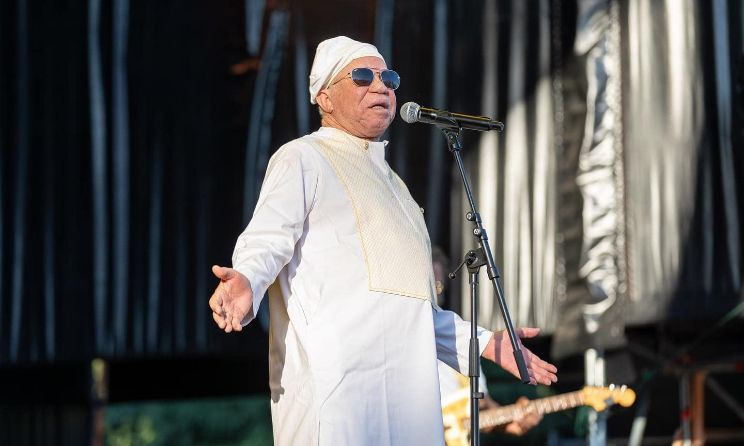
Ceci dit, le concert en lui-même a été un triomphe. Le spectacle était phénoménal. Finalement, quand on voit Youssou sur scène, à l’aise, sûr de son fait, une seule réflexion nous vient à l’esprit : ce gars récolte 30 ans de travail, 30 ans pendant lesquels, lui et son groupe, en plus des tournées internationales, jouaient au minium 3 fois par semaine dans les clubs de Dakar.

C’est la somme de toutes ces prestations qui fait que Youssou N’Dour et le Super Étoile sont un des groupes au monde, avec Kassa'v et les Rolling Stones, qui donnent les meilleurs concerts. 3 heures durant, il a donné du bonheur aux personnes qui avaient réussi à entrer. En fusion avec son public, il le laissait chanter et lui, prenait visiblement son pied en entendant près de 25.000 en choeur rependre systématiquement les refrains de ses chansons. La belle voix de Suadu, choriste magnifique sur « Be Careful » notamment avait de la concurrence. Quel artiste cracherait sur un tel succès ?

Du côté des musiciens, Mbaye Dieye Faye, le percussionniste, toujours égal à lui-même a fait bouger le public et l’a gratifié en compagnie de Thio Mbaye de belles chorégraphies en percussions. À la basse, Thierno Sarr, une belle découverte celui-là a été aussi très présent, pareil pour le guitariste Moustapha Gaye qui prend de plus en plus de place et affiche de plus en plus une grosse confiance. Ses envolées sur « Ndakaru » et surtout « Jegel nu » en ont bluffé plus d’un…

Youssou N’Dour aux anges, a enchainé les tubes. Pêle-mêle : « Birima », « Lett meu », « Attou », « Serigne Fallou », « Lima Wessu » son duo magnifique avec Akon, dans lequel, le public prend la place du chanteur sénégalo américain pour un gros moment de délire. Un des temps fort du concert. Autre temps fort, le fantasque lutteur Yaou Dial dansant sur le célèbre rythme du champion Gris Bordeaux.

L’arrivée surprise sur scène de Gallo Thiello ancien danseur de Youssou N’Dour a enchanté le public. Avant que Youssou ne monte sur scène, Elaj Keita et Momo Dieng ont joué chacun un morceau. Momo Dieng a également fait une belle performance. Peu avant ces deux nouveaux talents de la musique sénégalaise, la première partie a été assurée par le duo Pape & Cheikh, qui, en prélude à leur soirée du 6 janvier prochain au Grand Théâtre, ont fait étalage de tout leur talent.

C’est vers 4 h du matin que You a entamé « Samay niit » littéralement « Les miens » pour remercier ses fans et prendre congé… jusqu’à…. samedi prochain. En effet, devant l’organisation défectueuse, l’artiste, en plus d'une vidèo où il prèsente ses excuses, a promis de jouer en priorité pour tous les détenteurs de pass qui n’ont pas pu accéder au CICES.

Ces derniers sont même invités à se présenter au Thiossane (boîte de nuit de Youssou) pour échanger leur Pass. Seulement, on espère d’ici là, les dispositions sécuritaires pour l’accès au CICES seront prises afin d’éviter la situation autant désagréable que lamentable de samedi dernier pour l’image de l’Afrique.

En attendant, méditons ses belles paroles de la chanson « Exodus » de l’album Africa Rekk : « Li eup sunu rew yi gorgorlu wougnu dara…Woudé nimou leu guissé la lay euweulé… Ana kuko def way ? Gnun nio ko def … gni wara wax, wax nagnu, gni wara jeuf tocc di xulé… Ana kuko déf ? Gnun leu… « La plupart de nos pays (africains) ne font pas beaucoup d’effort spour améliorer les conditions de vie de leurs citoyens - L’Afrique sera respectée lorsqu’elle se respectera d’abord. Ceux qui doivent parler le font mais ceux qui doivent agir sont frappés d’inertie… L’Afrique est en retard : Qui est responsable ? Nous (africains) seuls... Mais j’ai foi en l’avenir l’Afrique changera positivement. »

Please se connecter to post a comment.

Most popular

Disclaimer: Music In Africa provides a platform for musicians and contributors to embed music and videos solely for promotional purposes. If any track or video embedded on this platform violates any copyrights please inform us immediately and we will take it down. Please read our Terms of Use for more.

newsletter banner

Abonnez-vous à notre newsletter

Retrouvez-nous sur les réseaux sociaux