


















NEFCISA
NEFCISA

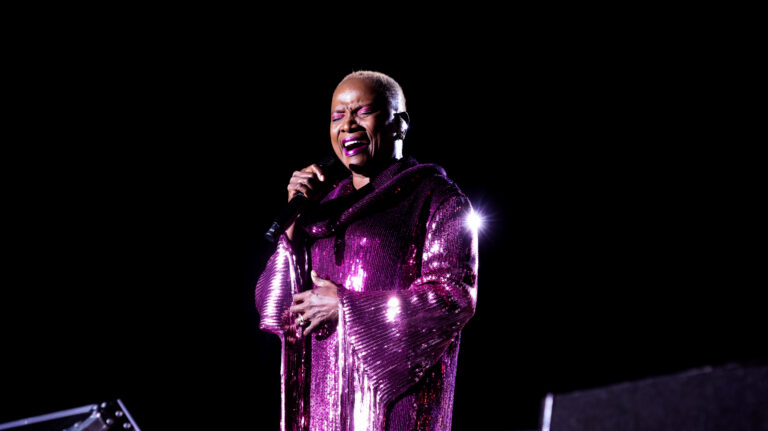
The Music In Africa Foundation (MIAF) is proud to announce its partnership with the Industrial Development Corporation (IDC) as a Strategic Implementing Partner (SIP) for its Social Employment Fund (SEF). Through this collaboration, MIAF is launching a new national programme designed to create jobs, address skills gaps, and strengthen South Africa’s creative industries — in line with the SEF’s overarching goal to generate work for the common good and build community value through employment, social contribution, and inclusive economic participation. Operating under the banner NEFCISA (National Employment Facility for Creative Industries in South Africa), the initiative will recruit and train participants, match them with host organisations, and place a minimum of 1 000 workers across the country. Key Objectives: Support employment and entrepreneurship in the creative industries. Offer skills development and training programmes. Foster partnerships between public and private creative sectors. Promote South African creativity at both provincial and national levels Foster community development through social contribution.

ACCES
ACCES

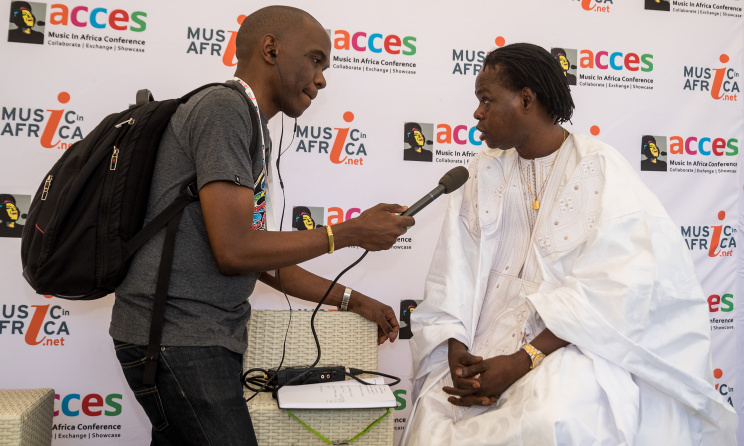
Chaque année, nous fournissons des informations générales afin de guider les participants dans la préparation de leur voyage. En plus de ce site, des mises à jour importantes seront envoyées par e-mail à tous les délégués inscrits. Assurez-vous de vous inscrire dès que possible. Pour plus d'informations, veuillez contacter [email protected] Continuez à consulter cette page pour plus d'information.  

Gender@Work
Gender@Work

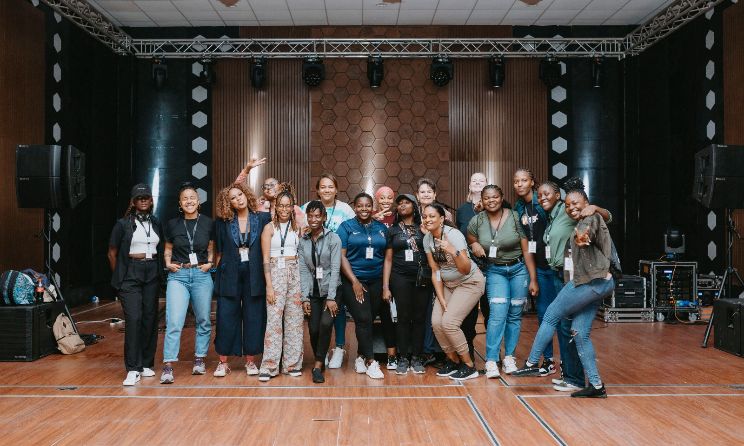
Music In Africa Gender @ Work is a three-year training programme aimed at upskilling and increasing the participation of female professionals in the African music sector. Launched by the Music In Africa Foundation (MIAF) in April 2019, the programme is connected to the MIAF’s ACCES music conference – a pan-African event held in a different African country every year. This connection enables the programme to reach new participants in a different African country every year. The programme marks the beginning of a more concerted effort by the Foundation to support the participation and inclusion of women in all facets of its programmes and the music sector in Africa as a whole. Over the three years, the programme will aim to address gender imbalances in the sector through training, lobbying, facilitating knowledge exchange and dialogues that foster the interest of women. The broader objectives of the programme are to: Provide industry training for women on critical music industry skills, focusing on: Stage management Electronic music production and recording Music business management Technical knowledge Provide an opportunity for both professional and aspiring women to benefit from the Music In Africa network and its broad range of activities in 2019, 2020 and 2021. Provide a solution-based platform in the form of a round table at ACCES with a view to identify challenges, discuss opportunities and lobby for the interests of female practitioners. Offer participants the opportunity to benefit from programmes offered by MIAF’s partners. Increase access to educational materials. Integrate participants in the broader ACCES programme to maximise experience and exposure to the industry. Record and present training materials on the www.musicinafrica.net, including but not limited to tutorials, templates and other best-practice materials. Communicate women-based themes that support the initiatives and messages of the programme. MAIN TRAINING ACTIVITIES Training in first country (Ghana): In the first year, participants will be trained on all aspects of stage management by a team of experienced stage managers from 10 to 17 November 2019. The programme will offer robust classroom training as well as practical, hands-on training in which participants will also be given the opportunity to manage various aspects of the ACCES performance programme. Training in second country: The second training iteration will take place at ACCES 2020 when the programme will diversify its course to include music production lessons and training on other music business topics. A round-table platform will also be introduced to coincide with the ACCES programme. Training in third country: The third training iteration will take place at ACCES 2021 in a different country, offering an advanced course. HOW DO YOU GET INVOLVED?  As a participant, facilitator or trainer: The programme enrolls up to 12 trainees every year. All opportunities are advertised publicly on this website, and will be added to this page. Please keep checking this page for new calls (below under UPDATES & CURRENT OPPORTUNITIES). As a partner Please contact Claire Metais at [email protected]. APPLY The call for applications for 2020 will be announced soon. The Music In Africa Gender @ Work programme is made possible with the support of the Prince Claus Fund, Siemens Stiftung and Goethe-Institut.

Sound Connects Fund
Sound Connects Fund

Pour les praticiens et les organisations culturels et créatifs opérant en Afrique australe, l’accès au financement reste un défi majeur. La pandémie de COVID-19 a également eu un impact massif sur les politiques gouvernementales, les dépenses et l’économie en général, et a vu les dépenses consacrées à la culture reléguées plus bas dans la liste des priorités. De plus, les industries culturelles et créatives citent régulièrement quatre domaines principaux où l’investissement est nécessaire pour la croissance : une visibilité accrue, la mobilité incluant l’accès à de nouveaux marchés, le financement et les structures de soutien.

Music In Africa Live

MUSIC IN AFRICA LIVE Lancé en 2020 pour une durée de 3 ans, Music In Africa Live est une initiative visant à soutenir l'écosystème de la musique africaine face aux contraintes imposées par la pandémie de COVID-19 ; le projet a été lancé par la Fondation Music In Africa (MIAF) en partenariat avec le ministère fédéral allemand des Affaires étrangères, Siemens Stiftung et le Goethe Institut. Plus de 30 aides sont disponibles dans le cadre de la troisième édition de Music In Africa Live, dans 3 catégories :  showcases, renforcement des compétences et plaidoyer, en conformité avec les modalités énoncées.

Instrument Building And Repair Project

The overarching objective of Music In Africa Foundation’s Instrument Building and Repair (IBR) project is to encourage the formalisation and professionalisation of instrument-making and repair in Africa, especially in relation to indigenous African instruments. Background In 2014, the Music In Africa Foundation (MIAF) identified as one of its focus areas for development the need to encourage young people from music and music-related sectors to consider instrument-making as a career. This need extended itself from the recognition that the making of traditional African instruments is not a widely practiced skill and seems to be limited to the older generation. Traditional African instrument makers are also few and far between, making communication and logistics between teachers and learners an obstacle. When instrument building workshops take place, budgetary constraints do not allow teachers or learners the time to explore the finer details of an instrument. Based on these observations, the MIAF designed and piloted the first IBR workshop at the Dhow Countries Music Academy (DCMA) in Zanzibar in February 2015. In 2016, the foundation received funding from the South African National Lotteries Commission to implement a much bigger version of the project in Johannesburg. The project drew participants from five African countries. 25 students from South Africa, Ghana, Senegal, Kenya and Ethiopia were trained on how to build and repair musical instruments. The instruments that they made were: Traditional Instruments: Umakhweyana and Marimba Conventional Instrument: Dulcimer guitar The workshop culminated in a traditional instruments concert at the Wits Theatre in Johannesburg. It is the MIAF’s aim to roll out similar workshops in as many African countries as possible over the next few years. Objectives Developing awareness of musical instrument makers in Africa with a view to promote their work to a wider global audience. Facilitating the sharing and transfer of skills in indigenous instruments between countries on the continent. Encouraging the formalisation and professionalisation of instrument-making and repair in Africa, especially in relation to indigenous instruments. Helping instrument makers develop their careers. Fostering the rapid monetisation and sustainable development of instrument-making and repair in Africa. Promoting constant exchange of ideas, expertise, experiences and know-how among instrument makers in Africa. Facilitating the identification of existing gaps in the field with a view to contribute new solutions. Facilitating the transfer of knowledge and skills of indigenous instruments between younger and older generations. 2020 edition The MIAF has also announced that multi-instrumentalist and instrument maker Joe Makhanza will facilitate one of the workshops on the building of the kamale ngoni instrument. Kamale ngoni is a kora-like, stringed instrument that originated in West Africa. The instrument contributed to the rise of Wassoulou music in the 1970s and 1990s. Makhanza was born in Giyani in South Africa's Limpopo province. He completed a bachelor of music degree and a post-graduate diploma in arts marketing from Wits University. He is currently completing his masters in ethnomusicology and is a part-time lecturer in African music studies at Rhodes University. He plays the kora, mbira, valiha, masenqo, xiwewe, ngoni ba and xizambi, among others. He also manufactures the aforementioned instruments. The MIAF will confirm more trainers who will join the workshops as well as the other instruments that will be featured in the 2020 IBR programme.  Apply to participate here. Connect with us on Twitter, Instagram and Facebook, and subscribe to our monthly newsletter. The Music In Africa Instrument Building and Repair project is funded by the National Lotteries Commission. It is implemented in partnership with Siemens Stiftung, Goethe-Institut, Wits Theatre and Kaya FM.

Overviews

La musique traditionnelle au Bénin

09 Août 2016 - 13:02

cc-img flag-img

Le Benin est l’un des rares pays africains où les rythmes et danses traditionnelles jouent un rôle prépondérant dans la vie quotidienne. Ces diversités musicales de rythmes sont nées du temps des différents règnes de la royauté du Dahomey. Elles sont issues en grande majorité des danses de cultes vodou et des problèmes de l’époque. Il s’agit du Zinli, d’Akinta et Akohoun, Tchinkoumè, Toba, Agbotchébou, Kpanouhoun qui se maintiennent jusqu’à ce jour.
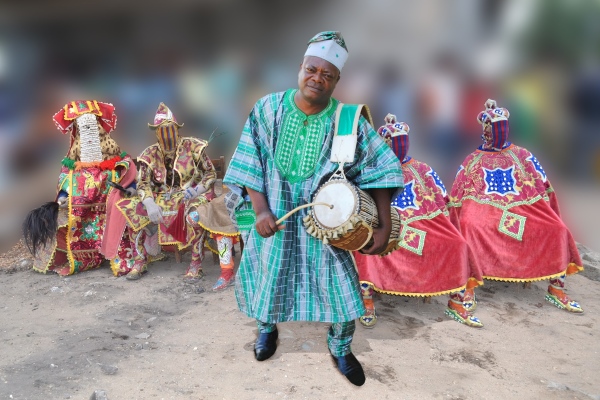
(Photo) Le concept Ibilè de Jospito en image

Etats des lieux

La première génération des musiciens émerge dans les années 1963. Ils s’inspirent des rythmes du terroir pour conscientiser, distraire et valoriser le rassemblement des groupes ethniques respectifs. Yedénou Adjahoui est incontestablement le plus grand précurseur du Zinli, rythme musical venu des terres du Roi Béhanzin. Il insère très tôt un art narratif sans égal, servi par une voix à l’intonation captivante.

Sa chanson culte « Avidjè agban mè » continue de séduire les béninois, parce qu’il a su conférer au rythme « Massè Gohoun » un souffle exceptionnel. Malgré son décès en 1995, ces successeurs comme Dossou Letriki continuent de se réclamer de ses oeuvres. Migbogohin Dossou « Dossou Letriki » fait ses débuts aux côtés du Patron avec dextérité et hérite de son genre musical. Son disque éponyme, enregistré en 1984 met en valeur les mélodies traditionnelles fons, joués lors des manifestations des Revenants (Egoun-goun). On y retrouve des titres phares comme « Hindwa Bassi » « Maton-Maton » sous le Label Albarika Store, l’unique producteur de ces années là.

L’autre baobab vivant, originaire du Sud Bénin est le rénovateur Alékpehanhou qui continue sa croisière avec une quarantaine d’albums audio. Il bat tous les records de ventes toutes tendances confondues sans pour autant asseoir une grande communication. Son Zinli se joue avec un vaste tambour, qui se fait accompagner de sons de gongs, de hochets et claquements de mains soutenus par des chants et danses. Ce sont ces instruments de base qui constituent les premières sources rythmiques de tous les genres musicaux Béninois. Alékpéhanhou est une tête pensante de cette musique traditionnelle.

Constat et Faits

Le Bénin est indéniablement un réservoir de musique traditionnelle inexploité. Malgré que ces artistes ne disposent pas de cadres d’expressions ou de carrefours qui les mènent ou les amènent à l’universel, ils réalisent des exploits surprenants qui font du Bénin une plate forme unique dans cette catégorie de musique au monde.

Ces artistes mettent sur le marché de disques des produits de bonnes factures qui font le bonheur des mélomanes, avec l’aide de plusieurs mécènes et du fonds d’aides à la culture (FAC) institution étatique. Ils sillonnent entièrement le pays pour des prestations de qualités, sur des festivals, sur des évènements privés ou sur des funérailles. Ils remplissent les Stades quand ils sont ensemble et deviennent incontournables dans la mobilisation des masses populaires.

Pour sauver ce patrimoine immatériel à cause de son impact dans le développement socio économique, plusieurs institutions nationales et internationales apportent des contributions multiformes. Et c’est la pour cette raison que beaucoup de chercheurs, de scientifiques travaillent pour sauver ces chants et danses en voie de disparation. C’est le cas du Conservatoire de Danses Cérémonielles et Royale d’Abomey (CDCRA) créé en 1996 par un groupe d’intellectuels Béninois, qui ambitionne de sauvegarder et de redynamiser ce précieux patrimoine. Le Centre a bénéficié du soutien des institutions internationales comme l’UNESCO et le Programme Société Civile et Culture (PSCC).

Diversité et rythmes traditionnels

Cette diversité de rythmes traditionnels s’inscrit dans la logique des regroupements ethniques et des aires géographiques. Les plus importants sont le Zinli - Akinta et Akohoun – Tchinkoumè – Toba – Agboutchebou – Kpanahoun. Ils sont valorisés de diverses manières et constituent les premières sources de réjouissances selon les régions. Ces artistes y tirent toutes leurs sources d’inspirations pour produire des musiques aux similitudes surprenantes. Le Bénin est un pays réputé dans les expressions corporelles à travers les chants et des danses liées à des sources de royauté.

Le Gankouékoué et le Gankpèvi qu’on appelle le Gon sont les pièces maitresses de tous ces rythmes. Ces deux pièces maitresses se mélangent à d’autres instruments dont pour produire d’autres sonorités. On peut citer la danse yorouba de Kétou « Iwé » du groupe Agounwinwin Aladé, la danse Koutchati et Tibénti de Perma au nord du Bénin.

Source d'inspiration ethnique (Aire géographique)

Les réalités musicales béninoises ne changeront pas de si tôt compte tenu de leur histoire pathétique. Les spécialistes dénombrent une soixantaine de langues parlées qui constituent des sources d’inspirations. Il serait hasardeux de vouloir comptabiliser ces groupes de musiques traditionnelles, du fait de leur nombre grandissant. Plus d’une centaine de festivals s’organisent chaque année autour de ces aires géographiques avec une forte implication des valeurs endogènes.

Impacts sociologiques

Le poids de la tradition béninoise étant élevé dans l’épanouissement des masses populaires à travers les chants, danses et musiques traditionnelles, Il urge de les sauvegarder en vue de leur exploitation à des fins d’historiographie. C’est la préoccupation du Centre de Recherche et de Documentation (CRD) du Conservatoire des Danses Cérémonielles et Royales d’Abomey (CDCRA)

Impacts économiques

Le Bénin est un pays stable avec une ouverture internationale sans précédent. Sa situation géographique devrait favoriser son rayonnement culturel mais les stratégies de développement en cours, n’attirent pas autant du monde. Malgré la volonté politique affichée, avec un accompagnement sans précédent dans la mise à disposition des financements structurants comme le Fonds d’Aide à la Culture (FAC), trois à cinq milliards de francs Cfa en 2015, les acteurs culturels Béninois refusent de se remettre en cause, de s’informer et de se former.

Depuis le Puissant Albarika Store, véritable Producteur des anciennes gloires, en passant par Daghoty pour atteindre la nouvelle génération de Producteur comme Lucas Koffi, Luc Akplogan, Oscar Kidjo, Vidaho et autres, la problématique de l’inorganisation demeure la même. Et pourtant, le secteur se porterait mieux si les efforts des uns et des autres s’orientaient vers un véritable professionnalisme. Sur le marché béninois de disque, c’est dans cette catégorie de musique que s’opèrent les plus grosses ventes malgré que les produits ne soient pas disponibles sur toute l’étendue du territoire.

Evolution des musiques traditionnelles

En jetant un regard rétrospectif sur les pratiques musicales des anciennes gloires, il est évident que les musiques traditionnelles Béninoises n’échappent pas à la règle de l’évolution musicale du monde. Les meilleures productions de ces éveilleurs de consciences se glissent vers une tendance plus moderne, avec la génération d’autres artistes comme Anice Pepe, Adizé, Petit Génie, Norbéka et bien d’autres. Une autre catégorie d’inspiration tradi-moderne, travaille dans une démarche commerciale qui s’exporte à merveille. On peut citer Angélique Kidjo, Tohon Stanislas, John Arcadius, Gilles Loueke, Gangbé Brass Band, Jean Adagbénon, Nel Oliver et l’actuel maître à penser Sagbohan Danialou.

Si l’affirmation des identités culturelles conditionne tout développement, les musiques traditionnelles béninoises jouent encore un rôle prépondérant dans l’édifice de cette société où il devrait fait beau. Pour qu’il soit ainsi, les autorités doivent encourager la libre entreprise et surtout implanter plus d’infrastructures et d’équipements culturels performants.


Please se connecter to post a comment.

Most popular

Disclaimer: Music In Africa provides a platform for musicians and contributors to embed music and videos solely for promotional purposes. If any track or video embedded on this platform violates any copyrights please inform us immediately and we will take it down. Please read our Terms of Use for more.

newsletter banner

Abonnez-vous à notre newsletter

Retrouvez-nous sur les réseaux sociaux