














NEFCISA
NEFCISA

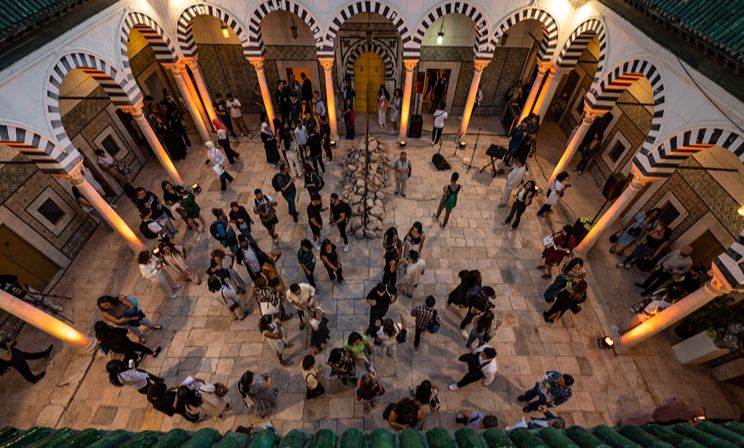
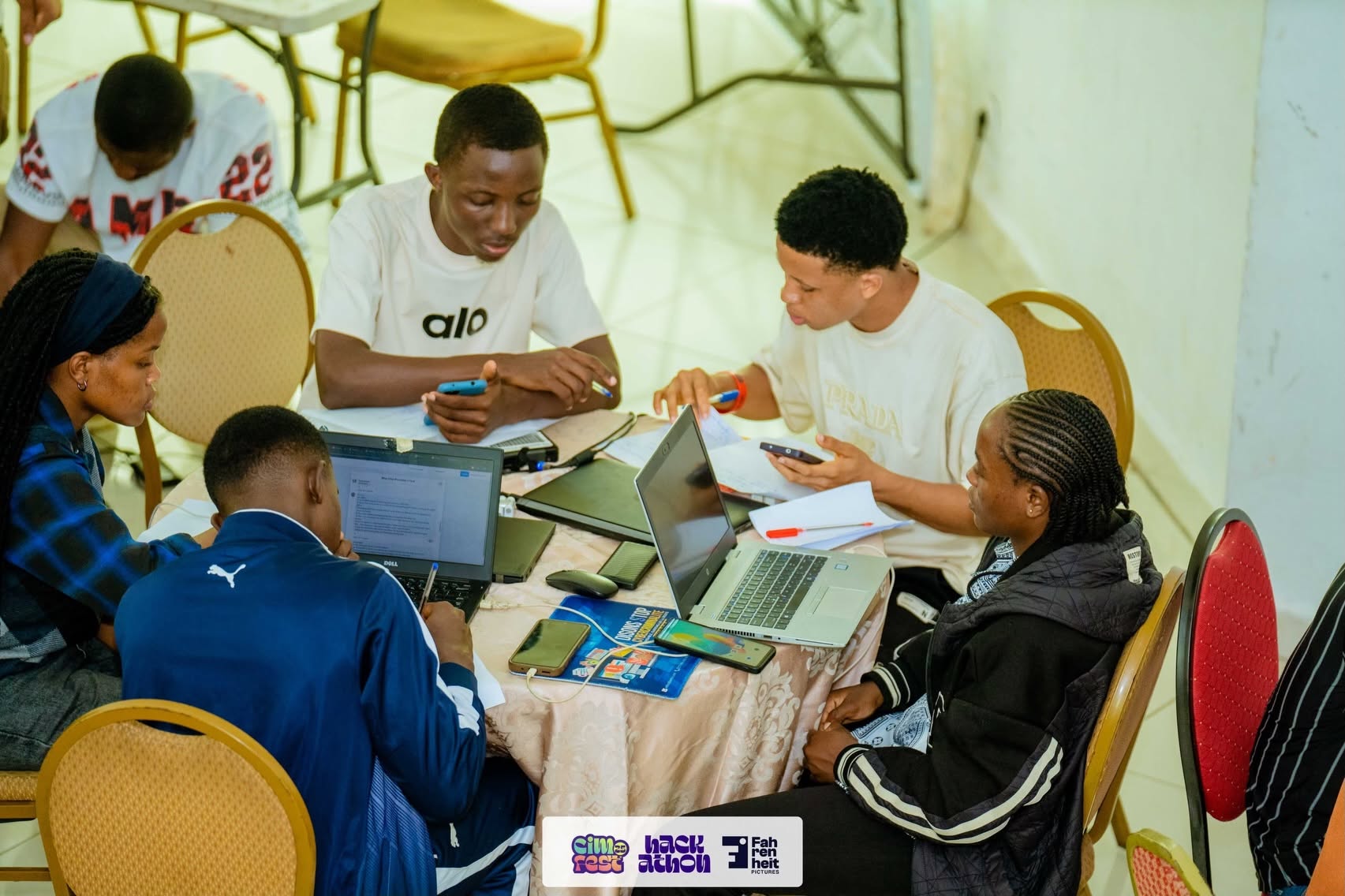
The Music In Africa Foundation (MIAF) is proud to announce its partnership with the Industrial Development Corporation (IDC) as a Strategic Implementing Partner (SIP) for its Social Employment Fund (SEF). Through this collaboration, MIAF is launching a new national programme designed to create jobs, address skills gaps, and strengthen South Africa’s creative industries — in line with the SEF’s overarching goal to generate work for the common good and build community value through employment, social contribution, and inclusive economic participation. Operating under the banner NEFCISA (National Employment Facility for Creative Industries in South Africa), the initiative will recruit and train participants, match them with host organisations, and place a minimum of 1 000 workers across the country. Key Objectives: Support employment and entrepreneurship in the creative industries. Offer skills development and training programmes. Foster partnerships between public and private creative sectors. Promote South African creativity at both provincial and national levels Foster community development through social contribution.

ACCES
ACCES

Chaque année, nous fournissons des informations générales afin de guider les participants dans la préparation de leur voyage. En plus de ce site, des mises à jour importantes seront envoyées par e-mail à tous les délégués inscrits. Assurez-vous de vous inscrire dès que possible. Pour plus d'informations, veuillez contacter [email protected] Continuez à consulter cette page pour plus d'information.  

Gender@Work
Gender@Work

Music In Africa Gender @ Work is a three-year training programme aimed at upskilling and increasing the participation of female professionals in the African music sector. Launched by the Music In Africa Foundation (MIAF) in April 2019, the programme is connected to the MIAF’s ACCES music conference – a pan-African event held in a different African country every year. This connection enables the programme to reach new participants in a different African country every year. The programme marks the beginning of a more concerted effort by the Foundation to support the participation and inclusion of women in all facets of its programmes and the music sector in Africa as a whole. Over the three years, the programme will aim to address gender imbalances in the sector through training, lobbying, facilitating knowledge exchange and dialogues that foster the interest of women. The broader objectives of the programme are to: Provide industry training for women on critical music industry skills, focusing on: Stage management Electronic music production and recording Music business management Technical knowledge Provide an opportunity for both professional and aspiring women to benefit from the Music In Africa network and its broad range of activities in 2019, 2020 and 2021. Provide a solution-based platform in the form of a round table at ACCES with a view to identify challenges, discuss opportunities and lobby for the interests of female practitioners. Offer participants the opportunity to benefit from programmes offered by MIAF’s partners. Increase access to educational materials. Integrate participants in the broader ACCES programme to maximise experience and exposure to the industry. Record and present training materials on the www.musicinafrica.net, including but not limited to tutorials, templates and other best-practice materials. Communicate women-based themes that support the initiatives and messages of the programme. MAIN TRAINING ACTIVITIES Training in first country (Ghana): In the first year, participants will be trained on all aspects of stage management by a team of experienced stage managers from 10 to 17 November 2019. The programme will offer robust classroom training as well as practical, hands-on training in which participants will also be given the opportunity to manage various aspects of the ACCES performance programme. Training in second country: The second training iteration will take place at ACCES 2020 when the programme will diversify its course to include music production lessons and training on other music business topics. A round-table platform will also be introduced to coincide with the ACCES programme. Training in third country: The third training iteration will take place at ACCES 2021 in a different country, offering an advanced course. HOW DO YOU GET INVOLVED?  As a participant, facilitator or trainer: The programme enrolls up to 12 trainees every year. All opportunities are advertised publicly on this website, and will be added to this page. Please keep checking this page for new calls (below under UPDATES & CURRENT OPPORTUNITIES). As a partner Please contact Claire Metais at [email protected]. APPLY The call for applications for 2020 will be announced soon. The Music In Africa Gender @ Work programme is made possible with the support of the Prince Claus Fund, Siemens Stiftung and Goethe-Institut.

Sound Connects Fund
Sound Connects Fund

Pour les praticiens et les organisations culturels et créatifs opérant en Afrique australe, l’accès au financement reste un défi majeur. La pandémie de COVID-19 a également eu un impact massif sur les politiques gouvernementales, les dépenses et l’économie en général, et a vu les dépenses consacrées à la culture reléguées plus bas dans la liste des priorités. De plus, les industries culturelles et créatives citent régulièrement quatre domaines principaux où l’investissement est nécessaire pour la croissance : une visibilité accrue, la mobilité incluant l’accès à de nouveaux marchés, le financement et les structures de soutien.

Music In Africa Live

MUSIC IN AFRICA LIVE Lancé en 2020 pour une durée de 3 ans, Music In Africa Live est une initiative visant à soutenir l'écosystème de la musique africaine face aux contraintes imposées par la pandémie de COVID-19 ; le projet a été lancé par la Fondation Music In Africa (MIAF) en partenariat avec le ministère fédéral allemand des Affaires étrangères, Siemens Stiftung et le Goethe Institut. Plus de 30 aides sont disponibles dans le cadre de la troisième édition de Music In Africa Live, dans 3 catégories :  showcases, renforcement des compétences et plaidoyer, en conformité avec les modalités énoncées.

Instrument Building And Repair Project

The overarching objective of Music In Africa Foundation’s Instrument Building and Repair (IBR) project is to encourage the formalisation and professionalisation of instrument-making and repair in Africa, especially in relation to indigenous African instruments. Background In 2014, the Music In Africa Foundation (MIAF) identified as one of its focus areas for development the need to encourage young people from music and music-related sectors to consider instrument-making as a career. This need extended itself from the recognition that the making of traditional African instruments is not a widely practiced skill and seems to be limited to the older generation. Traditional African instrument makers are also few and far between, making communication and logistics between teachers and learners an obstacle. When instrument building workshops take place, budgetary constraints do not allow teachers or learners the time to explore the finer details of an instrument. Based on these observations, the MIAF designed and piloted the first IBR workshop at the Dhow Countries Music Academy (DCMA) in Zanzibar in February 2015. In 2016, the foundation received funding from the South African National Lotteries Commission to implement a much bigger version of the project in Johannesburg. The project drew participants from five African countries. 25 students from South Africa, Ghana, Senegal, Kenya and Ethiopia were trained on how to build and repair musical instruments. The instruments that they made were: Traditional Instruments: Umakhweyana and Marimba Conventional Instrument: Dulcimer guitar The workshop culminated in a traditional instruments concert at the Wits Theatre in Johannesburg. It is the MIAF’s aim to roll out similar workshops in as many African countries as possible over the next few years. Objectives Developing awareness of musical instrument makers in Africa with a view to promote their work to a wider global audience. Facilitating the sharing and transfer of skills in indigenous instruments between countries on the continent. Encouraging the formalisation and professionalisation of instrument-making and repair in Africa, especially in relation to indigenous instruments. Helping instrument makers develop their careers. Fostering the rapid monetisation and sustainable development of instrument-making and repair in Africa. Promoting constant exchange of ideas, expertise, experiences and know-how among instrument makers in Africa. Facilitating the identification of existing gaps in the field with a view to contribute new solutions. Facilitating the transfer of knowledge and skills of indigenous instruments between younger and older generations. 2020 edition The MIAF has also announced that multi-instrumentalist and instrument maker Joe Makhanza will facilitate one of the workshops on the building of the kamale ngoni instrument. Kamale ngoni is a kora-like, stringed instrument that originated in West Africa. The instrument contributed to the rise of Wassoulou music in the 1970s and 1990s. Makhanza was born in Giyani in South Africa's Limpopo province. He completed a bachelor of music degree and a post-graduate diploma in arts marketing from Wits University. He is currently completing his masters in ethnomusicology and is a part-time lecturer in African music studies at Rhodes University. He plays the kora, mbira, valiha, masenqo, xiwewe, ngoni ba and xizambi, among others. He also manufactures the aforementioned instruments. The MIAF will confirm more trainers who will join the workshops as well as the other instruments that will be featured in the 2020 IBR programme.  Apply to participate here. Connect with us on Twitter, Instagram and Facebook, and subscribe to our monthly newsletter. The Music In Africa Instrument Building and Repair project is funded by the National Lotteries Commission. It is implemented in partnership with Siemens Stiftung, Goethe-Institut, Wits Theatre and Kaya FM.

Overviews

Le Congo Brazzaville, pays qui vit la sape au rythme de sa musique
16 Oct 2015 - 11:38

cc-img flag-img

Par Hervé Brice Mampouya

Bien s’habiller et porter des vêtements chics ont toujours caractérisé les Congolais toujours avides de paraitre avec les fringues à la mode pour frimer et susciter l’admiration de l’entourage. La Société des Ambianceurs et Personnes Elégantes (Sape) qui unit tous les amoureux de la mode, est devenue un label au Congo Brazzaville, à défaut d’être un signe identitaire des Congolais.
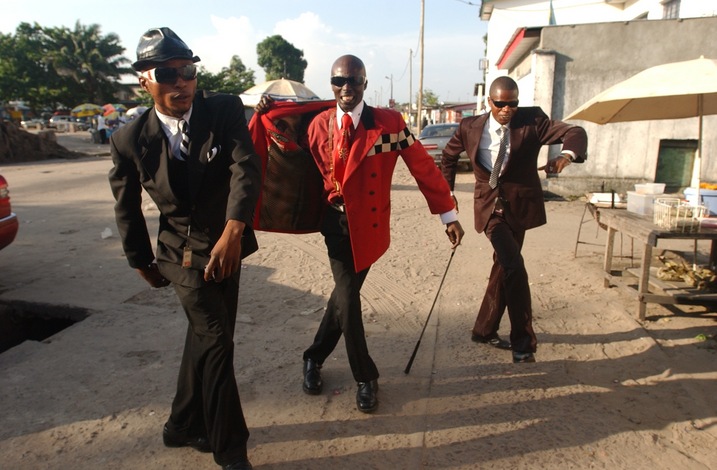
Sape et musique, un mariage de raison. (ph) Africa Top Success

La sape à travers les âges

L’histoire de la sape est née à la fin des années 1945 avec les anciens combattants revenus triomphalement de la grande guerre en arborant qui une redingote, qui un pantalon juste-au-corps, qui une chaussure années 30 etc… Mais son apogée, elle ne la connaitra que 20 ans plus tard avec le retour des élites congolaises en formation en Occident qui portaient les griffes de l’époque : Pierre Cardin, Yves Saint Laurent, Christian Dior, Valentino Ouomo etc., pour se faire voir au bar Faignond, à Macedo bar et autres lieux branchés.

1980 est sans conteste la grande année de la sape au Congo avec la nouvelle race des sapeurs débarquant avec à leur tête Jack Tabazo. Sur place émerge aussi une autre race emmenée par Mayembo de base. C’est l’époque de la tchatche encore appelé Nkelo car désormais les vêtements, il faut savoir les défendre avec son verbe. Le phénomène des « défis » chez les jeunes bat son plein. C’est une sorte de concours de la mode avec le public comme jury. Ce phénomène engendre un autre épiphénomène « la mine » c’est-à-dire emprunter les habits à autrui et flâner avec. Le Bar Lundi au marché Commission à Bacongo ne désemplit pas. C’est là où se passe la proclamation des meilleurs sapeurs à travers les parades vestimentaires arbitrées par le public connaisseur de ce quartier réputé le plus chaud en matière de sape.

Dans les années 1990, la sape au Congo, a déjà fait des émules à l’étranger, classant le pays comme le carrefour de l’habilement. Cette période voit aussi naitre le phénomène « Romario », en témoignage aux exploits du célèbre attaquant brésilien. De son vrai nom Jean, « Romario », jeune à l’allure frêle crée le scandale à chacune de ses sorties pendant plus de deux mois à Brazzaville. Tout le monde le redoute, et certains sapeurs n’hésitent pas à détaler de peur de se faire ridiculiser par lui et ses suiveurs, tous habillés en costumes estampillés Romario. Au Bar la Main Bleue, au stade Yougos, tous ne jurent que par Romario, la terreur des Parisiens et des sapeurs à qui plus tard on retirera le passeport en guise de sanction pour trouble à l’ordre public !

En 1994, le premier concours de la sape est organisé au Bar Baba Boum Palladium à Bacongo. Akwiss, habitant au quartier Mazala, mitoyen au marché Total de Bacongo est le vainqueur de ce concours qui a réuni une vingtaine de sapeurs en présence de feu Gabriel Matsiona, ministre du tourisme et de l’environnement.

Sape et musique : un mariage de raison

Si la sape n’a pas fait beaucoup de temps pour intégrer les mœurs, le mariage Sape–musique a eu du mal à prendre forme. L’interdiction des orchestres amateurs par les autorités par peur de dépravation de mœurs explique en partie cela mais aussi le départ en exil de certains jeunes musiciens prometteurs de l’époque tels Aurlus Mabélé, Mav Cacharel, Jean Baron…

Fernand Mabala, « Le grand Moumbafouneur » en 1985 avec la sortie de son album Yatama vient incontestablement sortir les musiciens sapeurs de leur torpeur. Julien Cladia, de Viva Mandolina, Jean-Claude Carrisala de Véritable Mandolina, mais aussi Anicet Charmant Rigadin Mavoungou, Chiden de Mbuta seront les autres animateurs du couple sape-musique au Congo.

Rapha Boundzeki a longtemps trainé un statut inclassable. Sapeur, faiseur de sapeurs, sapologue, l’inventeur de la sapologie restera à jamais un homme énigmatique à l’instar de sa vie artistique. Il a longtemps été considéré plus comme un faiseur de sapeurs que comme un sapeur comme en témoigne sa chanson « Retour à la sape » dans laquelle, il chante en featuring avec le célèbre Papa Wemba, longtemps pris en modèle par les jeunes du Congo Brazzaville par son habillement et son timbre vocal.

À l’étranger, c’est Aurlus Mabélé qui fait un tabac comme chanteur-sapeur. Ses shows à dominance Soukouss sont aussi des parades vestimentaires. Quand au mannequin Joe Ballard, il a bien voulu être le porte étendard des musiciens sapeurs congolais à l’étranger mais il n' a pas eu la même auréole en musique qu’en mannequinat. Dans tous les cas, au Congo, la Sape a toujours été une question de culture avec des grands noms qui sont à jamais entrés dans l’histoire : Francos, Ngoma Le mome, Maleba Gondet, Ngoma Marron, Jean Louis Monékolo, Freddy Ibara, Alain Nono Ngando, Lhoni Serges, Nick Mounh, Léandre Moumpala, Michel Mahoungou, Bissemo le Grand, Sylvain Myassi, Abel Massengo, Parisien Kiboba… Des noms souvent mis en valeur par les musiciens dont nombreux sont redevables pour leurs précieux conseils.

Informel à ses débuts, la sape se donne aujourd’hui un cadre réglementaire avec la création de l’Association des sapeurs du Congo (ASC) à Brazzaville qui a pour président d’honneur le ministre à la présidence chargé des zones économiques spéciales Alain Akouala Atipault. Dans la lancée, des antennes départementales sont nées. À Pointe-Noire, Sous-sol Bantsimba, dirige l’association dont les membres se réunissent régulièrement pour discuter de sa bonne marche mais aussi organise des ateliers liés à la Sape tels que : Comment harmoniser les couleurs ? Comment attacher la cravate, comment faire une diartance (la démarche du sapeur…). Un carré de sapeurs est réservé aux sapeurs le 15 Août à chaque défilé lors de la fête de l’indépendance. Ce fut le cas notamment au cinquantenaire de l’indépendance il y a cinq ans avec cette parade mémorable des sapeurs au stade Alphonse Massamba-Débat.

Lors de l’inhumation du célèbre musicien Rapha Boudzeki, le 24 mai 2008 à Brazzaville, tout Brazza a vibré ce jour pourtant de deuil, mais qui s’est transformé en une journée nationale de la sape. Tous les Congolais sont sortis avec leur vêtements dernier cri pour rendre un hommage mérité à Rapha Boundzeki, resté longtemps leur idole tant par la chanson que par son accoutrement vestimentaire atypique. Chez les femmes, la sape a fait aussi des émules, mais à un degré moindre. Jakito wa Mpungu qui a longtemps partagé la vie avec Rapha Boundzeki fit sacrée reine de la sape en 2011 à Pointe-Noire au Stade Tata Loboko.

Aujourd’hui, la sape qui fait honneur au Congo à l’étranger a fécondé un autre néologisme ou congolisme : la sapologie, considérée comme la science qui étudie la sape. Les sapologues sont ses adeptes. À travers des CD et DVD, baptisés les Allures enregistrés pour la plupart en Europe, les Congolais de la diaspora, Norba de Paris et d'autres rivalisent à coups de tchatche parfois heurtés frisant par moment l’injure et la querelle. C’est de bonne guerre car cela crée l’émulation entre eux mais peut paraitre superfétatoire quand on s’attarde à la vie privée d’autrui.


Sources :
-Chanson « Retour à la sape » Rapha Boundzeki et Papa Wemba
-Jean-Paul Kaba, membre Association des sapeurs de Pointe-Noire
-Radio et télévision nationale congolaise
-DVD Les Allures

Please se connecter to post a comment.

Most popular

Disclaimer: Music In Africa provides a platform for musicians and contributors to embed music and videos solely for promotional purposes. If any track or video embedded on this platform violates any copyrights please inform us immediately and we will take it down. Please read our Terms of Use for more.

newsletter banner

Abonnez-vous à notre newsletter

Retrouvez-nous sur les réseaux sociaux