



























Le Jazzman Moustapha Diop plaide pour la diversité musicale
14 Sep 2017 - 20:28


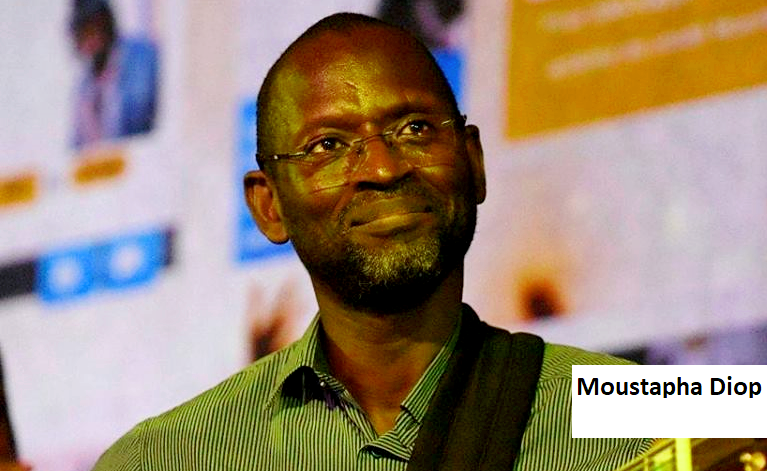
Vous ne le savez peut-être pas, Moustapha Diop, le boss de Musik Bi, la plate-forme de vente de musique en ligne est un grand féru de jazz. Excellent guitariste, il fait même partie d'un band dakarois, le groupe Jamm. Nous l'avons rencontré et échangé avec lui quelques minutes avant un spectacle donné dans la cave de l’hôtel le Djoloff le 9 septembre 2017.
Quelle est l’histoire de votre groupe ?
Il est né en 1981. À l’époque il s’appelait « Jiiw bagn », expression ouolof signifiant en français Semence du refus. Nous étions des jeunes élèves de terminale. Nos chansons avaient des textes très engagés !
Au début, nous accompagnions des troupes théâtrales de notre lycée. À cette époque-là, au Sénégal, chaque lycée avait sa troupe théâtrale. Il y avait ce qu’on appelait la troupe jumelée. On était les musiciens de la troupe jumelée.
Pendant cette période nous avons joué des musiques traditionnelles modifiées et associées à des messages engagés. Notre musique était différente. On ne jouait pas du jazz ! À l’époque, les musiques dominantes étaient la salsa et le mbalax.
Notre groupe incarnait un mouvement, un courant qui a produit de grands musiciens. Le Xalam fait partie de ce mouvement. Il y avait aussi d’autres groupes tels que le Bataxal, c’était un excellent groupe qui n’a pas enregistré d’album mais qui a produit la meilleure musique au Sénégal ! Il y avait un groupe rival qui s’appelait le Kaddu !
On faisait de la musique, mais c’était difficile, on jouait dans les cabarets. Notre groupe avait 7 membres : 3 chanteurs, 1 percussionniste, 1 batteur, 1 basse. Seuls deux sont encore là, le bassiste Lamine Faye Ba et moi.
Notre groupe a vu passer de grands musiciens. Les Frères Guissé ont commencé à chanter dans notre groupe. Notre lead vocal était Mamadou, le grand frère des Frères Guissé décédé en 2015. Mamadou était l’ainé de Djiby qui était le second vocal.
Mais c’était très difficile d’imposer ce style de musique. Un style que plusieurs groupes sénégalais partageaient. Parmi eux : le Xalam, le Bataxal, le Ndeup.
Pouvez-vous nous dire quelques mots sur ces groupes ?
Les membres du Ndeup ont été obligés de partir en France pour continuer à jouer la musique qu’ils aiment.
Le Xalam c’était très dur au début, il a fallu qu’ils gagnent le festival de Berlin devant Hugh Masekela et de grands musiciens de l’époque pour qu’ils soient reconnus au Sénégal et le style musical jazz obtienne plus de respect.
Quand est né le groupe Jamm tel qu’on le connait actuellement ?
En 1987, on a changé de nom passant de « Jiiw bagn » à Jamm.
En fait, le groupe Jiiw bagn devait faire la première partie d’un concert de Youssou Ndour au stade Demba Diop. Pendant le processus, les négociations d’avant concert quelqu’un nous a demandé : « comment vous vous appelez ? ». Nous avons répondu : « Jiiw bagn ! »
Mais cette appellation était c’est trop lourde, trop chargée. Pour avoir un nom consensuel, nous avons choisi le nom Jamm mot ouolof signifiant en français Paix.
Le nom du groupe a changé mais les messages et la musique sont restés identiques. Puis notre lead vocal s’est exilé en France. Nous nous sommes dits : jouons du jazz car c’est une musique qui permet de travailler nos instruments et de nous exprimer.
Le jazz est une musique ouverte dans laquelle l’improvisation est importante. C’est ainsi que nous sommes entrés dans le jazz. Aujourd’hui, les gens nous appellent « Jamm jazz », pourtant le véritable nom de notre groupe c’est « Jamm » ! L’afro-jazz est notre véritable style musical !
Dans les années 1980, il y a eu beaucoup de grands musiciens de jazz. Il y avait des salles telles que le Keur Samba ; le Tamambo. C’était l’engouement, la concurrence entre les groupes !
Il y a de très bons musiciens de jazz au Sénégal, hélas, beaucoup font de la « musique alimentaire » parce que le jazz ne fait pas vivre son homme.
Pourquoi ?
Mon analyse propre… est peut être fausse, mais je pense que les médias ont une part de responsabilité.
Dans les années 80, les médias étaient beaucoup plus ouverts. Les radios diffusaient : du reggae, de la soul, du jazz. Les médias diffusaient toutes sortes de musiques. Il n’y avait pas une hégémonie du mbalax.
Hélas, depuis quelques années la musique diffusée au Sénégal est devenue uniforme. Si ce n’est pas du rap c’est du mbalax. Conséquence : les gens ne connaissent pas le jazz parce qu’il n’est pas du tout diffusé dans les médias.
Actuellement, notre public, ce sont les connaisseurs, parfois des gens âgés. C’est parce que la nouvelle génération n’a pas eu l’occasion d’écouter plusieurs styles musicaux, d’élargir ses horizons sonores ! De mon temps, il y avait régulièrement de grands concerts de jazz au Sénégal !
L’appauvrissement de la musique sénégalaise est évident. Il n y a pas de référence et les gens se limitent à jouer et à écouter un type de musique. Du coup, la musique sénégalaise est difficilement exportable. Autant vous voyez la musique malienne et d’autres musiques du continent s’exporter sans problème. mais la nôtre …
Pis, les musiciens ne sont pas confrontés à d'autres types de musique, d’arrangements, de sonorités…
Les médias sont-ils l’unique problème ?
Non, nous manquons aussi de lieux d’expression, de scènes. Il faut plus de scènes au Sénégal.
Aujourd’hui combien y en a –t-il ?
Des scènes de jazz à Dakar ? Il y en a 3 ou 4, pas plus !
Ce nombre très restreint ne permet pas de faire vivre les groupes. Notez qu’il y a une bonne dizaine de groupes de jazz potentiels. Mais quand ils n’ont nulle part où jouer, ils font du mbalax, la musique qui fait danser.
Souvent il y a des initiatives mais qui ne vont pas bien loin par ce qu’elles ne sont pas bien pensées. Quelqu’un ou un groupe dit : on va jouer d’autres musiques dans cette salle. Ça dure 1 mois, 2 mois la salle ne fait jamais le plein. Puis la personne ou le groupe se dit : soyons réalistes, faisons du mbalax. Et là, le public vient, danse et est content !
Il faut plus d’initiatives culturelles au Sénégal. Il faut parvenir à faire consommer aux gens d’autres styles musicaux.
Combien de titres compte le répertoire joué par le groupe Jamm ?
En jazz, il y a le « real book » (les standards). Notre groupe en a joué au moins 100. Quand nous donnons un spectacle, on se dit : aujourd’hui on va jouer telle chanson. Les musiciens connaissent, il y a les partitions. Il y a aussi l’impro qui part toujours d’une base musicale élaborée.
En 2002, le groupe Jamm a fait un album afro-jazz. Cet album reflète vraiment notre musique.
Au Sénégal existe-t-il un regroupement car en général quand on est faible on a tendance à se regrouper. Existe-t-il un syndicat, une association regroupant les groupes de jazz ?
Vous touchez du doigt le problème. Il n’y a pas de groupe ni d’association. Or par exemple au Cameroun, il existe une association qui regroupe une centaine de bassistes.
Les musiciens sont peu considérés dans la musique sénégalaise. Seul le lead vocal est respecté, le musicien est traité comme un accessoire. On dit monsieur X est le lead vocal.
Autrefois il y a eu une tentative d’organisation. Mais c’était une tentative d’organisation des musiciens versus les chanteurs.
… se poser en s’opposant …
Oui ! Car souvent le lead vient, il ne connait rien à la musique, il fait sa mélodie, les musiciens arrangent font les harmonies. Au niveau du droit d’auteur, il récupère tout alors que… (Au Sénégal, depuis la création de la SODAV en février 2016, le droit d'auteur inclut les droits voisins. Les compositeurs/instrumentistes touchent des droits sur les chansons sur lesquelles ils ont travaillé) NDLR.
Certes l’apport du chanteur est réel, la mélodie n’est pas grand-chose sans les arrangements…
Bref, nous avons un gros problème d’organisation, de structuration. Si les musiciens de jazz pouvaient se regrouper.
À vous entendre l’ennemi c’est le mbalax !
Je n’ai rien contre le mbalax qui est une bonne musique quand elle est bien jouée. J’ai plutôt un problème avec l’hégémonie du mbalax. Ce monopole n’est pas bon pour les musiciens qui se limitent à une musique alors qu’on a besoin de toucher à tous les univers.
S’il y a des grands musiciens comme Richard Bona c’est parce qu’ils touchent à tout ! Quand vous l’écoutez en jazz vous êtes satisfait ! Quand vous l’écoutez jouer de la salsa, de l’afro vous aimez aussi. C’est parce que de tels artistes sont curieux, ouverts ! Ils touchent à des musiques différentes. Ils ne se limitent pas à seul un rythme.
Votre dernier mot…
Il faut plus de formation ! Il y a quelques années, nous avons monté Jamm Academy, mais les artistes n’avaient pas les moyens de payer. Nous avions monté ce projet sur fonds propres ce qui n’était pas forcément une bonne idée.
Nous avons fini par former des enfants d’expatriés alors que notre but était de former les artistes sénégalais. Notre projet mérite d’être repensé avec un autre mode de financement pour rendre nos formations accessibles.


Most popular
Top 10 des artistes congolais les plus streamés en France en 2026
05 Mai 2026
Appel à candidatures : formation Gender@Work 2026 aux métiers de l’industrie musicale à Johannesburg
06 Oct 2026
Sayon Camara, une voix mandingue entre héritage et nouveau départ
02 Oct 2026
À Tunis, Jaou fait dialoguer les nouvelles scènes musicales du monde arabe et au-delà
02 Oct 2026
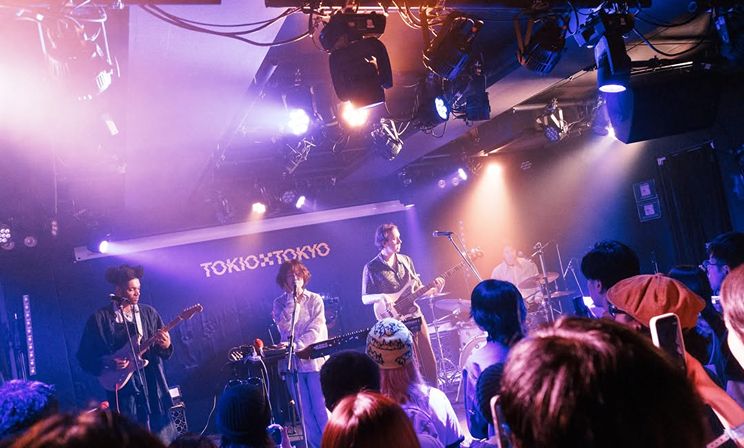
Appel ouvert : Artistes internationaux pour le CUEW Showcase & Conference 2027 au Japon
18 Sep 2026
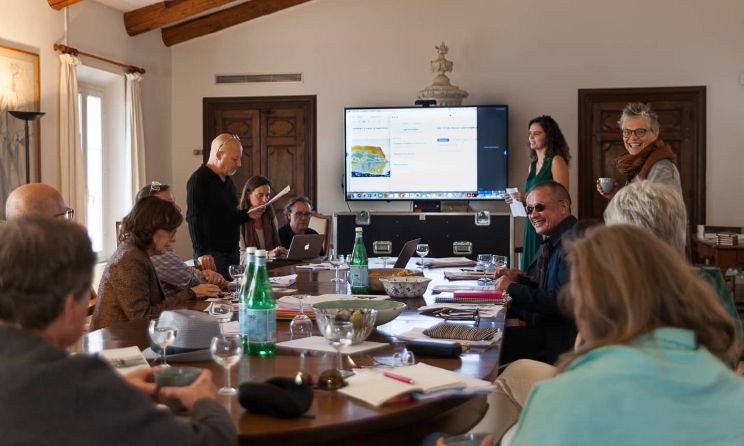
Appel à candidatures : programme de résidence Camargo Fellowship 2027-2028 en France
17 Sep 2026
Disclaimer: Music In Africa provides a platform for musicians and contributors to embed music and videos solely for promotional purposes. If any track or video embedded on this platform violates any copyrights please inform us immediately and we will take it down. Please read our Terms of Use for more.

Abonnez-vous à notre newsletter
Retrouvez-nous sur les réseaux sociaux


Please se connecter to post a comment.