



















NEFCISA
NEFCISA

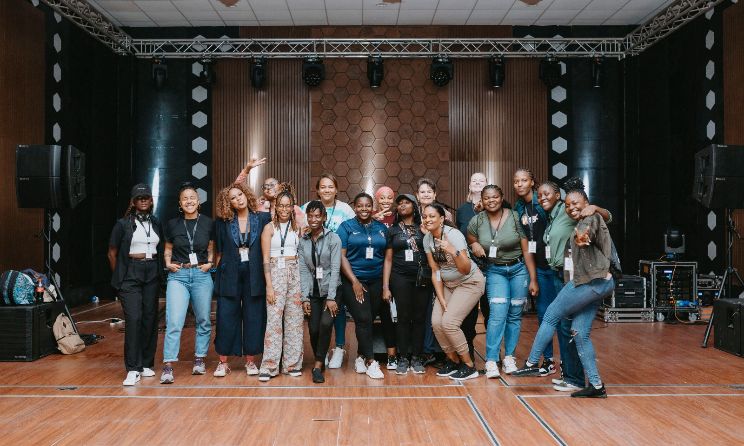
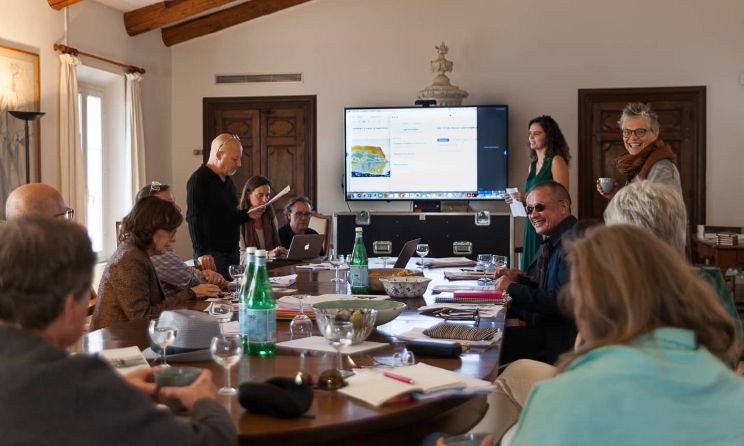
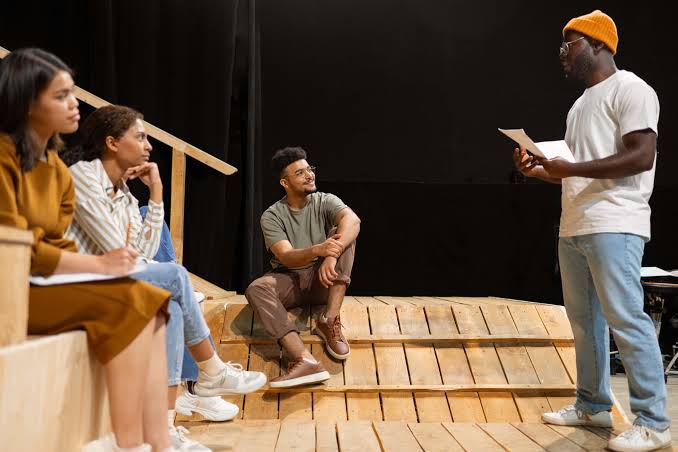
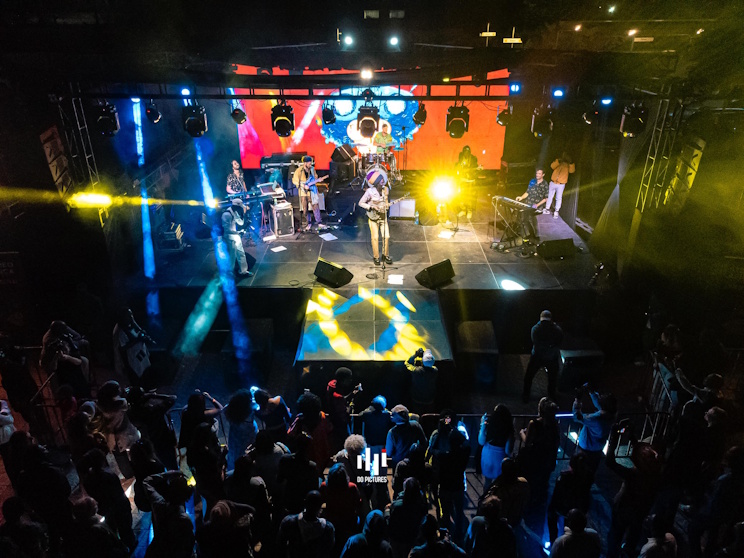
The Music In Africa Foundation (MIAF) is proud to announce its partnership with the Industrial Development Corporation (IDC) as a Strategic Implementing Partner (SIP) for its Social Employment Fund (SEF). Through this collaboration, MIAF is launching a new national programme designed to create jobs, address skills gaps, and strengthen South Africa’s creative industries — in line with the SEF’s overarching goal to generate work for the common good and build community value through employment, social contribution, and inclusive economic participation. Operating under the banner NEFCISA (National Employment Facility for Creative Industries in South Africa), the initiative will recruit and train participants, match them with host organisations, and place a minimum of 1 000 workers across the country. Key Objectives: Support employment and entrepreneurship in the creative industries. Offer skills development and training programmes. Foster partnerships between public and private creative sectors. Promote South African creativity at both provincial and national levels Foster community development through social contribution.

ACCES
ACCES

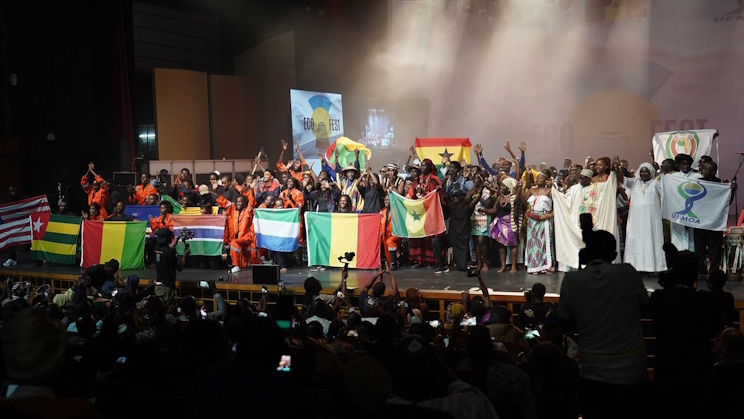
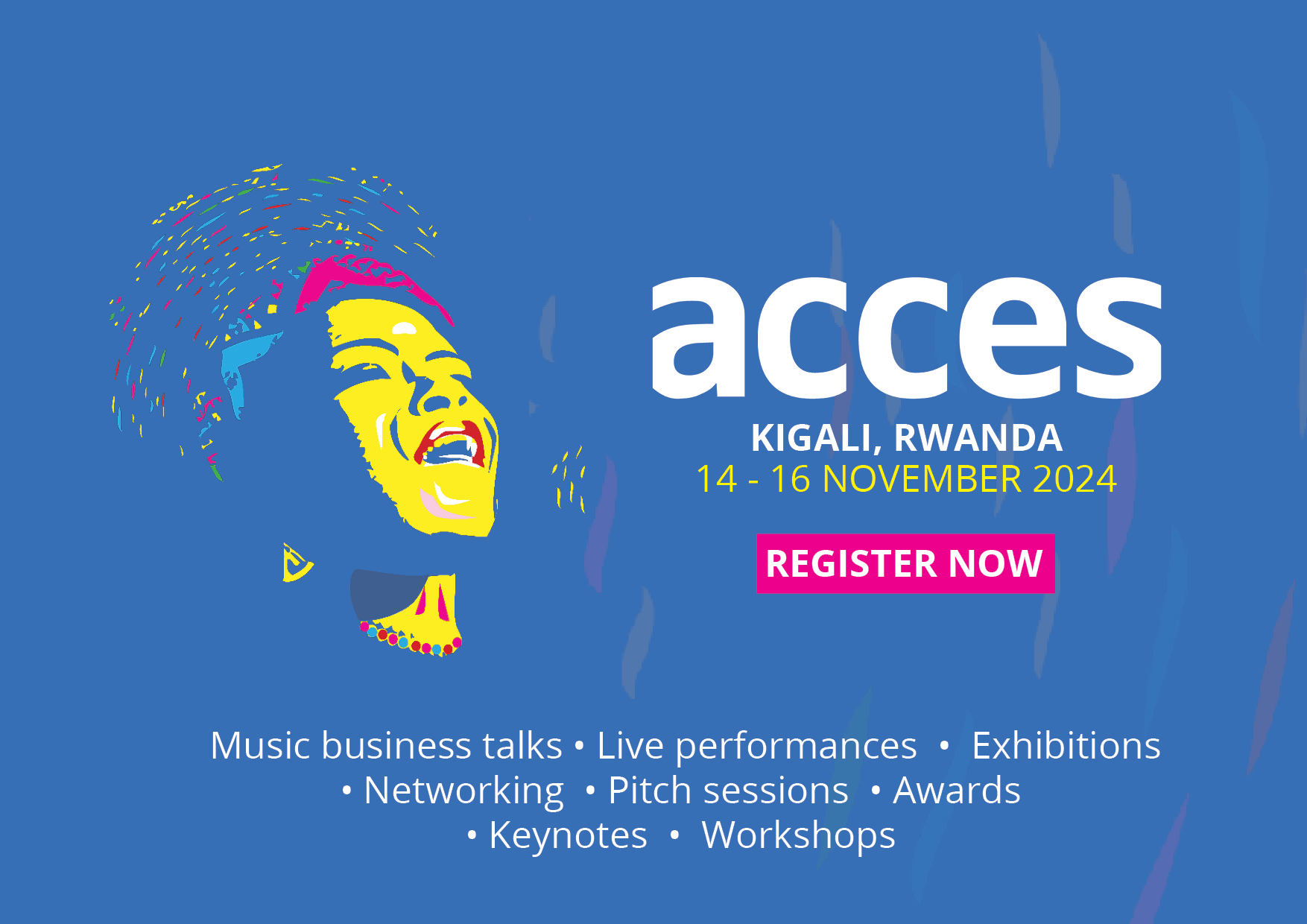
Chaque année, nous fournissons des informations générales afin de guider les participants dans la préparation de leur voyage. En plus de ce site, des mises à jour importantes seront envoyées par e-mail à tous les délégués inscrits. Assurez-vous de vous inscrire dès que possible. Pour plus d'informations, veuillez contacter [email protected] Continuez à consulter cette page pour plus d'information.  

Gender@Work
Gender@Work

Music In Africa Gender @ Work is a three-year training programme aimed at upskilling and increasing the participation of female professionals in the African music sector. Launched by the Music In Africa Foundation (MIAF) in April 2019, the programme is connected to the MIAF’s ACCES music conference – a pan-African event held in a different African country every year. This connection enables the programme to reach new participants in a different African country every year. The programme marks the beginning of a more concerted effort by the Foundation to support the participation and inclusion of women in all facets of its programmes and the music sector in Africa as a whole. Over the three years, the programme will aim to address gender imbalances in the sector through training, lobbying, facilitating knowledge exchange and dialogues that foster the interest of women. The broader objectives of the programme are to: Provide industry training for women on critical music industry skills, focusing on: Stage management Electronic music production and recording Music business management Technical knowledge Provide an opportunity for both professional and aspiring women to benefit from the Music In Africa network and its broad range of activities in 2019, 2020 and 2021. Provide a solution-based platform in the form of a round table at ACCES with a view to identify challenges, discuss opportunities and lobby for the interests of female practitioners. Offer participants the opportunity to benefit from programmes offered by MIAF’s partners. Increase access to educational materials. Integrate participants in the broader ACCES programme to maximise experience and exposure to the industry. Record and present training materials on the www.musicinafrica.net, including but not limited to tutorials, templates and other best-practice materials. Communicate women-based themes that support the initiatives and messages of the programme. MAIN TRAINING ACTIVITIES Training in first country (Ghana): In the first year, participants will be trained on all aspects of stage management by a team of experienced stage managers from 10 to 17 November 2019. The programme will offer robust classroom training as well as practical, hands-on training in which participants will also be given the opportunity to manage various aspects of the ACCES performance programme. Training in second country: The second training iteration will take place at ACCES 2020 when the programme will diversify its course to include music production lessons and training on other music business topics. A round-table platform will also be introduced to coincide with the ACCES programme. Training in third country: The third training iteration will take place at ACCES 2021 in a different country, offering an advanced course. HOW DO YOU GET INVOLVED?  As a participant, facilitator or trainer: The programme enrolls up to 12 trainees every year. All opportunities are advertised publicly on this website, and will be added to this page. Please keep checking this page for new calls (below under UPDATES & CURRENT OPPORTUNITIES). As a partner Please contact Claire Metais at [email protected]. APPLY The call for applications for 2020 will be announced soon. The Music In Africa Gender @ Work programme is made possible with the support of the Prince Claus Fund, Siemens Stiftung and Goethe-Institut.

Sound Connects Fund
Sound Connects Fund

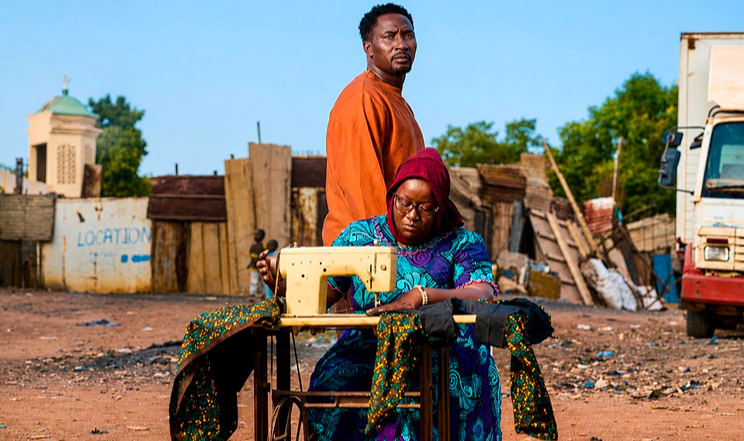
Pour les praticiens et les organisations culturels et créatifs opérant en Afrique australe, l’accès au financement reste un défi majeur. La pandémie de COVID-19 a également eu un impact massif sur les politiques gouvernementales, les dépenses et l’économie en général, et a vu les dépenses consacrées à la culture reléguées plus bas dans la liste des priorités. De plus, les industries culturelles et créatives citent régulièrement quatre domaines principaux où l’investissement est nécessaire pour la croissance : une visibilité accrue, la mobilité incluant l’accès à de nouveaux marchés, le financement et les structures de soutien.

Music In Africa Live

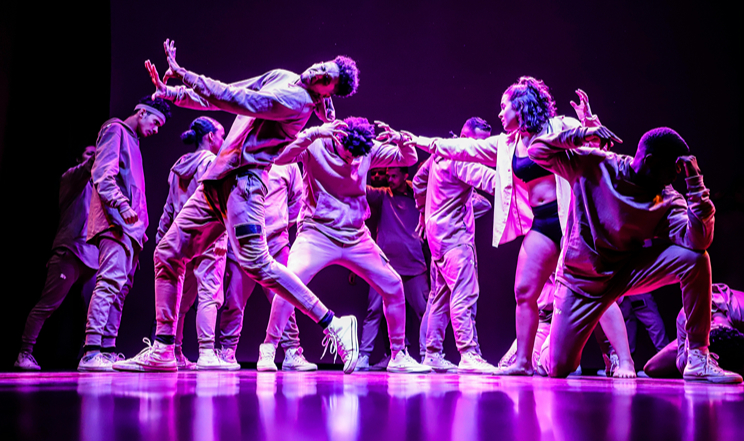
MUSIC IN AFRICA LIVE Lancé en 2020 pour une durée de 3 ans, Music In Africa Live est une initiative visant à soutenir l'écosystème de la musique africaine face aux contraintes imposées par la pandémie de COVID-19 ; le projet a été lancé par la Fondation Music In Africa (MIAF) en partenariat avec le ministère fédéral allemand des Affaires étrangères, Siemens Stiftung et le Goethe Institut. Plus de 30 aides sont disponibles dans le cadre de la troisième édition de Music In Africa Live, dans 3 catégories :  showcases, renforcement des compétences et plaidoyer, en conformité avec les modalités énoncées.

Instrument Building And Repair Project

The overarching objective of Music In Africa Foundation’s Instrument Building and Repair (IBR) project is to encourage the formalisation and professionalisation of instrument-making and repair in Africa, especially in relation to indigenous African instruments. Background In 2014, the Music In Africa Foundation (MIAF) identified as one of its focus areas for development the need to encourage young people from music and music-related sectors to consider instrument-making as a career. This need extended itself from the recognition that the making of traditional African instruments is not a widely practiced skill and seems to be limited to the older generation. Traditional African instrument makers are also few and far between, making communication and logistics between teachers and learners an obstacle. When instrument building workshops take place, budgetary constraints do not allow teachers or learners the time to explore the finer details of an instrument. Based on these observations, the MIAF designed and piloted the first IBR workshop at the Dhow Countries Music Academy (DCMA) in Zanzibar in February 2015. In 2016, the foundation received funding from the South African National Lotteries Commission to implement a much bigger version of the project in Johannesburg. The project drew participants from five African countries. 25 students from South Africa, Ghana, Senegal, Kenya and Ethiopia were trained on how to build and repair musical instruments. The instruments that they made were: Traditional Instruments: Umakhweyana and Marimba Conventional Instrument: Dulcimer guitar The workshop culminated in a traditional instruments concert at the Wits Theatre in Johannesburg. It is the MIAF’s aim to roll out similar workshops in as many African countries as possible over the next few years. Objectives Developing awareness of musical instrument makers in Africa with a view to promote their work to a wider global audience. Facilitating the sharing and transfer of skills in indigenous instruments between countries on the continent. Encouraging the formalisation and professionalisation of instrument-making and repair in Africa, especially in relation to indigenous instruments. Helping instrument makers develop their careers. Fostering the rapid monetisation and sustainable development of instrument-making and repair in Africa. Promoting constant exchange of ideas, expertise, experiences and know-how among instrument makers in Africa. Facilitating the identification of existing gaps in the field with a view to contribute new solutions. Facilitating the transfer of knowledge and skills of indigenous instruments between younger and older generations. 2020 edition The MIAF has also announced that multi-instrumentalist and instrument maker Joe Makhanza will facilitate one of the workshops on the building of the kamale ngoni instrument. Kamale ngoni is a kora-like, stringed instrument that originated in West Africa. The instrument contributed to the rise of Wassoulou music in the 1970s and 1990s. Makhanza was born in Giyani in South Africa's Limpopo province. He completed a bachelor of music degree and a post-graduate diploma in arts marketing from Wits University. He is currently completing his masters in ethnomusicology and is a part-time lecturer in African music studies at Rhodes University. He plays the kora, mbira, valiha, masenqo, xiwewe, ngoni ba and xizambi, among others. He also manufactures the aforementioned instruments. The MIAF will confirm more trainers who will join the workshops as well as the other instruments that will be featured in the 2020 IBR programme.  Apply to participate here. Connect with us on Twitter, Instagram and Facebook, and subscribe to our monthly newsletter. The Music In Africa Instrument Building and Repair project is funded by the National Lotteries Commission. It is implemented in partnership with Siemens Stiftung, Goethe-Institut, Wits Theatre and Kaya FM.

Overviews

Le twarab aux Comores, un patrimoine oublié

21 Juin 2022 - 15:27

cc-img flag-img

Par Ali Ahmed Mahamoud

La culture des Comores partage historiquement une relation forte avec la culture swahilie de la cote est-africaine. Plus de 1000 ans d’histoires orales, écrites, d’archives archéologiques documentent cette période et ses liens.

Le twarab à l’occasion d’un mariage à Moroni, aux Comores. (Photo) : Ali Ahmed Mahamoud.

La genèse du twarab

Une chose est sûre et les heures passées à échanger avec Moussa Said (professeur d’Histoire et Civilisation des Comores à l’Université des Comores) sur la musique comorienne le confirment, le twarab fait son apparition au 19e siècle au Comores. Toutefois, et ce pendant très longtemps, ce genre musical importé de Zanzibar et d’Egypte sera une musique de salon qui se jouera dans l’intimité.

Selon Werner Graebner (professeur allemand), les premières notes de twarab font leur apparition en 1945 dans le village de Ntsaoueni où un groupe d’un village voisin sont venus se produire. Le groupe était composé d’un violoniste et d’un joueur de Ngoma (tambour local), un jeune de 13 ans de la localité fut tellement impressionné qu’il s’est lancé dans la fabrication d’un instrument similaire avec des cordes faites en fibre de coco. Les années qui suivirent furent marquées par des prestations dans des mariages après un premier concert en 1948.

Mohamed Hassan, considéré comme l’un des plus grands auteurs-interprète, multi-instrumentiste de Twarab aux Comores, se produisait tous les samedis et lors de mariage pour s’exercer. Il jouait des morceaux swahilis du groupe de Siti Bint Saad et de Bakar Abedi de Zanzibar dans un premier temps puis par la suite des chansons des grands-maîtres de la musique Arabe Mohamed Abdul Wahab, Farid El Atrache et Umm Kouthoum.

« On est en 1950, tous les concerts se font en swahili ou en arabe, mais en 1962 quand je chante pour la première fois en shingazidja, les gens venaient des quatre coins de l’île pour attester que je chantais vraiment en shingazidja. C’était une surprise pour eux d’entendre du twarab chanté en comorien », explique Mohamed Hassan.

Ces propos de Mohamed Hassan recueillis en 1998 par Werner Graebner témoignent des premiers soubresauts du twarab aux Comores. Lorsqu’il découvre le twarab, Mohamed hassan n’avait que 13 ans, cette rencontre marquera à jamais la carrière et le destin d’un des meilleurs auteurs interprètes des Comores. Ses compositions rythmeront notre enfance et marqueront les premières incursions du twarab dans l’imaginaire collectif pour en faire une musique populaire.

Introduite dans les premières décennies du 20e siècle notamment par Abddallah Cheikh Mohamed qui décide de rentrer à Moroni, la capitale comorienne en 1912, ce nouveau style, qui s’installe progressivement jusqu’en 1920, est communément appelé Fidrilia en Shingazidja issu de son équivalent swahili fidla qui veut dire violon. Abdallah Cheikh Mohamed crée le premier groupe de twarab Marin band avec Salim Ben Hilal, entre 1918 et 1919 un autre Kilabu (club) est créé nommé Arnuti et un troisième Sipori en 1927, bien d’autres suivront entre 1920 et 1930 selon les recherches menées par Werner Graebner.

Mais il faut remonter en 1928 et se tourner vers Said Seleman « Mdjipviza » de Ntsoudini qui prône le retour de Mohamed Ali Mgongo de Zanzibar ce dernier muni de son violon va créer le premier groupe de twarab de Ntsoudjni et formera les premiers musiciens de Moroni et Ntsaoueni parmi lesquels on note Maabadi Mze, Said Seleman Mdjipviza, Mohamed Hassan, Darwesh Kassim, ou encore Mze Abdhallah Hadj, soit les plus grands noms de la première génération de twarab des Comores.

À l’époque, le Twarab se joue dans le salon de la maison nuptiale généralement le vendredi comme le rapporte également Moussa Said. Il réunit les parents et amis proches, soit une trentaine de personnes tout au plus.

Bien que très actif, l’ensemble de ces groupes n’enregistrent que très peu et n’ont même pas de démarche commerciale. La plupart se produisent lors des mariages et ne le font que par plaisir. Ils se sont appropriés la panoplie des instruments d’époque, « Ud, msondo ya mapvadjani (percussions), clay dumback local, tari (petit tambour) ou le duf (tambourin).

Succès et disparition du twarab

Il faudra attendre le début des années 60 qui correspondent à l’autonomie interne des Comores vis-à-vis de la France et sous l’impulsion de Said Mohamed Cheikh, président de l’autonomie Interne, qui poussera les musiciens à chanter en Shingazidja pour entendre du twarab en comorien.

Ce qu’ils feront au-delà de ses espérances puisque les mêmes musiciens vont écrire des chansons pour l’indépendance et iront même jusqu’à écorner l’image du président Cheikh, qu’ils estiment autoritaire et,par la même occasion sortir des sentiers battus de l’amour, principale source d’inspiration du twarab.

C’est de là que viendront les différents courants du twarab, notamment à Moroni avec l’unique orchestre de l’époque « Jeunesse de Moroni » en 1968. Il donne naissance à ASMUMO (Association Musicale de Moroni) et Aouladil Comores. Ces deux orchestres symbolisent l’importance des chants politiques comme il est de tradition aux Comores, mais la subtilité vient du fait que ces chants politiques sont transposés dans le twarab.

Ainsi ASMUMO est affilié au parti vert et AOULADIL COMORES au parti blanc, mais au-delà de ces affiliations politiques, c’est l’idéologie qui a primé.

Pendant qu’AOULADIL COMORES se contente de traduire les standards zanzibarite ou egyptiens à l’instar de Nassor Saleh avec les titres mythiques qui ont marqué notre jeunesse Vedeti, Nioshi (abeille) et Nuni (oiseau) qui ne sont que des transpositions de succès du twarab tanzanien.

L’Orchestre rival ASMUMO enchaîneles titres nationalistes qui revendiquent l’indépendance au grand dam du président Cheikh partisan de l’autonomie interne. On découvre ainsi les titres emblématiques comme « Ougoina » de Moindjie Tabibou Mbaroukou ou « Moidzani outembeyayo » de Mohamed Himidi.

Mais cela ne se limite pas à des joutes musicales politiques. Cette période accouchera de titres qui ont marqué les esprits comme “Mwana wa Baraka” ou “Ya Hali” de Youssouf Abdoulhalik tous issus d’ASMUMO et qui témoignent d’une richesse musicale qui s’est étiolée au fil des ans et des mutations sociales qui interviendront dès les années 70 avec le mouvement des « Ma Boto » (chemises ceintrées, pattes d’éléphants, chaussures compensées, coiffure Afro) et l’arrivée du Mshago. Certains décrivent ce genre musical comme un dérivé du twarab ou le définissent comme twarab moderne au grand dam de Moussa Said Ahmed et de nombreux puristes.

Depuis cette période jusqu’à l’avènement de Studio 1 dans les années 90, le twarab tend à disparaître même dans les mariages sur la place publique. Toutefois, avec l’arrivée du premier Studio d’enregistrement des Comores en 1988 et label qu’est Studio 1, on observe une nouvelle vague de twarab moderne incarné par Moussa Youssouf, Ardy, Ali Mohamed Toibibou ou encore Farid Youssouf et bien d’autres sous le regard réprobateur des puristes qui voit d’un mauvais œil ces interprétations électriques loin des standards du genre.

Ainsi les albums de Salim Ali Amir de plus en plus orienté vers le twarab sont comme un retour aux sources au même titre que l’orchestre Comores Star Twarab emmené par le défunt Nassor Saleh qui signera de nombreux tubes encore bien ancrés dans l’imaginaire collectif.

Les nostalgiques du genre apprécieront le retour aux sources avec l’usage du violon et du gambussi lors des prestations de l’orchestre durant ce retour en grâce marqué aussi par les reprises de la jeune génération à l’instar de Dadispolim qui reprendra des standars du twarab comorien tel que « Mwandzani » de Mohamed Bakhressa célébre auteur-compositeur comorien originaire de Dar Es Salam, en en faisant une balade R&B aux forts relents twarab que ne renierait pas le chanteur américain John Legend.

Ressources :

[1] Fitina de Mohamed Hassan : https://www.youtube.com/watch?v=jGMIK7ykG5s
[2] Radjadji Boto de Moussa Said Ahmed, Éditions bilingue, https://halldulivre.com/livre/9782370970220-radjadji-boto-comedie-satirique-en-trois-actes-sur-la-mode-dite-uboto-aux-comores-1970-1975-moussa-said-ahmed/
[3] Mahaba Massikiniyano : https://www.youtube.com/watch?v=vTyUfvlI_Oo
[4] Reprise de standards Twarab des années 60 sur l’album Namwayele https://www.youtube.com/watch?v=y0CEFz0Ho68
[5] Mwandzani de Mohamed Bakhressa interprété par Dadiposlim : https://www.youtube.com/watch?v=ewc_sbqDacw

Avertissement/Clause de non-responsabilité

Les aperçus de Music In Africa fournissent des informations générales sur les scènes de musique dans les pays africains. Music In Africa comprend que l'information contenue dans certains de ces textes pourrait devenir dépassée avec le temps. Si vous souhaitez fournir des informations plus récentes ou des corrections à l'un de nos textes, veuillez nous contacter sur [email protected]

Édité par Walter Badibanga

Please se connecter to post a comment.

Most popular

Disclaimer: Music In Africa provides a platform for musicians and contributors to embed music and videos solely for promotional purposes. If any track or video embedded on this platform violates any copyrights please inform us immediately and we will take it down. Please read our Terms of Use for more.

newsletter banner

Abonnez-vous à notre newsletter

Retrouvez-nous sur les réseaux sociaux