
















NEFCISA
NEFCISA

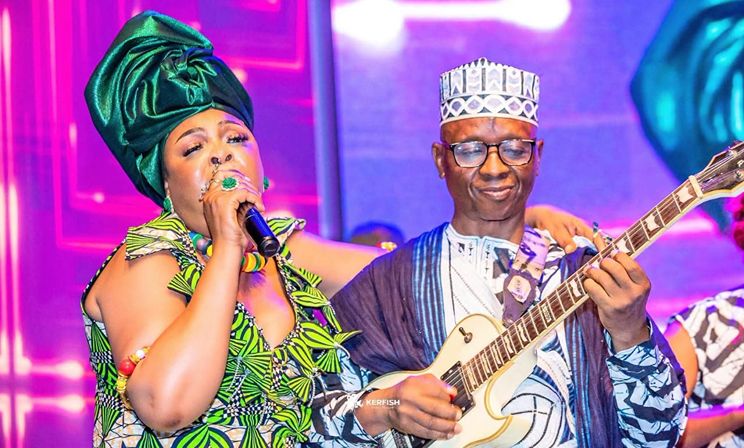
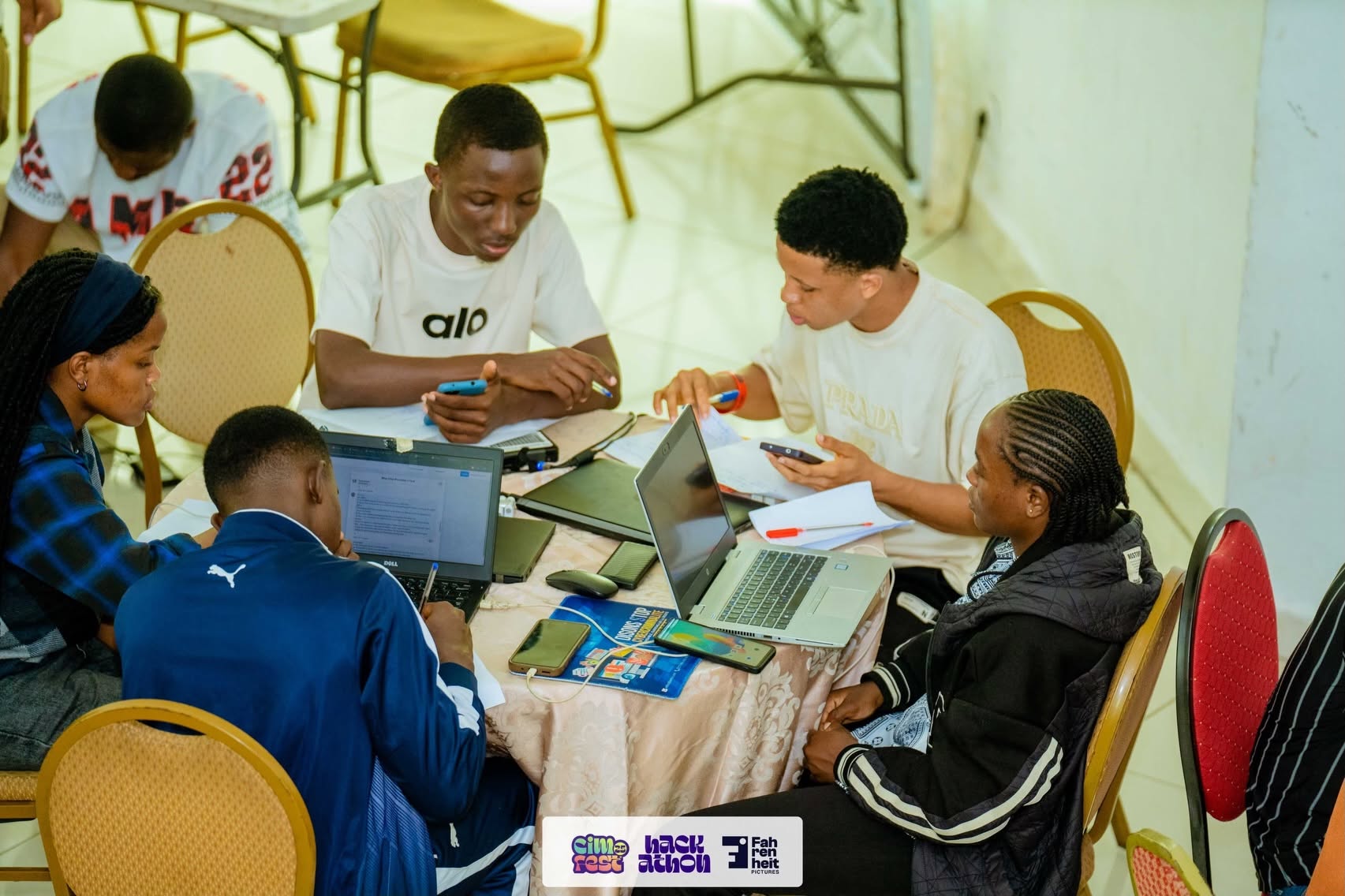
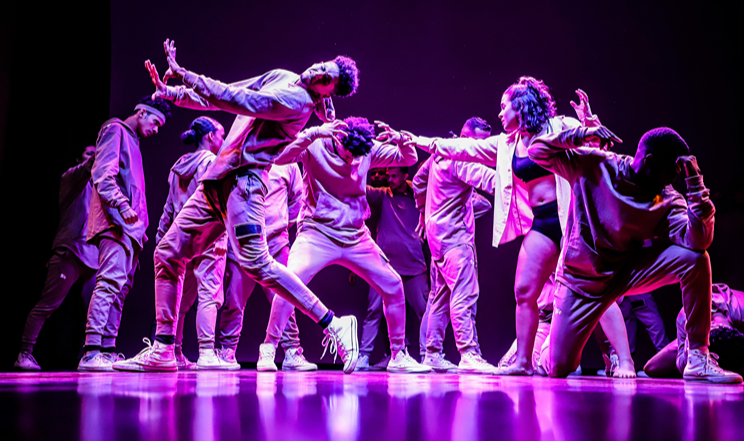
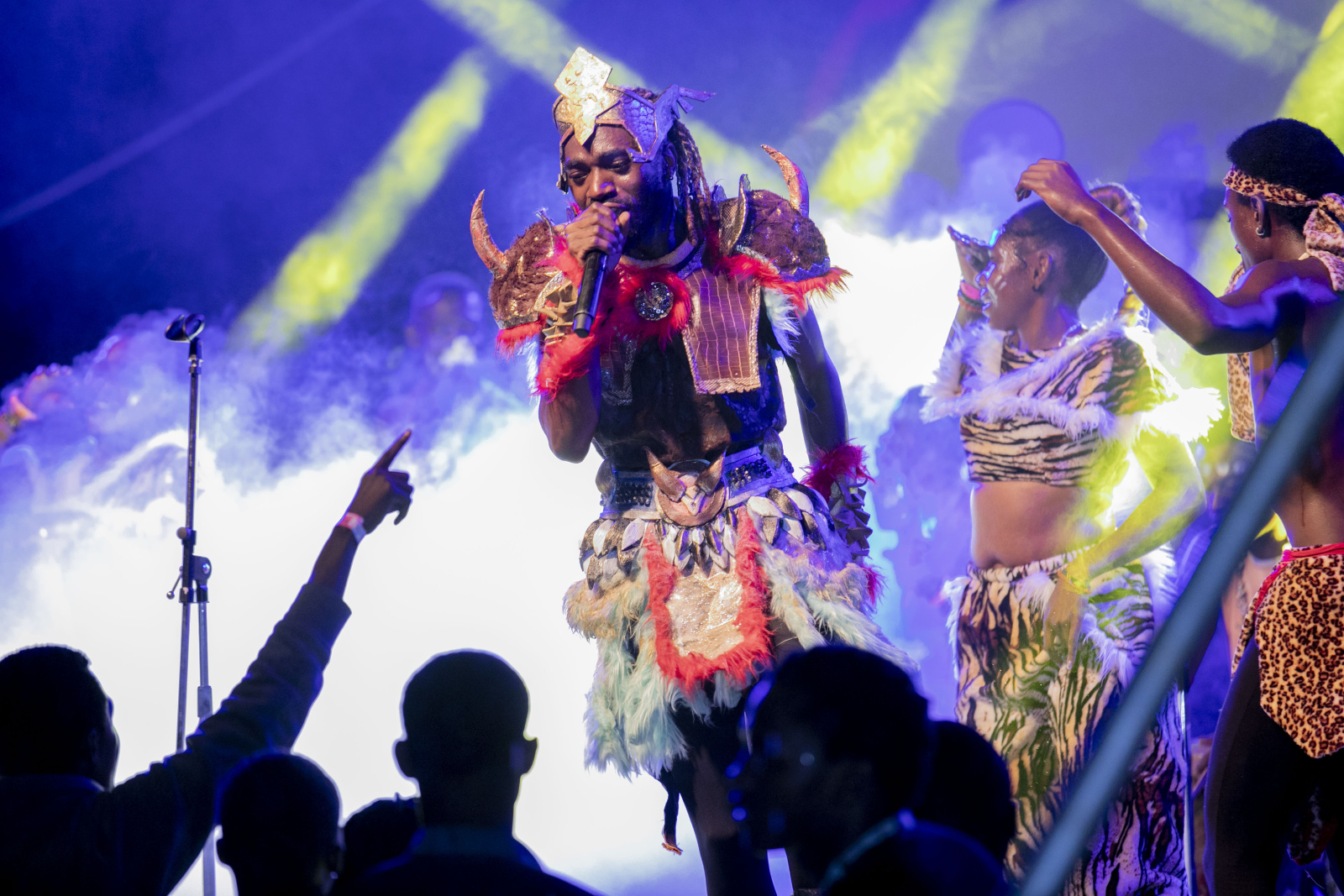
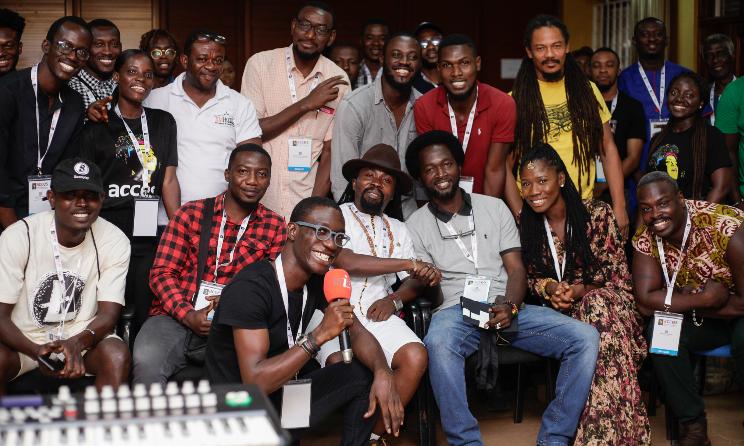
The Music In Africa Foundation (MIAF) is proud to announce its partnership with the Industrial Development Corporation (IDC) as a Strategic Implementing Partner (SIP) for its Social Employment Fund (SEF). Through this collaboration, MIAF is launching a new national programme designed to create jobs, address skills gaps, and strengthen South Africa’s creative industries — in line with the SEF’s overarching goal to generate work for the common good and build community value through employment, social contribution, and inclusive economic participation. Operating under the banner NEFCISA (National Employment Facility for Creative Industries in South Africa), the initiative will recruit and train participants, match them with host organisations, and place a minimum of 1 000 workers across the country. Key Objectives: Support employment and entrepreneurship in the creative industries. Offer skills development and training programmes. Foster partnerships between public and private creative sectors. Promote South African creativity at both provincial and national levels Foster community development through social contribution.

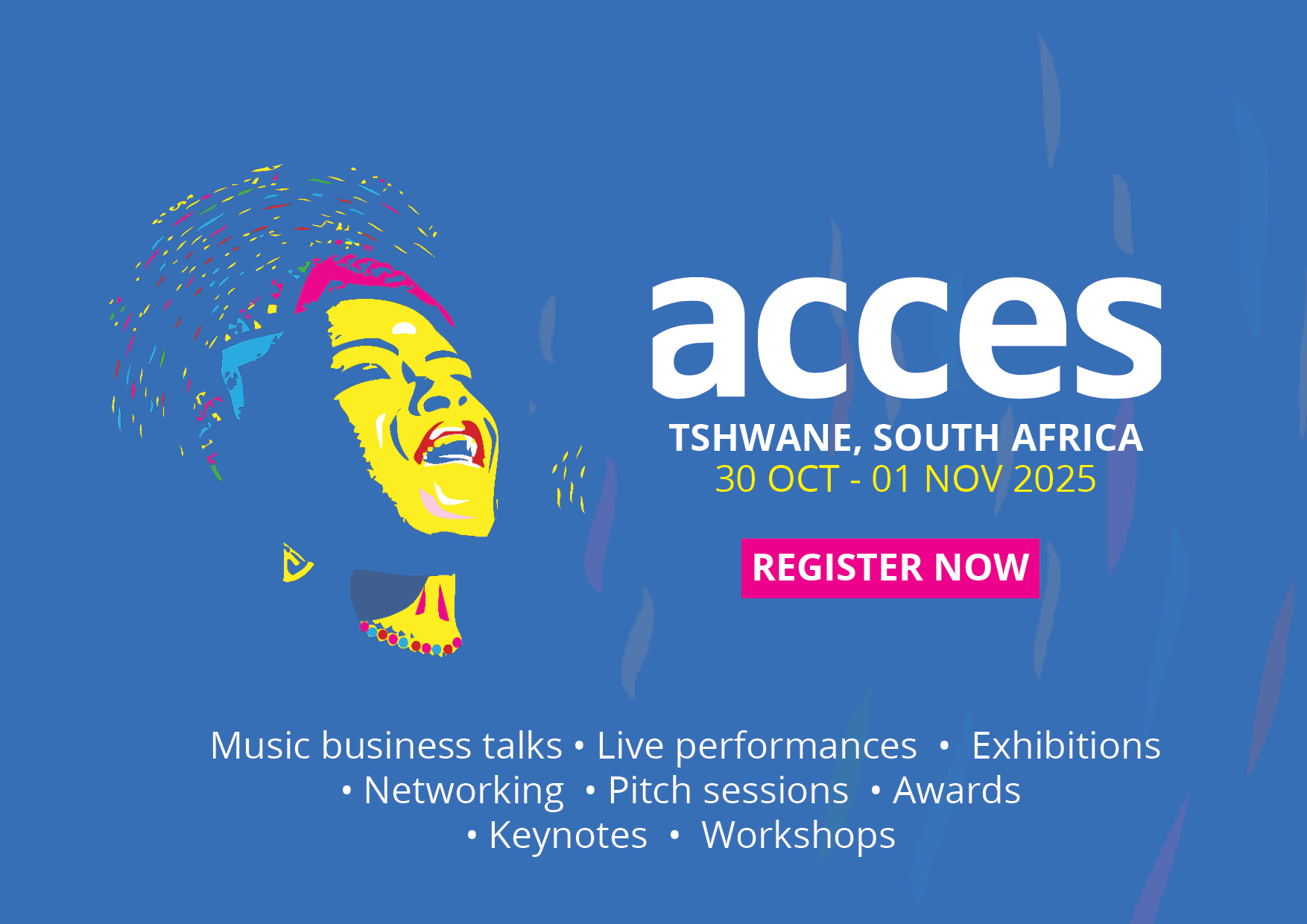
ACCES
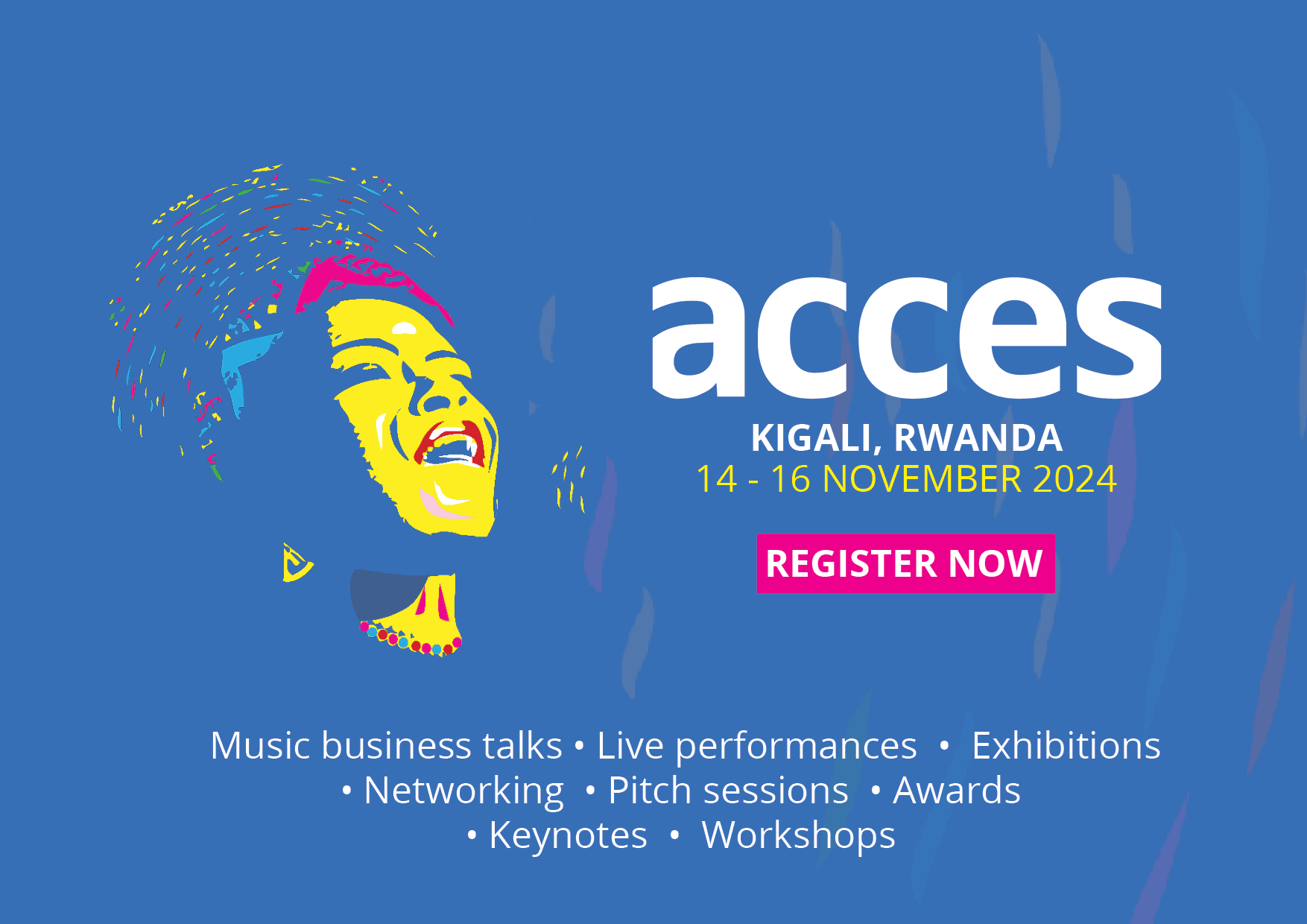
ACCES

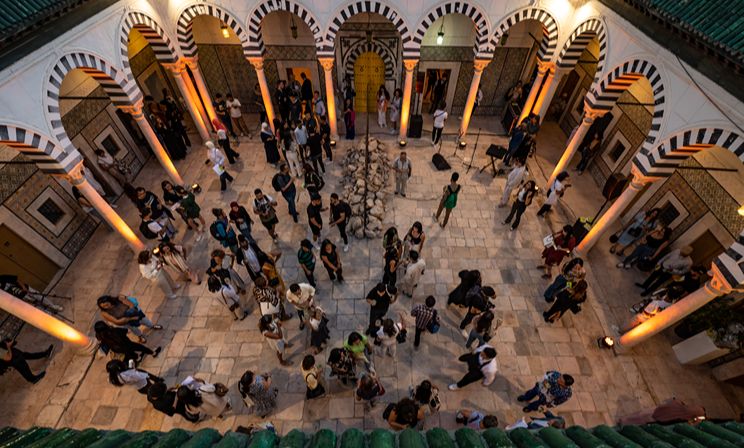
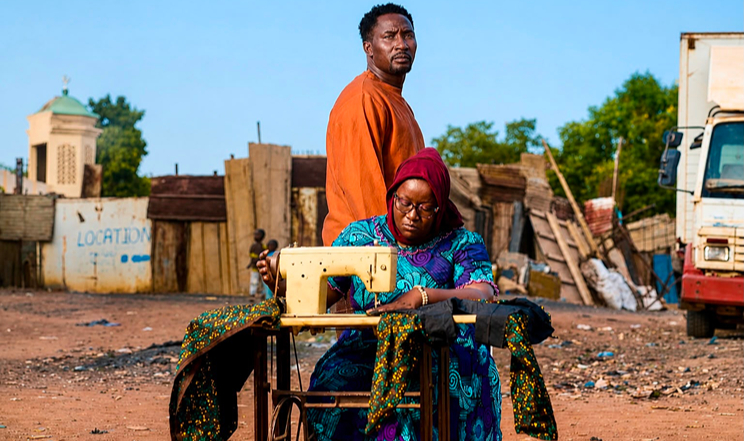
Chaque année, nous fournissons des informations générales afin de guider les participants dans la préparation de leur voyage. En plus de ce site, des mises à jour importantes seront envoyées par e-mail à tous les délégués inscrits. Assurez-vous de vous inscrire dès que possible. Pour plus d'informations, veuillez contacter [email protected] Continuez à consulter cette page pour plus d'information.  

Gender@Work
Gender@Work

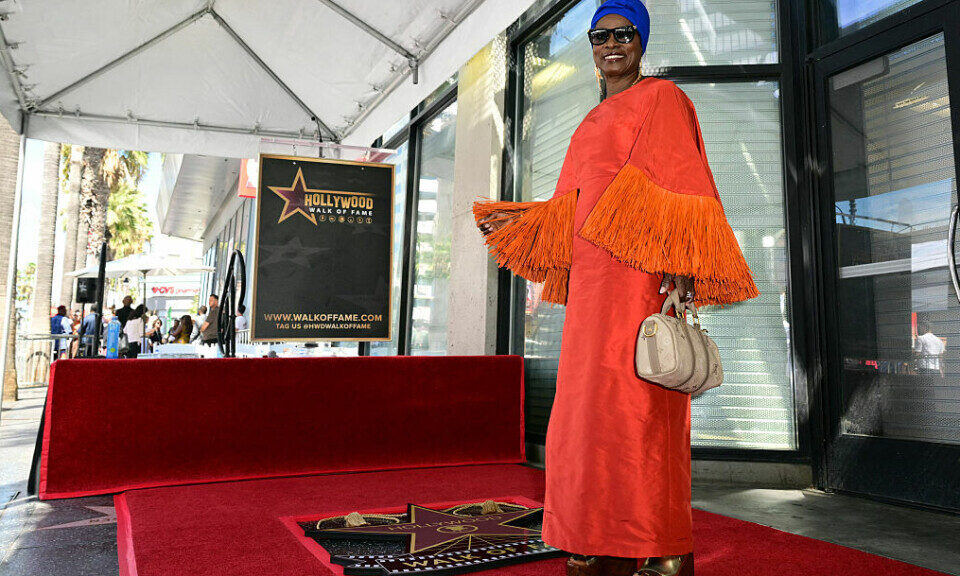
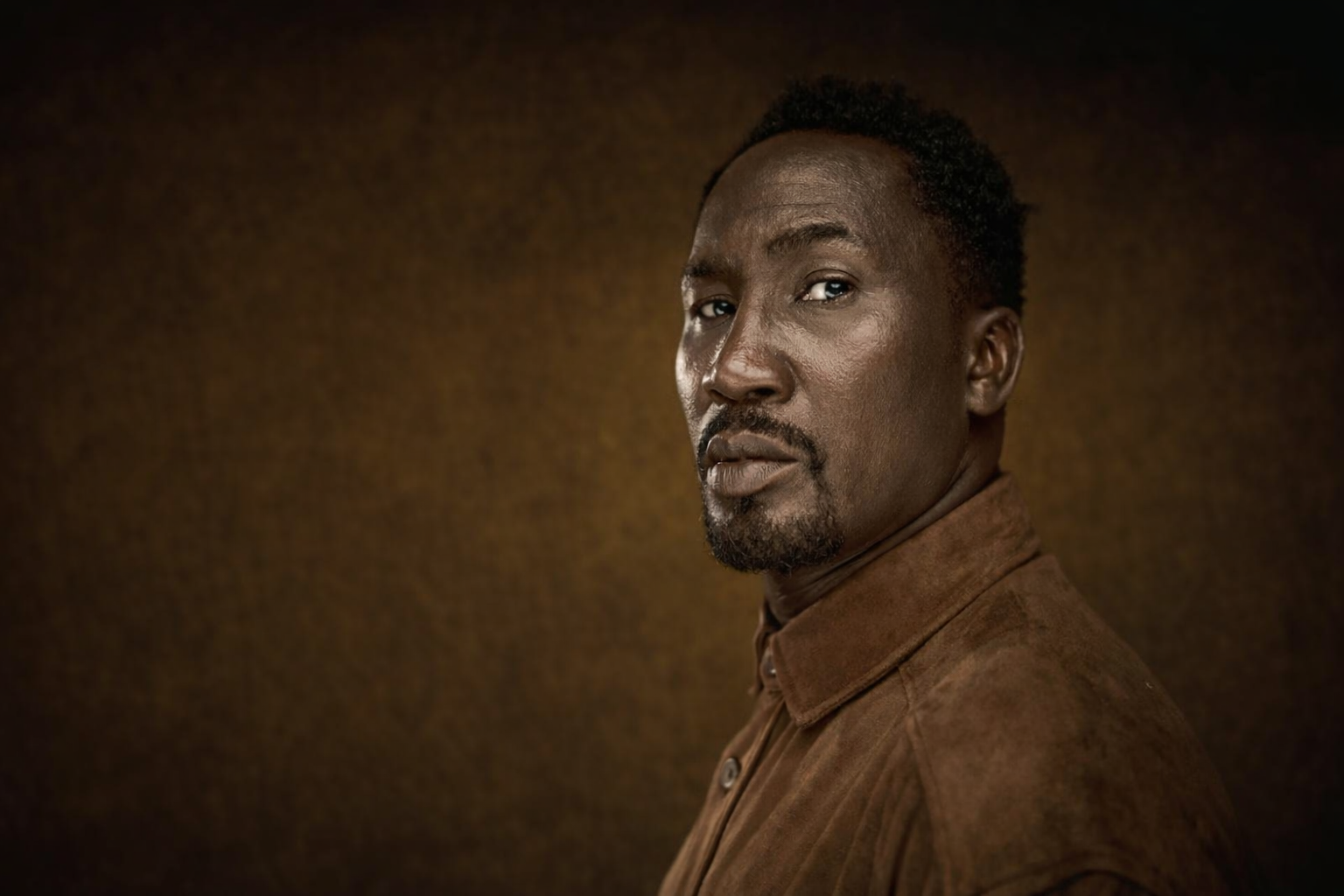
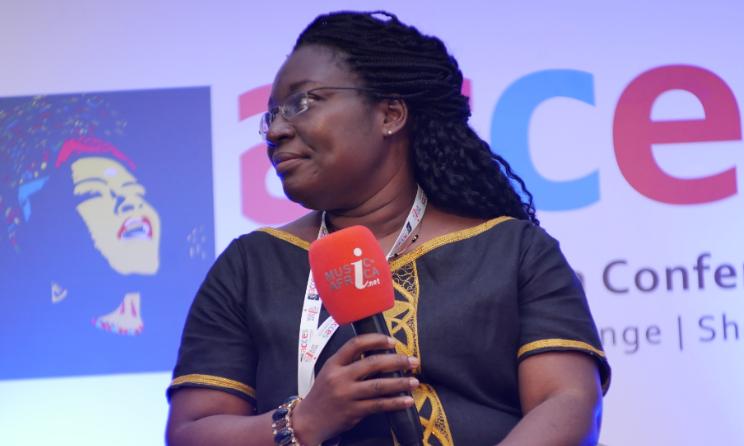
Music In Africa Gender @ Work is a three-year training programme aimed at upskilling and increasing the participation of female professionals in the African music sector. Launched by the Music In Africa Foundation (MIAF) in April 2019, the programme is connected to the MIAF’s ACCES music conference – a pan-African event held in a different African country every year. This connection enables the programme to reach new participants in a different African country every year. The programme marks the beginning of a more concerted effort by the Foundation to support the participation and inclusion of women in all facets of its programmes and the music sector in Africa as a whole. Over the three years, the programme will aim to address gender imbalances in the sector through training, lobbying, facilitating knowledge exchange and dialogues that foster the interest of women. The broader objectives of the programme are to: Provide industry training for women on critical music industry skills, focusing on: Stage management Electronic music production and recording Music business management Technical knowledge Provide an opportunity for both professional and aspiring women to benefit from the Music In Africa network and its broad range of activities in 2019, 2020 and 2021. Provide a solution-based platform in the form of a round table at ACCES with a view to identify challenges, discuss opportunities and lobby for the interests of female practitioners. Offer participants the opportunity to benefit from programmes offered by MIAF’s partners. Increase access to educational materials. Integrate participants in the broader ACCES programme to maximise experience and exposure to the industry. Record and present training materials on the www.musicinafrica.net, including but not limited to tutorials, templates and other best-practice materials. Communicate women-based themes that support the initiatives and messages of the programme. MAIN TRAINING ACTIVITIES Training in first country (Ghana): In the first year, participants will be trained on all aspects of stage management by a team of experienced stage managers from 10 to 17 November 2019. The programme will offer robust classroom training as well as practical, hands-on training in which participants will also be given the opportunity to manage various aspects of the ACCES performance programme. Training in second country: The second training iteration will take place at ACCES 2020 when the programme will diversify its course to include music production lessons and training on other music business topics. A round-table platform will also be introduced to coincide with the ACCES programme. Training in third country: The third training iteration will take place at ACCES 2021 in a different country, offering an advanced course. HOW DO YOU GET INVOLVED?  As a participant, facilitator or trainer: The programme enrolls up to 12 trainees every year. All opportunities are advertised publicly on this website, and will be added to this page. Please keep checking this page for new calls (below under UPDATES & CURRENT OPPORTUNITIES). As a partner Please contact Claire Metais at [email protected]. APPLY The call for applications for 2020 will be announced soon. The Music In Africa Gender @ Work programme is made possible with the support of the Prince Claus Fund, Siemens Stiftung and Goethe-Institut.

Sound Connects Fund
Sound Connects Fund

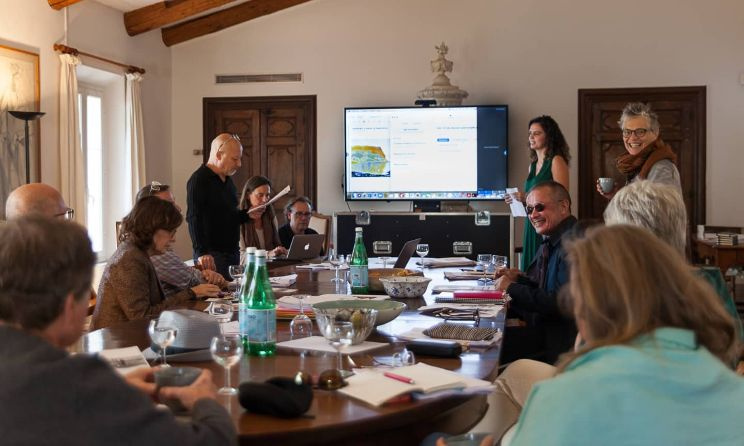
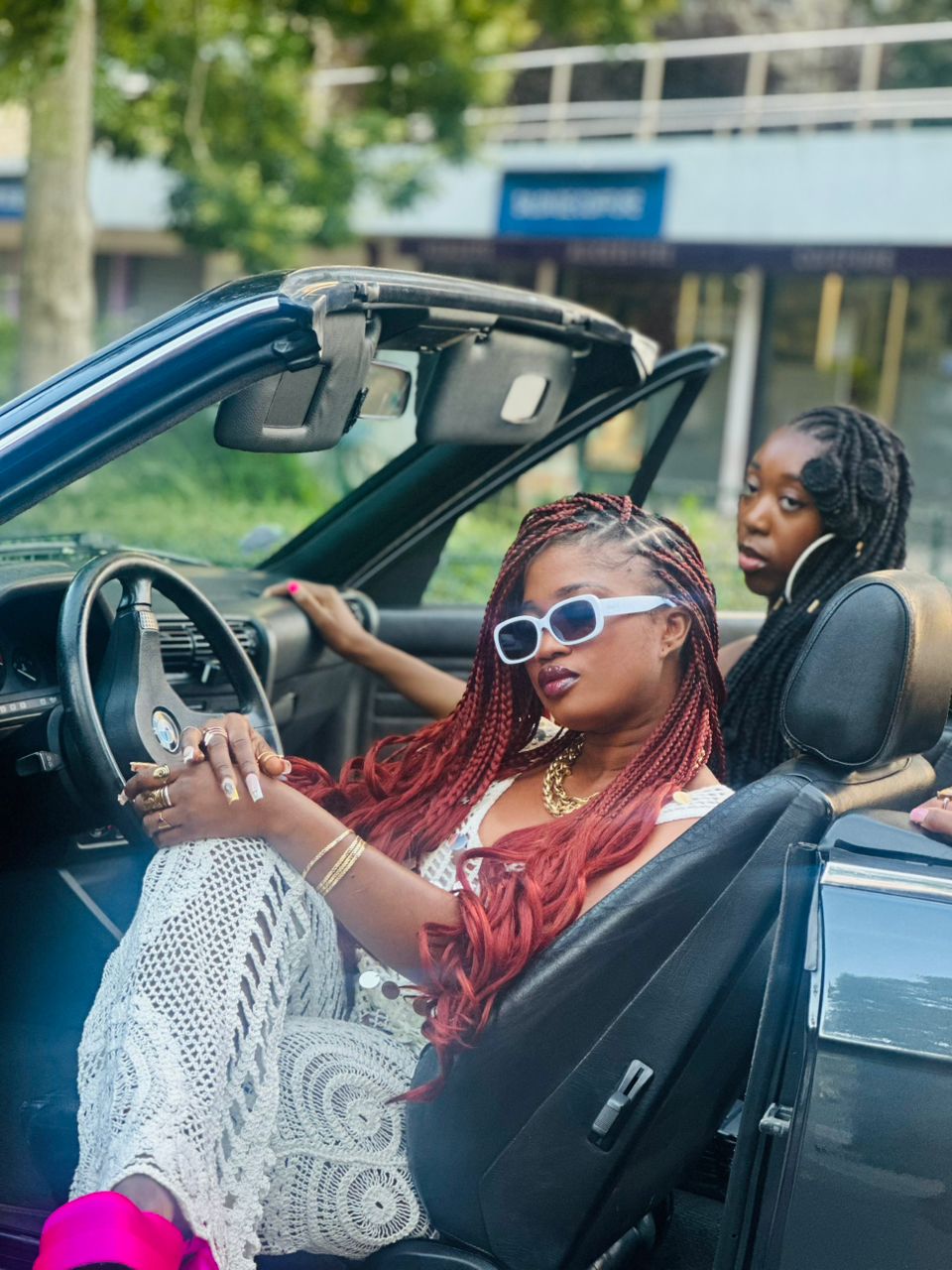
Pour les praticiens et les organisations culturels et créatifs opérant en Afrique australe, l’accès au financement reste un défi majeur. La pandémie de COVID-19 a également eu un impact massif sur les politiques gouvernementales, les dépenses et l’économie en général, et a vu les dépenses consacrées à la culture reléguées plus bas dans la liste des priorités. De plus, les industries culturelles et créatives citent régulièrement quatre domaines principaux où l’investissement est nécessaire pour la croissance : une visibilité accrue, la mobilité incluant l’accès à de nouveaux marchés, le financement et les structures de soutien.

Music In Africa Live

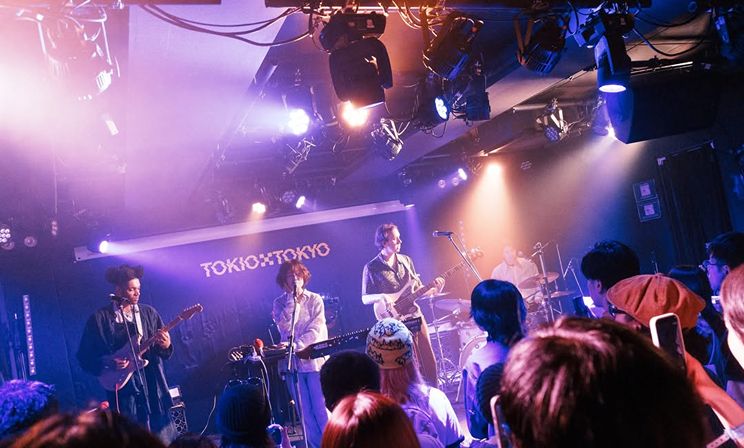
MUSIC IN AFRICA LIVE Lancé en 2020 pour une durée de 3 ans, Music In Africa Live est une initiative visant à soutenir l'écosystème de la musique africaine face aux contraintes imposées par la pandémie de COVID-19 ; le projet a été lancé par la Fondation Music In Africa (MIAF) en partenariat avec le ministère fédéral allemand des Affaires étrangères, Siemens Stiftung et le Goethe Institut. Plus de 30 aides sont disponibles dans le cadre de la troisième édition de Music In Africa Live, dans 3 catégories :  showcases, renforcement des compétences et plaidoyer, en conformité avec les modalités énoncées.

Instrument Building And Repair Project

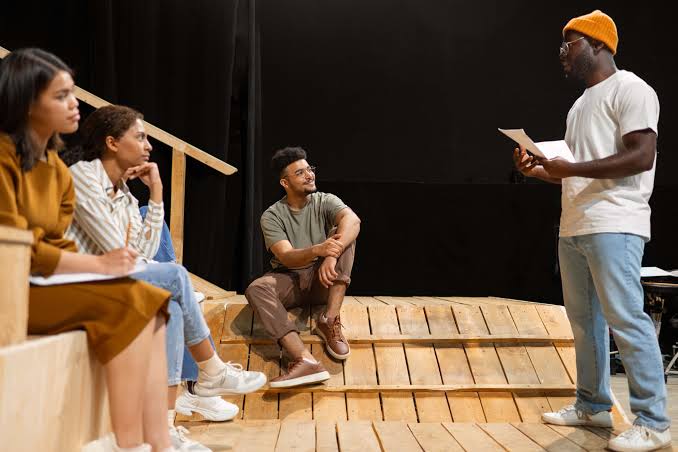
The overarching objective of Music In Africa Foundation’s Instrument Building and Repair (IBR) project is to encourage the formalisation and professionalisation of instrument-making and repair in Africa, especially in relation to indigenous African instruments. Background In 2014, the Music In Africa Foundation (MIAF) identified as one of its focus areas for development the need to encourage young people from music and music-related sectors to consider instrument-making as a career. This need extended itself from the recognition that the making of traditional African instruments is not a widely practiced skill and seems to be limited to the older generation. Traditional African instrument makers are also few and far between, making communication and logistics between teachers and learners an obstacle. When instrument building workshops take place, budgetary constraints do not allow teachers or learners the time to explore the finer details of an instrument. Based on these observations, the MIAF designed and piloted the first IBR workshop at the Dhow Countries Music Academy (DCMA) in Zanzibar in February 2015. In 2016, the foundation received funding from the South African National Lotteries Commission to implement a much bigger version of the project in Johannesburg. The project drew participants from five African countries. 25 students from South Africa, Ghana, Senegal, Kenya and Ethiopia were trained on how to build and repair musical instruments. The instruments that they made were: Traditional Instruments: Umakhweyana and Marimba Conventional Instrument: Dulcimer guitar The workshop culminated in a traditional instruments concert at the Wits Theatre in Johannesburg. It is the MIAF’s aim to roll out similar workshops in as many African countries as possible over the next few years. Objectives Developing awareness of musical instrument makers in Africa with a view to promote their work to a wider global audience. Facilitating the sharing and transfer of skills in indigenous instruments between countries on the continent. Encouraging the formalisation and professionalisation of instrument-making and repair in Africa, especially in relation to indigenous instruments. Helping instrument makers develop their careers. Fostering the rapid monetisation and sustainable development of instrument-making and repair in Africa. Promoting constant exchange of ideas, expertise, experiences and know-how among instrument makers in Africa. Facilitating the identification of existing gaps in the field with a view to contribute new solutions. Facilitating the transfer of knowledge and skills of indigenous instruments between younger and older generations. 2020 edition The MIAF has also announced that multi-instrumentalist and instrument maker Joe Makhanza will facilitate one of the workshops on the building of the kamale ngoni instrument. Kamale ngoni is a kora-like, stringed instrument that originated in West Africa. The instrument contributed to the rise of Wassoulou music in the 1970s and 1990s. Makhanza was born in Giyani in South Africa's Limpopo province. He completed a bachelor of music degree and a post-graduate diploma in arts marketing from Wits University. He is currently completing his masters in ethnomusicology and is a part-time lecturer in African music studies at Rhodes University. He plays the kora, mbira, valiha, masenqo, xiwewe, ngoni ba and xizambi, among others. He also manufactures the aforementioned instruments. The MIAF will confirm more trainers who will join the workshops as well as the other instruments that will be featured in the 2020 IBR programme.  Apply to participate here. Connect with us on Twitter, Instagram and Facebook, and subscribe to our monthly newsletter. The Music In Africa Instrument Building and Repair project is funded by the National Lotteries Commission. It is implemented in partnership with Siemens Stiftung, Goethe-Institut, Wits Theatre and Kaya FM.

Overviews

Les femmes dans la musique bissau-guinéenne

17 Août 2018 - 14:59

cc-img flag-img

Traditionnellement, les femmes sont peu présentes dans la musique de Guinée Bissau hormis dans quelques styles comme les rythmes tina, forme de sega de Guinée Bissau. 
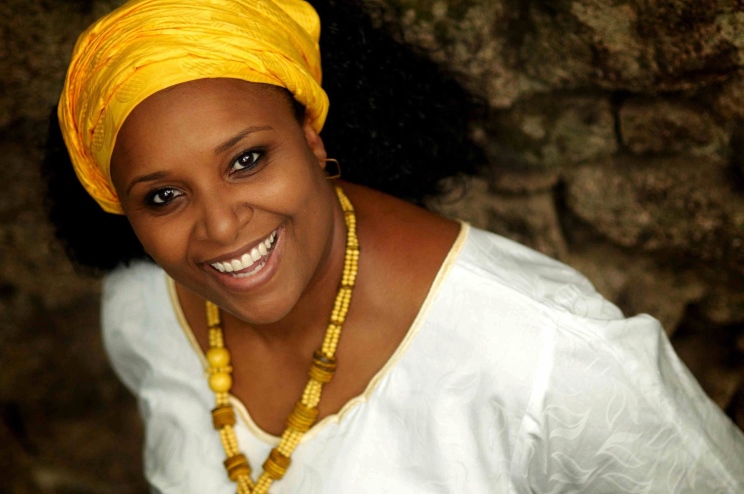
Eneida Marta (Photo) : eko.cat

Le « mandjuandade » : vecteur d’expression musical des femmes

Cette musique se joue avec l’instrument du même nom, récipient cylindrique rempli d’eau dans laquelle flotte une calebasse creuse tournée vers le bas, une musique régénérée par des manifestations comme le Carnaval qui a lieu chaque année en février.

Le Grupo Harmonia de Luanda, du nom d’un quartier de la capitale guinéenne, revalorise quant à lui une forme de batuque (rythme très cadencé interprété par les femmes qui chantent traditionnellement des complaintes dénonçant les problèmes conjugaux mais se mobilisent aujourd’hui pour la paix et la fin des conflits).

Les femmes guinéennes participent également activement aux « mandjuandades » féminines, organisations associatives formées sur une base volontaire et égalitaire et dans lesquelles la musique représente un vecteur essentiel d’expression...

Le groupe Netos de Bandim fondé en 2000 par Ector Diogenes Cassamá et réunissant des jeunes des quartiers défavorisés fait la promotion des musiques traditionnelles du pays, investit ses gains dans des projets éducatifs et participe à ce mouvement féministe qui tente de revaloriser l’image de la femme, « Fondamentalement le « mandjuandade» est un moyen pour les femmes d'exprimer leurs sentiments, explique le bloggeur Aly Silva, c'est une source de conseils, parce que quand le mari entend la chanson, il sait que les femmes racontent ce qui se passe à la maison. Aujourd'hui, il ne s'agit plus des relations dans le couple et elles n'utilisent plus des calebasses mais plutôt des tambours et des percussions pour accompagner leurs chants ».

Mais l’apparition en public, la valorisation par la musique du statut de la femme au sein de ces manifestations est encore aujourd’hui un challenge. « En dépit du caractère rassembleur et solidaire des « mandjuandades », il y a toujours des obstacles pour les femmes en Guinée-Bissau, explique Sara Moreira, animatrice du blog participatif Citizen Action. Elles sont mal vues quand elles participent à des actions de ce genre, leurs maris peuvent être jaloux. Et parfois, elles peuvent avoir un excès de travail à la maison qui ne leur laisse pas le temps de s'impliquer dans une dynamique associative ».

Dulce Neves : la pionnière

Chanteuse à ses débuts dans le groupe mythique Super Mama Djombo, Dulces Neves est l’une des rares artistes pionnières de Guinée Bissau et elle est devenue une icône pour la nouvelle génération. Issue d’une famille de musiciens, elle débute à l’âge de 16 ans dans le groupe fondé par Adrian Atchuchi dans les années 1970.

Formation militante dénonçant le colonialisme portugais, Super Mama Djombo chante en kriol, une synthèse entre le portugais et les langues locales, interdite sous le régime de Salazar. Marqué par le jazz et la musique cubaine, il modernise plusieurs rythmes du pays comme le goumbe, la musique mandingue et le kizomba, forme de zouk angolais. La voix juvénile et claire de Dulce Neves apporte alors une touche originale et totalement nouvelle sur la scène musicale nationale. Quand le groupe se sépare dans les années 1980, Dulce Neves entame une carrière solo et enregistre plusieurs albums dont Nha Destino. Ses titres phare sont « Queridi », « Ncana Cala », « Tavares ».

En 2002, elle dénonce dans un titre virulent la situation dramatique des femmes dont le mari entretient plusieurs maîtresses et abandonne de plus en plus souvent le domicile conjugal.

Alors que beaucoup de musiciens s’exilent au Portugal, Dulce Neves s’attache à rester au pays tout en menant une carrière internationale. Elle s’est notamment produite à Londres, Lisbonne, Sao Tomé et Principe et aux États-Unis en 2017 où la diaspora lui a rendu un vibrant hommage.

Une nouvelle génération de chanteuses

L’icône des indépendances a donc ouvert la voie à de nombreuses chanteuses qui commencent à s’imposer sur la scène nationale et internationale depuis les années 2000. Fille d’Aliu Bari, leader du groupe mythique Cobiana Jazz, Tchuma Bari est une des figures montantes de la nouvelle génération.

Influencée par les rythmes latinos et le zouk, elle propose des chansons d’amour et des chants patriotiques. Sortie de l’Ecole Nationale d’administration, révélée en 2012 par le titre «Nha Terra », elle est depuis 2014 ambassadrice de l’UNICEF pour la Guinée Bissau, se mobilise contre l’excision qui touche selon les sources officielles 50% des femmes du pays entre 15 et 49 ans. Elle a enregistré plusieurs clips dont « Meu Amor » en 2016 et « No Stress » en 2017.

Eneida Marta est née et a grandi en Guinée-Bissau, où, enfant, elle a été bercée par les musiques d’Afrique lusophone, (goumbé, kassoundé, semba, morna). Fille d’un chanteur d’origine angolaise, installée au Portugal, Eneida a commencé à chanter dans les mariages et les fêtes de circoncision. Elle a signé trois albums, Nô Stória (2001), Amari (2002) et Lope Kai (2006) en compagnie du compositeur Juca Delgado.

Née en Normandie mais originaire de Guinée-Bissau, Claire Gomis dite « Zalyka » est une chanteuse à la voix soul. Auteur, compositrice et interprète, elle a mûri son talent au sein de multiples chorales de gospel parisiennes dont Gospel pour 100 voix. Choriste de Liz McComb, Rhoda Scott, Gilbert Bécaud Michel Fugain et Carol Fredericks, elle signe en 2009 Follow your dreams, un album entre jazz, gospel, blues, folk et styles afro chanté en mandjak, sa langue natale. En 2017, elle sort un second album, Adoro viajar et se produit à Bissau en décembre de la même année. En 2018, elle est nommée « révélation de l’année » pour les Awards de la musique bissau-guinéenne organisés à Lisbonne.

Chanteuse, compositrice, journaliste de formation, Karyna Gomes est née d’un père bissau-guinéen et d’une mère capverdienne. Influencée par l’Afrique, le Brésil et l’Europe, elle fait ses débuts au Brésil au sein du groupe de Sao Paulo, Rejoicing Mass Choir. Invitée par Adriano Atchutchi à chanter au sein du Super Mama Djombo, elle signe en 2014 son premier album solo Mindjer, ode à la femme guinéenne, symbole de courage, de détermination et de force, qui lui vaut un show case au salon du Cap-Vert, Atlantic Music Expo. Elle s'est produite en 2017 au festival Saudi sa Busara de Zanzibar et en Pologne et vit aujourd’hui à Lisbonne.

Née en Guinée Bissau, installée à Lisbonne puis en France, influencé par le zouk, le goumbe, le rap, Monica Pereira sort en 2018 un album engagé aux couleurs jazz, zouk, mandingue et electropical, Mulher Do Sol. Assisté d’artistes prestigieux comme Toumani et Sidiki Diabaté ainsi que du sénégalais Abdoulaye Diabaté, pilier du Kora Jazz Band, elle y reprend des titres comme « Sodade» immortalisé par Cesaria Evora et « Il venait d’avoir 18 ans » de Dalida.

D’autres chanteuses tentent aujourd’hui d’émerger sur la scène nationale comme Tatiana et Nadia Nanqui, programmées à la dernière fête de la musique du Centre Culturel Français de Guinée Bissau. La relève est donc assurée...

Sources :

http://www.afrisson.com/Eneida-Marta-11337.html
http://www.afrisson.com/Zalyka-6191.html
//fr.globalvoices.org/2012/08/31/137872/
https://www.voaportugues.com/a/homenagem-dulce-neves-voz-doce-guine-bissau/4004005.html
http://www.plataformamacau.com/lusofonia/guine-bissau/guineense-tchuma-bari-embaixadora-contra-a-excisao-genital-feminina/
http://www.panapress.com/Le-mariage-a-perdu-sa-valeur-en-Guinee-Bissau,-selon-un-chanteur--13-589026-18-lang3-index.html
https://gindungo.org/pt/artistas/karyna-gomes/

Avertissement/Clause de non-responsabilité

Les aperçus de Music In Africa fournissent des informations générales sur les scènes de musique dans les pays africains. Music In Africa comprend que l'information contenue dans certains de ces textes pourrait devenir dépassée avec le temps. Si vous souhaitez fournir des informations plus récentes ou des corrections à l'un de nos textes, veuillez nous contacter sur [email protected].

Édité par Lamine BA

Please se connecter to post a comment.

Most popular

Disclaimer: Music In Africa provides a platform for musicians and contributors to embed music and videos solely for promotional purposes. If any track or video embedded on this platform violates any copyrights please inform us immediately and we will take it down. Please read our Terms of Use for more.

newsletter banner

Abonnez-vous à notre newsletter

Retrouvez-nous sur les réseaux sociaux