


















NEFCISA
NEFCISA

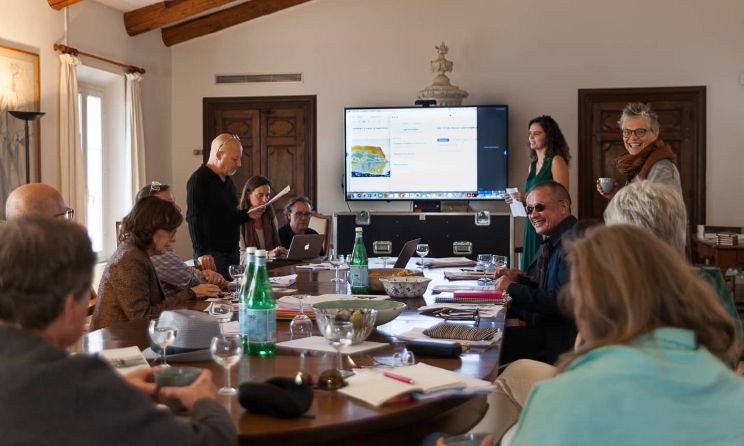
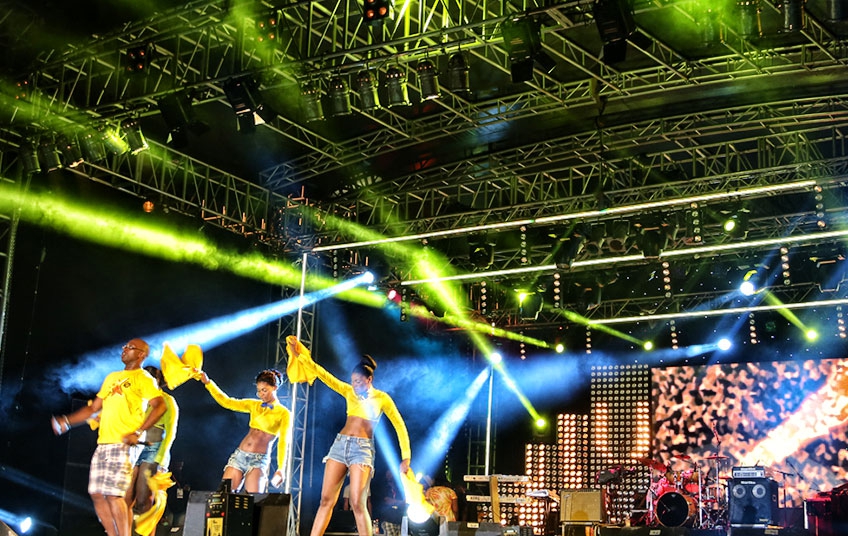
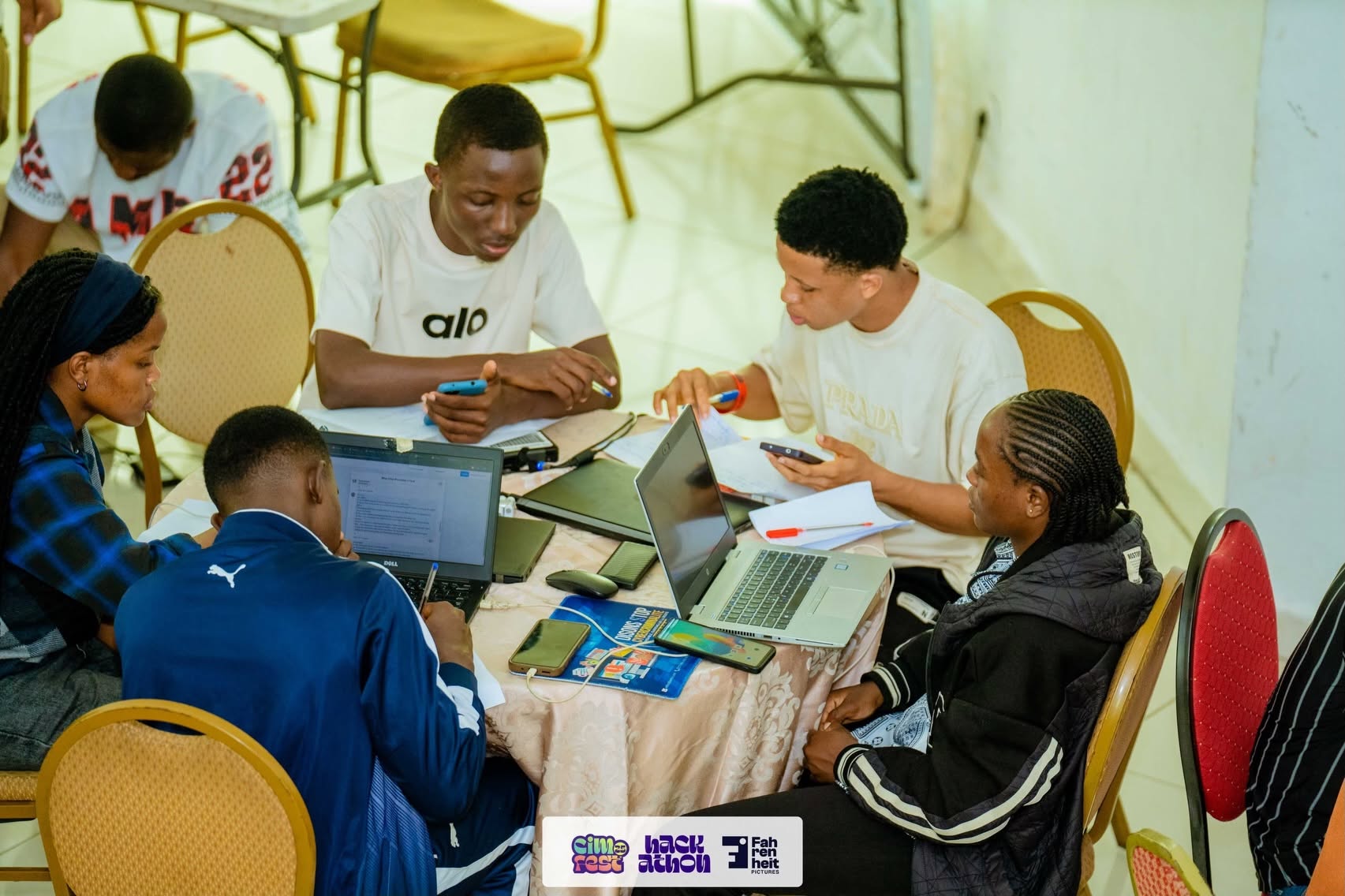
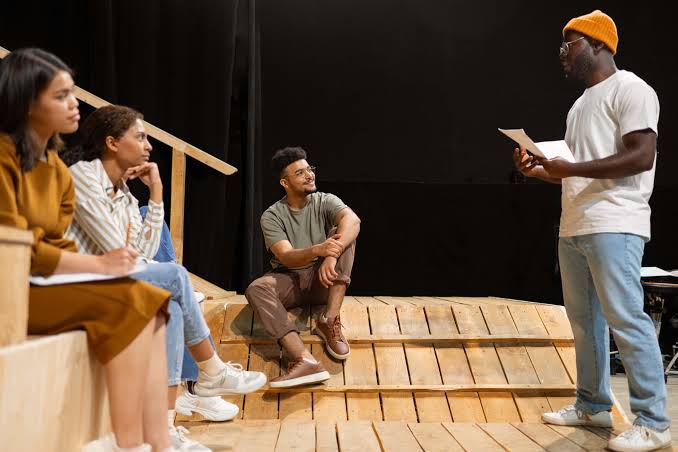
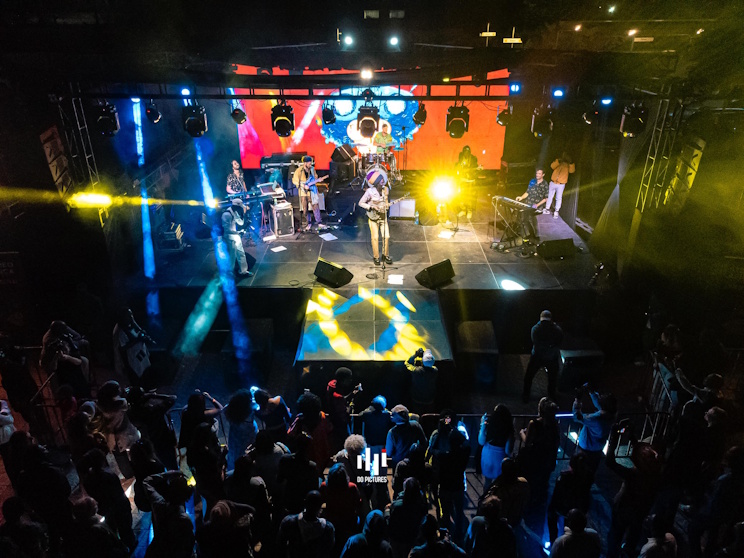
The Music In Africa Foundation (MIAF) is proud to announce its partnership with the Industrial Development Corporation (IDC) as a Strategic Implementing Partner (SIP) for its Social Employment Fund (SEF). Through this collaboration, MIAF is launching a new national programme designed to create jobs, address skills gaps, and strengthen South Africa’s creative industries — in line with the SEF’s overarching goal to generate work for the common good and build community value through employment, social contribution, and inclusive economic participation. Operating under the banner NEFCISA (National Employment Facility for Creative Industries in South Africa), the initiative will recruit and train participants, match them with host organisations, and place a minimum of 1 000 workers across the country. Key Objectives: Support employment and entrepreneurship in the creative industries. Offer skills development and training programmes. Foster partnerships between public and private creative sectors. Promote South African creativity at both provincial and national levels Foster community development through social contribution.

ACCES
ACCES

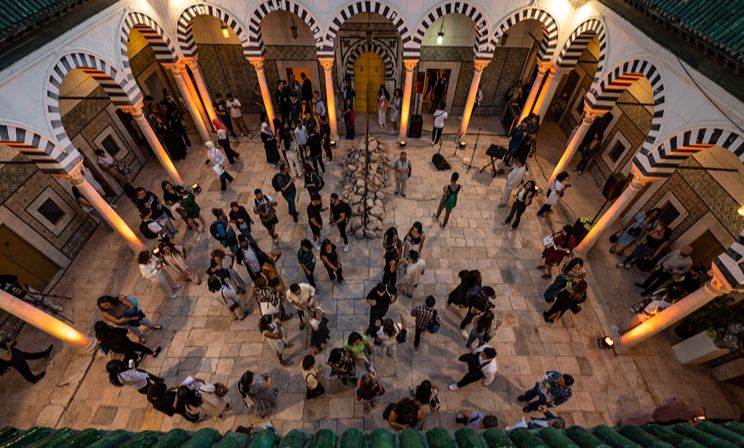
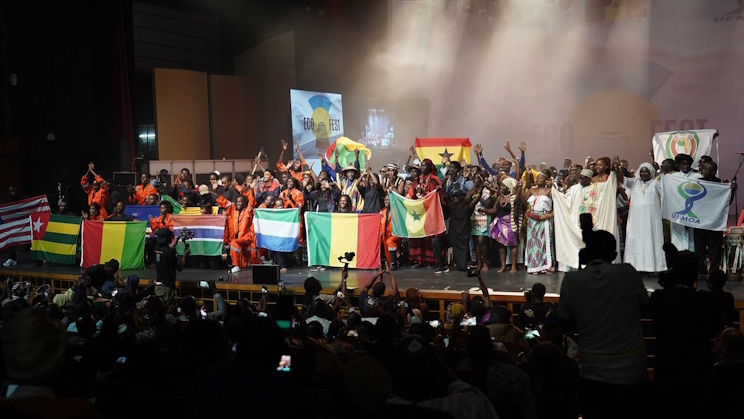
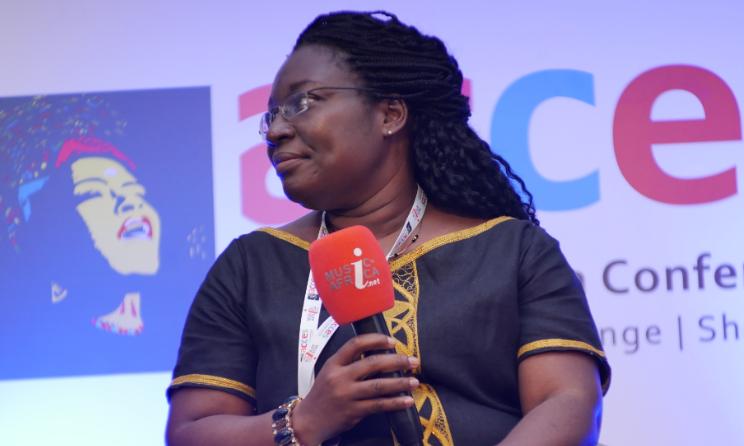
Chaque année, nous fournissons des informations générales afin de guider les participants dans la préparation de leur voyage. En plus de ce site, des mises à jour importantes seront envoyées par e-mail à tous les délégués inscrits. Assurez-vous de vous inscrire dès que possible. Pour plus d'informations, veuillez contacter [email protected] Continuez à consulter cette page pour plus d'information.  

Gender@Work
Gender@Work

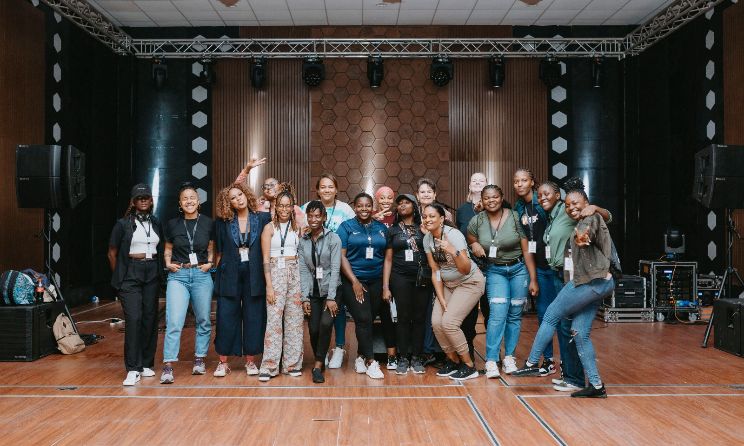
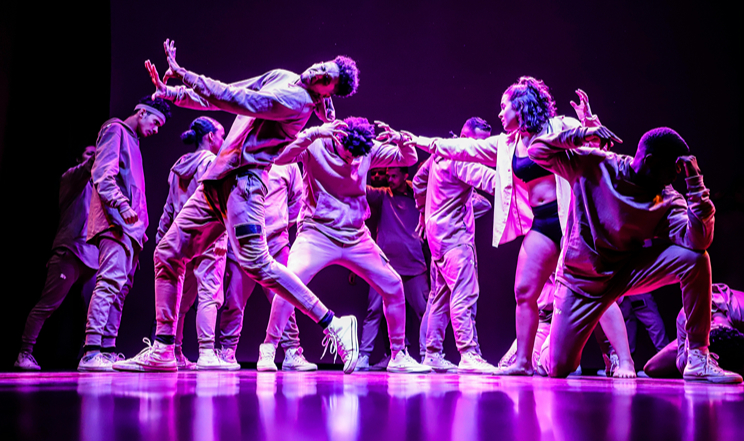
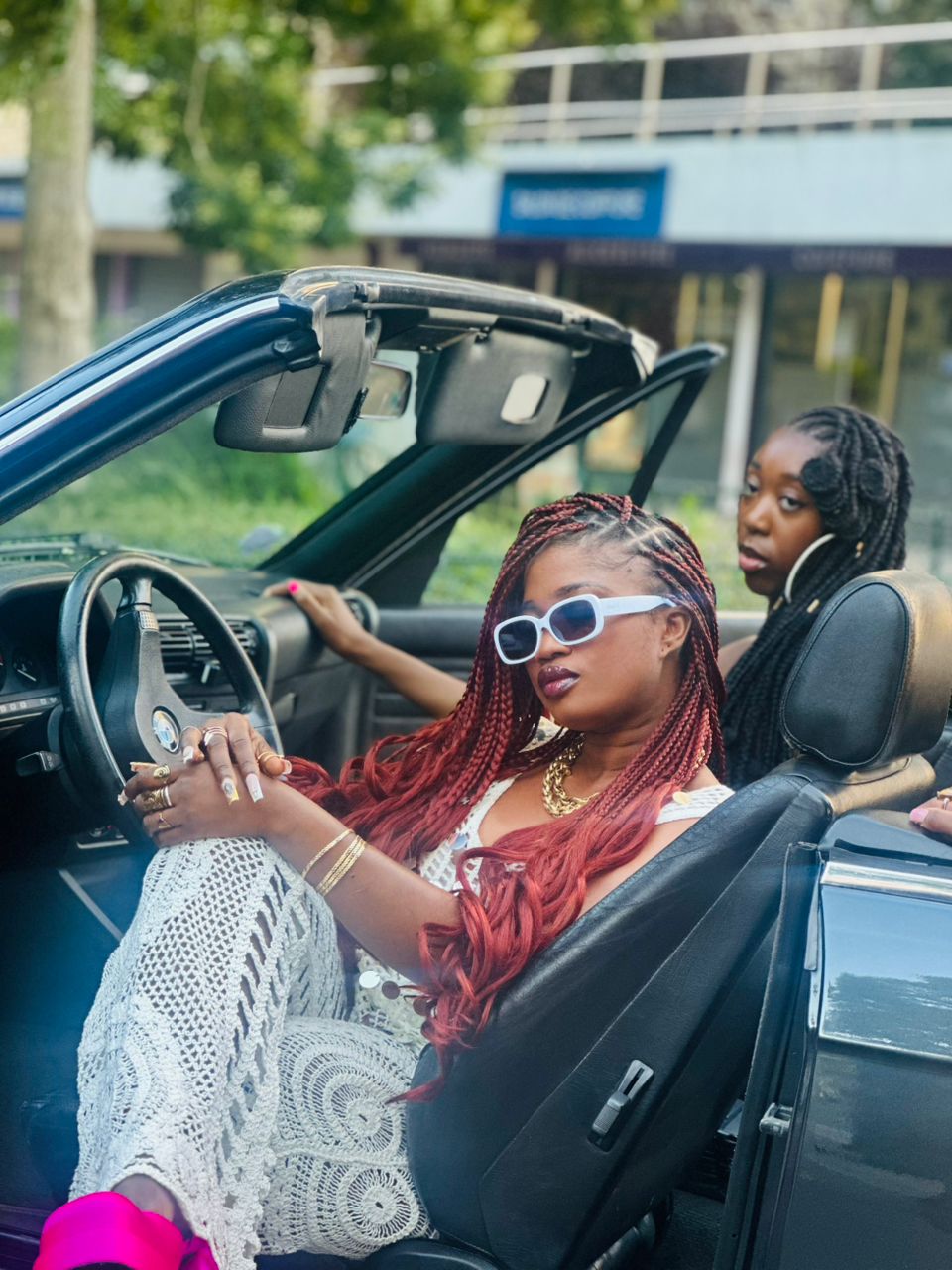
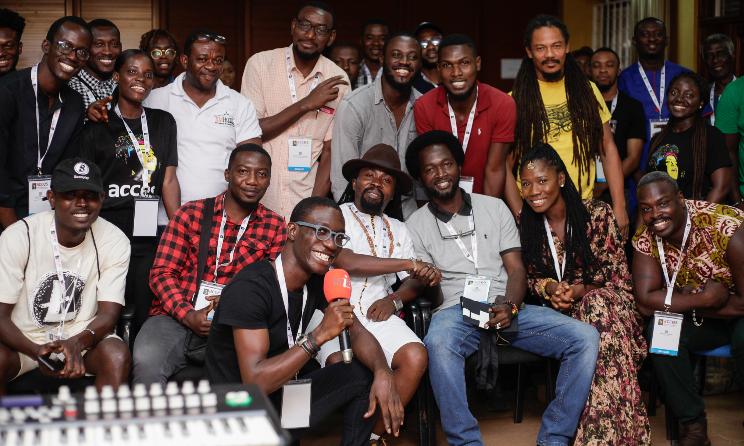
Music In Africa Gender @ Work is a three-year training programme aimed at upskilling and increasing the participation of female professionals in the African music sector. Launched by the Music In Africa Foundation (MIAF) in April 2019, the programme is connected to the MIAF’s ACCES music conference – a pan-African event held in a different African country every year. This connection enables the programme to reach new participants in a different African country every year. The programme marks the beginning of a more concerted effort by the Foundation to support the participation and inclusion of women in all facets of its programmes and the music sector in Africa as a whole. Over the three years, the programme will aim to address gender imbalances in the sector through training, lobbying, facilitating knowledge exchange and dialogues that foster the interest of women. The broader objectives of the programme are to: Provide industry training for women on critical music industry skills, focusing on: Stage management Electronic music production and recording Music business management Technical knowledge Provide an opportunity for both professional and aspiring women to benefit from the Music In Africa network and its broad range of activities in 2019, 2020 and 2021. Provide a solution-based platform in the form of a round table at ACCES with a view to identify challenges, discuss opportunities and lobby for the interests of female practitioners. Offer participants the opportunity to benefit from programmes offered by MIAF’s partners. Increase access to educational materials. Integrate participants in the broader ACCES programme to maximise experience and exposure to the industry. Record and present training materials on the www.musicinafrica.net, including but not limited to tutorials, templates and other best-practice materials. Communicate women-based themes that support the initiatives and messages of the programme. MAIN TRAINING ACTIVITIES Training in first country (Ghana): In the first year, participants will be trained on all aspects of stage management by a team of experienced stage managers from 10 to 17 November 2019. The programme will offer robust classroom training as well as practical, hands-on training in which participants will also be given the opportunity to manage various aspects of the ACCES performance programme. Training in second country: The second training iteration will take place at ACCES 2020 when the programme will diversify its course to include music production lessons and training on other music business topics. A round-table platform will also be introduced to coincide with the ACCES programme. Training in third country: The third training iteration will take place at ACCES 2021 in a different country, offering an advanced course. HOW DO YOU GET INVOLVED?  As a participant, facilitator or trainer: The programme enrolls up to 12 trainees every year. All opportunities are advertised publicly on this website, and will be added to this page. Please keep checking this page for new calls (below under UPDATES & CURRENT OPPORTUNITIES). As a partner Please contact Claire Metais at [email protected]. APPLY The call for applications for 2020 will be announced soon. The Music In Africa Gender @ Work programme is made possible with the support of the Prince Claus Fund, Siemens Stiftung and Goethe-Institut.

Sound Connects Fund
Sound Connects Fund

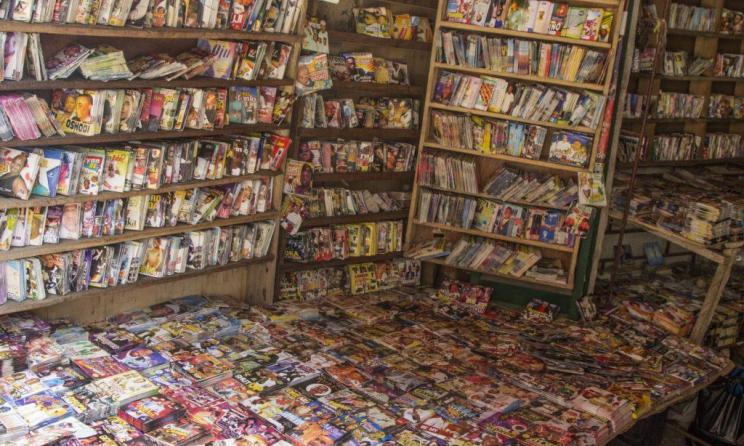
Pour les praticiens et les organisations culturels et créatifs opérant en Afrique australe, l’accès au financement reste un défi majeur. La pandémie de COVID-19 a également eu un impact massif sur les politiques gouvernementales, les dépenses et l’économie en général, et a vu les dépenses consacrées à la culture reléguées plus bas dans la liste des priorités. De plus, les industries culturelles et créatives citent régulièrement quatre domaines principaux où l’investissement est nécessaire pour la croissance : une visibilité accrue, la mobilité incluant l’accès à de nouveaux marchés, le financement et les structures de soutien.

Music In Africa Live

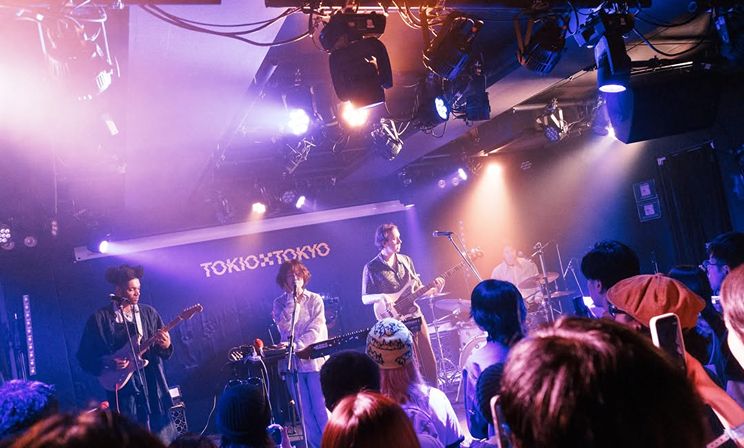
MUSIC IN AFRICA LIVE Lancé en 2020 pour une durée de 3 ans, Music In Africa Live est une initiative visant à soutenir l'écosystème de la musique africaine face aux contraintes imposées par la pandémie de COVID-19 ; le projet a été lancé par la Fondation Music In Africa (MIAF) en partenariat avec le ministère fédéral allemand des Affaires étrangères, Siemens Stiftung et le Goethe Institut. Plus de 30 aides sont disponibles dans le cadre de la troisième édition de Music In Africa Live, dans 3 catégories :  showcases, renforcement des compétences et plaidoyer, en conformité avec les modalités énoncées.

Instrument Building And Repair Project

The overarching objective of Music In Africa Foundation’s Instrument Building and Repair (IBR) project is to encourage the formalisation and professionalisation of instrument-making and repair in Africa, especially in relation to indigenous African instruments. Background In 2014, the Music In Africa Foundation (MIAF) identified as one of its focus areas for development the need to encourage young people from music and music-related sectors to consider instrument-making as a career. This need extended itself from the recognition that the making of traditional African instruments is not a widely practiced skill and seems to be limited to the older generation. Traditional African instrument makers are also few and far between, making communication and logistics between teachers and learners an obstacle. When instrument building workshops take place, budgetary constraints do not allow teachers or learners the time to explore the finer details of an instrument. Based on these observations, the MIAF designed and piloted the first IBR workshop at the Dhow Countries Music Academy (DCMA) in Zanzibar in February 2015. In 2016, the foundation received funding from the South African National Lotteries Commission to implement a much bigger version of the project in Johannesburg. The project drew participants from five African countries. 25 students from South Africa, Ghana, Senegal, Kenya and Ethiopia were trained on how to build and repair musical instruments. The instruments that they made were: Traditional Instruments: Umakhweyana and Marimba Conventional Instrument: Dulcimer guitar The workshop culminated in a traditional instruments concert at the Wits Theatre in Johannesburg. It is the MIAF’s aim to roll out similar workshops in as many African countries as possible over the next few years. Objectives Developing awareness of musical instrument makers in Africa with a view to promote their work to a wider global audience. Facilitating the sharing and transfer of skills in indigenous instruments between countries on the continent. Encouraging the formalisation and professionalisation of instrument-making and repair in Africa, especially in relation to indigenous instruments. Helping instrument makers develop their careers. Fostering the rapid monetisation and sustainable development of instrument-making and repair in Africa. Promoting constant exchange of ideas, expertise, experiences and know-how among instrument makers in Africa. Facilitating the identification of existing gaps in the field with a view to contribute new solutions. Facilitating the transfer of knowledge and skills of indigenous instruments between younger and older generations. 2020 edition The MIAF has also announced that multi-instrumentalist and instrument maker Joe Makhanza will facilitate one of the workshops on the building of the kamale ngoni instrument. Kamale ngoni is a kora-like, stringed instrument that originated in West Africa. The instrument contributed to the rise of Wassoulou music in the 1970s and 1990s. Makhanza was born in Giyani in South Africa's Limpopo province. He completed a bachelor of music degree and a post-graduate diploma in arts marketing from Wits University. He is currently completing his masters in ethnomusicology and is a part-time lecturer in African music studies at Rhodes University. He plays the kora, mbira, valiha, masenqo, xiwewe, ngoni ba and xizambi, among others. He also manufactures the aforementioned instruments. The MIAF will confirm more trainers who will join the workshops as well as the other instruments that will be featured in the 2020 IBR programme.  Apply to participate here. Connect with us on Twitter, Instagram and Facebook, and subscribe to our monthly newsletter. The Music In Africa Instrument Building and Repair project is funded by the National Lotteries Commission. It is implemented in partnership with Siemens Stiftung, Goethe-Institut, Wits Theatre and Kaya FM.

#CesáriaÉvora

Les femmes et la musique au Cap-Vert

01 Avr 2020 - 17:26

cc-img flag-img

Depuis le 19e siècle, le Cap-Vert n’a cesse de montrer sa richesse culturelle et musicale. Aujourd’hui ce pays dispose au moins de six genres musicaux dont la morna  et le batuka deux genres musicaux qui font l’identité du Cap-Vert, essentiellement étés interprété par des femmes.

Lucibela (Photo) : ddlodz.pl

La morna

La morna se définit comme une poésie mélodieuse cap-verdienne. C’est un genre musical venant des iles de Boa Vista et Sao Vincente. Propulsée grâce à Eugenio de Paula Tavares dans les années 1920, la morna permet d’exprimer à travers des chansons la mélancolie, le sentiment de nostalgie et d’espoir. La morna a été merveilleusement interprétée par des compositeurs tels que Beleza et artistes tels que Bana ou encore Cesaria Evora.

Le Funaná

Venant de l’ile de Santiago, le funaná est un genre musical composé principalement sur le rythme d’accordéon datant du 20éme siècle. Le mot « Funana » est crée pour rendre hommage au deux musiciens dont l’un jouait de l’accordéon « Funa » et l’autre musicien qui se nomme « Naná » et qui jouait une version cap-verdienne du triangle communément connu sous le nom de « ferrinho ».

Tout comme la morna, le funana est un genre musical qui s’identifie par un groupe de musicien et un chanteur. Sa particularité musicale se trouve au niveau des refrains qui sont souvent coupé par un solo de l’accordéon. C’est dans les années 1980 que le Funaná gagne plus de visibilité grâce au groupe Bulimundo et Catchas le pionner de la Funana mieux connu sous le nom de Carlos Alberto Martins. A date seule le groupe Ferro Gaita, présent depuis les années 1990 est le groupe de Funaná actif au Cap-Vert. En plus d’être un genre musical, le Funana est aussi une danse.

Le Batuka

Le Batuka est un genre musical qui présente une composition musicale en improvisation et acapella sur les percussions. Ce genre musical est traditionnel au Cap-Vert. En effet le batuka se chante principalement lors des cérémonies familiales tels que les mariages et baptêmes. Le groupe est composé d’une dizaine de femmes qui, assises en demi-cercle, chantent les éloges des familles qui marient leurs enfants. Apparu dans les années 1980, le batuka est une célébration typiquement cap-verdienne où les famille et les amis chantent et dansent pour célébrer le mariage.

La Tabanka

La tabanka est une forme mélodieuse de jazz née sur l’ile de Santiago. Apparue dans les années 1890, c ‘est un genre musical qui allie jazz et rythmes monotones avec des instruments tels que la trompette et la batterie. Le genre de musique est propulsé notamment par le groupe Os Tubaroés, un groupe de musique de Praia créée en 1969.

La Coladeira

La coladeira est un genre musical qui apparaît au Cap-Vert dans les années 1930. Malgré son influence brésilienne, la coladeira est un genre musical qui propose un rythme plus rapide que la morna. La coladeira se compose de musiciens jouant les instruments suivants : Tamtam, clarinette, guitare, basse, violon, trompette et le tout accompagné d’un voix mélodieuse. En plus d’être un genre musical c’est aussi une danse qui accompagne les rythmes de la coladeira.

Entre 1960 et 1980, la coladeira évolue avec les influences de Kompa venant d’Haïti et du Zouk venant des iles antillaises. Au Cap-Vert la coladeira a de prestigieux ambassadeurs tels que Bana et René Cabral, deux chanteurs de coladeira.

La Colá

La colá est la version masculine du Batuka. En effet la colá est un genre musical qui réunit des hommes qui chantent aux rythmes de tambours.
Née au 17éme siècle, la colá est généralement joué lors des évènements culturels. Elle regroupe des hommes qui chantent pour animer les parades des quartiers notamment pendant les différents festivals de musique qui ont lieu entre mai et juin célébrant les saints des iles respectives avant la saison des pluies pour avoir une bonne saison agricole. Ce genre musical a donc présenté comme un festival de musique religieuse. Le colá retrace une période de sécheresse redoutables et famines meurtrières que le Cap-Vert a rencontré dans les années 1960.

Les deux genres musicaux qui font l’identité du Cap-Vert et qui ont essentiellement étés interprété par des femmes sont : La morna et le batuka.

Le Batuka, née sur l’ile de Santiago, est l’art de la percussion.

Il réunit une dizaine de femmes assises en demi-cercle pour une performance musicale lors des mariages. Autrefois, pour annoncer la mariée les

C’est un genre musical traditionnel qui se transmet de générations en générations. Né sur l’ile de Santiago, plus précisément à Tarrafal, le batuka est un genre musical qui crée un tempo polyrythmique avec les sacs de sable et complimentent dans leur chanson les nouveaux mariés et leurs familles.

Les « batukadeiras », nom donnait aux femmes du batuka existent depuis 1930 et continuent jusqu'à ce jour de faire vivre cette tradition sur toutes les iles du Cap-Vert et ailleurs. Aujourd’hui les « batukadeiras do Cabo Verde » sont un groupe de femmes qui souvent en uniforme portant un polo blanc et une jupe se retrouve en demi-cercle pour chanter sur différents thèmes. Faisant partie du patrimoine culturel et musical les batukadeiras accompagnent souvent les artistes.

Parmi les chanteuses de la nouvelle génération il y’a Lura, chanteuse cap-verdienne qui dans ces albums mets en valeur le patrimoine musical du pays. Dans deux de ses albums elle met en avant non seulement le batuka dans les morceaux « batuku » (album « Di korpu ku alma » 2005) et « Romaria/Raboita Di Rubon Manel » (album « Mbem di Fora 2006) mais aussi la morna et le funana qui marque son style musical.

Mayra Andrade, chanteuse cap-verdienne fait ses débuts en 2001 et rend hommage également au batuka dans sa chanson Ilha da Santiago où l’intro commence avec une performance des batukadeiras. Dans cette chanson elle rend hommage à l’ile de Santiago et lui témoigne son amour.

Chacune de ces artistes n’hésitent à s’inspirer des rythmes du batuka pour valoriser le genre et donner un rythme plus ambiancé dans leur album.
Elles restent surtout des chanteuses de morna qui adoptent de nouveaux styles.

La morna, genre musical mélodieux et sentimental, dispose d’une ambassadrice Cap-Verdienne internationale, Césaria Evora. Avec 11 albums et 1 Grammy award, Césaria Evora a ouvert les portes du style musical qui raconte l’amour, la tristesse et la nostalgie. Elle est une grande source d’inspiration pour les nouvelles artistes Cap-verdiennes comme Lura, Mayra Andrade, notamment pour Elida Almeida et Lucibela, toutes deux qui sont les nouvelles voix émergentes de la morna. Débutant en 2010, Elida Almeida apporte une touche moderne à la morna en y ajoutant des notes de coladeira et funana. Son album Kebrada témoigne parfaitement de son style.

Lucibela, est la nouvelle artiste montante du Cap-Vert. Malgré sa présence en 2012, c’est seulement en 2017 qu’elle dispose d’une meilleure notoriété au festival Atlantic Music Group où elle fait sensation car sa voix rappelle celle de Césaria Evora.

Le Cap-Vert mise énormément sur le développement de sa culture, notamment musicale. En plus d’être représenté par le label Lusafrica, le Cap-Vert met en place des festivals de musique tels que le Atlantic Music Expo, « Gamboa » ou encore « Baias das gatas » pour permettre aux mélomanes, amateurs comme professionnels, d’exposer leur talent et de redécouvrir la richesse musicale dont dispose le pays.

Sources :

https://www.lucibela.com/biography
https://bradamaria.blogspot.com/2013/12/
a-mais-antiga-morna-brada-maria.html#.XXjniJP7QWo
http://www.barrosbrito.com/445.html

Avertissement/Clause de non-responsabilité

Les aperçus de Music In Africa fournissent des informations générales sur les scènes de musique dans les pays africains. Music In Africa comprend que l'information contenue dans certains de ces textes pourrait devenir dépassée avec le temps. Si vous souhaitez fournir des informations plus récentes ou des corrections à l'un de nos textes, veuillez nous contacter sur [email protected].

Édité par Lamine BA

Please se connecter to post a comment.

Most popular

Disclaimer: Music In Africa provides a platform for musicians and contributors to embed music and videos solely for promotional purposes. If any track or video embedded on this platform violates any copyrights please inform us immediately and we will take it down. Please read our Terms of Use for more.

newsletter banner

Abonnez-vous à notre newsletter

Retrouvez-nous sur les réseaux sociaux