









NEFCISA
NEFCISA

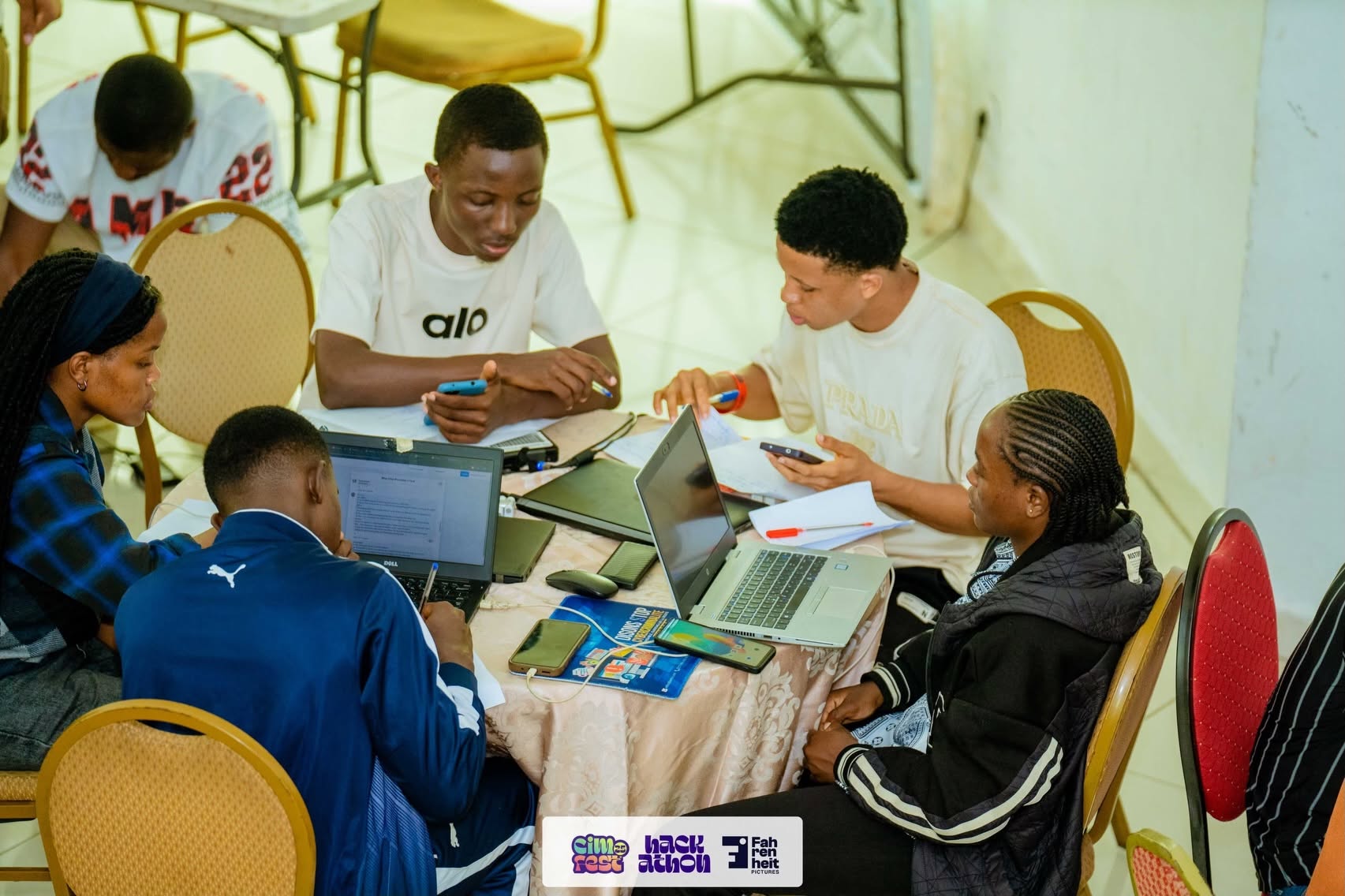
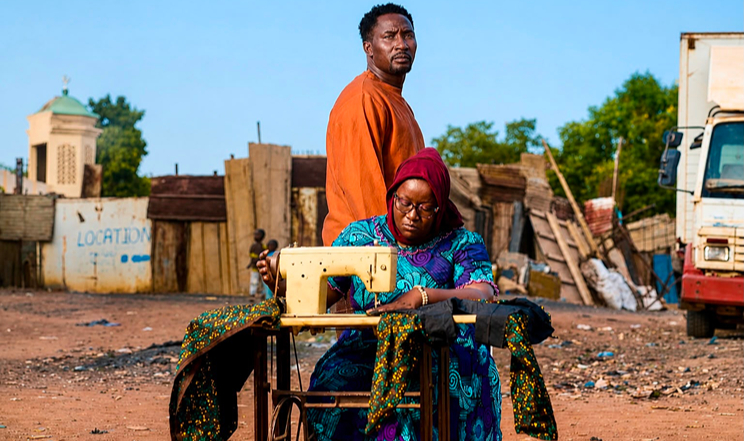
The Music In Africa Foundation (MIAF) is proud to announce its partnership with the Industrial Development Corporation (IDC) as a Strategic Implementing Partner (SIP) for its Social Employment Fund (SEF). Through this collaboration, MIAF is launching a new national programme designed to create jobs, address skills gaps, and strengthen South Africa’s creative industries — in line with the SEF’s overarching goal to generate work for the common good and build community value through employment, social contribution, and inclusive economic participation. Operating under the banner NEFCISA (National Employment Facility for Creative Industries in South Africa), the initiative will recruit and train participants, match them with host organisations, and place a minimum of 1 000 workers across the country. Key Objectives: Support employment and entrepreneurship in the creative industries. Offer skills development and training programmes. Foster partnerships between public and private creative sectors. Promote South African creativity at both provincial and national levels Foster community development through social contribution.

ACCES
ACCES

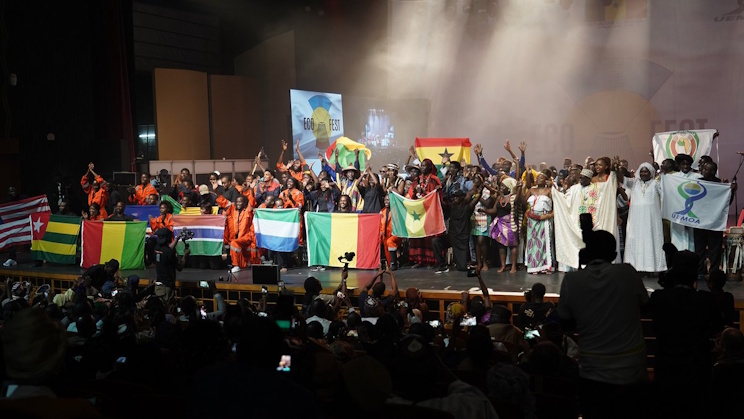
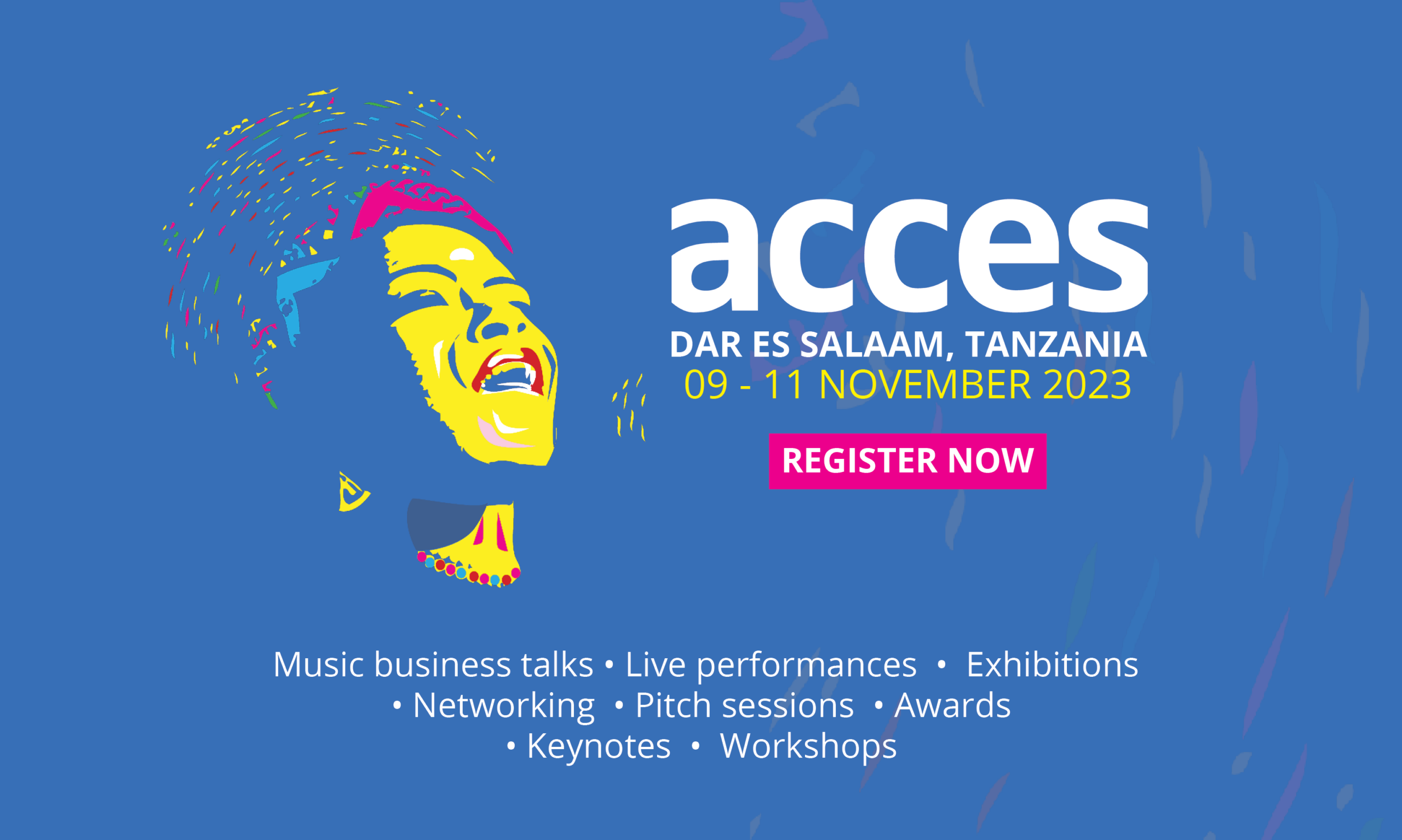
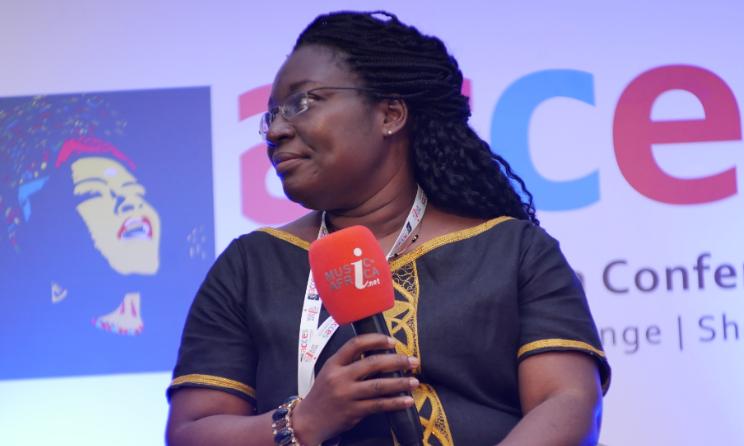
Chaque année, nous fournissons des informations générales afin de guider les participants dans la préparation de leur voyage. En plus de ce site, des mises à jour importantes seront envoyées par e-mail à tous les délégués inscrits. Assurez-vous de vous inscrire dès que possible. Pour plus d'informations, veuillez contacter [email protected] Continuez à consulter cette page pour plus d'information.  

Gender@Work
Gender@Work

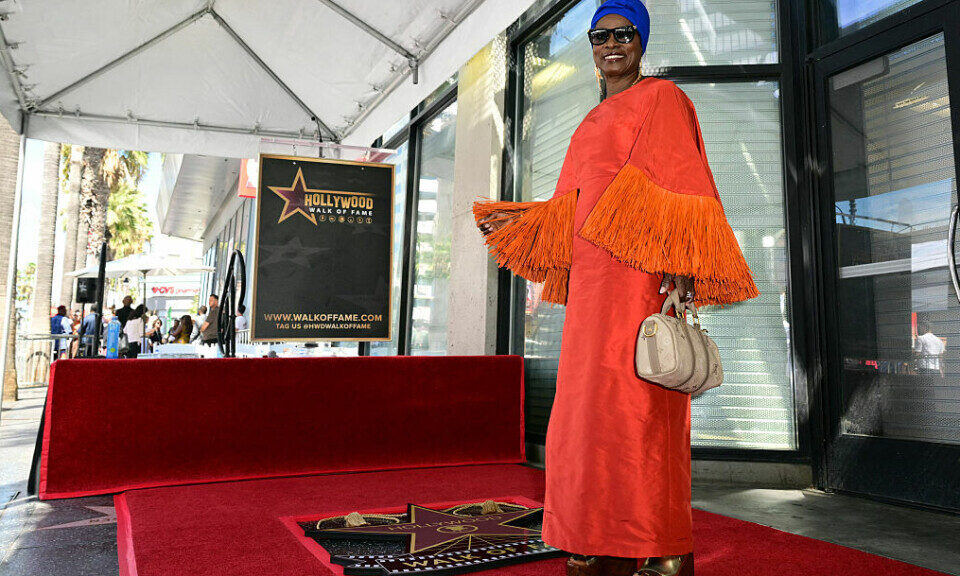
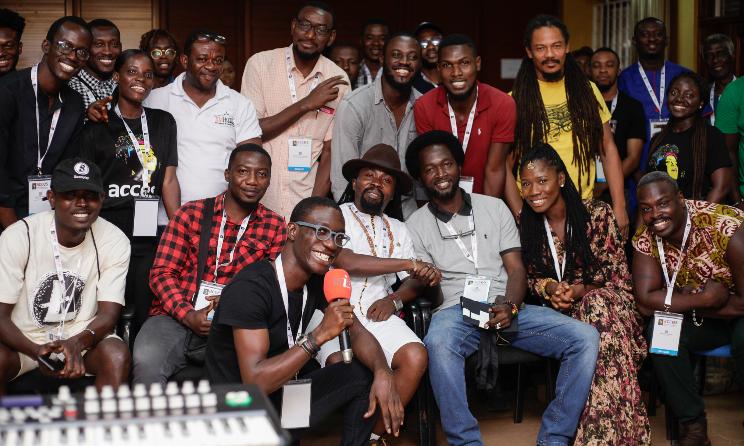
Music In Africa Gender @ Work is a three-year training programme aimed at upskilling and increasing the participation of female professionals in the African music sector. Launched by the Music In Africa Foundation (MIAF) in April 2019, the programme is connected to the MIAF’s ACCES music conference – a pan-African event held in a different African country every year. This connection enables the programme to reach new participants in a different African country every year. The programme marks the beginning of a more concerted effort by the Foundation to support the participation and inclusion of women in all facets of its programmes and the music sector in Africa as a whole. Over the three years, the programme will aim to address gender imbalances in the sector through training, lobbying, facilitating knowledge exchange and dialogues that foster the interest of women. The broader objectives of the programme are to: Provide industry training for women on critical music industry skills, focusing on: Stage management Electronic music production and recording Music business management Technical knowledge Provide an opportunity for both professional and aspiring women to benefit from the Music In Africa network and its broad range of activities in 2019, 2020 and 2021. Provide a solution-based platform in the form of a round table at ACCES with a view to identify challenges, discuss opportunities and lobby for the interests of female practitioners. Offer participants the opportunity to benefit from programmes offered by MIAF’s partners. Increase access to educational materials. Integrate participants in the broader ACCES programme to maximise experience and exposure to the industry. Record and present training materials on the www.musicinafrica.net, including but not limited to tutorials, templates and other best-practice materials. Communicate women-based themes that support the initiatives and messages of the programme. MAIN TRAINING ACTIVITIES Training in first country (Ghana): In the first year, participants will be trained on all aspects of stage management by a team of experienced stage managers from 10 to 17 November 2019. The programme will offer robust classroom training as well as practical, hands-on training in which participants will also be given the opportunity to manage various aspects of the ACCES performance programme. Training in second country: The second training iteration will take place at ACCES 2020 when the programme will diversify its course to include music production lessons and training on other music business topics. A round-table platform will also be introduced to coincide with the ACCES programme. Training in third country: The third training iteration will take place at ACCES 2021 in a different country, offering an advanced course. HOW DO YOU GET INVOLVED?  As a participant, facilitator or trainer: The programme enrolls up to 12 trainees every year. All opportunities are advertised publicly on this website, and will be added to this page. Please keep checking this page for new calls (below under UPDATES & CURRENT OPPORTUNITIES). As a partner Please contact Claire Metais at [email protected]. APPLY The call for applications for 2020 will be announced soon. The Music In Africa Gender @ Work programme is made possible with the support of the Prince Claus Fund, Siemens Stiftung and Goethe-Institut.

Sound Connects Fund
Sound Connects Fund

Pour les praticiens et les organisations culturels et créatifs opérant en Afrique australe, l’accès au financement reste un défi majeur. La pandémie de COVID-19 a également eu un impact massif sur les politiques gouvernementales, les dépenses et l’économie en général, et a vu les dépenses consacrées à la culture reléguées plus bas dans la liste des priorités. De plus, les industries culturelles et créatives citent régulièrement quatre domaines principaux où l’investissement est nécessaire pour la croissance : une visibilité accrue, la mobilité incluant l’accès à de nouveaux marchés, le financement et les structures de soutien.

Music In Africa Live

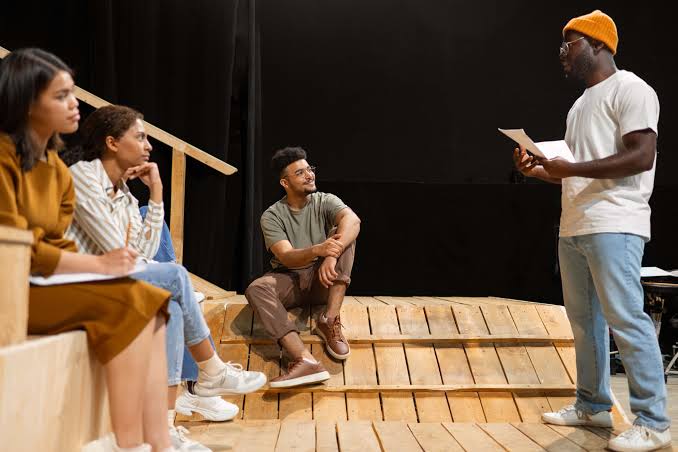
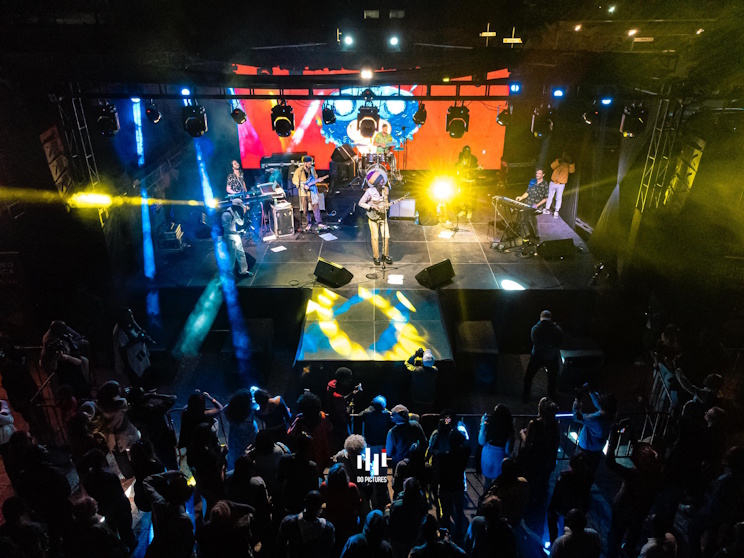
MUSIC IN AFRICA LIVE Lancé en 2020 pour une durée de 3 ans, Music In Africa Live est une initiative visant à soutenir l'écosystème de la musique africaine face aux contraintes imposées par la pandémie de COVID-19 ; le projet a été lancé par la Fondation Music In Africa (MIAF) en partenariat avec le ministère fédéral allemand des Affaires étrangères, Siemens Stiftung et le Goethe Institut. Plus de 30 aides sont disponibles dans le cadre de la troisième édition de Music In Africa Live, dans 3 catégories :  showcases, renforcement des compétences et plaidoyer, en conformité avec les modalités énoncées.

Instrument Building And Repair Project

The overarching objective of Music In Africa Foundation’s Instrument Building and Repair (IBR) project is to encourage the formalisation and professionalisation of instrument-making and repair in Africa, especially in relation to indigenous African instruments. Background In 2014, the Music In Africa Foundation (MIAF) identified as one of its focus areas for development the need to encourage young people from music and music-related sectors to consider instrument-making as a career. This need extended itself from the recognition that the making of traditional African instruments is not a widely practiced skill and seems to be limited to the older generation. Traditional African instrument makers are also few and far between, making communication and logistics between teachers and learners an obstacle. When instrument building workshops take place, budgetary constraints do not allow teachers or learners the time to explore the finer details of an instrument. Based on these observations, the MIAF designed and piloted the first IBR workshop at the Dhow Countries Music Academy (DCMA) in Zanzibar in February 2015. In 2016, the foundation received funding from the South African National Lotteries Commission to implement a much bigger version of the project in Johannesburg. The project drew participants from five African countries. 25 students from South Africa, Ghana, Senegal, Kenya and Ethiopia were trained on how to build and repair musical instruments. The instruments that they made were: Traditional Instruments: Umakhweyana and Marimba Conventional Instrument: Dulcimer guitar The workshop culminated in a traditional instruments concert at the Wits Theatre in Johannesburg. It is the MIAF’s aim to roll out similar workshops in as many African countries as possible over the next few years. Objectives Developing awareness of musical instrument makers in Africa with a view to promote their work to a wider global audience. Facilitating the sharing and transfer of skills in indigenous instruments between countries on the continent. Encouraging the formalisation and professionalisation of instrument-making and repair in Africa, especially in relation to indigenous instruments. Helping instrument makers develop their careers. Fostering the rapid monetisation and sustainable development of instrument-making and repair in Africa. Promoting constant exchange of ideas, expertise, experiences and know-how among instrument makers in Africa. Facilitating the identification of existing gaps in the field with a view to contribute new solutions. Facilitating the transfer of knowledge and skills of indigenous instruments between younger and older generations. 2020 edition The MIAF has also announced that multi-instrumentalist and instrument maker Joe Makhanza will facilitate one of the workshops on the building of the kamale ngoni instrument. Kamale ngoni is a kora-like, stringed instrument that originated in West Africa. The instrument contributed to the rise of Wassoulou music in the 1970s and 1990s. Makhanza was born in Giyani in South Africa's Limpopo province. He completed a bachelor of music degree and a post-graduate diploma in arts marketing from Wits University. He is currently completing his masters in ethnomusicology and is a part-time lecturer in African music studies at Rhodes University. He plays the kora, mbira, valiha, masenqo, xiwewe, ngoni ba and xizambi, among others. He also manufactures the aforementioned instruments. The MIAF will confirm more trainers who will join the workshops as well as the other instruments that will be featured in the 2020 IBR programme.  Apply to participate here. Connect with us on Twitter, Instagram and Facebook, and subscribe to our monthly newsletter. The Music In Africa Instrument Building and Repair project is funded by the National Lotteries Commission. It is implemented in partnership with Siemens Stiftung, Goethe-Institut, Wits Theatre and Kaya FM.

Features

Les Journées Chorégraphiques de Carthage 2023 font danser la Tunisie
26 Juin 2023 - 08:51

cc-img flag-img

La cinquième édition des Journées Chorégraphiques de Carthage (JCOC) a eu lieu du 10 au 17 juin dernier. Ce rendez-vous, désormais incontournable pour les amoureux de la danse en Tunisie, réunit professionnels et amateurs de la danse ainsi que des acteurs socioculturels pluridisciplinaires pour repenser la danse dans son contexte tunisien et africain autour de divers spectacles, tables rondes et workshops.   
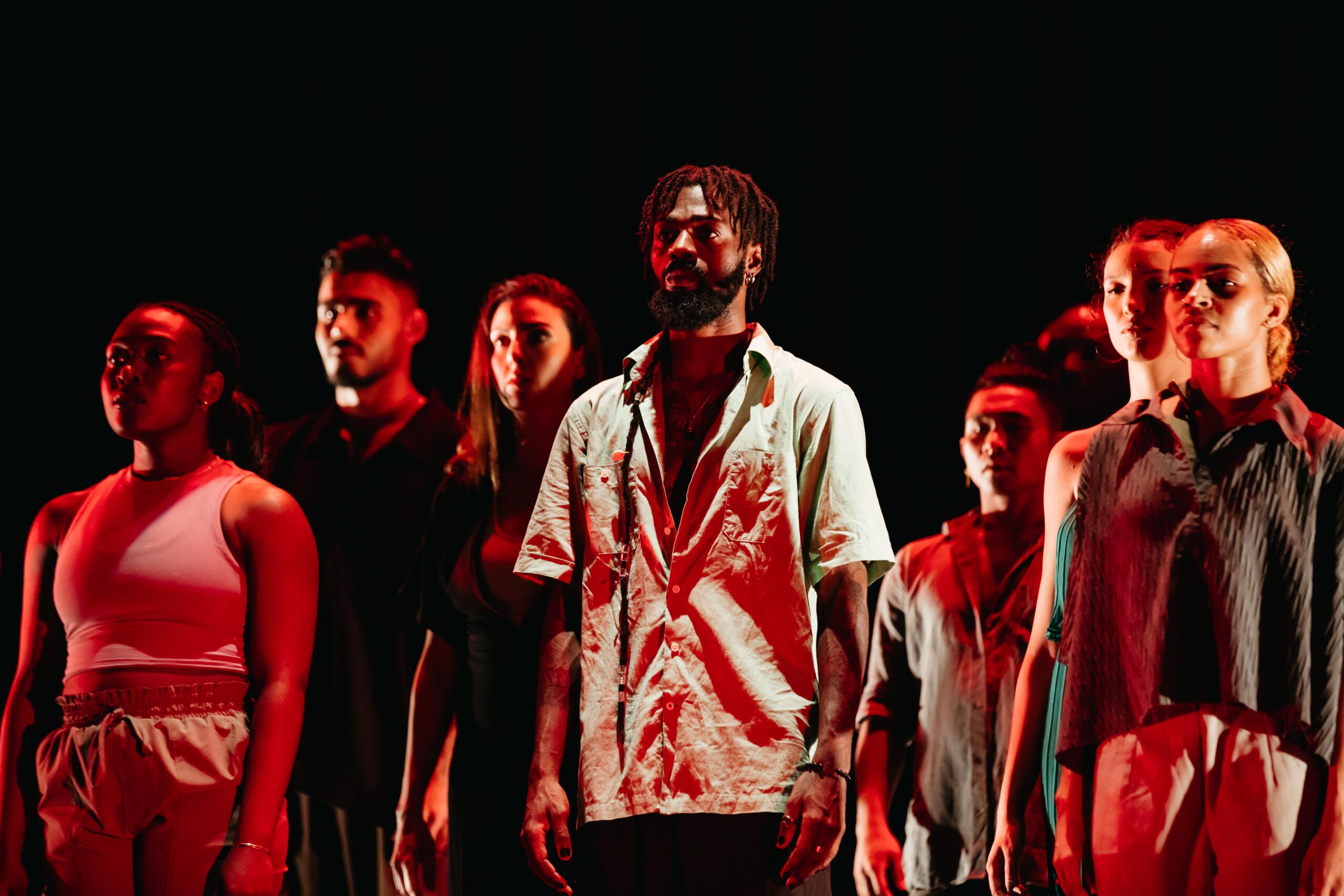
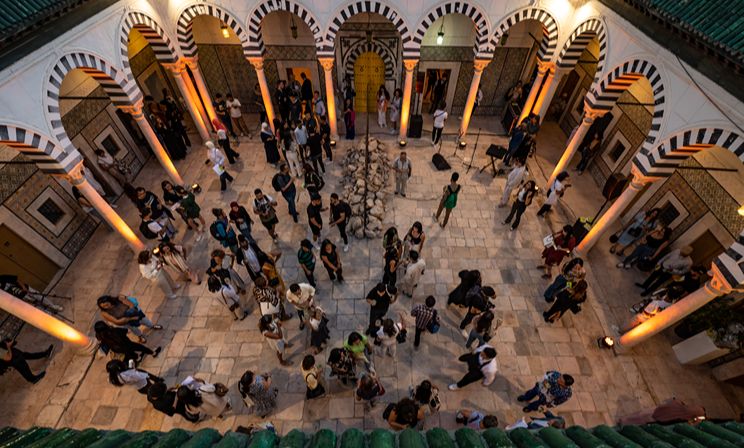
Sidewalks stories Theatre Municipale de Tunis- Journées Chorégraphiques de Carthage ©

Transmission

Placée sous le thème de la « Transmission », ce fil rouge a été mis en exergue, tout au long des temps forts de cette édition, notamment, lors spectacle d’ouverture « Archipel » dirigé par la chorégraphe française Mathilde Monnier. Un projet réunissant des danseurs tunisiens et français et porté, dans le cadre de la coopération culturelle, conjointement par le Ballet de Tunis et du Conservatoire National Supérieurs de Musique et de Danse de Paris, et coproduit par l’Institut français de Tunis et l’Opéra de Tunis. La notion de transmission se transparait dans les échanges intergénérationnels entre la doyenne Mathilde Monnier et les danseurs mais aussi sur le plan culturels (échanges Nord-Sud).

Repenser le vocable « Archipel » dans un contexte plus large, au diapason des imaginaires collectifs où chaque corps dansant est un ilot en soit formant un tout, est l’un des postulats abordés lors du Point presse qui s’est tenu au lendemain de cette performance artistique.

Les Journées Chorégraphiques de Carthage ont fait vibrer et danser nombreux lieux cultes de la scène culturelle tunisoise tels que le Théâtre Municipal de Tunis, le Théâtre National Tunisien Bernard Turin, le Théâtre El Hamra, la Cité de la Culture de Tunis qui se sont animés pour accueillir une line up éclectique et internationale composée de 27 pièces chorégraphiques, majoritairement tunisiennes mais également française, américaine, suisse, mozambicaine, togolaise, libanaise, malgache et marocaine. Issus de divers sous genre et styles classiques et contemporains, ces spectacles ont proposé au public tunisien, initié et profane, divers univers et lecteurs, á l’instar de l’installation hybride Corps sonores de Massimo Fusco (France) qui offrait une expérience immersive et participative á la fois sonore, chorégraphique et visuelle qui mobilise plusieurs sens, ou encore la pièce chorégraphique Jedaya (Grand- mère) du tunisien Sofian Jouini .Centré autour d'une tabouna, ce four traditionnel en terre cuite et ponctué des enregistrements de la voix de la grand-mère du danseur qui nous livre un récit intimiste qui questionne le rapport du corps á son espace dans la vie rurale. Invité á déguster le pain pétri et et cuit lors de cette performance, le public est parti prenante du processus créatif.

L’Avenue Habib Bourguiba, principale avenue de la capitale ainsi que le site archéologique Thuburbo Majus de la ville d’El Fahs (environ 60 KM au sud-ouest de Tunis) et les Berges du Lac ont également abrité plusieurs spectacles. Une démarche qui tend vers la démocratisation et vulgarisation de la pratique de la danse en Tunisie pour faire bousculer les préjugés sur le corps dansant.C’est la démarche de l’enseignant d’éducation physique et chorégraphe Ridha Rzig, qui a dirigé plusieurs spectacles de rue durant les JCOC. A la tête de la troupe Hip Hop for hope, il n’hésite pas á prendre part á la performance exécutée par ses danseurs âgés entre 10 et 15 ans et affirme trouver son bonheur dans la transmission intergénérationnelle. Hope pour espoir, jeunesse et transmission. « Le Hip hop a sauvé ma vie, depuis des années je consacre mon temps et énergie pour transmettre. Enseigner le hip hop aux enfants et un challenge technique mais aussi culturel » confie-t-il á MIAF.

Cette mise en place d'une ingénierie culturelle « d’une culture de proximité » verse dans une démarche dont la finalité est d’animer les lieux et des sites culturelles tunisiens afin de « Favoriser la dimension économique du secteur de la danse », « renforcer de la culture de l’art chorégraphique » ainsi que « Familiariser le public avec les productions artistique ».

« Le critique, meilleur ennemi de l’artiste »

Le festival a proposé également, plusieurs rencontres didactiques et pluridisciplinaires articulées autour de thèmes divers portant sur l’écosystème de la danse en Tunisie, sa place, le rôle de la médiation culturelle ou encore la pédagogie dans l’apprentissage de la danse en Tunisie. « Le critique, meilleur ennemi de l’artiste », était le thème proposé lors de la première table ronde qui portait sur le rôle du critique et sa relation avec l’artiste. Un rôle qui souffre de beaucoup de préjugés ainsi que de la méconnaissance du contrat social qui lie les deux protagonistes . "Le critique d'art n'écrit pas pour l'artiste comme l'artiste ne crée pas pour le critique. Mais chaque acteur se nourrit ou profite du travail de l'autre. D'où la nécessité pour chaque partie de connaître et de respecter le travail de l'autre. C'est sur la recherche de ce consensus qu'est né le programme NO'OCULTURES qui ambitionne non seulement de professionnaliser, de structurer et de valoriser les critiques d'art mais aussi de créer des moments d'interaction entre ces derniers et les artistes." étaye Eustache Agboton, Founder de l'agence d'ingénierie culturelle NO'OXPERTISES et du média panafricain noocultures.info (partenaire des Journées Chorégraphiques de Carthage).

Les Tables rondes posent également le postulat de la réalité socio-économique de la danse en Tunisie et son rôle social. Autour du thème « La troupe nationale des Arts Populaires à la danse populaire contemporaine », Tarek Ouni, membre de la troupe nationale depuis plus de trois décennies étaye et explique le processus de « raffinement » et « amélioration » de la danse populaire et traditionnelle. La danse devenue une vitrine touristique de la Tunisie, celle-ci subit des transformation scénique et sémantique. Dans une démarche diamétralement opposée, le danseur contemporain Mohamed Aissaoui intervient, mettant en exergue une approche plus individualiste de la danse qui se veut plus contemporaine affirmant l’appropriation de la danse populaire.

A l’instar de l’ensemble des pays africains, la danse en tant que manifestation populaire véhicule des prismes anthropologiques et fait partie intégrante de la vie des tunisiens. Cependant, elle demeure un « Parent pauvre » dans l’écosystème de l’industrie des arts.

Les Journées Chorégraphiques de Carthage interroge ainsi, « Le rôle que peuvent jouer les arts chorégraphiques dans l’élaboration d’une vision artistique et la création d’une identité ouverte sur le monde ». Cette vision propulsé et mise en avant par le ministre de la Culture tunisien dont le secteur est intiment lié á celui du tourisme.

Please se connecter to post a comment.

Most popular

Disclaimer: Music In Africa provides a platform for musicians and contributors to embed music and videos solely for promotional purposes. If any track or video embedded on this platform violates any copyrights please inform us immediately and we will take it down. Please read our Terms of Use for more.
newsletter banner

Abonnez-vous à notre newsletter

Retrouvez-nous sur les réseaux sociaux