

































Par Prisca Rananjarison
Un secteur semble aujourd’hui échapper à l’enlisement économique de Madagascar, celui de la musique. Le pays compte énormément de rythmes et d’harmonies provenant des quatre coins de la Grande Île, une importante palette d’instruments typiques de sa tradition musicale.
Ces dernières décennies, plusieurs artistes malgaches tels Jaojoby, D' Gary, Rajery, Mahaleo, ou encore Regis Gizavo se sont fait connaître à travers le monde. Aujourd’hui, une jeune génération de musiciens malgaches semble réunir toutes les qualités pour séduire les mélomanes du monde entier. Madagascar connaît pourtant un écueil important dans la diffusion et le développement de sa musique, notamment en raison de la quasi-absence d'un marché local et des lieux de diffusion. De plus, les opportunités musicales en matière de promotion, de diffusion et de rayonnement se font de plus en plus rares.
Panorama des festivals malgaches
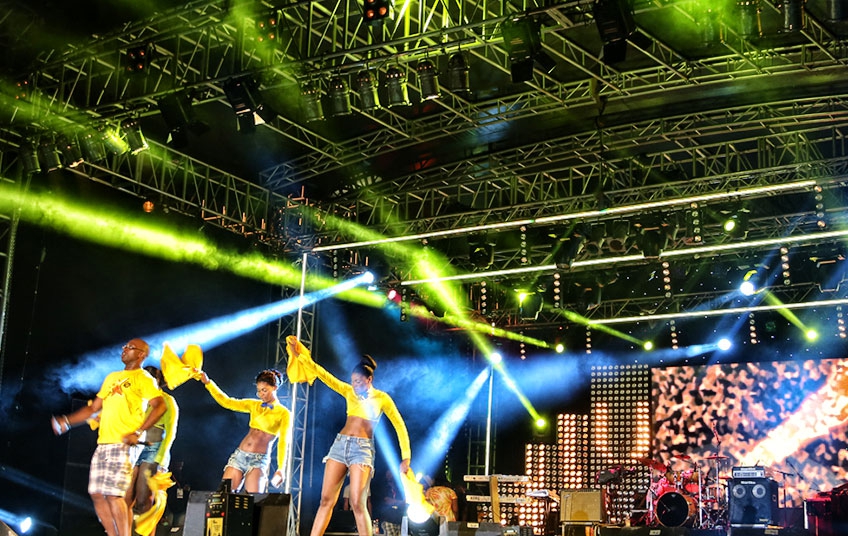
Dans la Grande Île, les festivals de musique sont au service de la valorisation des talents artistiques malgaches. Parmi les événements culturels phares, le Festival des îles de l’océan Indien Donia se déroule chaque année à Nosy Be. « Avec ses 50 000 spectateurs sur cinq jours, la notoriété du festival permet de donner plus d’envergure à mon parcours artistique », confie Stéphanie, star de la musique tropicale malgache. A Antananarivo, le festival Angaredona offre un panorama des musiques vivantes de la Grande Île. « Outre la programmation des artistes connus, le festival propose également une scène ouverte à destination des nouveaux talents. La 11e édition a mis en avant des artistes en herbe comme le joueur de valiha André Rakotoralahy, la chanteuse Miminy, le trio Miantsaly, etc. », confie Arnaud Ratafika, président de la structure organisatrice Association des Médiateurs Culturels (ADMC). Dans le Sud, Antsahiry Lohariake, festival de musique du terroir, ambitionne de promouvoir les artistes du Sud.
Opportunités de rencontres
A Madagascar, les festivals offrent des moments de rencontres aussi bien humaines, qu’artistiques et professionnelles. « Fort de ses vingt-cinq années d’existence, le festival international de jazz Madajazzcar a servi de tremplin à de nombreux musiciens», souligne Désiré Razafindrazaka, président du comité d’organisation. Parmi eux, Jax Ravel révélé lors du Tremplin Madajazzcar – concours organisé tous les ans dans le cadre du festival – se produit aux côtés du flûtiste Didier Labbé dans des festivals au Sénégal, en France et, de fil en aiguille, aux États-Unis. Par ailleurs, le pianiste et tromboniste Andry Mickael Andriantseva a pu intégrer la formation Jozéfinn’ Austral View (JAV), projet de coopération régionale d’envergure internationale entre l’île de La Réunion, Madagascar et l’Afrique du Sud.
Libertalia Music Festival
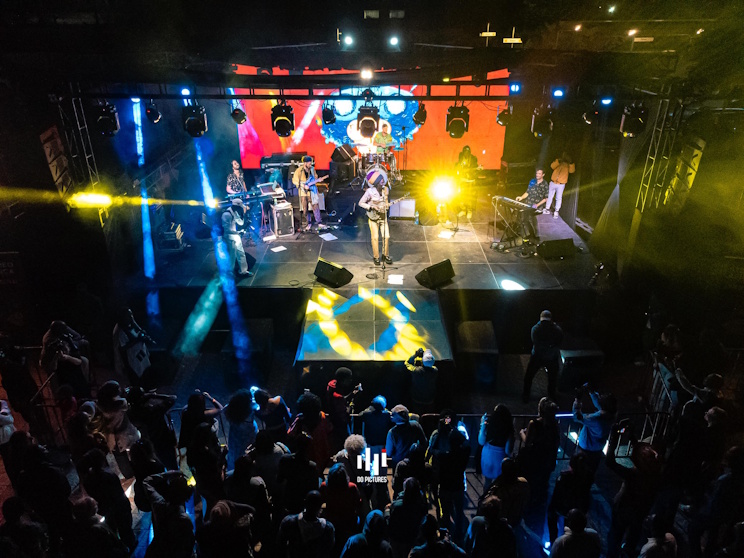
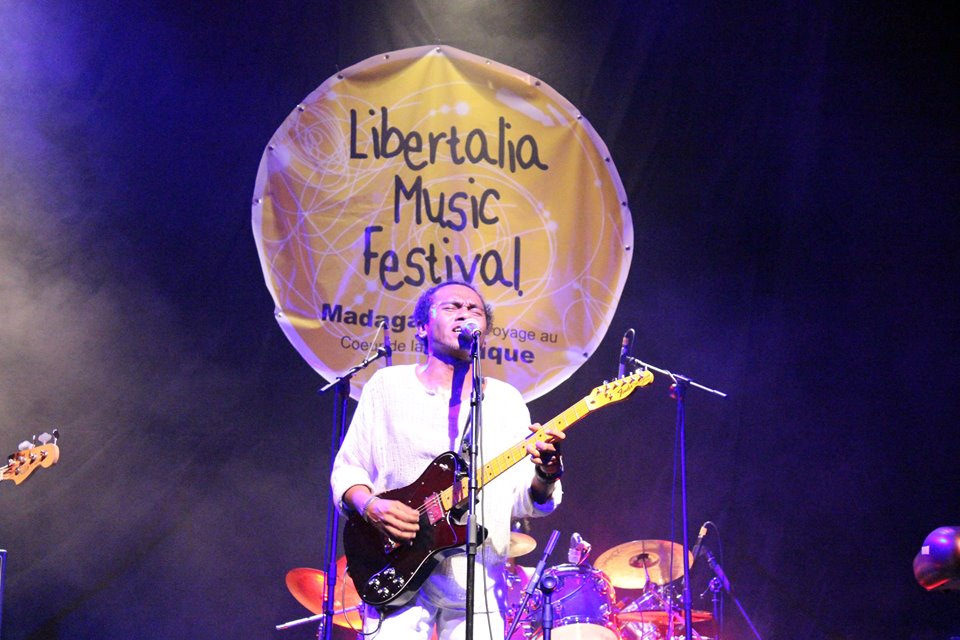
Madagascar, du fait probablement de son insularité, reste la grande oubliée des circuits de diffusion des musiques internationaux. « Depuis 2013, le Libertalia Music Festival offre une plateforme de rencontres entre des artistes locaux et des professionnels de la musique venus d’ailleurs (directeurs de festivals, tourneurs, producteurs et journalistes)» confie Gilles Lejamble, initiateur du festival et Manager de Libertalia Music Records. Dix groupes malgaches sélectionnés tentent alors de se faire remarquer par des professionnels de l’étranger. « Je suis venu dans le cadre du festival pour repérer des artistes à programmer dans notre salle », confie Pierre Babef, directeur du Kabardock de La Réunion.
Les groupes bénéficient d’un coaching en amont du show case. « Cet encadrement permet aux artistes d’atteindre un niveau de professionnalisme fixé par le marché international », explique Christophe David, directeur artistique du festival. Parmi les artistes participants, Silo a pu être programmé au Manapany Surf Festival (La Réunion) en 2014. Cette année, il s’est récemment produit dans le cadre de l’Indian Ocean Music Market (IOMMA).
Pazzapa, la nouvelle génération
Inspiré de l’émission de téléréalité A la recherche de la nouvelle star, Pazzapa, fondé en 2003, revient cette année sur la chaine Dreamin Madagascar après six ans d’absence sur le petit écran. «A travers Pazzapa, nous ambitionnons de révéler des talents susceptibles de devenir les artistes de demain et d’accompagner ces derniers dans leur démarche pour réussir une carrière musicale», explique Christian Ratovonony, l’un des concepteurs de l’émission. En sept ans, l’émission a révélé des jeunes talents qui sont devenus aujourd’hui des stars nationales. « Nous sommes fiers du parcours de certains participants, comme Firmin et Melky, qui ont fait des tournées dans les quatre coin de la Grande Île et parfois même à La Réunion et France pour la diaspora malgache. Narindra, la gagnante de la saison 8 est devenue une valeur sûre en se produisant avec Gangstabab et le succès de Stephanie n’est plus à prouver même s’il n’est venu qu’un peu plus tard après son passage dans Pazzapa 6 », ajoute Christian Ratovonony.
Aide à la mobilité internationale
L’Institut français de Madagascar contribue au développement de carrière des artistes malgaches en délivrant chaque année six cents visas artistiques. Cette aide à la mobilité internationale a permis à de nombreux artistes de participer à des formations, tournées et festivals internationaux. «Ce soutien de l’IFM se doit d’avoir des impacts positifs sur l’évolution de la carrière de l’artiste sur une vision à long terme », confie Noro Ranaivoarison, assistante de direction à l’IFM. Parmi les artistes bénéficiaires, les 3MA, groupe composé du valihiste Rajery, du joueur de kora malien Ballaké Sissoko et du joueur de oud marocain Driss El Maloumi, a commencé ses ateliers en 2008 à l’IFM avant de partir en tournée en Afrique, en Europe, en Amérique du Sud et enfin de sortir son album. Teta, quant à lui, a pu se produire au Salon international des Musiques du monde Womex en 2013 en France.
ADMC-CRAAM au service du rayonnement culturel malgache
Le Centre de Ressources des Arts Actuels de Madagascar (CRAAM) porté par l’ADMC œuvre depuis 2011 à la promotion et à la valorisation des artistes malgaches. « Nous travaillons à ce que les informations sur les acteurs culturels malgaches ne soient plus éparpillées, diffuses. Notre base de données, consultable en ligne sur www.craam.mg, offre un outil pratique et interactif aux professionnels de tous horizons, tant régional qu’international (fiches artistes et festivals, annuaire et infos pro, documentation, …) », explique Tanjona Rabearivony, administrateur de la base de données. « Être inscrit au CRAAM nous a permis d’avoir notre parcours artistique en ligne et de communiquer ensuite ce lien aux professionnels intéressés par notre musique », confie le batteur Jimmy Be.
Outre ses nombreuses activités, le centre organise régulièrement des shows-cases dans son local à l’Université d’Antananarivo. « Ces prestations permettent à des artistes en herbe de diffuser leurs œuvres dans le milieu estudiantin, qui représente d’ailleurs une grande partie des consommateurs de musique à Madagascar », confie Noah Raoelina, chargé de production. Par ailleurs, le CRAAM est partenaire du IOMMA depuis 2012, ce qui a permis à quelques professionnels de la musique et à un artiste malgache d’être présents lors de l’édition 2015. « Ce partenariat ambitionne de tisser et d’entretenir des liens entre les acteurs culturels de la musique malgache et internationaux (zone océan Indien, mais aussi Europe et Canada) afin d’ouvrir de nouvelles opportunités», ajoute Hobisoa Raininoro, directrice exécutive du CRAAM.
Face à la rareté des opportunités musicales à Madagascar, les artistes se débrouillent tant bien que mal pour diffuser leurs œuvres à travers les réseaux sociaux, youtube, clips vidéos, etc., une question de survie artistique, sûrement !
Sources :
-
Annuaire des festivals malgaches, www.craam.mg
-
Enquête sur l’existant culturel malgache, www.craam.mg
-
Enquête / pour un état des lieux du secteur culturel malgache, www.craam.mg
-
Festival Angaredona : Rajery confie les rênes à l’ADMC ! www.midi-madagasikara.mg/
-
Angaredona 2014 : De la musique vivante à profusion, www.univ-antananarivo.mg/
-
Antsahiry Loharaike, Plus d’une quarantaine de groupes attendus à Toliara, www.macp.gov.mg/
-
Festival international de jazz Madajazzcar, www.madajazzcar.mg/
-
Les incontournables de Madajazzcar, 25 ans d’existence, www.craam.mg
-
Festival international culturel et artistique des îles de l’océan Indien Donia, www.donia.fr/
-
Madagascar, version 2013. Quelle musique de la Grande Île sur le circuit mondial ? http://www.rfimusique.com/
-
Nouvelles aventures musicales à Madagascar, http://www.mondomix.com/
-
Benjamin minimum a dit : Un secteur semble échapper à l’appauvrissement à Madagascar: la musique. www.craam.mg
-
David Chassagne a dit : Sans l'argent public français, allemand ou suisse, la culture malgache serait quasiment dénuée de finances. www.craam.mg
-
Rencontres IOMMA 2013, www.craam.mg
-
Le projet 3MA, projet3ma.com/i
-
Teta, live au Womex 2013, www.mondomix.com/
-
IOMMA : Silo a créé la surprise, www.midi-madagasikara.mg/
-
« Le public veut plus d’authenticité », interview de Denis Bisson, directeur adjoint et attaché culturel de l’IFM paru dans no comment magazine mai 2014
-
Emission de téléréalité - « Pazzapa » revient pour une nouvelle génération ! www.laverite.mg
-
L’annuaire des artistes malgaches rendu accessible par le CRAAM, www.moov.mg
-
·Hobisoa Raininoro – « Il est de notre devoir à tous de valoriser l’art et les artistes », www.lexpressmada.com/
-
Vivre sa passion et gagner sa vie : jeunes artistes du Sud-Ouest de Madagascar à la recherche de notoriété dans la capitale malgache, Elisé ASINOME


Most popular

Top 10 des artistes congolais les plus streamés en France en 2026
05 Mai 2026
Appel à candidatures : formation Gender@Work 2026 aux métiers de l’industrie musicale à Johannesburg
06 Oct 2026
Sayon Camara, une voix mandingue entre héritage et nouveau départ
02 Oct 2026
À Tunis, Jaou fait dialoguer les nouvelles scènes musicales du monde arabe et au-delà
02 Oct 2026
Appel ouvert : Artistes internationaux pour le CUEW Showcase & Conference 2027 au Japon
18 Sep 2026
Appel à candidatures : programme de résidence Camargo Fellowship 2027-2028 en France
17 Sep 2026
Disclaimer: Music In Africa provides a platform for musicians and contributors to embed music and videos solely for promotional purposes. If any track or video embedded on this platform violates any copyrights please inform us immediately and we will take it down. Please read our Terms of Use for more.

Abonnez-vous à notre newsletter
Retrouvez-nous sur les réseaux sociaux


Please se connecter to post a comment.