


























NEFCISA
NEFCISA

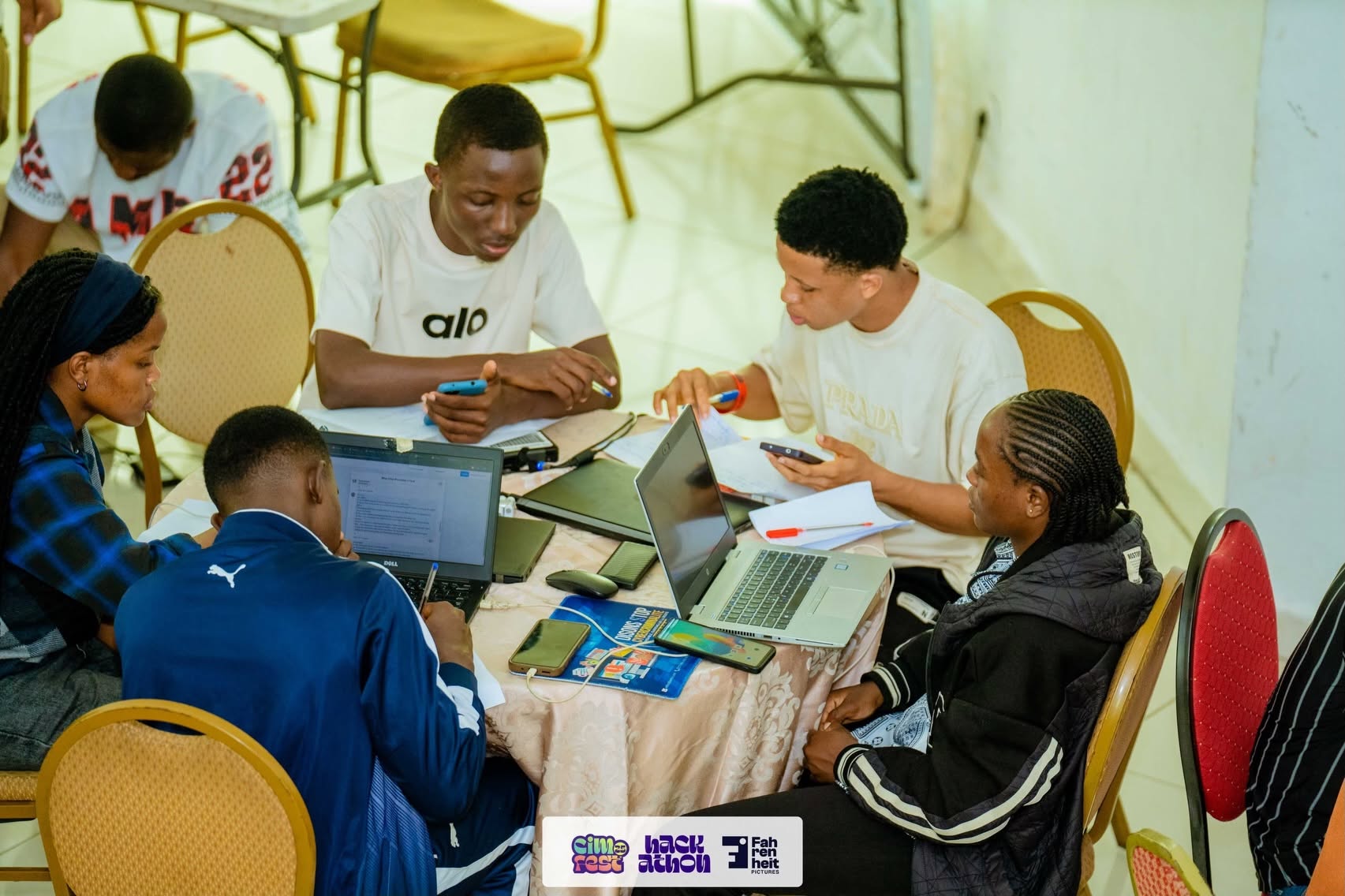
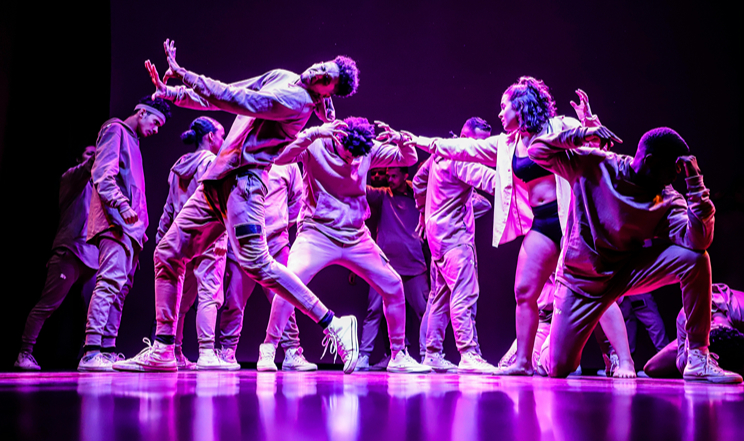
The Music In Africa Foundation (MIAF) is proud to announce its partnership with the Industrial Development Corporation (IDC) as a Strategic Implementing Partner (SIP) for its Social Employment Fund (SEF). Through this collaboration, MIAF is launching a new national programme designed to create jobs, address skills gaps, and strengthen South Africa’s creative industries — in line with the SEF’s overarching goal to generate work for the common good and build community value through employment, social contribution, and inclusive economic participation. Operating under the banner NEFCISA (National Employment Facility for Creative Industries in South Africa), the initiative will recruit and train participants, match them with host organisations, and place a minimum of 1 000 workers across the country. Key Objectives: Support employment and entrepreneurship in the creative industries. Offer skills development and training programmes. Foster partnerships between public and private creative sectors. Promote South African creativity at both provincial and national levels Foster community development through social contribution.

ACCES
ACCES

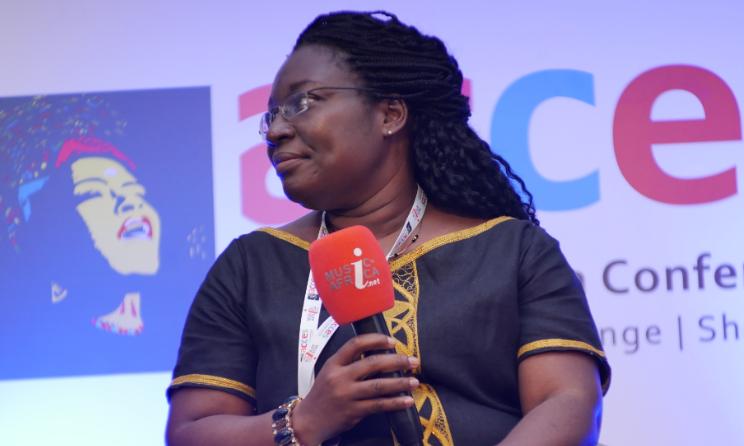
Chaque année, nous fournissons des informations générales afin de guider les participants dans la préparation de leur voyage. En plus de ce site, des mises à jour importantes seront envoyées par e-mail à tous les délégués inscrits. Assurez-vous de vous inscrire dès que possible. Pour plus d'informations, veuillez contacter [email protected] Continuez à consulter cette page pour plus d'information.  

Gender@Work
Gender@Work

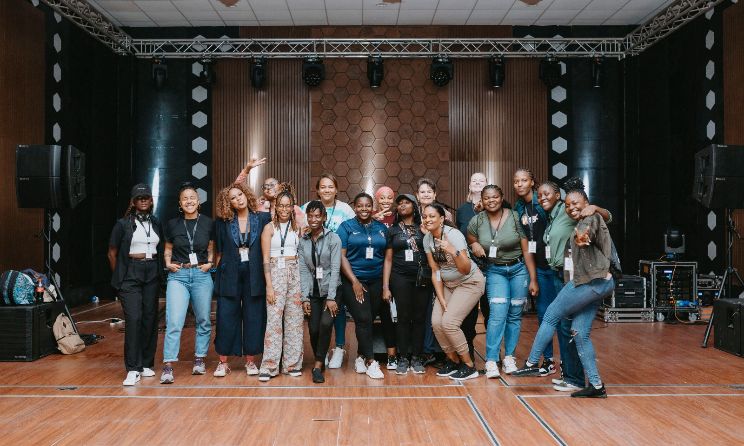
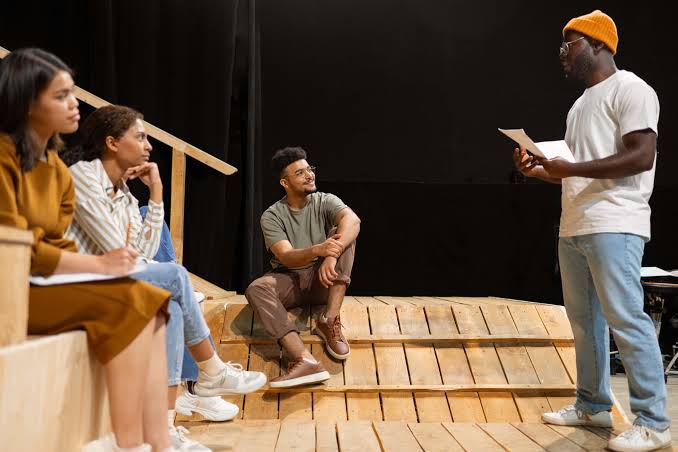
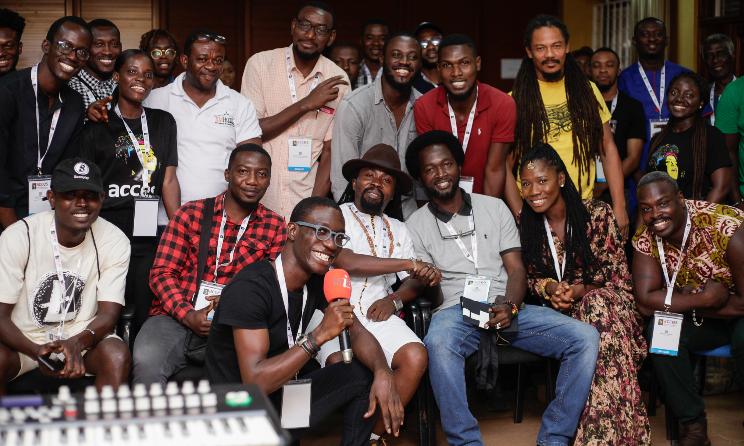
Music In Africa Gender @ Work is a three-year training programme aimed at upskilling and increasing the participation of female professionals in the African music sector. Launched by the Music In Africa Foundation (MIAF) in April 2019, the programme is connected to the MIAF’s ACCES music conference – a pan-African event held in a different African country every year. This connection enables the programme to reach new participants in a different African country every year. The programme marks the beginning of a more concerted effort by the Foundation to support the participation and inclusion of women in all facets of its programmes and the music sector in Africa as a whole. Over the three years, the programme will aim to address gender imbalances in the sector through training, lobbying, facilitating knowledge exchange and dialogues that foster the interest of women. The broader objectives of the programme are to: Provide industry training for women on critical music industry skills, focusing on: Stage management Electronic music production and recording Music business management Technical knowledge Provide an opportunity for both professional and aspiring women to benefit from the Music In Africa network and its broad range of activities in 2019, 2020 and 2021. Provide a solution-based platform in the form of a round table at ACCES with a view to identify challenges, discuss opportunities and lobby for the interests of female practitioners. Offer participants the opportunity to benefit from programmes offered by MIAF’s partners. Increase access to educational materials. Integrate participants in the broader ACCES programme to maximise experience and exposure to the industry. Record and present training materials on the www.musicinafrica.net, including but not limited to tutorials, templates and other best-practice materials. Communicate women-based themes that support the initiatives and messages of the programme. MAIN TRAINING ACTIVITIES Training in first country (Ghana): In the first year, participants will be trained on all aspects of stage management by a team of experienced stage managers from 10 to 17 November 2019. The programme will offer robust classroom training as well as practical, hands-on training in which participants will also be given the opportunity to manage various aspects of the ACCES performance programme. Training in second country: The second training iteration will take place at ACCES 2020 when the programme will diversify its course to include music production lessons and training on other music business topics. A round-table platform will also be introduced to coincide with the ACCES programme. Training in third country: The third training iteration will take place at ACCES 2021 in a different country, offering an advanced course. HOW DO YOU GET INVOLVED?  As a participant, facilitator or trainer: The programme enrolls up to 12 trainees every year. All opportunities are advertised publicly on this website, and will be added to this page. Please keep checking this page for new calls (below under UPDATES & CURRENT OPPORTUNITIES). As a partner Please contact Claire Metais at [email protected]. APPLY The call for applications for 2020 will be announced soon. The Music In Africa Gender @ Work programme is made possible with the support of the Prince Claus Fund, Siemens Stiftung and Goethe-Institut.

Sound Connects Fund
Sound Connects Fund

Pour les praticiens et les organisations culturels et créatifs opérant en Afrique australe, l’accès au financement reste un défi majeur. La pandémie de COVID-19 a également eu un impact massif sur les politiques gouvernementales, les dépenses et l’économie en général, et a vu les dépenses consacrées à la culture reléguées plus bas dans la liste des priorités. De plus, les industries culturelles et créatives citent régulièrement quatre domaines principaux où l’investissement est nécessaire pour la croissance : une visibilité accrue, la mobilité incluant l’accès à de nouveaux marchés, le financement et les structures de soutien.

Music In Africa Live

MUSIC IN AFRICA LIVE Lancé en 2020 pour une durée de 3 ans, Music In Africa Live est une initiative visant à soutenir l'écosystème de la musique africaine face aux contraintes imposées par la pandémie de COVID-19 ; le projet a été lancé par la Fondation Music In Africa (MIAF) en partenariat avec le ministère fédéral allemand des Affaires étrangères, Siemens Stiftung et le Goethe Institut. Plus de 30 aides sont disponibles dans le cadre de la troisième édition de Music In Africa Live, dans 3 catégories :  showcases, renforcement des compétences et plaidoyer, en conformité avec les modalités énoncées.

Instrument Building And Repair Project

The overarching objective of Music In Africa Foundation’s Instrument Building and Repair (IBR) project is to encourage the formalisation and professionalisation of instrument-making and repair in Africa, especially in relation to indigenous African instruments. Background In 2014, the Music In Africa Foundation (MIAF) identified as one of its focus areas for development the need to encourage young people from music and music-related sectors to consider instrument-making as a career. This need extended itself from the recognition that the making of traditional African instruments is not a widely practiced skill and seems to be limited to the older generation. Traditional African instrument makers are also few and far between, making communication and logistics between teachers and learners an obstacle. When instrument building workshops take place, budgetary constraints do not allow teachers or learners the time to explore the finer details of an instrument. Based on these observations, the MIAF designed and piloted the first IBR workshop at the Dhow Countries Music Academy (DCMA) in Zanzibar in February 2015. In 2016, the foundation received funding from the South African National Lotteries Commission to implement a much bigger version of the project in Johannesburg. The project drew participants from five African countries. 25 students from South Africa, Ghana, Senegal, Kenya and Ethiopia were trained on how to build and repair musical instruments. The instruments that they made were: Traditional Instruments: Umakhweyana and Marimba Conventional Instrument: Dulcimer guitar The workshop culminated in a traditional instruments concert at the Wits Theatre in Johannesburg. It is the MIAF’s aim to roll out similar workshops in as many African countries as possible over the next few years. Objectives Developing awareness of musical instrument makers in Africa with a view to promote their work to a wider global audience. Facilitating the sharing and transfer of skills in indigenous instruments between countries on the continent. Encouraging the formalisation and professionalisation of instrument-making and repair in Africa, especially in relation to indigenous instruments. Helping instrument makers develop their careers. Fostering the rapid monetisation and sustainable development of instrument-making and repair in Africa. Promoting constant exchange of ideas, expertise, experiences and know-how among instrument makers in Africa. Facilitating the identification of existing gaps in the field with a view to contribute new solutions. Facilitating the transfer of knowledge and skills of indigenous instruments between younger and older generations. 2020 edition The MIAF has also announced that multi-instrumentalist and instrument maker Joe Makhanza will facilitate one of the workshops on the building of the kamale ngoni instrument. Kamale ngoni is a kora-like, stringed instrument that originated in West Africa. The instrument contributed to the rise of Wassoulou music in the 1970s and 1990s. Makhanza was born in Giyani in South Africa's Limpopo province. He completed a bachelor of music degree and a post-graduate diploma in arts marketing from Wits University. He is currently completing his masters in ethnomusicology and is a part-time lecturer in African music studies at Rhodes University. He plays the kora, mbira, valiha, masenqo, xiwewe, ngoni ba and xizambi, among others. He also manufactures the aforementioned instruments. The MIAF will confirm more trainers who will join the workshops as well as the other instruments that will be featured in the 2020 IBR programme.  Apply to participate here. Connect with us on Twitter, Instagram and Facebook, and subscribe to our monthly newsletter. The Music In Africa Instrument Building and Repair project is funded by the National Lotteries Commission. It is implemented in partnership with Siemens Stiftung, Goethe-Institut, Wits Theatre and Kaya FM.

Reviews

Love Makossa : Kotto Boy sème de lumineuses poésies

12 Mai 2025 - 06:42

cc-img flag-img

Un an après la sortie de son EP Kotto Boy, l’artiste revient avec son tout premier album, Love Makossa, en deux volumes, composé de 28 titres. Le chanteur, actif sur la scène progressive camerounaise, Kotto Boy, livre avec ce double opus sorti le 14 février 2025 ce que beaucoup considèrent comme un chef-d’œuvre du makossa contemporain. Mais prenons un peu de recul face à tout cet enthousiasme et examinons de manière plus critique ce que le protégé de Lionz Muzik nous propose.

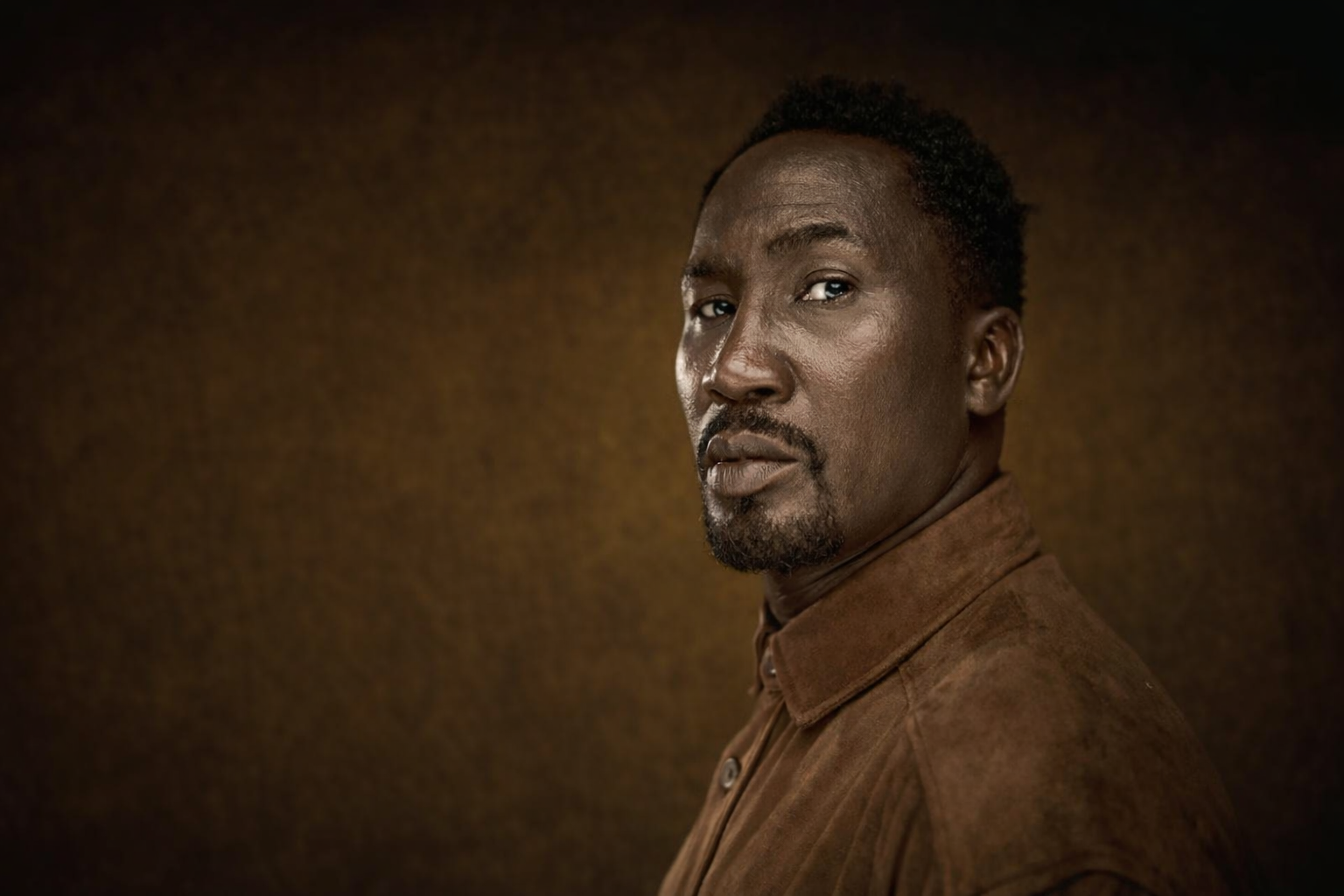
L'artiste camerounais Kotto Boy

L’album s’ouvre sur l’épique « Muto Ka Wa » (« Une femme comme toi » en langue duala), un morceau de plus de trois minutes dans lequel toutes les signatures de Kotto Boy sont présentes : sa voix caractéristique, le jeu de guitare de Simplice Kegne, les claviers symphoniques de Gofa Beats, et une section rythmique solide composée avec Watzup Magic. Le morceau se construit lentement, avec une rythmique moins militaire, dans une approche qui rappelle le travail de la légende du makossa Ben Decca ou encore des Black Styl.

La pochette de ce disque demeure tout un symbole : l’artiste, vêtu d’une chemise blanche à ficelle noire, est assis près d’un piano à queue rouge passion, le regard tourné vers l’horizon, dans un décor de plage et de cocotiers. Le ton est donné : simplicité et efficacité.

Ce qui frappe à l’écoute, c’est la clarté de la structure des morceaux. On entend partout des échos de « Lumière » et du fantastique « Ewodi », avec Asaba, très plébiscité par le public sur les plateformes de streaming. Cette chanson figurait pourtant déjà dans son EP de 2024. La magie de la musique est décidément étrange.

Kotto utilise invariablement les mêmes procédés stylistiques : une courte introduction avec une note fondamentale soutenue, souvent base de l’accord suivant ; puis l’accord se développe, les cordes s’ajoutent, les percussions se mêlent dans un panaché harmonieux, avant que le chant ne s’élève. Cela rappelle « Aime-Moi » ou encore « I Do » (featuring Mr. Léo), qui sert de jauge de ses capacités dans une teinte pop très bien maîtrisée.

Quatre morceaux oscillent entre le court et acoustique « Edjenguele » (3'21) et le captivant « Amour Aveugle » (3'12), pour se conclure avec l’émouvant « Tu n’es pas sérieux » (2'24) et « Près de moi » (2'28). Thématiquement, l’album semble adopter un ton plus optimiste, avec des paroles traitant d’amour, de vie de couple, de lutte contre toutes formes de violence, sans oublier les valeurs fondamentales qui les accompagnent.

Soyons clairs : musicalement, Love Makossa est excellemment construit. La voix de Kotto Boy n’a peut-être jamais sonné aussi bien, avec une profondeur émotionnelle particulièrement touchante dans « Longue le Esungu », où il aborde les difficultés de la vie. Le jeu de guitare de Simplice Kegne reste d’une élégance rare, précis, tandis que les claviers offrent un soutien polyphonique parfaitement dosé. La production est cristalline : chaque instrument trouve sa place dans le mixage, et les compositions sont soigneusement élaborées avec un souci de dynamique et d’impact. « Femme Rare » montre que le chanteur sait encore créer, sans effort apparent, une épopée en plusieurs actes qui captive l’auditeur.

Habitué à la mélancolie et à la lenteur, Kotto Boy explore ici une pop plus chaleureuse, notamment avec les déchirures de guitare dans « Patience ». La température monte encore de quelques degrés sur « Pardon » et « Ndolo », où Mr. Léo pose sa voix paradisiaque sur une afro-fusion imparable. L’intensité est toujours présente, mais c’est la langueur makossa qui reprend ensuite le relais, portée par de multiples ballades.

Le crooner entre alors dans le Volume 2 par une longue phase de spleen, suivie des harmonies célestes de « Nga Mbembe », « Oipanga Mba », ou encore l’éponyme « Partage ». Seule la pop enlevée du sublime « Ndolami » vient interrompre cette séquence d’intense affliction.

On ne sait pas précisément qui a joué sur le reste de l’album, mais la section rythmique et le claviériste ont réalisé un travail remarquable. Le jeu de batterie est d’un raffinement exemplaire.

La musique de Kotto Boy n’est pas franchement calibrée pour le grand public, pour le dire sobrement. Les chansons sont à la fois brèves et complexes, remplies de refrains accrocheurs et de textures sonores séduisantes. Le tout forme un ensemble cohérent. Si vous êtes amateur du makossa dit « love », vous pouvez acheter cet album l’esprit tranquille : vous serez comblé. Les fans de Locko y trouveront aussi leur bonheur.

Pour ce projet, Kotto Boy a déterré des esquisses musicales remontant aux années 70, voire plus. Les fans peuvent spéculer à loisir sur leur origine : cette guitare saturée sur « Mama » est-elle un hommage à Locko ou à Penda Dallé ? Cette basse soul étrange et ce saxophone ensorcelant séduisent immédiatement. Un bel hymne aux mamans.

Qu’importe, au fond. Kotto Boy a transformé ces fragments en quelque chose de neuf, épaulé par son équipe. Il a également composé de nouveaux morceaux.

Ce qui rend « On fait ça comment » vraiment spécial, c’est sa couleur caribéenne. Ses textes, récités d’une voix froide et distante, créent une tension intrigante avec une musique profondément atmosphérique. L’artiste esquisse des images limpides et mystérieuses à la fois. On suit aisément le fil narratif de « 2 à 2 » ou de « Body Language » (en anglais), tout en ressentant qu’un élément fondamental nous échappe. Dans « Lover », le narrateur finit en beauté ; dans le morceau-titre, la solitude apparaît à la fois comme un soulagement et un voile étouffant dans la quête amoureuse. Sur « Choisi », il reste un observateur et un avocat de la confiance dans les choix de vie conjugale.

Le chanteur change ensuite totalement d’ambiance avec « Danser », dans un amapiano fusionnel, suivi de « Kossa » et « No Stress », pour clore cette fresque sur des good vibes affirmées.

La lecture très lyrique de ce double album Love Makossa 1 & 2 révèle une œuvre de studio qui résiste aux tendances. Il faut d’abord admirer la palette de couleurs déployée par Kotto Boy : bouleversante dans les souvenirs, furieuse l’instant d’après, d’une puissance sans limite dans les aigus, tenus ou piqués, qui sont autant de javelots émotionnels. Le timbre singulier du chanteur révèle sa fragilité, et l’alchimie entre les registres – makossa, amapiano, soul, afropop, essèwè – fonctionne à merveille. Le tout, dans un écrin orchestral luxuriant et une prise de son naturelle.

La sonorité douce et enveloppante est l’une des grandes qualités de ce disque destiné au grand public, sculptée dans des dosages subtils. Les sonorités d’orgue humain et d’instruments à vent confèrent à ce double opus une dimension liturgique et symphonique. Je lui attribue sans hésiter la note de 9/10.

Please se connecter to post a comment.

Most popular

Disclaimer: Music In Africa provides a platform for musicians and contributors to embed music and videos solely for promotional purposes. If any track or video embedded on this platform violates any copyrights please inform us immediately and we will take it down. Please read our Terms of Use for more.

newsletter banner

Abonnez-vous à notre newsletter

Retrouvez-nous sur les réseaux sociaux