
























Mauritanie : à la rencontre de Ziza Youssouf, la voix militante du « Revolution Time »
26 Jan 2024 - 13:36

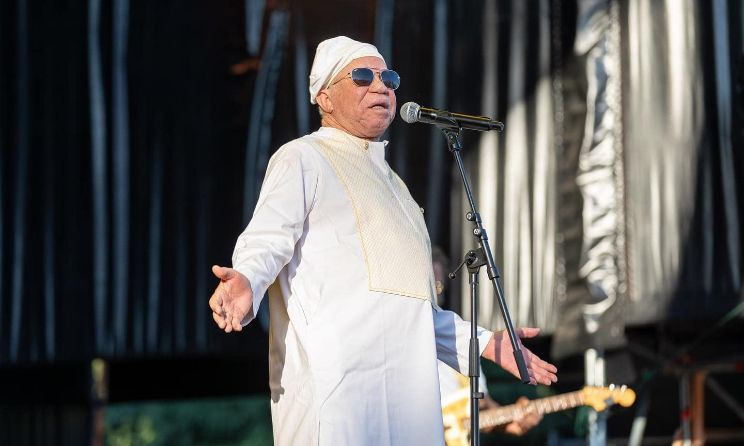
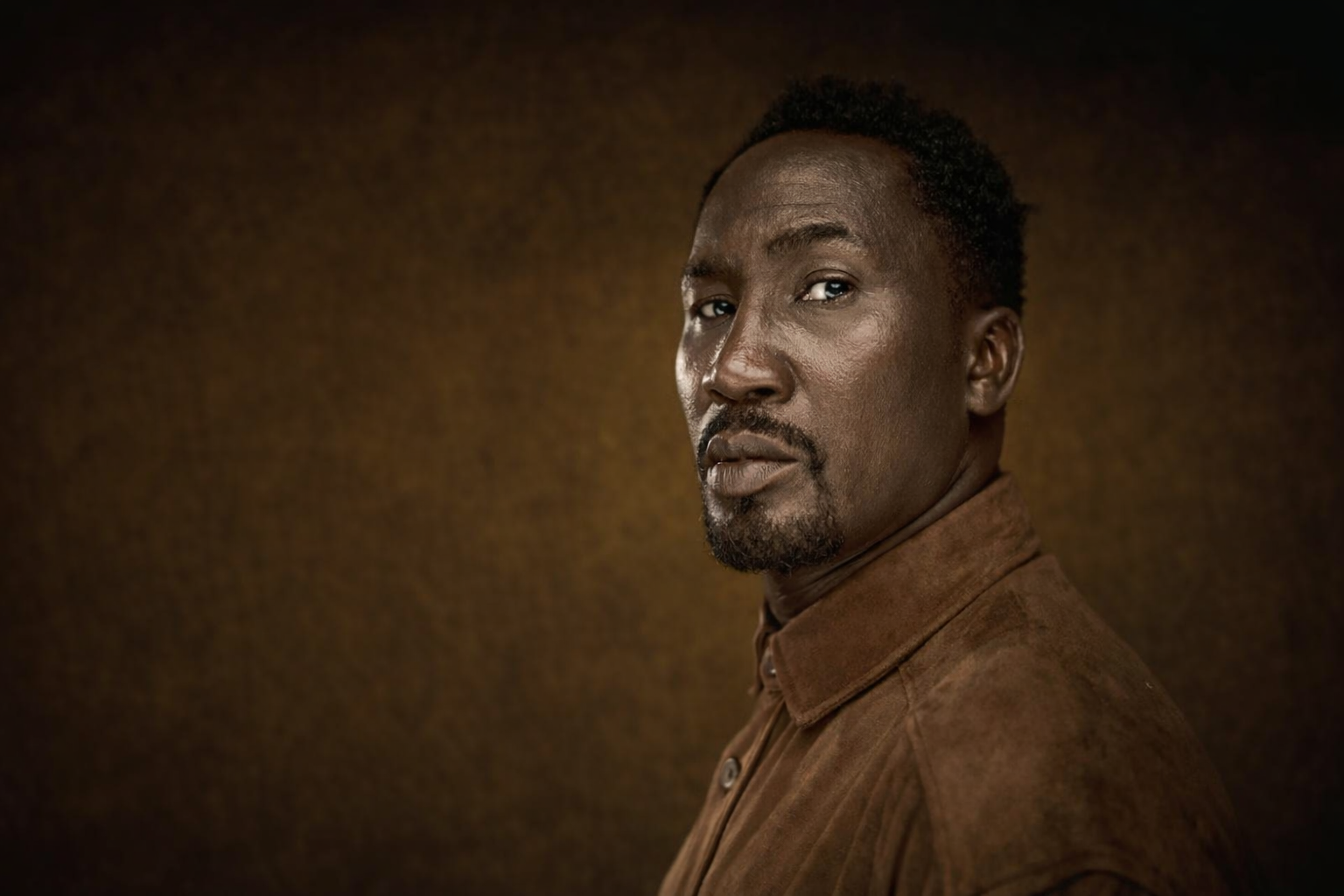
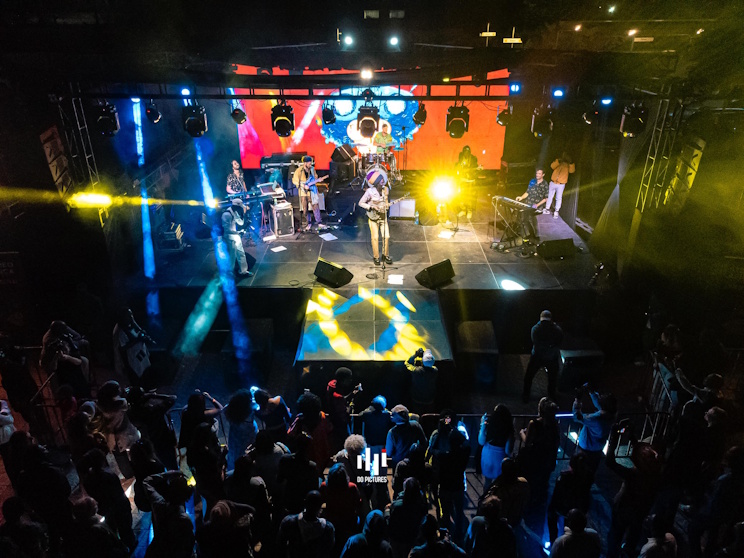
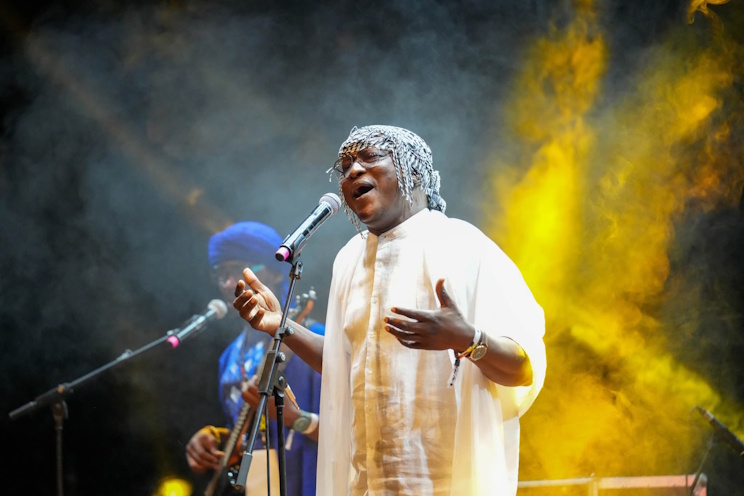
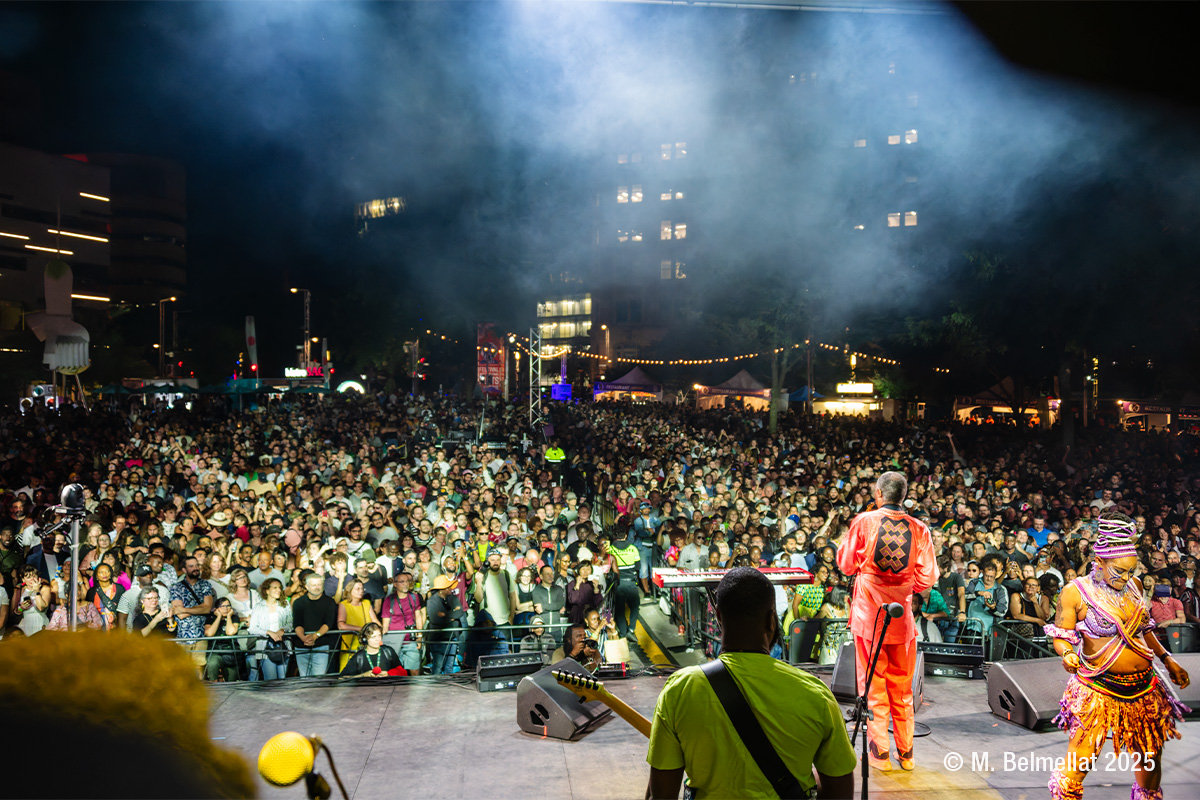
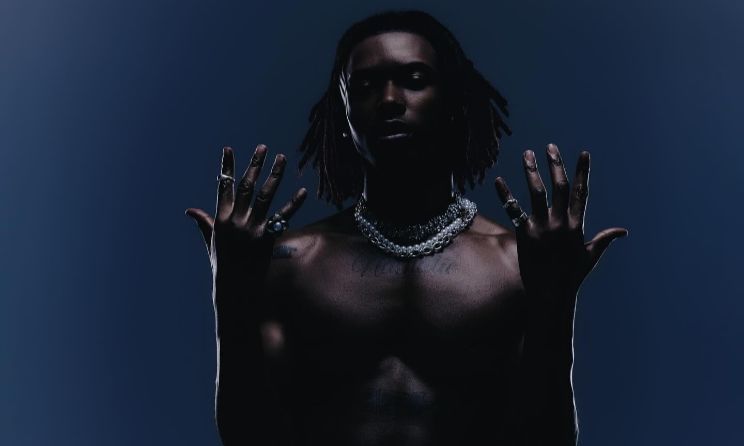
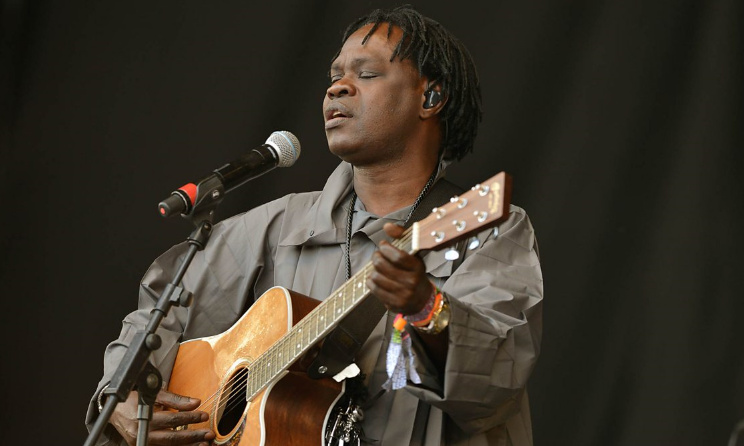
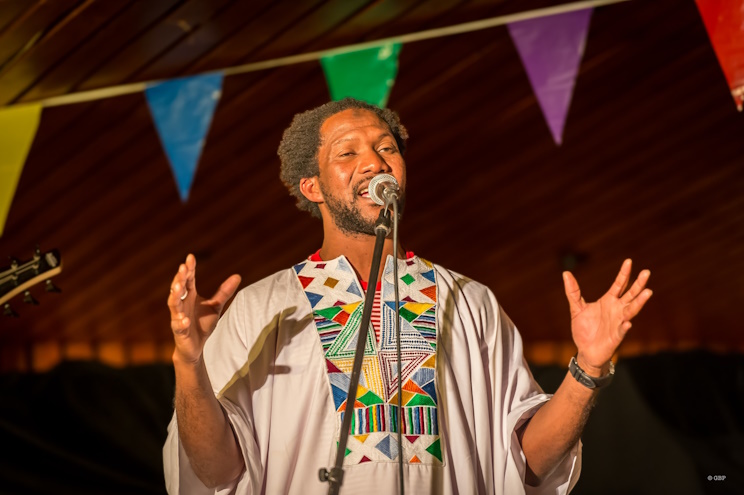
Dans l'éclat des projecteurs de Visa For Music 2023, Ziza, artiste mauritanien et activiste, a offert une performance transcendante, malgré les défis physiques qui ont jalonné son chemin vers la scène. Dans cette entrevue, il partage son ressenti, revient sur son parcours musical teinté d'engagement social, et dévoile les coulisses de sa fusion reggae et afropop.
L'homme derrière la voix mélodieuse, Ziza, se dévoile comme un créateur portant haut les valeurs de l'humanisme et de la révolution. Une immersion captivante dans l'univers d'un artiste dont la musique résonne bien au-delà des notes, appelant à l'unité et à la préservation de notre planète.
Bonjour Ziza, ta performance a indéniablement été l'une des plus remarquables lors de la première soirée de Visa For Music 2023. Comment ressens-tu cette réalisation ?
Bonjour Lamine, je me sens très bien et je tiens à te remercier sincèrement pour la belle note attribuée à ma performance.
Je n'étais pas particulièrement impressionné par la grande scène de Visa For Music, mais je dois admettre que j'étais affaibli au moment de prendre le micro. J'ai atterri au Maroc malade après une longue tournée européenne ; ma voix était complètement enrouée...
Dans la loge, avant de monter sur scène, j'ai inhalé de la fumée, ce qui aurait pu compliquer les choses. Cependant, j'ai fait confiance à ma voix que je connais bien, et surtout, je me suis laissé imprégner par l'amour émanant du public chaleureux au pied de la scène. Tout cela a créé une harmonie qui m'a rapidement transporté.
Je profite également de cette occasion pour remercier l'équipe qui a travaillé en coulisses pour me soutenir, ainsi que tous les autres artistes programmés, pour leur permettre de se produire dans les meilleures conditions possibles.
Ziza, pour ceux qui pourraient ne pas connaître ton nom ou ton parcours, comment te présenterais-tu?
Ce n'est jamais un exercice facile pour moi de me présenter (rires). Mais disons que Ziza est un artiste musicien et activiste mauritanien, et donc africain, lauréat du Prix Assalamalekoum Découverte en 2011. Ce prix est un tremplin promu par l'artiste et opérateur culturel mauritanien Monza, que je tiens à remercier ici.
Après cette première reconnaissance, j'ai été formé à la musique live par Walfadjri en Mauritanie, et j'ai été l'un des premiers artistes du pays à sortir un album entièrement live. Alors que la tendance était à l'enregistrement en playback, j'ai souhaité faire quelque chose de différent et de naturel, en intégrant nos valeurs et nos instruments tels que le hoddu, la kora et le guembri.
Pour moi, il est crucial de présenter et de valoriser notre riche patrimoine dans mes créations. Nous sommes capables de sampler nos instruments et de les jouer avec des claviers électroniques, alors pourquoi ne pas les enregistrer naturellement sur nos œuvres? En réponse à ta question, je suis Ziza, un artiste musicien amoureux du live et du patrimoine africain, mais aussi un fervent militant pour la paix et l'amour entre les personnes. C'est ainsi que je me définis.
Après l'étape Walfadjri, Ziza, tu t'es retrouvé en Europe?
Après la sortie de l'album Andou (2023), j'ai entrepris un long voyage avec des escales au Sénégal, au Mali et au Maroc. À la fin de cette traversée du continent, je suis rentré chez moi avant de partir pour l'Europe.
J'y suis allé pour une formation, car j'avais rencontré un producteur de musique basé à Lisbonne, au Portugal, qui m'a proposé de m'installer là-bas pour collaborer. Pour moi, c'était comme un retour à la case départ ; j'ai abandonné tous mes acquis pour réapprendre les rudiments du chant et m'enrichir de nouvelles connaissances. Le voyage a également été une véritable école de vie, me permettant de découvrir un nouveau monde et de confronter une réalité différente de celle que je connaissais.
Après ma formation, j'ai commencé à tourner en Europe et j'ai rapidement reçu des invitations dans différents lieux de spectacle.
Ziza, un mot sur ta discographie et sur le style de musique que tu développes ?
Oui Lamine, j'ai un album solo intitulé Andou, sorti il y a plus d'une décennie, en 2013, en Mauritanie. Cependant, je travaille sur un nouvel opus qui devrait sortir au cours de 2024, intitulé Revolution Time – un album axé sur l'humanisme et la révolution.
Ma musique est principalement reggae, explorant la musicalité de plusieurs langues, notamment l'hassanya, le wolof, le français et l'anglais. La formation avec laquelle j'évolue est un grand carrefour culturel, avec des musiciens de la Casamance (Sénégal), de la Guinée et du grand bassin congolais. En les côtoyant, j'apprends des langues comme le mandingue, le soussou ou le swahili, dans le but d'enrichir mes prochaines compositions.
Le vivre ensemble, le panafricanisme et la défense de l'environnement sont des causes qui me tiennent à cœur, et j'aimerais les porter dans un langage universel, à travers des langues qui puissent parler à tout le continent. C'est cela ma démarche artistique.
Ziza, en te présentant, tu insistes sur ton côté « activiste ». Qu'est-ce qui te motive dans ce cheminement ?
Je suis motivé par toutes les luttes menées dans ma Mauritanie natale pour rendre la vie plus belle aux populations.
J'aime la lutte, pas celle des mots virulents et des diatribes, mais celle de la bonne action! Je suis passionné et inspiré par ces personnes qui, pour rappeler la valeur de la terre, labourent dans des conditions difficiles pour garantir la survie de leurs familles et de leurs contrées, produisant suffisamment de légumes et de denrées pour ne dépendre de personne.
Je suis profondément fasciné par ces femmes qui luttent dans leurs foyers pour offrir une bonne éducation à leurs enfants, garantissant ainsi un bel avenir à l'Afrique.
Toutes ces personnes motivantes me transmettent l'énergie de m'engager moi aussi...
Revenons à Visa For Music. Qu'est-ce que cela t'a fait d'être invité à la 10e édition de ce grand rendez-vous continental ?
Cela a été un bonheur immense pour moi, car ce n'est pas donné à tout le monde de connaître ce privilège. Je ne vais pas m'en vanter, mais je suis profondément reconnaissant.
Je suis une personne qui a les pieds sur terre et je sais exprimer ma gratitude pour chaque chance qui m'est offerte.
Visa For Music 10 a été pour moi une véritable chance, mais aussi la consécration d'un travail intense avec mon équipe. Nous avons passé des mois à développer notre musique de fusion à la jonction du reggae et de l'afropop, avec des colorations gnawa, mandingues et des influences du monde.
C'était un honneur pour nous d'être conviés à cet événement. Avec le groupe, nous travaillons et répétons beaucoup pour toujours offrir le meilleur à nos hôtes.
Personnellement, j'enchaîne les vocalises et les méditations pour canaliser ma voix et trouver souvent des notes rares sur scène.
Je fais de ma musique un art de précision, conscient que l'Africain que je suis ne doit pas se permettre la facilité. Il faut travailler dur pour montrer ce que nous sommes et d'où nous venons. Rien n'a jamais été facile pour nous, et cela doit se sentir dans l'énergie que nous mettons dans nos créations.
Esclavage, colonisation, injustices, mais aussi lutte pour vivre et survivre, nous avons traversé tout cela, et c'est toujours un plaisir d'être invités à raconter notre belle histoire sur la scène.
Ziza, en plus d'être un chanteur à la voix mélodieuse, tu te définis comme un « créateur ». Qu'est-ce que cela signifie ?
La création, c'est la reproduction artistique des valeurs que tu incarnes, que tu sois musicien, peintre, sculpteur ou tout autre artiste.
En tant que créateur, je défends donc des valeurs reçues, qui nourrissent mon inspiration.
Le créateur, c'est aussi celui qui sait donner une identité à ses œuvres. Ta création doit pouvoir parler à tous, mais elle doit aussi marquer ta singularité, ce qui te distingue des autres.
Voilà globalement, ma définition de la création et du créateur. Avec mon groupe, nous tendons vers cela, l'authenticité, la singularité...
Pour finir, voudrais-tu parler de tes projets pour les mois à venir
Oui Lamine, beaucoup de choses m'attendent avec mon groupe. Mais je rappelle ici que nous avons un album en préparation, intitulé Revolution Time.
L'opus se veut être un appel à l'humanisme ; dans une démarche artistique mais aussi philosophique, nous replaçons l'homme au centre des réflexions.
Nous subissons beaucoup de drames aujourd'hui parce que l'humain n'est plus au cœur des préoccupations.
Dans cet album « humaniste », nous parlons aussi de la nature et des catastrophes que le monde subit. Nous avons fait tant de mal à la nature que les calamités que nous connaissons aujourd'hui sont certainement ses répliques.
En gros, c'est une œuvre consciente que nous préparons, et nous espérons qu'elle parlera au plus grand nombre.


Most popular

Top 10 des artistes congolais les plus streamés en France en 2026
05 Mai 2026
Appel à candidatures : formation Gender@Work 2026 aux métiers de l’industrie musicale à Johannesburg
06 Oct 2026
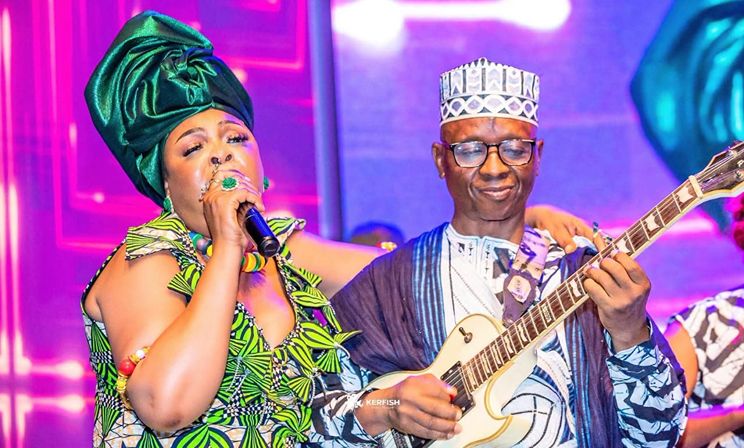
Sayon Camara, une voix mandingue entre héritage et nouveau départ
02 Oct 2026
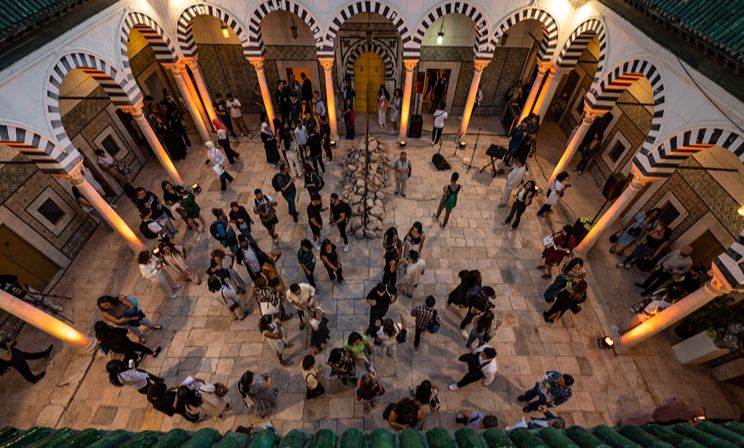
À Tunis, Jaou fait dialoguer les nouvelles scènes musicales du monde arabe et au-delà
02 Oct 2026
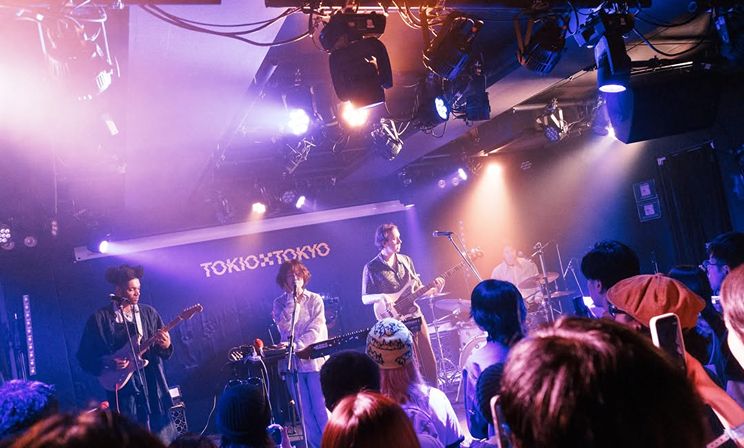
Appel ouvert : Artistes internationaux pour le CUEW Showcase & Conference 2027 au Japon
18 Sep 2026
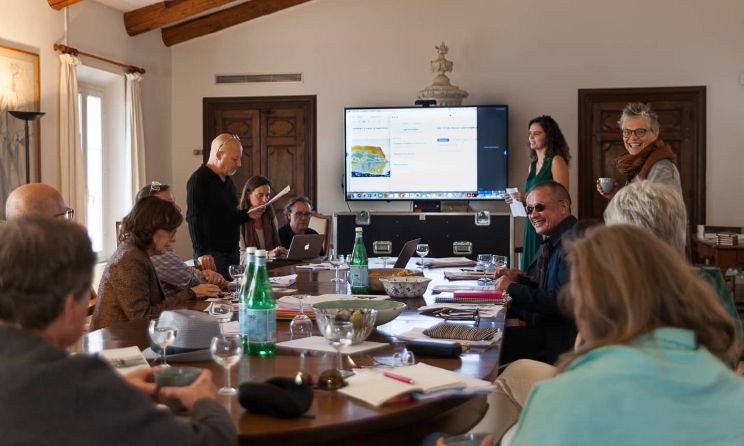
Appel à candidatures : programme de résidence Camargo Fellowship 2027-2028 en France
17 Sep 2026
Disclaimer: Music In Africa provides a platform for musicians and contributors to embed music and videos solely for promotional purposes. If any track or video embedded on this platform violates any copyrights please inform us immediately and we will take it down. Please read our Terms of Use for more.

Abonnez-vous à notre newsletter
Retrouvez-nous sur les réseaux sociaux


Please se connecter to post a comment.