






























NEFCISA
NEFCISA

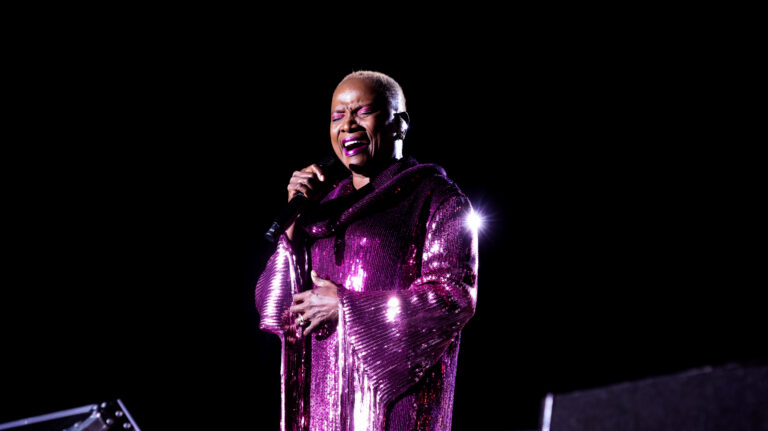
The Music In Africa Foundation (MIAF) is proud to announce its partnership with the Industrial Development Corporation (IDC) as a Strategic Implementing Partner (SIP) for its Social Employment Fund (SEF). Through this collaboration, MIAF is launching a new national programme designed to create jobs, address skills gaps, and strengthen South Africa’s creative industries — in line with the SEF’s overarching goal to generate work for the common good and build community value through employment, social contribution, and inclusive economic participation. Operating under the banner NEFCISA (National Employment Facility for Creative Industries in South Africa), the initiative will recruit and train participants, match them with host organisations, and place a minimum of 1 000 workers across the country. Key Objectives: Support employment and entrepreneurship in the creative industries. Offer skills development and training programmes. Foster partnerships between public and private creative sectors. Promote South African creativity at both provincial and national levels Foster community development through social contribution.

ACCES
ACCES

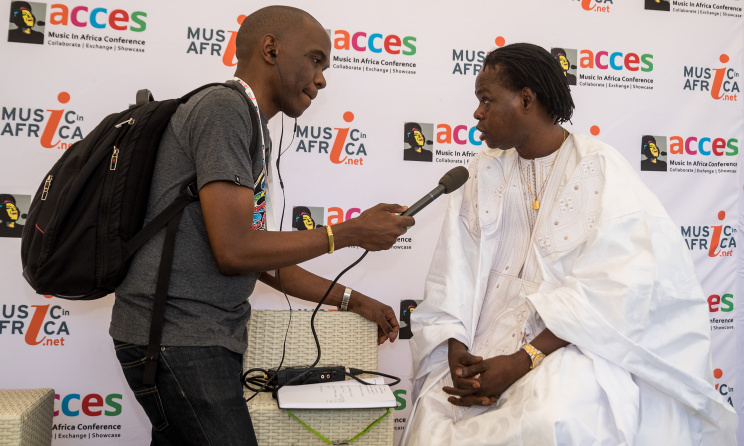
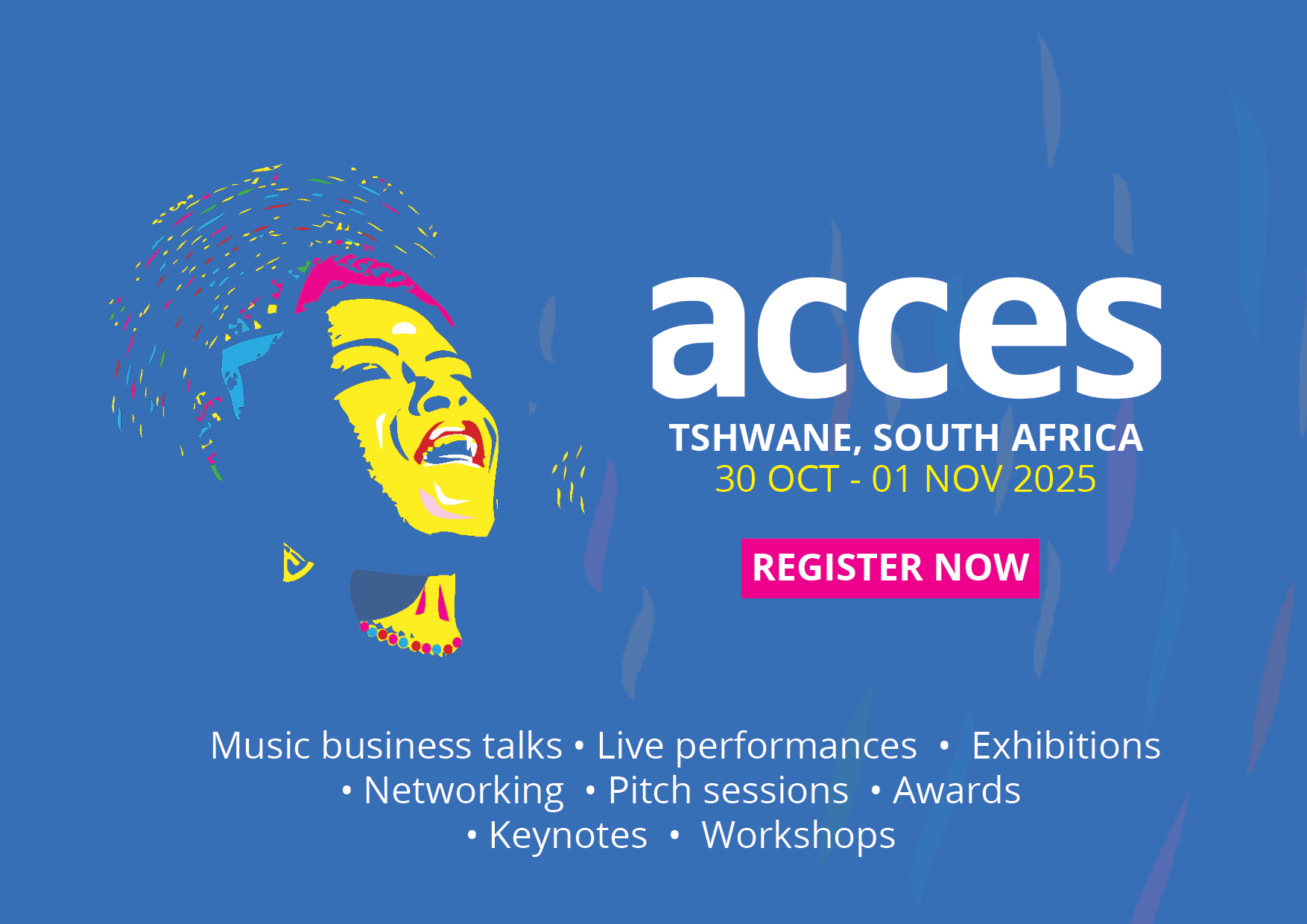
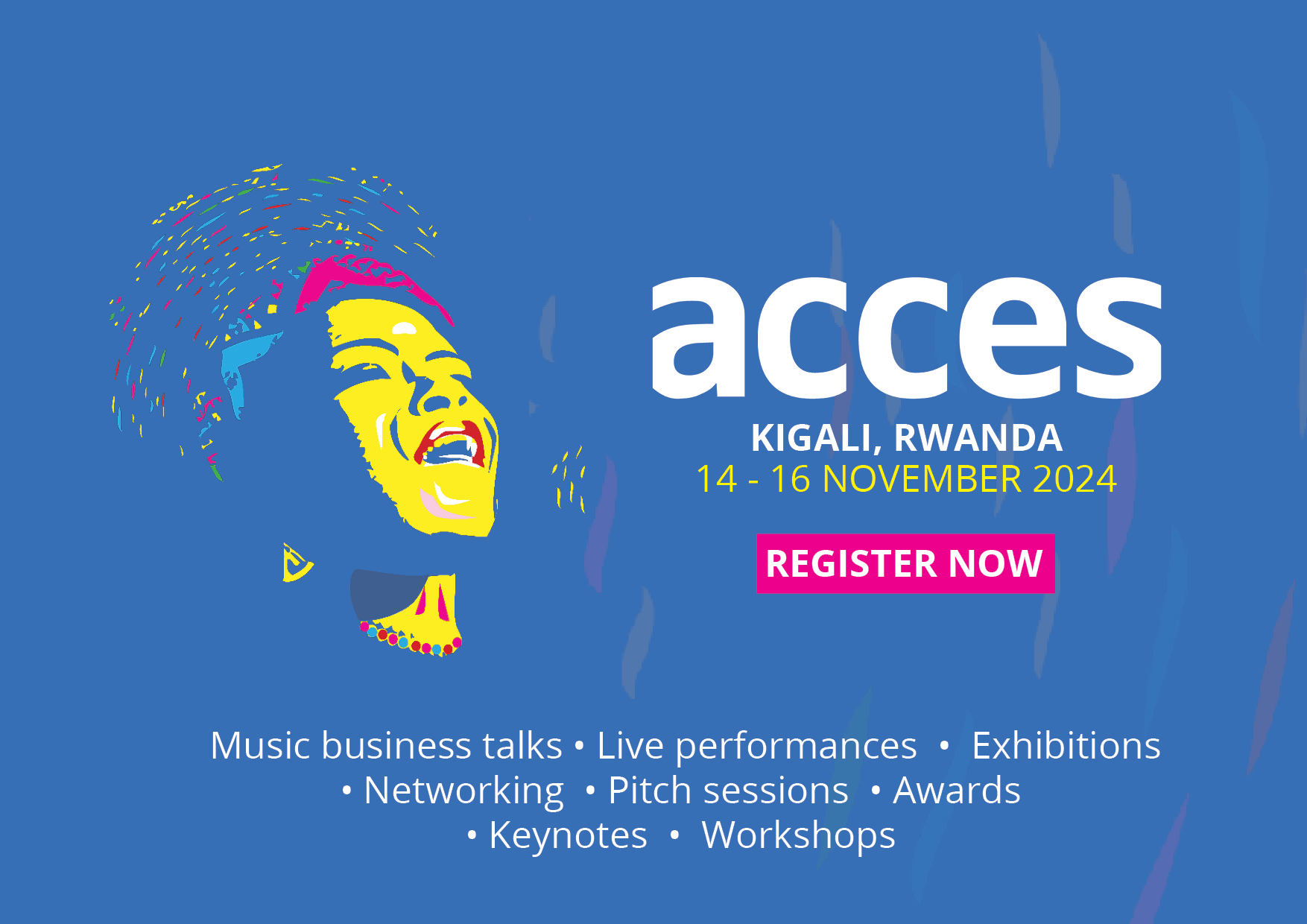
Chaque année, nous fournissons des informations générales afin de guider les participants dans la préparation de leur voyage. En plus de ce site, des mises à jour importantes seront envoyées par e-mail à tous les délégués inscrits. Assurez-vous de vous inscrire dès que possible. Pour plus d'informations, veuillez contacter [email protected] Continuez à consulter cette page pour plus d'information.  

Gender@Work
Gender@Work

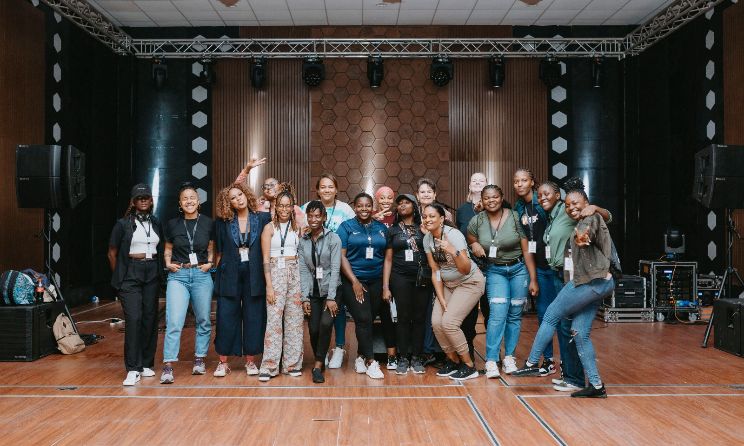
Music In Africa Gender @ Work is a three-year training programme aimed at upskilling and increasing the participation of female professionals in the African music sector. Launched by the Music In Africa Foundation (MIAF) in April 2019, the programme is connected to the MIAF’s ACCES music conference – a pan-African event held in a different African country every year. This connection enables the programme to reach new participants in a different African country every year. The programme marks the beginning of a more concerted effort by the Foundation to support the participation and inclusion of women in all facets of its programmes and the music sector in Africa as a whole. Over the three years, the programme will aim to address gender imbalances in the sector through training, lobbying, facilitating knowledge exchange and dialogues that foster the interest of women. The broader objectives of the programme are to: Provide industry training for women on critical music industry skills, focusing on: Stage management Electronic music production and recording Music business management Technical knowledge Provide an opportunity for both professional and aspiring women to benefit from the Music In Africa network and its broad range of activities in 2019, 2020 and 2021. Provide a solution-based platform in the form of a round table at ACCES with a view to identify challenges, discuss opportunities and lobby for the interests of female practitioners. Offer participants the opportunity to benefit from programmes offered by MIAF’s partners. Increase access to educational materials. Integrate participants in the broader ACCES programme to maximise experience and exposure to the industry. Record and present training materials on the www.musicinafrica.net, including but not limited to tutorials, templates and other best-practice materials. Communicate women-based themes that support the initiatives and messages of the programme. MAIN TRAINING ACTIVITIES Training in first country (Ghana): In the first year, participants will be trained on all aspects of stage management by a team of experienced stage managers from 10 to 17 November 2019. The programme will offer robust classroom training as well as practical, hands-on training in which participants will also be given the opportunity to manage various aspects of the ACCES performance programme. Training in second country: The second training iteration will take place at ACCES 2020 when the programme will diversify its course to include music production lessons and training on other music business topics. A round-table platform will also be introduced to coincide with the ACCES programme. Training in third country: The third training iteration will take place at ACCES 2021 in a different country, offering an advanced course. HOW DO YOU GET INVOLVED?  As a participant, facilitator or trainer: The programme enrolls up to 12 trainees every year. All opportunities are advertised publicly on this website, and will be added to this page. Please keep checking this page for new calls (below under UPDATES & CURRENT OPPORTUNITIES). As a partner Please contact Claire Metais at [email protected]. APPLY The call for applications for 2020 will be announced soon. The Music In Africa Gender @ Work programme is made possible with the support of the Prince Claus Fund, Siemens Stiftung and Goethe-Institut.

Sound Connects Fund
Sound Connects Fund

Pour les praticiens et les organisations culturels et créatifs opérant en Afrique australe, l’accès au financement reste un défi majeur. La pandémie de COVID-19 a également eu un impact massif sur les politiques gouvernementales, les dépenses et l’économie en général, et a vu les dépenses consacrées à la culture reléguées plus bas dans la liste des priorités. De plus, les industries culturelles et créatives citent régulièrement quatre domaines principaux où l’investissement est nécessaire pour la croissance : une visibilité accrue, la mobilité incluant l’accès à de nouveaux marchés, le financement et les structures de soutien.

Music In Africa Live

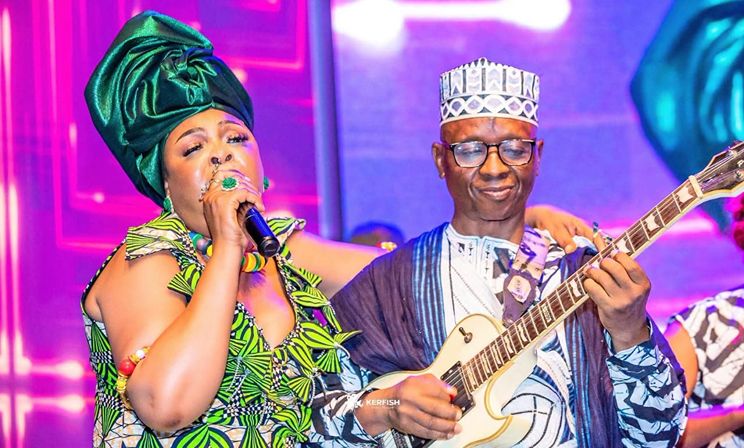
MUSIC IN AFRICA LIVE Lancé en 2020 pour une durée de 3 ans, Music In Africa Live est une initiative visant à soutenir l'écosystème de la musique africaine face aux contraintes imposées par la pandémie de COVID-19 ; le projet a été lancé par la Fondation Music In Africa (MIAF) en partenariat avec le ministère fédéral allemand des Affaires étrangères, Siemens Stiftung et le Goethe Institut. Plus de 30 aides sont disponibles dans le cadre de la troisième édition de Music In Africa Live, dans 3 catégories :  showcases, renforcement des compétences et plaidoyer, en conformité avec les modalités énoncées.

Instrument Building And Repair Project

The overarching objective of Music In Africa Foundation’s Instrument Building and Repair (IBR) project is to encourage the formalisation and professionalisation of instrument-making and repair in Africa, especially in relation to indigenous African instruments. Background In 2014, the Music In Africa Foundation (MIAF) identified as one of its focus areas for development the need to encourage young people from music and music-related sectors to consider instrument-making as a career. This need extended itself from the recognition that the making of traditional African instruments is not a widely practiced skill and seems to be limited to the older generation. Traditional African instrument makers are also few and far between, making communication and logistics between teachers and learners an obstacle. When instrument building workshops take place, budgetary constraints do not allow teachers or learners the time to explore the finer details of an instrument. Based on these observations, the MIAF designed and piloted the first IBR workshop at the Dhow Countries Music Academy (DCMA) in Zanzibar in February 2015. In 2016, the foundation received funding from the South African National Lotteries Commission to implement a much bigger version of the project in Johannesburg. The project drew participants from five African countries. 25 students from South Africa, Ghana, Senegal, Kenya and Ethiopia were trained on how to build and repair musical instruments. The instruments that they made were: Traditional Instruments: Umakhweyana and Marimba Conventional Instrument: Dulcimer guitar The workshop culminated in a traditional instruments concert at the Wits Theatre in Johannesburg. It is the MIAF’s aim to roll out similar workshops in as many African countries as possible over the next few years. Objectives Developing awareness of musical instrument makers in Africa with a view to promote their work to a wider global audience. Facilitating the sharing and transfer of skills in indigenous instruments between countries on the continent. Encouraging the formalisation and professionalisation of instrument-making and repair in Africa, especially in relation to indigenous instruments. Helping instrument makers develop their careers. Fostering the rapid monetisation and sustainable development of instrument-making and repair in Africa. Promoting constant exchange of ideas, expertise, experiences and know-how among instrument makers in Africa. Facilitating the identification of existing gaps in the field with a view to contribute new solutions. Facilitating the transfer of knowledge and skills of indigenous instruments between younger and older generations. 2020 edition The MIAF has also announced that multi-instrumentalist and instrument maker Joe Makhanza will facilitate one of the workshops on the building of the kamale ngoni instrument. Kamale ngoni is a kora-like, stringed instrument that originated in West Africa. The instrument contributed to the rise of Wassoulou music in the 1970s and 1990s. Makhanza was born in Giyani in South Africa's Limpopo province. He completed a bachelor of music degree and a post-graduate diploma in arts marketing from Wits University. He is currently completing his masters in ethnomusicology and is a part-time lecturer in African music studies at Rhodes University. He plays the kora, mbira, valiha, masenqo, xiwewe, ngoni ba and xizambi, among others. He also manufactures the aforementioned instruments. The MIAF will confirm more trainers who will join the workshops as well as the other instruments that will be featured in the 2020 IBR programme.  Apply to participate here. Connect with us on Twitter, Instagram and Facebook, and subscribe to our monthly newsletter. The Music In Africa Instrument Building and Repair project is funded by the National Lotteries Commission. It is implemented in partnership with Siemens Stiftung, Goethe-Institut, Wits Theatre and Kaya FM.

Reviews

Oceanic Feelings : Le disque introspectif d’Ozyris

10 Avr 2025 - 00:38

cc-img flag-img

Le talent camerounais décline sa vision fine et optimiste des tourments de l’existence dans cet EP de 4 titres, commis le 24 Mars 2025. Et livre une partition musicale aussi euphorique que généreuse, dont le maître mot est une continue remise en question. 
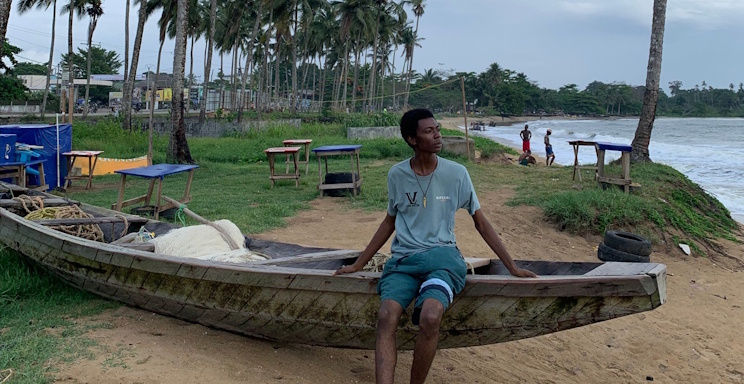
L'artiste camerounais Ozyris

Vue sur la pochette

Les pochettes d'albums sont pour la plupart inscrites dans l'univers d’une œuvre. Elles offrent une première approche visuelle au projet, et de l’image de l’artiste. Pour ce projet, Ozyris a voulu faire clarté et simplicité. Assis sur une pirogue, en tenue décontractée, regard vers la plage, sans doute l'un des espaces balnéaires à Kribi (Sud Cameroun). Il veut sans doute faire référence à une ambiance de voyage, d'évasion. Toutefois, l'arrière-plan est surchargé, je constate la présence d’autres personnes, des palmiers blancs, des cocotiers, des tables, des bâches à même le sol. Le créatif a voulu faire authentique dans une humilité sans pareille. La titraille de l’album se trouve en bas en gauche, sous une calligraphie simpliste. L’avantage de cette art cover, c’est qu’elle donne le ton du disque. Il faut absolument corriger cela au prochain projet, car une création graphique trahit l’esprit derrière un travail artistique: Cette pochette est à soigner prochainement. Car le mélomane tombé amoureux du visuel avant l’auditif.

Vendée Globe auditif

Il faut être audacieux dans le bon sens, ou sacrément gonflé pour oser appeler son mini-album Oceanic Feelings en mars 2025, alors que la petite saison des pluies frappe à la porte au Cameroun, et que le dérèglement climatique s’accélère dans la plupart des pays du monde. On penche évidemment pour une surdose d’impertinence, doublée d’un optimisme forcené chez Ozyris.

Le chanteur se trouve sur le sentier de sa carrière, connaît ce syndrome de Panurge qui consiste à deviser sur les sujets du moment, au premier degré. Au choix : l’angoisse existentielle mondialisée, les inégalités, les autres injustices sociales, la santé mentale explorée jusqu’au nombrilisme: C'est d'un courage puissant de ramer sur des vents aussi actuels qu'atemporels.

Le disque s'ouvre par une clairière étrange, celle de « Coconut Dreams », en mode trompettiste, sous des airs curieux de Pop pure, à l'image de Gwen Stefani sur « The Sweet Escape (2007) ou encore Pink. Je suis très surpris d'une pareille proposition, encore que la chanson est très aérienne et amplifie l'humour et la bonne vibe qui l'en dégage. D'ailleurs, cette première piste s'achève sur du bruitage en mer, vagues, aigle-pêcheur: Une sorte de carte postale marine.

Prise de risque

Ozyris a un côté canaille en plus, capable d’un lyrisme qui n’appartient qu’à lui, plus proche du sursaut de la dernière chance que de l’héroïsme à la U2.

Sur Oceanic Feelings la deuxième piste qui porte le nom de son projet, il l’a consacrée à une folk pop de crooner, agréable mais loin de l’urgence, à défaut du succès commercial, il le met sous des airs de refrain Reggae avec des choeurs sobres très distinctifs. Mais il ne faut jamais désespérer de ceux que l’on aime ou de la vie en elle-même, et Ozyris le démontre.

Refrain monté sur des ressorts avec des instrus éclectiques, le troisième morceau, « How I Feel » abolit d’emblée toute appréhension. Et remet à l’honneur avec une morgue désarmante les « Come around » du doo-wop que Lou Reed, en son temps, avait su transcender. Le chanteur aurait mis plusieurs mois à accoucher de certaines de ces chansons, mais il ne reste aucune trace d’hésitation sur ces quatre titres à la production classieuse et discrète.

Ozyris, qui ne dit pas son âge, il est un artiste formé en autodidacte et un chanteur pétri de talent dans les deux cas. Même si sa voix nécessite encore des ajustements, en termes de technique et de maîtrise, il s'embarque dans un long périple à la fois propulseur d'adrénaline dans le bon sens du terme.

Entre voyage et témérité

Entre Hip-Pop, folk, Pop et polyphonies étranges, Ozyris avoue les influences d’Erykah Badu et Rachelle Ferrell, en citant les harmonies de Francis Poulenc autant que les vocalises de Michael Jackson, ou encore la japonaise Ichiko Ayoba, réputée pour murmurer aux oreilles des baleines.

Mais il est surtout totalement ailleurs, en lui-même, où il puise une intensité qui trahit son bouillonnement : faussement serein, sa musique est un baume sous l’épaisseur duquel les plaies affleurent, et l'évasion est démasquée, démystifiée.

Dans la mouvance des crooners camerounais aux voix de velours, de Sabrina à Mahalia, jusqu’à la mutante Joyce Babatunde, pas facile de se faire une place. Je reste très confiant pour ce talent, car Il définit assez bien son univers : une néo-Pop teintée de R’n’B et de soul avec juste ce qu’il faut de langueur et de groove mêlés, sur fond de dramaturgie introspective et de cœurs en miettes.

Un cocktail sucré, à l’image de l’écrin Pop jazzy-lounge de « Kribi Beach », qui peut toutefois sembler inoffensif. C’est compter sans son innocence vocale et son habileté à tisser des mélodies en apparence anodines, mais dont la profondeur discrète et subtile s’impose au fil des écoutes. Sa capacité à œuvrer dans un registre proche du hip-hop, sur des motifs newyorkais des années 1970, ou proche de la pop électrique, donne une idée des possibilités qui s’offrent à lui.

Qu’il s’affirme davantage dans l’écriture, afin de ne pas verser dans une pop trop calibrée, et tous les espoirs sont permis.

Tout le monde ne rend pas forcément les armes devant le timbre d'Ozyris, maître d’un instrument d’une beauté renversante, distille un legato de soie et une ligne flatteuse. Sera-ce assez ? Il faut croire que non, car les mots, les accents, les ruptures, l’expression, l’incarnation même souffrent de ce trop-plein de perfection instrumentale qui lisse le périple. D’autant que les arrangements, rétifs à contrarier de telles splendeurs, n’a pas le délié ni l’étoffe de sa créativité.

Pour ce disque j'imagine un brin surjoué, un récit concret. Des instrus verticaux accompagnent le timbre juvénile du créatif, où sons droits et usage de la voix mixte cautionnent une optique historiquement informée, sans parvenir à dissimuler d’abondants maniérismes.

Au sein de ce parcours riche en sautes d’humeur, l’auditeur semble mis dans la confidence par la proximité de la prise de son. Oceanic Feelings offre d’élégantes et personnelles visions, renouvelant notre approche d'une ballade phonographique en mer.

Des aiguës parfois nourris, des phrases chargées de poids et de symboles, un engagement immédiat : Ozyris se livre tout entier, par sa manière de porter le fardeau de ce voyage vers l’inéluctable. D’abord en retrait, les instrus complètent le regard sans fard ni artifice de l'artiste, dont la sincérité et la charge émotionnelle brossent des notes saisissantes, dans leur mise à nu.

Aucun choix radical, mais une logique implacable, un naturel et un accomplissement qui jaillissent, forts, limpides. Pour ce mini-album, je donnerai un 8/10, car les attentes sont encore énormes, et les perspectives beaucoup plus grandes qu'un Océan !

Artiste : Ozyris
Album : Oceanic Feelings
Label/Année : Indie/2025

Please se connecter to post a comment.

Most popular

Disclaimer: Music In Africa provides a platform for musicians and contributors to embed music and videos solely for promotional purposes. If any track or video embedded on this platform violates any copyrights please inform us immediately and we will take it down. Please read our Terms of Use for more.

newsletter banner

Abonnez-vous à notre newsletter

Retrouvez-nous sur les réseaux sociaux