












NEFCISA
NEFCISA

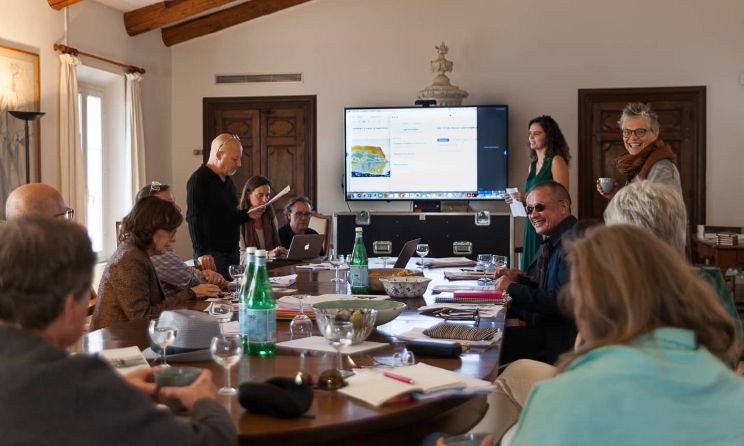
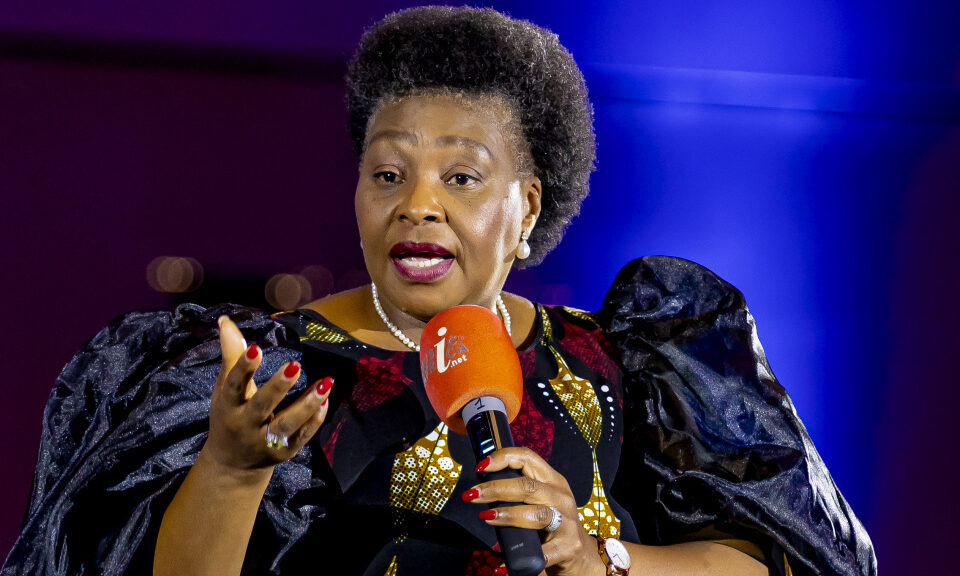
The Music In Africa Foundation (MIAF) is proud to announce its partnership with the Industrial Development Corporation (IDC) as a Strategic Implementing Partner (SIP) for its Social Employment Fund (SEF). Through this collaboration, MIAF is launching a new national programme designed to create jobs, address skills gaps, and strengthen South Africa’s creative industries — in line with the SEF’s overarching goal to generate work for the common good and build community value through employment, social contribution, and inclusive economic participation. Operating under the banner NEFCISA (National Employment Facility for Creative Industries in South Africa), the initiative will recruit and train participants, match them with host organisations, and place a minimum of 1 000 workers across the country. Key Objectives: Support employment and entrepreneurship in the creative industries. Offer skills development and training programmes. Foster partnerships between public and private creative sectors. Promote South African creativity at both provincial and national levels Foster community development through social contribution.

ACCES
ACCES

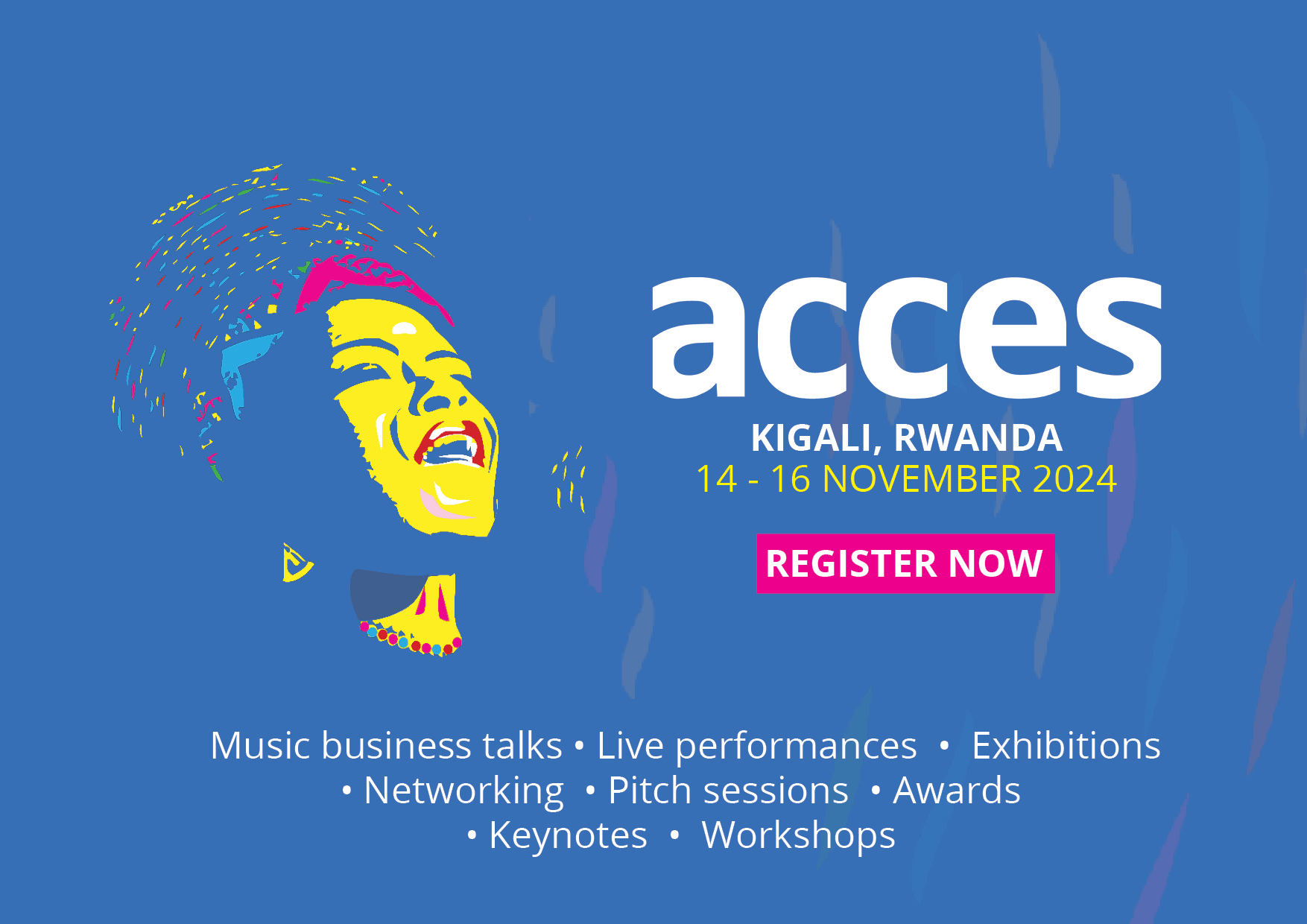
Chaque année, nous fournissons des informations générales afin de guider les participants dans la préparation de leur voyage. En plus de ce site, des mises à jour importantes seront envoyées par e-mail à tous les délégués inscrits. Assurez-vous de vous inscrire dès que possible. Pour plus d'informations, veuillez contacter [email protected] Continuez à consulter cette page pour plus d'information.  

Gender@Work
Gender@Work

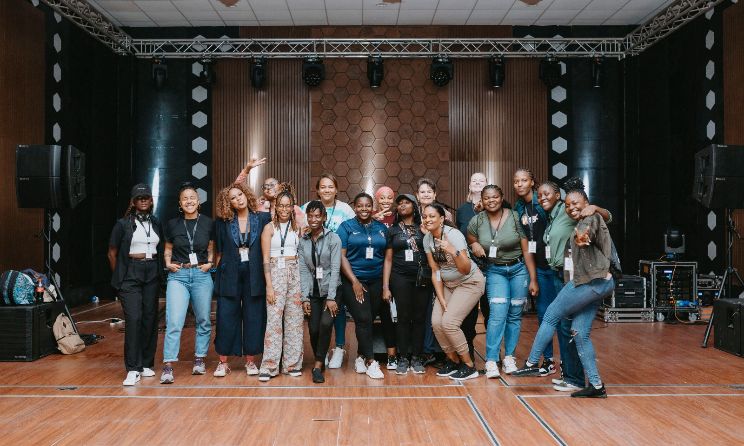
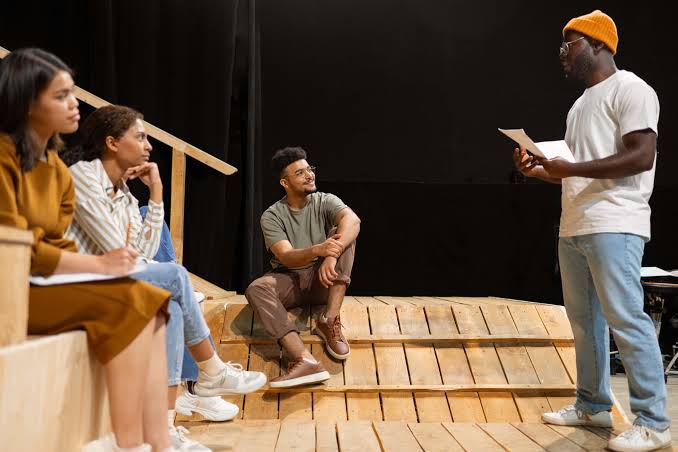
Music In Africa Gender @ Work is a three-year training programme aimed at upskilling and increasing the participation of female professionals in the African music sector. Launched by the Music In Africa Foundation (MIAF) in April 2019, the programme is connected to the MIAF’s ACCES music conference – a pan-African event held in a different African country every year. This connection enables the programme to reach new participants in a different African country every year. The programme marks the beginning of a more concerted effort by the Foundation to support the participation and inclusion of women in all facets of its programmes and the music sector in Africa as a whole. Over the three years, the programme will aim to address gender imbalances in the sector through training, lobbying, facilitating knowledge exchange and dialogues that foster the interest of women. The broader objectives of the programme are to: Provide industry training for women on critical music industry skills, focusing on: Stage management Electronic music production and recording Music business management Technical knowledge Provide an opportunity for both professional and aspiring women to benefit from the Music In Africa network and its broad range of activities in 2019, 2020 and 2021. Provide a solution-based platform in the form of a round table at ACCES with a view to identify challenges, discuss opportunities and lobby for the interests of female practitioners. Offer participants the opportunity to benefit from programmes offered by MIAF’s partners. Increase access to educational materials. Integrate participants in the broader ACCES programme to maximise experience and exposure to the industry. Record and present training materials on the www.musicinafrica.net, including but not limited to tutorials, templates and other best-practice materials. Communicate women-based themes that support the initiatives and messages of the programme. MAIN TRAINING ACTIVITIES Training in first country (Ghana): In the first year, participants will be trained on all aspects of stage management by a team of experienced stage managers from 10 to 17 November 2019. The programme will offer robust classroom training as well as practical, hands-on training in which participants will also be given the opportunity to manage various aspects of the ACCES performance programme. Training in second country: The second training iteration will take place at ACCES 2020 when the programme will diversify its course to include music production lessons and training on other music business topics. A round-table platform will also be introduced to coincide with the ACCES programme. Training in third country: The third training iteration will take place at ACCES 2021 in a different country, offering an advanced course. HOW DO YOU GET INVOLVED?  As a participant, facilitator or trainer: The programme enrolls up to 12 trainees every year. All opportunities are advertised publicly on this website, and will be added to this page. Please keep checking this page for new calls (below under UPDATES & CURRENT OPPORTUNITIES). As a partner Please contact Claire Metais at [email protected]. APPLY The call for applications for 2020 will be announced soon. The Music In Africa Gender @ Work programme is made possible with the support of the Prince Claus Fund, Siemens Stiftung and Goethe-Institut.

Sound Connects Fund
Sound Connects Fund

Pour les praticiens et les organisations culturels et créatifs opérant en Afrique australe, l’accès au financement reste un défi majeur. La pandémie de COVID-19 a également eu un impact massif sur les politiques gouvernementales, les dépenses et l’économie en général, et a vu les dépenses consacrées à la culture reléguées plus bas dans la liste des priorités. De plus, les industries culturelles et créatives citent régulièrement quatre domaines principaux où l’investissement est nécessaire pour la croissance : une visibilité accrue, la mobilité incluant l’accès à de nouveaux marchés, le financement et les structures de soutien.

Music In Africa Live

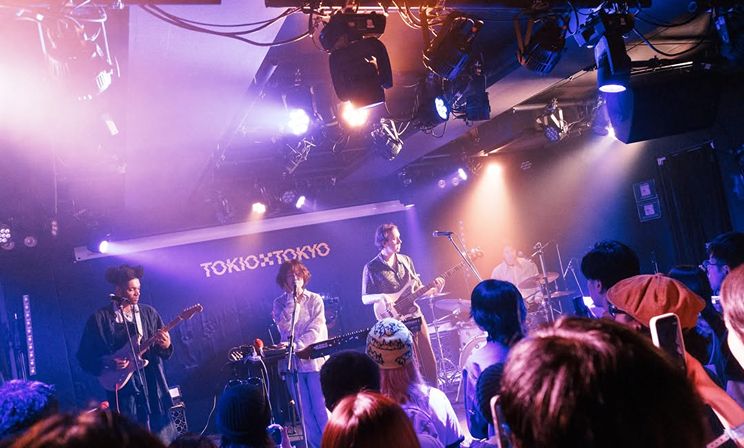
MUSIC IN AFRICA LIVE Lancé en 2020 pour une durée de 3 ans, Music In Africa Live est une initiative visant à soutenir l'écosystème de la musique africaine face aux contraintes imposées par la pandémie de COVID-19 ; le projet a été lancé par la Fondation Music In Africa (MIAF) en partenariat avec le ministère fédéral allemand des Affaires étrangères, Siemens Stiftung et le Goethe Institut. Plus de 30 aides sont disponibles dans le cadre de la troisième édition de Music In Africa Live, dans 3 catégories :  showcases, renforcement des compétences et plaidoyer, en conformité avec les modalités énoncées.

Instrument Building And Repair Project

The overarching objective of Music In Africa Foundation’s Instrument Building and Repair (IBR) project is to encourage the formalisation and professionalisation of instrument-making and repair in Africa, especially in relation to indigenous African instruments. Background In 2014, the Music In Africa Foundation (MIAF) identified as one of its focus areas for development the need to encourage young people from music and music-related sectors to consider instrument-making as a career. This need extended itself from the recognition that the making of traditional African instruments is not a widely practiced skill and seems to be limited to the older generation. Traditional African instrument makers are also few and far between, making communication and logistics between teachers and learners an obstacle. When instrument building workshops take place, budgetary constraints do not allow teachers or learners the time to explore the finer details of an instrument. Based on these observations, the MIAF designed and piloted the first IBR workshop at the Dhow Countries Music Academy (DCMA) in Zanzibar in February 2015. In 2016, the foundation received funding from the South African National Lotteries Commission to implement a much bigger version of the project in Johannesburg. The project drew participants from five African countries. 25 students from South Africa, Ghana, Senegal, Kenya and Ethiopia were trained on how to build and repair musical instruments. The instruments that they made were: Traditional Instruments: Umakhweyana and Marimba Conventional Instrument: Dulcimer guitar The workshop culminated in a traditional instruments concert at the Wits Theatre in Johannesburg. It is the MIAF’s aim to roll out similar workshops in as many African countries as possible over the next few years. Objectives Developing awareness of musical instrument makers in Africa with a view to promote their work to a wider global audience. Facilitating the sharing and transfer of skills in indigenous instruments between countries on the continent. Encouraging the formalisation and professionalisation of instrument-making and repair in Africa, especially in relation to indigenous instruments. Helping instrument makers develop their careers. Fostering the rapid monetisation and sustainable development of instrument-making and repair in Africa. Promoting constant exchange of ideas, expertise, experiences and know-how among instrument makers in Africa. Facilitating the identification of existing gaps in the field with a view to contribute new solutions. Facilitating the transfer of knowledge and skills of indigenous instruments between younger and older generations. 2020 edition The MIAF has also announced that multi-instrumentalist and instrument maker Joe Makhanza will facilitate one of the workshops on the building of the kamale ngoni instrument. Kamale ngoni is a kora-like, stringed instrument that originated in West Africa. The instrument contributed to the rise of Wassoulou music in the 1970s and 1990s. Makhanza was born in Giyani in South Africa's Limpopo province. He completed a bachelor of music degree and a post-graduate diploma in arts marketing from Wits University. He is currently completing his masters in ethnomusicology and is a part-time lecturer in African music studies at Rhodes University. He plays the kora, mbira, valiha, masenqo, xiwewe, ngoni ba and xizambi, among others. He also manufactures the aforementioned instruments. The MIAF will confirm more trainers who will join the workshops as well as the other instruments that will be featured in the 2020 IBR programme.  Apply to participate here. Connect with us on Twitter, Instagram and Facebook, and subscribe to our monthly newsletter. The Music In Africa Instrument Building and Repair project is funded by the National Lotteries Commission. It is implemented in partnership with Siemens Stiftung, Goethe-Institut, Wits Theatre and Kaya FM.

News

Rolling Stone : Tabu Ley classé devant Alicia Keys, Burna Boy et Fela Kuti

04 Jan 2023 - 14:33

cc-img flag-img

Le magazine américain Rolling Stone traitant de pop culture a publié sa liste traditionnelle des 200 meilleurs chanteurs et chanteuses de tous les temps.
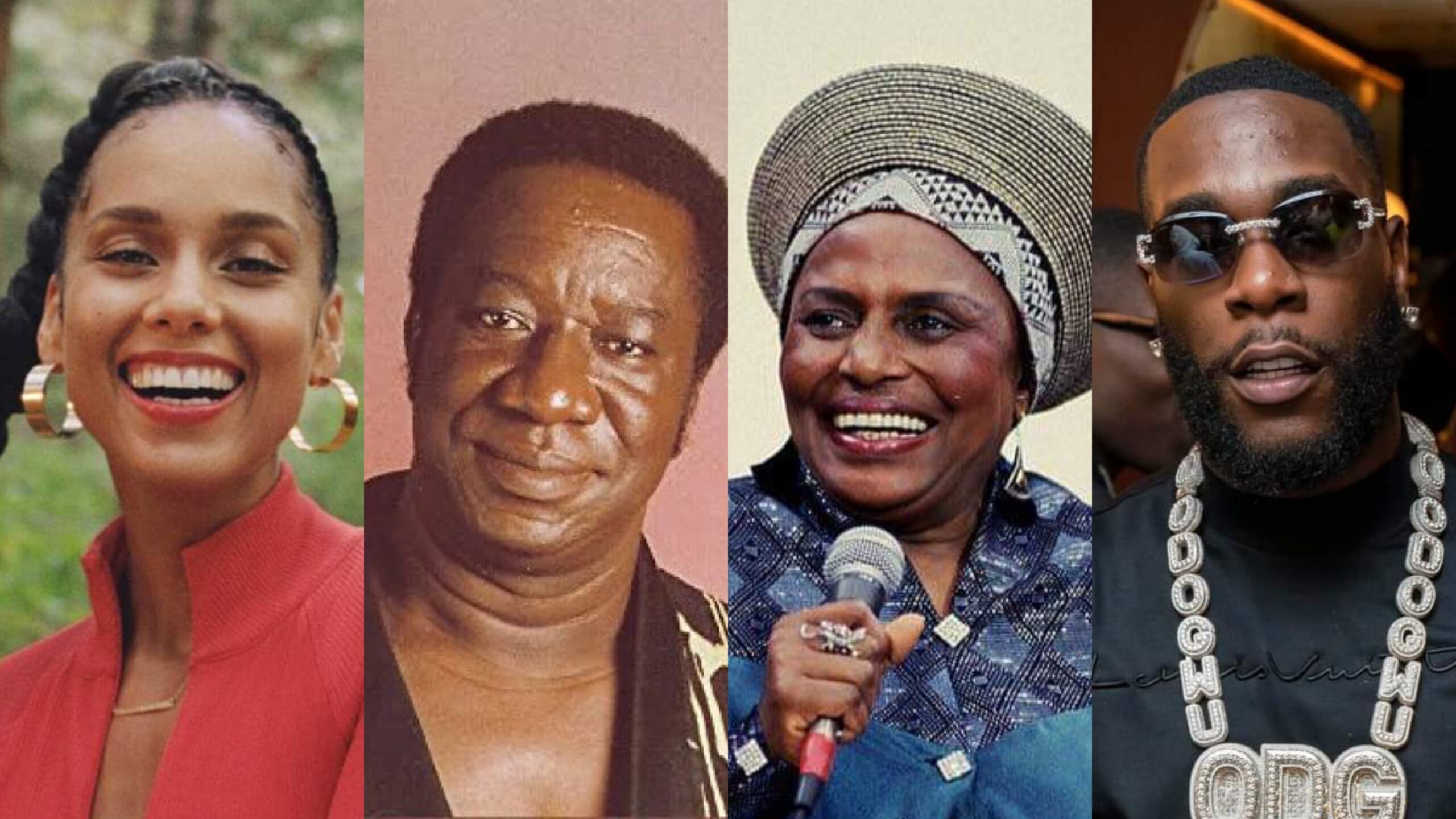
(Photo) : Alicia Keys, Tabu Ley, Miriam Makeba, Burna Boy

Sur cette prestigieuse liste baptisée « The 200 Greatest Singers of All Time », le feu Tabu Ley Rochereau est classé à la 178 -ème place. Il devance certains noms connus de la musique tels que Bruna Boy, Fela Kuti, Alicia Keys ou encore Kelly Clarkson.

Cette reconnaissance amène un plus à son incroyable carrière qui fut sans conteste l’une des plus belles d’Afrique. En 46 ans de carrière, Rochereau a laissé un véritable héritage culturel en Afrique avec plus de 3.000 chansons composées et plusieurs milliers de disques vendus.

Si le Top 10 semble satisfaire les lecteurs avec la présence des chanteurs tels que Ray Charles, Mariah Carey, Whitney Houston, Otis Redding et Beyoncé, le reste du classement enflamme toute la toile. En effet, des stars planétaires telles que Madonna ou encore Céline Dion n'y figurent pas dans ce classement. Pourtant, la chanteuse québécoise de 54 ans a vendu plus de 250 millions d'albums.

Cette liste comporte donc son lot de choix contestés par les mélomanes du monde entier. Mais comme chaque année, le magazine américain est habitué à gérer ces polémiques. Rolling Stone a également beaucoup fait parler de lui ces deux dernières années avec ses classements des 500 plus grands singles et 500 plus grands albums de tous les temps.

Voici la liste des 200 plus grands chanteurs et chanteuses selon Rolling Stone :

  1. Aretha Franklin
  2. Whitney Houston
  3. Sam Cooke
  4. Billie Holiday
  5. Mariah Carey
  6. Ray Charles
  7. Stevie Wonder
  8. Beyoncé
  9. Otis Redding
  10. Al Green
  11. Little Richard
  12. John Lennon
  13. Patsy Cline
  14. Freddie Mercury
  15. Bob Dylan
  16. Prince
  17. Elvis Presley
  18. Celia Cruz
  19. Frank Sinatra
  20. Marvin Gaye
  21. Nina Simone
  22. Adele
  23. Smokey Robinson
  24. George Jones
  25. Mary J. Blige
  26. Paul McCartney
  27. Dolly Parton
  28. Mahalia Jackson
  29. Chaka Khan
  30. Hank Williams
  31. Luther Vandross
  32. David Bowie
  33. Bessie Smith
  34. Thom Yorke
  35. Dusty Springfield
  36. Kurt Cobain
  37. Van Morrison
  38. Curtis Mayfield
  39. Louis Armstrong
  40. Aaliyah
  41. Etta James
  42. Teddy Pendergrass
  43. Ariana Grande
  44. James Brown
  45. Ella Fitzgerald
  46. Mavis Staples
  47. Linda Ronstadt
  48. Toni Braxton
  49. Rod Stewart
  50. Joni Mitchell
  51. Sade
  52. Mick Jagger
  53. Miriam Makeba
  54. Willie Nelson
  55. Tina Turner
  56. Barry White
  57. Brian Wilson
  58. Lady Gaga
  59. Howlin’ Wolf
  60. Kate Bush
  61. Oum Kalthoum
  62. George Michael
  63. Robert Plant
  64. Björk
  65. Minnie Riperton
  66. David Ruffin
  67. Dennis Brown
  68. Rihanna
  69. Youssou N’Dour
  70. Ronnie Spector
  71. Roy Orbinson
  72. Muddy Waters
  73. Héctor Lavoe
  74. Patti LaBelle
  75. D’Angelo
  76. Wilson Pickett
  77. Bruce Springsteen
  78. Janis Joplin
  79. Emmylou Harris
  80. Chris Cornell
  81. João Gilberto
  82. Steve Perry
  83. Amy Winehouse
  84. Lata Mangeshkar
  85. Johnny Cash
  86. Michael Jackson
  87. Diana Ross
  88. Jimmie Rodgers
  89. Selena
  90. Gal Costa
  91. Nusrat Fateh Ali Khan
  92. Anita Baker
  93. Stevie Nicks
  94. Toots Hibbert
  95. Vicente Fernandez
  96. Chuck Berry
  97. Usher
  98. Bob Marley
  99. Clyde McPhatter
  100. Elton John
  101. Gladys Knight
  102. Taylor Swift
  103. Leonard Cohen
  104. Aaron Neville
  105. Eddie Vedder
  106. Bill Withers
  107. Lou Reed
  108. Caetano Veloso
  109. Roger Daltrey
  110. The Weeknd
  111. Fiona Apple
  112. Ozzy Osbourne
  113. La India
  114. Chrissie Hynde
  115. Erykah Badu
  116. Chet Baker
  117. Patti Smith
  118. John Fogerty
  119. Barrington Levy
  120. Charlie Rich
  121. Jackie Wilson
  122. Donna Summer
  123. Karen Carpenter
  124. Robert Johnson
  125. Joe Strummer
  126. Donny Hathaway
  127. Tammy Wynette
  128. Florence Welch
  129. Rob Halford
  130. Courtney Love
  131. Jeff Buckley
  132. Loretta Lynn
  133. Neil Young
  134. Axl Rose
  135. IU
  136. Lauryn Hill
  137. El DeBarge
  138. Merle Haggard
  139. Rocio Durcal
  140. Bono
  141. Christina Aguilera
  142. Russell Thompkins Jr.
  143. Luciano
  144. Darlene Love
  145. PJ Harvey
  146. Ruth Brown
  147. Barbra Streisand
  148. Levon Helm
  149. Wanda Jackson
  150. Bryan Ferry
  151. Martha Reeves
  152. Michael Stipe
  153. Mahlathini
  154. Dion
  155. Corin Tucker
  156. George Strait
  157. Robert Smith
  158. Carrie Underwood
  159. Mississippi John Hurt
  160. Mercedes Sosa
  161. Brenda Lee
  162. Françoise Hardy
  163. Bobby « Blue » Bland
  164. Sandy Denny
  165. Ronnie James Dio
  166. Morrissey
  167. Marc Anthony
  168. Debbie Harry
  169. Sylvester
  170. Chris Stapleton
  171. Odetta
  172. Juan Gabriel
  173. Marianne Faithfull
  174. Buddy Holly
  175. Lana Del Rey
  176. Iggy Pop
  177. Patty Loveless
  178. Tabu Ley Rochereau
  179. Martha Wash
  180. SZA
  181. Bob Seger
  182. Jazmine Sullivan
  183. Solomon Burke
  184. Karen O
  185. Alicia Keys
  186. Ofra Haza
  187. Bonnie Raitt
  188. Fela Kuti
  189. Joan Baez
  190. Frank Ocean
  191. Jung Kook
  192. Anohni
  193. Brandi
  194. Kelly Clarkson
  195. Poly Styrene
  196. Paul Westerberg
  197. Burna Boy
  198. Billie Eilish
  199. Glenn Danzig
  200. Rosalia

Please se connecter to post a comment.

Most popular

Disclaimer: Music In Africa provides a platform for musicians and contributors to embed music and videos solely for promotional purposes. If any track or video embedded on this platform violates any copyrights please inform us immediately and we will take it down. Please read our Terms of Use for more.

newsletter banner

Abonnez-vous à notre newsletter

Retrouvez-nous sur les réseaux sociaux