























Usage des langues locales dans la musique du nord du Nigéria
04 Nov 2019 - 10:43


Environ 560 langues sont parlées au Nigéria, préservant ainsi - grâce à leur usage au quotidien et dans la musique - l'histoire et l'identité culturelle des différentes tribus et régions qu'elles représentent [1]. Bien avant l'occidentalisation de la musique du nord du Nigeria et l'ajout des sons électroniques à ses instruments traditionnels, l'usage de la langue était profondément ancré dans les cultures et les traditions des peuples de cette région. Cet article présente un aperçu de l'utilisation de la langue dans la musique du nord du Nigeria.
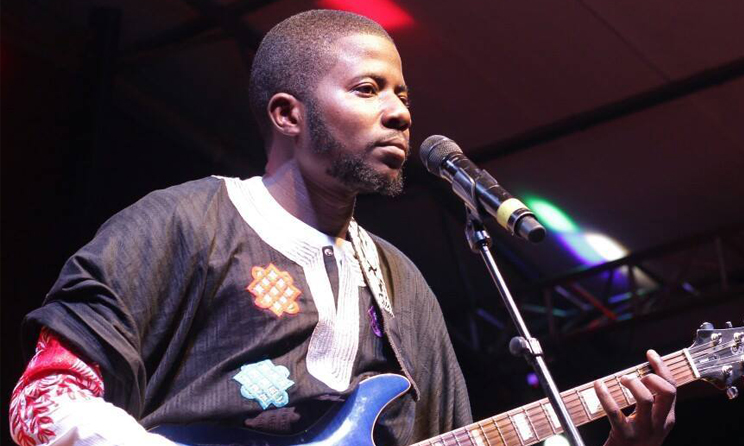
Utilisation de la langue dans la musique traditionnelle nigériane du Nord
La plupart des musiciens traditionnels du nord du Nigéria héritent du métier de leurs parents ou font un apprentissage avec un chanteur populaire avant de devenir des artistes indépendants. La musique fait souvent appel à des styles de jeu libres et ouverts et à l'improvisation ; par extension, le langage utilisé pendant le processus de composition des chansons traditionnelles est souvent spontané et familier.
Ces chants parlent souvent de la vie quotidienne : les triomphes et les défis sont célébrés et relevés, tandis que des métaphores tirées de contes populaires sont utilisées pour refléter des situations et des métaphores de la société concernée [2].
L'utilisation de la langue dans la musique traditionnelle nigériane du nord-est, est en outre, à la fois poétique et agile. Parfois - comme dans la tradition musicale igoru du sud [3] - des proverbes bien connus sont utilisés de manière satirique, et des figures de style tels que l’hyperbole sont employés pour rire de situations embarrassantes.
Les chansons peuvent présenter un contenu léger ou explicite selon le public visé, en tenant compte du fait que bien que des jeunes et des personnes âgées écoutent les mêmes chansons, leur compréhension des termes employés sera différente.
Usage de la langue dans la musique nigériane contemporaine du nord du Nigéria
Le hip-hop est la forme la plus importante de musique contemporaine dans le nord du Nigeria. Il est le plus souvent associé à la langue haoussa, lingua franca de l'Afrique de l'Ouest parlée par plus de 35 millions de personnes dans des pays comme le Ghana, le Niger, le Cameroun, le Soudan, le Bénin et le Togo [4]. Cependant, malgré la prédominance du haoussa - une langue afro-asiatique de la branche tchadienne [5] - les autres langues du nord du Nigeria sont toujours bien représentées.
Parmi les autres langues utilisées par les artistes figurent le Birom (État de Jos), Nupe (Niger), Atyap, Juu, Gbagyi, Ikulu, Marwa, Shyeolio, Kaninkon et Oegworok (État de Kaduna), le fulfulde, avec ses différents dialectes des principaux États du Nord, Kanuri (États de Borno, Yobe et Jigawa), Idoma (Kogi) et Igala (État du Benue) [6].
La créolisation des langues indigènes dans le nord du Nigeria a favorisé la communication et aidé les artistes à obtenir un attrait massif et un succès commercial. Si, historiquement, les artistes ont toujours su gagner des adeptes dans leur région d'origine, actuellement ils incorporent également des phrases, des proverbes, des termes argotiques et des chants utilisés dans d'autres langues pour attirer davantage de fans.
Des musiciens folkloriques contemporains comme Abdullahi Useni, qui chante en cinq langues différentes, possèdent une polyvalence linguistique qui résulte de leurs déplacements et de leurs prestations devant différents publics dans la région [7].
Alors que certains musiciens du nord du Nigeria ne chantent encore que dans leur langue maternelle, ceux qui utilisent des langues issues d'un mélange de différentes tribus et régions se sont révélés plus populaires ces dernières années. Jeremiah Gyang, qui est souvent crédité d'avoir attiré l'attention du grand public sur la musique contemporaine du nord du Nigeria, utilise une combinaison de Birom, d'anglais et d’haoussa [8].
Ses albums Na Ba Ka, I Give You et The Love Album mélangent ces trois langues. L'utilisation syncrétique de la langue par Gyang dans ses interprétations est en outre caractéristique de la composition multiculturelle et ethnique diversifiée du nord du Nigeria [9].
De même, le chanteur populaire 2Baba,originaire de Benue State Innocent Idibia de son vrai nom, utilise un mélange d'anglais, Pidgin et Idoma dans plusieurs de ses chansons. Bien que la plupart de ses chansons soient en anglais ou en pidgin, des titres tels que « Nfana Ibaga » (No Problem) et « Odi Ya » de son album Face 2 Face de 2002 contiennent une combinaison de lyrisme occidental et traditionnel [10].
Enfin, bien qu'il soit originaire de la tribu minoritaire bazuli de l'État de Bauchi, le rappeur ClassiQ est un excellent exemple d'un musicien nigérian du nord qui maîtrise l'art de mélanger les métaphores haoussa avec des expressions anglaises ou pidgin [11]. Son travail illustre une tendance du hip hop nigérian du nord du pays à inclure l'utilisation de mots dans les dialectes locaux, qui sont ensuite interprétés avec un équivalent en rimes en anglais (et vice versa).
Les paroles du single de ClassiQ « Ban Son Raini » (I Don't Want Disrespect) l'illustrent parfaitement : ‘Ga lapazi, ga effizzy / Wallahi na sa haters na suna jiri, they are dizzy / Abubuwa sun man yawa, being me is not easy / So don Allah ka game, has in na ce make I am busy.’ Le succès de ce style a valu à ClassiQ des collaborations avec des rappeurs comme Vector.
Conclusion
La tendance des musiciens du nord du Nigeria à incorporer et à mélanger les langues a conduit à un succès commercial et à la création d'un nouveau son ces dernières années.
L'utilisation des langues régionales a, en outre, permis à ces musiciens de retrouver et de célébrer leurs racines et, ce faisant, d'enrichir les cultures du nord du Nigeria.
Resources and citations:
- [1] Udeh, C. 2017. 15 Most Widely Spoken Nigerian Languages. December 5. Buzz Nigeria: https://buzznigeria.com/top-15-widely-spoken-nigerian-languages/
- [2] Lasisi, SA. 2012. Traditional Music in Nigeria: Example of Ayinla Omowura’s Music. www.iiste.org: http://pakacademicsearch.com/pdf-files/edu/449/108-118%20Vol%202,%20No%2...(2012).pdf
- [3] Idamoyibo, OI. 2006. Igoru Music In Okpeland: A Study Of Its Functions And Compositional Techniques. University of Pretoria: https://repository.up.ac.za/bitstream/handle/2263/24078/Complete.pdf?sequence=13
- [4] Huasa Language in Wikipedia. Last accessed 27 June 2018: https://en.wikipedia.org/wiki/Hausa_language
- [5] Afrosiatic Languages in Wikipedia. Last accessed 27 June 2008: https://en.wikipedia.org/wiki/Afroasiatic_languages
- [6] Okafor, O. 2016. Hausa Language: 4 Interesting Things You Should Know About Nigeria’s Most Widely Spoken Indigenous Language. Pulse. June 6: http://www.pulse.ng/lifestyle/food-travel-arts-culture/hausa-language-4-...
- [7] Chimaobi, K. 2016. Meet The Hausa Musician That Sings In Almost All The Nigerian Languages. NB Nigerian Bulletin. February 12: https://www.nigerianbulletin.com/threads/meet-the-hausa-musician-who-sin...
- [8] Abubakar, NL. 2008. Nigeria: Where Has Jeremiah Gyang Been? The Daily Trust: http://allafrica.com/stories/200807120024.html
- [9] Gyang, J. Why I Shunned Lagos and Relocated to Jos. The Guardian Nigeria: https://guardian.ng/saturday-magazine/why-i-shunned-lagos-and-relocated-...
- [10] Greenstreet, M. 2baba Talks: The Future Is Bright For Nigerian Music. Afropop Worldwide: http://afropop.org/articles/2baba-talks-the-future-is-bright-for-nigeria...
- [11] Bivan, N. 2016. Rapping In Hausa, My Ticket To Stardom. Daily Trust Newspaper: https://www.dailytrust.com.ng/news/weekend-mag/story/174242.html
Cet article a été originalement écrit et publié en anglais, et s’inscrit dans le cadre du projet Music In Africa Connects, une initiative de développement à multiples facettes visant à soutenir les secteurs musicaux des pays africains touchés par les conflits. Pour en savoir plus sur Music In Africa Connects, cliquez ici.
Avertissement/Clause de non-responsabilité
Les aperçus de Music In Africa fournissent des informations générales sur les scènes de musique dans les pays africains. Music In Africa comprend que l'information contenue dans certains de ces textes pourrait devenir dépassée avec le temps. Si vous souhaitez fournir des informations plus récentes ou des corrections à l'un de nos textes, veuillez nous contacter sur [email protected].


Most popular
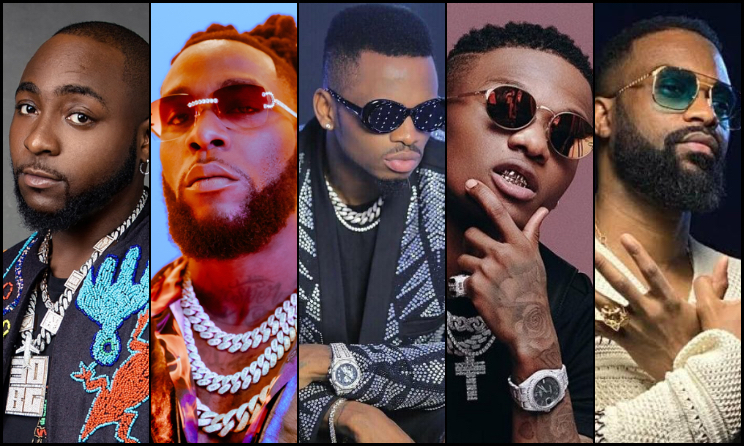
Top 10 des artistes africains les plus populaires sur YouTube
08 Fév 2023
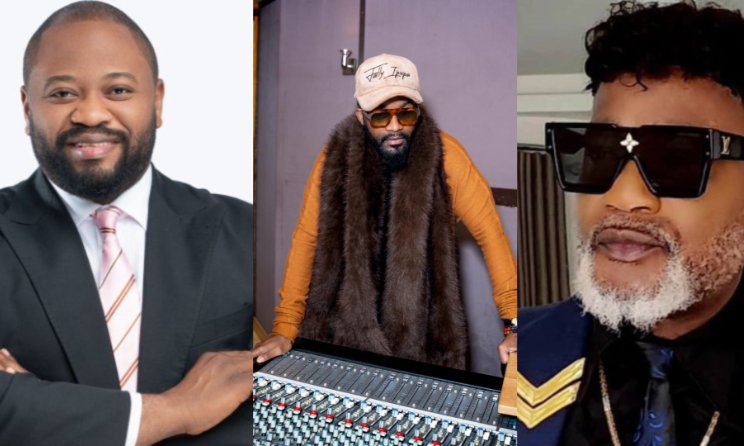
Top 10 des artistes congolais les plus streamés en France en 2026
05 Mai 2026
Chronique : dans « ADN », Gally Garvey raconte la rumba congolaise autrement
24 Oct 2026

ACCES DÉVOILE UNE PROGRAMMATION D’EXCEPTION POUR SON ÉDITION 2026
23 Oct 2026
ACCES dévoile une programmation exceptionnelle pour son édition 2026
14 Oct 2026
Afrique du Sud: Angélique Kidjo, Ibrahim Maalouf et Anaïs Rosso font vibrer le Joy of Jazz
12 Oct 2026
Disclaimer: Music In Africa provides a platform for musicians and contributors to embed music and videos solely for promotional purposes. If any track or video embedded on this platform violates any copyrights please inform us immediately and we will take it down. Please read our Terms of Use for more.

Abonnez-vous à notre newsletter
Retrouvez-nous sur les réseaux sociaux


Please se connecter to post a comment.