








NEFCISA
NEFCISA

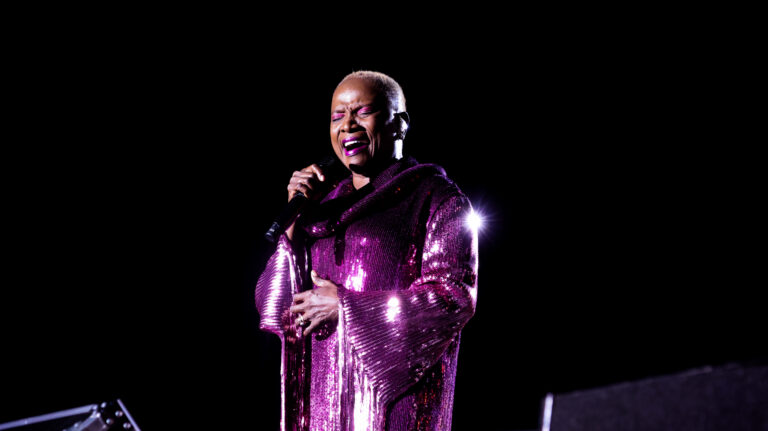
The Music In Africa Foundation (MIAF) is proud to announce its partnership with the Industrial Development Corporation (IDC) as a Strategic Implementing Partner (SIP) for its Social Employment Fund (SEF). Through this collaboration, MIAF is launching a new national programme designed to create jobs, address skills gaps, and strengthen South Africa’s creative industries — in line with the SEF’s overarching goal to generate work for the common good and build community value through employment, social contribution, and inclusive economic participation. Operating under the banner NEFCISA (National Employment Facility for Creative Industries in South Africa), the initiative will recruit and train participants, match them with host organisations, and place a minimum of 1 000 workers across the country. Key Objectives: Support employment and entrepreneurship in the creative industries. Offer skills development and training programmes. Foster partnerships between public and private creative sectors. Promote South African creativity at both provincial and national levels Foster community development through social contribution.

ACCES
ACCES

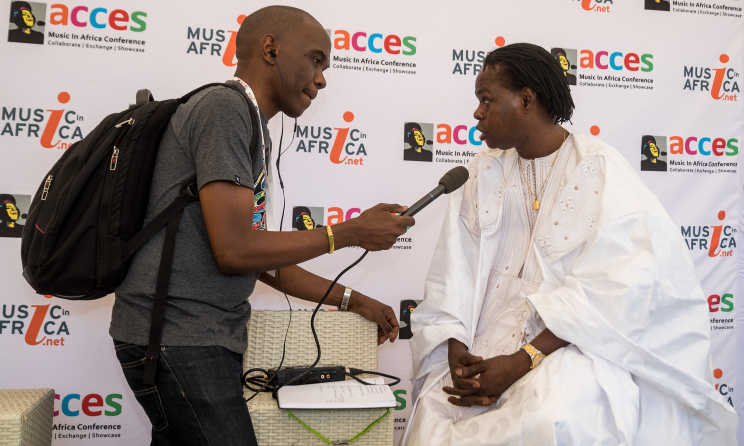
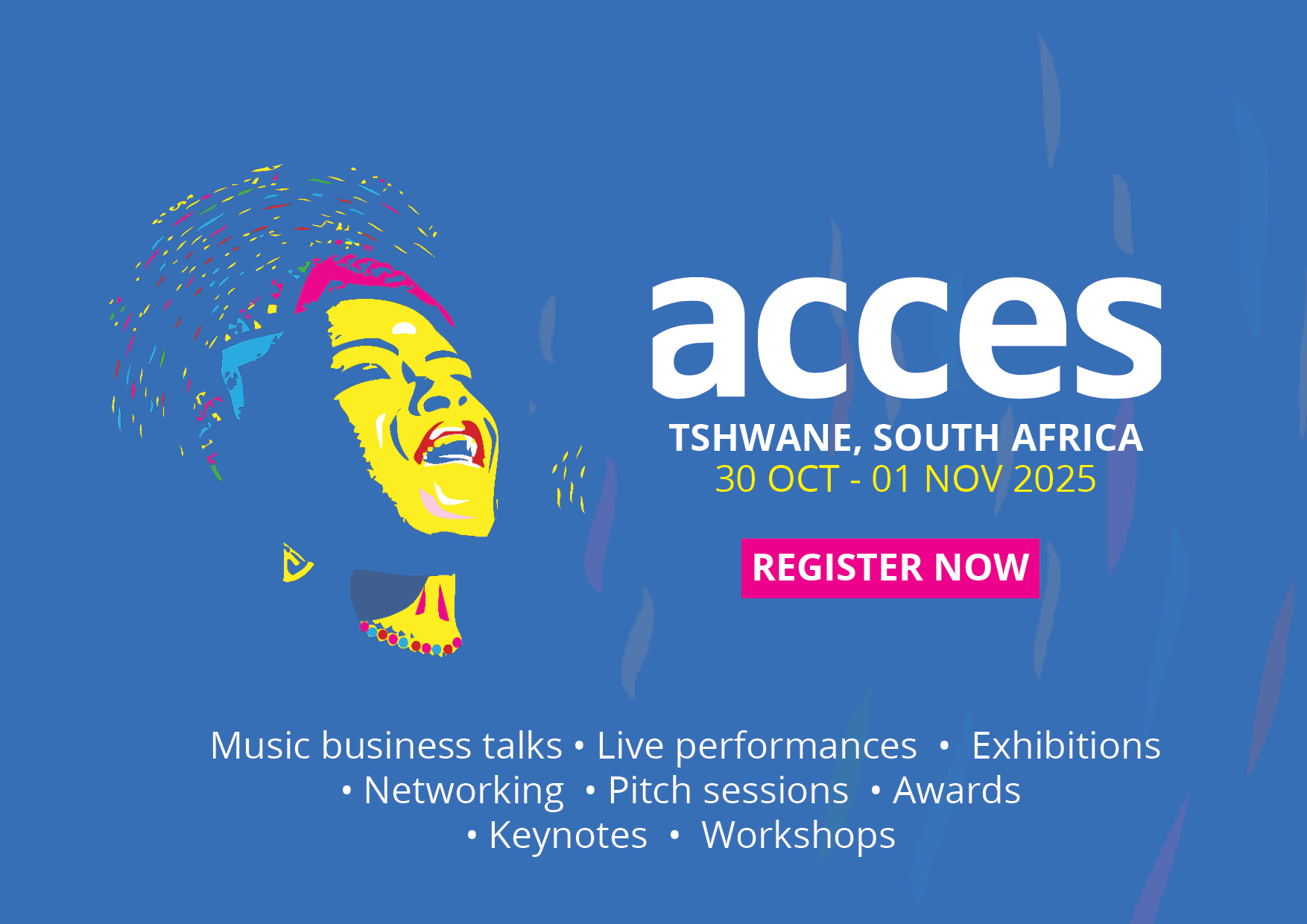
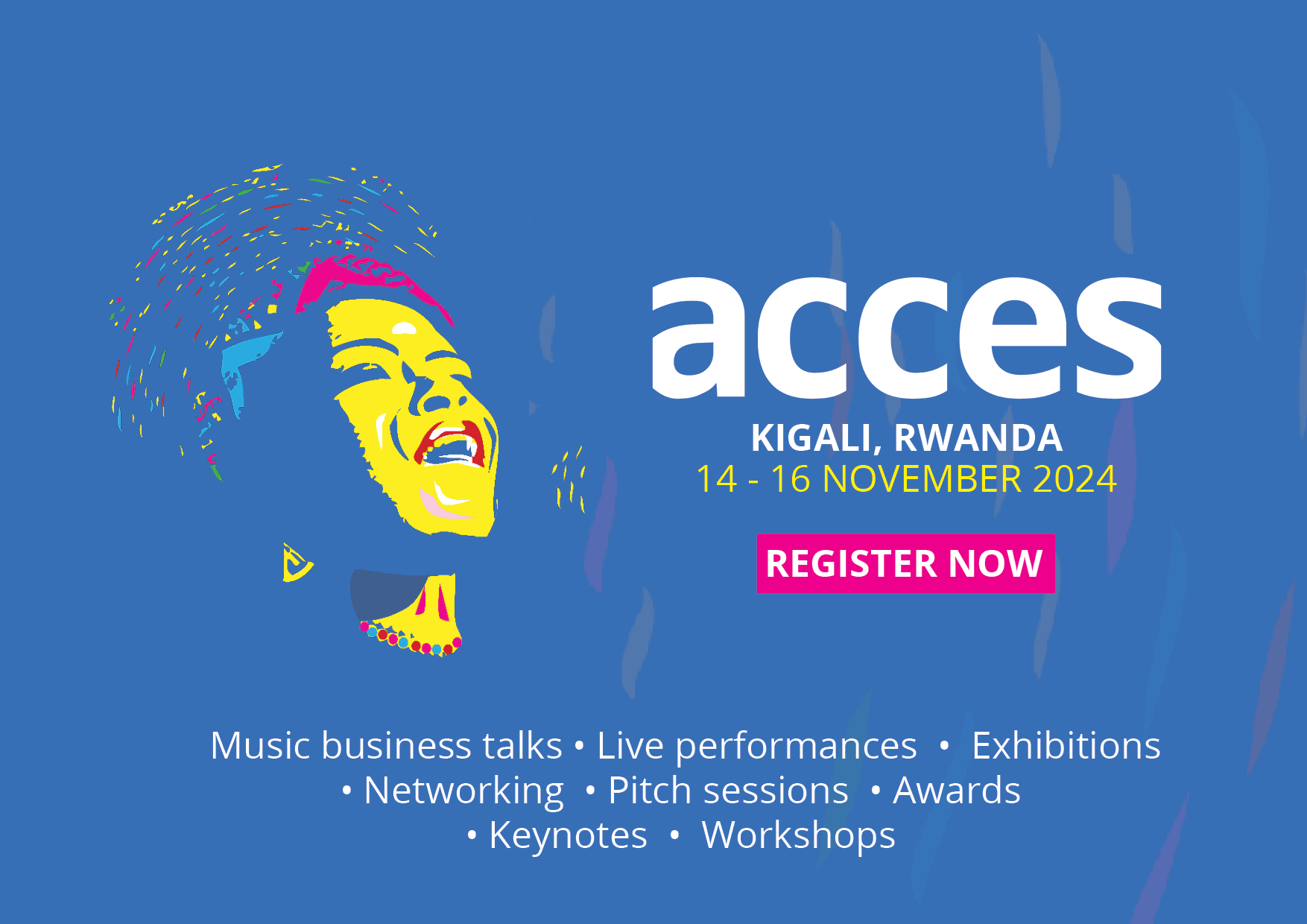
Chaque année, nous fournissons des informations générales afin de guider les participants dans la préparation de leur voyage. En plus de ce site, des mises à jour importantes seront envoyées par e-mail à tous les délégués inscrits. Assurez-vous de vous inscrire dès que possible. Pour plus d'informations, veuillez contacter [email protected] Continuez à consulter cette page pour plus d'information.  

Gender@Work
Gender@Work

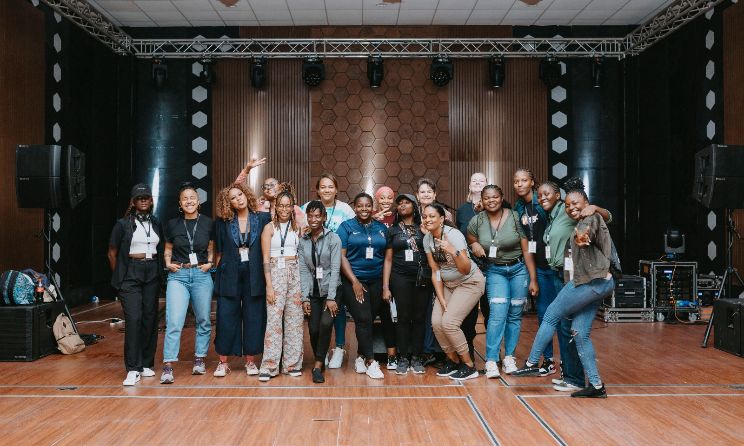
Music In Africa Gender @ Work is a three-year training programme aimed at upskilling and increasing the participation of female professionals in the African music sector. Launched by the Music In Africa Foundation (MIAF) in April 2019, the programme is connected to the MIAF’s ACCES music conference – a pan-African event held in a different African country every year. This connection enables the programme to reach new participants in a different African country every year. The programme marks the beginning of a more concerted effort by the Foundation to support the participation and inclusion of women in all facets of its programmes and the music sector in Africa as a whole. Over the three years, the programme will aim to address gender imbalances in the sector through training, lobbying, facilitating knowledge exchange and dialogues that foster the interest of women. The broader objectives of the programme are to: Provide industry training for women on critical music industry skills, focusing on: Stage management Electronic music production and recording Music business management Technical knowledge Provide an opportunity for both professional and aspiring women to benefit from the Music In Africa network and its broad range of activities in 2019, 2020 and 2021. Provide a solution-based platform in the form of a round table at ACCES with a view to identify challenges, discuss opportunities and lobby for the interests of female practitioners. Offer participants the opportunity to benefit from programmes offered by MIAF’s partners. Increase access to educational materials. Integrate participants in the broader ACCES programme to maximise experience and exposure to the industry. Record and present training materials on the www.musicinafrica.net, including but not limited to tutorials, templates and other best-practice materials. Communicate women-based themes that support the initiatives and messages of the programme. MAIN TRAINING ACTIVITIES Training in first country (Ghana): In the first year, participants will be trained on all aspects of stage management by a team of experienced stage managers from 10 to 17 November 2019. The programme will offer robust classroom training as well as practical, hands-on training in which participants will also be given the opportunity to manage various aspects of the ACCES performance programme. Training in second country: The second training iteration will take place at ACCES 2020 when the programme will diversify its course to include music production lessons and training on other music business topics. A round-table platform will also be introduced to coincide with the ACCES programme. Training in third country: The third training iteration will take place at ACCES 2021 in a different country, offering an advanced course. HOW DO YOU GET INVOLVED?  As a participant, facilitator or trainer: The programme enrolls up to 12 trainees every year. All opportunities are advertised publicly on this website, and will be added to this page. Please keep checking this page for new calls (below under UPDATES & CURRENT OPPORTUNITIES). As a partner Please contact Claire Metais at [email protected]. APPLY The call for applications for 2020 will be announced soon. The Music In Africa Gender @ Work programme is made possible with the support of the Prince Claus Fund, Siemens Stiftung and Goethe-Institut.

Sound Connects Fund
Sound Connects Fund

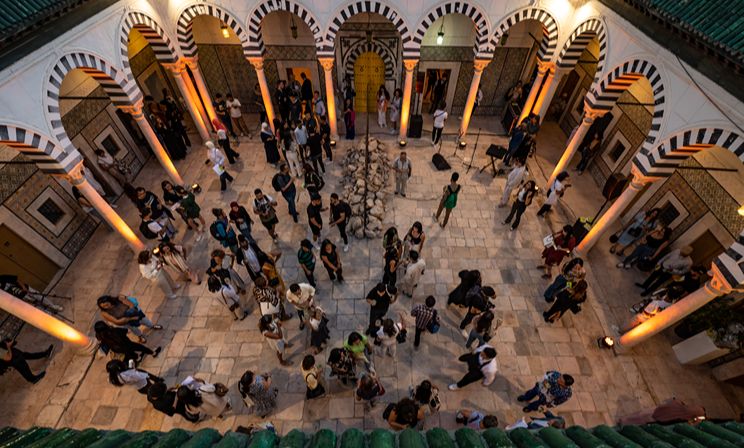
Pour les praticiens et les organisations culturels et créatifs opérant en Afrique australe, l’accès au financement reste un défi majeur. La pandémie de COVID-19 a également eu un impact massif sur les politiques gouvernementales, les dépenses et l’économie en général, et a vu les dépenses consacrées à la culture reléguées plus bas dans la liste des priorités. De plus, les industries culturelles et créatives citent régulièrement quatre domaines principaux où l’investissement est nécessaire pour la croissance : une visibilité accrue, la mobilité incluant l’accès à de nouveaux marchés, le financement et les structures de soutien.

Music In Africa Live

MUSIC IN AFRICA LIVE Lancé en 2020 pour une durée de 3 ans, Music In Africa Live est une initiative visant à soutenir l'écosystème de la musique africaine face aux contraintes imposées par la pandémie de COVID-19 ; le projet a été lancé par la Fondation Music In Africa (MIAF) en partenariat avec le ministère fédéral allemand des Affaires étrangères, Siemens Stiftung et le Goethe Institut. Plus de 30 aides sont disponibles dans le cadre de la troisième édition de Music In Africa Live, dans 3 catégories :  showcases, renforcement des compétences et plaidoyer, en conformité avec les modalités énoncées.

Instrument Building And Repair Project

The overarching objective of Music In Africa Foundation’s Instrument Building and Repair (IBR) project is to encourage the formalisation and professionalisation of instrument-making and repair in Africa, especially in relation to indigenous African instruments. Background In 2014, the Music In Africa Foundation (MIAF) identified as one of its focus areas for development the need to encourage young people from music and music-related sectors to consider instrument-making as a career. This need extended itself from the recognition that the making of traditional African instruments is not a widely practiced skill and seems to be limited to the older generation. Traditional African instrument makers are also few and far between, making communication and logistics between teachers and learners an obstacle. When instrument building workshops take place, budgetary constraints do not allow teachers or learners the time to explore the finer details of an instrument. Based on these observations, the MIAF designed and piloted the first IBR workshop at the Dhow Countries Music Academy (DCMA) in Zanzibar in February 2015. In 2016, the foundation received funding from the South African National Lotteries Commission to implement a much bigger version of the project in Johannesburg. The project drew participants from five African countries. 25 students from South Africa, Ghana, Senegal, Kenya and Ethiopia were trained on how to build and repair musical instruments. The instruments that they made were: Traditional Instruments: Umakhweyana and Marimba Conventional Instrument: Dulcimer guitar The workshop culminated in a traditional instruments concert at the Wits Theatre in Johannesburg. It is the MIAF’s aim to roll out similar workshops in as many African countries as possible over the next few years. Objectives Developing awareness of musical instrument makers in Africa with a view to promote their work to a wider global audience. Facilitating the sharing and transfer of skills in indigenous instruments between countries on the continent. Encouraging the formalisation and professionalisation of instrument-making and repair in Africa, especially in relation to indigenous instruments. Helping instrument makers develop their careers. Fostering the rapid monetisation and sustainable development of instrument-making and repair in Africa. Promoting constant exchange of ideas, expertise, experiences and know-how among instrument makers in Africa. Facilitating the identification of existing gaps in the field with a view to contribute new solutions. Facilitating the transfer of knowledge and skills of indigenous instruments between younger and older generations. 2020 edition The MIAF has also announced that multi-instrumentalist and instrument maker Joe Makhanza will facilitate one of the workshops on the building of the kamale ngoni instrument. Kamale ngoni is a kora-like, stringed instrument that originated in West Africa. The instrument contributed to the rise of Wassoulou music in the 1970s and 1990s. Makhanza was born in Giyani in South Africa's Limpopo province. He completed a bachelor of music degree and a post-graduate diploma in arts marketing from Wits University. He is currently completing his masters in ethnomusicology and is a part-time lecturer in African music studies at Rhodes University. He plays the kora, mbira, valiha, masenqo, xiwewe, ngoni ba and xizambi, among others. He also manufactures the aforementioned instruments. The MIAF will confirm more trainers who will join the workshops as well as the other instruments that will be featured in the 2020 IBR programme.  Apply to participate here. Connect with us on Twitter, Instagram and Facebook, and subscribe to our monthly newsletter. The Music In Africa Instrument Building and Repair project is funded by the National Lotteries Commission. It is implemented in partnership with Siemens Stiftung, Goethe-Institut, Wits Theatre and Kaya FM.

Features

Yoyo Tinz : « Nous espérons créer une véritable scène hip­ hop »

07 Juil 2016 - 13:03

cc-img flag-img

Il n'est point à douter que le Hip ­hop est une culture en constante évolution sur le continent depuis plusieurs années. D’Abidjan à Douala, l'émulation envers le Hip ­hop et ses dérivés que sont entre autres le rap, le graffiti ou le d­jaying ne fait que croitre et il est clairement évident que désormais le Hip ­hop africain a une identité. Accra n'est pas en marge de cette révolution qui se profile sur la planète rap made in Africa et au nombre de ceux qui font bouger les choses dans la capitale Ghanéenne on peut citer le collectif Yoyo Tinz, que nous recevons en interview.
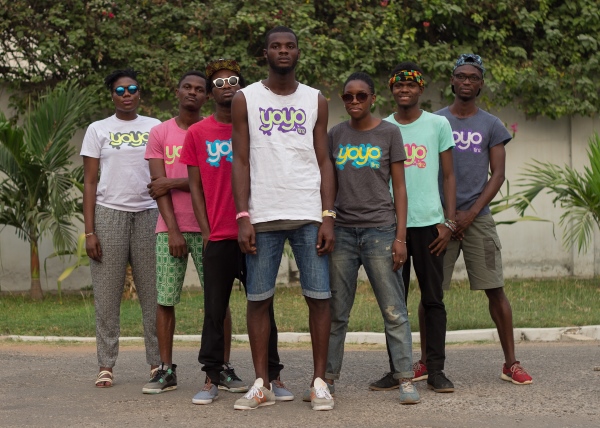
YoYo Tinz

Que signifie Yoyo Tinz et qu'est­ ce qui vous a motivé à promouvoir le hip ­hop ghanéen ?

« Yo yo » est une onomatopée utilisée par les rappeurs et par extension, au Ghana c'est le nom donné au hip hop. Nous nous sommes rendus compte qu’il n’y a pas d’espace dédié à la culture hip hop. En tant qu’amoureux de cette culture, il était très difficile pour nous de trouver des informations sur les événements, les artistes, etc. On espère pouvoir combler ce manque avec Yoyo Tinz.

Quelles sont les différentes activités menées par le collectif ?

Le collectif réalise des articles, des interviews, documentation d’événements en rapport avec le hip hop au Ghana ; ­ c'est une source d’informations pour les événements en rapport avec le hip hop au Ghana ; on créé des web séries en rapport avec le hip hop ; encourage les artistes à se rencontrer et à créer des liens ; ­ Yoyo Tinz fait aussi la promotion d'artistes et organise des événements promouvant la culture hip hop au Ghana.

Comment se porte la culture hip ­hop au Ghana ?

Il y a certainement une scène, mais la plupart des gens ne pensent pas nécessairement au hip hop en tant que culture. L'élément le plus connu est le rap. Il y a une grande confusion entre hiplife et hip hop. Hiplife est un terme inventé par Reggie Rockstone pour définir une nouvelle version du rap ; quand les rappeurs rappent dans les langues locales. Au fil des ans la véritable signification du terme hiplife est devenu un débat sans fin. Il est difficile de distinguer ce qui est hiplife et ce qui ne l'est pas. En conséquent, il y a des artistes qui ne s'associent pas à la culture hip hop, comme les danseurs, DJ, etc. C’est parfois aussi parce qu'ils ne veulent pas être confinés dans un seul genre et louper le peu d’opportunités qui existent. Etre polyvalent vous donne plus de chances d'obtenir des occasions de vous produire. Mais il y a certainement des DJs hip­ hop; des artistes graffiti ; beat boxeurs et b­boys.

Qu'est ce qui diffère dans la manière de faire entre la culture hip ­hop anglophone et celle francophone d’Afrique ?

Voilà une bonne question, nous ne connaissons pas beaucoup la scène hip hop francophone, mais l'un de notre objectif est de combler ce manque afin de mieux se comprendre. Voilà pourquoi nous avons commencé à traduire tous nos contenus en Français. Par ailleurs, quelques­ uns des membres de l'équipe ont l'intention de prendre des cours de français, nous souhaitons également rencontrer certaines des personnes clés dans le domaine du hip ­hop dans les pays francophones comme le Sénégal, le Togo, le Burkina Faso et nous essayons de collaborer avec des artistes francophones aussi souvent que possible.

Quels sont les évènements majeurs de la scène hip­ hop au Ghana ?

Il y avait Bless The Mic, un festival annuel qui rassemblait de nombreux artistes hip ­hop, et tous les principaux artistes avant qu'ils ne deviennent célèbres. Il n’est plus actif maintenant, mais il y a des concerts qui présentent des artistes de hip ­hop, mais encore une fois, principalement axés sur le rap et le DJing. Il y a aussi un mois du hip hop ghanéen en Mars, mais nous ne pensons pas qu'il a gagné suffisamment de visibilité. L'Alliance Française a récemment initié une semaine du hip ­hop à Accra qui met en valeur tous les éléments du hip hop. Il y a donc des initiatives, mais c’est toujours en phase de développement. Nous espérons que nous serons en mesure d'atteindre nos objectifs et créer une véritable scène hip­ hop dans le pays.

Quels sont les artistes majeurs de la scène ghanéenne ?

Sarkodie, EL, Edem, M.anifest, Fokn Bois, Joey B, Pappy Kojo, Jayso pour les rappeurs. DJ Black et Magnum pour les DJs. Jerry One pour la danse, il apparaît dans un grand nombre de vidéos. Pour les producteurs : Jayso, Dj Juls, Magnum. Nous croyons qu'il y a en plus et nous aurions besoin de faire des recherches à ce sujet, mais ce sont les noms qui viennent à l’esprit immédiatement. Pour les graffitis, nous avons Deff Art, il est très demandé et a travaillé avec Adidas par exemple. Il y a aussi Mo, qui a gagné en popularité grâce à ses œuvres pendant le festival d’arts de rue Chale Wote.

Est ce que le rap francophone africain est écouté au Ghana ?

Hélas non, à cause de la barrière de la langue. Certains d'entre nous et quelques­ uns de nos amis écoutent certains artistes francophones ; mais au Ghana, ce n’est pas courant, les artistes de rap francophones ne passent pas à la radio ni à la télévision. Certains tubes francophones sont diffusés à la radio alors peut­ être qu’il y a encore un peu d'espoir et qu'un jour il y aura également quelques artistes rap francophones.

Votre plateforme a remporté le premier prix au Concours Startups du Impact Music Conférence qui s'est tenu à Abidjan lors du FEMUA, comment avez-­vous vécu cette expérience ?

Nous ne nous attendions pas à gagner, on a failli annuler notre participation à cause de problèmes logistiques. Lorsque nous avons entendu la nouvelle, nous étions vraiment contents et nous avions du mal à y croire. C'est une grande opportunité qui nous est donnée, et cela nous donne plus de motivation pour continuer le travail.

Quels retours avez-vous reçu de la part des gens après avoir eu ce prix ?

A cet événement, étaient présents diverses start­ups et acteurs du secteur culturel des pays francophones d'Afrique de l’Ouest, donc nous avons surtout reçu des commentaires de leur part et de la part des experts du panel. La plupart d'entre eux nous ont encouragés à être assidus, on nous a donné des idées pour générer des revenus et on nous a donné les noms d'autres start­ups qui pourraient nous inspirer, les contacts des personnes qui font un travail similaire, etc. Nous avons vraiment eu l'impression qu'il y avait un réel intérêt pour ce que nous faisons. Donc, nous avons maintenant besoin de travailler plus et de produire du contenu en Français et en Anglais. De plus, nous voulons davantage collaborer avec des artistes des pays voisins : Côte ­d'Ivoire, Burkina Faso et le Togo.

Désormais Yoyo Tinz c'est aussi un site internet. A quoi a­ t-­on droit lorsque l'on visite cette plateforme que vous venez de lancer ?

Nous essayons d'avoir un site aussi complet que possible, où vous pouvez trouver des informations sur l'ensemble de la culture hip hop. Donc, nous avons une section dédiée à la culture elle ­même où vous pouvez trouver des articles sur les divers éléments du hip hop. L'onglet suivant intitulé « dialogue » est pour les interviews, puis il y a les « write ups » pour les articles, « wossop » pour les événements qui vont avoir lieu ou les événements que nous avons couverts. Nous allons essayer d’annoncer tous les événements liés au hip hop. Ensuite, sous l’onglet « gems » on entre dans la salle de connaissances : cette section du site fournira aux visiteurs des informations utiles et pertinentes sur la culture et a finalement pour but de partager les connaissances, sensibiliser, etc.

Pourrait on espérer un jour voir naître un Yoyo Tinz festival ?

Oh oui absolument ! C'est un projet sur lequel nous travaillons et nous espérons que nous serons en mesure de le mettre en place d'ici la fin de 2017.

Quels sont vos ambitions à court et moyen terme pour Yoyo Tinz et le hip ­hop ghanéen ?

A Court terme : poursuivre nos web séries, poster régulièrement sur les réseaux sociaux et sur le site. A long terme : faire un festival, avoir une chaine de télévision, une radio en ligne.

Please se connecter to post a comment.

Most popular

Disclaimer: Music In Africa provides a platform for musicians and contributors to embed music and videos solely for promotional purposes. If any track or video embedded on this platform violates any copyrights please inform us immediately and we will take it down. Please read our Terms of Use for more.

newsletter banner

Abonnez-vous à notre newsletter

Retrouvez-nous sur les réseaux sociaux