








NEFCISA
NEFCISA

The Music In Africa Foundation (MIAF) is proud to announce its partnership with the Industrial Development Corporation (IDC) as a Strategic Implementing Partner (SIP) for its Social Employment Fund (SEF). Through this collaboration, MIAF is launching a new national programme designed to create jobs, address skills gaps, and strengthen South Africa’s creative industries — in line with the SEF’s overarching goal to generate work for the common good and build community value through employment, social contribution, and inclusive economic participation. Operating under the banner NEFCISA (National Employment Facility for Creative Industries in South Africa), the initiative will recruit and train participants, match them with host organisations, and place a minimum of 1 000 workers across the country. Key Objectives: Support employment and entrepreneurship in the creative industries. Offer skills development and training programmes. Foster partnerships between public and private creative sectors. Promote South African creativity at both provincial and national levels Foster community development through social contribution.

ACCES
ACCES

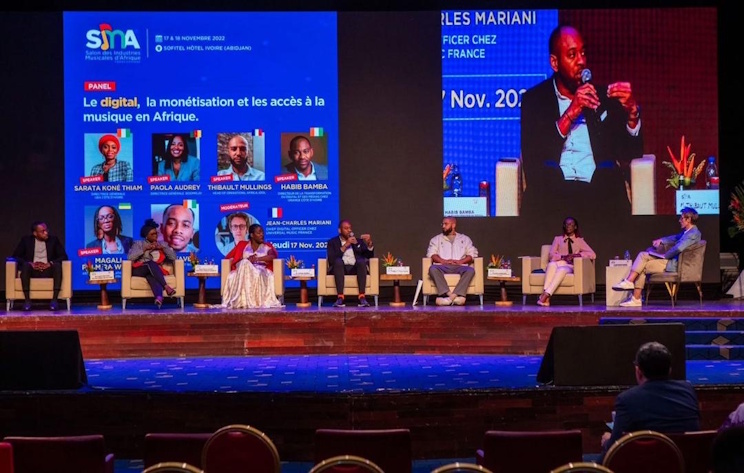
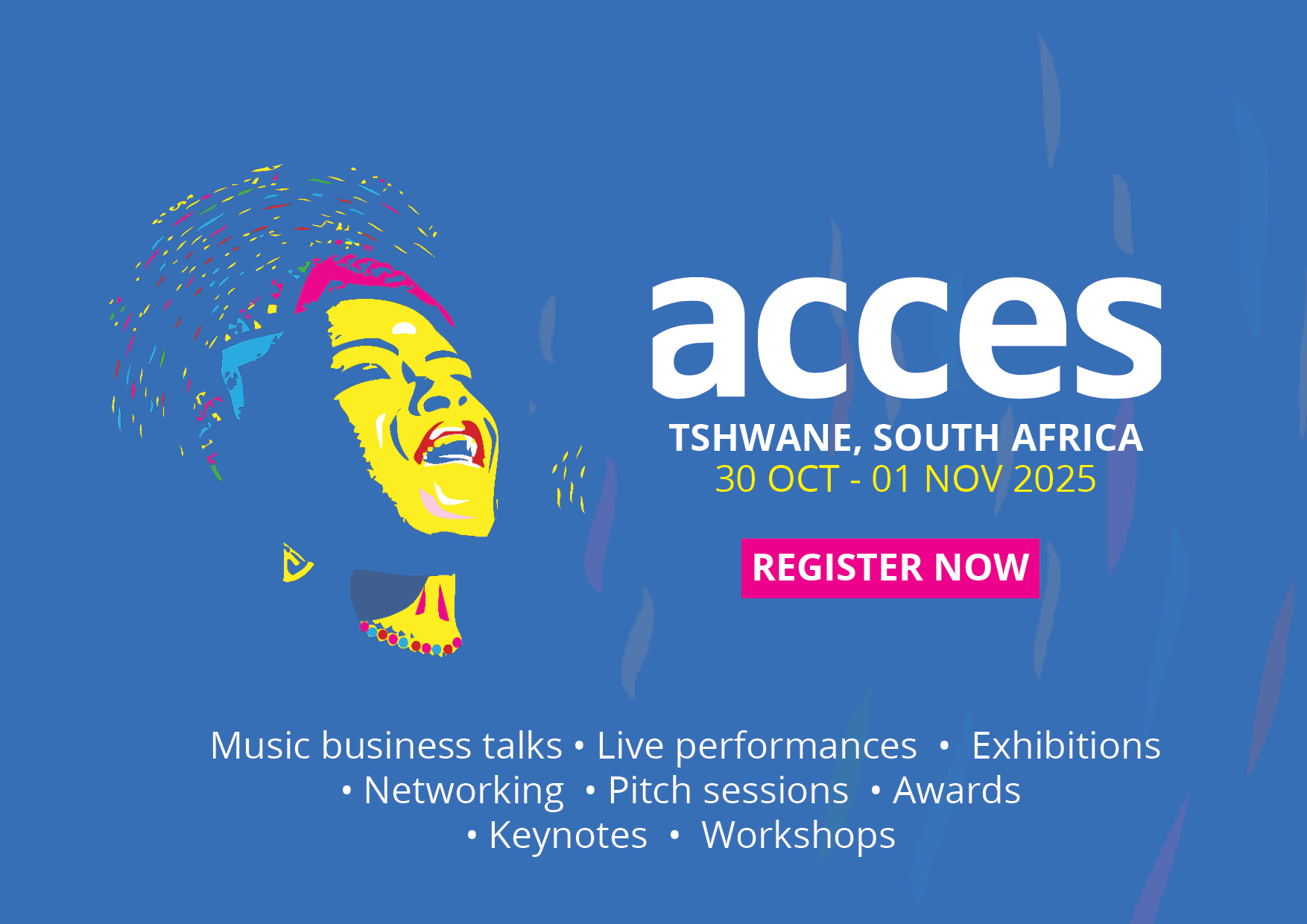
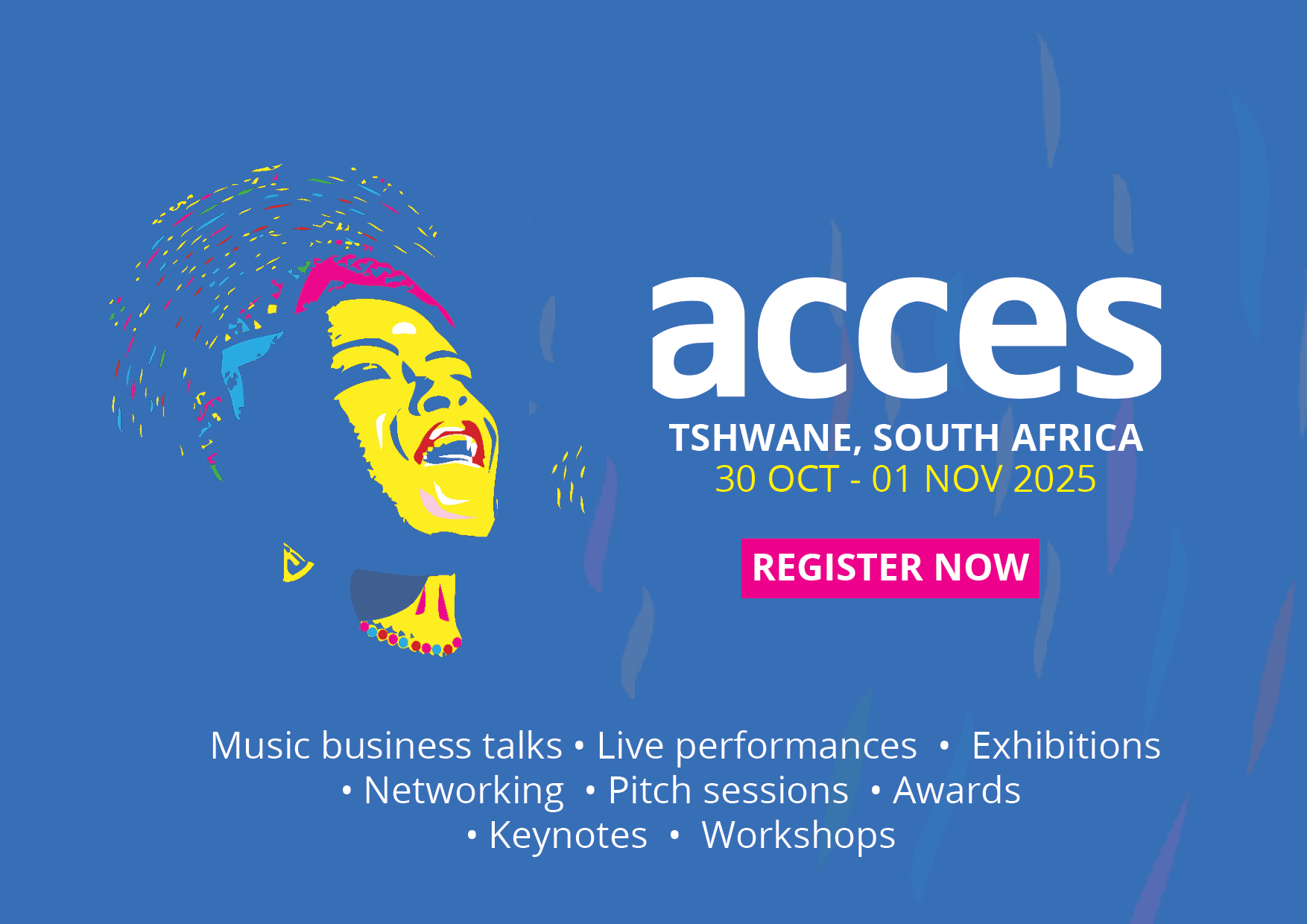
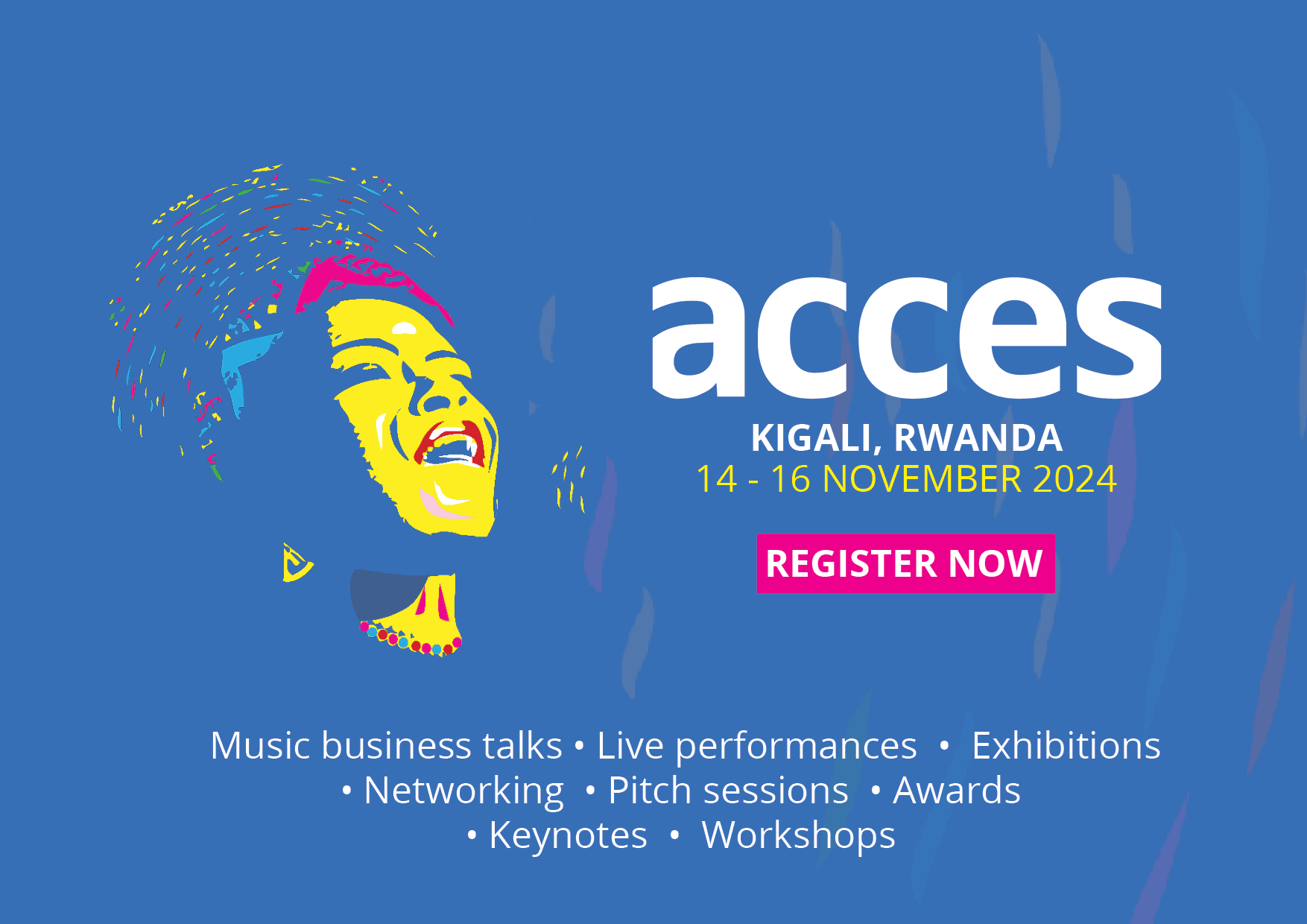
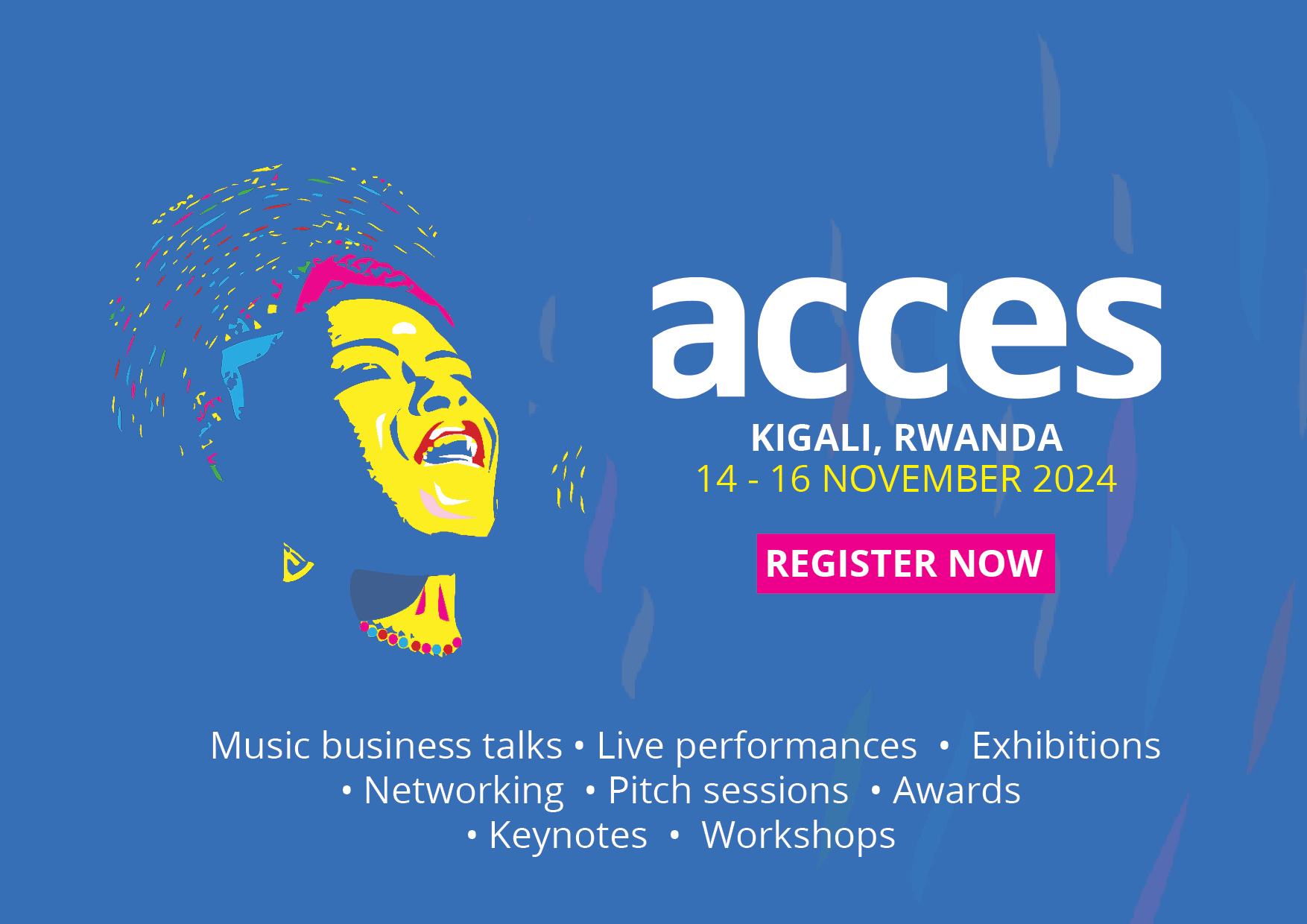
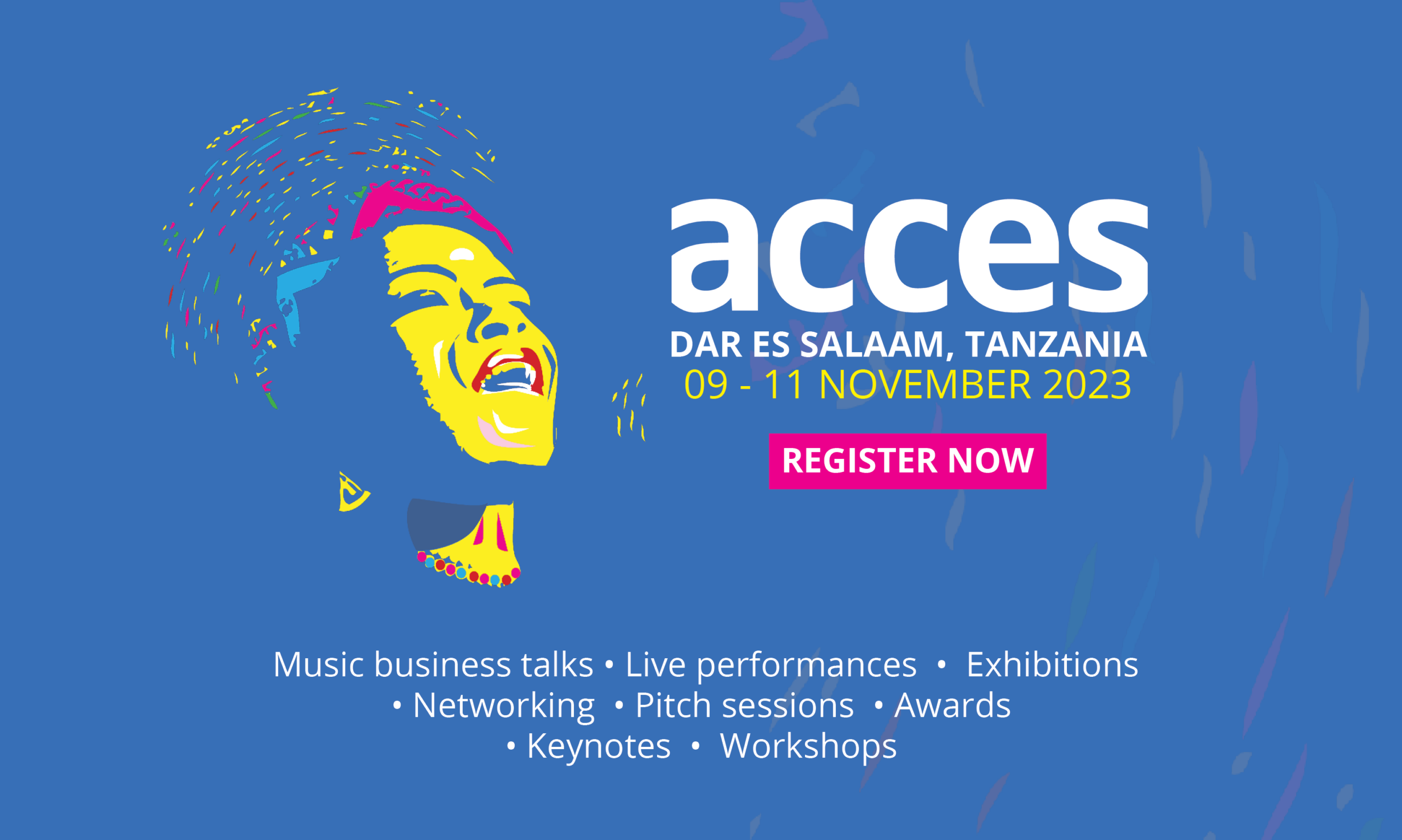
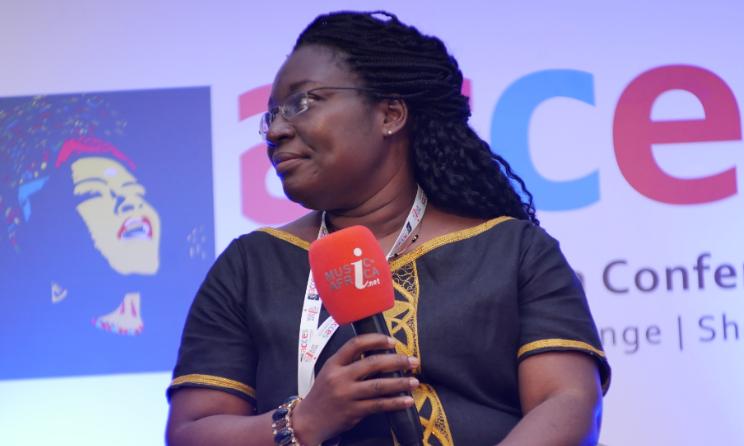
Chaque année, nous fournissons des informations générales afin de guider les participants dans la préparation de leur voyage. En plus de ce site, des mises à jour importantes seront envoyées par e-mail à tous les délégués inscrits. Assurez-vous de vous inscrire dès que possible. Pour plus d'informations, veuillez contacter [email protected] Continuez à consulter cette page pour plus d'information.  

Gender@Work
Gender@Work

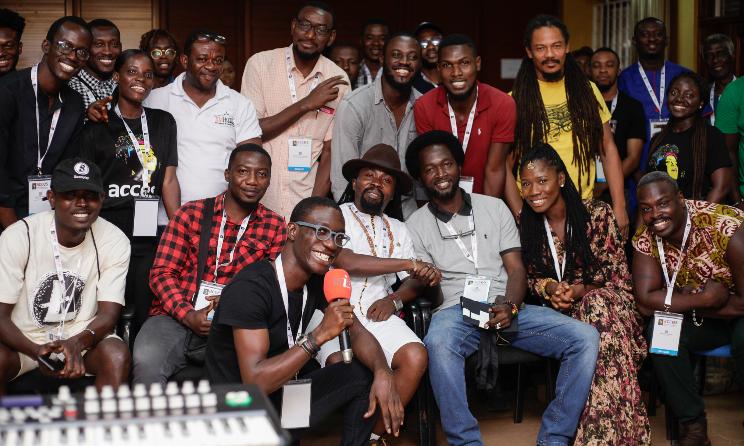
Music In Africa Gender @ Work is a three-year training programme aimed at upskilling and increasing the participation of female professionals in the African music sector. Launched by the Music In Africa Foundation (MIAF) in April 2019, the programme is connected to the MIAF’s ACCES music conference – a pan-African event held in a different African country every year. This connection enables the programme to reach new participants in a different African country every year. The programme marks the beginning of a more concerted effort by the Foundation to support the participation and inclusion of women in all facets of its programmes and the music sector in Africa as a whole. Over the three years, the programme will aim to address gender imbalances in the sector through training, lobbying, facilitating knowledge exchange and dialogues that foster the interest of women. The broader objectives of the programme are to: Provide industry training for women on critical music industry skills, focusing on: Stage management Electronic music production and recording Music business management Technical knowledge Provide an opportunity for both professional and aspiring women to benefit from the Music In Africa network and its broad range of activities in 2019, 2020 and 2021. Provide a solution-based platform in the form of a round table at ACCES with a view to identify challenges, discuss opportunities and lobby for the interests of female practitioners. Offer participants the opportunity to benefit from programmes offered by MIAF’s partners. Increase access to educational materials. Integrate participants in the broader ACCES programme to maximise experience and exposure to the industry. Record and present training materials on the www.musicinafrica.net, including but not limited to tutorials, templates and other best-practice materials. Communicate women-based themes that support the initiatives and messages of the programme. MAIN TRAINING ACTIVITIES Training in first country (Ghana): In the first year, participants will be trained on all aspects of stage management by a team of experienced stage managers from 10 to 17 November 2019. The programme will offer robust classroom training as well as practical, hands-on training in which participants will also be given the opportunity to manage various aspects of the ACCES performance programme. Training in second country: The second training iteration will take place at ACCES 2020 when the programme will diversify its course to include music production lessons and training on other music business topics. A round-table platform will also be introduced to coincide with the ACCES programme. Training in third country: The third training iteration will take place at ACCES 2021 in a different country, offering an advanced course. HOW DO YOU GET INVOLVED?  As a participant, facilitator or trainer: The programme enrolls up to 12 trainees every year. All opportunities are advertised publicly on this website, and will be added to this page. Please keep checking this page for new calls (below under UPDATES & CURRENT OPPORTUNITIES). As a partner Please contact Claire Metais at [email protected]. APPLY The call for applications for 2020 will be announced soon. The Music In Africa Gender @ Work programme is made possible with the support of the Prince Claus Fund, Siemens Stiftung and Goethe-Institut.

Sound Connects Fund
Sound Connects Fund

Pour les praticiens et les organisations culturels et créatifs opérant en Afrique australe, l’accès au financement reste un défi majeur. La pandémie de COVID-19 a également eu un impact massif sur les politiques gouvernementales, les dépenses et l’économie en général, et a vu les dépenses consacrées à la culture reléguées plus bas dans la liste des priorités. De plus, les industries culturelles et créatives citent régulièrement quatre domaines principaux où l’investissement est nécessaire pour la croissance : une visibilité accrue, la mobilité incluant l’accès à de nouveaux marchés, le financement et les structures de soutien.

Music In Africa Live

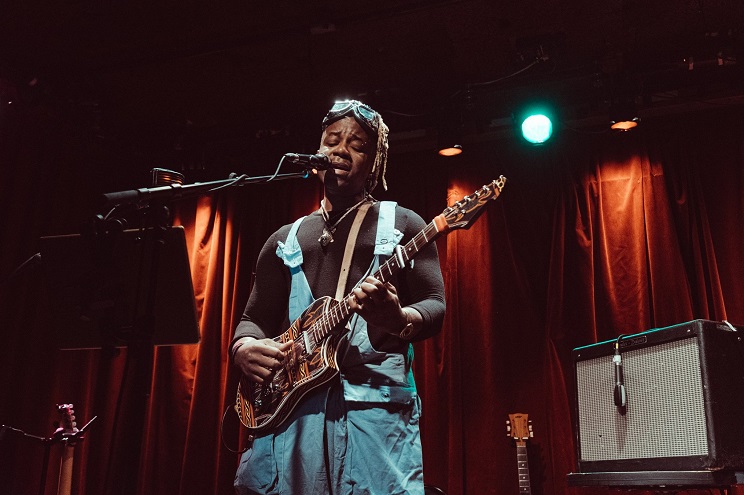
MUSIC IN AFRICA LIVE Lancé en 2020 pour une durée de 3 ans, Music In Africa Live est une initiative visant à soutenir l'écosystème de la musique africaine face aux contraintes imposées par la pandémie de COVID-19 ; le projet a été lancé par la Fondation Music In Africa (MIAF) en partenariat avec le ministère fédéral allemand des Affaires étrangères, Siemens Stiftung et le Goethe Institut. Plus de 30 aides sont disponibles dans le cadre de la troisième édition de Music In Africa Live, dans 3 catégories :  showcases, renforcement des compétences et plaidoyer, en conformité avec les modalités énoncées.

Instrument Building And Repair Project

The overarching objective of Music In Africa Foundation’s Instrument Building and Repair (IBR) project is to encourage the formalisation and professionalisation of instrument-making and repair in Africa, especially in relation to indigenous African instruments. Background In 2014, the Music In Africa Foundation (MIAF) identified as one of its focus areas for development the need to encourage young people from music and music-related sectors to consider instrument-making as a career. This need extended itself from the recognition that the making of traditional African instruments is not a widely practiced skill and seems to be limited to the older generation. Traditional African instrument makers are also few and far between, making communication and logistics between teachers and learners an obstacle. When instrument building workshops take place, budgetary constraints do not allow teachers or learners the time to explore the finer details of an instrument. Based on these observations, the MIAF designed and piloted the first IBR workshop at the Dhow Countries Music Academy (DCMA) in Zanzibar in February 2015. In 2016, the foundation received funding from the South African National Lotteries Commission to implement a much bigger version of the project in Johannesburg. The project drew participants from five African countries. 25 students from South Africa, Ghana, Senegal, Kenya and Ethiopia were trained on how to build and repair musical instruments. The instruments that they made were: Traditional Instruments: Umakhweyana and Marimba Conventional Instrument: Dulcimer guitar The workshop culminated in a traditional instruments concert at the Wits Theatre in Johannesburg. It is the MIAF’s aim to roll out similar workshops in as many African countries as possible over the next few years. Objectives Developing awareness of musical instrument makers in Africa with a view to promote their work to a wider global audience. Facilitating the sharing and transfer of skills in indigenous instruments between countries on the continent. Encouraging the formalisation and professionalisation of instrument-making and repair in Africa, especially in relation to indigenous instruments. Helping instrument makers develop their careers. Fostering the rapid monetisation and sustainable development of instrument-making and repair in Africa. Promoting constant exchange of ideas, expertise, experiences and know-how among instrument makers in Africa. Facilitating the identification of existing gaps in the field with a view to contribute new solutions. Facilitating the transfer of knowledge and skills of indigenous instruments between younger and older generations. 2020 edition The MIAF has also announced that multi-instrumentalist and instrument maker Joe Makhanza will facilitate one of the workshops on the building of the kamale ngoni instrument. Kamale ngoni is a kora-like, stringed instrument that originated in West Africa. The instrument contributed to the rise of Wassoulou music in the 1970s and 1990s. Makhanza was born in Giyani in South Africa's Limpopo province. He completed a bachelor of music degree and a post-graduate diploma in arts marketing from Wits University. He is currently completing his masters in ethnomusicology and is a part-time lecturer in African music studies at Rhodes University. He plays the kora, mbira, valiha, masenqo, xiwewe, ngoni ba and xizambi, among others. He also manufactures the aforementioned instruments. The MIAF will confirm more trainers who will join the workshops as well as the other instruments that will be featured in the 2020 IBR programme.  Apply to participate here. Connect with us on Twitter, Instagram and Facebook, and subscribe to our monthly newsletter. The Music In Africa Instrument Building and Repair project is funded by the National Lotteries Commission. It is implemented in partnership with Siemens Stiftung, Goethe-Institut, Wits Theatre and Kaya FM.

flag-img

Thohoyandou, South Africa

En service depuis :

2001

Personne de contact:

P. Postman

Contact :

+27790647083

BIO

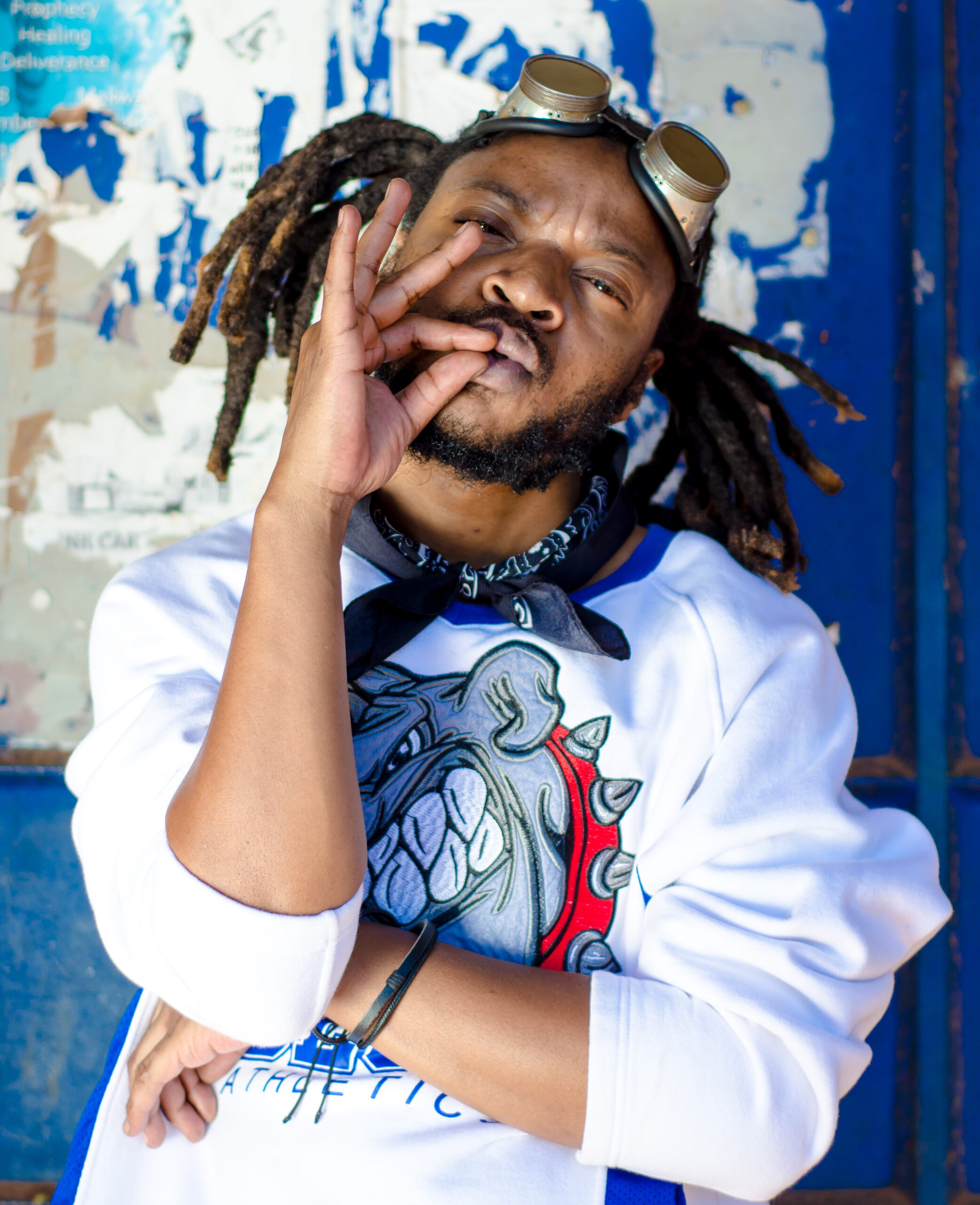
MUKONDELELI PERCY MUKWEVHO (born January 05,1988), also known by his stage name as P. Postman, is a South African rapper, singer, composer, and record producer. He received initial recognition from his performance on Jam Alley in 2001 when he performed his hit song titled “Lilly” from his very first album titled Here I am. In 2002, P. Postman did a collaboration with Mzambiya for a song titled of love and kwaitoThe rise of Percy the Postman

1988:
Born on the 5th of January 1988, another musical gem came into existence from the legendary Mukwevho Family. Mukondeleli Percy Mukwevho now known as Percy the Postman (first born son of South Africa’s legendary reggae artist, Dr Colbert Mukwevho) proved to be an extension of the musical family legacy from a very tender age.
1996:
He started performing with a live band in the University of Venda fresher’s balls at the age of 8.
Born in a musical background with a long history of musical inheritance, history repeats itself once again with him as the continuation of the lineage.
2001:
In 2001, Percy released his very first album titled Here I am. This project in particular, was produced and written by he’s father, apart from Play Reggae featuring Mulalo Mukwevho (Percy’s uncle). Play Reggae was written and produced by Percy and Mulalo Mukwevho. Making it the first recorded song Percy ever composed at the age of 13.
In this period, Percy was signed to EMI/CCP. He made his first TV appearance as a guest artist on the classic TV show “Jam Alley”. He’s performance left a great impression to the Jam Alley producer/Bulldawgz entertainment co-founder, Oscar Mlangeni.
2002:
Bulldawgz entertainment then made a request to EMI/CCP for a collaboration with Percy for Mzambiya’s song titled Of love and kwaito. The song made huge waves throughout the borders of Africa. This collaboration had a caliber of its own. The fusion of Kwaito and R&B had never been heard before, especially from such young artists. A huge tour came from this, making Percy and Mzambiya officially a force to be reckoned with. The two young stars made spectacularly memorable performances on TV shows such as The Felicia Mabusa show, The Phat Joe show, Castle loud, just to name a few. This hit single was a phenomenon.
Meanwhile, Skippy, Bovril and Marmite needed a young vocalist to be the face of their marketing campaign. Percy happened to be the perfect candidate alongside MTN Gladiator, Giant.
This project had Percy touring nationwide.
Percy was now doing projects with All gold, Kellogg’s Star in you, doing cooperate gigs, performing live.
2003:
Percy releases his 2nd album Spectacular. In this album, Percy creates his own sound and compositions, working with other talents such as Mzambiya, Gontse Makhene, Mushe Ramovha, Ayanda Pambo, Addicts and Bonzai Entertainment. Spectacular got Percy nominated for best R&B artist at the SAMA’s. The rapid growth in his music gained his brand huge respect, connecting the young and talented muso with other great artists such as Morafe and HHP at a festival in Mafikeng. Percy had formed a group at the time. The group’s name was Dimitri. Two of the group’s members Kwanele Ayanda Pambo and Mushe Ramovha were featured as backing vocalists on HHP’s Harambe. Soon afterwards, Percy and his group recorded a song with HHP, about the music industry, which was never released.
Percy also collaborated with artists such as Mdu Masilela, Vicky Sampson, Yvonne Chaka Chaka (amongst other SA artists) on a song recorded for an anti violence campaign that was used overseas. The anti violence project was under Chicco Twala’s supervision.
2009:
After a long time of focusing on his studies and expiration of contracts, Percy released his third album In the headlines with Thom Alpha. The hit single Ordinary life got an enormous reception. Plus his fans had been dying to hear another offering from the artist after such a long break.
2013 to 2015
Rudebwoy entertainment meets P. Postman.
Together they come up with the Lion and Sonolion tour. The Lion and Sonolion project was a festival that took place in Bassline, Newtown, Johannesburg, selling out seats. The tour stretched to many other regions of South Africa.
Soon after the Lion and Sonolion Live DVD/CD was released, Percy released his fourth album The P. Postman album. A whole new level of maturity within the music was performed in this masterpiece. Featuring world renowned Jamaican Reggae artist Anthony B. The album also featured one of SA’s greatest rapper’s Zeus. His cousin Mushe Ramovha, gospel rapper who’s lyrics are unprecedented. One of Motswako’s greatest young rappers, Profresher KT was also featured on the project. The son of the legendary Irene Mawela, Bellafonte Mawela blessed this project with his unique and irreplaceable tone of the Mawela tradition.
After the release of the P. Postman album, Percy went to stay in the UK to spread his music to a wider audience. Whilst in the UK, he got the opportunity to share his music in London and Paris.
2019:
After years of experience in the music industry, Percy has gone independent. He and his three siblings have established a record label of their own The Lion Voice Empire.
He recently was chosen as the only South African artist to represent his country at the Primavera festival which took place in Barcelona, Spain. And the crowds reception was breathtaking.
“Percy the Postman is the bridge between Reggae/dancehall music and Hip hop/R&B music”
The world ought to bare witness to the greatness of a musical revolution that this legacy embodies
Long live the Mukwevho Legacy!

Photos

Aucune photo disponible

Musique

Bientôt disponible

Vidéos

Bientôt disponible

Réseaux sociaux et sites web

Disclaimer: Music In Africa provides a platform for musicians and contributors to embed music and videos solely for promotional purposes. If any track or video embedded on this platform violates any copyrights please inform us immediately and we will take it down. Please read our Terms of Use for more.
newsletter banner

Abonnez-vous à notre newsletter

Retrouvez-nous sur les réseaux sociaux