










NEFCISA
NEFCISA

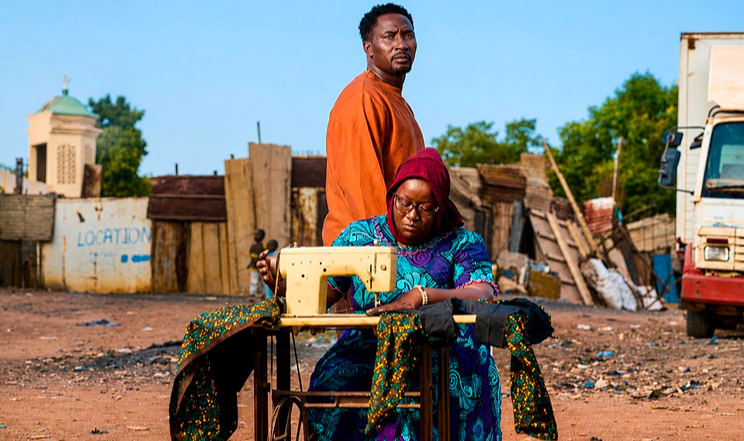
The Music In Africa Foundation (MIAF) is proud to announce its partnership with the Industrial Development Corporation (IDC) as a Strategic Implementing Partner (SIP) for its Social Employment Fund (SEF). Through this collaboration, MIAF is launching a new national programme designed to create jobs, address skills gaps, and strengthen South Africa’s creative industries — in line with the SEF’s overarching goal to generate work for the common good and build community value through employment, social contribution, and inclusive economic participation. Operating under the banner NEFCISA (National Employment Facility for Creative Industries in South Africa), the initiative will recruit and train participants, match them with host organisations, and place a minimum of 1 000 workers across the country. Key Objectives: Support employment and entrepreneurship in the creative industries. Offer skills development and training programmes. Foster partnerships between public and private creative sectors. Promote South African creativity at both provincial and national levels Foster community development through social contribution.

ACCES
ACCES

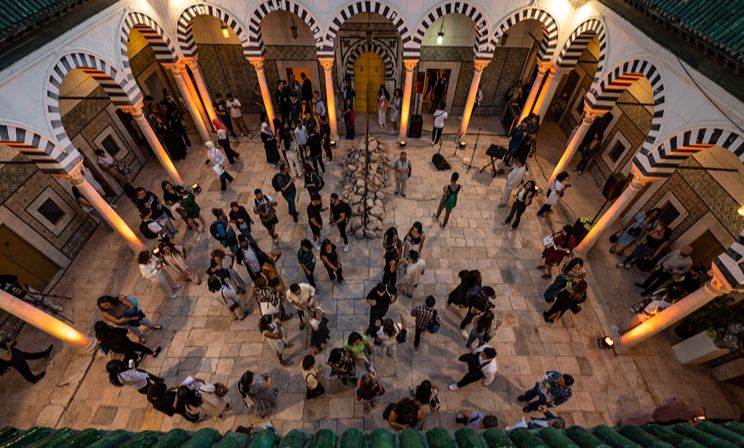
Chaque année, nous fournissons des informations générales afin de guider les participants dans la préparation de leur voyage. En plus de ce site, des mises à jour importantes seront envoyées par e-mail à tous les délégués inscrits. Assurez-vous de vous inscrire dès que possible. Pour plus d'informations, veuillez contacter [email protected] Continuez à consulter cette page pour plus d'information.  

Gender@Work
Gender@Work

Music In Africa Gender @ Work is a three-year training programme aimed at upskilling and increasing the participation of female professionals in the African music sector. Launched by the Music In Africa Foundation (MIAF) in April 2019, the programme is connected to the MIAF’s ACCES music conference – a pan-African event held in a different African country every year. This connection enables the programme to reach new participants in a different African country every year. The programme marks the beginning of a more concerted effort by the Foundation to support the participation and inclusion of women in all facets of its programmes and the music sector in Africa as a whole. Over the three years, the programme will aim to address gender imbalances in the sector through training, lobbying, facilitating knowledge exchange and dialogues that foster the interest of women. The broader objectives of the programme are to: Provide industry training for women on critical music industry skills, focusing on: Stage management Electronic music production and recording Music business management Technical knowledge Provide an opportunity for both professional and aspiring women to benefit from the Music In Africa network and its broad range of activities in 2019, 2020 and 2021. Provide a solution-based platform in the form of a round table at ACCES with a view to identify challenges, discuss opportunities and lobby for the interests of female practitioners. Offer participants the opportunity to benefit from programmes offered by MIAF’s partners. Increase access to educational materials. Integrate participants in the broader ACCES programme to maximise experience and exposure to the industry. Record and present training materials on the www.musicinafrica.net, including but not limited to tutorials, templates and other best-practice materials. Communicate women-based themes that support the initiatives and messages of the programme. MAIN TRAINING ACTIVITIES Training in first country (Ghana): In the first year, participants will be trained on all aspects of stage management by a team of experienced stage managers from 10 to 17 November 2019. The programme will offer robust classroom training as well as practical, hands-on training in which participants will also be given the opportunity to manage various aspects of the ACCES performance programme. Training in second country: The second training iteration will take place at ACCES 2020 when the programme will diversify its course to include music production lessons and training on other music business topics. A round-table platform will also be introduced to coincide with the ACCES programme. Training in third country: The third training iteration will take place at ACCES 2021 in a different country, offering an advanced course. HOW DO YOU GET INVOLVED?  As a participant, facilitator or trainer: The programme enrolls up to 12 trainees every year. All opportunities are advertised publicly on this website, and will be added to this page. Please keep checking this page for new calls (below under UPDATES & CURRENT OPPORTUNITIES). As a partner Please contact Claire Metais at [email protected]. APPLY The call for applications for 2020 will be announced soon. The Music In Africa Gender @ Work programme is made possible with the support of the Prince Claus Fund, Siemens Stiftung and Goethe-Institut.

Sound Connects Fund
Sound Connects Fund

Pour les praticiens et les organisations culturels et créatifs opérant en Afrique australe, l’accès au financement reste un défi majeur. La pandémie de COVID-19 a également eu un impact massif sur les politiques gouvernementales, les dépenses et l’économie en général, et a vu les dépenses consacrées à la culture reléguées plus bas dans la liste des priorités. De plus, les industries culturelles et créatives citent régulièrement quatre domaines principaux où l’investissement est nécessaire pour la croissance : une visibilité accrue, la mobilité incluant l’accès à de nouveaux marchés, le financement et les structures de soutien.

Music In Africa Live

MUSIC IN AFRICA LIVE Lancé en 2020 pour une durée de 3 ans, Music In Africa Live est une initiative visant à soutenir l'écosystème de la musique africaine face aux contraintes imposées par la pandémie de COVID-19 ; le projet a été lancé par la Fondation Music In Africa (MIAF) en partenariat avec le ministère fédéral allemand des Affaires étrangères, Siemens Stiftung et le Goethe Institut. Plus de 30 aides sont disponibles dans le cadre de la troisième édition de Music In Africa Live, dans 3 catégories :  showcases, renforcement des compétences et plaidoyer, en conformité avec les modalités énoncées.

Instrument Building And Repair Project

The overarching objective of Music In Africa Foundation’s Instrument Building and Repair (IBR) project is to encourage the formalisation and professionalisation of instrument-making and repair in Africa, especially in relation to indigenous African instruments. Background In 2014, the Music In Africa Foundation (MIAF) identified as one of its focus areas for development the need to encourage young people from music and music-related sectors to consider instrument-making as a career. This need extended itself from the recognition that the making of traditional African instruments is not a widely practiced skill and seems to be limited to the older generation. Traditional African instrument makers are also few and far between, making communication and logistics between teachers and learners an obstacle. When instrument building workshops take place, budgetary constraints do not allow teachers or learners the time to explore the finer details of an instrument. Based on these observations, the MIAF designed and piloted the first IBR workshop at the Dhow Countries Music Academy (DCMA) in Zanzibar in February 2015. In 2016, the foundation received funding from the South African National Lotteries Commission to implement a much bigger version of the project in Johannesburg. The project drew participants from five African countries. 25 students from South Africa, Ghana, Senegal, Kenya and Ethiopia were trained on how to build and repair musical instruments. The instruments that they made were: Traditional Instruments: Umakhweyana and Marimba Conventional Instrument: Dulcimer guitar The workshop culminated in a traditional instruments concert at the Wits Theatre in Johannesburg. It is the MIAF’s aim to roll out similar workshops in as many African countries as possible over the next few years. Objectives Developing awareness of musical instrument makers in Africa with a view to promote their work to a wider global audience. Facilitating the sharing and transfer of skills in indigenous instruments between countries on the continent. Encouraging the formalisation and professionalisation of instrument-making and repair in Africa, especially in relation to indigenous instruments. Helping instrument makers develop their careers. Fostering the rapid monetisation and sustainable development of instrument-making and repair in Africa. Promoting constant exchange of ideas, expertise, experiences and know-how among instrument makers in Africa. Facilitating the identification of existing gaps in the field with a view to contribute new solutions. Facilitating the transfer of knowledge and skills of indigenous instruments between younger and older generations. 2020 edition The MIAF has also announced that multi-instrumentalist and instrument maker Joe Makhanza will facilitate one of the workshops on the building of the kamale ngoni instrument. Kamale ngoni is a kora-like, stringed instrument that originated in West Africa. The instrument contributed to the rise of Wassoulou music in the 1970s and 1990s. Makhanza was born in Giyani in South Africa's Limpopo province. He completed a bachelor of music degree and a post-graduate diploma in arts marketing from Wits University. He is currently completing his masters in ethnomusicology and is a part-time lecturer in African music studies at Rhodes University. He plays the kora, mbira, valiha, masenqo, xiwewe, ngoni ba and xizambi, among others. He also manufactures the aforementioned instruments. The MIAF will confirm more trainers who will join the workshops as well as the other instruments that will be featured in the 2020 IBR programme.  Apply to participate here. Connect with us on Twitter, Instagram and Facebook, and subscribe to our monthly newsletter. The Music In Africa Instrument Building and Repair project is funded by the National Lotteries Commission. It is implemented in partnership with Siemens Stiftung, Goethe-Institut, Wits Theatre and Kaya FM.

banner image

HiPipo Music Awards 2020: All the winners

Accueil/Non classé/HiPipo Music Awards 2020: All the winners

This year, the organisers added a number of new award categories, including Campaign Song of the Decade, Decade Afrotunes Lyricist, Best Global Act, and National Medal of Honor for Arts and Sports.

The night saw Eddy Kenzo, Sheebah and John Blaq receive more than one award. Afrigo Band member Moses Matovu received the Lifetime Achievement Award.  

Below is the full list of winners:

Africa Number 1

  •  ‘Sunday’ – Slick Stuart, DJ Roja & Allan Toniks
  •  ‘Sabisubira’ – Kabako
  •  ‘Tweyanze’ – Irene Namatovu
  •  ‘Gutujja’ – B2C & Rema 
  •  ‘Love Yo’ – Feffe Bussi 
  •  ‘Signal’ – Eddy Kenzo 

Africa Song of the Year

  • ‘Inama’ – Diamond Platnumz ft. Fally Ipupa
  • ‘Mafia’ – Mohamed Ramadan 
  • ‘Baby’ – Joeboy 
  • ‘Parte After Parte’ – BigTril 
  • ‘SMA’ – Nasty C ft. Rowlene 
  • ‘Liberté’ – Soolking ft. Ouled El Bahdja 
  • ‘Blow My Mind’ – Davido & Chris Brown 
  • ‘Killin Dem’ – Burna Boy x Zlatan 
  • ‘Joro’ – WizKid 

Best Song from Francophone Africa

  • ‘C’est Pas Les Gbés Gbés Gbés’ – Shan’l 
  • ‘Miami Vice’ – Maître Gims 
  • ‘Yope’ – Innoss’B 
  • ‘#Katchua’ – Ya Levis 
  • ‘Liberté’ – Soolking ft. Ouled El Bahdja 
  • ‘Maria Pm’ – Fally Ipupa 
  • ‘OU LÉ’ – Toofan ft. Jacob Desvarieux & Kassav 
  • ‘Anita’ – Salatiel 

Best Song from Western Africa

  • ‘Killin Dem’ – Zlatan x Burna Boy 
  • ’49-99′ – Tiwa Savage 
  • ‘Ololo’ – Stonebwoy ft. Teni 
  • ‘Lucky’ – Sarkodie ft. Rudeboy 
  • ‘Baby’ – Joeboy 
  • ‘Audio Money’ – Rudeboy 
  • ‘Risky’ – Davido ft. Popcaan
  • ‘Joro’ – WizKid

Best Song from Southern Africa

  • ‘Move For Me’ – Cassper Nyovest feat Boskasie 
  • ‘Beautiful’ – Roberto 
  • ‘Chuwana’ – King Monada
  • ‘Sadza NeMuriwo’ – Jah Prayzah 
  • ‘Main Ou’s’ – AKA ft. YoungstaCPT 
  • ‘SMA’ – Nasty C ft. Rowlene
  • ‘John Cena’ – Sho Madjozi 

Best Song from Northern/Arabic Africa

  • ‘Tamer Hosny’ – Naseny Leh 
  • ‘Khatwa’ – Mostafa Hagag
  • ‘Ya Betfaker Ya Bet7es’ – Sherine 
  • ‘Mafia’ – Mohamed Ramadan 
  • ‘Ma Gazelle’ – Salma Rachid ft. Mok Saib 

Africa Fans Favorite Fresh Talent

  • Simmy (South Africa)
  • Innoss’B (DRC)
  • Rosa Ree (Tanzania)
  • Nviiri The Storyteller (Kenya)
  • Vinka (Uganda)
  • Sho Madjozi (South Africa)
  • Teni (Nigeria)
  • Mbosso (Tanzania)
  • Joeboy (Nigeria)
  • Natacha (Burundi)

Kenya Best Act

  • Bensoul
  • Otile Brown
  • Nadia Mukami
  • Redsan
  • Masauti 
  • Sauti Sol 
  • Willy Paul 
  • Zikki
  • Miracle Baby 
  • Chris Kaiga 

Tanzania Best Act

  • Rayvanny 
  • Nandy 
  • Diamond Platnumz 
  • Harmonize
  • Mbosso 
  • Vanessa Mdee 

Rwanda Best Act

  • Bruce Melodie 
  • Andy Bumuntu 
  • Amalon 
  • The Ben 
  • Nari High 
  • Butera Knowless 
  • Deejay Pius 
  • King James 
  • Meddy 

Burundi Best Act

  • Bantubwoy 
  • Esther Nish 
  • Double Jay
  • Big Fizzo 
  • Dr Claude 
  • Kirikou Akili
  • Natacha 
  • Sat-B 

East Africa Super Hit

  • ‘Vazi’ – The Ben 
  • ‘Extravaganza’ – Sauti Sol ft. Bensoul, Nviiri, Crystal Asige & Kaskazini 
  • ‘Wamlambez’ – Sailors 
  • ‘Parte After Parte’ – Big Tril 
  • ‘Uno’ – Harmonize
  • ‘The One’ – Diamond Platnumz 
  • ‘Tetema’ – Rayvanny Ft Diamond Platnumz
  • ‘Mmmh’ – Willy Paul Ft Rayvanny
  • ‘Homba Homboka’ – Deejay Pius
  • ‘That’s For Me’ – Vanessa Mdee ft. Distruction Boyz, DJ Tira, Prince Bulo

Artist of The Year

  • Fik Fameica
  • Sheebah
  • John Blaq
  • Spice Diana
  • David Lutalo
  • Eddy Kenzo

Best Female Artist

  • Spice Diana
  • Vinka
  • Winnie Nwagi
  • Sheebah

Best Male Artist

  • John Blaq
  • Eddy Kenzo
  • David Lutalo
  • Fik Fameica

Best Breakthrough Artist

  • Recho Rey
  • VIP Jemo
  • Grenade Official
  • John Blaq
  • Fresh Kid

Best A Cappella Group

  • Spring Gents
  • Jehovah Shalom
  • The Harmonics

Must Watch Talent

  • Ring Rapper
  • Zulanda
  • Karole Kasita
  • Shena Skies
  • Jowy Landa
  • Prince Omar
  • Lydia Bless
  • Kapa Cat
  • Vivian Tendo

Best DJ

  • DJ Fikie
  • DJ Shiru
  • DJ LL
  • DJ Bryan
  • Selector Jay
  • DVJ Mercy
  • DJ Slick Stuart & DJ Roja

Video of the Year

  • ‘Sunday – Slick Stuart, DJ Roja & Allan Toniks 
  • ‘Love Yo’ – Feffe Bussi 
  • ‘Gutujja’ – B2C & Rema 
  • ‘Tweyanze’ – Irene Namatovu 
  • ‘Sabisubira’ – Kabako 
  • ‘Signal’ – Eddy Kenzo 

Song of the Year

  • ‘Sirwana’ – Sheebah x Carol Nantongo 
  • ‘Bango’ – Rickman x DT Timo 
  • ‘Semyekozo’ – Eddy Kenzo 
  • ‘Do Dat’ – John Blaq 
  • ‘Gutujja’ – B2C & Rema 
  • ‘Parte After Parte’ – BigTril 

Best Audio Producer

  • T.O.N
  • Bomba Beat
  • Artin Pro
  • Producer Ronnie
  • Daddy Andre
  • Nessim
  • Diggy Baur

Best Video Director

  • Zero One Media
  • Zyga PixPest
  • Marvin Musoke
  • Aaronaire
  • Jahlive Films
  • Nolton And George (NG Filmz)

Best Songwriter

  • Jamie Culture
  • Daddy Andre
  • Black Skin
  • Yesse Oman 
  • RafikNince Henry
  • Ronnie
  • Shena Skies

Best Hip Hop/Rap Song

  • ‘Omu Bwati’ – Fik Fameica ft. Patoranking
  • ‘Level Up’ – Flex D’paper 
  • ‘Sikyo’ – Kapa Cat 
  • ‘Banteeka’ – Fresh Kid 
  • ‘Parte After Parte’ – BigTril 
  • ‘Cheating’ – Recho Rey 

Best Soul Song

  • ‘Tondekangawo’ – Shifah Musisi 
  • ‘Alemelako’ – Nshuti Mbabazi 
  • ‘Mwisuka’ – Sandra Nankoma 
  • ‘Oliwa’ – Kenneth Mugabi 
  • ‘Laavu Eno’ – Naava Grey 

Best Ragga/Dancehall Song

  • ‘Sweet Sensation’ – Sheebah ft. Orezi 
  • ‘Sima’ – Vip Jemo 
  • ‘Kingdom’ – Ziza Bafana 
  • ‘Jangu Ondabe’ – Spice Diana x Rosa Ree 
  • ‘Makanika’ – John Blaq
  • ‘Boom Party’ – Cindy Sanyu 
  • ‘Bango’ – Rickman x Dt Timo 

Best Reggae Song

  • ‘Bwebinyuma’ – Chris Evans 
  • ‘Squeeze’ – Fille & Voltage Music 
  • ‘Obadde Wa’ – Kenneth Mugabi 
  • ‘Reggea Music’ – DJ Shiru ft. Bruno K & Josesax
  • ‘Mukama Taasa’ – Trekxone 

Best Band Song

  • ‘Hajjati Wa Hajji’ – Vivian Tendo 
  • ‘Mpedde’ – Jovan Luzinda 
  • ‘Awululu’ – Henry Mwanje ft. Namiiro Reachel 
  • ‘Call Me’ – Chris Evans 
  • ‘Tugende’ – David Lutalo 
  • ‘Gwe Manyi Gange’ – Sasha Brighton 
  • ‘Ompuuba’ – Carol Nantongo 

Best Contemporary Folk Song

  • ‘Ighe Olinaki’ – Lily Kadima 
  • ‘Yanyiridde’ – Irene Kayemba 
  • ‘Tweyanze’ – Irene Namatovu 
  • ‘Bamungamba’ – Da Agent ft. Betinah Fasie 
  • ‘Miluvu’ – Afande Miah, Hoe ft. Yazo 

Best Kadongo Kamu Song

  • ‘Obuwangwa’ – Gerald Kiweewa 
  • ‘Ffa Kubikwatako’ – Kazibwe Kapo 
  • ‘Omwan’aninze’ – Willy Mukabya 
  • ‘Stress Free’ – Kasule Cereste
  • ‘Obufumbo bwekyavu’ – Jackie Kizito 

Best Zouk Song

  • ‘Wankolera’ – Lydia Jazmine 
  • ‘Yitayo’ – Chozen Blood & Winnie Nwagi 
  • ‘Ebisembayo’ – Geosteady ft. Chosen Becky
  • ‘Kyosaba’ – Chosen Becky 
  • ‘Signal’ – Eddy Kenzo 
  • ‘Gutujja’ – B2C & Rema 

Best Afrobeat Song

  • ‘Sabisubira’ – Kabako
  • ‘Omusheshe’ – Spice Diana ft. Ray G
  • ‘Silwana’ – Sheebah ft. Carol Nantongo
  • ‘Do Dat’ – John Blaq
  • ‘Semyekozo’ – Eddy Kenzo
  • ‘Love Yoo’ – Feffe Bussi
  • ‘Nkuloga’ – Grenade

Best Afropop Song

  • ‘Munda Dala’ – Nina Roz
  • ‘Sikikukweeka’ – Daddy Andre 
  • ‘Sure’ – Vinka 
  • ‘Eat zote’ – David Lutalo
  • ‘Am Different’ –Fik Fameica 
  • ‘Ebyalagirwa’ – John Blaq 
  • ‘Enyanda’ – Sheebah 

Best Social Message

  • ‘Freedom Anthem’ – Saava Karim
  • ‘Tebatusera’ – Tip Swizzy 
  • ‘Ebizibu’ – Ziza Bafana 
  • ‘Tobiloberamu’ – Fik Fameica 
  • ‘Ensi’ – David Lutalo

Best School Act

  • Amasomero G’abazira Ba Cbs 
  • Mumsa High School Mityana 
  • Wakiso Muslim S.S
  • Buddo S.S 
  • Kyadondo Secondary School Matuga
  • St. Peters S.S Bombo

Religious/Gospel Act

  • Wilson Bugembe 
  • John Marie 
  • Baby Gloria 
  • Robinsan 
  • Levixone 
  • Grace Nakimera 

Best Song from Eastern Region

  • ‘Nabushawo’ – Peter Rymz
  • ‘Miluvu’ – Afande Miah, Hoe ft. Yazo 
  • ‘Omoyo’ – Jojo Laze 
  • ‘Twatambula’ – Usher Roberts
  • ‘Kankinemu’ – Irene Kayemba 
  • ‘Busoga Tuseteyo’ – Menton Rass & Roo Ya Simba 

Best Song from Northern Region

  • ‘Anyaka Man’ – Okeng Born Town 
  • ‘Big Nayaboli’ – Original Lady Bella 
  • ‘Pililili Yoo Leng’ – Romeo Odong 
  • ‘Private Dancer’ – Pine Avenue5 
  • ‘Alur Mudhing’ – W’ojok Dekoda 
  • ‘Between’ – Prince Yubu ft. Daxx Kartel & Shim Dropa 
  • ‘Boli Free’ – General Ice 
  • ‘Par Pira’ – Professor Maros – Med MacBeepee 

Best Song from Southern Region

  • ‘Koi Koi Freestyle’ – St. Maxi Mayne ft. Gnl Zamba 
  • ‘Nkooye Obwomu’ – Mayor Chris Johnz 
  • ‘Silinda Leero’ – Juicy Landy 
  • ‘Tundula’ – Lindah Blessing 

Best Song from Western Region

  • ‘Kingambire’ – Happi Freeman 
  • ‘Nfumbata’ – Gen Geeon 
  • ‘Omusheshe’ – Spice Diana & Ray G 
  • ‘Mpaka Mpaka’ – Emily Kikazi 
  • ‘Kyahwire’ – Amani Amaniga ft. Big Beats 
  • ‘Weeshe’ – Ray G 
  • ‘Maama’ – Medotex 
  • ‘Byansi byakuleka’ – Kelon G 

Best Cinematography/Editing

  • Jaylive Films 
  • Marvin Musoke 
  • Martin Beta 

Most Stylish Artist

  • Eddy Kenzo
  • Grenade
  • Pia Pounds
  • B2C
  • Fik Fameika
  • Nina Roz
  • Lydia Jazmine
  • Spice Diana

Best Rnb Song

  • ‘Nkulowooza’ – Jamie Culture 
  • ‘Falling’ – Allan Toniks & Fille
  • ‘Nkwagala Omu’ – Navio ft King Saha
  • ‘Sunday’ – Slick Stuart, DJ Roja ft. Allan Toniks
  • ‘Kayayana’ – Cosign 
  • ‘Anjagala’ – Maro 

Video TrailBlazer 

  •  Masaka Kids Afrikana

Exeptional Young Act 

  • Fresh Kid

Lifetime Achievement Award 

  • Moses Matovu of Afrigo Band

Producer of the Generation 

  • Dr. Tee – Kazibwe Travis

Golden Medal of Honour for Supporting Preservation Ugandan Sound and Identity 

  • Gen. Salim Saleh

Watch the 2020 awards ceremony belwow:

[video:https://www.youtube.com/watch?v=3Xdv9nnqn-k autoplay:0]

newsletter banner

Abonnez-vous à notre newsletter

Retrouvez-nous sur les réseaux sociaux