

















NEFCISA
NEFCISA

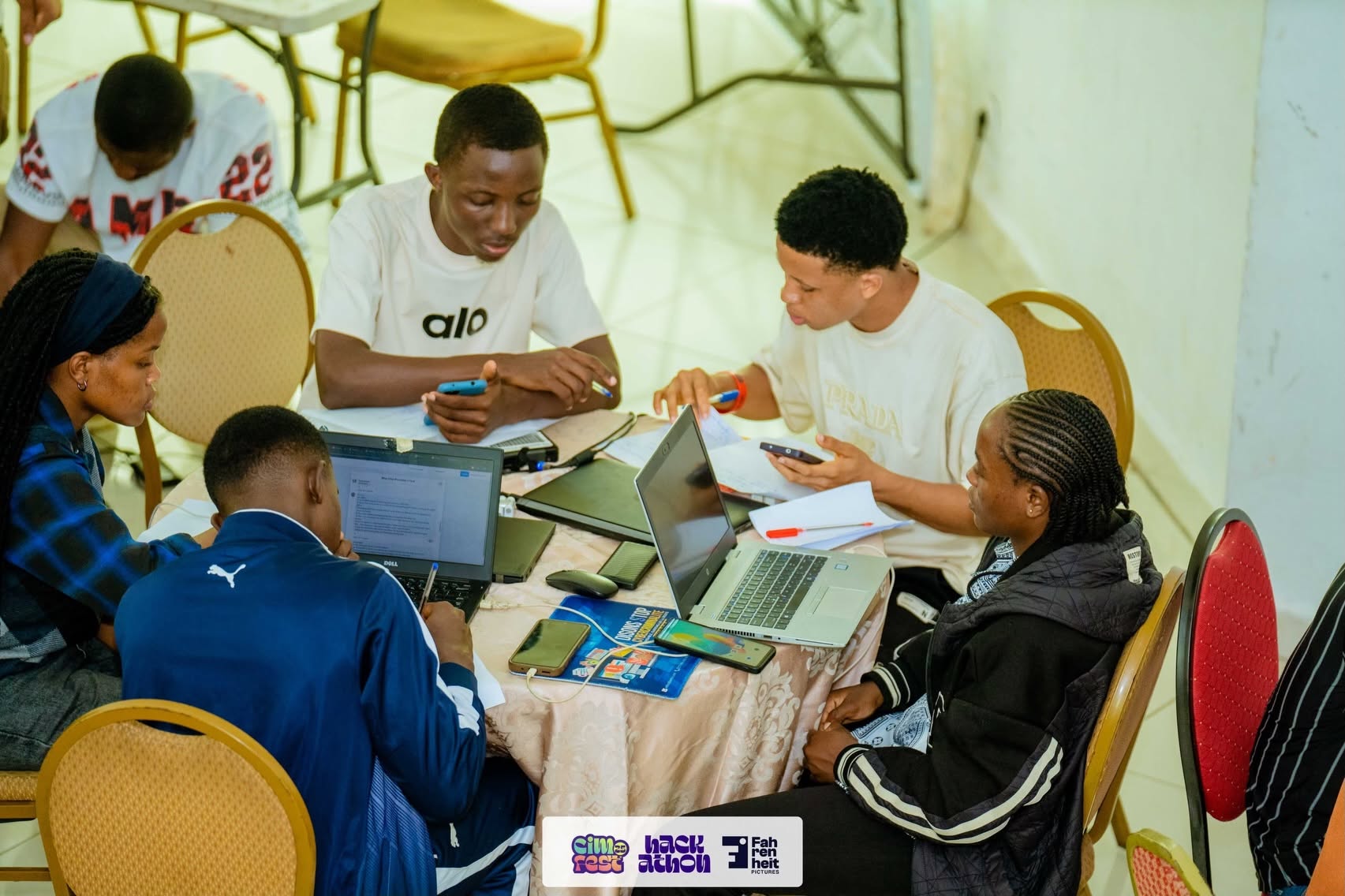
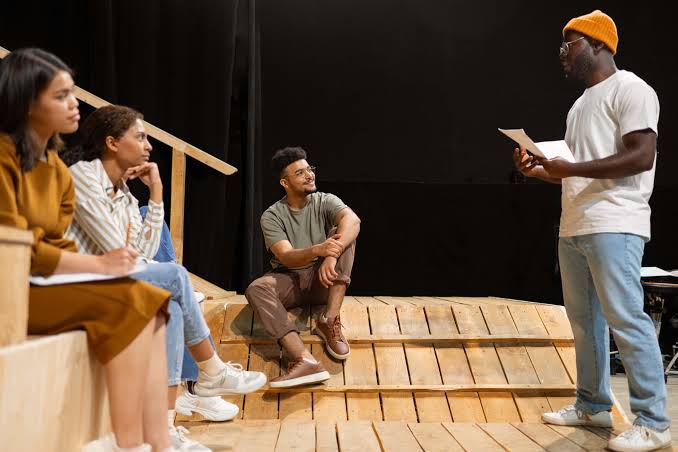
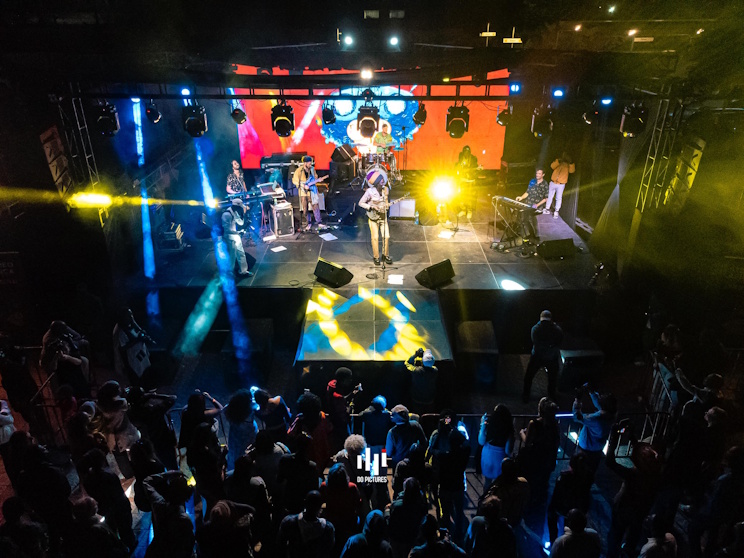
The Music In Africa Foundation (MIAF) is proud to announce its partnership with the Industrial Development Corporation (IDC) as a Strategic Implementing Partner (SIP) for its Social Employment Fund (SEF). Through this collaboration, MIAF is launching a new national programme designed to create jobs, address skills gaps, and strengthen South Africa’s creative industries — in line with the SEF’s overarching goal to generate work for the common good and build community value through employment, social contribution, and inclusive economic participation. Operating under the banner NEFCISA (National Employment Facility for Creative Industries in South Africa), the initiative will recruit and train participants, match them with host organisations, and place a minimum of 1 000 workers across the country. Key Objectives: Support employment and entrepreneurship in the creative industries. Offer skills development and training programmes. Foster partnerships between public and private creative sectors. Promote South African creativity at both provincial and national levels Foster community development through social contribution.

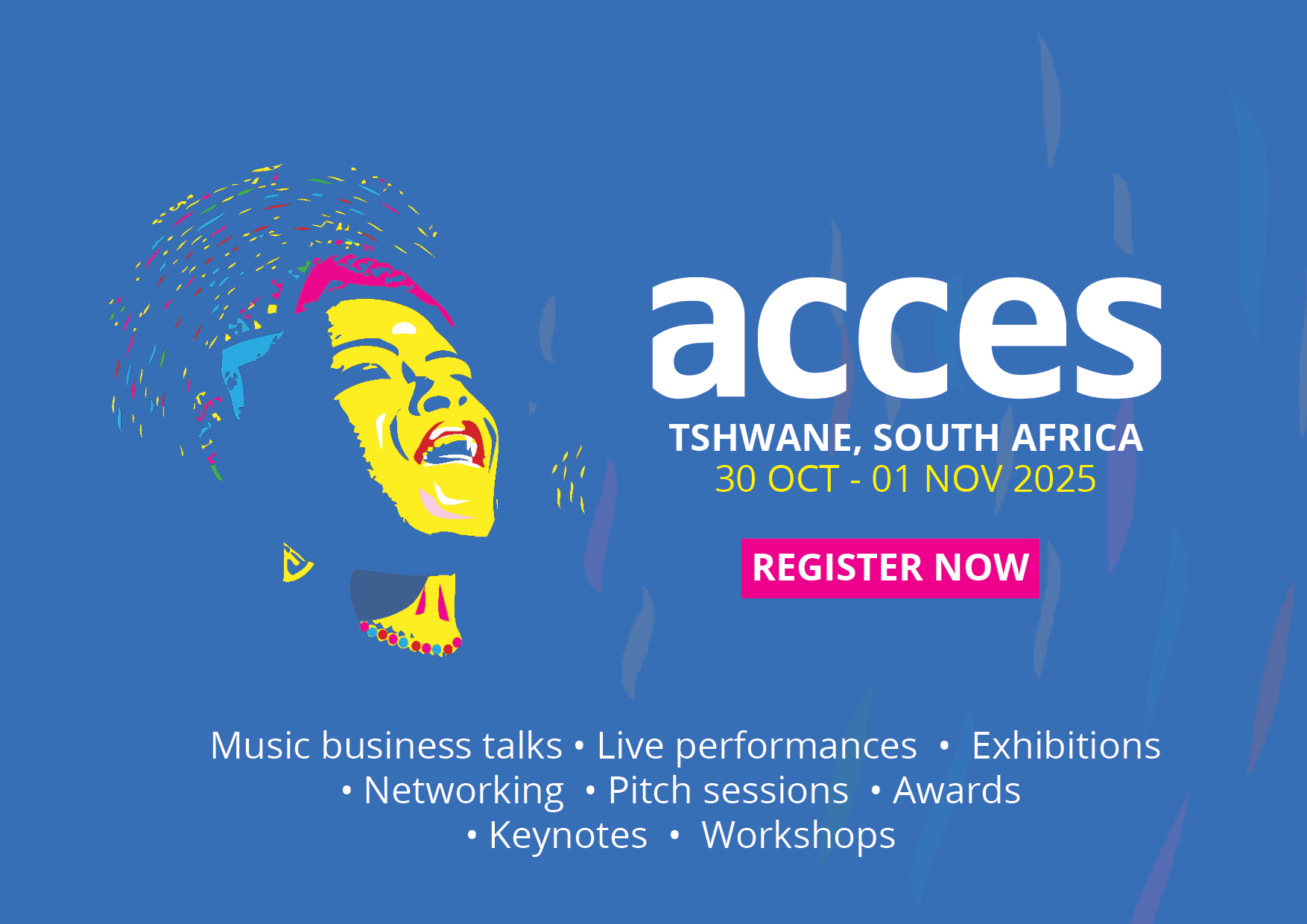
ACCES
ACCES

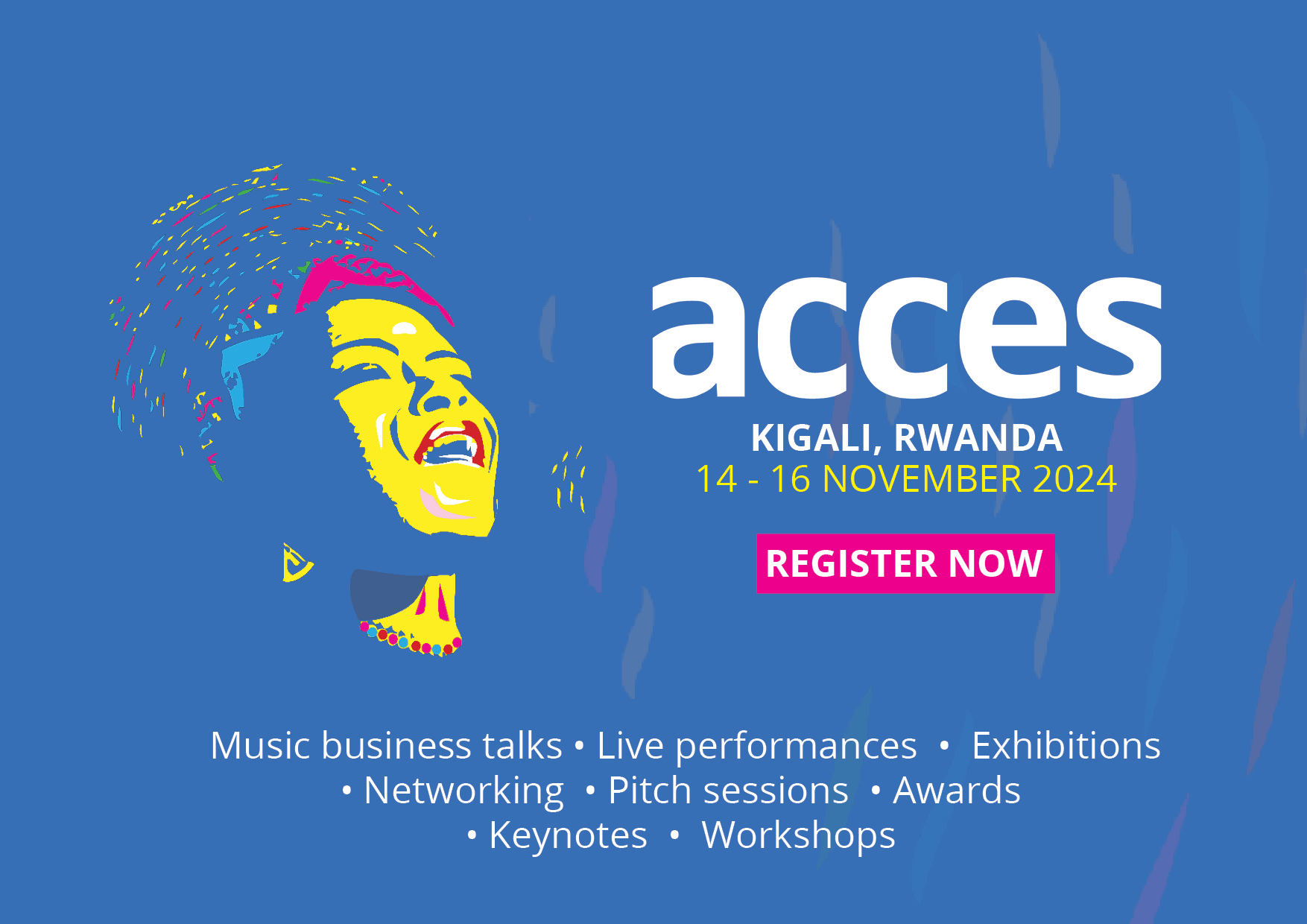
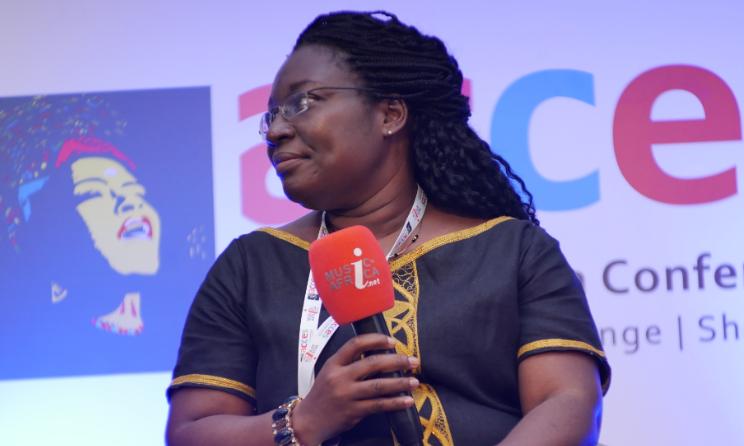
Chaque année, nous fournissons des informations générales afin de guider les participants dans la préparation de leur voyage. En plus de ce site, des mises à jour importantes seront envoyées par e-mail à tous les délégués inscrits. Assurez-vous de vous inscrire dès que possible. Pour plus d'informations, veuillez contacter [email protected] Continuez à consulter cette page pour plus d'information.  

Gender@Work
Gender@Work

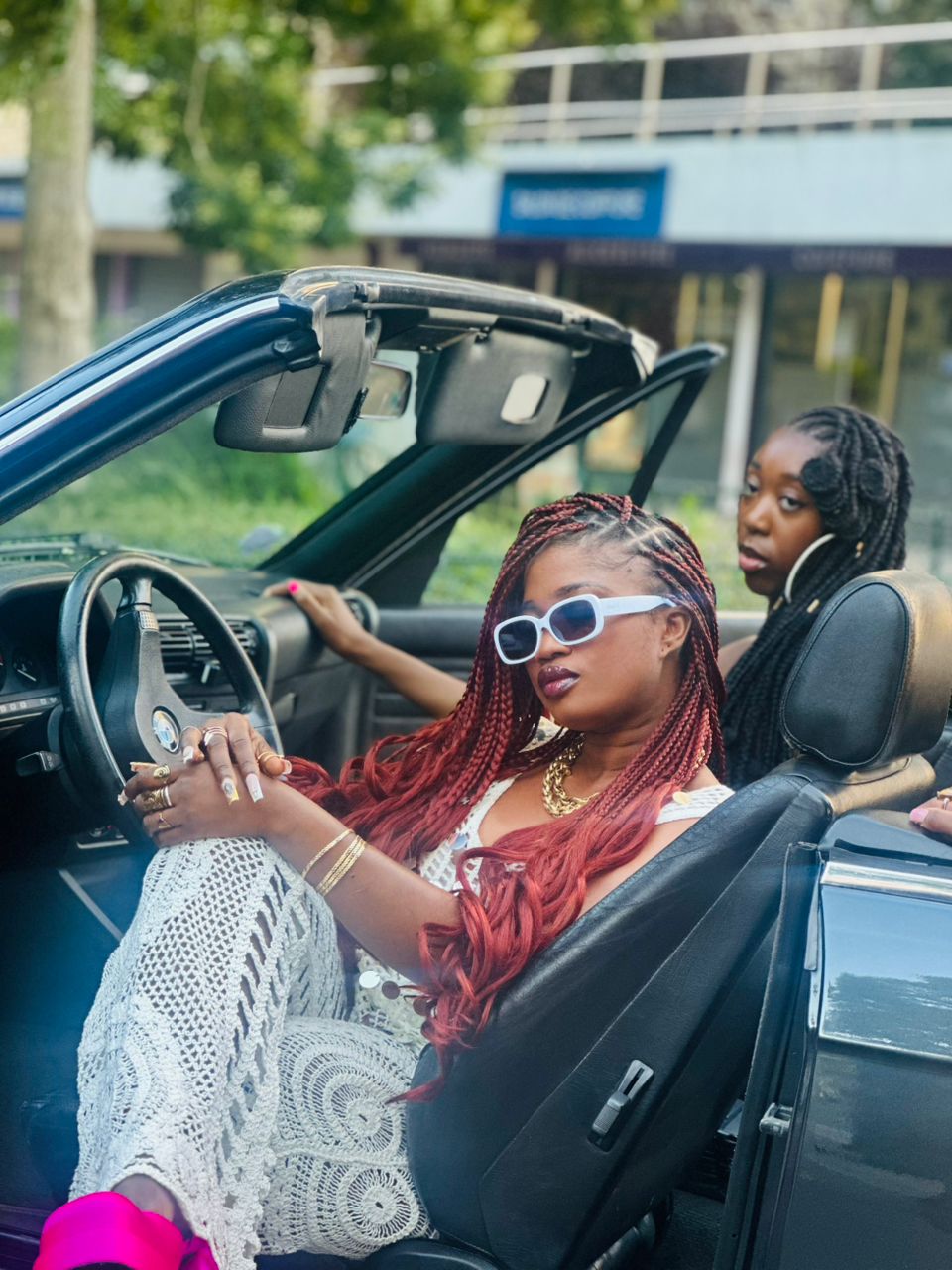
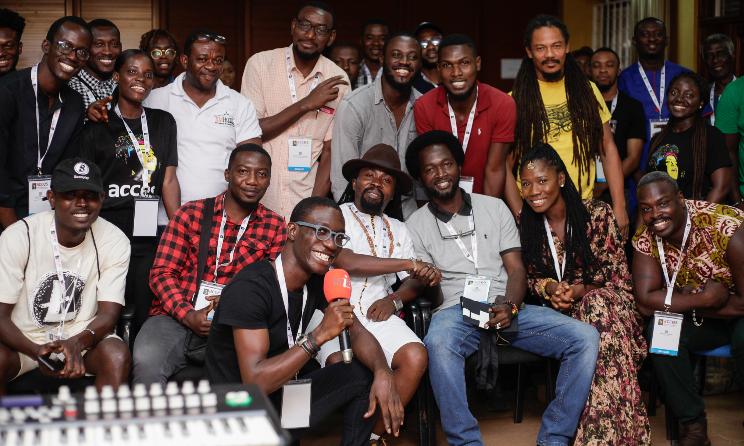
Music In Africa Gender @ Work is a three-year training programme aimed at upskilling and increasing the participation of female professionals in the African music sector. Launched by the Music In Africa Foundation (MIAF) in April 2019, the programme is connected to the MIAF’s ACCES music conference – a pan-African event held in a different African country every year. This connection enables the programme to reach new participants in a different African country every year. The programme marks the beginning of a more concerted effort by the Foundation to support the participation and inclusion of women in all facets of its programmes and the music sector in Africa as a whole. Over the three years, the programme will aim to address gender imbalances in the sector through training, lobbying, facilitating knowledge exchange and dialogues that foster the interest of women. The broader objectives of the programme are to: Provide industry training for women on critical music industry skills, focusing on: Stage management Electronic music production and recording Music business management Technical knowledge Provide an opportunity for both professional and aspiring women to benefit from the Music In Africa network and its broad range of activities in 2019, 2020 and 2021. Provide a solution-based platform in the form of a round table at ACCES with a view to identify challenges, discuss opportunities and lobby for the interests of female practitioners. Offer participants the opportunity to benefit from programmes offered by MIAF’s partners. Increase access to educational materials. Integrate participants in the broader ACCES programme to maximise experience and exposure to the industry. Record and present training materials on the www.musicinafrica.net, including but not limited to tutorials, templates and other best-practice materials. Communicate women-based themes that support the initiatives and messages of the programme. MAIN TRAINING ACTIVITIES Training in first country (Ghana): In the first year, participants will be trained on all aspects of stage management by a team of experienced stage managers from 10 to 17 November 2019. The programme will offer robust classroom training as well as practical, hands-on training in which participants will also be given the opportunity to manage various aspects of the ACCES performance programme. Training in second country: The second training iteration will take place at ACCES 2020 when the programme will diversify its course to include music production lessons and training on other music business topics. A round-table platform will also be introduced to coincide with the ACCES programme. Training in third country: The third training iteration will take place at ACCES 2021 in a different country, offering an advanced course. HOW DO YOU GET INVOLVED?  As a participant, facilitator or trainer: The programme enrolls up to 12 trainees every year. All opportunities are advertised publicly on this website, and will be added to this page. Please keep checking this page for new calls (below under UPDATES & CURRENT OPPORTUNITIES). As a partner Please contact Claire Metais at [email protected]. APPLY The call for applications for 2020 will be announced soon. The Music In Africa Gender @ Work programme is made possible with the support of the Prince Claus Fund, Siemens Stiftung and Goethe-Institut.

Sound Connects Fund
Sound Connects Fund

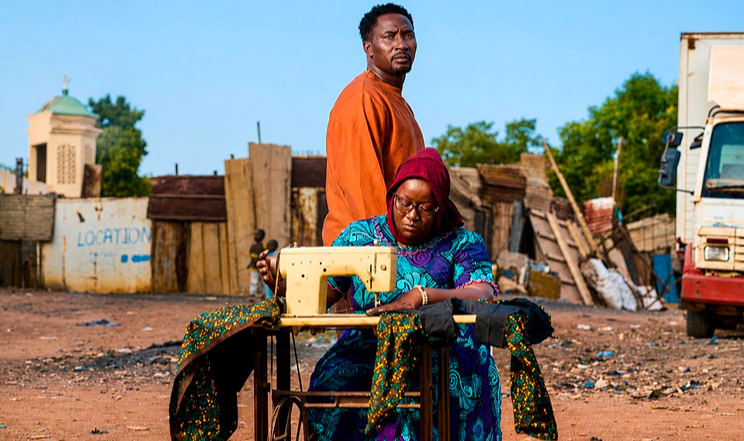
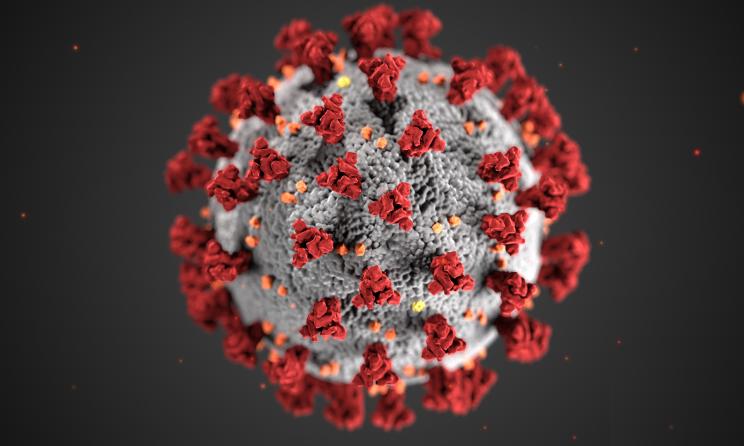
Pour les praticiens et les organisations culturels et créatifs opérant en Afrique australe, l’accès au financement reste un défi majeur. La pandémie de COVID-19 a également eu un impact massif sur les politiques gouvernementales, les dépenses et l’économie en général, et a vu les dépenses consacrées à la culture reléguées plus bas dans la liste des priorités. De plus, les industries culturelles et créatives citent régulièrement quatre domaines principaux où l’investissement est nécessaire pour la croissance : une visibilité accrue, la mobilité incluant l’accès à de nouveaux marchés, le financement et les structures de soutien.

Music In Africa Live

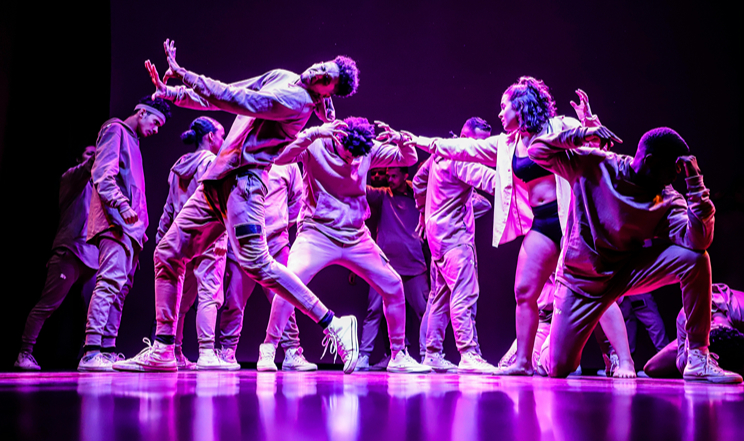
MUSIC IN AFRICA LIVE Lancé en 2020 pour une durée de 3 ans, Music In Africa Live est une initiative visant à soutenir l'écosystème de la musique africaine face aux contraintes imposées par la pandémie de COVID-19 ; le projet a été lancé par la Fondation Music In Africa (MIAF) en partenariat avec le ministère fédéral allemand des Affaires étrangères, Siemens Stiftung et le Goethe Institut. Plus de 30 aides sont disponibles dans le cadre de la troisième édition de Music In Africa Live, dans 3 catégories :  showcases, renforcement des compétences et plaidoyer, en conformité avec les modalités énoncées.

Instrument Building And Repair Project

The overarching objective of Music In Africa Foundation’s Instrument Building and Repair (IBR) project is to encourage the formalisation and professionalisation of instrument-making and repair in Africa, especially in relation to indigenous African instruments. Background In 2014, the Music In Africa Foundation (MIAF) identified as one of its focus areas for development the need to encourage young people from music and music-related sectors to consider instrument-making as a career. This need extended itself from the recognition that the making of traditional African instruments is not a widely practiced skill and seems to be limited to the older generation. Traditional African instrument makers are also few and far between, making communication and logistics between teachers and learners an obstacle. When instrument building workshops take place, budgetary constraints do not allow teachers or learners the time to explore the finer details of an instrument. Based on these observations, the MIAF designed and piloted the first IBR workshop at the Dhow Countries Music Academy (DCMA) in Zanzibar in February 2015. In 2016, the foundation received funding from the South African National Lotteries Commission to implement a much bigger version of the project in Johannesburg. The project drew participants from five African countries. 25 students from South Africa, Ghana, Senegal, Kenya and Ethiopia were trained on how to build and repair musical instruments. The instruments that they made were: Traditional Instruments: Umakhweyana and Marimba Conventional Instrument: Dulcimer guitar The workshop culminated in a traditional instruments concert at the Wits Theatre in Johannesburg. It is the MIAF’s aim to roll out similar workshops in as many African countries as possible over the next few years. Objectives Developing awareness of musical instrument makers in Africa with a view to promote their work to a wider global audience. Facilitating the sharing and transfer of skills in indigenous instruments between countries on the continent. Encouraging the formalisation and professionalisation of instrument-making and repair in Africa, especially in relation to indigenous instruments. Helping instrument makers develop their careers. Fostering the rapid monetisation and sustainable development of instrument-making and repair in Africa. Promoting constant exchange of ideas, expertise, experiences and know-how among instrument makers in Africa. Facilitating the identification of existing gaps in the field with a view to contribute new solutions. Facilitating the transfer of knowledge and skills of indigenous instruments between younger and older generations. 2020 edition The MIAF has also announced that multi-instrumentalist and instrument maker Joe Makhanza will facilitate one of the workshops on the building of the kamale ngoni instrument. Kamale ngoni is a kora-like, stringed instrument that originated in West Africa. The instrument contributed to the rise of Wassoulou music in the 1970s and 1990s. Makhanza was born in Giyani in South Africa's Limpopo province. He completed a bachelor of music degree and a post-graduate diploma in arts marketing from Wits University. He is currently completing his masters in ethnomusicology and is a part-time lecturer in African music studies at Rhodes University. He plays the kora, mbira, valiha, masenqo, xiwewe, ngoni ba and xizambi, among others. He also manufactures the aforementioned instruments. The MIAF will confirm more trainers who will join the workshops as well as the other instruments that will be featured in the 2020 IBR programme.  Apply to participate here. Connect with us on Twitter, Instagram and Facebook, and subscribe to our monthly newsletter. The Music In Africa Instrument Building and Repair project is funded by the National Lotteries Commission. It is implemented in partnership with Siemens Stiftung, Goethe-Institut, Wits Theatre and Kaya FM.

banner image

La musique live à Maurice

Accueil/Non classé/La musique live à Maurice

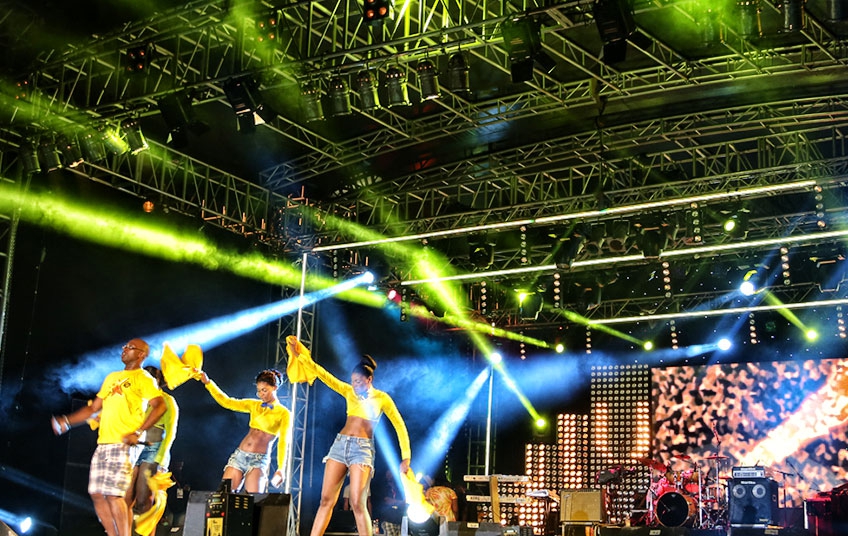
En 2015, sept festivals de musique ont été organisés, contre un en 2014. Une impulsion des entrepreneurs de la musique pour dynamiser le secteur et apporter un nouveau souffle à la scène musicale de Maurice.

Maurice souffre depuis des années du manque d’espaces d’expression et de diffusion de la musique. Si, dans les années 80-90, le village touristique de Grand Baie et ses pubs étaient, au nord de l’île, le centre névralgique de la musique live, on a constaté la disparition de quelques-uns de ces lieux au début des années 2000, et ce pour des raisons économiques. La conjoncture a vite changé la donne pour les musiciens.

S’il y a eu, certes, quelques festivals auparavant, avec notamment le Samemsa et le Reggae Donn Sa, on a pu noter une accalmie durant deux ans. L’année 2015 a connu une effervescence inattendue.

D’un festival, on est passé à sept manifestations d’envergure, avec des structures solides, mais des budgets différents. Malgré tout, ces manifestations ont mis en lumière le nombre d’entreprises culturelles pouvant proposer des plateaux de qualité, des artistes de registres divers et des programmations bien pensées.

Chapelet d’évènements musicaux

Un creuset d’influence pour célébrer la musique et l’art à leurapogée. Les mélomanes en ont vu et entendu de toutes les couleurs avec les festivals et la programmation diverse et variée de 2015. Une année à marquer en gras pour la culture à Maurice. Petits portraits de ces festivals qui auront marqué les oreilles mauriciennes.

Le Ernest Wiehe Jazz Festival,  en hommage au grand saxophoniste mauricien Ernest Wiehe, mort en 2010, s’est imposé en quatre éditions comme la référence du jazz à Maurice. Avec la participation d’artistes locaux et internationaux comme AfrikaMhkize, François Jeanneau ou L’Orkès Pei d’Olivier Ker Ourio, cette manifestation est désormais devenue incontournable.

The Bridge Eco-Art Festival avait la volonté « de créer un pont symbolique, de connecter ces deux disciplines que sont l’art et l’écologie, de connecter les Mauriciens au concept de l’écologie, de favoriser leur ouverture à la créativité ». Un pari réussi pour sa première édition, avec un line-up composé d’une trentaine d’artistes, dont le reggaeman allemand Patrice. C’est dans le village de Tamarin à l’ouest de l’île, que s’est tenu ce projet écolo haut en couleurs.

Le Dombeya Music Festival se voulait plus street et roots, avec un plateau 100 % Mauricien. La scène comprenait ainsi des têtes d’affiche de chez nous : Zulu, Menwar, Hans Nayna, The Prophecy, Ras Natty Baby, Damien Elisa, Philippe Thomas Syndicate, Blakkayo, Ras Nininn… ainsi que de nouveaux talents prometteurs.

Kaz’Out Music Festival en était à sa deuxième édition, après celle de 2013, la conjoncture économique ayant contraint l’organisateur Lively Up à renvoyer l’édition de 2014. Pour sa mouture 2015, Kaz’Out a présenté un plateau de qualité, avec le groupe Baster de la Réunion en tête d’affiche, dans le magnifique cadre des jardins du Château Labourdonnais.

Porlwi by light,initié par Move For Art, a réuni plus de 300 000 personnes sur trois jours dans la capitale du pays, Port-Louis. Par le biais de la musique, des arts de rue, de performances originales, d’installations gigantesques, d’expositions etd’installations lumineuses, ce projet culturel et artistique a bouleversé le regard sur l’art de toute une île.

[video:https://www.youtube.com/watch?v=vgmAgmPrtWw autoplay:0]

La première édition du One Live Muzik Festival, au Café du Vieux Conseil de Port-Louis,a marqué les esprits par sa convivialité et son ambiance chaleureuse. Avec sa programmation « Océan Indien », il a proposé à un public curieux et ravi des groupes locaux, de la Réunion, de Rodrigues et Agaléga.

Lancé par Angelo Gopee, Mauricien établi en France, le Labourdonnais Music Festival a misé sur un plateau d’artistes internationaux pour son baptême sonore. Avec Christophe Willem, Marina Kaye et le trio L.E.J, le dernier festival de l’année 2015 a connu un accueil favorable du public. A noter la place réservée également à la scène locale, avec la présence de Yoan Catherine et DJ Assad.

Les lieux de diffusions

Pour conserver le rythme et garder la cadence, il est primordial que la musique vive hors des festivals. Les lieux de diffusion deviennent ainsi essentiels pour promouvoir la scène actuelle.

Ce secteur connaît actuellement un réel essor, avec des programmations plus étoffées. Si, auparavant, le Sapin Café Culture était le temple de la musique live, depuis deux ans, Lakaz Cascavelle s’impose comme un site privilégié pour découvrir les sonorités mauriciennes actuelles. Situé à l’ouest de l’île, pas loin de la plage de Flic-en-Flac, il est le lieu où se rendre pour entendre des prestations en live, surtout les mercredis.

Les Jam dan Lakaz sont d’ailleurs devenus incontournables, avec des sessions enflammées. Lakaz Cascavelle donne également la chance aux jeunes artistes de se produire et de promouvoir leur musique.

Au centre de l’île, à Ebène, le Hennessy Parkoffre des plateaux musicaux les vendredis soirs. Une transition mélodieuse et rythmée pour entamer le week-end, lors d’happy hours soutenus par du live, avec une programmation sélective.

Plus roots et plus prosaïque, Enso niché au cœur du village de la Gaulette, pas loin du Morne, revêt un cachet particulier. Toujours dans l’ouest, à Flic-en-Flac, le Kenzi Bar ouvre son jardin les dimanches après-midis pour des sessions musicales avec des groupes locaux. Dans une approche très épurée, les concerts ici sont toujours nappés d’une ambiance un tantinet hippie.

De son côté, dans le froid de Curepipe, le petit pub Apocalypse réchauffe la nuit à coups de vibesroots. Du reggae au hip hop en passant par le dancehall, le blues et la soul, la culture urbaine est omniprésente dans cet espace du centre-ville.

Au Sud de l’île, à l’entrée du village de Mahebourg, le Baz’Art bordé de canne à sucre laisse place à la musique selon un calendrier saisonnier. Ce lieu offre un cadre chaleureux au public et aux artistes, avec un grand jardin pour des prestations à ciel ouvert, et une salle couverte dans un beau bâtiment en pierre.                    

Ce feu d’artifice d’événements à Maurice, l’émergence de festivals et la pérennité des lieux de diffusion permettent aux artistes du pays de survivre dans un pays ou le piratage fait rage. Car aujourd’hui, la seule arme pour combattre toute forme de pillage est bien le live. Et les notes sont bien parties pour résonner encore plus fort sur les plaines et les plages de l’île.


Référence:
Porlwi by Night
One Line Muzik Festival
Kaz’Out Muzik Festival
Ernest Wiehe Jazz Festival
newsletter banner

Abonnez-vous à notre newsletter

Retrouvez-nous sur les réseaux sociaux