














NEFCISA
NEFCISA

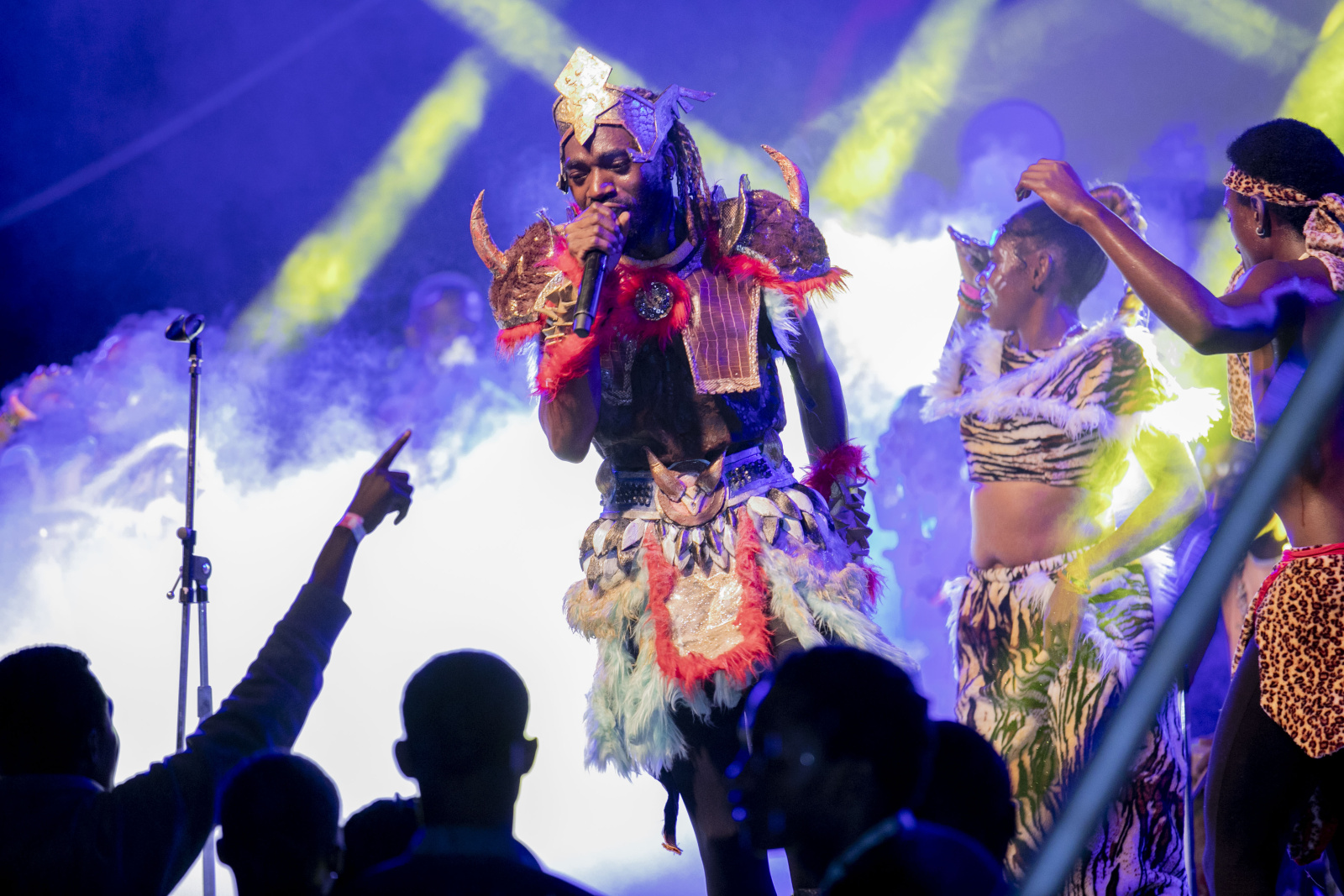
The Music In Africa Foundation (MIAF) is proud to announce its partnership with the Industrial Development Corporation (IDC) as a Strategic Implementing Partner (SIP) for its Social Employment Fund (SEF). Through this collaboration, MIAF is launching a new national programme designed to create jobs, address skills gaps, and strengthen South Africa’s creative industries — in line with the SEF’s overarching goal to generate work for the common good and build community value through employment, social contribution, and inclusive economic participation. Operating under the banner NEFCISA (National Employment Facility for Creative Industries in South Africa), the initiative will recruit and train participants, match them with host organisations, and place a minimum of 1 000 workers across the country. Key Objectives: Support employment and entrepreneurship in the creative industries. Offer skills development and training programmes. Foster partnerships between public and private creative sectors. Promote South African creativity at both provincial and national levels Foster community development through social contribution.

ACCES
ACCES

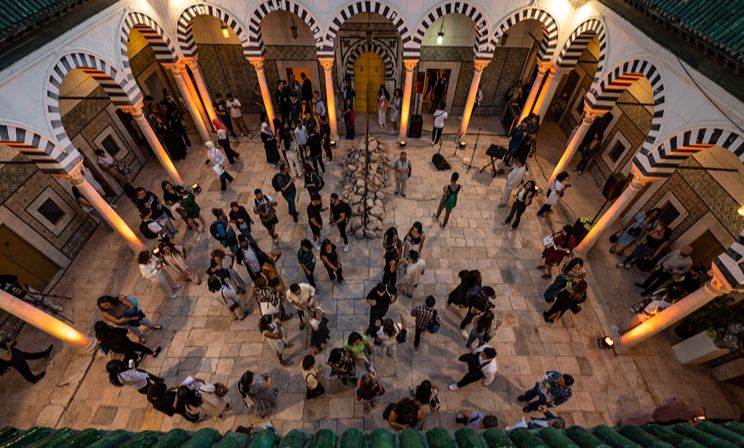
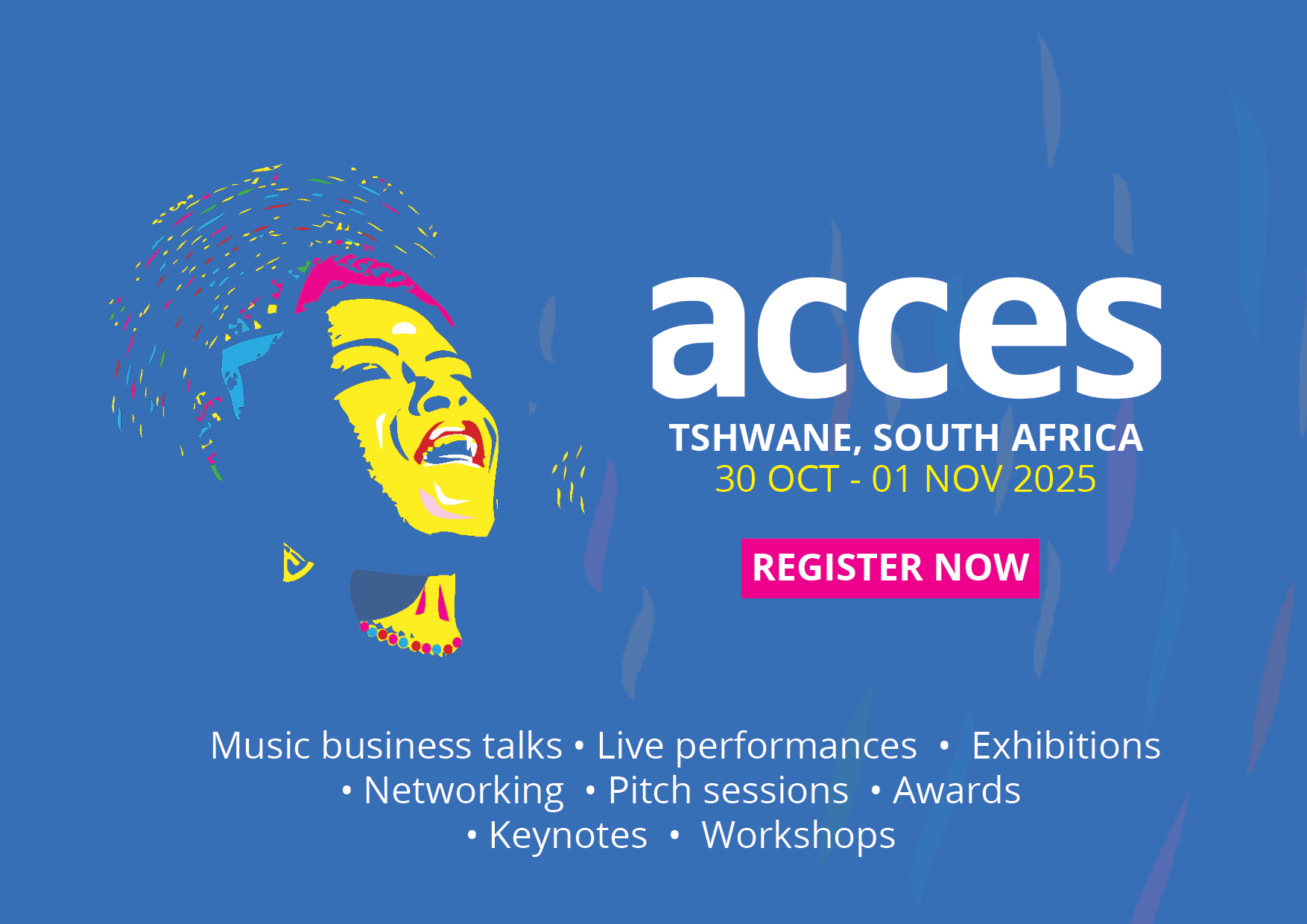
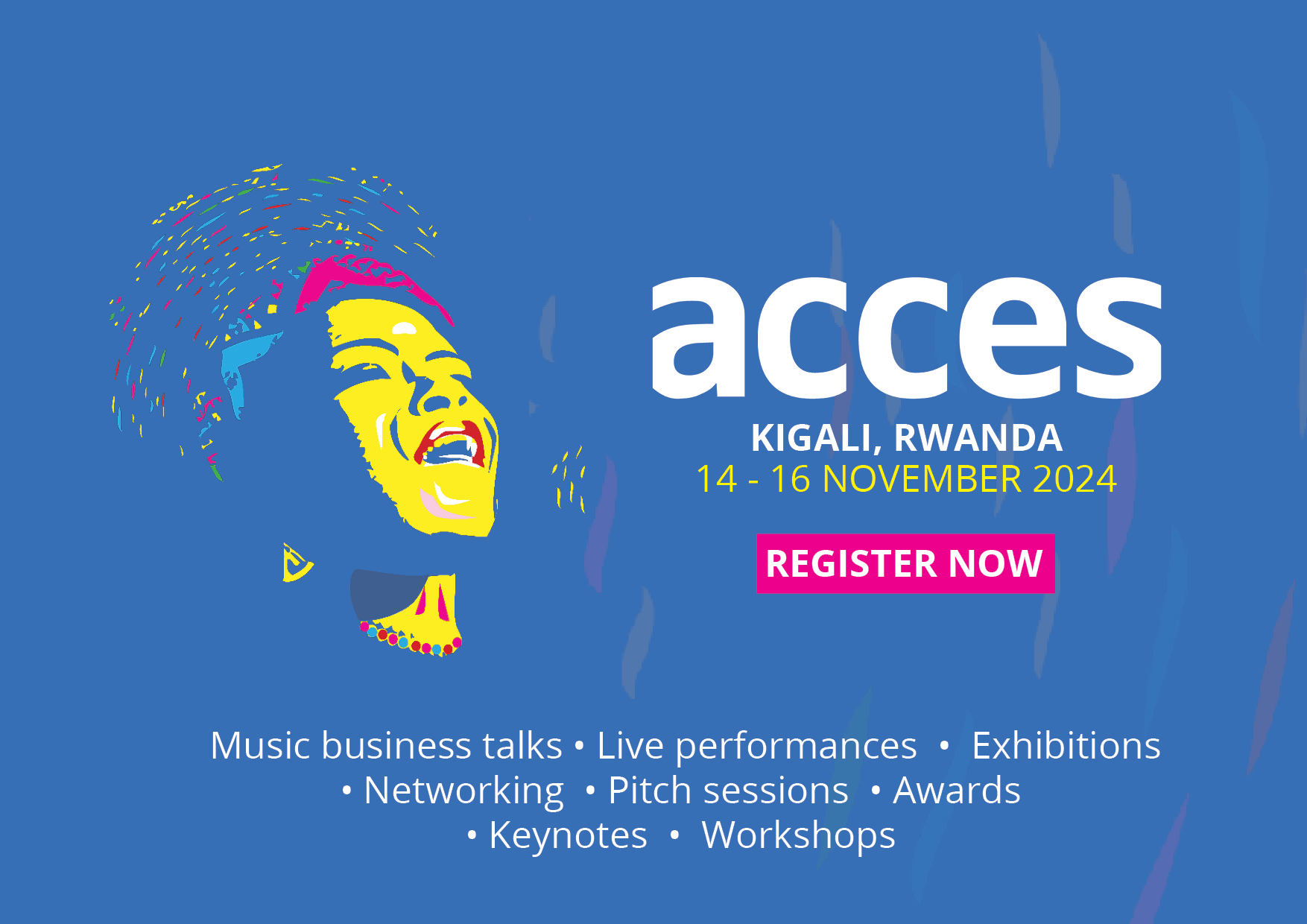
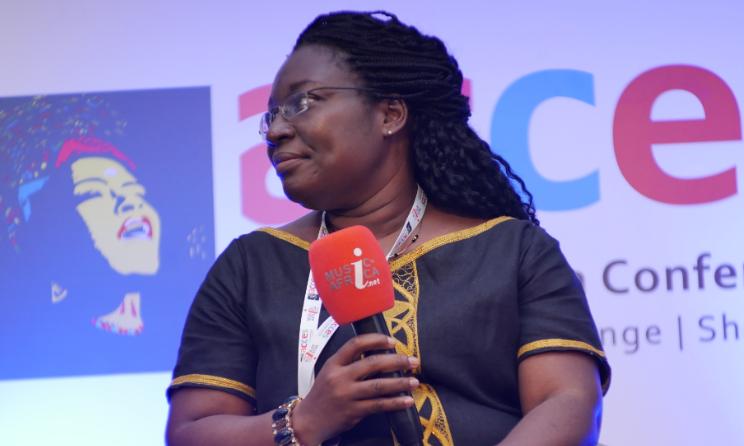
Chaque année, nous fournissons des informations générales afin de guider les participants dans la préparation de leur voyage. En plus de ce site, des mises à jour importantes seront envoyées par e-mail à tous les délégués inscrits. Assurez-vous de vous inscrire dès que possible. Pour plus d'informations, veuillez contacter [email protected] Continuez à consulter cette page pour plus d'information.  

Gender@Work
Gender@Work

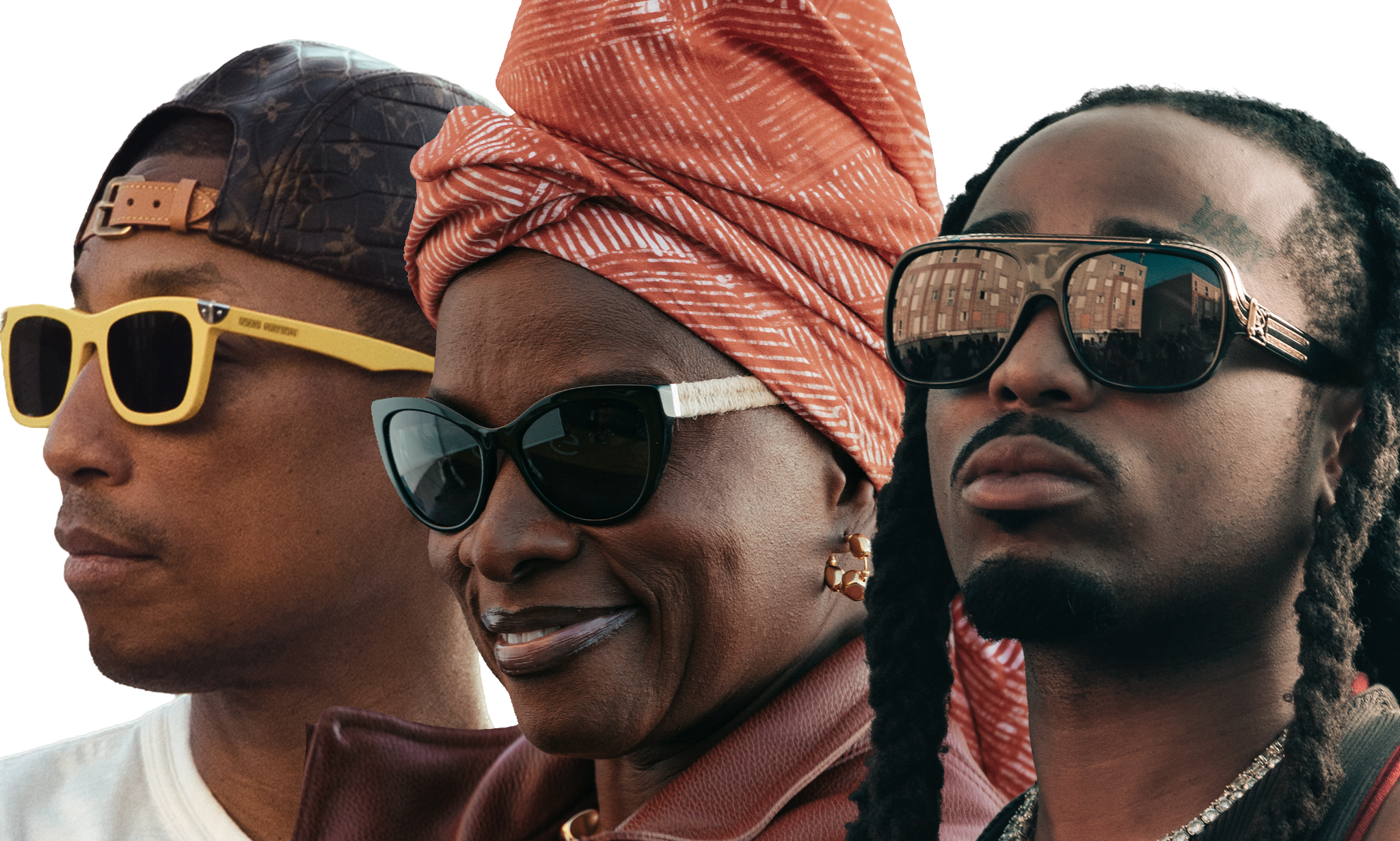
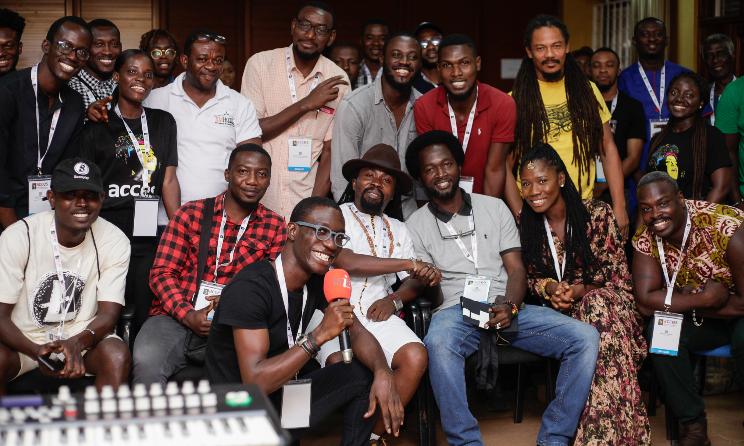
Music In Africa Gender @ Work is a three-year training programme aimed at upskilling and increasing the participation of female professionals in the African music sector. Launched by the Music In Africa Foundation (MIAF) in April 2019, the programme is connected to the MIAF’s ACCES music conference – a pan-African event held in a different African country every year. This connection enables the programme to reach new participants in a different African country every year. The programme marks the beginning of a more concerted effort by the Foundation to support the participation and inclusion of women in all facets of its programmes and the music sector in Africa as a whole. Over the three years, the programme will aim to address gender imbalances in the sector through training, lobbying, facilitating knowledge exchange and dialogues that foster the interest of women. The broader objectives of the programme are to: Provide industry training for women on critical music industry skills, focusing on: Stage management Electronic music production and recording Music business management Technical knowledge Provide an opportunity for both professional and aspiring women to benefit from the Music In Africa network and its broad range of activities in 2019, 2020 and 2021. Provide a solution-based platform in the form of a round table at ACCES with a view to identify challenges, discuss opportunities and lobby for the interests of female practitioners. Offer participants the opportunity to benefit from programmes offered by MIAF’s partners. Increase access to educational materials. Integrate participants in the broader ACCES programme to maximise experience and exposure to the industry. Record and present training materials on the www.musicinafrica.net, including but not limited to tutorials, templates and other best-practice materials. Communicate women-based themes that support the initiatives and messages of the programme. MAIN TRAINING ACTIVITIES Training in first country (Ghana): In the first year, participants will be trained on all aspects of stage management by a team of experienced stage managers from 10 to 17 November 2019. The programme will offer robust classroom training as well as practical, hands-on training in which participants will also be given the opportunity to manage various aspects of the ACCES performance programme. Training in second country: The second training iteration will take place at ACCES 2020 when the programme will diversify its course to include music production lessons and training on other music business topics. A round-table platform will also be introduced to coincide with the ACCES programme. Training in third country: The third training iteration will take place at ACCES 2021 in a different country, offering an advanced course. HOW DO YOU GET INVOLVED?  As a participant, facilitator or trainer: The programme enrolls up to 12 trainees every year. All opportunities are advertised publicly on this website, and will be added to this page. Please keep checking this page for new calls (below under UPDATES & CURRENT OPPORTUNITIES). As a partner Please contact Claire Metais at [email protected]. APPLY The call for applications for 2020 will be announced soon. The Music In Africa Gender @ Work programme is made possible with the support of the Prince Claus Fund, Siemens Stiftung and Goethe-Institut.

Sound Connects Fund
Sound Connects Fund

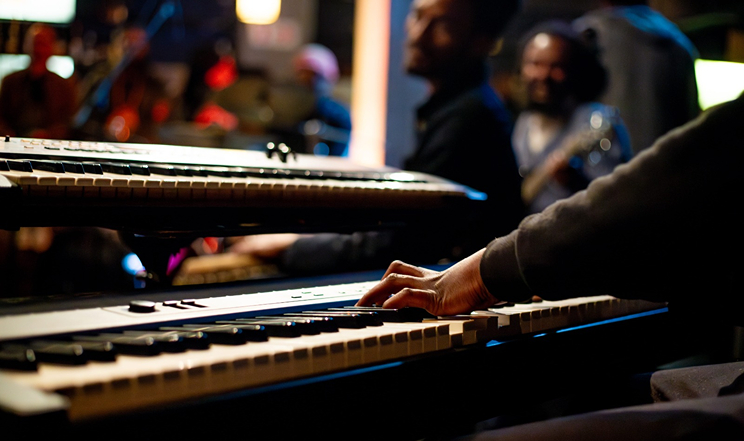
Pour les praticiens et les organisations culturels et créatifs opérant en Afrique australe, l’accès au financement reste un défi majeur. La pandémie de COVID-19 a également eu un impact massif sur les politiques gouvernementales, les dépenses et l’économie en général, et a vu les dépenses consacrées à la culture reléguées plus bas dans la liste des priorités. De plus, les industries culturelles et créatives citent régulièrement quatre domaines principaux où l’investissement est nécessaire pour la croissance : une visibilité accrue, la mobilité incluant l’accès à de nouveaux marchés, le financement et les structures de soutien.

Music In Africa Live

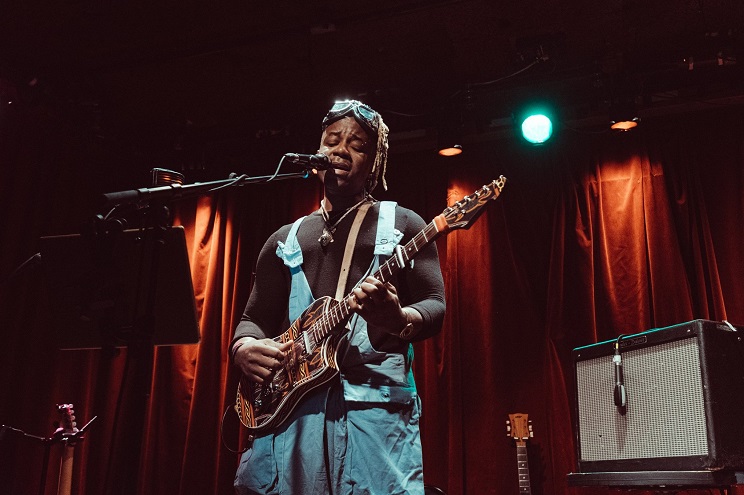
MUSIC IN AFRICA LIVE Lancé en 2020 pour une durée de 3 ans, Music In Africa Live est une initiative visant à soutenir l'écosystème de la musique africaine face aux contraintes imposées par la pandémie de COVID-19 ; le projet a été lancé par la Fondation Music In Africa (MIAF) en partenariat avec le ministère fédéral allemand des Affaires étrangères, Siemens Stiftung et le Goethe Institut. Plus de 30 aides sont disponibles dans le cadre de la troisième édition de Music In Africa Live, dans 3 catégories :  showcases, renforcement des compétences et plaidoyer, en conformité avec les modalités énoncées.

Instrument Building And Repair Project

The overarching objective of Music In Africa Foundation’s Instrument Building and Repair (IBR) project is to encourage the formalisation and professionalisation of instrument-making and repair in Africa, especially in relation to indigenous African instruments. Background In 2014, the Music In Africa Foundation (MIAF) identified as one of its focus areas for development the need to encourage young people from music and music-related sectors to consider instrument-making as a career. This need extended itself from the recognition that the making of traditional African instruments is not a widely practiced skill and seems to be limited to the older generation. Traditional African instrument makers are also few and far between, making communication and logistics between teachers and learners an obstacle. When instrument building workshops take place, budgetary constraints do not allow teachers or learners the time to explore the finer details of an instrument. Based on these observations, the MIAF designed and piloted the first IBR workshop at the Dhow Countries Music Academy (DCMA) in Zanzibar in February 2015. In 2016, the foundation received funding from the South African National Lotteries Commission to implement a much bigger version of the project in Johannesburg. The project drew participants from five African countries. 25 students from South Africa, Ghana, Senegal, Kenya and Ethiopia were trained on how to build and repair musical instruments. The instruments that they made were: Traditional Instruments: Umakhweyana and Marimba Conventional Instrument: Dulcimer guitar The workshop culminated in a traditional instruments concert at the Wits Theatre in Johannesburg. It is the MIAF’s aim to roll out similar workshops in as many African countries as possible over the next few years. Objectives Developing awareness of musical instrument makers in Africa with a view to promote their work to a wider global audience. Facilitating the sharing and transfer of skills in indigenous instruments between countries on the continent. Encouraging the formalisation and professionalisation of instrument-making and repair in Africa, especially in relation to indigenous instruments. Helping instrument makers develop their careers. Fostering the rapid monetisation and sustainable development of instrument-making and repair in Africa. Promoting constant exchange of ideas, expertise, experiences and know-how among instrument makers in Africa. Facilitating the identification of existing gaps in the field with a view to contribute new solutions. Facilitating the transfer of knowledge and skills of indigenous instruments between younger and older generations. 2020 edition The MIAF has also announced that multi-instrumentalist and instrument maker Joe Makhanza will facilitate one of the workshops on the building of the kamale ngoni instrument. Kamale ngoni is a kora-like, stringed instrument that originated in West Africa. The instrument contributed to the rise of Wassoulou music in the 1970s and 1990s. Makhanza was born in Giyani in South Africa's Limpopo province. He completed a bachelor of music degree and a post-graduate diploma in arts marketing from Wits University. He is currently completing his masters in ethnomusicology and is a part-time lecturer in African music studies at Rhodes University. He plays the kora, mbira, valiha, masenqo, xiwewe, ngoni ba and xizambi, among others. He also manufactures the aforementioned instruments. The MIAF will confirm more trainers who will join the workshops as well as the other instruments that will be featured in the 2020 IBR programme.  Apply to participate here. Connect with us on Twitter, Instagram and Facebook, and subscribe to our monthly newsletter. The Music In Africa Instrument Building and Repair project is funded by the National Lotteries Commission. It is implemented in partnership with Siemens Stiftung, Goethe-Institut, Wits Theatre and Kaya FM.

banner image

Le seggae à Maurice

Accueil/Non classé/Le seggae à Maurice

Qu’est-ce que le seggae?

Avant de parler de seggae, il convient de parler du séga. Cette musique, issue de l’esclavage est typique de l’Ile Maurice. Elle présente des similarités rythmiques avec le salegy, cette musique côtière de Madagascar.

Le séga est répandu dans l’Océan Indien, dans l’archipel des Mascareignes (Île Maurice, Réunion, Rodrigues, Îles Chagos, Agalega) ainsi qu’aux Seychelles. Les afro-descendants ou « cafres » de l’île de la Réunion ont développé une autre culture: le maloya).

A l’Île Maurice, indépendante des colonisations françaises et anglaises depuis 1968, ce sont 160000 esclaves venus d’Afrique, de Madagascar, qui ont été déportés.

Initialement appelé chega, tsega ou encore chaga l’origine du séga viendrait du Mozambique. La tribu Macondé du Mozambique a donné son nom à un rocher emblématique, au sud-ouest de l’île. Les origines africaines du séga et l’histoire de l’esclavage sont racontées par Cassiya, le « Kassav mauricien ».

Leur chanson « Le Morne » se réfère au Morne-Brabant où se seraient réfugiés les marrons, les esclaves évadés, avant l’abolition de l’esclavage à l’Île Maurice en 1835.

Du séga typik du pionnier Ti Frère, avec voix et percussions, la ravane, la maravane et le triangle, au séga moderne de Windblows avec guitare électrique et cuivres, cette musique protéiforme ne pouvait que se fusionner avec le reggae.

 Longtemps rejeté par la société par son côté lascif le séga, comme le reggae, né d’afro-descendants jamaïquains, a vocation de chronique voire de critique sociale. A la fin des années 80, la rencontre entre le séga et le reggae est actée par Kaya.

Son surnom vient d’une chanson de l’artiste protestataire jamaïquain Bob Marley. Kaya chantait: « seggae man to vibrasyon bizin positif seggae man li pou viv so lavi … » Traduction: « seggae man tes vibrations doivent être positives seggae man peut vivre sa vie ».

La Révolution Kaya

Nous sommes le dimanche 21 février 1999. Joseph Réginald Topize dit Kaya meurt en garde à vue, officiellement d’une « fracture du crâne ». Le 10 mars une contre-autopsie révèle qu’il a été victime de brutalités policières. Kaya, issu de Roche-Bois, un quartier très modeste de la capitale Port-Louis, est devenu un modèle pour la jeunesse mauricienne.

Son groupe Racine tatane, qui a été mis en avant par le promoteur de concerts Percy Yip Tong, incarnait des valeurs d’unité du peuple mauricien, de non-violence et de métissage, à l’image de cette société multiculturelle.

Kaya était favorable à la dépénalisation du cannabis, un sujet très sensible à l’Île Maurice encore aujourd’hui. Il est arrêté après avoir fumé un joint de zamal sur scène lors d’un concert organisé par un parti d’opposition à Rose-Hill. Sa mort brutale engendre une révolte sociale qui embrase l’île. Un autre chanteur de seggae Berger Agathe est abattu par la police.

On appelle cette période sombre « le février noir ».  Le jour de l’enterrement de Kaya toute la jeunesse mauricienne rassemblée entonne une de ses plus belles chansons: « Ras Kouyon ». Pour Blakkayo, un chanteur de la nouvelle génération: « Kaya était un pionnier. Il nous a donné envie de faire du seggae et du reggae. Quand il est parti on a continué le combat ».

[video:https://www.youtube.com/watch?v=I2EibAcU5Pc autoplay:0]

Aujourd’hui les chanteurs de seggae continuent de rendre hommage à Kaya. En 2014, la Nuit du seggae, organisée par Live and direct entertainment, la structure des organisateurs du festival « Reggae donn sa », a célébré les 25 ans du seggae au stade de Roche-Bois qui, symboliquement, porte le nom de Kaya.

Ras Natty Baby, activiste du seggae

Joseph-Nicolas Emilien alias Ras Natty Baby est né en 1954 à Rodrigues, une île rattachée à l’Ile Maurice. La légende dit qu’à sa naissance son père, passablement éméché, se soit exclamé : « Look at my baby ».

Son surnom de baby vient de là. Ras Natty Baby est l’un des premiers à faire du reggae à l’Île Maurice où il vit depuis 1973. Tout petit, il imite les chanteurs de variété: Mike Brant, Sheila, Marie Laforêt, Cliff Richard, Tom Jones, Nat King Cole, Frank Sinatra…

Dans les années 70 il reprend du reggae: « J’ai commencé à chanter Bob Marley, Peter Tosh, Burning Spear, Bunny Wailer, les Abyssinians, les Ethiopians… » raconte-t-il.

Ras Natty Baby a été l’un des premiers à suivre le chemin tracé par Kaya « En 1990 mon album Nouvel vision a fait un carton. Le seggae a pris de l’ampleur. On a tourné dans l’Océan indien, en Europe… ».

[video:https://www.youtube.com/watch?v=rqq2AA5_Vhk autoplay:0]

Dans ses textes pro-environnementaux et engagés politiquement Ras Natty Baby a aussi montré l’envers du paradis mauricien:« A Maurice il n’y a pas que le sable blanc et les filaos. Il y a de la richesse mais il y a aussi la misère, le désespoir, les suicides, la drogue, le sida. On a tous besoin d’un toit, d’éducation et d’un peu de bonheur. Il y en a qui n’en ont pas, qui crèvent de faim ».

En 2013 le chanteur s’est mobilisé pour la population de Diego Garcia avec l’album Free Diego Garcia. Les habitants de cet atoll de l’archipel des Chagos ont été déportés en 1971 pour l’extension d’une base militaire américaine.

Le Rodska de Rodrigues

Parallèlement au seggae le chanteur a créé un style issu de son terroir rodriguais, le rodska, une fusion avec le ska : « Le premier colonisateur de Rodrigues c’était un breton François Leguat. L’accordéon, le quadrille, la polka, la mazurka les musiques celtiques sont restées à Rodrigues et se sont « rodrigalisées ».

J’ai créé ce nouveau style rodska sur mon album Résurrection, sur les titres « Rodska waka », « Rodjam vibe », « Protez nou l’ile », « Musik vs politik». J’essaie de donner aux jeunes un répertoire un peu plus large. ». Parmi ces artistes rodriguais on peut citer les Blackrod Brothers, Apka…

[video:https://www.youtube.com/watch?v=YiwnKjf6qc8 autoplay:0]

Le seggae aujourd’hui: OSB crew, Tian Corentin

Dans la génération qui a émergé à la fin des années 90 et dans les années 2000 on trouve Tian Corentin, chanteur de sega et seggae, excellent guitariste, et ami d’enfance de Kaya à la cité Roche-Bois. Il faut (ré) écouter ses excellents volumes Seggae Mania. On peut aussi citer Monaster, Nas T Black, Negro pou la vi, Ras Minik, Lionkklash… 

Le groupe « roots » Natir Chamarel a représenté la communauté rasta de Chamarel, un site magnifique, au sud-ouest de l’île, connu pour sa terre volcanique des sept couleurs.

Leur album de 2013 Nou natir sa exaltait une certaine conscience écologiste. D’autres artistes comme les Ottentik street brothers (OSB) sont très influencés par le ragga, une façon de rapper propre à la jamaïquaine.

OSB a été créé en 1992 à Rose-Hill par Bruno Raya, alias Kool B, rejoint par Tikkenzo au rap, Dagger Killa pour le côté « lover » et l’excellent toaster Blakkayo.

[video:https://www.youtube.com/watch?v=tNqSIc9mGdE autoplay:0]

OSB s’est battu sur le front de la créolité, c’est à dire la reconnaissance du créole mauricien: « Ici tout le monde parle créole. Mais nos documents administratifs sont en anglais. Alors que plein de gens ne comprennent pas l’anglais ou ne savent pas le lire. On a combattu pour que le créole soit adopté dans la société. Suite à ce combat maintenant il y a des informations télévisées en créole ».

En 2000 Blakkayo sort son premier album Tchek to life sur lequel il exprime son rejet de la police. En 2003, l’album suivant Xterminator cartonnne avec le titre « Laparans ».

Aujourd’hui Blakkayo a son groupe Solda Kaz bad, qui a sorti un très bon album éponyme en 2012.

De son côté Bruno Raya a sorti l’album Restdeterminé, dans lequel figure sa femme Linzy Bacbotte, grande chanteuse de seggae. En 2010, Linzy a sorti un seggae féministe:  Fam exampler.

La nouvelle génération de chanteurs de seggae n’est pas en reste. Tiras, originaire de l’archipel d’Agalega, rattaché à l’ Île Maurice, qui a moins de 300 habitants, a sorti le clip « Rar tann koz li » l’an dernier (2015). En mai 2015, Murvin Clélie et son groupe Prophécy ont fait un album remarqué 21rst century .

De son côté Mr Love et son groupe System R, connu pour son titre « L’espoir », incarne un seggae « lover » assez proche sur le fond mais pas sur la forme de l’esprit du zouk antillais.


Référence:
Jean-Clément Cangy Le Séga Des origines… à nos jours Editions Makanbo 2012
Documentaire « Zafair Kaya » de Michel Vuillermet-Les films du village/RFO 2000
Les entretiens ont été réalisés par l’auteur à l’Ile Maurice en 2013
newsletter banner

Abonnez-vous à notre newsletter

Retrouvez-nous sur les réseaux sociaux