














NEFCISA
NEFCISA

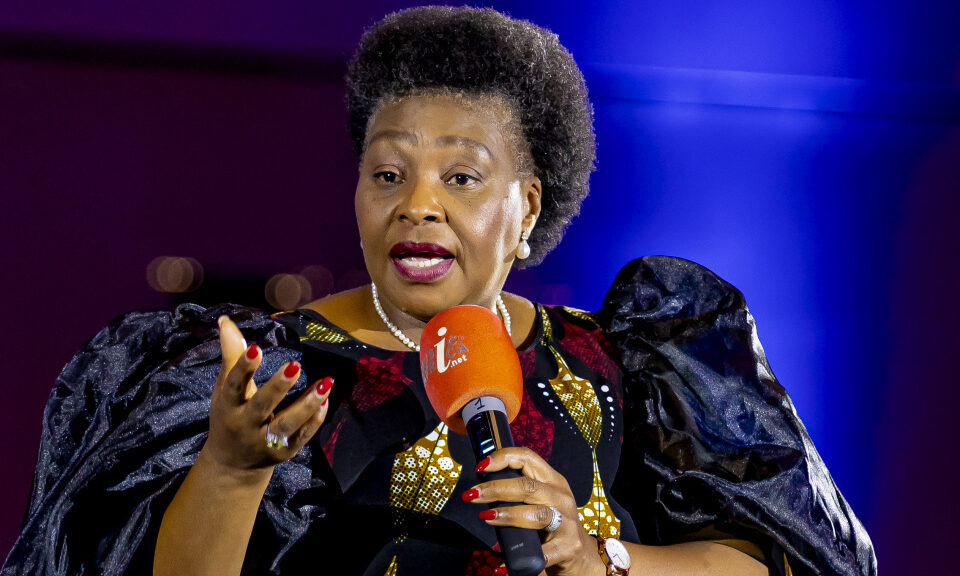
The Music In Africa Foundation (MIAF) is proud to announce its partnership with the Industrial Development Corporation (IDC) as a Strategic Implementing Partner (SIP) for its Social Employment Fund (SEF). Through this collaboration, MIAF is launching a new national programme designed to create jobs, address skills gaps, and strengthen South Africa’s creative industries — in line with the SEF’s overarching goal to generate work for the common good and build community value through employment, social contribution, and inclusive economic participation. Operating under the banner NEFCISA (National Employment Facility for Creative Industries in South Africa), the initiative will recruit and train participants, match them with host organisations, and place a minimum of 1 000 workers across the country. Key Objectives: Support employment and entrepreneurship in the creative industries. Offer skills development and training programmes. Foster partnerships between public and private creative sectors. Promote South African creativity at both provincial and national levels Foster community development through social contribution.

ACCES
ACCES

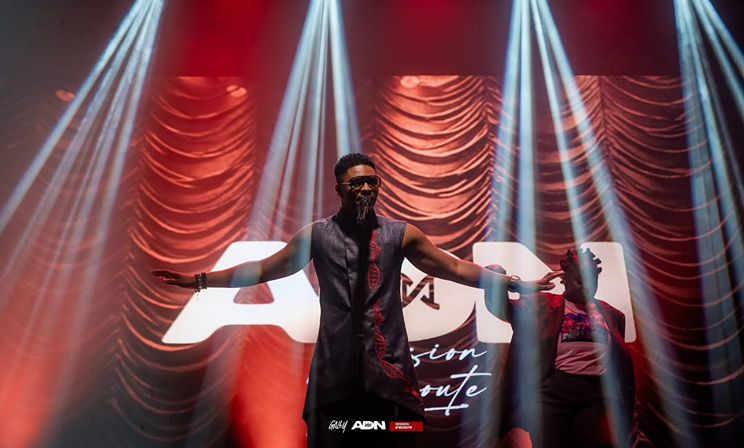
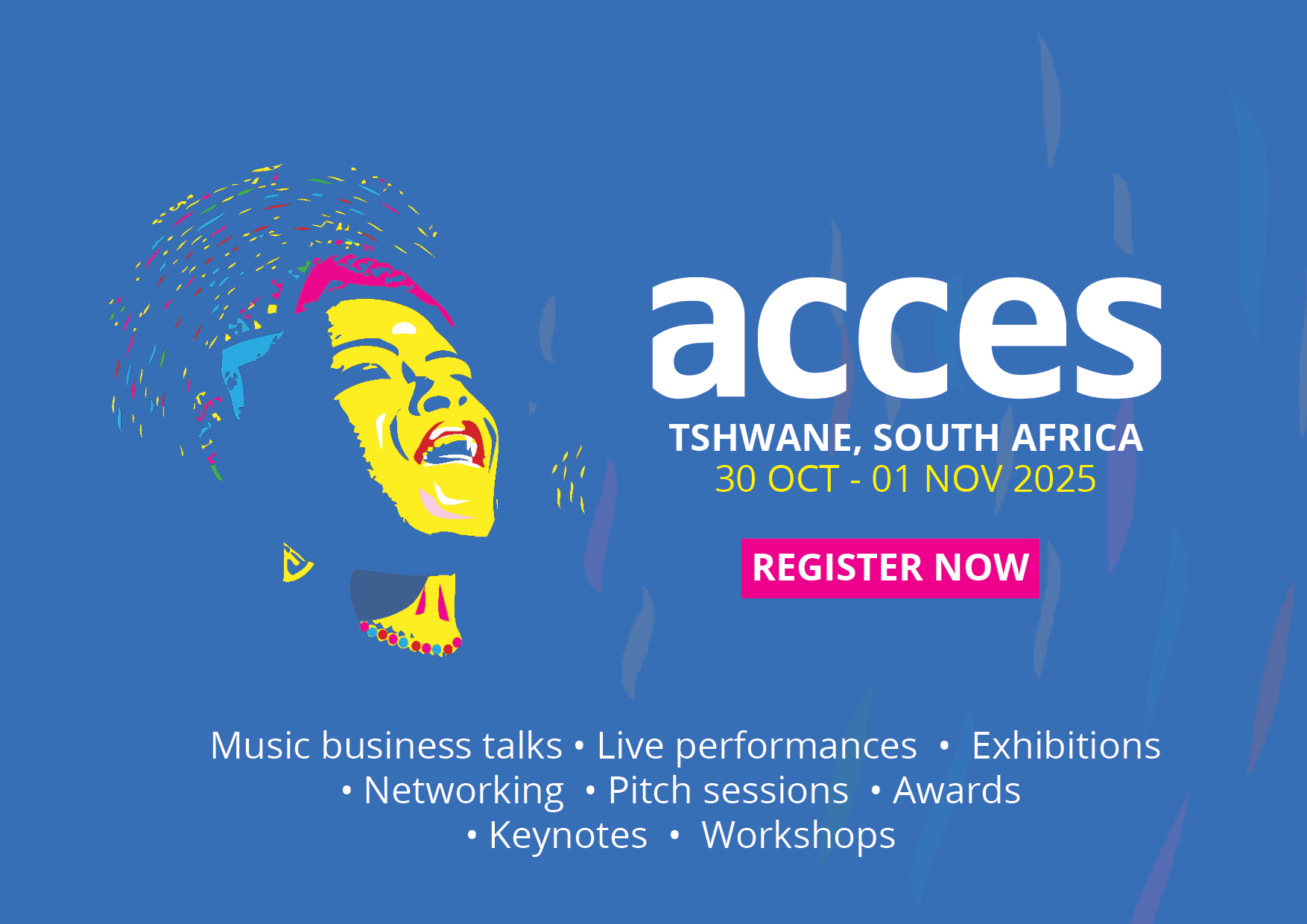
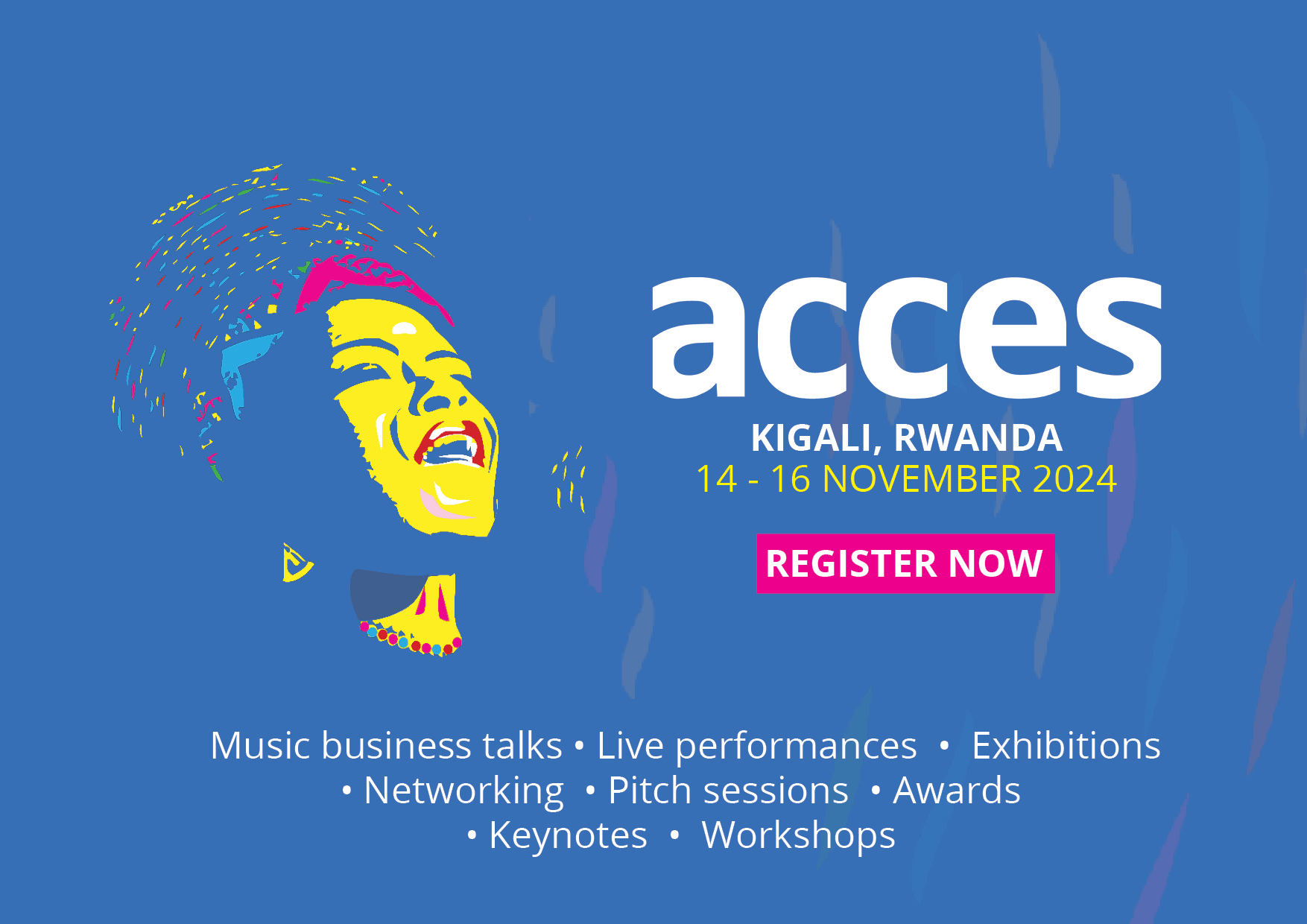
Chaque année, nous fournissons des informations générales afin de guider les participants dans la préparation de leur voyage. En plus de ce site, des mises à jour importantes seront envoyées par e-mail à tous les délégués inscrits. Assurez-vous de vous inscrire dès que possible. Pour plus d'informations, veuillez contacter [email protected] Continuez à consulter cette page pour plus d'information.  

Gender@Work
Gender@Work

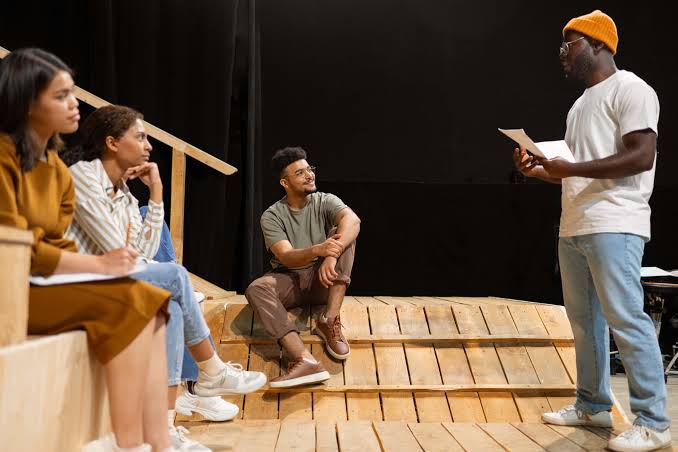
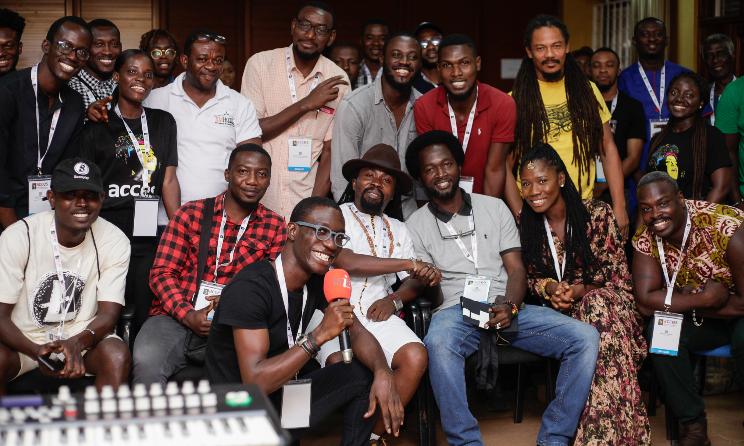
Music In Africa Gender @ Work is a three-year training programme aimed at upskilling and increasing the participation of female professionals in the African music sector. Launched by the Music In Africa Foundation (MIAF) in April 2019, the programme is connected to the MIAF’s ACCES music conference – a pan-African event held in a different African country every year. This connection enables the programme to reach new participants in a different African country every year. The programme marks the beginning of a more concerted effort by the Foundation to support the participation and inclusion of women in all facets of its programmes and the music sector in Africa as a whole. Over the three years, the programme will aim to address gender imbalances in the sector through training, lobbying, facilitating knowledge exchange and dialogues that foster the interest of women. The broader objectives of the programme are to: Provide industry training for women on critical music industry skills, focusing on: Stage management Electronic music production and recording Music business management Technical knowledge Provide an opportunity for both professional and aspiring women to benefit from the Music In Africa network and its broad range of activities in 2019, 2020 and 2021. Provide a solution-based platform in the form of a round table at ACCES with a view to identify challenges, discuss opportunities and lobby for the interests of female practitioners. Offer participants the opportunity to benefit from programmes offered by MIAF’s partners. Increase access to educational materials. Integrate participants in the broader ACCES programme to maximise experience and exposure to the industry. Record and present training materials on the www.musicinafrica.net, including but not limited to tutorials, templates and other best-practice materials. Communicate women-based themes that support the initiatives and messages of the programme. MAIN TRAINING ACTIVITIES Training in first country (Ghana): In the first year, participants will be trained on all aspects of stage management by a team of experienced stage managers from 10 to 17 November 2019. The programme will offer robust classroom training as well as practical, hands-on training in which participants will also be given the opportunity to manage various aspects of the ACCES performance programme. Training in second country: The second training iteration will take place at ACCES 2020 when the programme will diversify its course to include music production lessons and training on other music business topics. A round-table platform will also be introduced to coincide with the ACCES programme. Training in third country: The third training iteration will take place at ACCES 2021 in a different country, offering an advanced course. HOW DO YOU GET INVOLVED?  As a participant, facilitator or trainer: The programme enrolls up to 12 trainees every year. All opportunities are advertised publicly on this website, and will be added to this page. Please keep checking this page for new calls (below under UPDATES & CURRENT OPPORTUNITIES). As a partner Please contact Claire Metais at [email protected]. APPLY The call for applications for 2020 will be announced soon. The Music In Africa Gender @ Work programme is made possible with the support of the Prince Claus Fund, Siemens Stiftung and Goethe-Institut.

Sound Connects Fund
Sound Connects Fund

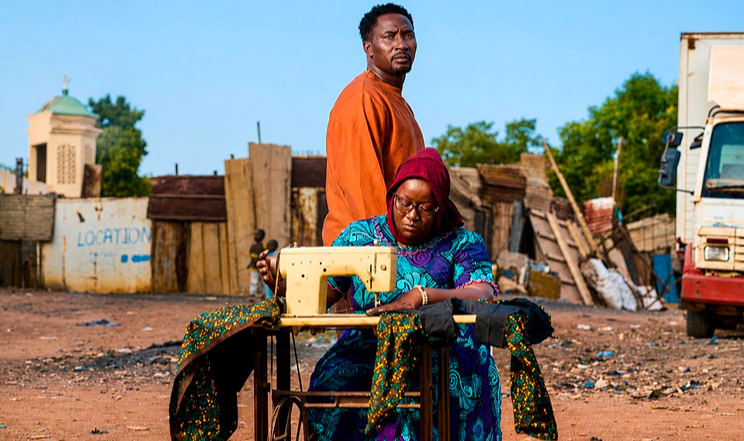
Pour les praticiens et les organisations culturels et créatifs opérant en Afrique australe, l’accès au financement reste un défi majeur. La pandémie de COVID-19 a également eu un impact massif sur les politiques gouvernementales, les dépenses et l’économie en général, et a vu les dépenses consacrées à la culture reléguées plus bas dans la liste des priorités. De plus, les industries culturelles et créatives citent régulièrement quatre domaines principaux où l’investissement est nécessaire pour la croissance : une visibilité accrue, la mobilité incluant l’accès à de nouveaux marchés, le financement et les structures de soutien.

Music In Africa Live

MUSIC IN AFRICA LIVE Lancé en 2020 pour une durée de 3 ans, Music In Africa Live est une initiative visant à soutenir l'écosystème de la musique africaine face aux contraintes imposées par la pandémie de COVID-19 ; le projet a été lancé par la Fondation Music In Africa (MIAF) en partenariat avec le ministère fédéral allemand des Affaires étrangères, Siemens Stiftung et le Goethe Institut. Plus de 30 aides sont disponibles dans le cadre de la troisième édition de Music In Africa Live, dans 3 catégories :  showcases, renforcement des compétences et plaidoyer, en conformité avec les modalités énoncées.

Instrument Building And Repair Project

The overarching objective of Music In Africa Foundation’s Instrument Building and Repair (IBR) project is to encourage the formalisation and professionalisation of instrument-making and repair in Africa, especially in relation to indigenous African instruments. Background In 2014, the Music In Africa Foundation (MIAF) identified as one of its focus areas for development the need to encourage young people from music and music-related sectors to consider instrument-making as a career. This need extended itself from the recognition that the making of traditional African instruments is not a widely practiced skill and seems to be limited to the older generation. Traditional African instrument makers are also few and far between, making communication and logistics between teachers and learners an obstacle. When instrument building workshops take place, budgetary constraints do not allow teachers or learners the time to explore the finer details of an instrument. Based on these observations, the MIAF designed and piloted the first IBR workshop at the Dhow Countries Music Academy (DCMA) in Zanzibar in February 2015. In 2016, the foundation received funding from the South African National Lotteries Commission to implement a much bigger version of the project in Johannesburg. The project drew participants from five African countries. 25 students from South Africa, Ghana, Senegal, Kenya and Ethiopia were trained on how to build and repair musical instruments. The instruments that they made were: Traditional Instruments: Umakhweyana and Marimba Conventional Instrument: Dulcimer guitar The workshop culminated in a traditional instruments concert at the Wits Theatre in Johannesburg. It is the MIAF’s aim to roll out similar workshops in as many African countries as possible over the next few years. Objectives Developing awareness of musical instrument makers in Africa with a view to promote their work to a wider global audience. Facilitating the sharing and transfer of skills in indigenous instruments between countries on the continent. Encouraging the formalisation and professionalisation of instrument-making and repair in Africa, especially in relation to indigenous instruments. Helping instrument makers develop their careers. Fostering the rapid monetisation and sustainable development of instrument-making and repair in Africa. Promoting constant exchange of ideas, expertise, experiences and know-how among instrument makers in Africa. Facilitating the identification of existing gaps in the field with a view to contribute new solutions. Facilitating the transfer of knowledge and skills of indigenous instruments between younger and older generations. 2020 edition The MIAF has also announced that multi-instrumentalist and instrument maker Joe Makhanza will facilitate one of the workshops on the building of the kamale ngoni instrument. Kamale ngoni is a kora-like, stringed instrument that originated in West Africa. The instrument contributed to the rise of Wassoulou music in the 1970s and 1990s. Makhanza was born in Giyani in South Africa's Limpopo province. He completed a bachelor of music degree and a post-graduate diploma in arts marketing from Wits University. He is currently completing his masters in ethnomusicology and is a part-time lecturer in African music studies at Rhodes University. He plays the kora, mbira, valiha, masenqo, xiwewe, ngoni ba and xizambi, among others. He also manufactures the aforementioned instruments. The MIAF will confirm more trainers who will join the workshops as well as the other instruments that will be featured in the 2020 IBR programme.  Apply to participate here. Connect with us on Twitter, Instagram and Facebook, and subscribe to our monthly newsletter. The Music In Africa Instrument Building and Repair project is funded by the National Lotteries Commission. It is implemented in partnership with Siemens Stiftung, Goethe-Institut, Wits Theatre and Kaya FM.

banner image

Le hiplife au Ghana

Accueil/Non classé/Le hiplife au Ghana

Origines

En général, le hiplife peut être défini comme le style musical ghanéen qui mêle la highlife avec des éléments de hiphop. Il se caractérise souvent par des paroles en langue Twi (avec beaucoup d’autres langues ghanéennes utilisées plus tard) sur des sons hiphop (avec des samples de highlife et/ou des rythmes de palmwine).

Il est difficile d’aborder le sujet du créateur original du hiplife dû à un manque de documentation lorsque cela a émergé dans les années 90. On ne peut pas penser au hiplife sans mentionner Reginal Yaw Osei, mieux connu sous le nom de Reggie Rockstone. Même s’il est regardé comme le « Parain du hiplife », on peut spéculer si oui ou non il a donné naissance au genre.

Il est indisputable qu’il est l’une des principales icônes à avoir facilité sa popularisation en inspirant une pléthore d’imitateurs après le succès de son premier album Makaa Maka en 1997 et en particulier le tube « Choo Boi ».

D’autres pionniers du genre comprennent Da Multi Krew, un groupe basé en Hollande rappant en langue Twi aussi tôt qu’en 1992. Les Talking Drums, composés de Kwaku-T et Abeiku (maintenant connu comme Jay Gartey) ont sorti le tout premier clip vidéo de hiplife en 1994, ‘Aden’ produit par Panji Anoff, expérimentant avec un refrain en langue Twi avant l’arrivée de Reggie. Dans ce morceau, Panji a repris un son highlife de C.K Mann, ‘Asafo Beson’, arrangé par le légendaire Ebo Taylor.

Dans les années 90, les musiciens et le producteur/ Ingénieur Jay Q (de son vrai nom Jeff Tennyson Quaye) ont aussi été pionniers des premiers hits de hiplife, introduisant des influences Jama ou de Kpanlogo (traditionnellement associé à l’ethnie des Ga) sur des chansons telles que ‘I’m going to come’ de Buk Bak et traçant les carrières d’artistes tels que Castro, Shilo et Dr. Doh.

Mais voici une autre tournure de l’histoire : Gyedu Blay Ambolley, a sorti aussi tôt qu’en 1973 ‘Simigwado’ qui était dense et avec des portions rapidement parlées en langue Fanti sur des sons de highlife jazzy qui pourrait prêter à croire que ces morceaux pourraient aussi être du hiplife.

Montée vers la scène générale

Le premier album de Reggie Rockstone Makaa Maka (1997) a fait des vagues et a introduit un nouveau son à travers les radios et les pistes de dance du pays. La musique de Reggie Rockstone à ses débuts était caractérisée par des samples de sons plus anciens tels que Alhaji K. Frimpong et Fela Kuti. Reggie travaillait habituellement avec des ingénieurs tels que Mike Cooke, Rab Bakari, Zapp Malet et Coal House.

L’excellent producteur de musique Hammer des Last Two (vrai nom Edward Nana Poku Osei) a amené dans la scène générale de hiplife des artistes tels que Obrafour et Kwaw Kese. D’autres producteurs influents du genre comprennent Kaywa, Killbeatz, Appietus et Mix Master Garzy, alors que Chicago est considéré come l’un des pionniers du hiplife en langue Ewé.

Attrait international

Dans un verset du tube « African Rapper no°1 », le rappeur nigérian M.I rappe : « This one na highlife and hip-hop combination » (Ceci est une combinaison du hip hop et de la highlife NDLR). La chose intrigante à propos du hiplife est qu’il permet à des artistes de jouer et d’enregistrer des morceaux internationalement accessibles dans leurs langues natales. Les artistes profitent d’un espace relativement large pour engager leurs audiences, à la fois locales et internationales, avec l’attrait des rythmes énergétiques et dansant- même si les auditeurs n’ont aucune idée de ce qui est dit. C’est pour cette raison que Sarkodie, Edem, Tinny et d’autres artistes hiplife talentueux sortent du lot.

Même si Sarkodie rappe en Twi, il a gagné en réputation sur la scène internationale. Sa versatilité est comparable à Yaa Pono qui vient aussi de Téma. En 2010, Sarkodie a remporté une nomination aux MTV Africa Awards (MAMA). En 2012, il devient le premier rappeur ghanéen à ramener un BET Award pour le meilleur acte international (Afrique). Sa nomination en 2014 aux BET Awards et sa performance au BET Experience ‘LA Live’ le samedi 28 juin a renforcé sa pertinence internationale. En tant que rappeur inventif et avant-gardiste, Sarkodie a abordé sa carrière internationale avec des tubes impeccables comme « Lay Away » (avec Sway du Royaume-Uni) et « Internationally Known » avec Blitz the Ambassador. Il a récemment joué son tube « Adonai » enregistré à Vivivi Studio à Accra, exclusivement pour BBX Radio 1 Extra.

Edem (connu auparavant comme Ayigbe Edem) écrit présentement la plupart de ces paroles en langue Ewé. Edem a connu la gloire avec la sortie de son premier album « The Volta Regime » en 2008 qui a des chansons comme le tube « U Dey Craze », « Bra Fremi Fremi », « Nyornuviade », « Give It Up », « Emmre Sesa » et « Lorlortor » exclusivement produits par Hammer des The Last Two. Le clip vidéo d’Edem « Heyba » de 2012 est sorti en avant-première à une audience mondiale sur l’influent émission américaine de musique urbaine « 106&Park » sur BET International.

[video:http://www.youtube.com/watch?v=rrLsW4yzwQI autoplay:0]

Tinny (de son vrai nom Tinny Nii Addo Quaynorhas) a eu un très grand don pour rendre la langue Ga attrayante à travers la musique. Son premier album Makola Kwakwe est sorti simultanéement en Afrique, en Europe et en Amérique du Nord et a compris le hit « Oofee Dull » qui a aidé à le mettre sur le devant de la scène internationale. En 2009, il fut nommé artiste africain de l’année au Hip-Hop World Awards et a récolté de nombreuses nominations au Ghana Music Awards de 2008 à 2010.  Tinny a mis son statut en avant pour signer des accords avec les géants de la télécommunication de Glo Ghana et Cadbury.

[video:https://youtu.be/TCemR4g4K70 autoplay:0]


Sous-genres liés

Avec le hiplife qui grandit, cela a donné naissance à un nombre de sous-genres. Par exemple Jay-Q a conduit Asokpor sur la scène générale tout comme Sarkodie a popularisé l’Azonto. Le Twi Pop est valorisé par D. Cryme, alors que le hiplife contemporain a donné naissance au rap GH, un son hybride inspiré du hiplife mais avec des paroles en anglais pidgin. Plus récemment, on peut entendre les influences de genres globaux comme la dancehall et le reggae traçant leur voie dans la musique hiplife. Batman Samini est connu pour avoir perfectionné le mélange de hiplife et de Ragga, connu comme Raglife, un style à l’initiative de Terry Bonchaka.

Prédictions futures

Dans l’optique de l’usage généralisé dans la musique populaire de langues globales comme l’anglais, on peut assumer que l’usage des dialectes par les artistes ghanéens pourrait restreindre leur marché mais les succès précités montre que beaucoup d’actes ghanéens sont parvenu à trouver le succès international sans imiter les artistes occidentaux mais en vendant des sons locaux à une audience globale. La langue comme outil de communication dans la musique ne peut être négligé et a sans aucun doute été un facteur de rapprochement entre le local et le global et étend les possibilités d’appréciation pour une chanson. Le cosmopolitisme culturel a été le forum que beaucoup d’artistes de hiplife ghanéens créatifs et courageux  ont mis à disposition de leurs audiences, sans la peur de mettre du « Ghana » dans leur musique.

Etant donné le succès international qu’ont connu les artistes hiplife jusqu’à ce jour, un optimiste pourrait assumer qu’il n’est qu’une question de temps avant que les artistes ghanéens – peu importe la langue utilisée dans leur musique- emmèneront avec eux des Grammys et feront des performances mondiales auprès de fans enthousiastes.

Le futur est prometteur pour le hiplife.

newsletter banner

Abonnez-vous à notre newsletter

Retrouvez-nous sur les réseaux sociaux