





NEFCISA
NEFCISA

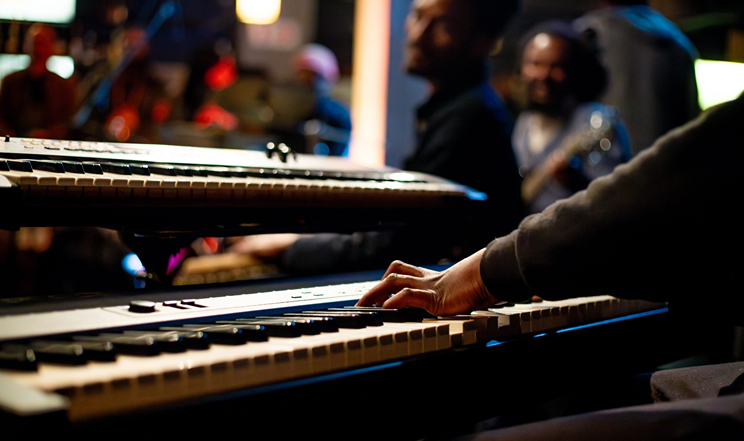
The Music In Africa Foundation (MIAF) is proud to announce its partnership with the Industrial Development Corporation (IDC) as a Strategic Implementing Partner (SIP) for its Social Employment Fund (SEF). Through this collaboration, MIAF is launching a new national programme designed to create jobs, address skills gaps, and strengthen South Africa’s creative industries — in line with the SEF’s overarching goal to generate work for the common good and build community value through employment, social contribution, and inclusive economic participation. Operating under the banner NEFCISA (National Employment Facility for Creative Industries in South Africa), the initiative will recruit and train participants, match them with host organisations, and place a minimum of 1 000 workers across the country. Key Objectives: Support employment and entrepreneurship in the creative industries. Offer skills development and training programmes. Foster partnerships between public and private creative sectors. Promote South African creativity at both provincial and national levels Foster community development through social contribution.

ACCES
ACCES

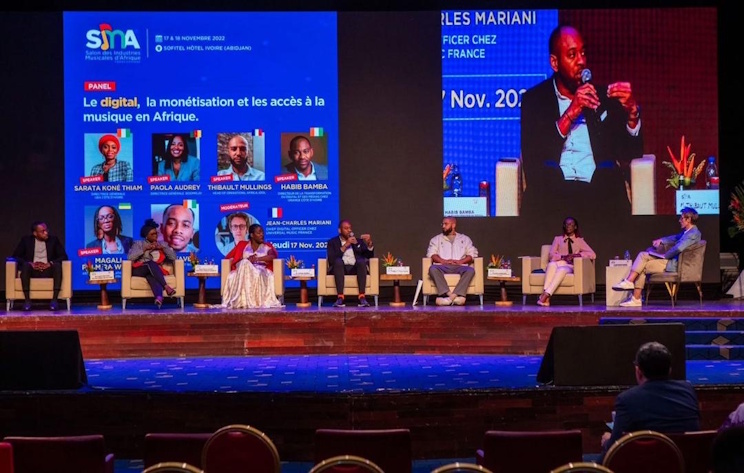
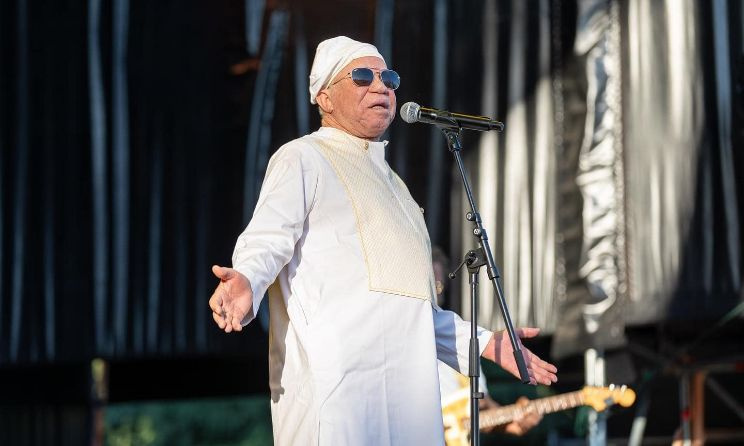
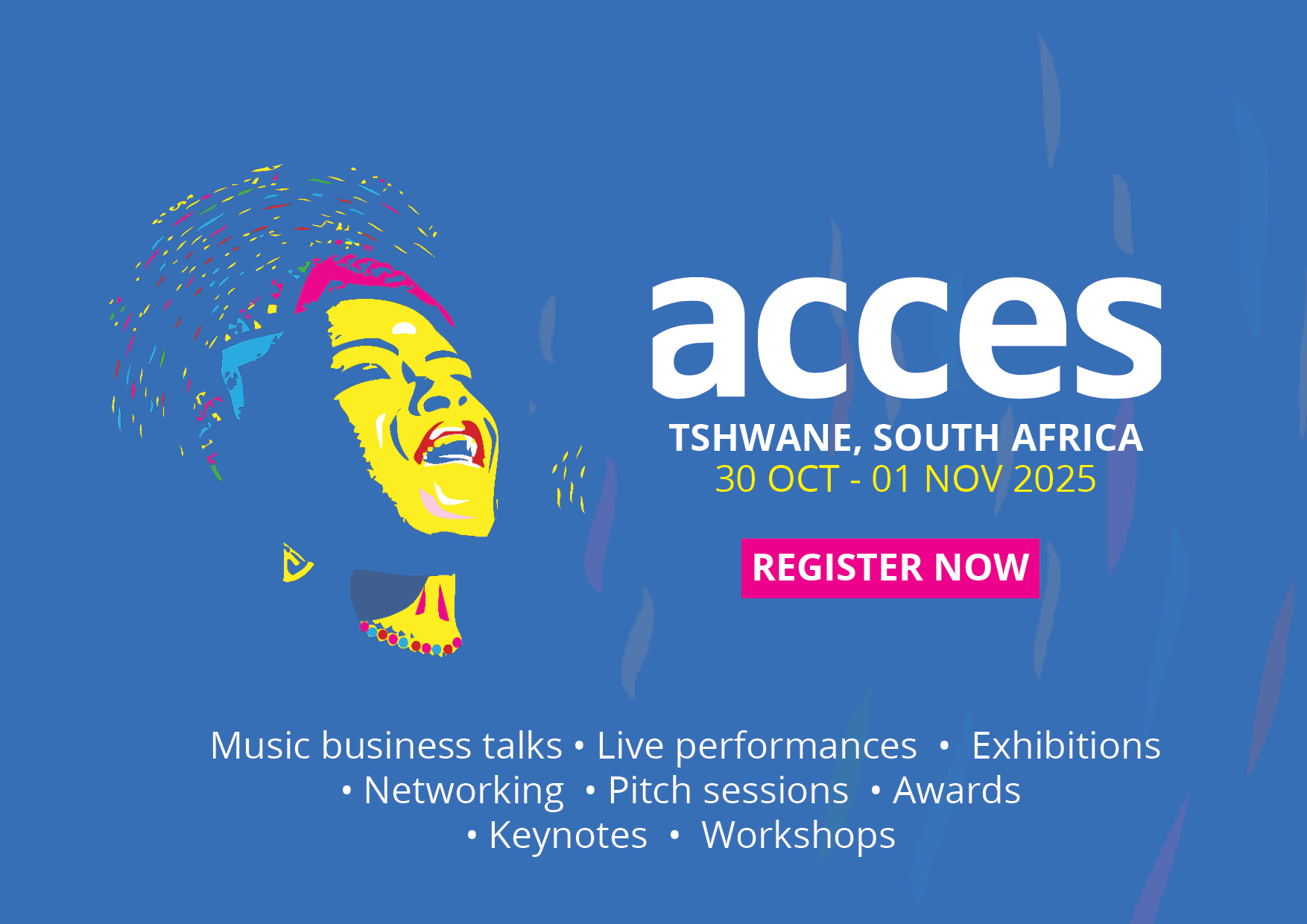
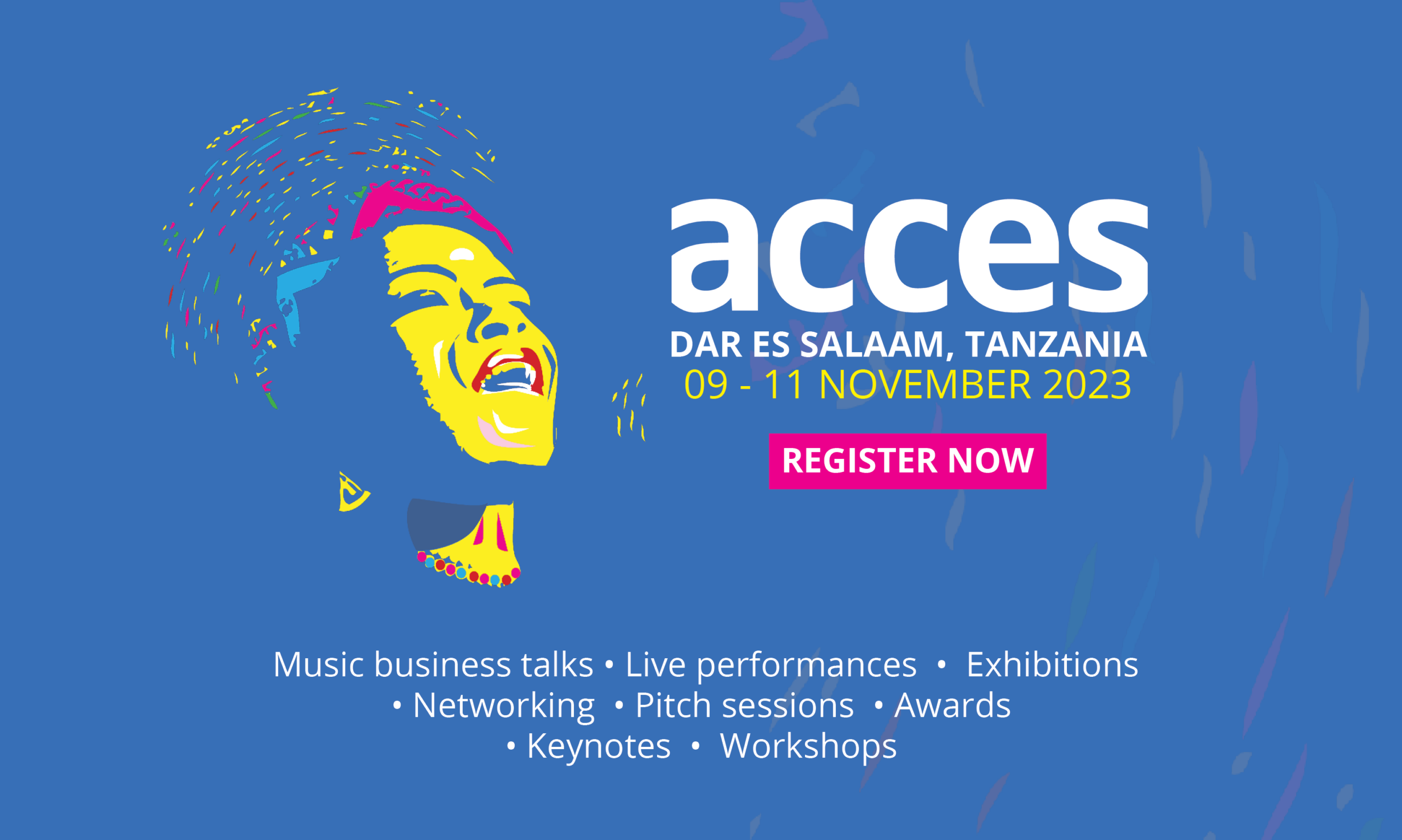
Chaque année, nous fournissons des informations générales afin de guider les participants dans la préparation de leur voyage. En plus de ce site, des mises à jour importantes seront envoyées par e-mail à tous les délégués inscrits. Assurez-vous de vous inscrire dès que possible. Pour plus d'informations, veuillez contacter [email protected] Continuez à consulter cette page pour plus d'information.  

Gender@Work
Gender@Work

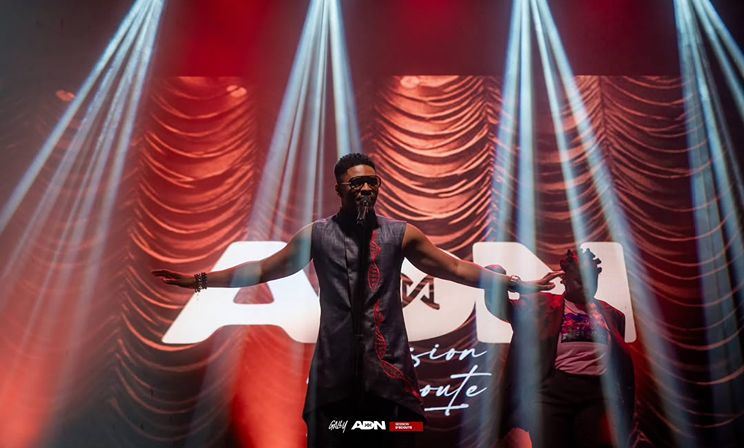
Music In Africa Gender @ Work is a three-year training programme aimed at upskilling and increasing the participation of female professionals in the African music sector. Launched by the Music In Africa Foundation (MIAF) in April 2019, the programme is connected to the MIAF’s ACCES music conference – a pan-African event held in a different African country every year. This connection enables the programme to reach new participants in a different African country every year. The programme marks the beginning of a more concerted effort by the Foundation to support the participation and inclusion of women in all facets of its programmes and the music sector in Africa as a whole. Over the three years, the programme will aim to address gender imbalances in the sector through training, lobbying, facilitating knowledge exchange and dialogues that foster the interest of women. The broader objectives of the programme are to: Provide industry training for women on critical music industry skills, focusing on: Stage management Electronic music production and recording Music business management Technical knowledge Provide an opportunity for both professional and aspiring women to benefit from the Music In Africa network and its broad range of activities in 2019, 2020 and 2021. Provide a solution-based platform in the form of a round table at ACCES with a view to identify challenges, discuss opportunities and lobby for the interests of female practitioners. Offer participants the opportunity to benefit from programmes offered by MIAF’s partners. Increase access to educational materials. Integrate participants in the broader ACCES programme to maximise experience and exposure to the industry. Record and present training materials on the www.musicinafrica.net, including but not limited to tutorials, templates and other best-practice materials. Communicate women-based themes that support the initiatives and messages of the programme. MAIN TRAINING ACTIVITIES Training in first country (Ghana): In the first year, participants will be trained on all aspects of stage management by a team of experienced stage managers from 10 to 17 November 2019. The programme will offer robust classroom training as well as practical, hands-on training in which participants will also be given the opportunity to manage various aspects of the ACCES performance programme. Training in second country: The second training iteration will take place at ACCES 2020 when the programme will diversify its course to include music production lessons and training on other music business topics. A round-table platform will also be introduced to coincide with the ACCES programme. Training in third country: The third training iteration will take place at ACCES 2021 in a different country, offering an advanced course. HOW DO YOU GET INVOLVED?  As a participant, facilitator or trainer: The programme enrolls up to 12 trainees every year. All opportunities are advertised publicly on this website, and will be added to this page. Please keep checking this page for new calls (below under UPDATES & CURRENT OPPORTUNITIES). As a partner Please contact Claire Metais at [email protected]. APPLY The call for applications for 2020 will be announced soon. The Music In Africa Gender @ Work programme is made possible with the support of the Prince Claus Fund, Siemens Stiftung and Goethe-Institut.

Sound Connects Fund
Sound Connects Fund

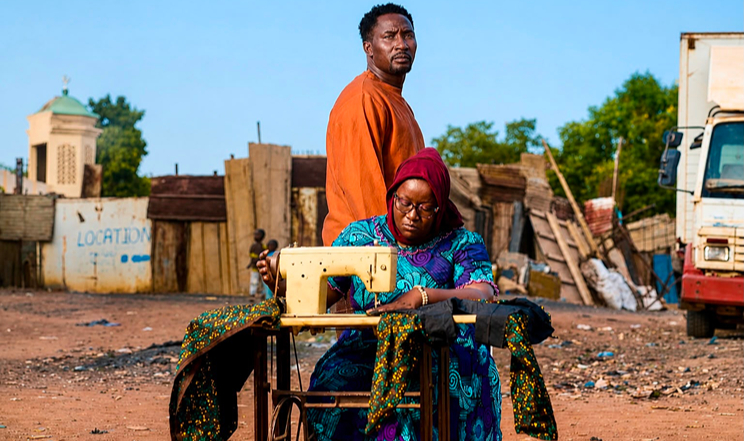
Pour les praticiens et les organisations culturels et créatifs opérant en Afrique australe, l’accès au financement reste un défi majeur. La pandémie de COVID-19 a également eu un impact massif sur les politiques gouvernementales, les dépenses et l’économie en général, et a vu les dépenses consacrées à la culture reléguées plus bas dans la liste des priorités. De plus, les industries culturelles et créatives citent régulièrement quatre domaines principaux où l’investissement est nécessaire pour la croissance : une visibilité accrue, la mobilité incluant l’accès à de nouveaux marchés, le financement et les structures de soutien.

Music In Africa Live

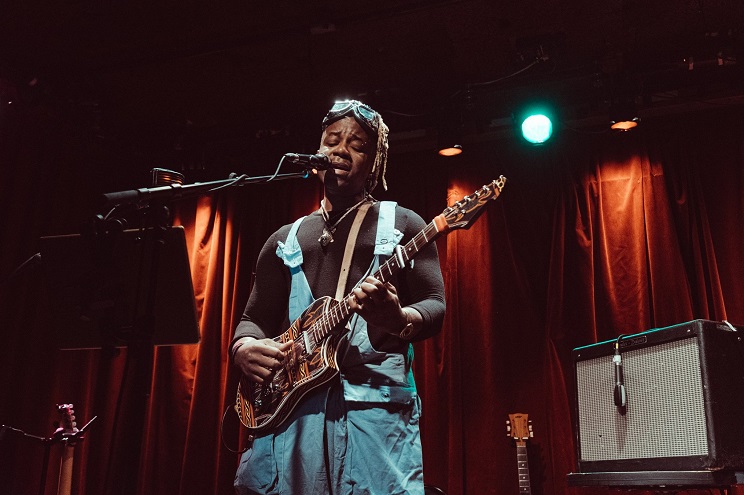
MUSIC IN AFRICA LIVE Lancé en 2020 pour une durée de 3 ans, Music In Africa Live est une initiative visant à soutenir l'écosystème de la musique africaine face aux contraintes imposées par la pandémie de COVID-19 ; le projet a été lancé par la Fondation Music In Africa (MIAF) en partenariat avec le ministère fédéral allemand des Affaires étrangères, Siemens Stiftung et le Goethe Institut. Plus de 30 aides sont disponibles dans le cadre de la troisième édition de Music In Africa Live, dans 3 catégories :  showcases, renforcement des compétences et plaidoyer, en conformité avec les modalités énoncées.

Instrument Building And Repair Project

The overarching objective of Music In Africa Foundation’s Instrument Building and Repair (IBR) project is to encourage the formalisation and professionalisation of instrument-making and repair in Africa, especially in relation to indigenous African instruments. Background In 2014, the Music In Africa Foundation (MIAF) identified as one of its focus areas for development the need to encourage young people from music and music-related sectors to consider instrument-making as a career. This need extended itself from the recognition that the making of traditional African instruments is not a widely practiced skill and seems to be limited to the older generation. Traditional African instrument makers are also few and far between, making communication and logistics between teachers and learners an obstacle. When instrument building workshops take place, budgetary constraints do not allow teachers or learners the time to explore the finer details of an instrument. Based on these observations, the MIAF designed and piloted the first IBR workshop at the Dhow Countries Music Academy (DCMA) in Zanzibar in February 2015. In 2016, the foundation received funding from the South African National Lotteries Commission to implement a much bigger version of the project in Johannesburg. The project drew participants from five African countries. 25 students from South Africa, Ghana, Senegal, Kenya and Ethiopia were trained on how to build and repair musical instruments. The instruments that they made were: Traditional Instruments: Umakhweyana and Marimba Conventional Instrument: Dulcimer guitar The workshop culminated in a traditional instruments concert at the Wits Theatre in Johannesburg. It is the MIAF’s aim to roll out similar workshops in as many African countries as possible over the next few years. Objectives Developing awareness of musical instrument makers in Africa with a view to promote their work to a wider global audience. Facilitating the sharing and transfer of skills in indigenous instruments between countries on the continent. Encouraging the formalisation and professionalisation of instrument-making and repair in Africa, especially in relation to indigenous instruments. Helping instrument makers develop their careers. Fostering the rapid monetisation and sustainable development of instrument-making and repair in Africa. Promoting constant exchange of ideas, expertise, experiences and know-how among instrument makers in Africa. Facilitating the identification of existing gaps in the field with a view to contribute new solutions. Facilitating the transfer of knowledge and skills of indigenous instruments between younger and older generations. 2020 edition The MIAF has also announced that multi-instrumentalist and instrument maker Joe Makhanza will facilitate one of the workshops on the building of the kamale ngoni instrument. Kamale ngoni is a kora-like, stringed instrument that originated in West Africa. The instrument contributed to the rise of Wassoulou music in the 1970s and 1990s. Makhanza was born in Giyani in South Africa's Limpopo province. He completed a bachelor of music degree and a post-graduate diploma in arts marketing from Wits University. He is currently completing his masters in ethnomusicology and is a part-time lecturer in African music studies at Rhodes University. He plays the kora, mbira, valiha, masenqo, xiwewe, ngoni ba and xizambi, among others. He also manufactures the aforementioned instruments. The MIAF will confirm more trainers who will join the workshops as well as the other instruments that will be featured in the 2020 IBR programme.  Apply to participate here. Connect with us on Twitter, Instagram and Facebook, and subscribe to our monthly newsletter. The Music In Africa Instrument Building and Repair project is funded by the National Lotteries Commission. It is implemented in partnership with Siemens Stiftung, Goethe-Institut, Wits Theatre and Kaya FM.

flag-img

Pretoria, South Africa

En service depuis :

1998

Personne de contact:

Beeskraal

BIO

Beeskraal is an artist from South Africa.

Beeskraal Bio 5
For one of South Africa's best-known rock groups Beeskraal 2020 is going to be a year of celebrations for them. The Pretoria rock group celebrates their 21st year in the music industry.

Since the late 90's, the group has been revolutionized with their unique sound. The group was the link between the then Free Bird Movement and today's Fokkof Police Car generation. The band's mix of rock music with traditional instruments has attracted the attention of many media and the public.

The group has already made a deep mark in the South African music industry. The group's style can be compared to the American 'Cajun / Americana' genre. Numerous awards have been received by the group over the years and still the group is regarded as one of South Africa's best groups. The group is best known for their energetic live performances and their individual ingenuity on their instruments.

Brief facts:

2019: Beeskraal is nominated for best Afrikaans Alterative Rock album together with Jan Blohm and Spoegwolf
2019: Beeskraal performs at the first Bands for Bricks at Sun Arena with Anton Goosen, Valiant Swart, Gian Groen, Koos Kombuis and Jan Blohm.
2017: Founder Charles Smidt launches the Cowboys4God international community project. Southern Bluegrass Gospel Country Music
2015: Beeskraal collaborates with Mandoza on his last live recording for SABC program "Jam Sandwich" with a recording of the song "Stop Racism" with Grammy winner producer Darryl Torr, also Mandoza's last studio recording before his death. This song was still only broadcast on TV.
2014: Charles Smidt (founding member) brings the concept forward and is co-creator of the pioneering series on kykNET Country Hart with Juanita du Plessis dealing with the history of 'country' music and filmed across 8 states in America during March and April 2014 .
2011: Beeskraal receives Huisgenoot Tempo and several other awards for Best Rock Group
2010: Beeskraal receives 3 Report VONK awards: Best alien song for 'All Summer Long', Best Group Album and Best Rock Album.
2008: Toghether with South African celebrity DJ Barney Simon as 'mc', Beeskraal also founded the SA / DC band in honor of the legendary rock band AC / DC they are touring nationwide.
2008: Beeskraal performs as Dozi's orchestra at Emporers Palace 3 weeks before full capacity audiences for Dozi's Creedance Clearwater Revival 'tribute'
2008: Beeskraal releases their 10 year album, 'Roots en Boots' with guest artists Dozi, Theuns Jordaan, Anton Goosen and Piet Botha.
Beeskraal also does a lot of charitable work in their community and is now involved with Woman Against Rape, Stop Violent Crime Actions, Helping Hand, SPCA, and Wolmer Trust for the less fortunate.
2007: The group also makes an appearance on BBC News Live from London during the IRB World Cup in France.
2007: Received Vonk and several other awards for Best Rock Album and Best Rock Group for the year
2007: "Headline" the Highveld Stereo and Rapport's RAW Rocks concert DVD recording at Sun City Superbowl with Karen Zoid, Theuns Jordaan and Valiant Swart
2007 Beeskraal joins forces with other musicians including MD Greyling, Adam Tas, Elizma Theron and Steve Hofmeyer to stop farm murders.
2006: The group is again invited by the Nelson Mandela Tourism Board to join Mandoza on Nelson Mandela Bay Beach in honor of President Nelson Mandela's birthday.
2006: Belgian government invites Beeskraal to the annual Belgian folk festival.
2006: Played a lot of successful tours in London and Europe on demand.
2005: Received Beeskraal Report / Huisgenoot magazine Award for Best Group and Album for 2005.
2004: Beeskraal receives an honorary award from the ATKV for their contribution and promotion of Afrikaans Rock Music.
2004: Beeskraal receives the Pendoring Advertising Award at AARDKLOP
2004: Receives Beeskraal (SABC 2 -TV) Music Award for Best Rock Group.
2003: Beeskraal receives the Kanna Award (KKNK) for Best Afrikaans Group.
2003: Beeskraal receives the Huisgenoot Tempo award for Best Rock group.
2003: Beeskraal nominated as the only Afrikaans group for a SAMA award for Best Rock Group with Sugerdrive, Springbok Nude Girls and Wonderboom.
Appeared on programs like Noise, Pit Stop, That's How It Is With Steve, Kwêla, Pasella, Wireless, mk89, 7e Laan, Villa Rosa, Jukebox, Toks and Tjops etc.
The band's music is on the playlists of various national as well as community radio stations and many times the given radio stations hold the top positions.
2003: Together with MANDOZA only other S.A artists at the World Food Hunger Concert at FNB Stadium with an attendance of 80,000 people
2002: Only African group performing during Freedom Day at Union Buildings at the behest of the government as well as the first S.A. group to be invited to the Ukkassie festival in London at Wembley Stadium.
The band already has 12 full-length albums to date.

Photos

Aucune photo disponible

Musique

Bientôt disponible

Vidéos

Bientôt disponible

Réseaux sociaux et sites web

Disclaimer: Music In Africa provides a platform for musicians and contributors to embed music and videos solely for promotional purposes. If any track or video embedded on this platform violates any copyrights please inform us immediately and we will take it down. Please read our Terms of Use for more.
newsletter banner

Abonnez-vous à notre newsletter

Retrouvez-nous sur les réseaux sociaux