










NEFCISA
NEFCISA

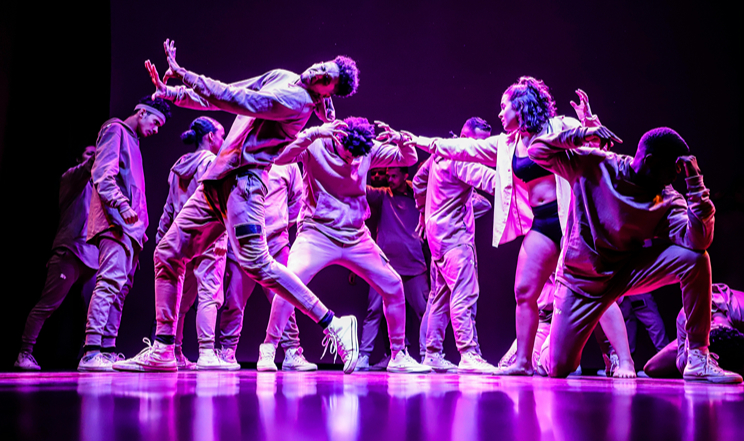
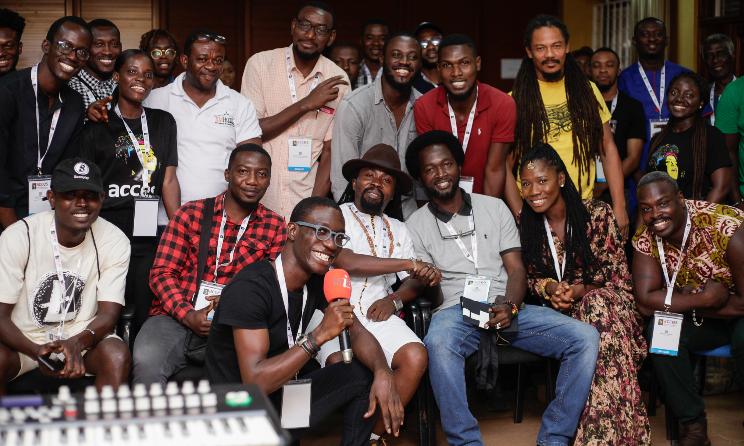
The Music In Africa Foundation (MIAF) is proud to announce its partnership with the Industrial Development Corporation (IDC) as a Strategic Implementing Partner (SIP) for its Social Employment Fund (SEF). Through this collaboration, MIAF is launching a new national programme designed to create jobs, address skills gaps, and strengthen South Africa’s creative industries — in line with the SEF’s overarching goal to generate work for the common good and build community value through employment, social contribution, and inclusive economic participation. Operating under the banner NEFCISA (National Employment Facility for Creative Industries in South Africa), the initiative will recruit and train participants, match them with host organisations, and place a minimum of 1 000 workers across the country. Key Objectives: Support employment and entrepreneurship in the creative industries. Offer skills development and training programmes. Foster partnerships between public and private creative sectors. Promote South African creativity at both provincial and national levels Foster community development through social contribution.

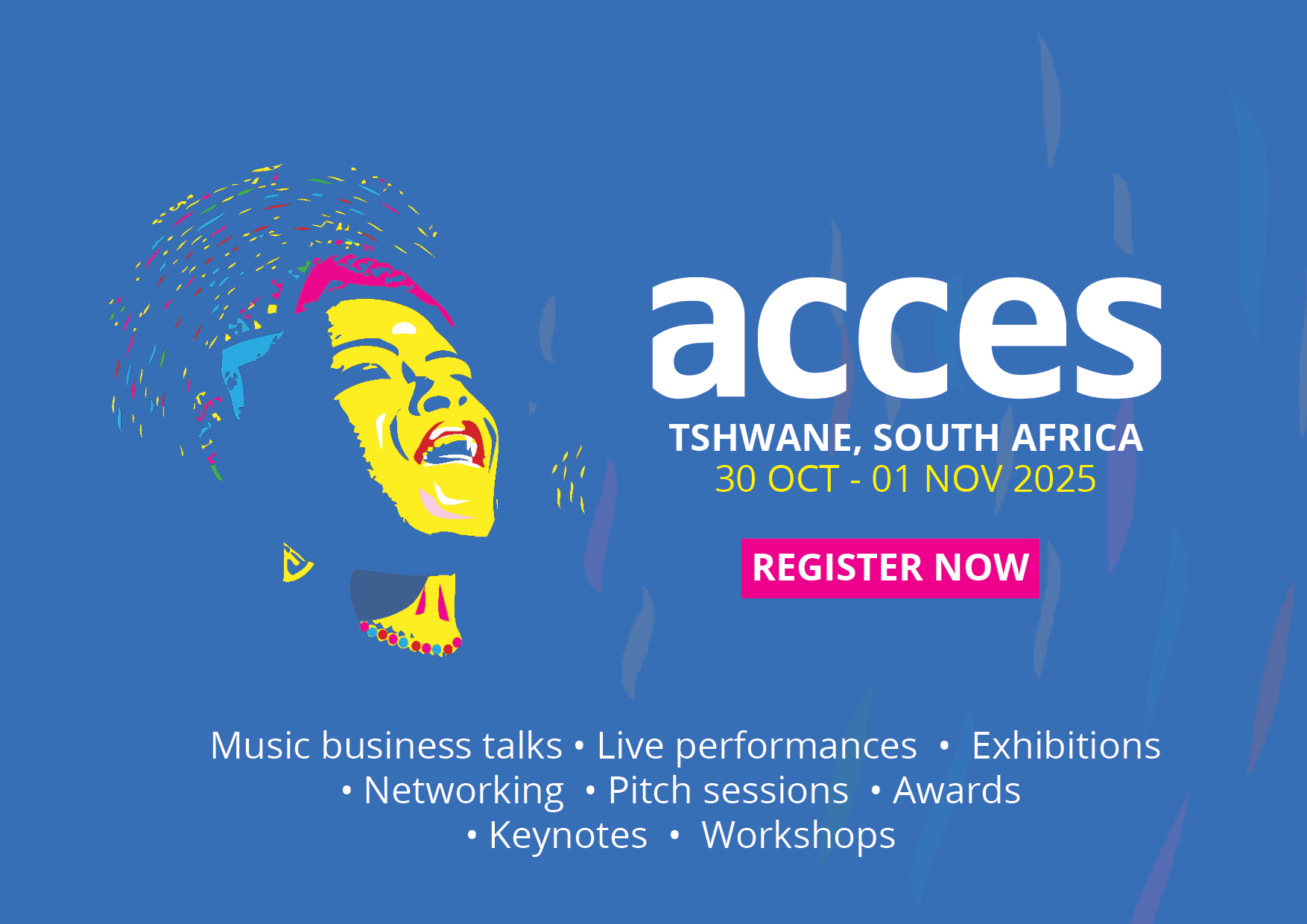
ACCES
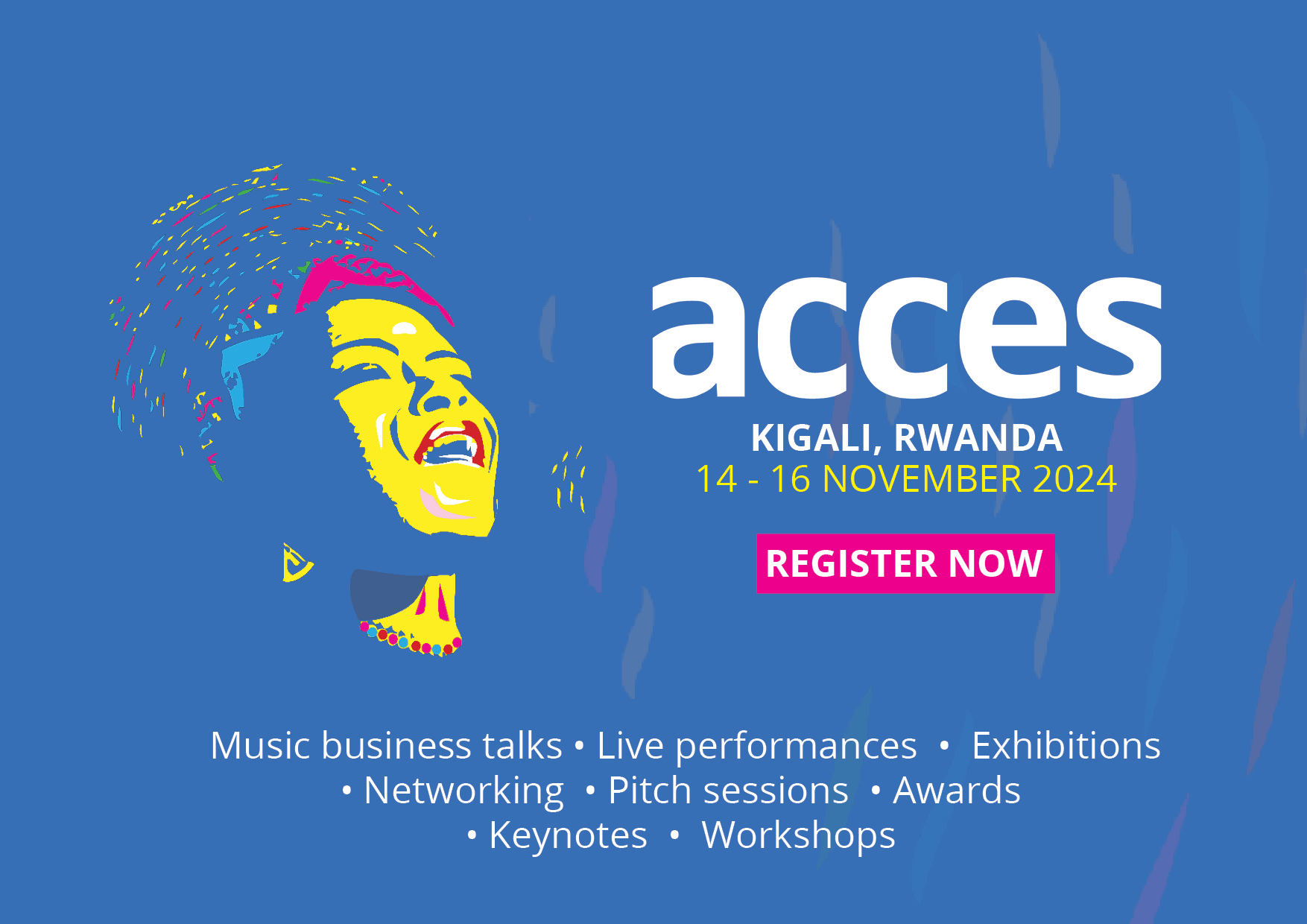
ACCES

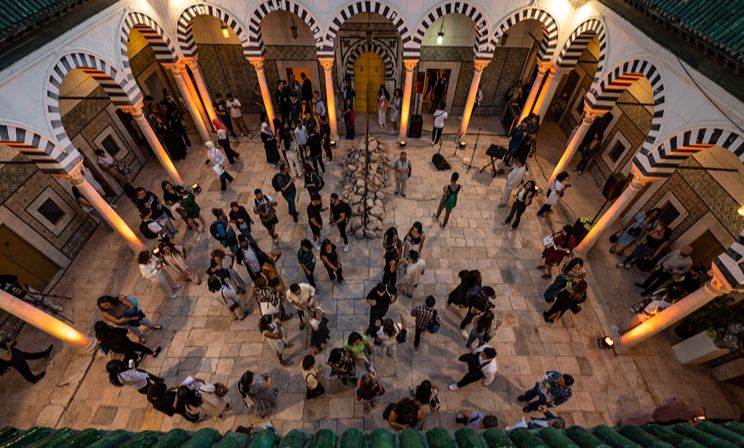
Chaque année, nous fournissons des informations générales afin de guider les participants dans la préparation de leur voyage. En plus de ce site, des mises à jour importantes seront envoyées par e-mail à tous les délégués inscrits. Assurez-vous de vous inscrire dès que possible. Pour plus d'informations, veuillez contacter [email protected] Continuez à consulter cette page pour plus d'information.  

Gender@Work
Gender@Work

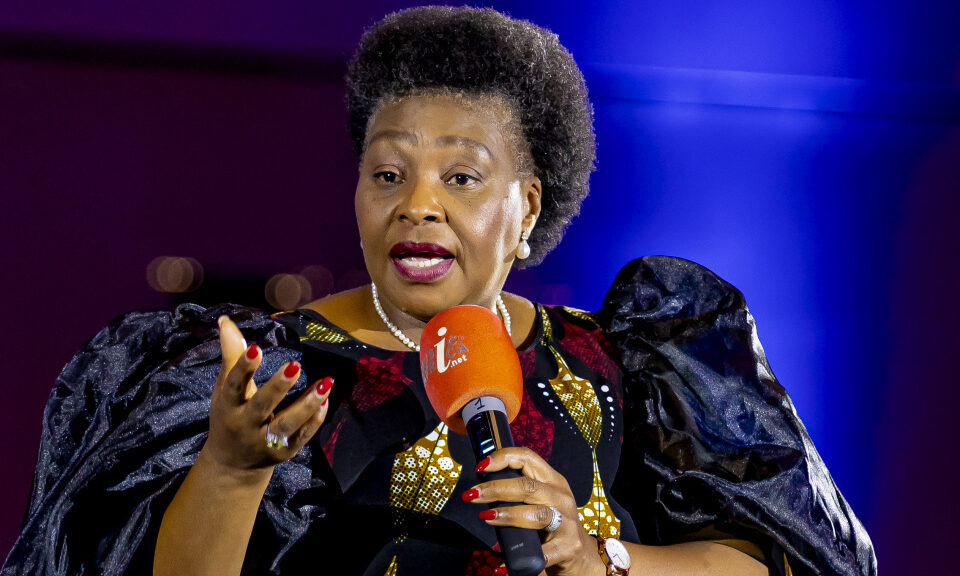
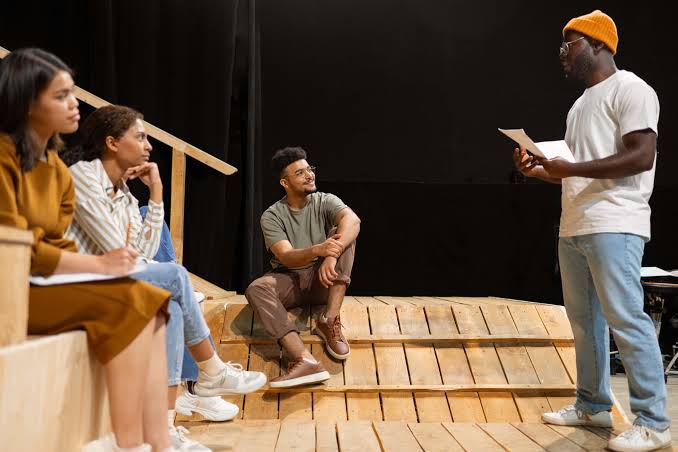
Music In Africa Gender @ Work is a three-year training programme aimed at upskilling and increasing the participation of female professionals in the African music sector. Launched by the Music In Africa Foundation (MIAF) in April 2019, the programme is connected to the MIAF’s ACCES music conference – a pan-African event held in a different African country every year. This connection enables the programme to reach new participants in a different African country every year. The programme marks the beginning of a more concerted effort by the Foundation to support the participation and inclusion of women in all facets of its programmes and the music sector in Africa as a whole. Over the three years, the programme will aim to address gender imbalances in the sector through training, lobbying, facilitating knowledge exchange and dialogues that foster the interest of women. The broader objectives of the programme are to: Provide industry training for women on critical music industry skills, focusing on: Stage management Electronic music production and recording Music business management Technical knowledge Provide an opportunity for both professional and aspiring women to benefit from the Music In Africa network and its broad range of activities in 2019, 2020 and 2021. Provide a solution-based platform in the form of a round table at ACCES with a view to identify challenges, discuss opportunities and lobby for the interests of female practitioners. Offer participants the opportunity to benefit from programmes offered by MIAF’s partners. Increase access to educational materials. Integrate participants in the broader ACCES programme to maximise experience and exposure to the industry. Record and present training materials on the www.musicinafrica.net, including but not limited to tutorials, templates and other best-practice materials. Communicate women-based themes that support the initiatives and messages of the programme. MAIN TRAINING ACTIVITIES Training in first country (Ghana): In the first year, participants will be trained on all aspects of stage management by a team of experienced stage managers from 10 to 17 November 2019. The programme will offer robust classroom training as well as practical, hands-on training in which participants will also be given the opportunity to manage various aspects of the ACCES performance programme. Training in second country: The second training iteration will take place at ACCES 2020 when the programme will diversify its course to include music production lessons and training on other music business topics. A round-table platform will also be introduced to coincide with the ACCES programme. Training in third country: The third training iteration will take place at ACCES 2021 in a different country, offering an advanced course. HOW DO YOU GET INVOLVED?  As a participant, facilitator or trainer: The programme enrolls up to 12 trainees every year. All opportunities are advertised publicly on this website, and will be added to this page. Please keep checking this page for new calls (below under UPDATES & CURRENT OPPORTUNITIES). As a partner Please contact Claire Metais at [email protected]. APPLY The call for applications for 2020 will be announced soon. The Music In Africa Gender @ Work programme is made possible with the support of the Prince Claus Fund, Siemens Stiftung and Goethe-Institut.

Sound Connects Fund
Sound Connects Fund

Pour les praticiens et les organisations culturels et créatifs opérant en Afrique australe, l’accès au financement reste un défi majeur. La pandémie de COVID-19 a également eu un impact massif sur les politiques gouvernementales, les dépenses et l’économie en général, et a vu les dépenses consacrées à la culture reléguées plus bas dans la liste des priorités. De plus, les industries culturelles et créatives citent régulièrement quatre domaines principaux où l’investissement est nécessaire pour la croissance : une visibilité accrue, la mobilité incluant l’accès à de nouveaux marchés, le financement et les structures de soutien.

Music In Africa Live

MUSIC IN AFRICA LIVE Lancé en 2020 pour une durée de 3 ans, Music In Africa Live est une initiative visant à soutenir l'écosystème de la musique africaine face aux contraintes imposées par la pandémie de COVID-19 ; le projet a été lancé par la Fondation Music In Africa (MIAF) en partenariat avec le ministère fédéral allemand des Affaires étrangères, Siemens Stiftung et le Goethe Institut. Plus de 30 aides sont disponibles dans le cadre de la troisième édition de Music In Africa Live, dans 3 catégories :  showcases, renforcement des compétences et plaidoyer, en conformité avec les modalités énoncées.

Instrument Building And Repair Project

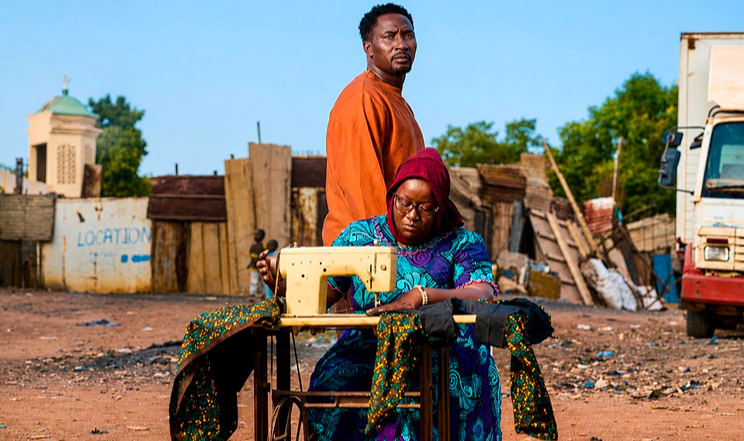
The overarching objective of Music In Africa Foundation’s Instrument Building and Repair (IBR) project is to encourage the formalisation and professionalisation of instrument-making and repair in Africa, especially in relation to indigenous African instruments. Background In 2014, the Music In Africa Foundation (MIAF) identified as one of its focus areas for development the need to encourage young people from music and music-related sectors to consider instrument-making as a career. This need extended itself from the recognition that the making of traditional African instruments is not a widely practiced skill and seems to be limited to the older generation. Traditional African instrument makers are also few and far between, making communication and logistics between teachers and learners an obstacle. When instrument building workshops take place, budgetary constraints do not allow teachers or learners the time to explore the finer details of an instrument. Based on these observations, the MIAF designed and piloted the first IBR workshop at the Dhow Countries Music Academy (DCMA) in Zanzibar in February 2015. In 2016, the foundation received funding from the South African National Lotteries Commission to implement a much bigger version of the project in Johannesburg. The project drew participants from five African countries. 25 students from South Africa, Ghana, Senegal, Kenya and Ethiopia were trained on how to build and repair musical instruments. The instruments that they made were: Traditional Instruments: Umakhweyana and Marimba Conventional Instrument: Dulcimer guitar The workshop culminated in a traditional instruments concert at the Wits Theatre in Johannesburg. It is the MIAF’s aim to roll out similar workshops in as many African countries as possible over the next few years. Objectives Developing awareness of musical instrument makers in Africa with a view to promote their work to a wider global audience. Facilitating the sharing and transfer of skills in indigenous instruments between countries on the continent. Encouraging the formalisation and professionalisation of instrument-making and repair in Africa, especially in relation to indigenous instruments. Helping instrument makers develop their careers. Fostering the rapid monetisation and sustainable development of instrument-making and repair in Africa. Promoting constant exchange of ideas, expertise, experiences and know-how among instrument makers in Africa. Facilitating the identification of existing gaps in the field with a view to contribute new solutions. Facilitating the transfer of knowledge and skills of indigenous instruments between younger and older generations. 2020 edition The MIAF has also announced that multi-instrumentalist and instrument maker Joe Makhanza will facilitate one of the workshops on the building of the kamale ngoni instrument. Kamale ngoni is a kora-like, stringed instrument that originated in West Africa. The instrument contributed to the rise of Wassoulou music in the 1970s and 1990s. Makhanza was born in Giyani in South Africa's Limpopo province. He completed a bachelor of music degree and a post-graduate diploma in arts marketing from Wits University. He is currently completing his masters in ethnomusicology and is a part-time lecturer in African music studies at Rhodes University. He plays the kora, mbira, valiha, masenqo, xiwewe, ngoni ba and xizambi, among others. He also manufactures the aforementioned instruments. The MIAF will confirm more trainers who will join the workshops as well as the other instruments that will be featured in the 2020 IBR programme.  Apply to participate here. Connect with us on Twitter, Instagram and Facebook, and subscribe to our monthly newsletter. The Music In Africa Instrument Building and Repair project is funded by the National Lotteries Commission. It is implemented in partnership with Siemens Stiftung, Goethe-Institut, Wits Theatre and Kaya FM.

banner image

Jolofbeats : 21 chansons qui ont marqué 2021

Accueil/Non classé/Jolofbeats : 21 chansons qui ont marqué 2021

Avant de présenter les chansons jolofbeats qui ont cartonné ce premier semestre 2021, un petit rappel historique s’impose…

Alors que l’afrobeats nigérian dominait les charts du continent toute la dernière décennie, un son nouveau est né au Sénégal – un alliage de beats hip hop et de rythmes locaux, que des experts appelleront d’abord wolofbeats, puis jolofbeats.

Cette fusion réussie de hip hop et de mbalakh, les deux rythmes les plus populaires au pays de la Teranga, a permis au style naissant d’intéresser très vite les deux publics et de se faire une large audience en peu de temps.

Les morceaux jolofbeats que vous découvrirez dans ce top, ont occupé des places de choix dans les tendances mensuelles de visionnage du public sénégalais, sur la plateforme américaine YouTube.

« Guuy » – Jeeba

15 février 2021, au lendemain de la fête de Saint-Valentin, Jeeba, le prince de la chanson de charme balance « Guuy » sur sa chaîne YouTube.

Le mot wolof (langue du Sénégal) utilisé dans le titre morceau, désigne le baobab, mais il renvoie aussi à l’intensité d’un sentiment éprouvé. Le succès de l’œuvre est immédiat !

[video:https://youtu.be/nJXGzao-5j0 width:850 height:480 autoplay:0]

« Damakoy def » – Jahman X-Press

Jahman, l’autre prince du jolofbeats ouvre lui aussi son année 2021 avec un clip coloré, qui repose là encore sur une prose amoureuse.

Pour la réalisation de ce single qui connaît un bel accueil du public dakarois, le jeune auteur combine avec Jeuss Beat (beatmaking), ainsi que WantD et Mao Sidibé (réalisation vidéo)

[video:https://www.youtube.com/watch?v=EZ7PU7RfsPA width:850 height:480 autoplay:0]

 « Wouyay » – Admow

Pour marquer l’entrée dans le mois de mars 2021, le chanteur sénégalais Admow se signale avec un nouveau single, « Wouyay ».

Dans cette création, il invite tout le monde à la fête sur un beat pop à 4 temps, marqué par le son du marimba et des percussions sabar (rythme traditionnnel du Sénégal).

[video:https://youtu.be/GdDE_8zBPwo width:850 height:480 autoplay:0]

« Freesenegal » – Jeeba

On pouvait encore reprocher au jolofbeats son caractère divertissant, insoucieux et peu engagé jusqu’à ce que Jeeba ne sorte le clip « Freesenegal », dans une période trouble traversée par le pays de la Teranga en mars 2021, après l’arrestation de l’opposant Ousmane Sonko.

Dans ce morceau, il propose bel et bien du jolofbeats et le message est conscient…

[video:https://www.youtube.com/watch?v=XzK1Ih-ldk8 width:850 height:480 autoplay:0]

« Mangui Baxx »  – Dieyla

Dieyla, c’est la voix jolofbeats qui est en train de monter en puissance depuis trois ans déjà au coeur de la banlieue dakaroise. Révélée par sa reprise du single « Sama Damel » de Cherifou et Job Sa Brain, cette perle est considérée par beaucoup, comme une des plus belles promesses de la chanson sénégalaise.

Son morceau « Mangui Baxx », publié cette année, fait un vrai carton sur la toile !

[video:https://www.youtube.com/watch?v=RTDnMJpiUL4&t=37s width:850 height:480 autoplay:0]

 « Fresh » – Iss 814 featuring Samba Peuzzi

Cette collaboration d’Iss 814 et Samba Peuzzi a fait des étincelles au pays de la Teranga cette année. Il faut dire que la production a été mise en ligne dans le meilleur de timing, au cours du mois de mai, juste après le mois sacré du Ramadan.

« Fresh » vante le streetwear et l’élégance à la sénégalaise.

[video:https://www.youtube.com/watch?v=iCoOEDjy–s&feature=emb_rel_end width:850 height:480 autoplay:0]

« Mafia bi » – OMG, Jailer Bangz, 4Leuz, Cool10 et Kmou MC

Le jolofbeats c’est la fête, mais c’est aussi la rencontre et le partage. La « fratrie » DD Records l’a bien démontré cette année, avec sa méga-collaboration qui a réuni tous les artistes de l’écurie.

En tête de file, OMG, la rappeuse vedette, et à la composition, le beatmaker B.Beut toujours aussi inventif.

[video:https://www.youtube.com/watch?v=x-CYXIDVb2Y width:850 height:480 autoplay:0]

« Excuse My Jongué » – Safary

Depuis sa signature chez la filiale africaine du prestigieux label Sony Music, le trio féminin Safary était attendu du public sénégalais.

Après 6 mois de silence, le groupe a mis en ligne un single titré « Excuse My Jongué » et les amoureux du bon jolofbeats ont tout de suite apprécié.

[video:https://youtu.be/KLcIsF21SpM width:850 height:480 autoplay:0]

« Xool Ma ci Bët » – Iss 814 feat Jeeba

Sur « Xool Ma ci Bët », Iss 814 et Jeeba, deux étoiles du jolofbeats se sont associées. Le résultat est juste épatant : plus de 3,6 millions de vues sur YouTube en seulement un mois et l’audience de l’œuvre continue de croître.

Le clip a été tourné au Safari Studio à Dakar (Sénégal), avec la participation de Yarba Déco et Justin Mendy.

[video:https://www.youtube.com/watch?v=RdhK64yv8xM width:850 height:480 autoplay:0]

« Ada » – Maabo

Ils étaient à la genèse du jolofbeats et ils sont encore là en 2021 ! Après quelques mois de silence et de répit, le couple Maabo a fait son retour sur scène cette année, avec un nouveau single titré « Ada ».

Dans cette œuvre, Mia et NFU disent non à la tradition, surtout quand elle devient un frein à l’épanouissement de l’homme.

[video:https://youtu.be/JVR9HOuDDz0 width:850 height:480 autoplay:0]

« Natural love » – Wally Seck

Une fois n’est pas coutume – le prince du mbalakh Wally Seck s’est permis une petite intrusion dans l’univers jolofbeats cette année et de quelle manière ?

La réponse avec son single « Natural love », disponible sur YouTube.

[video:https://www.youtube.com/watch?v=mggZcOLPULI width:850 height:480 autoplay:0]

« Laf Thiat » – OMG

Absente de la scène jolofbeats pendant quasiment toute l’année, la talentueuse OMG a attendu le crépuscule, comme l’oiseau de Minerve, pour prendre son envol.

« Laf Thiat », sa nouvelle production, a été enregistrée chez DD Records.

[video:https://www.youtube.com/watch?v=cNWyCOnmRtU&t=101s width:850 height:480 autoplay:0]

« Yow lay Nobaat » – Jahman X-Press featuring Dip Doundou Guiss

Jahman a fait la une de l’actualité culturelle sénégalaise en novembre 2021, avec la parution d’Abiyo, le premier album de sa carrière solo. Pour marquer le coup, le chanteur sénégalais a convoqué le rappeur numéro 1 de la scène locale, Dip Doundou Guiss, pour un featuring jolofbeats avec un groove de raggamuffin.

Ci-bas, « Yow lay Nobaat » ! 

[video:https://www.youtube.com/watch?v=hG-r1VnhDuY width:850 height:480 autoplay:0]

« Lou Yacou Yawa » – Samba Peuzzi

Difficile de parler des créateurs jolofbeats qui ont marqué l’année sans mentionner le virevoltant Samba Peuzzi. Il propose ici un son éclectique avec des percussions comme le lama local, le marimba, mais aussi la guitare pop avec ses notes transperçantes.

Le jeune pensionnaire de Rep’Tyle Music propose un texte egotrip avec son flow séduisant sur « Lou Yacou Yawa ».

[video:https://www.youtube.com/watch?v=iYBWX4vtql0 width:850 height:480 autoplay:0]

« Boulko faté » – Amira Abed

La jeune Amira Abed a fait parler sa classe sur la scène jolofbeats cette année, avec une chanson mélancolique qui traduit un dépit amoureux.

« Boulko raté », son single, est devenu le refrain favori de quelques milliers de jeunes à Dakar, la capitale sénégalaise.

[video:https://www.youtube.com/watch?v=NkXg_AsCOzs width:850 height:480 autoplay:0]

« Borom Diamono » – Akhlou Brick featuring Baye Cheikh Biteye

On savait déjà que le jolobeats pouvait être romantique et parfois engagé, mais avec Akhlou Brick cette saison, on a appris qu’il pouvait également être « religieux ».

Dans « Borom Diamond », il y a une musique priante et des symboles de la confrérie mouride.

[video:https://www.youtube.com/watch?v=uBMFD32-MJM width:850 height:480 autoplay:0]

« Deko Woyofal » – Dieyla

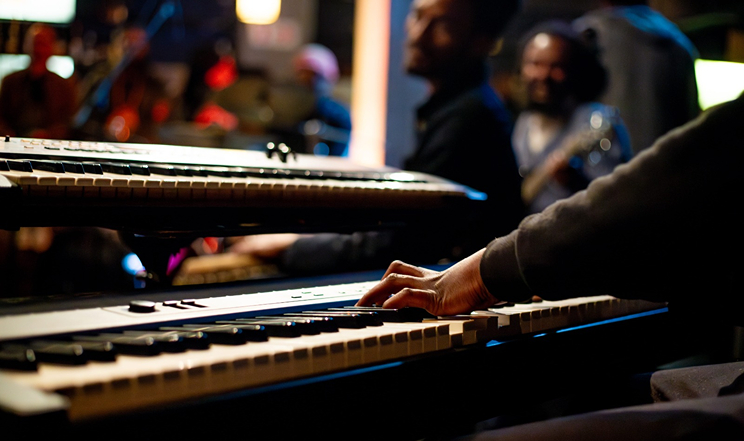
Avec le talentueux beatmaker Bril au clavier, Dieyla pouvait espérer cartonner. Il lui a juste fallu pousser légèrement sa voix si mélodieuse sur « Deko Woyofal », pour atteindre plus d’un million d’internautes en un mois.

La chanson est pleine d’amour et de douceur.

[video:https://www.youtube.com/watch?v=0r6jWWnReqo width:850 height:480 autoplay:0]

« Chérie boy » – Pipana

Sur la scène jolofbeats cette saison, il y a également eu de belles surprises. C’est le cas de Pipana, une voix masculine alors peu connue, qui a réussi à entraîner tout le monde dans son univers coloré, où sabar et hip hop se mélangent savamment.

Dans « Chérie boy », il est en mode séduction.

[video:https://www.youtube.com/watch?v=i5e-vua4lJs width:850 height:480 autoplay:0]

« Doumala Fowé » – Amadeus

Toujours dans la catégorie surprise, Amadeus s’est distingué avec son mélodieux « Doumala Fowé », qui raconte une saisissante histoire d’amour.

Pour beaucoup d’internautes qui l’ont découvert cette année, Amadeus est définitivement un artiste à suivre en 2022.

[video:https://www.youtube.com/watch?v=CZshUkiOgFo width:850 height:480 autoplay:0]

« Il est temps » – Safary

Les 3 muses du groupe Safary ont accepté de prêter leur voix à une importante campagne de Nations Unies contre les violences faites aux femmes. Pour elles, « Il est temps » de mettre fin à cette déviance qui est la conséquence d’une société machiste, où l’homme se croit toujours supérieur à la femme.

Le message du trio revêt une musique jolofbeats comme on aime.

[video:https://www.youtube.com/watch?v=iUGh20ovICU width:850 height:480 autoplay:0]

« Moo ngi fi » – Amira Abed

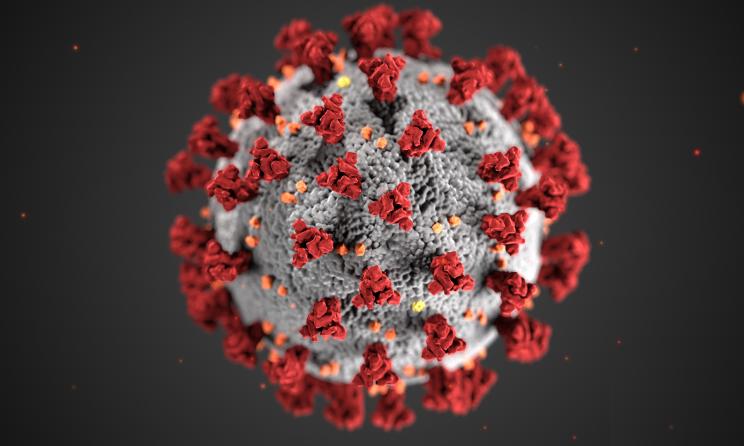
Bouclons la playlist des morceaux jolofbeats de l’année, avec une composition mélodieuse et pleine de sens signée Amira Abed. Dans « Moo ngi fi », la jeune chanteuse nous rappelle seulement qu’en fin 2021, le coronavirus est encore là et que ce serait grave de l’oublier.

Pour ces fêtes de fin d’année qui s’annoncent, masques, gels et distanciation sociale s’imposent !

[video:https://www.youtube.com/watch?v=DsOTJJY7X30 width:850 height:480 autoplay:0]

newsletter banner

Abonnez-vous à notre newsletter

Retrouvez-nous sur les réseaux sociaux