














NEFCISA
NEFCISA

The Music In Africa Foundation (MIAF) is proud to announce its partnership with the Industrial Development Corporation (IDC) as a Strategic Implementing Partner (SIP) for its Social Employment Fund (SEF). Through this collaboration, MIAF is launching a new national programme designed to create jobs, address skills gaps, and strengthen South Africa’s creative industries — in line with the SEF’s overarching goal to generate work for the common good and build community value through employment, social contribution, and inclusive economic participation. Operating under the banner NEFCISA (National Employment Facility for Creative Industries in South Africa), the initiative will recruit and train participants, match them with host organisations, and place a minimum of 1 000 workers across the country. Key Objectives: Support employment and entrepreneurship in the creative industries. Offer skills development and training programmes. Foster partnerships between public and private creative sectors. Promote South African creativity at both provincial and national levels Foster community development through social contribution.

ACCES
ACCES

Chaque année, nous fournissons des informations générales afin de guider les participants dans la préparation de leur voyage. En plus de ce site, des mises à jour importantes seront envoyées par e-mail à tous les délégués inscrits. Assurez-vous de vous inscrire dès que possible. Pour plus d'informations, veuillez contacter [email protected] Continuez à consulter cette page pour plus d'information.  

Gender@Work
Gender@Work

Music In Africa Gender @ Work is a three-year training programme aimed at upskilling and increasing the participation of female professionals in the African music sector. Launched by the Music In Africa Foundation (MIAF) in April 2019, the programme is connected to the MIAF’s ACCES music conference – a pan-African event held in a different African country every year. This connection enables the programme to reach new participants in a different African country every year. The programme marks the beginning of a more concerted effort by the Foundation to support the participation and inclusion of women in all facets of its programmes and the music sector in Africa as a whole. Over the three years, the programme will aim to address gender imbalances in the sector through training, lobbying, facilitating knowledge exchange and dialogues that foster the interest of women. The broader objectives of the programme are to: Provide industry training for women on critical music industry skills, focusing on: Stage management Electronic music production and recording Music business management Technical knowledge Provide an opportunity for both professional and aspiring women to benefit from the Music In Africa network and its broad range of activities in 2019, 2020 and 2021. Provide a solution-based platform in the form of a round table at ACCES with a view to identify challenges, discuss opportunities and lobby for the interests of female practitioners. Offer participants the opportunity to benefit from programmes offered by MIAF’s partners. Increase access to educational materials. Integrate participants in the broader ACCES programme to maximise experience and exposure to the industry. Record and present training materials on the www.musicinafrica.net, including but not limited to tutorials, templates and other best-practice materials. Communicate women-based themes that support the initiatives and messages of the programme. MAIN TRAINING ACTIVITIES Training in first country (Ghana): In the first year, participants will be trained on all aspects of stage management by a team of experienced stage managers from 10 to 17 November 2019. The programme will offer robust classroom training as well as practical, hands-on training in which participants will also be given the opportunity to manage various aspects of the ACCES performance programme. Training in second country: The second training iteration will take place at ACCES 2020 when the programme will diversify its course to include music production lessons and training on other music business topics. A round-table platform will also be introduced to coincide with the ACCES programme. Training in third country: The third training iteration will take place at ACCES 2021 in a different country, offering an advanced course. HOW DO YOU GET INVOLVED?  As a participant, facilitator or trainer: The programme enrolls up to 12 trainees every year. All opportunities are advertised publicly on this website, and will be added to this page. Please keep checking this page for new calls (below under UPDATES & CURRENT OPPORTUNITIES). As a partner Please contact Claire Metais at [email protected]. APPLY The call for applications for 2020 will be announced soon. The Music In Africa Gender @ Work programme is made possible with the support of the Prince Claus Fund, Siemens Stiftung and Goethe-Institut.

Sound Connects Fund
Sound Connects Fund

Pour les praticiens et les organisations culturels et créatifs opérant en Afrique australe, l’accès au financement reste un défi majeur. La pandémie de COVID-19 a également eu un impact massif sur les politiques gouvernementales, les dépenses et l’économie en général, et a vu les dépenses consacrées à la culture reléguées plus bas dans la liste des priorités. De plus, les industries culturelles et créatives citent régulièrement quatre domaines principaux où l’investissement est nécessaire pour la croissance : une visibilité accrue, la mobilité incluant l’accès à de nouveaux marchés, le financement et les structures de soutien.

Music In Africa Live

MUSIC IN AFRICA LIVE Lancé en 2020 pour une durée de 3 ans, Music In Africa Live est une initiative visant à soutenir l'écosystème de la musique africaine face aux contraintes imposées par la pandémie de COVID-19 ; le projet a été lancé par la Fondation Music In Africa (MIAF) en partenariat avec le ministère fédéral allemand des Affaires étrangères, Siemens Stiftung et le Goethe Institut. Plus de 30 aides sont disponibles dans le cadre de la troisième édition de Music In Africa Live, dans 3 catégories :  showcases, renforcement des compétences et plaidoyer, en conformité avec les modalités énoncées.

Instrument Building And Repair Project

The overarching objective of Music In Africa Foundation’s Instrument Building and Repair (IBR) project is to encourage the formalisation and professionalisation of instrument-making and repair in Africa, especially in relation to indigenous African instruments. Background In 2014, the Music In Africa Foundation (MIAF) identified as one of its focus areas for development the need to encourage young people from music and music-related sectors to consider instrument-making as a career. This need extended itself from the recognition that the making of traditional African instruments is not a widely practiced skill and seems to be limited to the older generation. Traditional African instrument makers are also few and far between, making communication and logistics between teachers and learners an obstacle. When instrument building workshops take place, budgetary constraints do not allow teachers or learners the time to explore the finer details of an instrument. Based on these observations, the MIAF designed and piloted the first IBR workshop at the Dhow Countries Music Academy (DCMA) in Zanzibar in February 2015. In 2016, the foundation received funding from the South African National Lotteries Commission to implement a much bigger version of the project in Johannesburg. The project drew participants from five African countries. 25 students from South Africa, Ghana, Senegal, Kenya and Ethiopia were trained on how to build and repair musical instruments. The instruments that they made were: Traditional Instruments: Umakhweyana and Marimba Conventional Instrument: Dulcimer guitar The workshop culminated in a traditional instruments concert at the Wits Theatre in Johannesburg. It is the MIAF’s aim to roll out similar workshops in as many African countries as possible over the next few years. Objectives Developing awareness of musical instrument makers in Africa with a view to promote their work to a wider global audience. Facilitating the sharing and transfer of skills in indigenous instruments between countries on the continent. Encouraging the formalisation and professionalisation of instrument-making and repair in Africa, especially in relation to indigenous instruments. Helping instrument makers develop their careers. Fostering the rapid monetisation and sustainable development of instrument-making and repair in Africa. Promoting constant exchange of ideas, expertise, experiences and know-how among instrument makers in Africa. Facilitating the identification of existing gaps in the field with a view to contribute new solutions. Facilitating the transfer of knowledge and skills of indigenous instruments between younger and older generations. 2020 edition The MIAF has also announced that multi-instrumentalist and instrument maker Joe Makhanza will facilitate one of the workshops on the building of the kamale ngoni instrument. Kamale ngoni is a kora-like, stringed instrument that originated in West Africa. The instrument contributed to the rise of Wassoulou music in the 1970s and 1990s. Makhanza was born in Giyani in South Africa's Limpopo province. He completed a bachelor of music degree and a post-graduate diploma in arts marketing from Wits University. He is currently completing his masters in ethnomusicology and is a part-time lecturer in African music studies at Rhodes University. He plays the kora, mbira, valiha, masenqo, xiwewe, ngoni ba and xizambi, among others. He also manufactures the aforementioned instruments. The MIAF will confirm more trainers who will join the workshops as well as the other instruments that will be featured in the 2020 IBR programme.  Apply to participate here. Connect with us on Twitter, Instagram and Facebook, and subscribe to our monthly newsletter. The Music In Africa Instrument Building and Repair project is funded by the National Lotteries Commission. It is implemented in partnership with Siemens Stiftung, Goethe-Institut, Wits Theatre and Kaya FM.

banner image

De Brazzaville à Kinshasa - Paul Soni Benga retrace l'itinéraire de la rumba

Accueil/Non classé/De Brazzaville à Kinshasa – Paul Soni Benga retrace l’itinéraire de la rumba

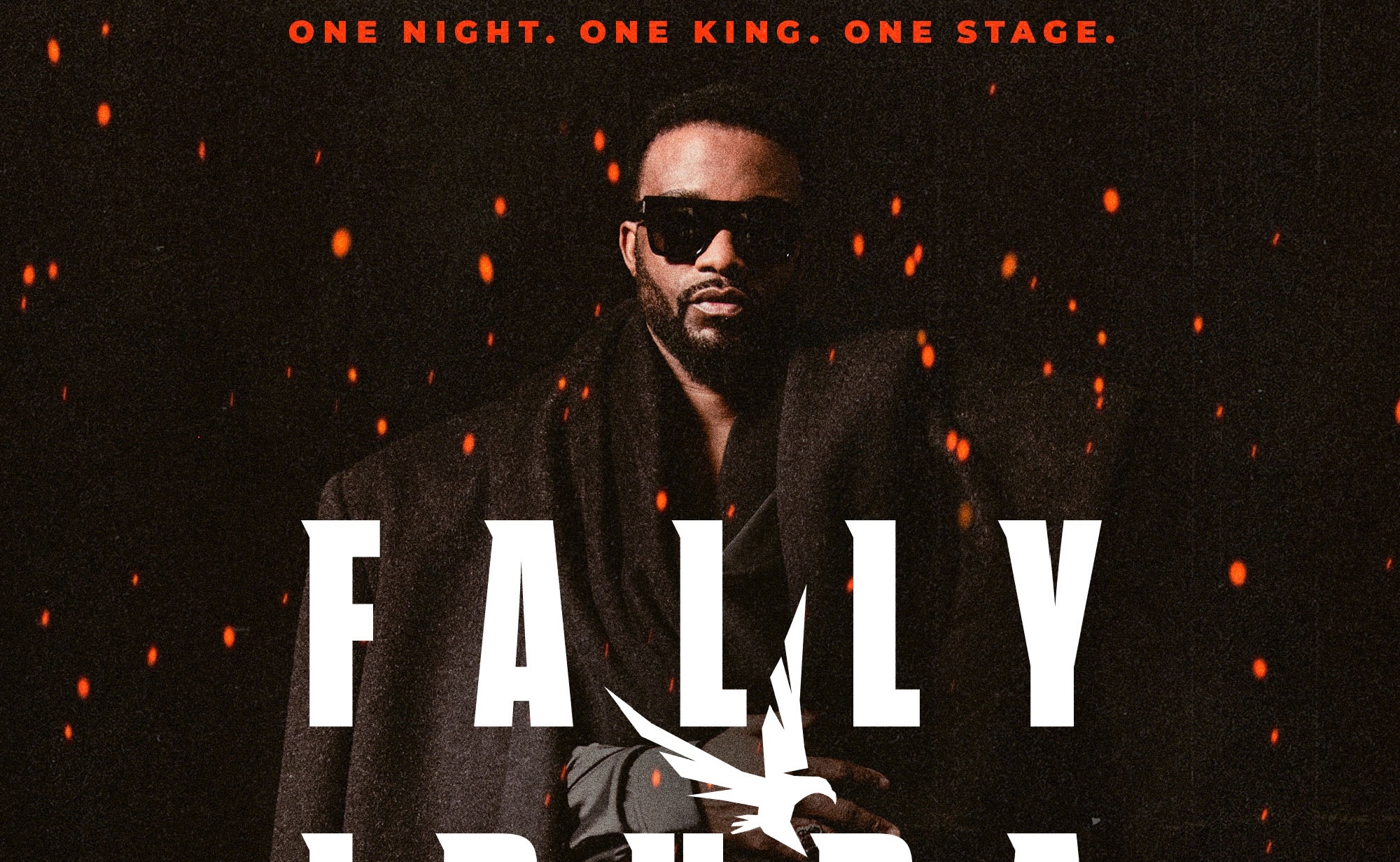
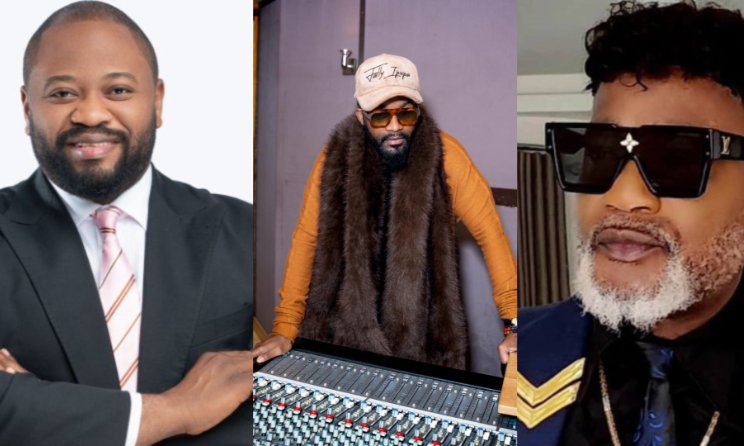
Difficile de lister les figures les plus marquantes de la rumba congolaise, sans mentionner des artistes comme Grand Kallé, Mario Lumanbo, Papa Wemba, Koffi Olomidé ou encore Fally Ipupa – tous originaires de la République Démocratique du Congo (RDC).

Mais si l’on ne se limite qu’à ceux-là, l’histoire de la rumba est quelque peu tronquée et même trahie…

Il faudrait aussi présenter ceux qui ont planté les racines brazzavilloises du genre, qui est né, rappelons-le, d’un passionnant voyage entre Kinshasa et Brazzaville, sur les 2 berges du fleuve Congo.

Paul Soni Benga a rempli le devoir de mémoire, en réalisant un documentaire sur un personnage atypique : Nganga Edo – véritable témoin de la genèse de la rumba.

Musique traditionnelle de l’ancien Royaume Kongo dont la capitale M’Banza Kongo ou San Salvador se trouvait dans l’actuelle Angola, la rumba initialement appelée kumba, est arrivée dans les Caraïbes en empruntant l’itinéraire de la traite négrière à travers l’Atlantique.

À Cuba qui est devenu son berceau pendant plusieurs siècles, elle a pris des accents latino avant de revenir en Afrique grâce à des matelots cubains, qui ramènent des vinyles de sa version moderne sur les côtes du continent.

[video:https://www.youtube.com/watch?v=vpTXBfvvUY0 width:850 height:480 autoplay:0]

Au Congo, des musiciens qui reconnaissent le son en dépit de son nouvel habillage latin, décident de se le réapproprier. Parmi les pionniers de ce qui deviendra la célèbre rumba congolaise, un certain Nganga Edo, chanteur et membre fondateur du mythique orchestre des Bantous de la capitale.

Compositeur et interprète de talent, Nganga a quitté son Brazzaville natal avec quelques compagnons au cours des années 70, pour tenter de faire carrière à Kinshasa, qui proposait alors plus d’opportunités de production.

Dans sa ville d’accueil, il rencontre des musiciens kinois dont Franco Luambo, et ils forment ensemble le Tout Puissant O.K Jazz, un des plus puissants groupes de l’histoire de la rumba congolaise.

Nganga aidera même le guitariste et compositeur feu Lutumba Simaro à intégrer la formation et à y faire la brillante carrière que l’on connaît.

Boudés par les fanatiques du TP O.K Jazz et des autres formations kinoises dont ils sont pensionnaires parce qu’ils se retrouvent souvent pour répéter entre eux, Nganga Edo et ses compatriotes craintifs, décident de retourner chez eux à Brazzaville et d’y lancer le groupe des Bantous de la capitale.

Ils deviennent alors les précurseurs de l’école brazzavilloise de la rumba, souvent  oubliée dans les récits des spécialistes du genre, comme le constate Paul Soni Benga :

C’est vrai que le voisin kinois a connu un plus grand succès grâce à ses nombreuses vedettes planétaires. Mais Brazzaville a aussi joué un rôle clé dans la popularisation de la rumba, grâce notamment à des formations comme les Bantous de la capitale ou encore Extra Musica, mais aussi des talents comme Roga Roga qui jouissent tous d’une notoriété internationale. Cette page de l’histoire de la rumba n’est pas toujours racontée.

[video:https://www.youtube.com/watch?v=7zZyGkGN7Sw width:850 height:480 autoplay:0]

De l’exposé de Paul Soni Benga, on retiendra que la rumba congolaise, classée en décembre 2021 au patrimoine mondial de l’UNESCO, renferme une histoire pluriséculaire, qui a définitivement lié deux pays qui peuvent légitimement revendiquer sa paternité aujourd’hui.

Journaliste et historien, sur le documentaire Nganga Edo, Le dernier des Bantous de la capitale, Paul invite tout le monde à découvrir un peu plus la rumba et ses ballades langoureuses, qui se réinventent inlassablement, pour célébrer la vie et l’amour.

En effet, selon lui, la rumba congolaise qui a fait oublier sa jumelle cubaine, a dû prendre de nombreuses déclinaisons pour survivre et s’imposer dans le temps. Chantée lento à l’origine, elle s’est accélérée au fil des ans, pour produire des dérivées telles que le ndombolo, le tchatcho, le soukous et même le coupé-décalé plus loin en Côte d’Ivoire.

Les sében de guitare et les fondamentales de batterie de la rumba, sont devenus la sève de plusieurs styles de musiques urbaines africaines, qui font danser des milliers de mélomanes à travers le monde.

Ces mutations du genre n’ont pas été sans conséquences sur son message d’antan sensé et empreint de patriotisme, qui devient de plus en plus hédoniste, souvent au grand dam des nostalgiques des années 70 et 80.

La rumba reste tout de même un patrimoine du continent à défendre – une mission que Paul Soni Benga assigne aux médias :

C’est un bonheur de quitter le bassin congolais et venir parler de rumba ici au Sénégal, à des milliers de kilomètres de son foyer. Si cette musique a fait écho jusqu’ici, c’est parce qu’elle a été portée par les médias, dont on ne saurait douter du pouvoir. Il faudra donc continuer à booster la rumba, mais aussi les autres musiques d’Afrique comme le mbalakh via le canal médiatique, pour leur permettre d’être plus reconnues autour du globe. 

[video:https://www.youtube.com/watch?v=TWPGr6D1Ei0 width:850 height:480 autoplay:0]

newsletter banner

Abonnez-vous à notre newsletter

Retrouvez-nous sur les réseaux sociaux