













NEFCISA
NEFCISA

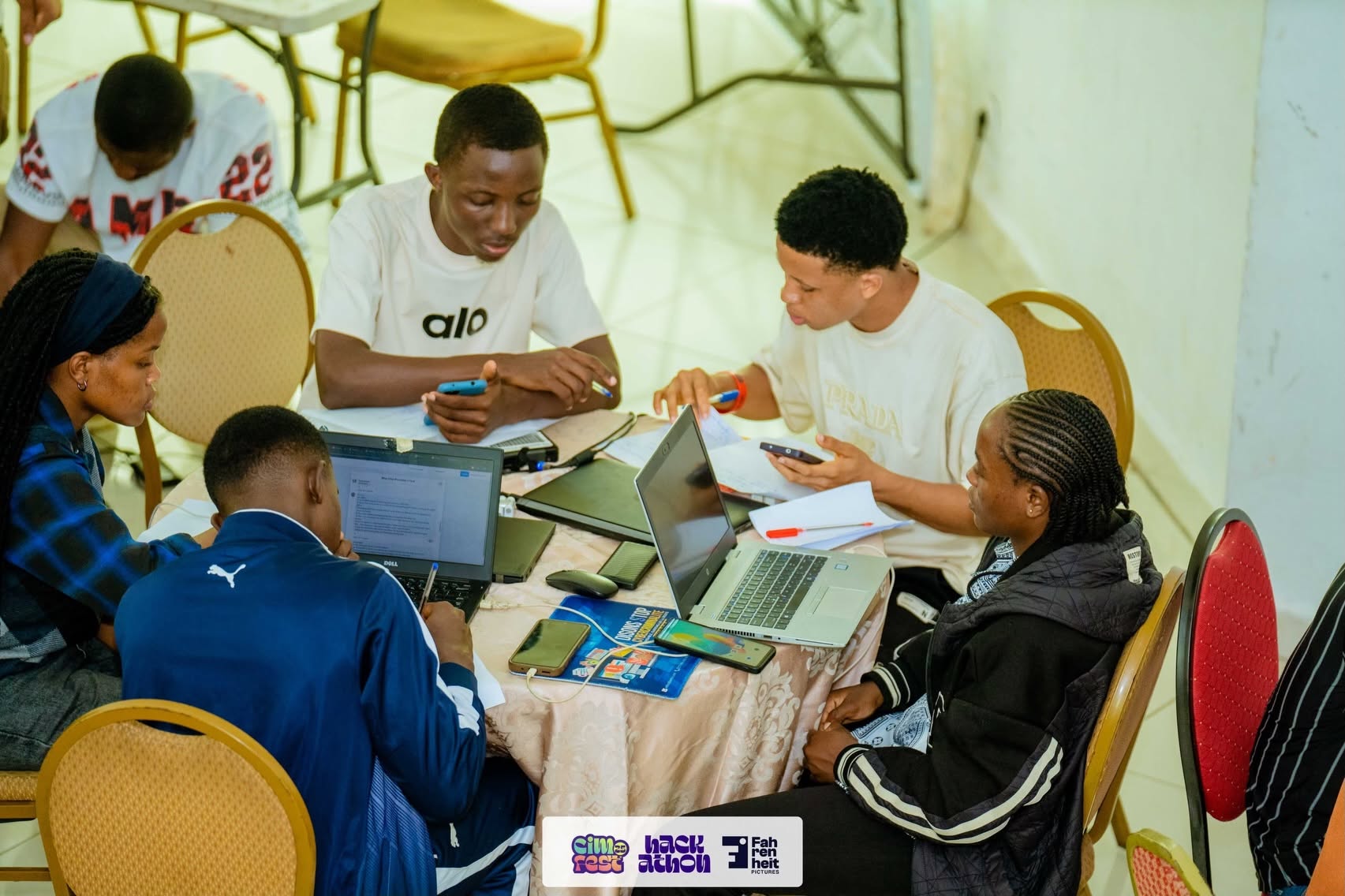
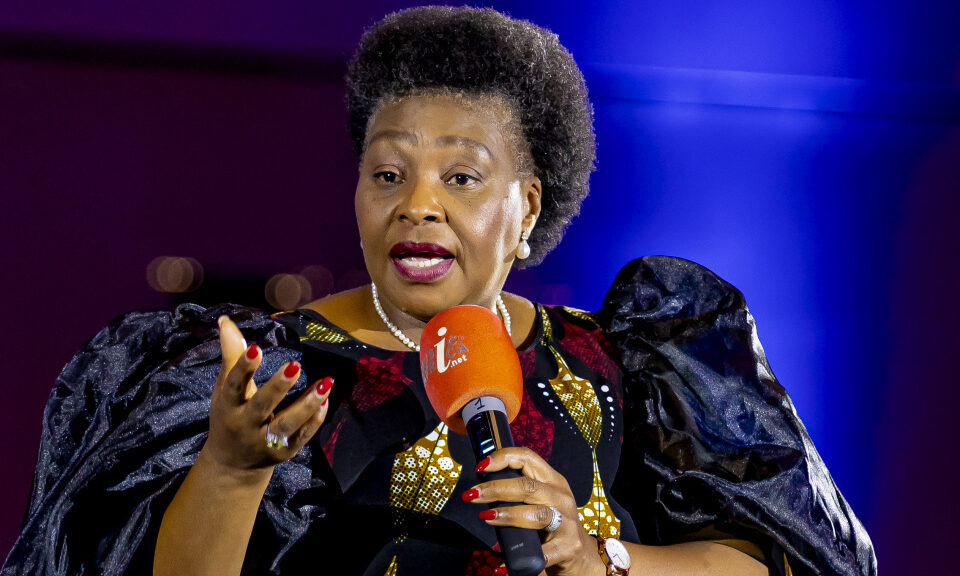
The Music In Africa Foundation (MIAF) is proud to announce its partnership with the Industrial Development Corporation (IDC) as a Strategic Implementing Partner (SIP) for its Social Employment Fund (SEF). Through this collaboration, MIAF is launching a new national programme designed to create jobs, address skills gaps, and strengthen South Africa’s creative industries — in line with the SEF’s overarching goal to generate work for the common good and build community value through employment, social contribution, and inclusive economic participation. Operating under the banner NEFCISA (National Employment Facility for Creative Industries in South Africa), the initiative will recruit and train participants, match them with host organisations, and place a minimum of 1 000 workers across the country. Key Objectives: Support employment and entrepreneurship in the creative industries. Offer skills development and training programmes. Foster partnerships between public and private creative sectors. Promote South African creativity at both provincial and national levels Foster community development through social contribution.

ACCES
ACCES

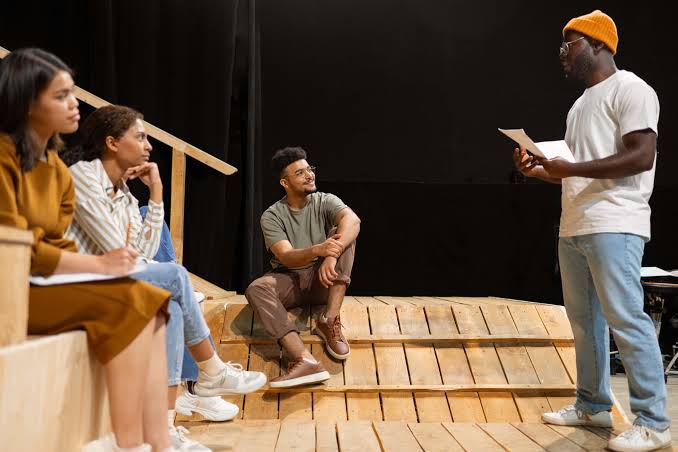
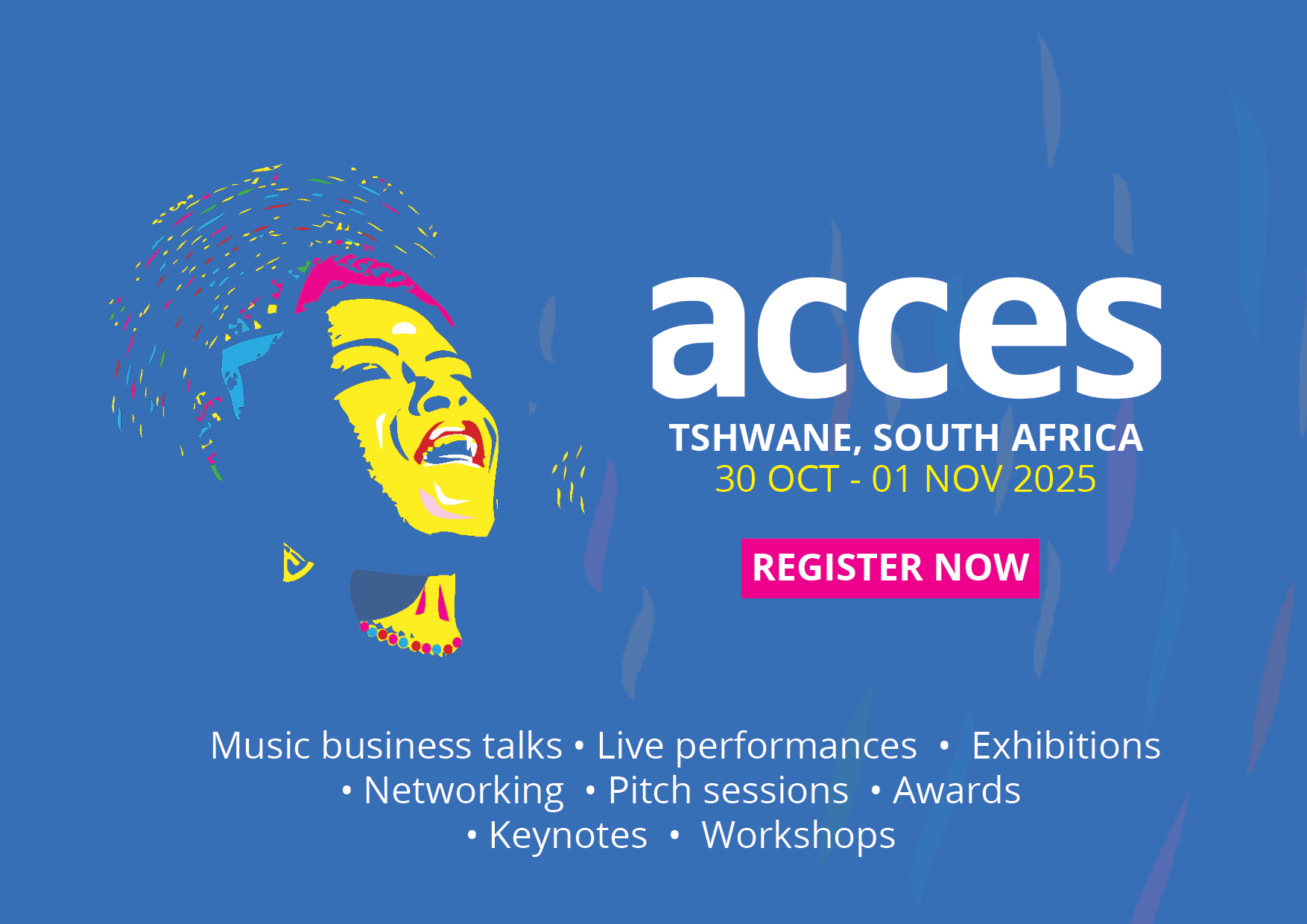
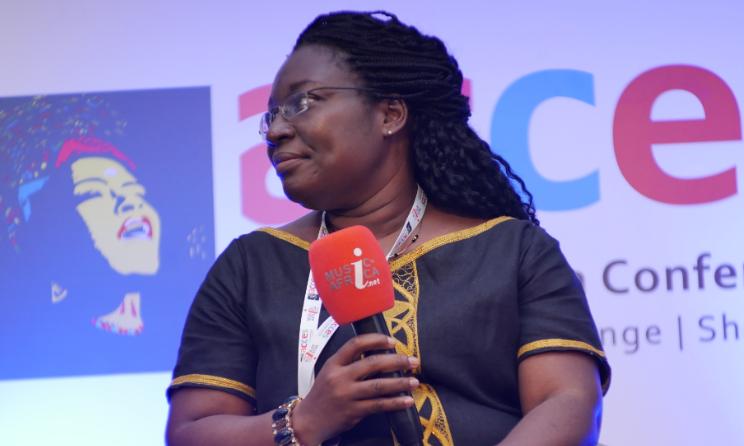
Chaque année, nous fournissons des informations générales afin de guider les participants dans la préparation de leur voyage. En plus de ce site, des mises à jour importantes seront envoyées par e-mail à tous les délégués inscrits. Assurez-vous de vous inscrire dès que possible. Pour plus d'informations, veuillez contacter [email protected] Continuez à consulter cette page pour plus d'information.  

Gender@Work
Gender@Work

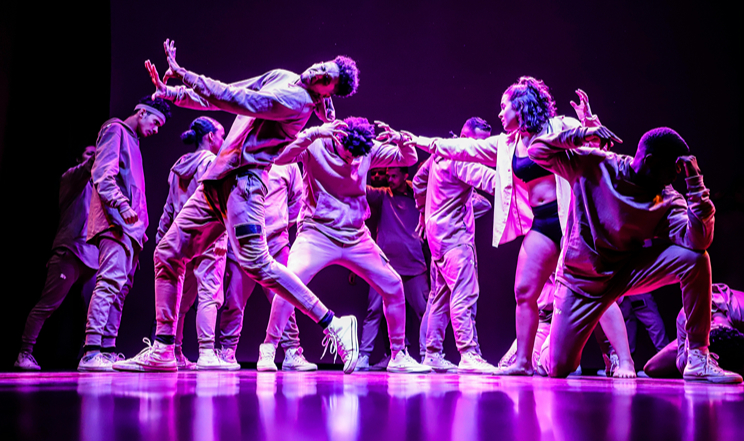
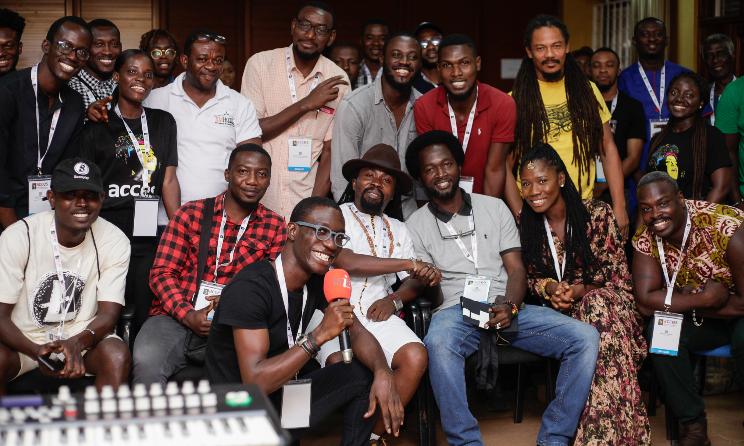
Music In Africa Gender @ Work is a three-year training programme aimed at upskilling and increasing the participation of female professionals in the African music sector. Launched by the Music In Africa Foundation (MIAF) in April 2019, the programme is connected to the MIAF’s ACCES music conference – a pan-African event held in a different African country every year. This connection enables the programme to reach new participants in a different African country every year. The programme marks the beginning of a more concerted effort by the Foundation to support the participation and inclusion of women in all facets of its programmes and the music sector in Africa as a whole. Over the three years, the programme will aim to address gender imbalances in the sector through training, lobbying, facilitating knowledge exchange and dialogues that foster the interest of women. The broader objectives of the programme are to: Provide industry training for women on critical music industry skills, focusing on: Stage management Electronic music production and recording Music business management Technical knowledge Provide an opportunity for both professional and aspiring women to benefit from the Music In Africa network and its broad range of activities in 2019, 2020 and 2021. Provide a solution-based platform in the form of a round table at ACCES with a view to identify challenges, discuss opportunities and lobby for the interests of female practitioners. Offer participants the opportunity to benefit from programmes offered by MIAF’s partners. Increase access to educational materials. Integrate participants in the broader ACCES programme to maximise experience and exposure to the industry. Record and present training materials on the www.musicinafrica.net, including but not limited to tutorials, templates and other best-practice materials. Communicate women-based themes that support the initiatives and messages of the programme. MAIN TRAINING ACTIVITIES Training in first country (Ghana): In the first year, participants will be trained on all aspects of stage management by a team of experienced stage managers from 10 to 17 November 2019. The programme will offer robust classroom training as well as practical, hands-on training in which participants will also be given the opportunity to manage various aspects of the ACCES performance programme. Training in second country: The second training iteration will take place at ACCES 2020 when the programme will diversify its course to include music production lessons and training on other music business topics. A round-table platform will also be introduced to coincide with the ACCES programme. Training in third country: The third training iteration will take place at ACCES 2021 in a different country, offering an advanced course. HOW DO YOU GET INVOLVED?  As a participant, facilitator or trainer: The programme enrolls up to 12 trainees every year. All opportunities are advertised publicly on this website, and will be added to this page. Please keep checking this page for new calls (below under UPDATES & CURRENT OPPORTUNITIES). As a partner Please contact Claire Metais at [email protected]. APPLY The call for applications for 2020 will be announced soon. The Music In Africa Gender @ Work programme is made possible with the support of the Prince Claus Fund, Siemens Stiftung and Goethe-Institut.

Sound Connects Fund
Sound Connects Fund

Pour les praticiens et les organisations culturels et créatifs opérant en Afrique australe, l’accès au financement reste un défi majeur. La pandémie de COVID-19 a également eu un impact massif sur les politiques gouvernementales, les dépenses et l’économie en général, et a vu les dépenses consacrées à la culture reléguées plus bas dans la liste des priorités. De plus, les industries culturelles et créatives citent régulièrement quatre domaines principaux où l’investissement est nécessaire pour la croissance : une visibilité accrue, la mobilité incluant l’accès à de nouveaux marchés, le financement et les structures de soutien.

Music In Africa Live

MUSIC IN AFRICA LIVE Lancé en 2020 pour une durée de 3 ans, Music In Africa Live est une initiative visant à soutenir l'écosystème de la musique africaine face aux contraintes imposées par la pandémie de COVID-19 ; le projet a été lancé par la Fondation Music In Africa (MIAF) en partenariat avec le ministère fédéral allemand des Affaires étrangères, Siemens Stiftung et le Goethe Institut. Plus de 30 aides sont disponibles dans le cadre de la troisième édition de Music In Africa Live, dans 3 catégories :  showcases, renforcement des compétences et plaidoyer, en conformité avec les modalités énoncées.

Instrument Building And Repair Project

The overarching objective of Music In Africa Foundation’s Instrument Building and Repair (IBR) project is to encourage the formalisation and professionalisation of instrument-making and repair in Africa, especially in relation to indigenous African instruments. Background In 2014, the Music In Africa Foundation (MIAF) identified as one of its focus areas for development the need to encourage young people from music and music-related sectors to consider instrument-making as a career. This need extended itself from the recognition that the making of traditional African instruments is not a widely practiced skill and seems to be limited to the older generation. Traditional African instrument makers are also few and far between, making communication and logistics between teachers and learners an obstacle. When instrument building workshops take place, budgetary constraints do not allow teachers or learners the time to explore the finer details of an instrument. Based on these observations, the MIAF designed and piloted the first IBR workshop at the Dhow Countries Music Academy (DCMA) in Zanzibar in February 2015. In 2016, the foundation received funding from the South African National Lotteries Commission to implement a much bigger version of the project in Johannesburg. The project drew participants from five African countries. 25 students from South Africa, Ghana, Senegal, Kenya and Ethiopia were trained on how to build and repair musical instruments. The instruments that they made were: Traditional Instruments: Umakhweyana and Marimba Conventional Instrument: Dulcimer guitar The workshop culminated in a traditional instruments concert at the Wits Theatre in Johannesburg. It is the MIAF’s aim to roll out similar workshops in as many African countries as possible over the next few years. Objectives Developing awareness of musical instrument makers in Africa with a view to promote their work to a wider global audience. Facilitating the sharing and transfer of skills in indigenous instruments between countries on the continent. Encouraging the formalisation and professionalisation of instrument-making and repair in Africa, especially in relation to indigenous instruments. Helping instrument makers develop their careers. Fostering the rapid monetisation and sustainable development of instrument-making and repair in Africa. Promoting constant exchange of ideas, expertise, experiences and know-how among instrument makers in Africa. Facilitating the identification of existing gaps in the field with a view to contribute new solutions. Facilitating the transfer of knowledge and skills of indigenous instruments between younger and older generations. 2020 edition The MIAF has also announced that multi-instrumentalist and instrument maker Joe Makhanza will facilitate one of the workshops on the building of the kamale ngoni instrument. Kamale ngoni is a kora-like, stringed instrument that originated in West Africa. The instrument contributed to the rise of Wassoulou music in the 1970s and 1990s. Makhanza was born in Giyani in South Africa's Limpopo province. He completed a bachelor of music degree and a post-graduate diploma in arts marketing from Wits University. He is currently completing his masters in ethnomusicology and is a part-time lecturer in African music studies at Rhodes University. He plays the kora, mbira, valiha, masenqo, xiwewe, ngoni ba and xizambi, among others. He also manufactures the aforementioned instruments. The MIAF will confirm more trainers who will join the workshops as well as the other instruments that will be featured in the 2020 IBR programme.  Apply to participate here. Connect with us on Twitter, Instagram and Facebook, and subscribe to our monthly newsletter. The Music In Africa Instrument Building and Repair project is funded by the National Lotteries Commission. It is implemented in partnership with Siemens Stiftung, Goethe-Institut, Wits Theatre and Kaya FM.

banner image

Le hip-hop en Centrafrique

Accueil/Non classé/Le hip-hop en Centrafrique

Des origines difficiles

En 1982 Bassé Freddy alias Galère suprême, originaire du quartier Castor de Bangui, un des pionniers du pays, découvre la culture hip hop à travers le graffiti puis se met au rap. Dans les années 90 il a assisté à un concert du rappeur français MC Solaar au CCF (actuelle Alliance Française) de Bangui.

Les pionniers populaires du mouvement sont : Paps, Mc Pakito, Boris Dédé sombo (Ol’ wa), Docteur Soglo… Le premier festival de rap (Festi rap) a été organisé en 1997 par Guy Thierry Alima propriétaire du Studio Jowice, le premier à produire des K7 originales. La même année le groupe Sewa Soul sort le premier album de rap commercialisé. Son titre « Baissez vos armes » tourne alors en boucle sur la radio Ndeke Luka et est classé au hit parade Kilimandjaro sur la radio Africa n°1. Le groupe a aussi été le premier à s’exporter en participant au festival MASA en Côte d’Ivoire en 1999.

Une scène rap plus visible se forme dans les années 2000 avec la compilation Bango’s rap 1. Bangos Rap 1 est une compilation de rap banguissois regroupant les principaux rappeurs de la capitale centrafricaine: Secteur O+, Le Staff, Sons of Sun, Kotangbanga, Black Bino, Bravo, Mac Siot et les groupes FM16, Cwa Soul, El Shamma, Duké Klan ou Klan 235.

[video:https://www.youtube.com/watch?v=q6T1EWC5hpY width:853 height:498 align:center autoplay:0]

Certains d’entre eux s’imposent sur les festivals hip hop d’Afrique centrale comme le Gabao Hip Hop.

En 2007, l’Alliance française de Bangui lance le Sümä Hip-hop (rêve en sango).

Le premier festival centrafricain de Rap prend de l’ampleur pour sa deuxième édition en avril 2008 placée sous le parrainage du rappeur sénégalais Didier Awadi, de Fredy Massamba et de Saintrick, artiste du Congo Brazzaville vivant au Sénégal. Ce festival a attiré plus de 12 000 personnes(1).

Parmi les rappeurs locaux qui ont joué au festival Suma Hip-Hop, Achap et Obob Montana de Secteur O+, ont prestés avec Didier Awadi.

Obob Montana, rappeur underground qui a vécu en France un temps à la Cité des Francs-Moisins (93) Balthazar Guevara de Sons of sun en référence au Che Guevara ne mâche pas ses mots sur le régime de François Bozizé, alors en fonction, devant le caméra du rappeur Gaël Faye (2): « Ces hommes politiques sont des voleurs de deniers publics. Nous on crache la vérité » assène-t-il.

Son acolyte Pap III de Sons of sun scande: « Y a pas la démocratie à Bangui, y a pas les droits de l’homme à Bangui y a pas la liberté d’expression. A Bangui la presse n’a plus la bouche pour parler Bangui ville de ma naissance, Bangui ville de ma souffrance. Bangui ville des grèves, des voleurs, des braqueurs et des pilleurs.»

Docteur Nitro du groupe le Staff vient du quartier populaire banguissois de Suma Kodro(3) qu’il décrit comme « chaud avec des keufs un peu partout »  « Au départ on faisait de l’égo trip freestyle et à un moment on a décidé de dire des choses engagées ».

Selon lui le ministère de la culture et l’Ambassadeur de France qui étaient à l’événement ont dû sortir à cause « des vérités crachées » par le Staff et le Secteur O+.  

Cette même année le groupe Top Oubanguien (référence à l’Oubangui-Chari) a été sélectionné pour le festival Gabao hip-hop. En mars 2009, lors de son séjour à Bangui, Gaël Faye a enregistré un titre avec le très bon MC Black Bino qui rappe en sango (une des langues locales en Centrafrique), Bravo et Mac Siot.

On remarque aussi sur le titre avec Gaël Faye, Mary, une des rares rappeuses du pays, en dehors de Mamy Wata qui vit en France, et surtout Laetitia Zonzambé, ex rappeuse du Duké clan qui poursuit une carrière de chanteuse au Canada.

[video:https://www.youtube.com/watch?v=Kmuu0hzSTiE width:853 height:498 align:center autoplay:0]

En 2005-2006 Alain Kaniki, constatant lors de kermesses le talent des artistes urbains centrafricains a investi dans un petit studio, AKK Productions, qui a vu passer plusieurs rappeurs de la place.

Né à Bangui en 1983, ayant grandi à Bria, d’une mère belge et américaine et d’un père centrafricain, Armani Kombot-Naguemon alias Boddhi Satva est un beatmaker international réputé.

[video:https://www.youtube.com/watch?v=iu8PTI-iwpQ width:853 height:498 autoplay:0]

Il a côtoyé tous les rappeurs du pays avant de se tourner vers la « house » (un courant musical électronique lancé par les DJs). S’il est sans doute le Centrafricain le plus connu à l’étranger il n’a jamais oublié son pays natal où il a ouvert un studio.

Centrafricains de France

Daniel Lakoué alias Dany Dan du groupe français de rap Les sages poètes de la rue est d’origine centrafricaine. Dans le dernier album des Sages poètes de la rue « Art contemporain » sorti en mars 2017 le rappeur qui a grandi avec ses deux compères Zoxea et Melopheelo à Boulogne-Billancourt fait référence pour la première fois dans une rare introspection à son père centrafricain venu en France sur le titre « Papa india », avec la chanteuse d’origine camerounaise Valérie Belinga aux choeurs:  « C’est un hommage pas une dédicace que je rends à monsieur Lakoué ».

[video:https://www.youtube.com/watch?v=Lpx82pXWsQI width:853 height:498 align:center autoplay:0]

De son côté Daddy Lord C alias Clarck Ebara rappeur du célèbre groupe français la Cliqua, est originaire de la ZUP du Mont-Saint-Martin à Nemours en Seine-et-Marne. Il n’a pas oublié ses racines centrafricaines et a participé en 2013 à un concert de soutien à son pays d’origine organisé à Mantes-la-Jolie, en région parisienne.

[video:https://www.youtube.com/watch?v=9mmDVFj8Ko8 width:853 height:498 align:center autoplay:0]

Son frère Jo Dalton alias Jérémie Maradas-Nado est le leader du célèbre gang chasseur de skinheads de banlieue parisienne des Black Dragons. Ce fils d’un ancien sénateur de la Vème République a quitté la Centrafrique à l’âge de dix ans, sa famille étant menacée de mort par le régime de Bokassa. Jo Dalton et sa famille se sont installés à Grigny dans l’Essonne en 1981.

Le rappeur Lyon’s, oncle de Daddy Lord C; a grandi à Sevran, quartier de Rougemont dans le 93. Il a créé en 1990 les 3 coups avec Monsieur R et sorti un maxi mythique « Check la devise en 1995.

Il raconte son passage dans son pays natal la Centrafrique où il a été expulsé en 1996, pendant les mutineries de l’armée contre le président Ange-Félix Patassé: « Je suis arrivé en Centrafrique en plein coup d’état. J’essaie de faire ma place tant bien que mal dans ce chaos. Il faut prendre tes repères. C’était un autre monde, je ne connaissais plus rien de ce pays que j’avais quitté à cinq ou six ans. J’étais devenu trop propre pour le pays, un étranger.

On m’appelait « le Français » De fil en aiguille, je commence à savoir où sont les studios, je vois des groupes qui essaient de se monter… Ma chance, c’est d’avoir sorti un disque en France. Au pays, j’étais le premier rappeur centrafricain connu. Je fournissais les dernières nouveautés hip-hop. Les 2 Bal et R étaient en train de percer en France.

On les voyait sur MCM (une chaîne de télévision musicale). On m’invitait dans les endroits VIP. J’essayais de mettre des choses en place : des festivals, des petits concerts… J’ai bossé avec deux ou trois groupes qui sont aujourd’hui les plus gros groupes de rap en Centrafrique. Mais j’ai dû partir pour la Côte d’Ivoire parce que ça pétait! » (4)

Nouvelle génération

En 2011 dans un registre commercial sort le clip « Bê ti guinza »  d’AKS production qui promeut un rap centrafricain plein de positivité. Le clip a été réalisé par Lassa Kossangué, très connu à Bangui pour ses clips d’artistes urbains centrafricains de ndombolo local tel Capitaine Zuele Zuele ou Ozaguin.

[video:https://www.youtube.com/watch?v=p0fk68QgauE width:853 height:498 align:center autoplay:0]

Suite à la guerre civile de 2013, certains rappeurs comme Mohamed Saleh ont aussi prôné la réconciliation lors d’un concert symbolique à PK5. Par ailleurs, en 2006, dans le quartier de Sica Benz-V de Bangui le groupe engagé MC fonctionnaire naît autour de son leader Petrus. Un de leur opus s’intitule… « 623.000 Km2 de vérité », référence à la superficie du pays.

[video:https://www.youtube.com/watch?v=pwMsj8AlTuY&app=desktop width:853 height:498 align:center autoplay:0]

Parmi eux Merveille Parfait Gonikara alias Veyzo commence une carrière intéressante en solo avec une première mixtape engagée: « Les coups de feu sont entrain de se calmer un peu, le jeune centrafricain est entrain de se battre pour sa survie. » estime t-il.Veyzo.

[video:https://www.youtube.com/watch?v=f54h4rQ-gLw width:853 height:498 align:center autoplay:0]

Contrairement à nombre d’artistes centrafricains il n’envisage pas de quitter le pays: « J’ai appris beaucoup de choses en vivant deux ans au Cameroun. Je ne vais pas aller faire le clochard en France. Je suis un rappeur centrafricain, mon combat est ici ! ».

Dans un registre plus « bling bling » Soldiier fait de l’afro-trap à la sauce centrafricaine sur le tube « Jouer » avec Sparrow et Lawal izii-Ala Sigui, qui a cartonné l’an dernier.

—————————————————————————————————————————————————–

(1) Source site Afrisson (www.afrisson.com), mai 2007 Un article de Sylvie Clerfeuille
(2) Lors d’un projet atelier d’écriture avec l’Institut français de Bangui en mars 2009  Gaël Faye a fait un mini-documentaire sur le rap à Bangui
(3) en sango le kodro est un mot qui désigne à la fois l’espace lignager, le village et le quartier où l’on réside dixit Marie-France Adrien-Rongier dans « Les kodro de Bangui, un espace urbain oublié » paru dans Les cahiers africains en 1981
(4) Interview accordée au site Abcdr du Son ((www.abcdrduson.com) en avril 2016
(5) Source: Réseau des journalistes pour les droits de l’homme de Centrafrique Propos recueillis par Juvénal Koherepede en décembre 2016

newsletter banner

Abonnez-vous à notre newsletter

Retrouvez-nous sur les réseaux sociaux