











NEFCISA
NEFCISA

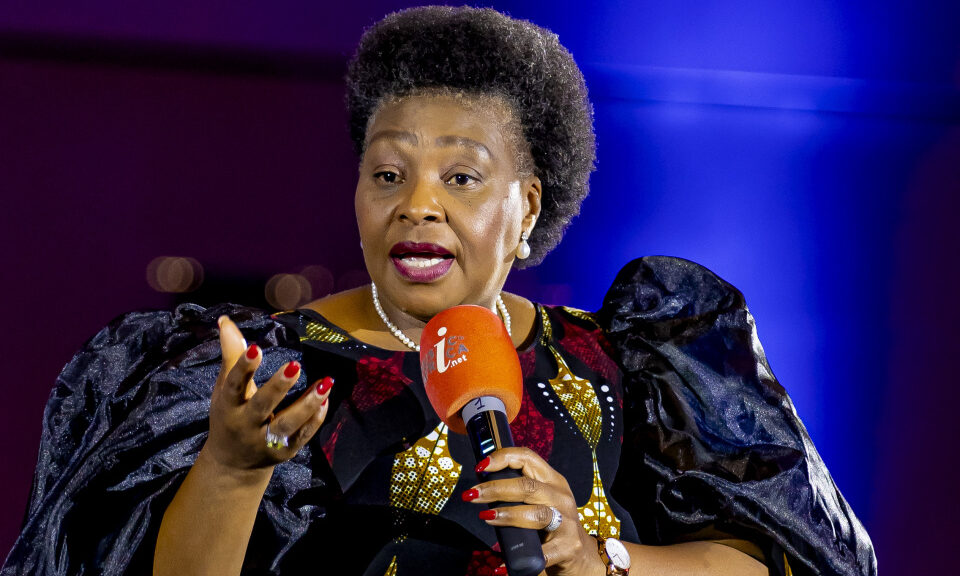
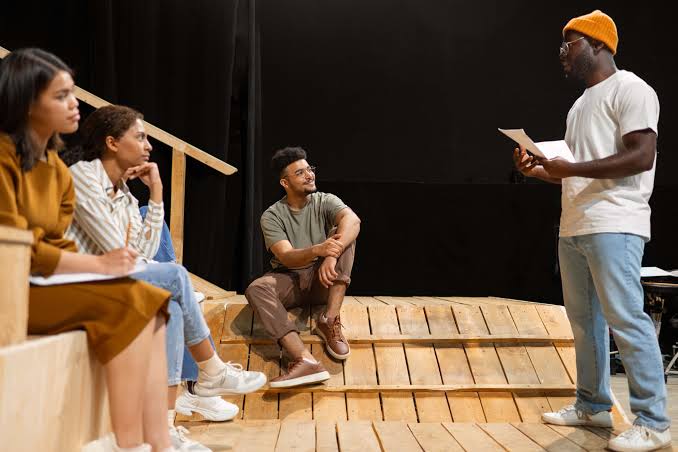
The Music In Africa Foundation (MIAF) is proud to announce its partnership with the Industrial Development Corporation (IDC) as a Strategic Implementing Partner (SIP) for its Social Employment Fund (SEF). Through this collaboration, MIAF is launching a new national programme designed to create jobs, address skills gaps, and strengthen South Africa’s creative industries — in line with the SEF’s overarching goal to generate work for the common good and build community value through employment, social contribution, and inclusive economic participation. Operating under the banner NEFCISA (National Employment Facility for Creative Industries in South Africa), the initiative will recruit and train participants, match them with host organisations, and place a minimum of 1 000 workers across the country. Key Objectives: Support employment and entrepreneurship in the creative industries. Offer skills development and training programmes. Foster partnerships between public and private creative sectors. Promote South African creativity at both provincial and national levels Foster community development through social contribution.

ACCES
ACCES

Chaque année, nous fournissons des informations générales afin de guider les participants dans la préparation de leur voyage. En plus de ce site, des mises à jour importantes seront envoyées par e-mail à tous les délégués inscrits. Assurez-vous de vous inscrire dès que possible. Pour plus d'informations, veuillez contacter [email protected] Continuez à consulter cette page pour plus d'information.  

Gender@Work
Gender@Work

Music In Africa Gender @ Work is a three-year training programme aimed at upskilling and increasing the participation of female professionals in the African music sector. Launched by the Music In Africa Foundation (MIAF) in April 2019, the programme is connected to the MIAF’s ACCES music conference – a pan-African event held in a different African country every year. This connection enables the programme to reach new participants in a different African country every year. The programme marks the beginning of a more concerted effort by the Foundation to support the participation and inclusion of women in all facets of its programmes and the music sector in Africa as a whole. Over the three years, the programme will aim to address gender imbalances in the sector through training, lobbying, facilitating knowledge exchange and dialogues that foster the interest of women. The broader objectives of the programme are to: Provide industry training for women on critical music industry skills, focusing on: Stage management Electronic music production and recording Music business management Technical knowledge Provide an opportunity for both professional and aspiring women to benefit from the Music In Africa network and its broad range of activities in 2019, 2020 and 2021. Provide a solution-based platform in the form of a round table at ACCES with a view to identify challenges, discuss opportunities and lobby for the interests of female practitioners. Offer participants the opportunity to benefit from programmes offered by MIAF’s partners. Increase access to educational materials. Integrate participants in the broader ACCES programme to maximise experience and exposure to the industry. Record and present training materials on the www.musicinafrica.net, including but not limited to tutorials, templates and other best-practice materials. Communicate women-based themes that support the initiatives and messages of the programme. MAIN TRAINING ACTIVITIES Training in first country (Ghana): In the first year, participants will be trained on all aspects of stage management by a team of experienced stage managers from 10 to 17 November 2019. The programme will offer robust classroom training as well as practical, hands-on training in which participants will also be given the opportunity to manage various aspects of the ACCES performance programme. Training in second country: The second training iteration will take place at ACCES 2020 when the programme will diversify its course to include music production lessons and training on other music business topics. A round-table platform will also be introduced to coincide with the ACCES programme. Training in third country: The third training iteration will take place at ACCES 2021 in a different country, offering an advanced course. HOW DO YOU GET INVOLVED?  As a participant, facilitator or trainer: The programme enrolls up to 12 trainees every year. All opportunities are advertised publicly on this website, and will be added to this page. Please keep checking this page for new calls (below under UPDATES & CURRENT OPPORTUNITIES). As a partner Please contact Claire Metais at [email protected]. APPLY The call for applications for 2020 will be announced soon. The Music In Africa Gender @ Work programme is made possible with the support of the Prince Claus Fund, Siemens Stiftung and Goethe-Institut.

Sound Connects Fund
Sound Connects Fund

Pour les praticiens et les organisations culturels et créatifs opérant en Afrique australe, l’accès au financement reste un défi majeur. La pandémie de COVID-19 a également eu un impact massif sur les politiques gouvernementales, les dépenses et l’économie en général, et a vu les dépenses consacrées à la culture reléguées plus bas dans la liste des priorités. De plus, les industries culturelles et créatives citent régulièrement quatre domaines principaux où l’investissement est nécessaire pour la croissance : une visibilité accrue, la mobilité incluant l’accès à de nouveaux marchés, le financement et les structures de soutien.

Music In Africa Live

MUSIC IN AFRICA LIVE Lancé en 2020 pour une durée de 3 ans, Music In Africa Live est une initiative visant à soutenir l'écosystème de la musique africaine face aux contraintes imposées par la pandémie de COVID-19 ; le projet a été lancé par la Fondation Music In Africa (MIAF) en partenariat avec le ministère fédéral allemand des Affaires étrangères, Siemens Stiftung et le Goethe Institut. Plus de 30 aides sont disponibles dans le cadre de la troisième édition de Music In Africa Live, dans 3 catégories :  showcases, renforcement des compétences et plaidoyer, en conformité avec les modalités énoncées.

Instrument Building And Repair Project

The overarching objective of Music In Africa Foundation’s Instrument Building and Repair (IBR) project is to encourage the formalisation and professionalisation of instrument-making and repair in Africa, especially in relation to indigenous African instruments. Background In 2014, the Music In Africa Foundation (MIAF) identified as one of its focus areas for development the need to encourage young people from music and music-related sectors to consider instrument-making as a career. This need extended itself from the recognition that the making of traditional African instruments is not a widely practiced skill and seems to be limited to the older generation. Traditional African instrument makers are also few and far between, making communication and logistics between teachers and learners an obstacle. When instrument building workshops take place, budgetary constraints do not allow teachers or learners the time to explore the finer details of an instrument. Based on these observations, the MIAF designed and piloted the first IBR workshop at the Dhow Countries Music Academy (DCMA) in Zanzibar in February 2015. In 2016, the foundation received funding from the South African National Lotteries Commission to implement a much bigger version of the project in Johannesburg. The project drew participants from five African countries. 25 students from South Africa, Ghana, Senegal, Kenya and Ethiopia were trained on how to build and repair musical instruments. The instruments that they made were: Traditional Instruments: Umakhweyana and Marimba Conventional Instrument: Dulcimer guitar The workshop culminated in a traditional instruments concert at the Wits Theatre in Johannesburg. It is the MIAF’s aim to roll out similar workshops in as many African countries as possible over the next few years. Objectives Developing awareness of musical instrument makers in Africa with a view to promote their work to a wider global audience. Facilitating the sharing and transfer of skills in indigenous instruments between countries on the continent. Encouraging the formalisation and professionalisation of instrument-making and repair in Africa, especially in relation to indigenous instruments. Helping instrument makers develop their careers. Fostering the rapid monetisation and sustainable development of instrument-making and repair in Africa. Promoting constant exchange of ideas, expertise, experiences and know-how among instrument makers in Africa. Facilitating the identification of existing gaps in the field with a view to contribute new solutions. Facilitating the transfer of knowledge and skills of indigenous instruments between younger and older generations. 2020 edition The MIAF has also announced that multi-instrumentalist and instrument maker Joe Makhanza will facilitate one of the workshops on the building of the kamale ngoni instrument. Kamale ngoni is a kora-like, stringed instrument that originated in West Africa. The instrument contributed to the rise of Wassoulou music in the 1970s and 1990s. Makhanza was born in Giyani in South Africa's Limpopo province. He completed a bachelor of music degree and a post-graduate diploma in arts marketing from Wits University. He is currently completing his masters in ethnomusicology and is a part-time lecturer in African music studies at Rhodes University. He plays the kora, mbira, valiha, masenqo, xiwewe, ngoni ba and xizambi, among others. He also manufactures the aforementioned instruments. The MIAF will confirm more trainers who will join the workshops as well as the other instruments that will be featured in the 2020 IBR programme.  Apply to participate here. Connect with us on Twitter, Instagram and Facebook, and subscribe to our monthly newsletter. The Music In Africa Instrument Building and Repair project is funded by the National Lotteries Commission. It is implemented in partnership with Siemens Stiftung, Goethe-Institut, Wits Theatre and Kaya FM.

Killa Ace

Killa Ace

Networks, Solo artists
linkedin
flag-img

Serekunda, Gambia

En service depuis :

2003

Personne de contact:

Killa Ace

Contact :

+2202000774

BIO

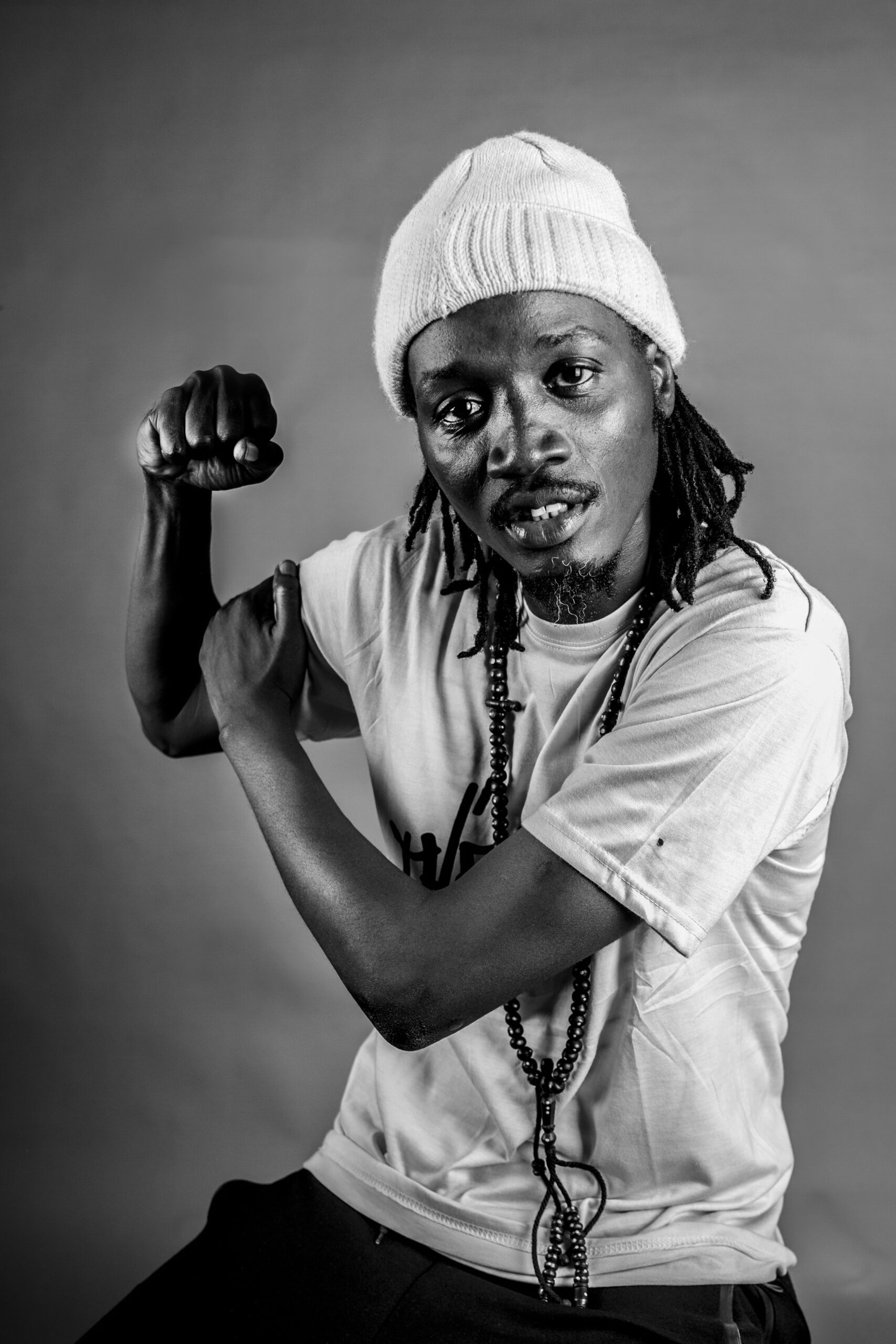
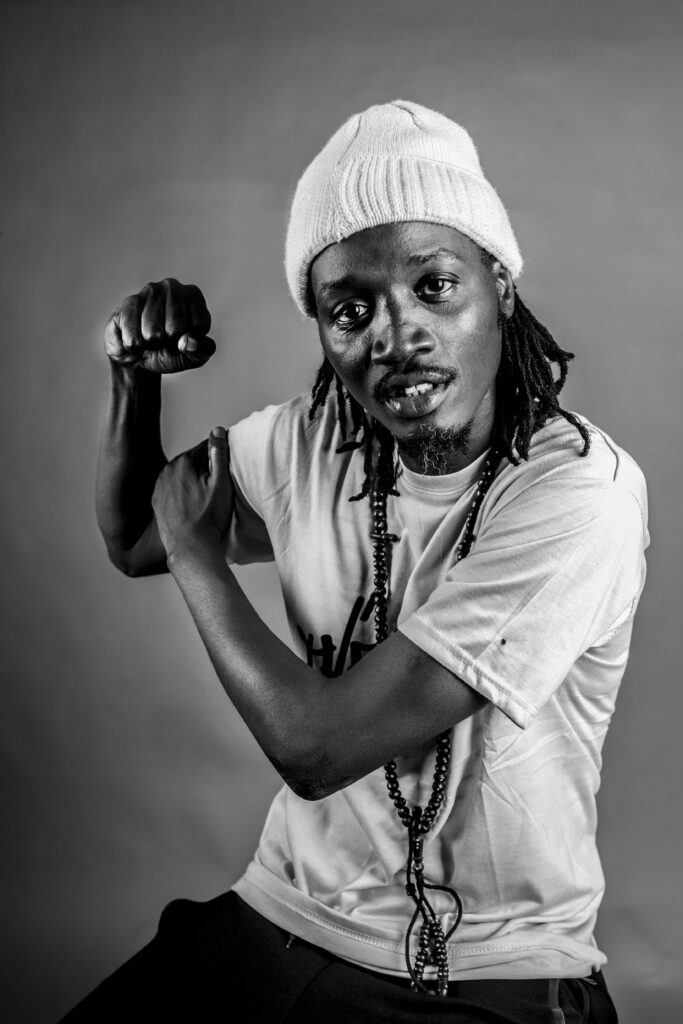
Ali “Killa Ace” Cham is an internationally recognised Gambian hip hop artist and activist that used his music to advocate for human rights, justice and democratic change in his country. Killa Ace returned home from Senegal in 2017 after spending almost two years in exile and continues to play an active role in the advancement of the Gambia’s democratic space and the empowerment of Gambian youth. He is the President of the youth led civil society organisation Team Gom Sa Bopa which translates into “Believe inYourself” and also the Secretary General of the Gambia Music Union.
Killa Ace worked at Afri-Radio as a presenter on the weekly show- “The Cypher” that showcased talented youth from around the world, and provided a positive outlet for youth in our communities from disadvantaged backgrounds to display their rap talents.
Killa Ace’s most popular song “Ku Boka Chi GettaGi” which is Wollof for “Part of the Herd” was the anthem which motivated the Gambia to rise up against the wave of corruption, torture, killings, enforced disappearances and extra-judicial killing under the regime of former President Yahya Jammeh in a democratic manner. The song released in June 2015 forced Killa Ace to flee into exile after receiving death threats from the National Intelligence Agency, however, it changed the culture of silence that shackled Gambian artists and the general population.
This did not stop Killa Ace from continuing his advocacy from abroad. At this stage the Cypher Platform had already been launched in 2012 and had propelled a number of Gambian artists to stardom. Even though he was in exile the Cypher still continued to unearth hidden talents, mentor and support them to become responsible artists contributing towards their local communities.

In Senegal, Killa Ace’s music and talent shone even brighter where he built up a network with Senegal’s vibrant civil society organisations such as Article 19, Yen A Marre, Trust Africa, Amnesty International, RADHHO and OSIWA to name a few. This enhanced Killa Ace’s capacity and international exposure which he used to network with the Gambian Diaspora. Together he participated in a conference in 2016 which galvanised Gambian Political stakeholders to engage in meaningful dialogue with the aim of ending the brutal dictatorship in the Gambia.
Killa Ace continued to collaborate with numerous Senegalese artists to advocate for social change, justice and democracy in the Gambia. In fact, after the democratic change in the Gambia in December 2016, Gambian and Senegalese youth held a series of cross border engagements under the “Mboka” initiative which stands for Family in Wollof. In what was a first, Gambian and Senegalese youth and Government stakeholders discussed the implementation of the ECOWAS Protocol, cross border mobility and trade. Dialogue was held in the Gambia and Senegal and this project could be expanded further with the right support. The project occurred from 2017 to 2019 after Killa Ace returned to the Gambia.

As the President of Team Gom Sa Bopa Movemt, which translates to “Believe in yourself” in the local Wollof language. Team Gom Sa Bopa (TGSB) is a youth led movement dedicated to raising awareness among young people through Art and arousing their interest in the development of The Gambia. GOM Sa BOPA engage artists to play a role in social life, civic education and to be watchdogs of the management of the country by the leaders and all those in charge of the advancements of the country.
Killa Ace has led a number of initiatives. At least one of the initiatives is organised almost single headedly highlighting the need for more support to enhance his impact. After his return from exile and being incarcerated in the notorious Mile 2 Prison for standing up against Police brutality in 2019, Killa Ace started The Uplift Project a Prison Reform initiative which has seen him conduct two donation drives to Gambian Prisoners and Prison Wardens. The initiative aims to keep Gambian inmates out of prison and build their capacity to avoid criminal activities upon their release. Discussions have commenced with the Director of Prisons to initiate a Prison Reforms Program and a third donation will be conducted before the end of 2022.
Team Gom Sa Bopa’s flagship initiative is The Cypher which features a series of free open mic shows all year long and a Hip Hop Battle Competition where rappers progress to three finalists on the last show. The Cypher 2022 Rap Battle Competition has awarded three finalists a total of D100,000 and additional incentives such astravelling to participate in international events under the Urban Platform. The 2014 Cypher Champion travelled to Dakar to perform in the Festa 2H International Hip Hop Festival. This is one of the biggest hip hop festivals in Africa. Two other Gambian female artists in Awa Bling and Binzywere also nominated to perform in front of an international audience at the 2020 Festa 2 H Hip Hop Festival. In addition to this the 2022 Cypher Champions will be supported with album and song production as well as music video.
Also, in 2022 Team Gom Sa Bopa collaborated with Selam to establish The Pan African Network For Artistic Freedom (PANAF Gambia Chapter which promotes Artistic Freedom in Africa. The network currently consists of eight African countries including Nigeria, Uganda, Ethiopia, Kenya and much more. This project looks at both the legal framework of Artistic Freedom in network countries which is being propelled by a research study in each country and advocating for a legislative reform promoting artistic freedom. After launching in The Gambia in June 2022, the is undergoing a research study with all stakeholders, this is replicated in other countries to inform the direction the project should take.
Killa Ace’s international recognition sees him perform his music across the continent. As far back as he performed at the Festa 2H International Hip Hop Festival in Dakar Senegal representing The Gambia for four years in a row from 2013 to 2017.
Killa Ace also performed and was part of a panel session at the African Union Combat Corruption Summit in Tanzania. The following year her performed in the Salam A Leikum Festival. International Hip Hop Festival in Mauritania. For this invitation he was selected to represent the Gambia.
In 2018 Killa Ace returned to Senegal to perform at the UPEC International Festival and meet with the network in 2020. The UPEC Network continues to collaborate in cross border activities. Also, in 2018 Killa Ace participated at the Ninth Global Assembly of the World Movement for Democracy held in Dakar under the theme, “Building Strategic Partnerships for Democratic Renewal.”
In 2022 Killa Ace travelled to Zanzibar to meet up with partners from other African countries to develop the PANAF project concept which is currently being implemented in the Gambia.
Killa Ace first started his musical career with the La Costra Nostra – Vol 1 Compilation and this was followed by a duo album with European Rapper Barz called Nod Your Brainbox. More albums and collaborations continued with the release of the Lyrical Assassination Mixtape andthe critically acclaimed Another Critical Experiment ACE Album saw Killa Ace on his prime.
He went completely viral and shot to stardom after launching Ku Boka Chi Getta Gi followed by the JangjangBurreh Bars Mixtape released on SoundCloud while in exile and the Lyrical Revolution Double Album. More recently Killa Ace has collaborated with other African Artists to release the Music as A Messenger for Democracy Album. The album features KeurGui Crew-Thiat and Kilifeu (Senegal) Moonaya (Senegal/Benin) Awa Bling (The Gambia) Killa Ace (The Gambia) Ami Yerewolo (Mali) Master Soumy (Mali) Cill Soul (Nigeria) Elom20ce (Togo).His next project his the Kilamanjaro album.
Killa Ace first shot to international prominence when he released the bring back our girls song which was featured on BBC and Radio Canada International. Since then, he was featured on Al Jazeera after he was forced into exile to Senegal. He continues to feature in international and local media outlets from his music and advocacy work.
More recently Killa Ace is the Gambia’s resident rapper for German International Media outlet Deutsche Welle (DW) and regularly appears on the 77 Percent Rap Up. So far, he has done seven episodes with them on topics like corruption, youth participation in politics, peaceful demonstration in Africa and much more. Here is a link to one of the episodes on DW

Photos

Aucune photo disponible

Musique

No tracks available

--:--

Vidéos

Bientôt disponible

Réseaux sociaux et sites web

Disclaimer: Music In Africa provides a platform for musicians and contributors to embed music and videos solely for promotional purposes. If any track or video embedded on this platform violates any copyrights please inform us immediately and we will take it down. Please read our Terms of Use for more.

newsletter banner

Abonnez-vous à notre newsletter

Retrouvez-nous sur les réseaux sociaux