



























































Technological advancements in the past 20 years or so have greatly altered the way we consume music. The Internet, probably the single most important invention of the 20th century, has been responsible for drastically changing how we listen to music. But despite its proclivity to simplify millions of tasks for everyday users, the Internet has been a double-edged sword for creators: on the one hand it has given them a medium through which they can promote and broadcast their works and brands to the entire world and on the other it has made piracy essentially impossible to control, with millions of people demanding free media (music, film, news, literature, etc.) at their fingertips.

According to the International Federation of the Phonographic Industry's (IFPI's) Music Consumer Insight Report 2018, 38% of music consumers in 18 of the world's leading markets obtain music through copyright infringement, with 32% of all consumers downloading music through stream ripping. That's when you use an easily obtainable browser plugin to download music to your computer off sites like Spotify, YouTube, SoundCloud and Bandcamp. IFPI's 38% estimate is believed to be much higher in Africa, where legislation is either ineffectively implemented or simply non-existent. If piracy hurts creators in leading music markets where regulatory frameworks are implemented and consistently reworked, then African artists have little to be optimistic about.
“Artists used to make money out of selling physical records and could easily go platinum," Kenyan musician Kato Change tells Music In Africa. "Today, people don’t buy albums anymore because it’s so easy to find free music online. I cannot speak for the other artists but I know in Kenya releasing a CD is more like a business card than an avenue for making money. This is because the bodies that collect royalties have not been so reliable.”
In 2015, Kato Change released ‘Abiro’ featuring Afro-fusion singer Winyo. The song is one of the most remixed tracks in the East African country but the jazz guitarist is yet to receive royalties as its primary songwriter.
“Since 2016 the song has been remixed many times and uploaded on many sites including SoundCloud and YouTube. I managed to send emails and requests for takedown but not all of them cooperated. I was able to sign an agreement with a few but it takes time before you can earn royalties, especially from sites such as YouTube."
Kato Change says he will continue fighting for what is rightfully his, although pursuing royalties in some countries outside Kenya is largely a lost cause. “Sometimes you find that someone in Russia has remixed your song,” he says about a country where 66% of users think it's perfectly fine to consume pirated content, according to a 2017 Irdeto report. "Then things are not so easy."
Back home, Kato Change says industry regulator the Kenya Copyright Board (KECOBO) should instate more effective measures to stem online piracy. But in March 2018, KECOBO boss Edward Sigei told Music In Africa that the industry regulator’s efforts to counter online piracy had proven difficult due to limited funding made available by the Kenyan government.
“The whole world is struggling with online intellectual property theft," Sigei said. "You cannot completely get rid of it but you can reduce it. And to do that you need resources, which we currently do not have."
KECOBO has been lobbying for the enactment of the Copyright Amendment Bill 2017, which contains new provisions that if implemented could reduce piracy in Kenya. The bill is currently before the Senate for consideration. If approved, the National Assembly will submit the bill to President Uhuru Kenyatta for singing into law.
Kenyan arts lawyer Robert Asewe says that once the bill is gazetted, it will bring sweeping changes to the industry. “It will smoothen and speed up the fight against online piracy and copyright infringement,” he said. “The bill gives the government, in collaboration with Internet service providers [ISPs] and KECOBO, the ability to take down online sites that are illegally promoting copyrighted materials without necessarily going to court.”
Asewe says the bill also gives the government more powers to regulate and control collective management organisations (CMOs). The Kenyan CMO space has been a bone of contention for some time, with a number of organisations fighting over KECOBO licences for a piece of the royalties harvest.
But copyright lawyer Richard Sereti believes that signing the bill into law will be insufficient in the fight against online piracy. His solution? That content creators equip themselves with the latest technology that can keep pirates at bay.
"Services like AudioLock and Muso can help you scan the Internet to discover whether your work has been distributed for free," Sereti said. "Creating awareness on copyrights, infringements and piracy is a priority in nurturing and protecting the industry. A key priority for the regulator [KECOBO] should be to promote and provide training on copyright and related rights."
Sereti also encourages the general public to look after creators by using legal websites. “If we choose to visit such sites, it will be unfair because it’s already difficult for most artists in Kenya to make a living through performing at events. The ISPs should also desist from allowing its subscribers to use their networks to illegally acquire copyrighted works,” Sereti said.


Most popular

Top amapiano songs of 2026
16 Feb 2026

Top Naija songs of 2026
31 Mar 2026

Call for applications: ACCES 2026 Emerging Artist Spotlight Competition
01 Oct 2026

Top Afrobeats songs of 2026
19 Mar 2026

AFRIMA 2026: All the winners
12 Jan 2026
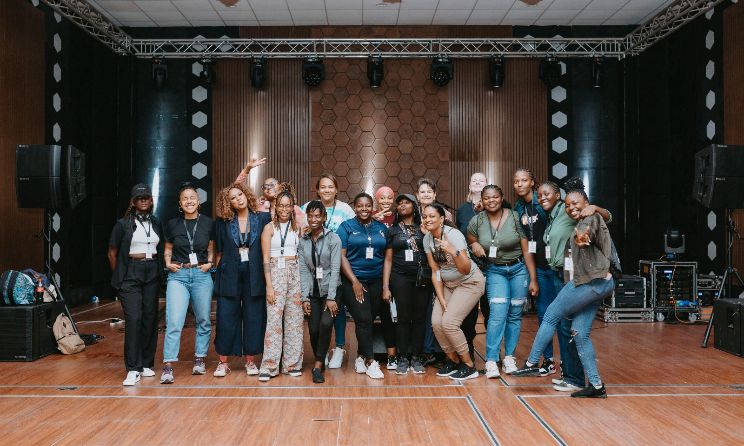
Open call: 2026 Gender@Work music industry training in Johannesburg
03 Oct 2026
Disclaimer: Music In Africa provides a platform for musicians and contributors to embed music and videos solely for promotional purposes. If any track or video embedded on this platform violates any copyrights please inform us immediately and we will take it down. Please read our Terms of Use for more.

Subscribe to our monthly Newsletter
Follow us on social media


Please log in to post a comment.