


































NEFCISA
NEFCISA

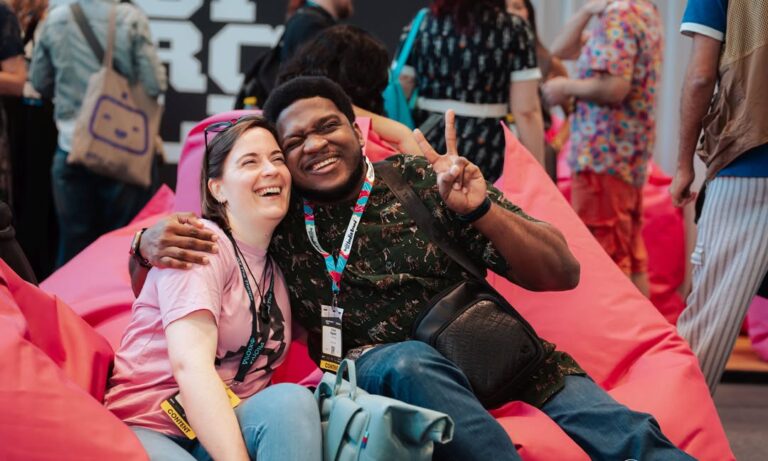
The Music In Africa Foundation (MIAF) is proud of its partnership with the Industrial Development Corporation (IDC) as a Strategic Implementing Partner (SIP) for its Social Employment Fund (SEF). Through this collaboration, MIAF is running a national programme that is creating jobs, addressing skills gaps, and strengthening South Africa's creative industries — in line with the SEF's overarching goal to generate work for the common good and build community value through employment, social contribution, and inclusive economic participation. Operating under the banner NEFCISA (National Employment Facility for Creative Industries in South Africa), the initiative is recruiting and training participants, matching them with host organisations, and has already placed 1 500 workers across the country — surpassing its original target of 1 000. NEFCISA is delivered through a network of 20 host organisations spanning five provinces, who are actively hosting participants and contributing to work for the common good across South Africa's creative and cultural industries. Key Objectives: Support employment and entrepreneurship in the creative industries. Offer skills development and training programmes. Foster partnerships between public and private creative sectors. Promote South African creativity at both provincial and national levels Foster community development through social contribution.

ACCES
ACCES

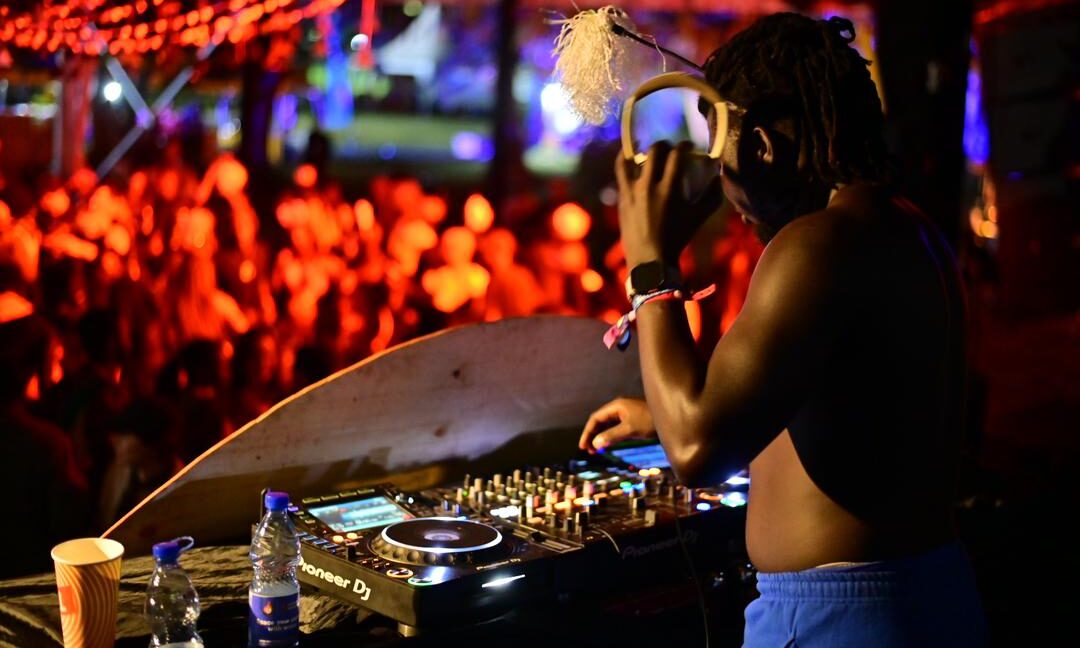
ACCES Conference and Showcase Festival is Africa's leading music industry gathering, bringing together the people shaping the future of the continent's music business. Artists, entrepreneurs, executives, investors, policymakers and cultural leaders from across Africa and around the world come to ACCES to build partnerships, exchange ideas, discover talent and create new business opportunities. Since its launch in 2017, ACCES has become the continent's premier platform for professional exchange and music market development. Combining a high-level conference with a curated showcase festival, networking, exhibitions and industry programmes, ACCES offers a unique space where creativity meets business and where African music connects with the global industry.

Gender@Work
Gender@Work

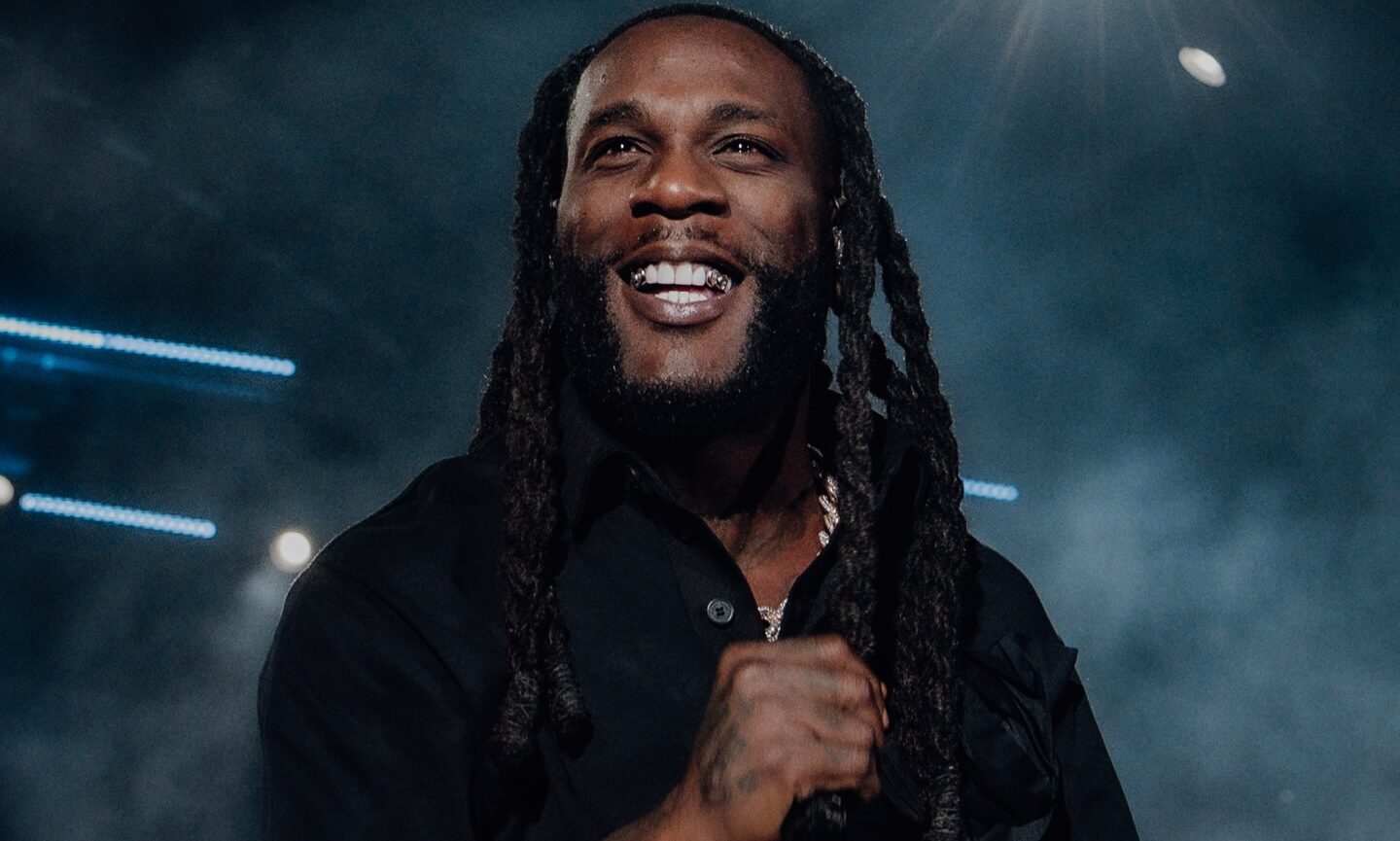
Music In Africa Gender @ Work is a three-year training programme aimed at upskilling and increasing the participation of female professionals in the African music sector. Launched by the Music In Africa Foundation (MIAF) in April 2019, the programme is connected to the MIAF’s ACCES music conference – a pan-African event held in a different African country every year. This connection enables the programme to reach new participants in a different African country every year. The programme marks the beginning of a more concerted effort by the Foundation to support the participation and inclusion of women in all facets of its programmes and the music sector in Africa as a whole. Over the three years, the programme will aim to address gender imbalances in the sector through training, lobbying, facilitating knowledge exchange and dialogues that foster the interest of women. The broader objectives of the programme are to: Provide industry training for women on critical music industry skills, focusing on: Stage management Electronic music production and recording Music business management Technical knowledge Provide an opportunity for both professional and aspiring women to benefit from the Music In Africa network and its broad range of activities in 2019, 2020 and 2021. Provide a solution-based platform in the form of a round table at ACCES with a view to identify challenges, discuss opportunities and lobby for the interests of female practitioners. Offer participants the opportunity to benefit from programmes offered by MIAF’s partners. Increase access to educational materials. Integrate participants in the broader ACCES programme to maximise experience and exposure to the industry. Record and present training materials on the www.musicinafrica.net, including but not limited to tutorials, templates and other best-practice materials. Communicate women-based themes that support the initiatives and messages of the programme. MAIN TRAINING ACTIVITIES Training in first country (Ghana): In the first year, participants will be trained on all aspects of stage management by a team of experienced stage managers from 10 to 17 November 2019. The programme will offer robust classroom training as well as practical, hands-on training in which participants will also be given the opportunity to manage various aspects of the ACCES performance programme. Training in second country: The second training iteration will take place at ACCES 2020 when the programme will diversify its course to include music production lessons and training on other music business topics. A round-table platform will also be introduced to coincide with the ACCES programme. Training in third country: The third training iteration will take place at ACCES 2021 in a different country, offering an advanced course. HOW DO YOU GET INVOLVED?  As a participant, facilitator or trainer: The programme enrolls up to 12 trainees every year. All opportunities are advertised publicly on this website, and will be added to this page. Please keep checking this page for new calls (below under UPDATES & CURRENT OPPORTUNITIES). As a partner Please contact Claire Metais at [email protected]. APPLY The call for applications for 2020 will be announced soon. The Music In Africa Gender @ Work programme is made possible with the support of the Prince Claus Fund, Siemens Stiftung and Goethe-Institut.

Sound Connects Fund
Sound Connects Fund

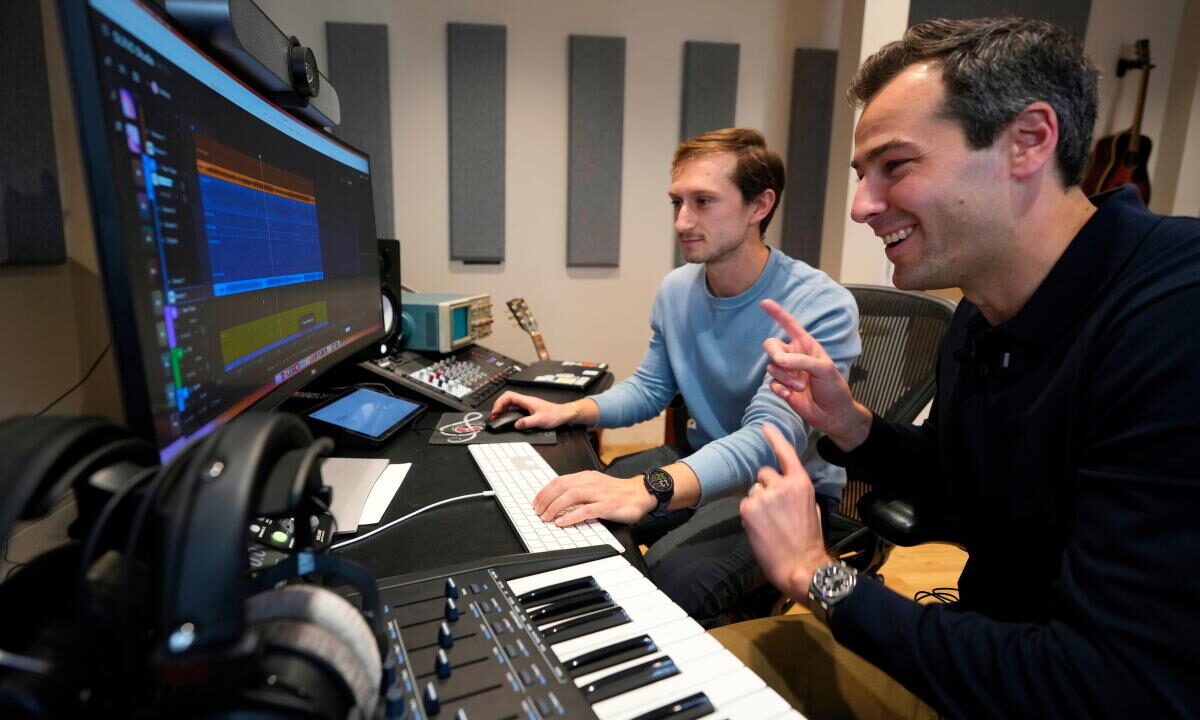
For cultural and creative practitioners and organisations operating in southern Africa, access to funding remains a major challenge. The COVID-19 pandemic has also had a massive impact on government policy, spending and the economy in general, and has seen spending on culture being moved further down the list of priorities. Further, the cultural and creative industries repeatedly cite four main areas where investment is needed for growth, which are increased visibility, mobility including access to new markets, finance and support structures.

Instrument Building And Repair Project

Experience the Vibrations African Instruments Exhibition online in 3D

Reviews

Review: Shall We Begin to celebrate Laycon?

30 Apr 2021 - 17:56

cc-img flag-img

The artist known as Laycon has reached a popularity his previous incarnation as a skinny guy named Olamilekan Moshood Agbeleshe couldn’t have imagined any time before last year. But courtesy of the fifth season of the reality TV show Big Brother Nigeria, and later, social media, the man has become so popular he caused a ruckus one afternoon in the otherwise perennially business-focused Computer Village in Lagos, Nigeria.

Laycon.

I saw that scene myself and was intrigued enough to capture a blurry version of the event. And I am not one of the millions of viewers who have tuned in day after day to watch the hugely popular show. But such is the nature of these things that however reluctant you are, some aspect of its huge wave is bound to get you. Inevitably, I followed the friendship-turned-beef between Laycon and his nemesis Erica Nlewedim on social media, where almost daily something related to the show turned up. As their beef made them even more famous only, I started to wonder how it happened. Allow me to provide a short version of my conclusion.

The beef’s eventual storyline was such that anybody could project their own identities on either person. Laycon was male, from a low-income class, quiet, non-posh, and not exactly great looking. Erica was female, strikingly beautiful, assertive, relatively posh, and obviously from a (higher income) class. She was also recognised by some as an actress; Laycon was an obscure rapper. Whatever adjective you identified as or aspired to be, one of them surely embodied it.

That clarity of identity helped them recruit even more fans and when they emerged as incredibly popular following the show, it served their marketability to companies looking to push their brand narratives by association. Since the show ended in October, they have both monetised their fame impressively. It seems certain that they will not be broke anytime soon.

Given the wealth that Laycon has now acquired – he won the show and received cash and other prizes worth around $200 000 – one might wonder why he has bothered to put out an album in a perilous time for any musician who wasn’t already a big popstar or getting there before now. With what he has earned, he can embark on a more lucrative business.

Well, there is, of course, the small thing of a young man’s dream. But I think there is another reason: he knows he can’t fail. He may not have become big exclusively through music, but Laycon is currently too big to fail. If he yawned, not only would he get people streaming it, Laycon would get a star or two to drop a verse on it.

Lured by the same thing that has attracted well-known brands, artists, including noted producers and performers, want to work with him. In effect: before release, Laycon’s album already has some of Nigeria’s talented artists including Joeboy, Teni, and the producer Major Bangz involved; post-release, there already is a massively engaged fanbase, cultivated heavily on social media, waiting to consume whatever gets released. Laycon can’t lose. And he can’t lose especially in the streaming era, where the transition from Twitter or Instagram fan to music consumer is a click or two away. You don’t have to leave your toilet seat as you needed to in the CD era. You don’t even have to pay.

So to address the question of quality, I have to resort to a question that is a bit like science fiction these days: Would Shall We Begin have succeeded in the pre-streaming era after its initial publicity push? I think it would have but nowhere near the scale it seems likely to achieve now. Although Laycon’s delivery often sounds amateurish, the production value of Shall We Begin is quite high. The lush danceable melodies, for example on ‘Kele’ with Joeboy, ‘Want You Back’ with Teni and ‘All Over Me’, were always going to find fans. And there is something about the songs on Shall We Begin that suggests they are ideal for performances that would see the audience shouting lyrics back at the performer (ahem, post-COVID). It seems assured that even if this isn’t an album that belongs to the first rank of albums by Nigerian rappers, with an equivalent level of marketing, Shall We Begin would have achieved moderate success at an earlier point in music history.

The one low-point of the album is ‘Bam Bam’. The song, which sounds like it was created just so Laycon can say he, like his rap ancestors, has a braggadocio sex song, has a chance of finding success among teenage boys but its lyrics will be a hard-sell to any other demographic. A better song, indeed, one of the album’s highlights is ‘My Lane’, which will remind his fans of the seeming humble contestant who won their votes on the reality show from last year.

“They say I’m just a bushboy who knows how to rap,” he says on the song. Well, that bushboy has made it. Shall we begin to celebrate him? If you are just asking that, you are late. The celebration has started without you.

Artist: Laycon
Album: Shall We Begin
Year: 2021
Label: Fierce Nation Entertainment

Please log in to post a comment.

Most popular

Disclaimer: Music In Africa provides a platform for musicians and contributors to embed music and videos solely for promotional purposes. If any track or video embedded on this platform violates any copyrights please inform us immediately and we will take it down. Please read our Terms of Use for more.

newsletter banner

Subscribe to our monthly Newsletter

Follow us on social media