






































NEFCISA
NEFCISA

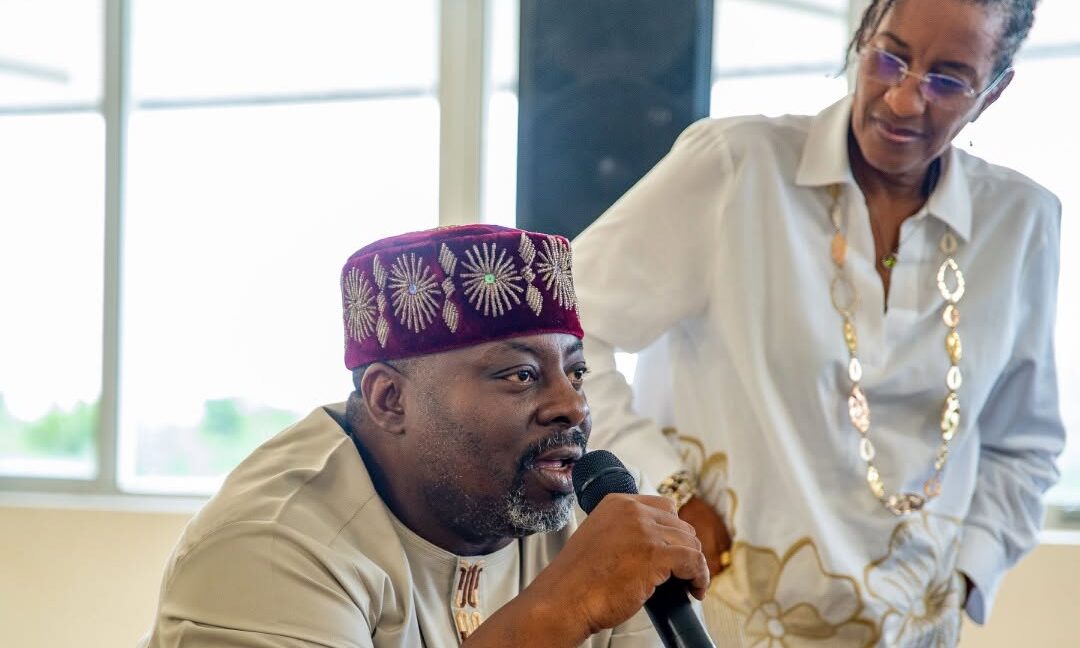
The Music In Africa Foundation (MIAF) is proud of its partnership with the Industrial Development Corporation (IDC) as a Strategic Implementing Partner (SIP) for its Social Employment Fund (SEF). Through this collaboration, MIAF is running a national programme that is creating jobs, addressing skills gaps, and strengthening South Africa's creative industries — in line with the SEF's overarching goal to generate work for the common good and build community value through employment, social contribution, and inclusive economic participation. Operating under the banner NEFCISA (National Employment Facility for Creative Industries in South Africa), the initiative is recruiting and training participants, matching them with host organisations, and has already placed 1 500 workers across the country — surpassing its original target of 1 000. NEFCISA is delivered through a network of 20 host organisations spanning five provinces, who are actively hosting participants and contributing to work for the common good across South Africa's creative and cultural industries. Key Objectives: Support employment and entrepreneurship in the creative industries. Offer skills development and training programmes. Foster partnerships between public and private creative sectors. Promote South African creativity at both provincial and national levels Foster community development through social contribution.

ACCES
ACCES

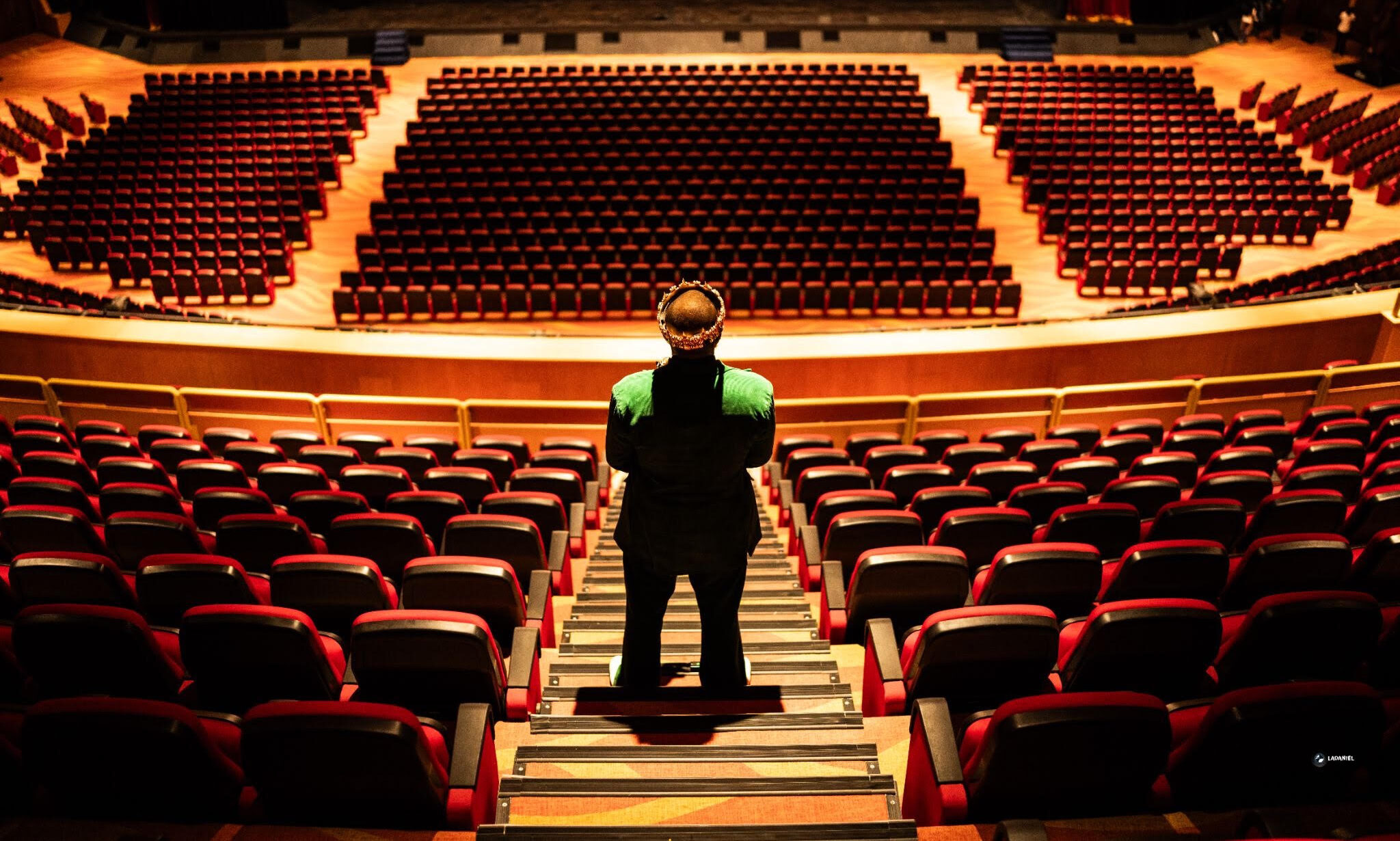
ACCES Conference and Showcase Festival is Africa's leading music industry gathering, bringing together the people shaping the future of the continent's music business. Artists, entrepreneurs, executives, investors, policymakers and cultural leaders from across Africa and around the world come to ACCES to build partnerships, exchange ideas, discover talent and create new business opportunities. Since its launch in 2017, ACCES has become the continent's premier platform for professional exchange and music market development. Combining a high-level conference with a curated showcase festival, networking, exhibitions and industry programmes, ACCES offers a unique space where creativity meets business and where African music connects with the global industry.

Gender@Work
Gender@Work

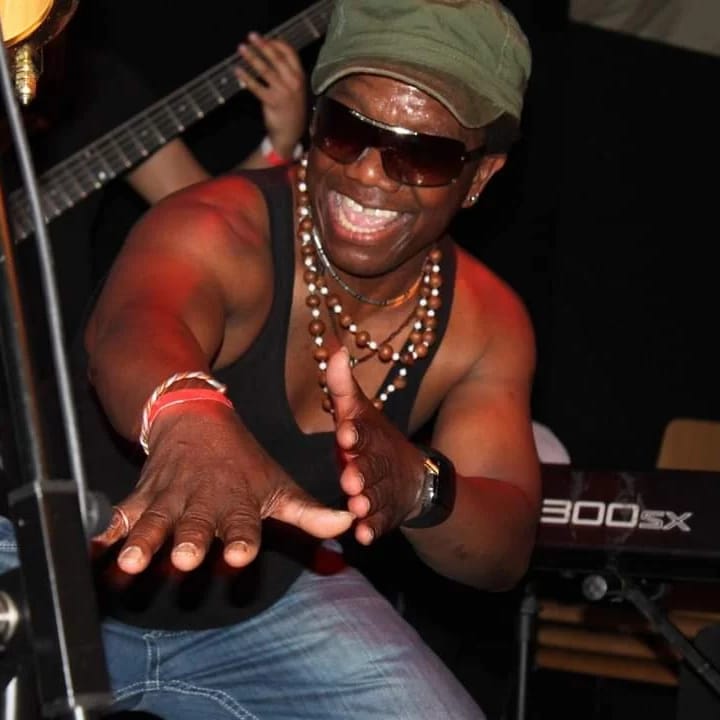
Music In Africa Gender @ Work is a three-year training programme aimed at upskilling and increasing the participation of female professionals in the African music sector. Launched by the Music In Africa Foundation (MIAF) in April 2019, the programme is connected to the MIAF’s ACCES music conference – a pan-African event held in a different African country every year. This connection enables the programme to reach new participants in a different African country every year. The programme marks the beginning of a more concerted effort by the Foundation to support the participation and inclusion of women in all facets of its programmes and the music sector in Africa as a whole. Over the three years, the programme will aim to address gender imbalances in the sector through training, lobbying, facilitating knowledge exchange and dialogues that foster the interest of women. The broader objectives of the programme are to: Provide industry training for women on critical music industry skills, focusing on: Stage management Electronic music production and recording Music business management Technical knowledge Provide an opportunity for both professional and aspiring women to benefit from the Music In Africa network and its broad range of activities in 2019, 2020 and 2021. Provide a solution-based platform in the form of a round table at ACCES with a view to identify challenges, discuss opportunities and lobby for the interests of female practitioners. Offer participants the opportunity to benefit from programmes offered by MIAF’s partners. Increase access to educational materials. Integrate participants in the broader ACCES programme to maximise experience and exposure to the industry. Record and present training materials on the www.musicinafrica.net, including but not limited to tutorials, templates and other best-practice materials. Communicate women-based themes that support the initiatives and messages of the programme. MAIN TRAINING ACTIVITIES Training in first country (Ghana): In the first year, participants will be trained on all aspects of stage management by a team of experienced stage managers from 10 to 17 November 2019. The programme will offer robust classroom training as well as practical, hands-on training in which participants will also be given the opportunity to manage various aspects of the ACCES performance programme. Training in second country: The second training iteration will take place at ACCES 2020 when the programme will diversify its course to include music production lessons and training on other music business topics. A round-table platform will also be introduced to coincide with the ACCES programme. Training in third country: The third training iteration will take place at ACCES 2021 in a different country, offering an advanced course. HOW DO YOU GET INVOLVED?  As a participant, facilitator or trainer: The programme enrolls up to 12 trainees every year. All opportunities are advertised publicly on this website, and will be added to this page. Please keep checking this page for new calls (below under UPDATES & CURRENT OPPORTUNITIES). As a partner Please contact Claire Metais at [email protected]. APPLY The call for applications for 2020 will be announced soon. The Music In Africa Gender @ Work programme is made possible with the support of the Prince Claus Fund, Siemens Stiftung and Goethe-Institut.

Sound Connects Fund
Sound Connects Fund

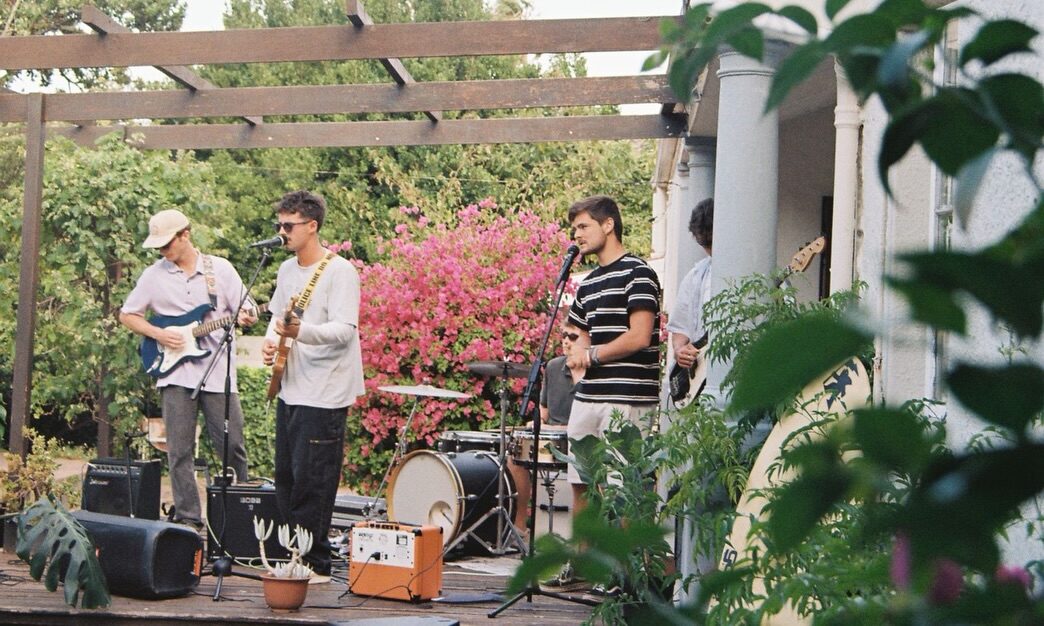
For cultural and creative practitioners and organisations operating in southern Africa, access to funding remains a major challenge. The COVID-19 pandemic has also had a massive impact on government policy, spending and the economy in general, and has seen spending on culture being moved further down the list of priorities. Further, the cultural and creative industries repeatedly cite four main areas where investment is needed for growth, which are increased visibility, mobility including access to new markets, finance and support structures.

Instrument Building And Repair Project

Experience the Vibrations African Instruments Exhibition online in 3D

Reviews

Batisso offers borderless electronic vision from Ethiopia

19 Jul 2021 - 13:47

cc-img flag-img

For the emerging electronic music producers in Ethiopia, the desire to experiment is less a conscious artistic choice and more a natural extension of today’s listening habits, fed by new technology and the constant availability of all different kinds of music.

Batisso album cover art.

The ongoing fusion of traditional music with electronic elements is what connects the younger generation, bringing back a lot of the forgotten sounds. Still, older listeners fear that the fusion is diluting the original flavour of native Ethiopian sounds.

That is where Batisso comes in. A young producer of experimental music and sound art in Addis Ababa, the artist has always worked at the boundaries of music. He may have attracted less media attention in the past than many of his contemporaries, but his output has consistently been meticulous. A connoisseur of electro, techno, funk and native Ethiopian sounds, among other influences, he takes in elements from an inexhaustible array of sources, creating tracks that adhere to their own unique internal logic.

His eponymous debut can be best described as futurist traditional music – proof that sound ‘dilution’ does not necessarily suggest a negative connotation, as long as the blend does not overpower the original sound.

The central figure of creating ambitious musical fusion in Ethiopia is 77-year-old jazz musician and composer Mulatu Astakte. He was the first to realise that the distinctive indigenous modes and texture could blend with those of American jazz to create Ethio-jazz in the 1970s.

Batisso follows in Mulatu’s footsteps with this 10-track compilation, which exposes the younger generation to the rich cultural palette, simultaneously creating a new homegrown sonic lineage in the process. It offers a forward-looking interpretation of genres that peaked in the East African country in the 1960s and ’70s, such as tizita, bati, ambassal and anchi-hoye. The project also boasts a remarkable enmeshment of Ethiopian traditional instruments such as the masenqo, krar and washint.

Most tracks on Batisso are instrumentals, but those with vocals explore the azmari repertoire, a production technique that fuses dub, psych-funk and oriental sounds. An azmari musician is comparable to the West African griot, and the sonic style is prevalent with offerings by the likes of Okay Temiz, Astatke and The Heliocentrics.

‘Zefitret’ kicks off the album with frenetic, tense energy, like a cinematic chase scene in an action movie. Taut electronic beats build up and break beautifully, but it is the instrument that makes this number a perfect opener. Tantalising motifs launch track No. 2, ‘Awra Qine’. This song features vocals by an azmari accompanied by the washint instrument, which is also present in the interlude ‘Beluye Hadesu’.

‘Bati 2050’ is just as rich a soundscape, but more upbeat and funkier. The masenqo is heavily present here, allowing Batisso to inject the native bati music with a fresh, contemporary edge. However, it is ‘Addisu Azmari’ that is the real gem. It is propelled by trap music and the kick drum, adding extra dimension and depth to an already exceptional electronic piece. The azmari is particularly stunning on this track.

Another standout track is ‘Kebre Negest’, which translates from Amharic as “the glory of the kings”. This track, which features music producer Timo, pays tribute to the Biblical King Solomon and the Queen of Sheba, as well as their son Menelik, who famously brought the Ark of the Covenant to Ethiopia. The electronic beats echo in the background and the krar hums avidly – providing the melody before the computerised piano sounds add a dreamy quality to it.

Batisso also teams up with music producer Yonzima on ‘Sostegnaw Semay’. Batisso and his two collaborators are among the young emerging Ethiopian producers pushing for experimental electronic music to create a platform and following for themselves as well as other artists interested in pursuing the relationship between native sounds and technology. The remaining songs offer a technical production that looks to the past in order to move forward.

With this collection, Batisso excellently delivers not only sonically, but also in his commitment to the intersection of tech and native Ethiopian music. One can only wonder where this 20-year-old producer goes from here – It could be very interesting to discover.

Stream Batisso here.

Artist: Batisso
Album: Batisso
Year: 2021

Please log in to post a comment.

Most popular

Disclaimer: Music In Africa provides a platform for musicians and contributors to embed music and videos solely for promotional purposes. If any track or video embedded on this platform violates any copyrights please inform us immediately and we will take it down. Please read our Terms of Use for more.

newsletter banner

Subscribe to our monthly Newsletter

Follow us on social media