










































By Spotify Nigeria
Nigeria’s creative economy is big and growing all the time. In fact, it contributed more than $10bn to the country’s GDP in 2021, having grown more than 4% year-on-year. Additional research shows that the industry employs more than four million people and could produce an additional 2.7 million jobs by 2025. The same research shows that the sector is Nigeria’s second-largest employer.
But if that growth is to bear fruit and the sector is to achieve its true potential, it needs support at all levels. This is particularly true for creators, without whom there would be no creative economy in the first place.
Nigeria’s increasing global presence
Before digging into what that support looks like, it’s worth taking a look at what’s driving the growth of Nigeria’s creative sector and the music industry in particular.
According to Emate Victor, an artist manager at Mavin Records, the growth of the music industry is being driven by a combination of technology and increasing awareness of Nigerian creators around the world. In the music industry, this has seen artists like Wizkid, CKay, and Tems achieve global prominence.
“As a producer or music creator, I can tap into sounds outside of my geography and fuse them with my native sound to create a unique vibe that is relatable to even more people,” he says. “Streaming platforms have significantly improved how we access and consume music in Nigeria and their role in the development of the music industry cannot be ignored. Streaming services like Spotify have helped in the globalisation of genres like Afrobeats and also significantly reduced piracy. As a result, he Victor, Nigerian artists are becoming increasingly aware of the need to make songs not just for their immediate market but for a global audience.
Providing support
For their part, streaming platforms like Spotify have realised that supporting both established and emerging creators in markets such as Nigeria is important to their long-term growth.
“At Spotify, we recognise how important creators are, not only to our growth in Nigeria but also to the growth of the creative economy as a whole,” Spotify head of music for sub-Saharan Africa Phiona Okumu says. “That’s why we’ve made it as easy as possible for artists on the platform to market their work and grow new listenership.”
As Okumu points out, the platform also helps artists to easily distribute their music, bring in much-needed income, build exposure and analyse how fans interact with their songs. Of particular value on those fronts are its Spotify for Artists and RADAR offerings.
Spotify for Artists is a powerful free tool that helps artists and managers to track their music performance on the streaming platform in real time. It also assists them in building their profiles, marketing their music and engaging with fans.
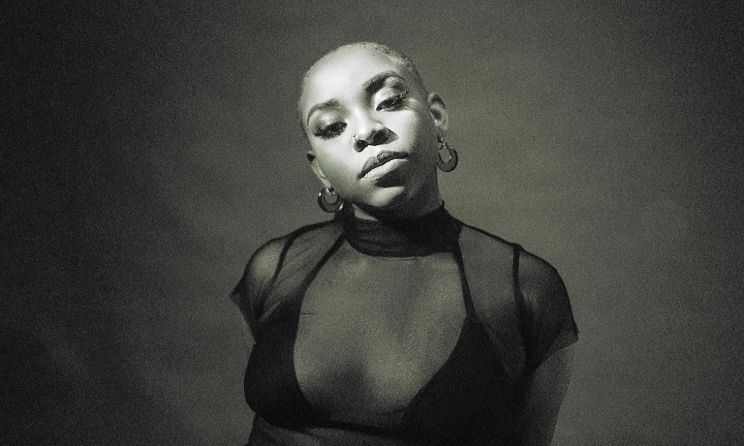
For FAVE, a 22-year-old singer-songwriter from Lagos, the data capabilities of Spotify for Artists have been particularly important.
“We cannot overestimate the impact of data in music right now or generally in the world,” she says. “Ahead of every release, Spotify for Artists has helped my team and I understand places to push the music to, the average age of our listeners and how to harness what works best for them in terms of how to market.”
RADAR, meanwhile, was launched in 2020 and is a Spotify programme aimed directly at supporting musicians to get slots on Spotify’s programmed playlists – including a dedicated RADAR Africa playlist – as well as other types of marketing support and editorial content. The playlist features exciting new artists on the rise from the African continent and diaspora. Since its launch, the playlist has amassed more than 47 000 likes.
“Co-signs have been a part of music for a while now and that’s how RADAR feels,” FAVE says. “For a platform like Spotify supporting me in both little and grand ways, I’m thankful.”
FAVE has also featured on Spotify's EQUAL programme, which aims to foster gender equality in music and provide a platform to highlight influential female creators. “The EQUAL playlist is one of the most popular playlists in Africa. I’m excited for this journey where new people discover my music,” she says.
Okumu said: “These programmes, along with Fresh Finds Africa initiative, which serves as a launchpad for up-and-coming artists to get exposure, illustrate just how serious we are about supporting artists in Nigeria and across the entire African continent. There is so much untapped talent in Africa that the world should know about. This attention doesn’t just benefit the artists either; it feeds into the wider creator economy and benefits producers, record labels, music venues, engineers and a whole host of other industry players.”
Making the most of favourable factors
With its young population and growing middle class, Nigeria is well placed to take advantage of the boom in its creative economy. Already a pivotal job creator, its role will only become more important in the coming years. If creators and other players in the music industry use the tools available to them, they can ride that boom and find both local and international success.


Most popular

Top amapiano songs of 2026
16 Feb 2026

Top Afrobeats songs of 2026
19 Mar 2026

Top Naija songs of 2026
31 Mar 2026
Open call: Goethe-Institut grants for Southern African creatives
08 Sep 2026
AFRIMA 2026: All the winners
12 Jan 2026
Sun-El Musician confirmed for ACCES 2026 in Joburg
15 Sep 2026
Open Call: Voices For Roxette invites artists worldwide to submit cover versions
15 Sep 2026
Disclaimer: Music In Africa provides a platform for musicians and contributors to embed music and videos solely for promotional purposes. If any track or video embedded on this platform violates any copyrights please inform us immediately and we will take it down. Please read our Terms of Use for more.

Subscribe to our monthly Newsletter
Follow us on social media


Please log in to post a comment.