




















































Digital routes to market for South African music creators

24 May 2022 - 07:23


Artists and record labels primarily sell music, and how they achieve this is best understood by examining their route to market (RTM). In other words, how they get their product to consumers.[1]
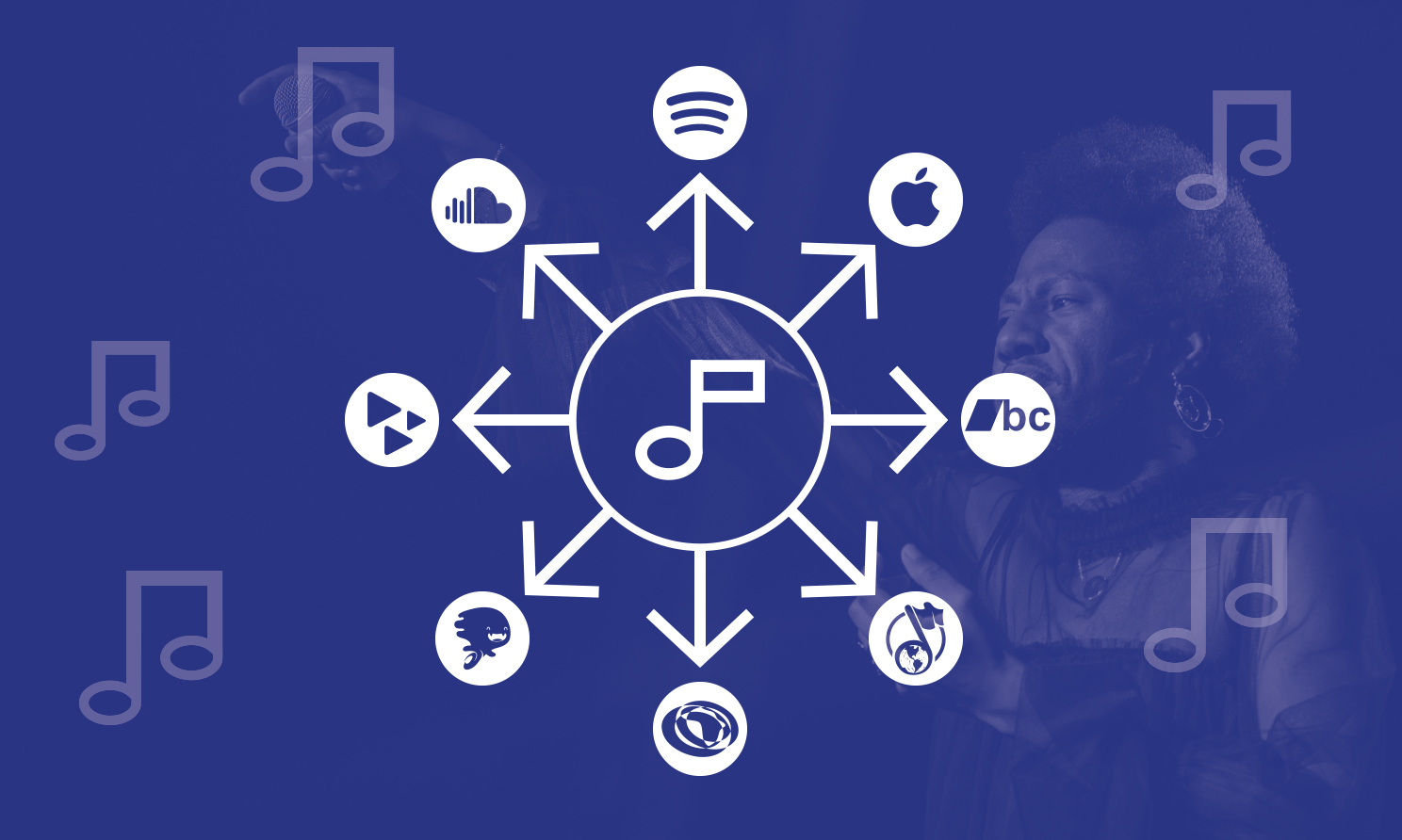
This article examines the various ways that rightsholders can get their recorded music to listeners and fans in a digital format – including interactive and non-interactive streaming. This represents an important income stream, with Music In Africa’s Revenue Streams for Music Creators in South Africa 2022 report indicating average monthly earnings of R14 433 from webcasting and R6 009 from streaming services.
Overview of the digital distribution
According to business growth advisor Bob Dackiw, “Route to market is a strategy that determines which distribution channels you use to deliver a product to your target customers”.[2]
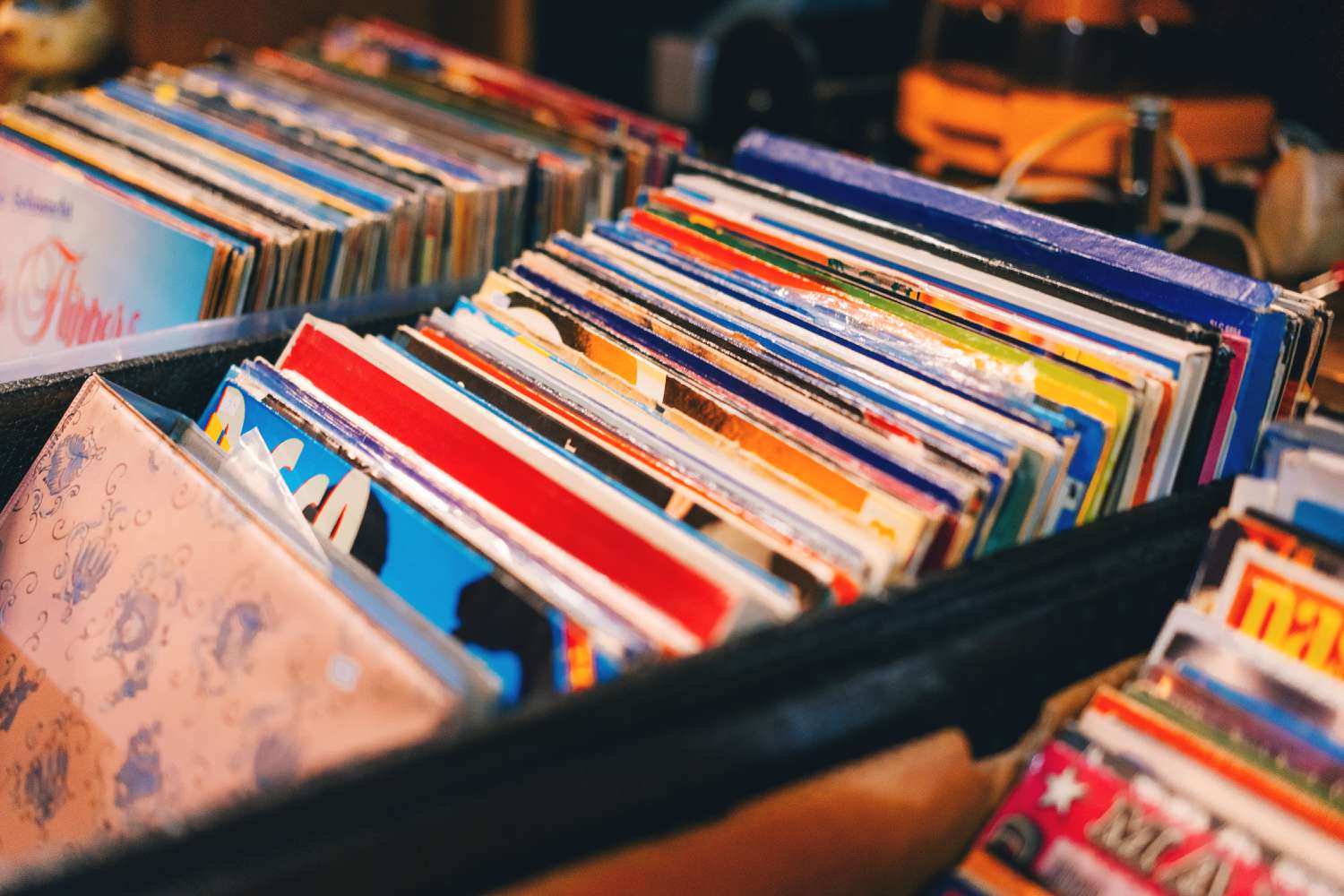
Before streaming took over the market, music’s route to market was much more expensive and took a lot longer. After the music had been created, it had to be reduced to a physical format – CD, vinyl, cassette, etc. – loaded on a truck or ship, and sent to a brick-and-mortar shop. The music would be promoted via radio, TV, live performances and print media, allowing potential fans to learn about it before going to the store to buy the physical copy – a process known as physical distribution.[3]
These days, with the rise of streaming, distribution is a lot cheaper and faster, and therefore much more accessible. The digital distribution process still includes promotional and marketing activities; no one can listen to or buy music if they don’t know it exists. But in the case of digital/online music, there are just two broad channels available to rightsholders: firstly, via aggregators and secondly, following a direct-to-platform model.
Two ways to sell music online
Aggregators and DSPs
Digital music distribution is dominated by aggregators such as DistroKid, CD Baby, TuneCore, Ditto, Africori, etc., and digital service providers (DSPs) such as Spotify, Apple Music, Deezer, Tidal, Boomplay, etc. The strength of this relationship makes sense, because most new music discovery happens within these DSP platforms. To get music onto DSPs, the rightsholder(s) must go through an aggregation/distribution service, as it is not possible to directly upload music to the DSPs.
Below are four different types of aggregators, though they all essentially perform the same role: music is packaged for each DSP’s individual requirements and then distributed to the digital platform. After the music has been streamed, the DSPs pay the streaming royalties back to the aggregator, who in turn pays it back to the relevant collective management organisation (CMO) to distribute to the rightsholder(s).[4]
- Major distributors are the distribution departments of major labels like Sony, Universal and Warner. They have direct licensing deals with most DSPs, allowing them to distribute their music – and the music signed to their distribution services – directly to the DSPs. With their licensing deals, majors generally have direct access to the editorial staff at DSPs, who decide where to place music (playlists, development programmes, etc.), which gives them a big advantage over most other aggregators.
- Independent music distributors are aggregators that perform similar roles to major distribution departments while offering competitive deals that allow artists to retain ownership of their work and access to the rest of their revenue streams. Often, these services – Believe Digital, IDOL, Redeye Worldwide, Ditto Plus – are able to deliver a similar level of service to the majors, as they also tend to have direct access to editorial staff at the DSPs.
- White label distribution solutions are companies that provide technology to be used by independent labels that want to own their distribution channels. Companies such as Kartel, OpenPlay, FUGA and others provide software that allows the record label’s in-house distribution departments to distribute music directly to the DSPs.
- Open distribution platforms/aggregators are very popular with independent and developing artists. These are platforms that allow anyone to open an account, upload their music and metadata, and send it to the DSPs in return for a share of earnings (or a licensing fee). DistroKid, CD Baby, Ditto and TuneCore are examples of open platforms that anyone can use.
Direct to platform
Some DSPs, online stores and non-interactive streaming services allow rightsholders to upload music directly to their platform without going through an aggregator. While this can be enticing, as it cuts out the middleman, it does result in administrative hassle, as rightsholders will need to manage and maintain each platform individually.[5]
Services such as Bandcamp, an online music store, and SoundCloud, the first major DSP to offer direct-to-platform uploads, encourage users to interact directly with them.[6] Sometimes, as is the case with Bandcamp, these platforms do not accept music from aggregators at all.[7]
Additionally, there are new types of DSPs that tend to have different business models compared to the commercial heavyweights like Spotify, Apple Music, YouTube Music and Amazon Music. Fairmus, Resonate and Audiu are all examples of innovative new DSPs aiming to make agreements directly with music owners through user-centric payment models and creator ownership distribution models.
[video:https://www.youtube.com/embed/IfhJtmlahb8 width:744 height:446 autoplay:0]
Video: In this video, Damian Keyes provides a comprehensive rundown of current digital music distributors.
Resources and citations
- [1] Entrepreneur Handbook. (2013). “How to choose the right route to market”. Accessed on February 8, 2022: https://entrepreneurhandbook.co.uk/right-route-to-market/
- [2] Business Growth Hub. (2017). “Route-to-market strategy, getting it right”. Accessed on February 8, 2022: https://www.businessgrowthhub.com/blogs/2017/02/route-to-market-strategy-getting-it-right
- [3] Shaw, JG. (2017). The South African Music Business - Third Edition. Billion Music.
- [4] Soundcharts. (2019). “The Mechanics of Music Distribution: How it Works, Types of Music Distribution Companies + 29 Top Distributors”. Accessed on February 8, 2022: https://soundcharts.com/blog/music-distribution
- [5] Ibid.
- [6] Musically. (2021). “SoundCloud goes user-centric with its ‘fan-powered royalties’”. Accessed on February 8, 2022: https://musically.com/2021/03/02/soundcloud-goes-user-centric-with-its-fan-powered-royalties/
- [7] Bandcamp. (2022). “About”. Accessed on February 8, 2022: https://bandcamp.com/about
This article is part of the Revenue Streams for African Musicians project, supported by UNESCO’s International Fund for Cultural Diversity in the framework of the UNESCO 2005 Convention on the Protection and Promotion of the Diversity of Cultural Expressions, the Siemens Cents4Sense programme, Siemens Stiftung, Goethe-Institut, the National Arts Council of South Africa and Kaya FM.
Editing by David Cornwell and Kalin Pashaliev


Most popular

Top Naija songs of 2026
31 Mar 2026

Top Afrobeats songs of 2026
19 Mar 2026

Top amapiano songs of 2026
16 Feb 2026

AFRIMA 2026: All the winners
12 Jan 2026

Visa appoints Fally Ipupa as face of Visa Pay in Democratic Republic of Congo
23 Sep 2026
Benin: SIMA to hold third edition in November
25 Sep 2026
Disclaimer: Music In Africa provides a platform for musicians and contributors to embed music and videos solely for promotional purposes. If any track or video embedded on this platform violates any copyrights please inform us immediately and we will take it down. Please read our Terms of Use for more.

Subscribe to our monthly Newsletter
Follow us on social media


Please log in to post a comment.