







































Power and possibility: Inside ARMC’s vision for an inclusive music industry

16 May 2025 - 14:16


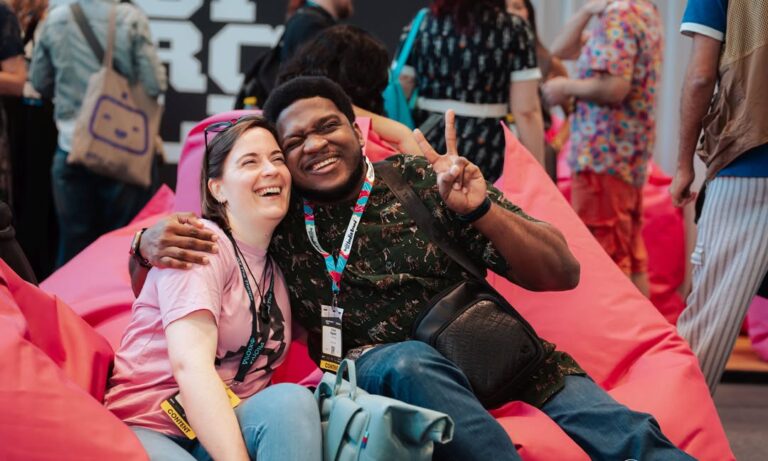
In a music industry that is rapidly evolving, the Africa Rising Music Conference (ARMC) has carved out a vital space for African creatives to connect, innovate, and thrive. Now in its fifth year, ARMC returns to Johannesburg from 22 to 23 May 2025, continuing its mission to amplify African voices while bridging the gap between local talent and global opportunities. Under the theme A Space for Every Voice, this year’s edition is more than a gathering – it’s a declaration of inclusivity, empowerment, and intentional industry transformation.
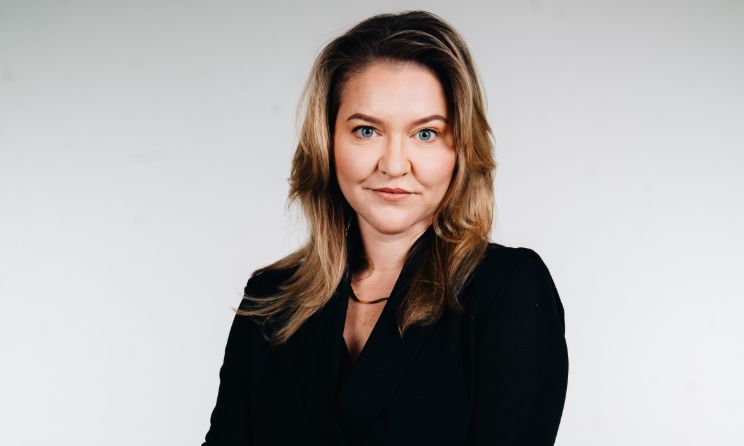
At the helm of this movement is founder Sarah Jane Nicholson, whose vision for ARMC has grown from a grassroots initiative into a globally recognised platform for collaboration and export. The 2025 programme is as multifaceted as the continent it represents, from free-to-attend panel sessions and mental health roundtables, to high-impact performances and the launch of the hands-on Demo Lab. International partnerships, including with PRS Foundation’s Keychange and Pro Helvetia, further reflect ARMC’s strategic alignment with global music ecosystems, making it a beacon for boundary-breaking dialogue and innovation.
But ARMC isn’t just about programming, it’s about shifting power and rewriting narratives. Whether spotlighting mothers in music, amplifying queer and rural voices, or nurturing the next generation of tech innovators, the conference is building a future where no voice is too small to matter.
Ahead of the 2025 edition, we sat down with Nicholson to unpack the vision, challenges, and defining moments that continue to shape ARMC and the future of African music.
MIAF: ARMC is returning for its fifth edition this year. How has the vision of the conference evolved since its inception?
Sarah Jane Nicholson: It’s unbelievable to think ARMC is now in its fifth year. Each edition has come with its own unique challenges and triumphs — from venue changes due to growth, to fine-tuning our focus as we respond to the evolving needs of the African music community. The vision has always been rooted in empowerment, connection, and independence — and that hasn’t changed. What has evolved is our reach and our outcomes, particularly around international export. Over the past year, we’ve seen incredible success stories and collaborations emerge from ARMC. That momentum continues to drive us forward.
The theme this year is A Space for Every Voice. What does that mean to you, and how is it reflected in the 2025 programme?
A Space for Every Voice was actually born out of a campaign we ran in collaboration with Vega students, who analysed the conference and articulated something we deeply believed in. It speaks to inclusivity on every level — every voice, whether loud or soft, deserves to be heard. As a music conference, it’s also a play on the concept of voice as an artistic tool. Every session in our 2025 programme is crafted to be a space of expression, learning, and dialogue — whether you’re an emerging artist, executive, or creative entrepreneur. No voice is too small, and every voice matters.
This year introduces the Demo Lab. What inspired the creation of this new activation, and what can attendees expect from it?
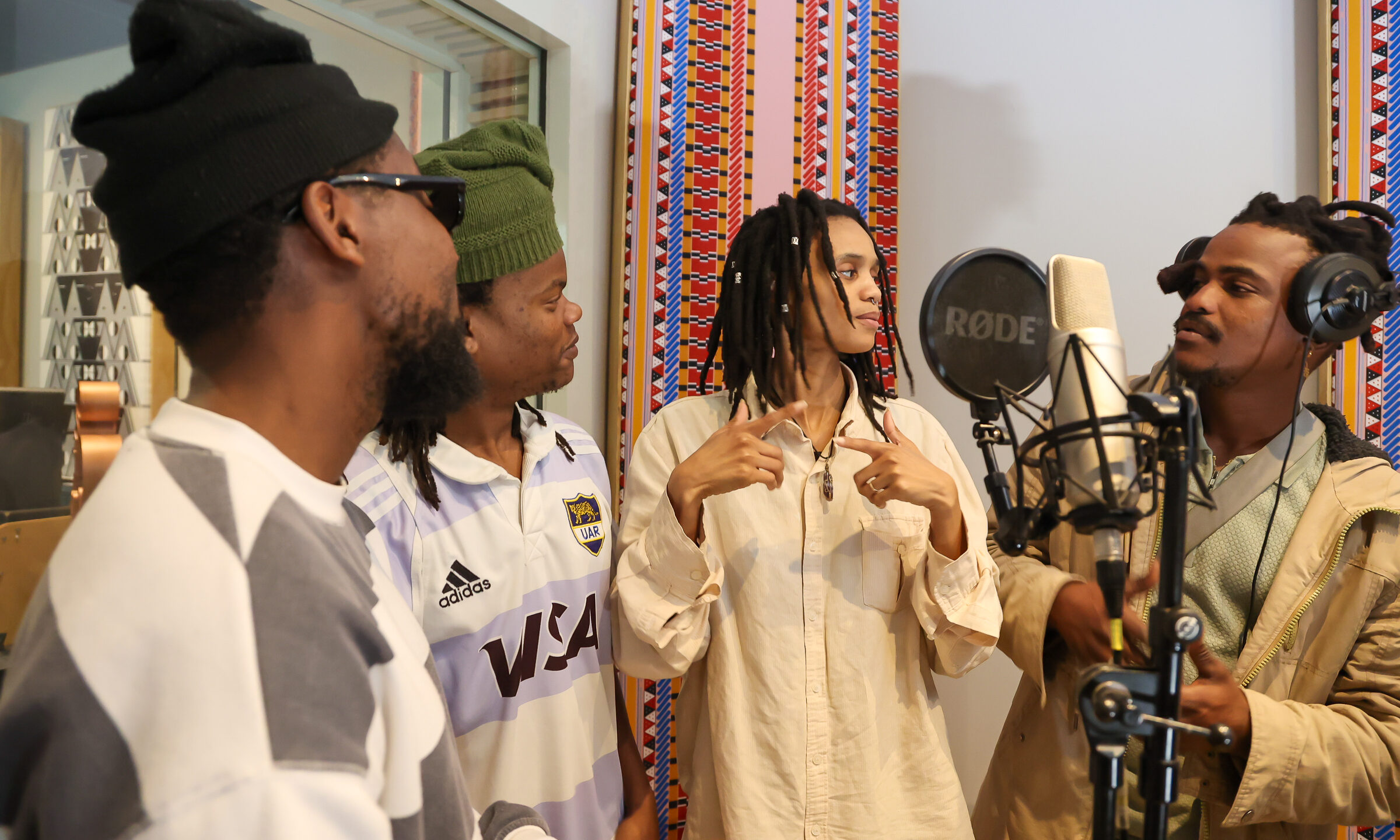
The Demo Lab was inspired by a brilliant activation we saw at XP Music Futures in Saudi Arabia. It’s a hands-on space where brands can demo products and connect directly with attendees — whether it’s hardware, software, or innovative tools for creators. It’s intimate, practical, and offers real-time engagement over the two-day conference. We wanted to create a platform for people to ask questions, try products, and build relationships with brands in a way that feels meaningful and accessible.
The conference features a diverse range of sessions, from DJ workshops to mental health discussions. How do you go about curating such a multifaceted programme?
Curation is a collective effort. Our team brings incredible insight, and we always take feedback from past attendees into account. We’re also deeply influenced by global events we attend, like IMS Ibiza, where we see what’s resonating on the world stage. ARMC is about responding to both creative and structural needs in the industry — so you’ll find everything from creative skill-building to real conversations about wellness, finance, and career longevity.
ARMC by Night is always a highlight. What makes this year’s performance line-up stand out?
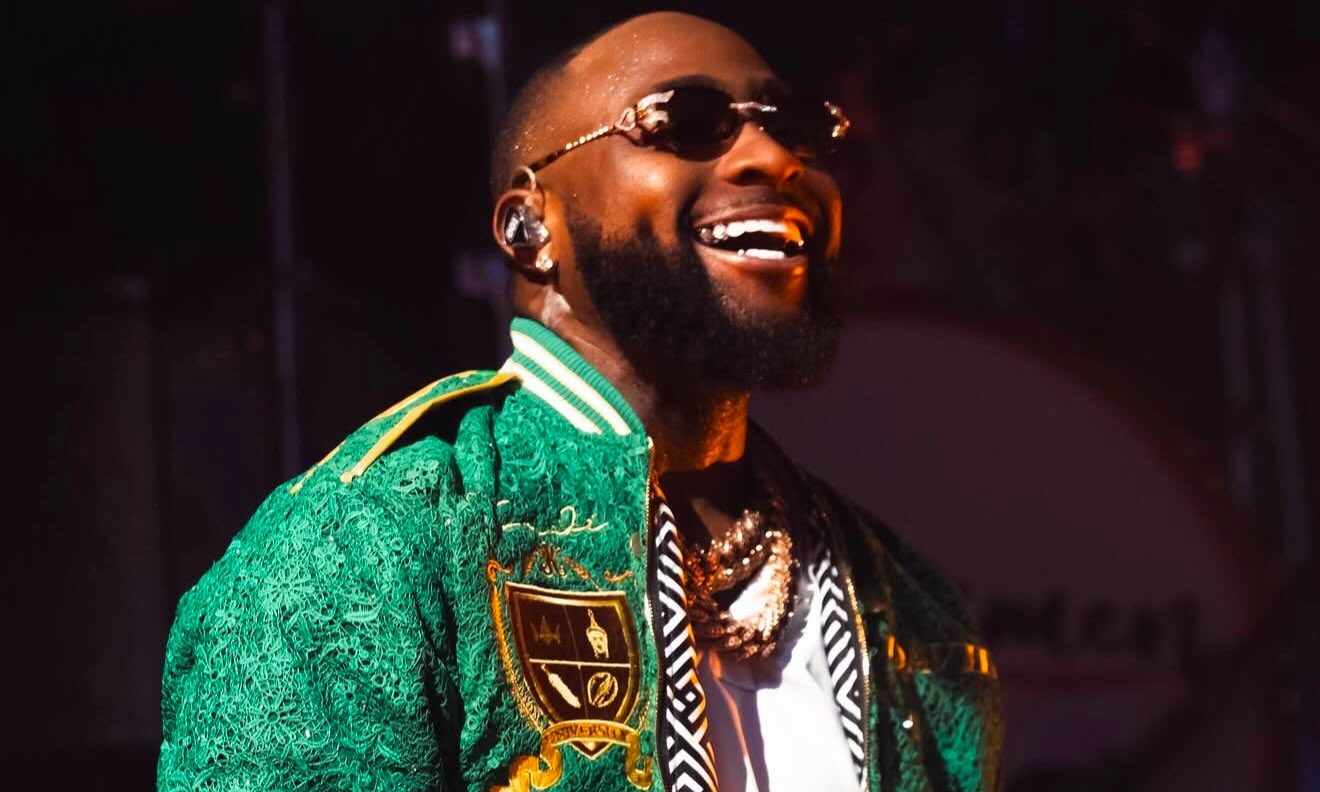
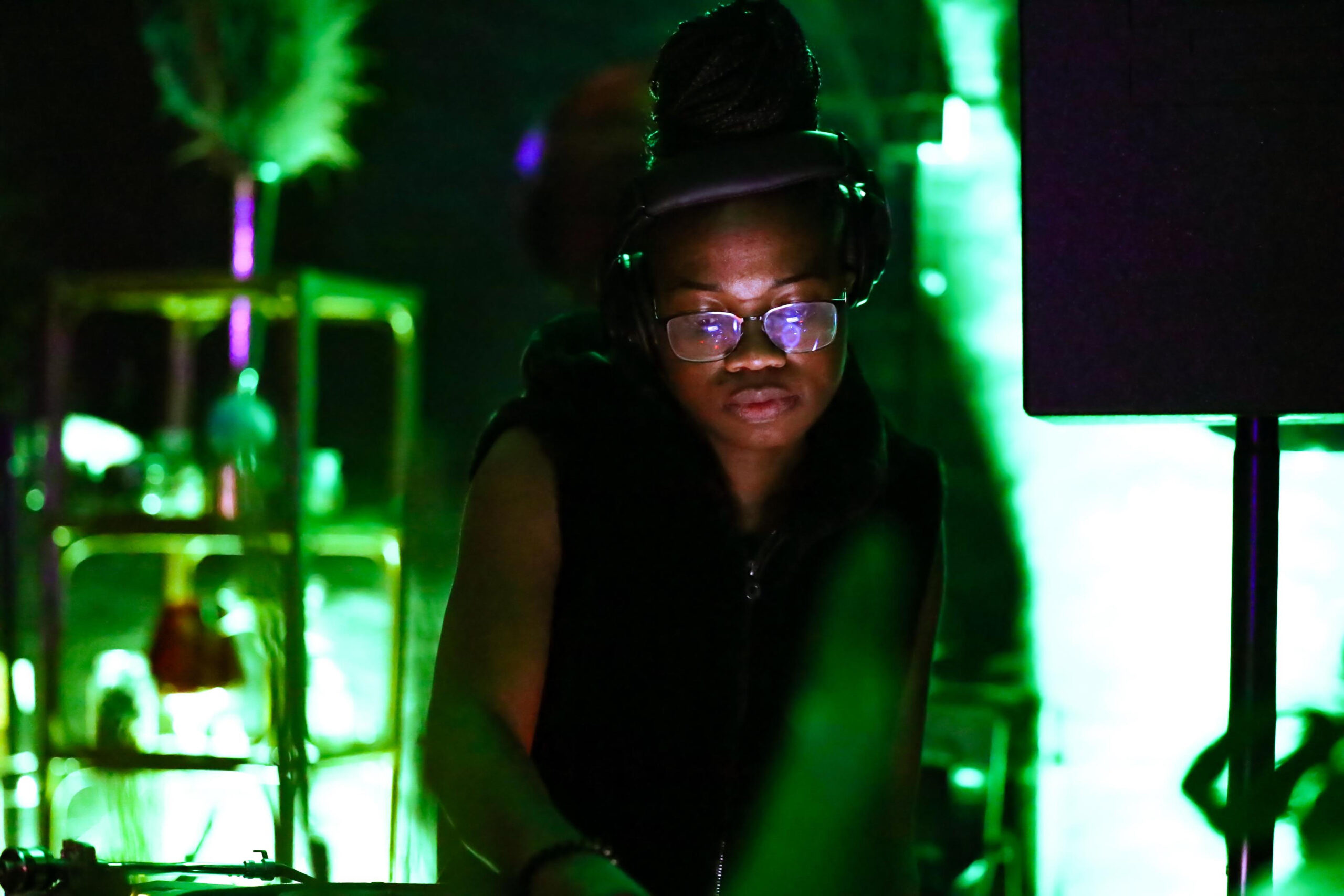
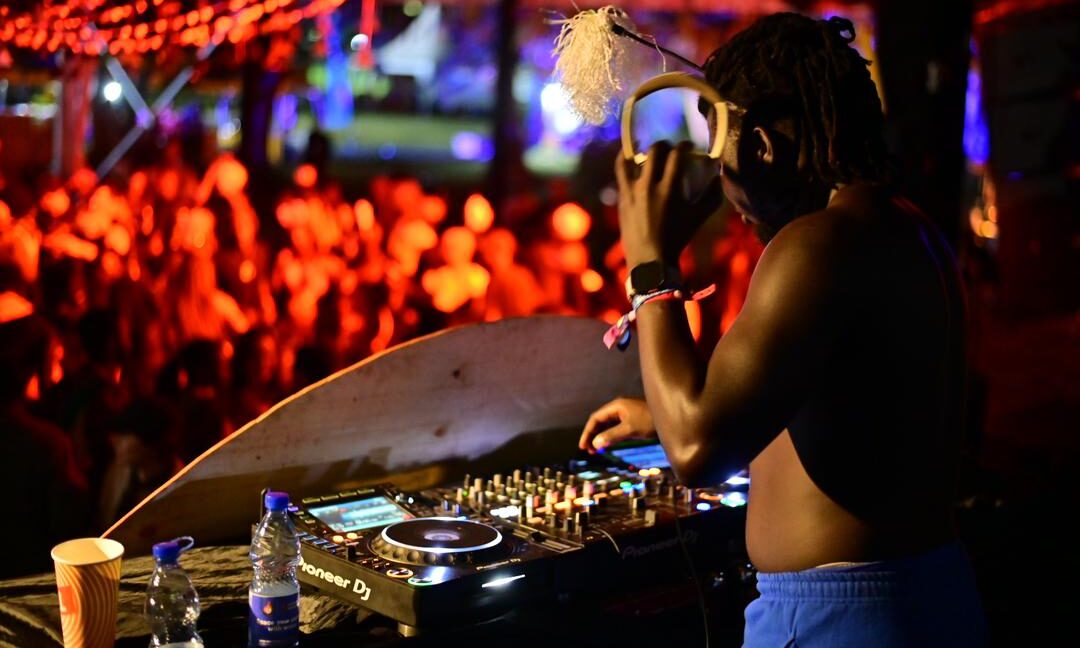
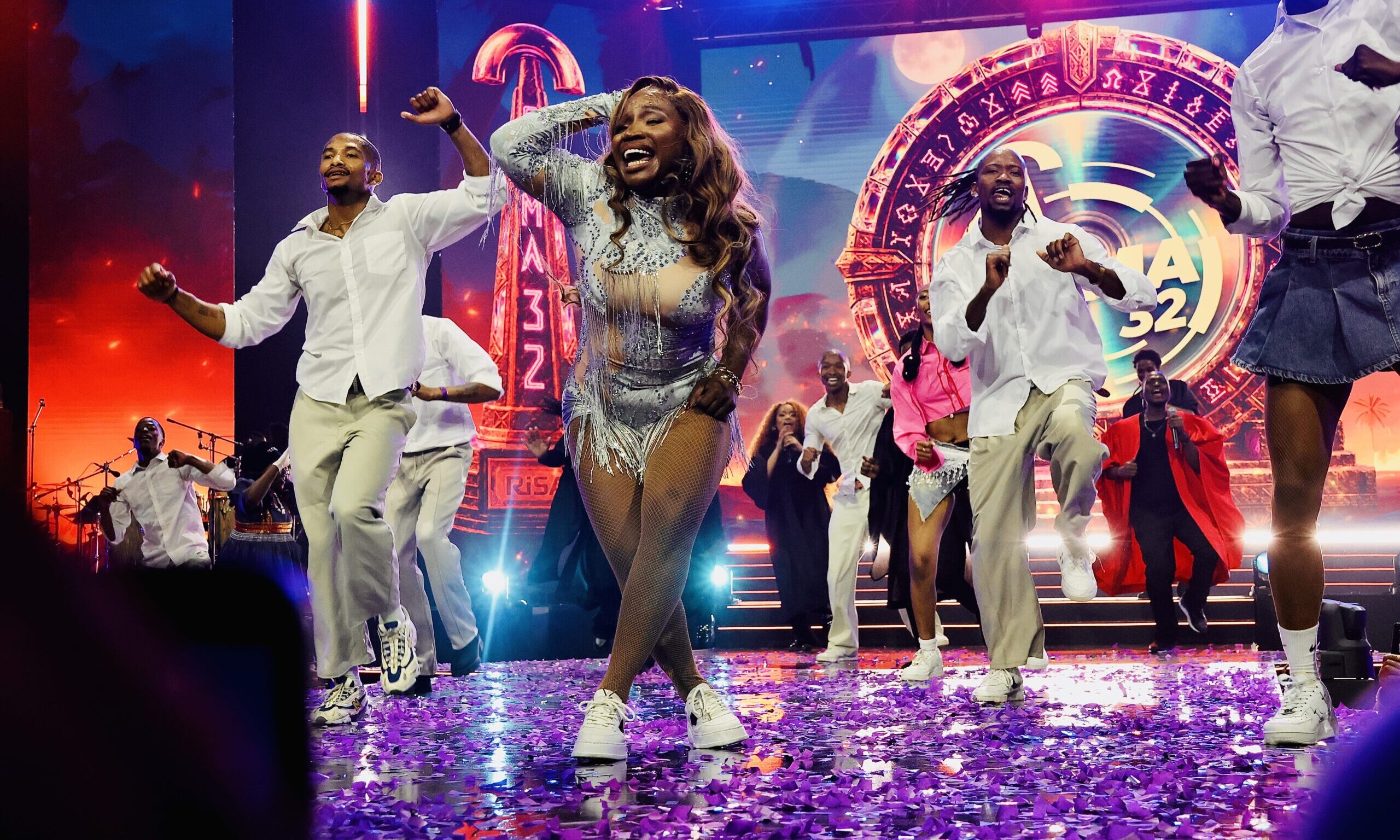
This year, we’ve partnered with a local promoter to bring the night-time programme to life, and we’re really excited about what’s in store. The ARMC by Night series will feature international artists from a range of countries, interwoven with standout local talent. It’s a blend of cultures, sounds, and energies — a true reflection of what the conference stands for: global connection rooted in African excellence. Artists like Charisse C, Bony Fly, Shalate, K.Keed, AŸA, Papa, Money Badoo, and NOTBENJAMIN will be taking the stage, offering unforgettable moments across both nights.
One of ARMC’s biggest draws this year is free access to all panel and keynote sessions. What led to that decision, and how do you see it impacting the broader music community?
Access has always been at the heart of ARMC. We decided to open up panels and keynotes for free because knowledge shouldn’t be behind a paywall — especially in an industry where so many are building from the ground up. This move levels the playing field and allows emerging artists, students, and grassroots creatives to learn directly from global industry leaders. We believe this will spark new connections and shift mindsets about what's possible for those entering the industry.
How are you ensuring that underrepresented voices, particularly from Africa, are amplified in a space that also features prominent global industry players?
We intentionally platform voices that aren’t often heard — from independent artists in rural areas to queer DJs, neurodivergent creatives, and women navigating the business. Every global voice we invite is balanced with local insight. We curate with care, and our speakers reflect not just diversity of background, but diversity of experience. ARMC is about shifting power and building equitable futures — not just creating space at the table, but redesigning the table itself.
The international delegation this year is more diverse than ever. How do you think this global presence will impact local artists and the South African music industry at large?
The international delegation at ARMC 2025 is not only our most diverse to date, but also our most strategically aligned. This year, we’re proud to continue our collaboration with PRS Foundation through the Keychange initiative, while also welcoming new partnerships with Pro Helvetia and Kultur | lx – Arts Council Luxembourg. These collaborations bring curated voices from across Europe, the UK, the US, and key African territories — all contributing to a deeper, more meaningful exchange.
For local artists and the broader South African music industry, this global presence presents a powerful opportunity: access. Access to decision-makers, to cross-border collaborations, to knowledge and infrastructure that can fast-track careers beyond the continent. It’s not just about export — it’s about co-creation and shifting the narrative of African music from being “discovered” to being equally invested in. We believe this international presence will leave a lasting impact by opening doors, challenging norms, and building more equitable bridges between South Africa and the global music economy.
What are some of the most exciting cross-border collaborations or conversations you hope to see emerge from this year’s conference?
This year, one of the most exciting initiatives is the Music Tech Call launched in partnership with Paradise Worldwide, Fraunhofer IDMT, and MusicTech Germany. This global opportunity invites African start-ups working in or adjacent to music-tech to submit their innovations, with one selected founder receiving an all-expenses-paid trip to present at the Music Frontiers Summit in Berlin this September. The initiative spotlights African innovation in areas like music-rights tech, creative tools, AI, and content technology.
We’re also proud to highlight our SAMPRA collaboration with Busiswa, which supported the development of her experimental EP Honey & Grace in Berlin. Her work there has been covered extensively in international media and stands as a strong example of what happens when African artistry is met with global infrastructure.
Another standout from ARMC 2025 is the recent Jägermeister Global Pass initiative, conceptualised and powered by ARMC. The first recipient, DJ KMat, has been selected to represent South Africa at the International Music Summit in Ibiza, an exciting new bridge between African talent and international platforms. These collaborations, alongside powerful conversations like “Mamas in Music” and our mental health in music session, reflect the core of ARMC: building sustainable, equitable, and globally connected pathways for African talent and innovation.
The inclusion of Mamas in Music in this year’s programme feels deeply personal and timely. Can you speak to why this initiative is important and what you hope it will achieve?
Absolutely. Last year, just before stepping onto a panel at Reeperbahn Festival, my water broke and baby Max was born. That experience, coupled with my role in launching Women in Music South Africa, deepened my sense of responsibility to create more supportive spaces for mothers in music. This year, we’re honoured to partner with Mamas in Music, a global organisation we’re proud to bring to South Africa for the first time. Leading this initiative on the ground is Thuso Mojatau, who heads our South African team and is also a mother. Her leadership is a reminder that motherhood and executive leadership are not mutually exclusive. This panel is more than a conversation, it’s a statement. It’s about solidarity, visibility, and rewriting the narrative for women balancing creative careers and parenting. We hope it inspires others to feel seen, supported, and empowered.
With ARMC growing each year, what are your long-term goals for the conference over the next years?
Our long-term vision is clear: to solidify ARMC as the leading platform for African music industry development, international collaboration, and export readiness. To do this, we are actively seeking a headline partner that aligns with our mission — a cultural foundation, a forward-thinking bank, or an education-focused organisation that believes in building sustainable, independent creative economies. We’re building futures here — not just stages. We want to grow our infrastructure, deepen our impact, and continue developing the tools and networks that African artists and executives need to thrive. If you’re reading this and represent an organisation aligned with these goals, please reach out. We would love to collaborate and grow together.
How do you plan to maintain ARMC’s relevance and accessibility as it continues to scale?
Relevance comes from listening to our audience, to global trends, and to what artists really need. We’re out in the field, constantly plugged into music communities across Africa and abroad. That insight feeds directly into our programming. And accessibility? That’s non-negotiable. There will always be a free tier to ARMC. It’s how we started and how we’ll grow by ensuring that the knowledge and network opportunities we offer are never out of reach for the people who need them most.


Most popular



Disclaimer: Music In Africa provides a platform for musicians and contributors to embed music and videos solely for promotional purposes. If any track or video embedded on this platform violates any copyrights please inform us immediately and we will take it down. Please read our Terms of Use for more.

Subscribe to our monthly Newsletter
Follow us on social media


Please log in to post a comment.