

































NEFCISA
NEFCISA

The Music In Africa Foundation (MIAF) is proud of its partnership with the Industrial Development Corporation (IDC) as a Strategic Implementing Partner (SIP) for its Social Employment Fund (SEF). Through this collaboration, MIAF is running a national programme that is creating jobs, addressing skills gaps, and strengthening South Africa's creative industries — in line with the SEF's overarching goal to generate work for the common good and build community value through employment, social contribution, and inclusive economic participation. Operating under the banner NEFCISA (National Employment Facility for Creative Industries in South Africa), the initiative is recruiting and training participants, matching them with host organisations, and has already placed 1 500 workers across the country — surpassing its original target of 1 000. NEFCISA is delivered through a network of 20 host organisations spanning five provinces, who are actively hosting participants and contributing to work for the common good across South Africa's creative and cultural industries. Key Objectives: Support employment and entrepreneurship in the creative industries. Offer skills development and training programmes. Foster partnerships between public and private creative sectors. Promote South African creativity at both provincial and national levels Foster community development through social contribution.

ACCES
ACCES

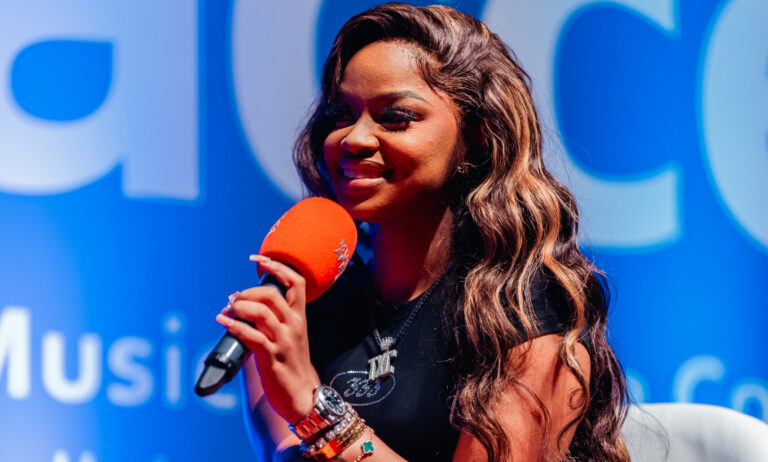
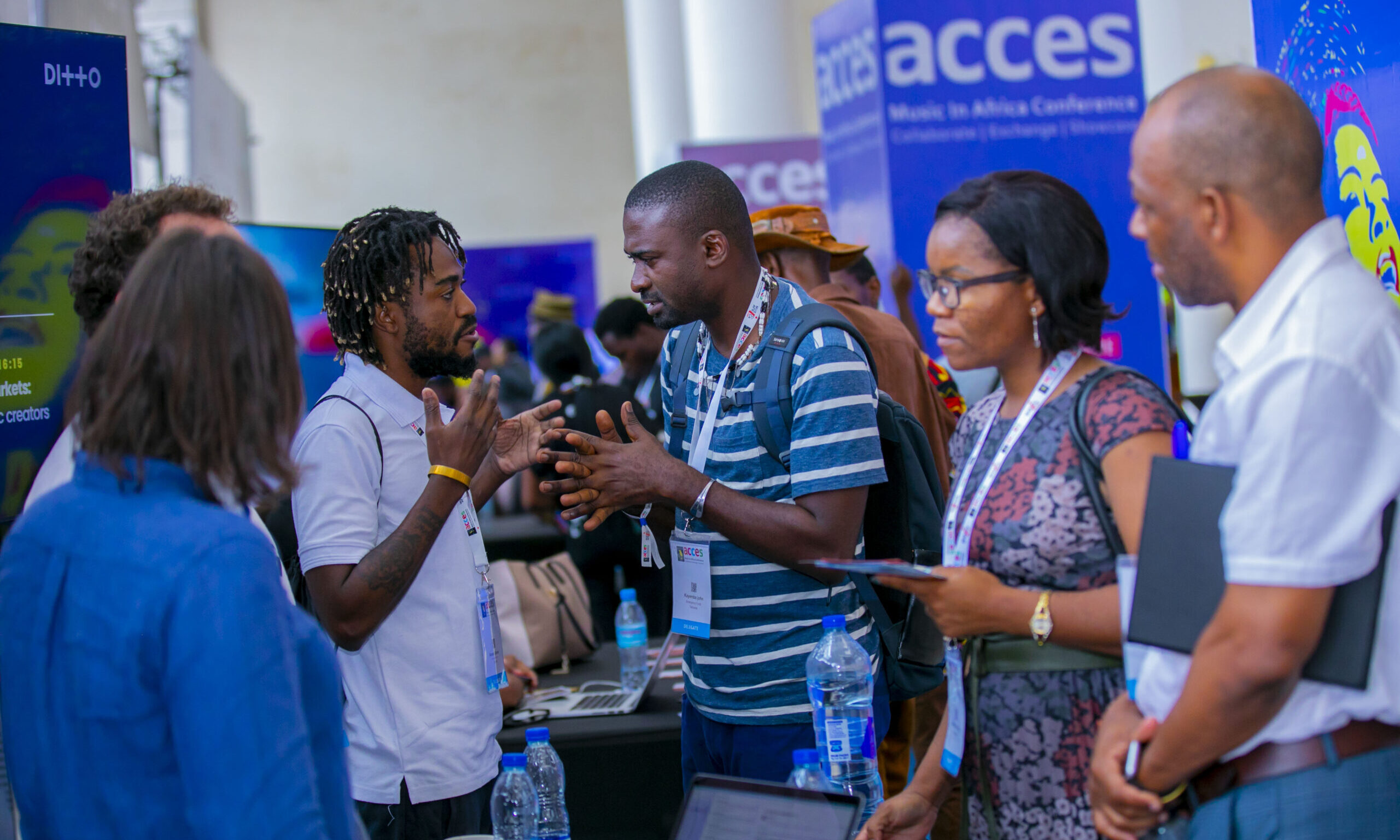
ACCES Conference and Showcase Festival is Africa's leading music industry gathering, bringing together the people shaping the future of the continent's music business. Artists, entrepreneurs, executives, investors, policymakers and cultural leaders from across Africa and around the world come to ACCES to build partnerships, exchange ideas, discover talent and create new business opportunities. Since its launch in 2017, ACCES has become the continent's premier platform for professional exchange and music market development. Combining a high-level conference with a curated showcase festival, networking, exhibitions and industry programmes, ACCES offers a unique space where creativity meets business and where African music connects with the global industry.

Gender@Work
Gender@Work

Music In Africa Gender @ Work is a three-year training programme aimed at upskilling and increasing the participation of female professionals in the African music sector. Launched by the Music In Africa Foundation (MIAF) in April 2019, the programme is connected to the MIAF’s ACCES music conference – a pan-African event held in a different African country every year. This connection enables the programme to reach new participants in a different African country every year. The programme marks the beginning of a more concerted effort by the Foundation to support the participation and inclusion of women in all facets of its programmes and the music sector in Africa as a whole. Over the three years, the programme will aim to address gender imbalances in the sector through training, lobbying, facilitating knowledge exchange and dialogues that foster the interest of women. The broader objectives of the programme are to: Provide industry training for women on critical music industry skills, focusing on: Stage management Electronic music production and recording Music business management Technical knowledge Provide an opportunity for both professional and aspiring women to benefit from the Music In Africa network and its broad range of activities in 2019, 2020 and 2021. Provide a solution-based platform in the form of a round table at ACCES with a view to identify challenges, discuss opportunities and lobby for the interests of female practitioners. Offer participants the opportunity to benefit from programmes offered by MIAF’s partners. Increase access to educational materials. Integrate participants in the broader ACCES programme to maximise experience and exposure to the industry. Record and present training materials on the www.musicinafrica.net, including but not limited to tutorials, templates and other best-practice materials. Communicate women-based themes that support the initiatives and messages of the programme. MAIN TRAINING ACTIVITIES Training in first country (Ghana): In the first year, participants will be trained on all aspects of stage management by a team of experienced stage managers from 10 to 17 November 2019. The programme will offer robust classroom training as well as practical, hands-on training in which participants will also be given the opportunity to manage various aspects of the ACCES performance programme. Training in second country: The second training iteration will take place at ACCES 2020 when the programme will diversify its course to include music production lessons and training on other music business topics. A round-table platform will also be introduced to coincide with the ACCES programme. Training in third country: The third training iteration will take place at ACCES 2021 in a different country, offering an advanced course. HOW DO YOU GET INVOLVED?  As a participant, facilitator or trainer: The programme enrolls up to 12 trainees every year. All opportunities are advertised publicly on this website, and will be added to this page. Please keep checking this page for new calls (below under UPDATES & CURRENT OPPORTUNITIES). As a partner Please contact Claire Metais at [email protected]. APPLY The call for applications for 2020 will be announced soon. The Music In Africa Gender @ Work programme is made possible with the support of the Prince Claus Fund, Siemens Stiftung and Goethe-Institut.

Sound Connects Fund
Sound Connects Fund

For cultural and creative practitioners and organisations operating in southern Africa, access to funding remains a major challenge. The COVID-19 pandemic has also had a massive impact on government policy, spending and the economy in general, and has seen spending on culture being moved further down the list of priorities. Further, the cultural and creative industries repeatedly cite four main areas where investment is needed for growth, which are increased visibility, mobility including access to new markets, finance and support structures.

Instrument Building And Repair Project

Experience the Vibrations African Instruments Exhibition online in 3D

Features

ZIMU Gender at Work Conference sparks dialogue on equality in the arts

25 Sep 2025 - 16:38

cc-img flag-img

The Zimbabwe Music Union (ZIMU), in collaboration with the Intwasa Arts Festival, hosted its first-ever Gender at Work Conference in Bulawayo on 25 September. Held at the Bulawayo Club, the event brought together more than 100 creatives from music, theatre, film, and other disciplines to reflect on gender dynamics in the arts sector.
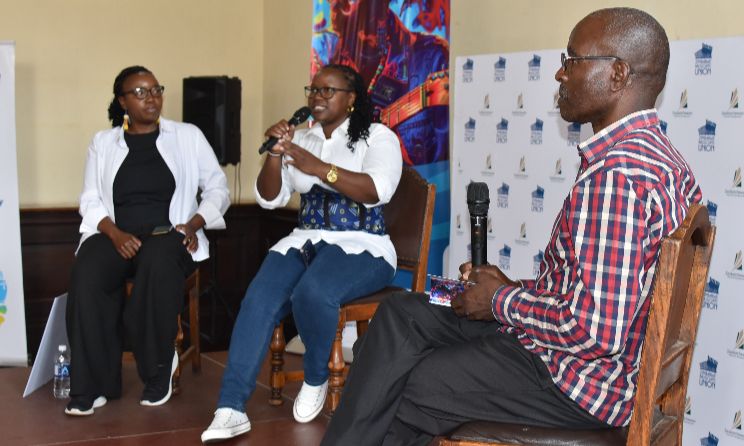
Film producer and director Rumbi Katedza, musician and lecturer Tina Watyoka, and university lecturer Dr Richard Muranda during a panel discussion at the ZIMU Gender at Work Conference.

The programme opened with a poem titled My Sex is Bleeding by ZIMU vice-president Chioneso Rutsito, setting a reflective tone. Master of ceremonies and media professional Nyaradzo Makombe then invited ZIMU president Edith Katiji to deliver the opening remarks. Katiji emphasised the importance of creating an environment where participants could speak freely.

“Please understand that this is a safe space where you will speak freely with no intimidation and no fear, because whatever you are going to say in this room is not going to stay in this room, but do not be intimidated,” she said. “I think it’s time for us to start speaking the hard talk, because it’s important for us to move forward.”

Katiji added that although Zimbabwe has a national gender policy, the arts sector required its own framework. She also shared personal experiences of harassment and vulnerability in creative spaces, underscoring the urgency of the discussions.

“These are situations that most of us in here might have gone through, but we are not able to talk about, and this is the time for us to talk about it, so that there are channels that allow us to report.”

Academic and research perspectives

The first panel, Knowledge, Curriculum and Cultural Shift, was moderated by Midlands States University lecturer Dr. Richard Muranda with panelists musician and University of Zimbabwe music lecturer Tina Watyoka and film producer and director Rumbi Katedza. Katedza spoke about the persistence of gendered labour in the arts:

“I had to stay in the office while the boys… were sent straight to the set. That is the whole idea of gendered labour that I even see today. Young women in my classes automatically put themselves into service positions. One of the important things… is the importance of mentorship. We need to see other women in technical positions, because once we have women there, it really does change the process.”

Watyoka, drawing from her dual experience as a musician and academic, said women often found themselves pushed to the background, sometimes unconsciously:

“I’ve been in a situation where I found myself right at the back of the room and the man at the front. It happens naturally, not because somebody told them. So, we need to cultivate in our females this spirit of being in the front, just like the same way men say, ‘I can do it.’”

Dr. Muranda closed the session by urging participants to challenge harmful practices, remarking: “Don’t protect what is wrong.”

Women’s visibility and voice

The second panel, Women in the Arts – Visibility, Voice and Value, moderated by Katiji, featured Florence Nyamazana and Angeline Domingo local artists Ruth Mbangwa and Noluntu J. Discussions revolved around representation in leadership, bias, harassment, caregiving responsibilities, and the need for mentorship networks.

The session was followed by a surprise performance from Bulawayo-based singer Novuyo Seagirl Dube, which added an artistic interlude to the conversations.

The third panel, Men in the Arts – Rethinking Masculinities and Allyship, was moderated by music producer Clive ‘Mono’ Mukundu. Panelists included Intwasa director Nkululeko Dube, playwright Raisedon Baya, promoter Max Mugaba, and others. They explored how men could play a more constructive role in challenging patriarchal norms, addressing privilege, and fostering accountability in creative spaces.

Policy, power and practice

The final panel, moderated by Makombe, focused on policy development and featured government and civic society representatives. Speakers included Trade Union Solidarity Centre of Finland (SASK) Africa representative Simião Simbine, National Arts Council of Zimbabwe director Cleopatra Dube, Gender Commission’s Dalubuhle Sibanda, Oxfam consultant Musa Sibindi, and the Ministry of Women’s Affairs representative Dominica Mringi.

Mringi encouraged artists to access funding opportunities at the ministry, while Sibanda stressed the importance of research-driven approaches in shaping policy.

The event concluded with the presentation of a Gender Policy Advocacy Brief, which introduced a working draft of a gender policy tailored to the arts sector.

A step forward

The Gender at Work Conference created a platform for candid dialogue on gender equality in Zimbabwe’s creative industries. From personal testimonies to policy considerations, the discussions highlighted the pressing need for structural change, mentorship, and inclusive representation.

As Katiji noted in her opening: “Let’s share a scope… and have this dialogue that will make our industry thrive.”

Please log in to post a comment.

Most popular

Disclaimer: Music In Africa provides a platform for musicians and contributors to embed music and videos solely for promotional purposes. If any track or video embedded on this platform violates any copyrights please inform us immediately and we will take it down. Please read our Terms of Use for more.

newsletter banner

Subscribe to our monthly Newsletter

Follow us on social media