



















The role of Zimbabwe in shaping cultural governance in Africa
25 Nov 2026 - 08:54


This year marks twenty years since the adoption of the Charter for African Cultural Renaissance in Khartoum, Sudan. Under Article 22, African governments committed to establishing institutions to support artistic creation, establishing national cultural funds, providing tax incentives for cultural production and protecting intellectual property. Many of the demands being made by cultural practitioners today were already recognised in 2006.
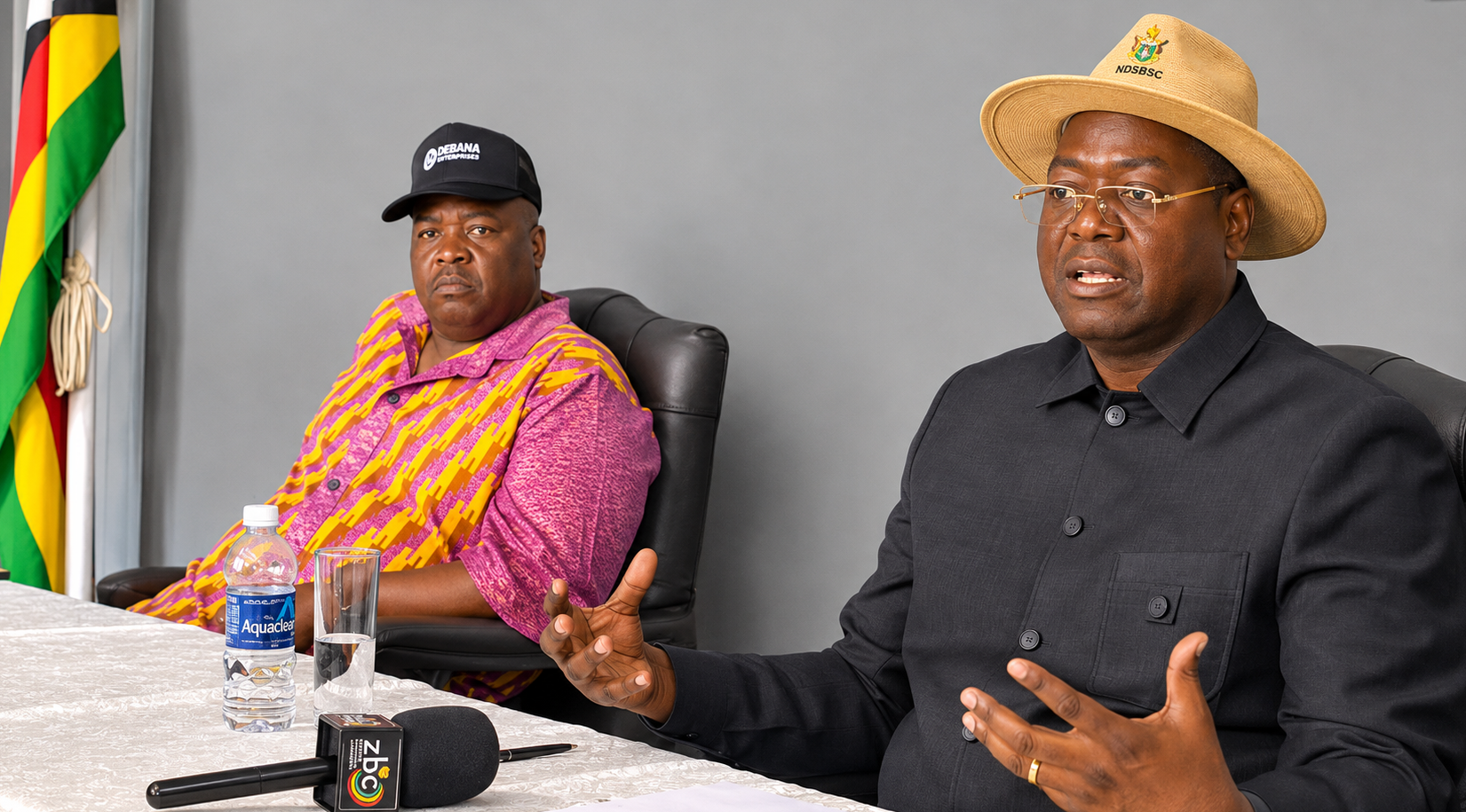
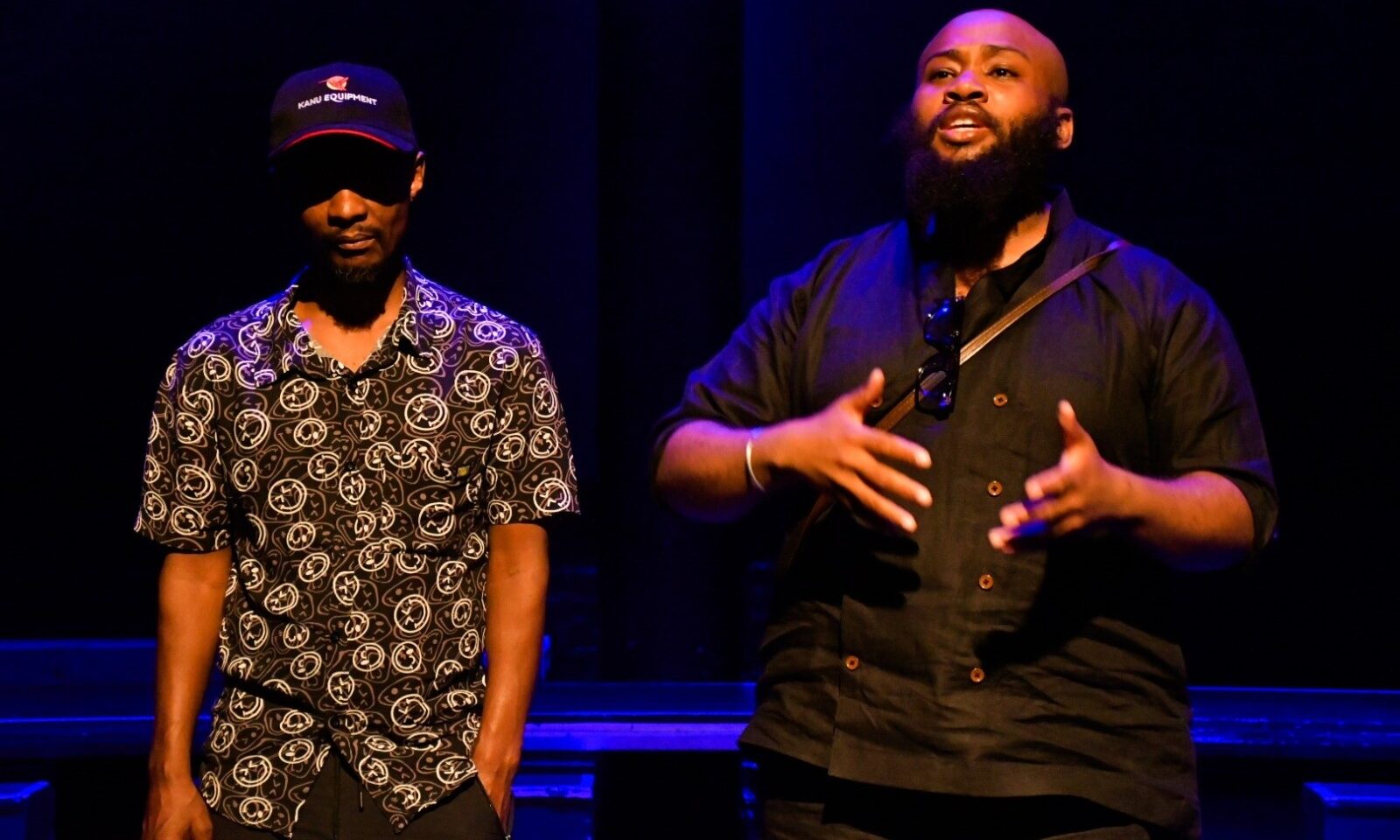
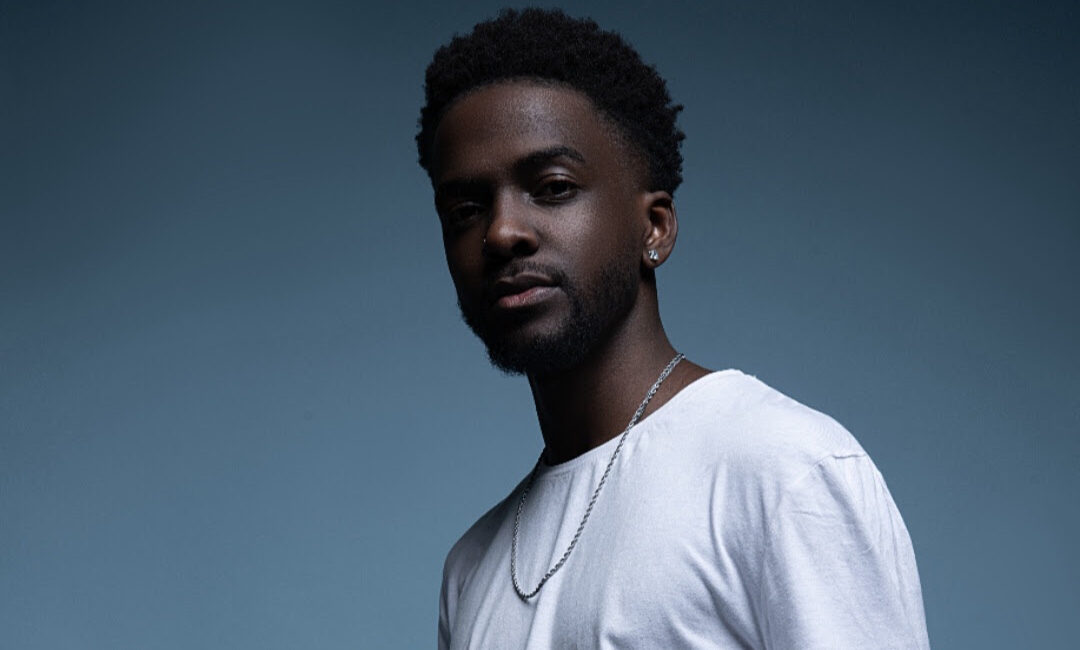
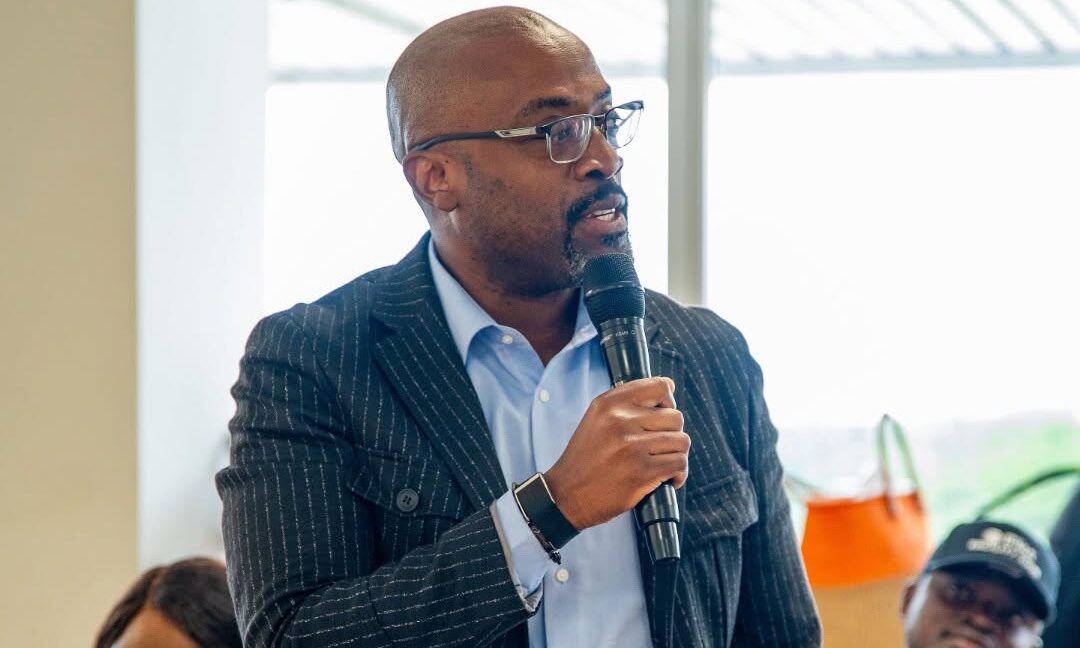
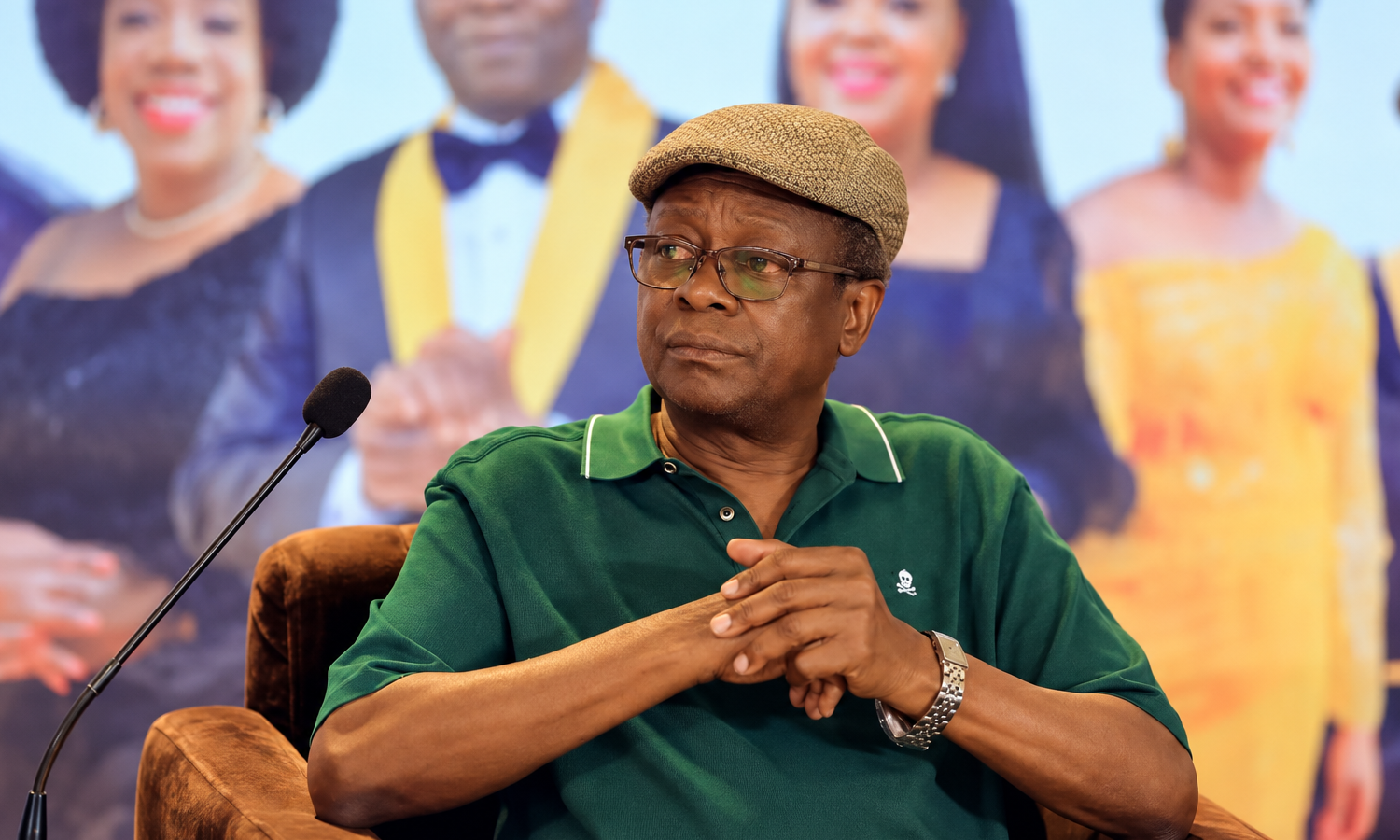
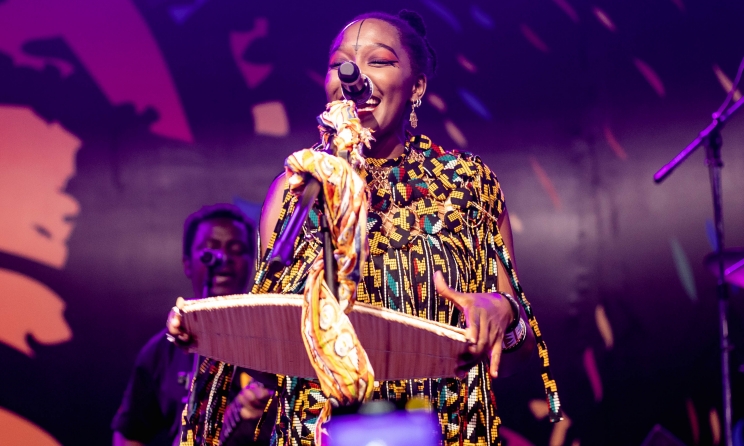
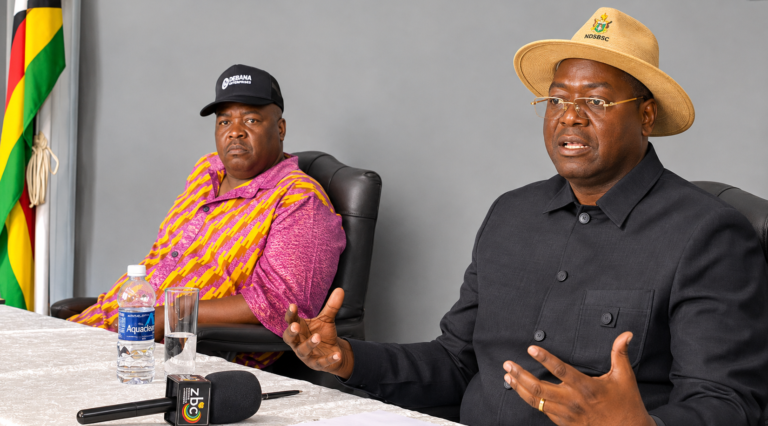
Zimbabwe's Ministry of Sport, Recreation, Arts and Culture permanent secretary Nicholas Moyo (right).
Among the recent developments at national level is Zimbabwe's review of its cultural legislation. On 17 November 2026, Cabinet approved the principles of the National Arts Council of Zimbabwe (NACZ) Amendment Bill, which seeks to update legislation enacted in 1985 to accommodate industries such as gaming, animation, streaming and digital content creation.
At the time the original Act was enacted, musicians relied largely on record companies and broadcasters to reach audiences. Film distribution depended on cinemas, television and physical formats. Today, artists can distribute their work directly to consumers, earn royalties from digital platforms and sell their services internationally without leaving their countries. These changes have implications for the mandate of NACZ and the expertise required within the institution.
The Changing Mandate of Cultural Institutions
Much of the cultural policy developed in Africa following independence was concerned with nation-building, the preservation of heritage and the promotion of African cultural identity. National arts councils were established to support artistic creation and encourage participation in cultural life. These responsibilities remain relevant, although the commercial development of the sector has brought other public institutions into cultural governance.
In the music industry, for instance, the administration of copyright falls under intellectual property legislation, while artist mobility involves immigration authorities. Local authorities issue licences for performance venues, and revenue authorities determine how income from artistic activities is taxed. An arts council can develop programmes to promote music, but its ability to develop the industry will also depend on decisions made by these other institutions.
Some countries are reviewing how these responsibilities are distributed. Kenya’s Creative Economy Bill, 2026, proposes the establishment of separate institutions for audio-visual industry development, regulation and professional training. These include the Kenya Audio-Visual and Cinema Commission, the Kenya Audio-Visual Regulatory Authority and the Kenya School of Film and Creative Arts.
Film industry development requires different expertise from film content regulation. However, establishing separate institutions also comes at a cost to the government. Before creating new agencies, it is necessary to establish whether some of their proposed functions are already being performed elsewhere. Practitioners should not have to deal with several government agencies simply because their work falls under overlapping institutional mandates.
In South Africa, the Durban Film Office (DFO) operates a centralised permit service through which production companies can apply for permission to film within the municipality. The DFO facilitates the process involving the relevant authorities. Zimbabwe could introduce similar arrangements for creative businesses that require approvals from more than one government agency.
The inclusion of gaming and animation in the proposed amendment also calls for a review of NACZ’s staffing. The production costs, distribution channels and intellectual property arrangements of a gaming company differ from those of a theatre company. Extending the mandate without recruiting people who understand these industries will limit the services NACZ can offer them.
The Distribution of Institutional Responsibility
Some credit for Zimbabwe’s advances in cultural policy development must go to its cultural administrators, among them Nicholas Moyo, the Permanent Secretary for Sport, Recreation, Arts and Culture. Before his appointment in October 2023, Moyo had spent more than two decades at NACZ, having joined the Council in 2000 and become its Executive Director in 2018. He also served on the board of the International Federation of Arts Councils and Culture Agencies (IFACCA) in 2023.
During his time at NACZ, Moyo advocated for the development of cultural value chains and tax incentives for companies investing in the arts. In 2021, NACZ worked with the United Nations Educational, Scientific and Cultural Organization (UNESCO) on the development of Zimbabwe’s National Music Strategy. The proposed amendment to the Act follows several years of work on the country’s creative industries.
Having people with such industry experience in senior government positions is important when developing legislation or making decisions on public expenditure. Appointments to cultural portfolios should be based on sector knowledge rather than treated as political rewards. Those entrusted with these responsibilities need to understand how cultural industries operate, how practitioners earn a living and where government intervention is required.
Zimbabwe’s contribution to cultural policy development has also extended to the continental level. According to an African Union (AU) statement issued on 31 March 2021, Zimbabwe, together with cultural practitioners, proposed the revision of the AU Plan of Action on Cultural and Creative Industries. The proposal was approved at the Specialised Technical Committee on Youth, Culture and Sport (STC-YCS) meeting in Algiers in October 2018. The revised Plan was subsequently approved by the AU Executive Council in July 2023.
More member states should participate in the development of continental cultural policies in this way. Member states and civil society organisations (CSOs) must also recognise their role in supporting the work of the African Union Commission (AUC). An appreciation of the value of continental institutions should be reflected in the technical expertise, research and resources that countries and sector organisations contribute to their work.
At national level, cultural institutions also need to work with other government agencies and financial institutions to address the needs of the sector. Arts councils may understand the financing requirements of creative businesses, but most lack the resources or mandate to provide commercial
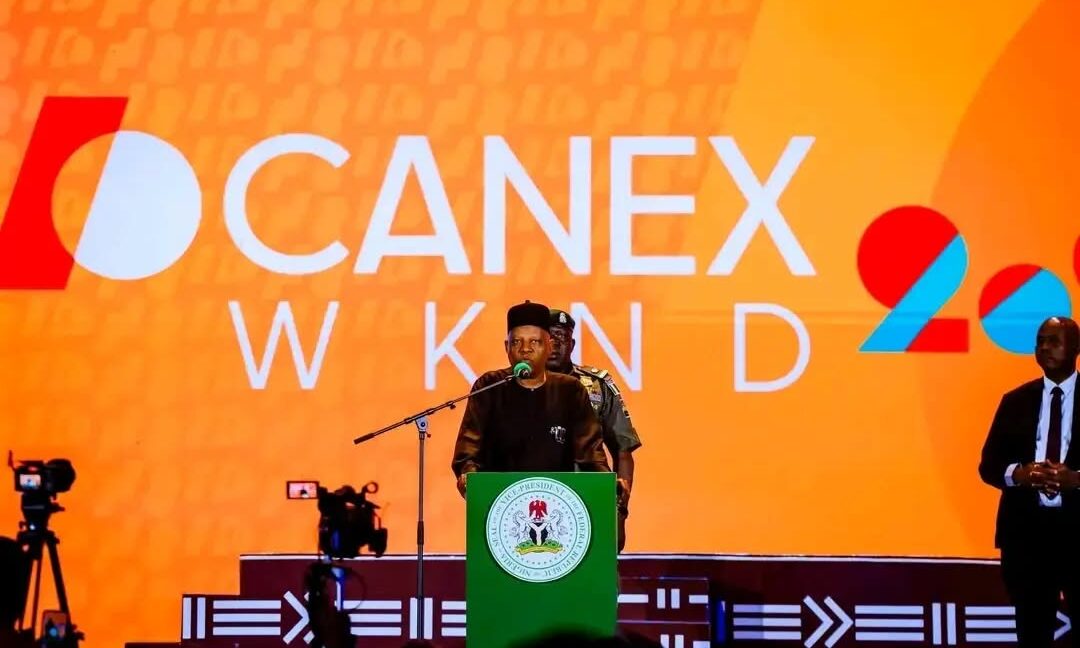
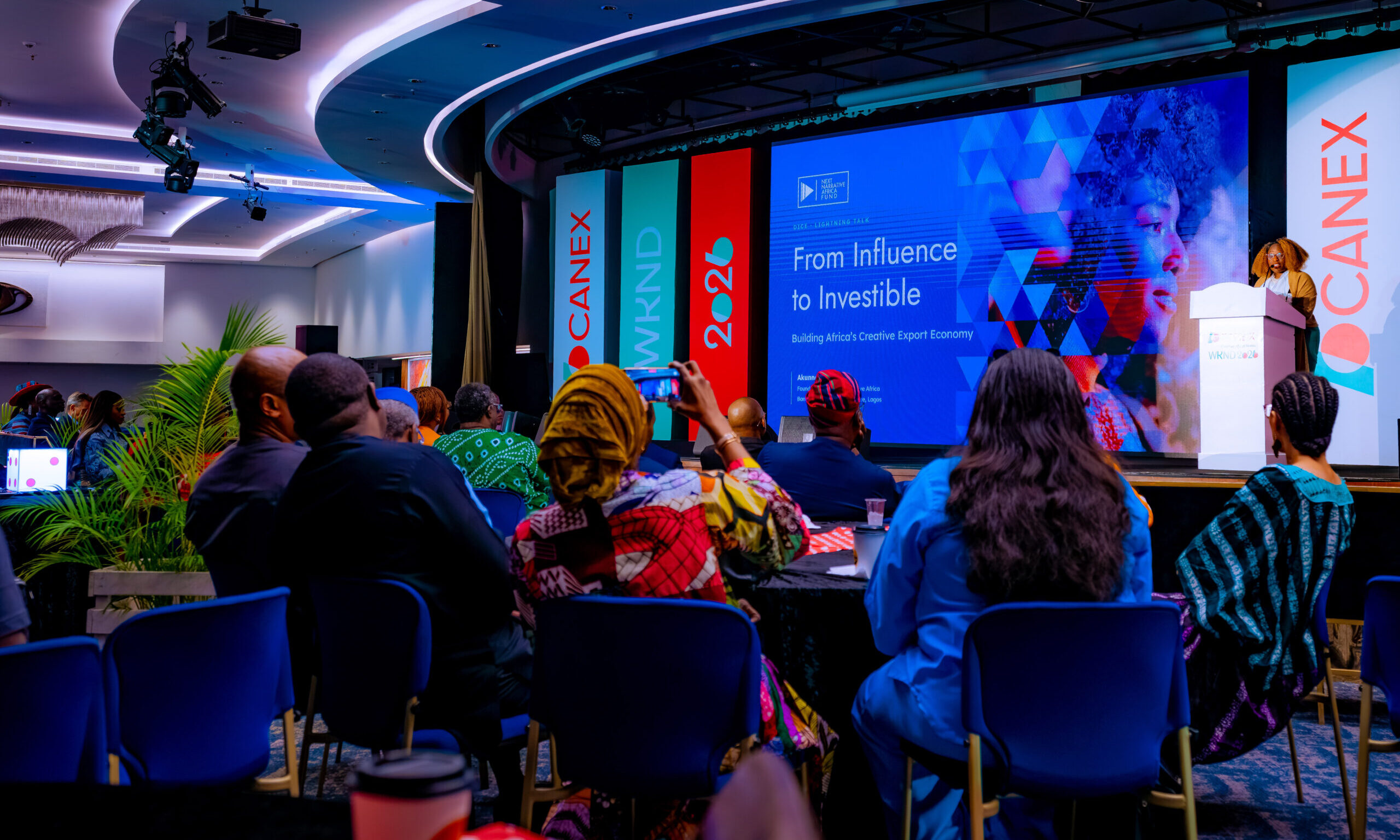
loans. In July 2025, the African Development Bank (AfDB) and the International Finance Corporation (IFC) announced a collaboration with Nigeria’s EbonyLife Media to explore the establishment of an investment vehicle for Africa’s film industry. In November 2026, the African Export-Import Bank (Afreximbank) committed a $75 million financing facility to the Development Bank of Nigeria (DBN) to support small and medium-sized enterprises (SMEs), including businesses in the creative industries, during the Creative Africa Nexus (CANEX) Weekend in Lagos.
National arts councils could initiate similar discussions with banks in their respective countries. Part of their work should involve collecting information on creative businesses, including their production costs, sources of revenue and financing requirements. Banks need this information when assessing the risks associated with lending to industries they may not have financed before. Governments also need to invest in domestic markets. A filmmaker who secures financing for a production still needs distribution channels through which to recover the investment. Musicians need mobility support and
venues where they can perform regularly at a cost that allows promoters to make a return on ticket sales. Access to credit alone will not resolve these problems.
Cultural Statistics and Public Investment
In October 2026, NACZ celebrated what it reported as an 8.8% contribution of the arts and entertainment sector to Zimbabwe’s gross domestic product (GDP). In its announcement, NACZ also addressed the stigma attached to artistic professions.
The Zimbabwe National Statistics Agency (ZIMSTAT), in its Presentation of Annual GDP Figures for 2025, released on 18 June 2026, records 8.8% as the annual growth rate of the arts, entertainment and recreation sector, placing it sixth among the country’s industries by growth. The sector’s real value added increased by 8.8% compared with the previous year. This figure does not represent its share of Zimbabwe’s GDP.
Accommodation and food services, for instance, grew by 12.8% during the same period but accounted for 4.3% of GDP. Measuring the contribution of Zimbabwe's cultural and creative industries requires looking beyond the statistical category of arts, entertainment and recreation. Activities such as publishing, broadcasting, architecture and design fall under different categories within the national accounts. Culture also generates revenue for the tourism and hospitality industries through festivals, exhibitions, heritage sites and other cultural activities. Measuring expenditure associated with these activities would help establish culture’s contribution to other industries without counting the same economic activity twice.
Zimbabwe has already undertaken some of this work. Between August 2023 and June 2025, the country implemented UNESCO’s Culture|2030 Indicators framework at national level and in Bulawayo. The exercise identified gaps in the available data, including information on cultural businesses and access to culture in rural areas.
NACZ could build on this work by partnering with ZIMSTAT to develop additional national cultural indicators and establish a regular system for collecting and publishing data on the sector. Beyond measuring economic contribution, these indicators should capture artists; earnings, employment, business activity, public expenditure, cultural participation and access to infrastructure. NACZ could then use this information to advise the government on investment priorities and assess whether existing policies are improving the conditions under which cultural practitioners work.
With information on cultural employment, for example, NACZ would be better placed to advise the government on where to invest in professional training. Data on household expenditure would help establish what Zimbabweans spend on cultural goods and services, while business records could inform discussions with financial institutions. Such information is also necessary when negotiating government budgets. In February 2026, the AU Executive Council reaffirmed the commitment to allocate at least 1% of national budgets to arts, culture and heritage by 2030. Where culture is administered alongside sports or other portfolios, separate budget lines are necessary to establish how much money is allocated to culture and whether it is actually released.
Not every cultural activity needs to be commercially viable to qualify for public funding. Heritage preservation, experimental artistic work and community cultural programmes may require grants rather than loans. This remains one of the responsibilities of governments and should not be overlooked as more financial institutions enter the creative economy.
For Zimbabwe, the review of the NACZ Act should also cover the Council’s operational budget, staffing and the services it provides to practitioners. Expanding its statutory mandate without making provisions for these costs could leave NACZ with responsibilities it cannot adequately finance. As 2026 draws to a close, African governments should take stock of what has been achieved in the twenty years since the adoption of the Charter for African Cultural Renaissance. Member states that have yet to ratify the Charter should consider doing so, while those that have ratified it should assess the extent to which its provisions have been incorporated into national legislation.
The AU Executive Council’s July 2023 decision provides for an assessment of the implementation of the revised Plan of Action after its first ten years. The AUC should be given the resources to undertake more frequent assessments of continental cultural policy instruments. CSOs should also make these instruments part of their advocacy work, establish which commitments their countries have implemented and lobby their governments where progress has not been made.
Zimbabwe’s contribution to the revision of the AU Plan of Action is an example of how member states can support the work of the AUC. The responsibility for advancing Africa’s cultural agenda cannot rest with the AUC alone. Member states must contribute to the development of continental policies and commit resources to their implementation.
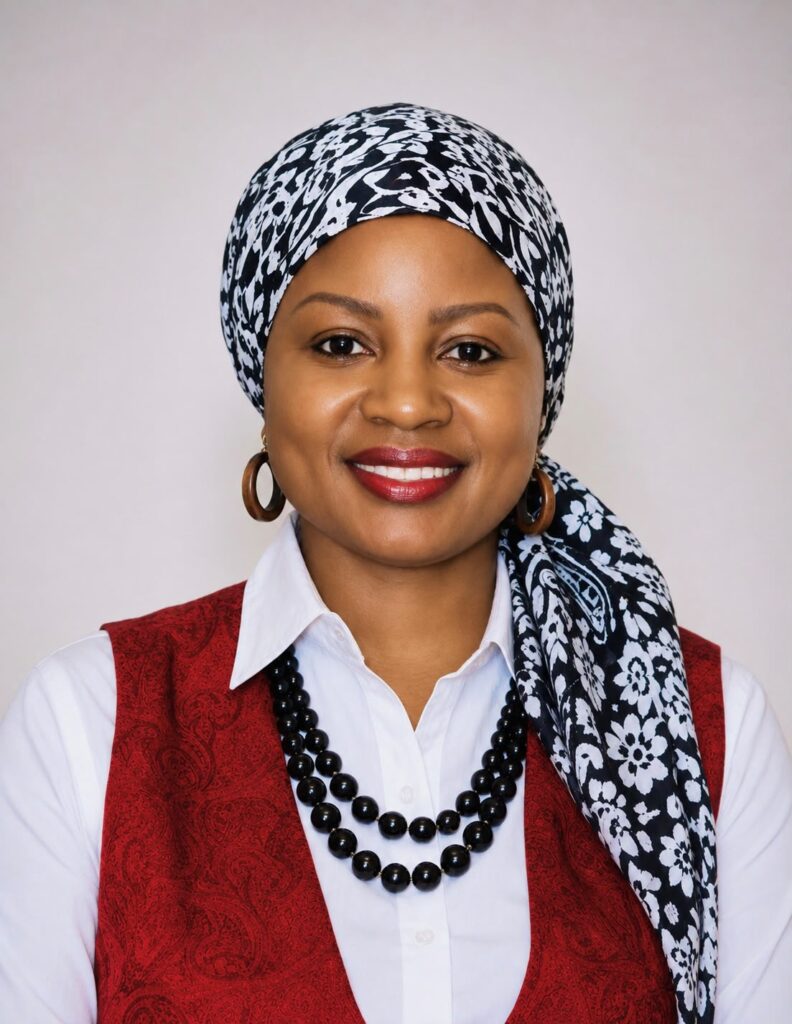
Lucy Ilado is a cultural policy specialist, researcher and programme manager working across Africa’s cultural and creative industries. Her work focuses on cultural policy, research, ecosystem building and programme design.


Most popular

Top Afrobeats songs of 2026
19 Mar 2026

Top amapiano songs of 2026
16 Feb 2026
Top Naija songs of 2026
31 Mar 2026
Winky D takes African message global with new album Tête-à-Tête (Hello Africa)
12 Nov 2026
Open call: Atmospheric Music Alliance offers grants for ambient music artists
16 Nov 2026
The role of Zimbabwe in shaping cultural governance in Africa
25 Nov 2026
Disclaimer: Music In Africa provides a platform for musicians and contributors to embed music and videos solely for promotional purposes. If any track or video embedded on this platform violates any copyrights please inform us immediately and we will take it down. Please read our Terms of Use for more.
Subscribe to our monthly Newsletter
Follow us on social media


Please log in to post a comment.