


















NEFCISA
NEFCISA

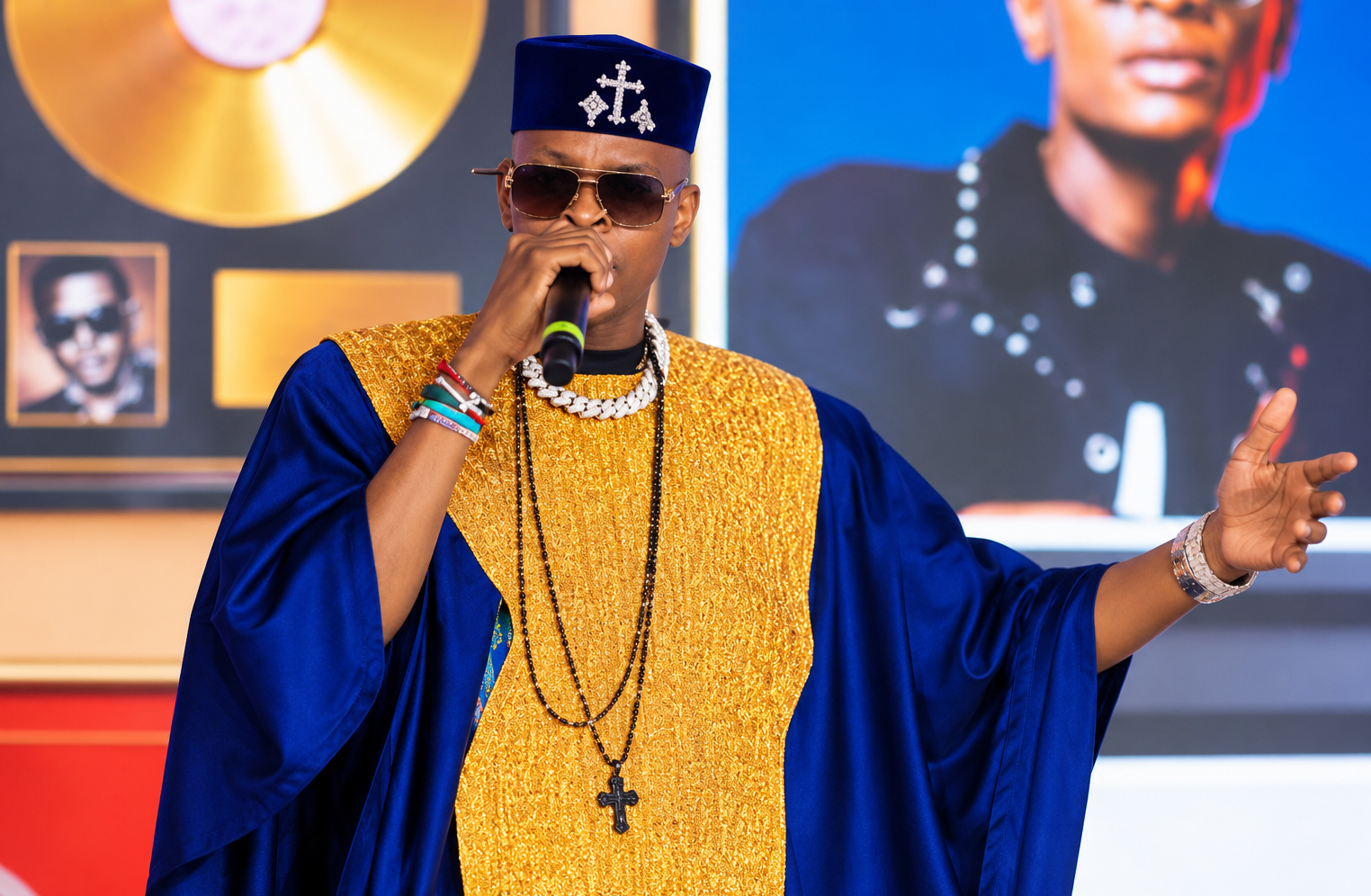
The Music In Africa Foundation (MIAF) is proud of its partnership with the Industrial Development Corporation (IDC) as a Strategic Implementing Partner (SIP) for its Social Employment Fund (SEF). Through this collaboration, MIAF is running a national programme that is creating jobs, addressing skills gaps, and strengthening South Africa's creative industries — in line with the SEF's overarching goal to generate work for the common good and build community value through employment, social contribution, and inclusive economic participation. Operating under the banner NEFCISA (National Employment Facility for Creative Industries in South Africa), the initiative is recruiting and training participants, matching them with host organisations, and has already placed 1 500 workers across the country — surpassing its original target of 1 000. NEFCISA is delivered through a network of 20 host organisations spanning five provinces, who are actively hosting participants and contributing to work for the common good across South Africa's creative and cultural industries. Key Objectives: Support employment and entrepreneurship in the creative industries. Offer skills development and training programmes. Foster partnerships between public and private creative sectors. Promote South African creativity at both provincial and national levels Foster community development through social contribution.

ACCES
ACCES

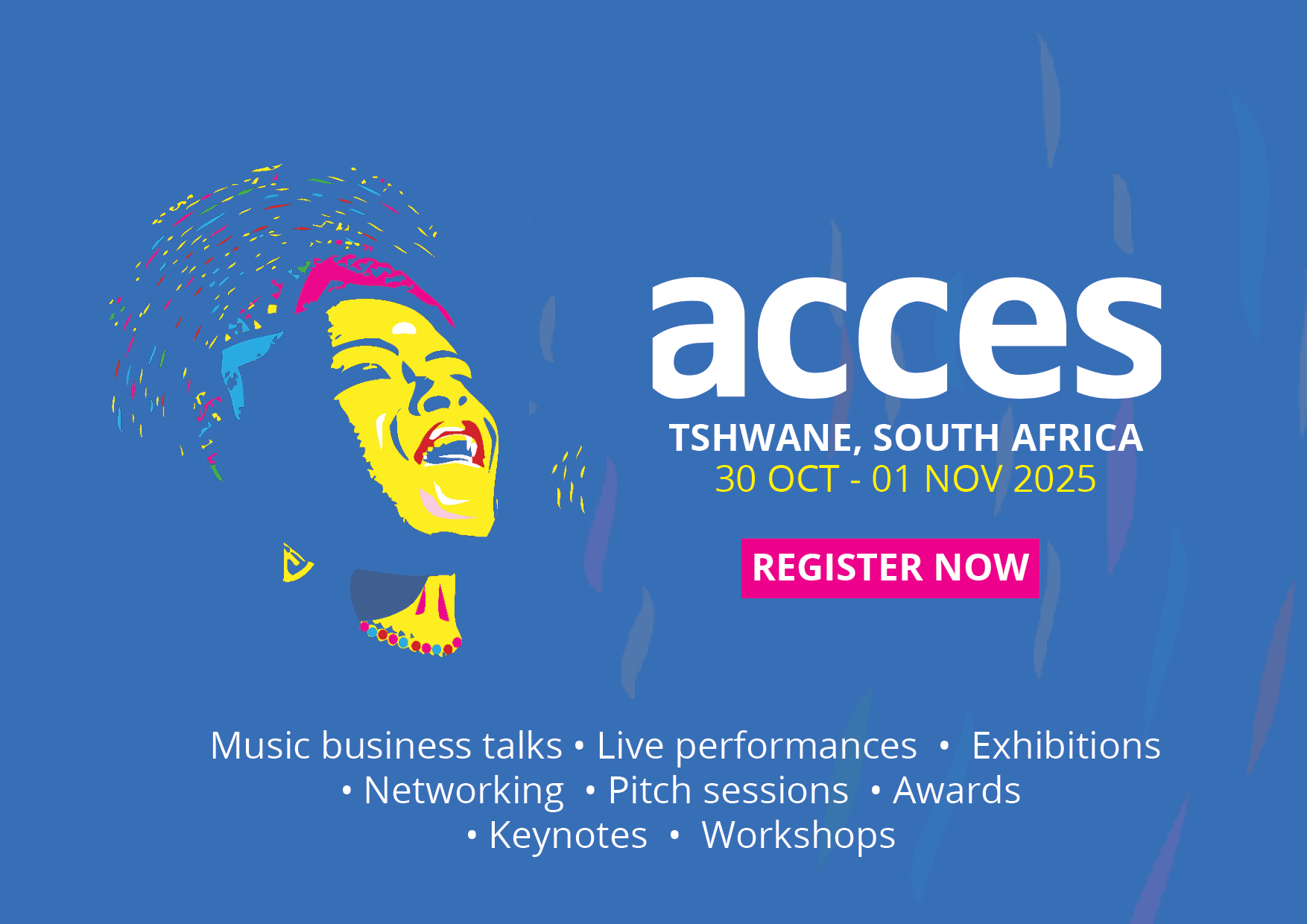
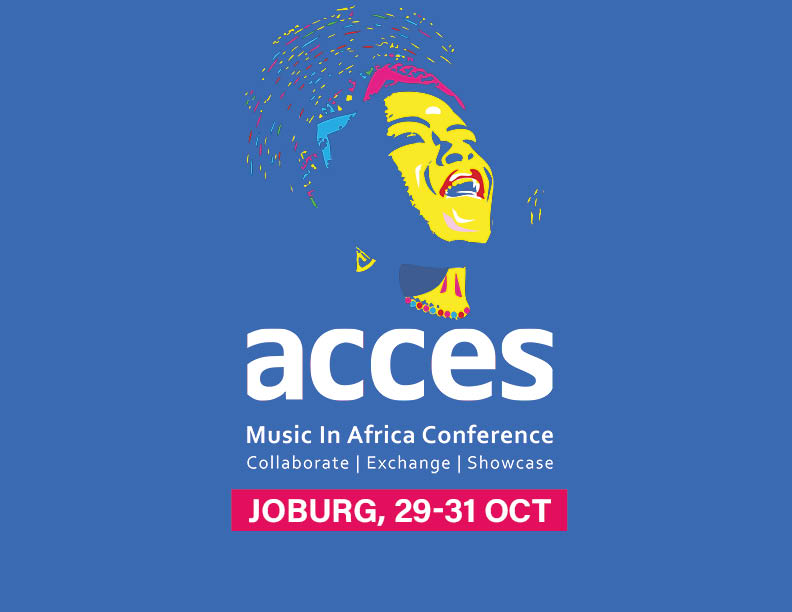
ACCES Conference and Showcase Festival is Africa's leading music industry gathering, bringing together the people shaping the future of the continent's music business. Artists, entrepreneurs, executives, investors, policymakers and cultural leaders from across Africa and around the world come to ACCES to build partnerships, exchange ideas, discover talent and create new business opportunities. Since its launch in 2017, ACCES has become the continent's premier platform for professional exchange and music market development. Combining a high-level conference with a curated showcase festival, networking, exhibitions and industry programmes, ACCES offers a unique space where creativity meets business and where African music connects with the global industry.

Gender@Work
Gender@Work

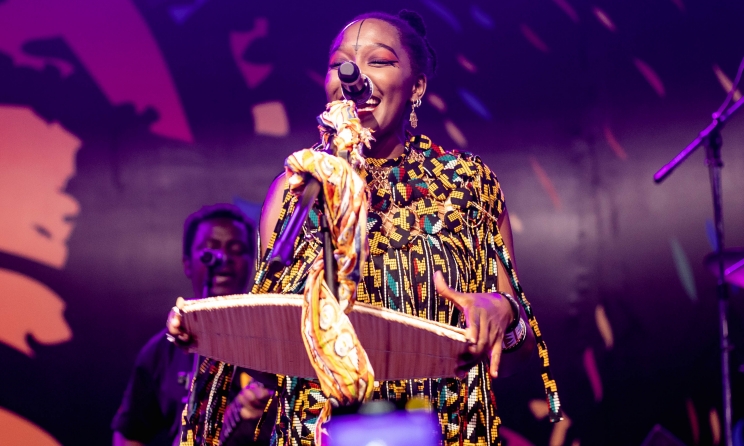
Music In Africa Gender @ Work is a three-year training programme aimed at upskilling and increasing the participation of female professionals in the African music sector. Launched by the Music In Africa Foundation (MIAF) in April 2019, the programme is connected to the MIAF’s ACCES music conference – a pan-African event held in a different African country every year. This connection enables the programme to reach new participants in a different African country every year. The programme marks the beginning of a more concerted effort by the Foundation to support the participation and inclusion of women in all facets of its programmes and the music sector in Africa as a whole. Over the three years, the programme will aim to address gender imbalances in the sector through training, lobbying, facilitating knowledge exchange and dialogues that foster the interest of women. The broader objectives of the programme are to: Provide industry training for women on critical music industry skills, focusing on: Stage management Electronic music production and recording Music business management Technical knowledge Provide an opportunity for both professional and aspiring women to benefit from the Music In Africa network and its broad range of activities in 2019, 2020 and 2021. Provide a solution-based platform in the form of a round table at ACCES with a view to identify challenges, discuss opportunities and lobby for the interests of female practitioners. Offer participants the opportunity to benefit from programmes offered by MIAF’s partners. Increase access to educational materials. Integrate participants in the broader ACCES programme to maximise experience and exposure to the industry. Record and present training materials on the www.musicinafrica.net, including but not limited to tutorials, templates and other best-practice materials. Communicate women-based themes that support the initiatives and messages of the programme. MAIN TRAINING ACTIVITIES Training in first country (Ghana): In the first year, participants will be trained on all aspects of stage management by a team of experienced stage managers from 10 to 17 November 2019. The programme will offer robust classroom training as well as practical, hands-on training in which participants will also be given the opportunity to manage various aspects of the ACCES performance programme. Training in second country: The second training iteration will take place at ACCES 2020 when the programme will diversify its course to include music production lessons and training on other music business topics. A round-table platform will also be introduced to coincide with the ACCES programme. Training in third country: The third training iteration will take place at ACCES 2021 in a different country, offering an advanced course. HOW DO YOU GET INVOLVED?  As a participant, facilitator or trainer: The programme enrolls up to 12 trainees every year. All opportunities are advertised publicly on this website, and will be added to this page. Please keep checking this page for new calls (below under UPDATES & CURRENT OPPORTUNITIES). As a partner Please contact Claire Metais at [email protected]. APPLY The call for applications for 2020 will be announced soon. The Music In Africa Gender @ Work programme is made possible with the support of the Prince Claus Fund, Siemens Stiftung and Goethe-Institut.

Sound Connects Fund
Sound Connects Fund

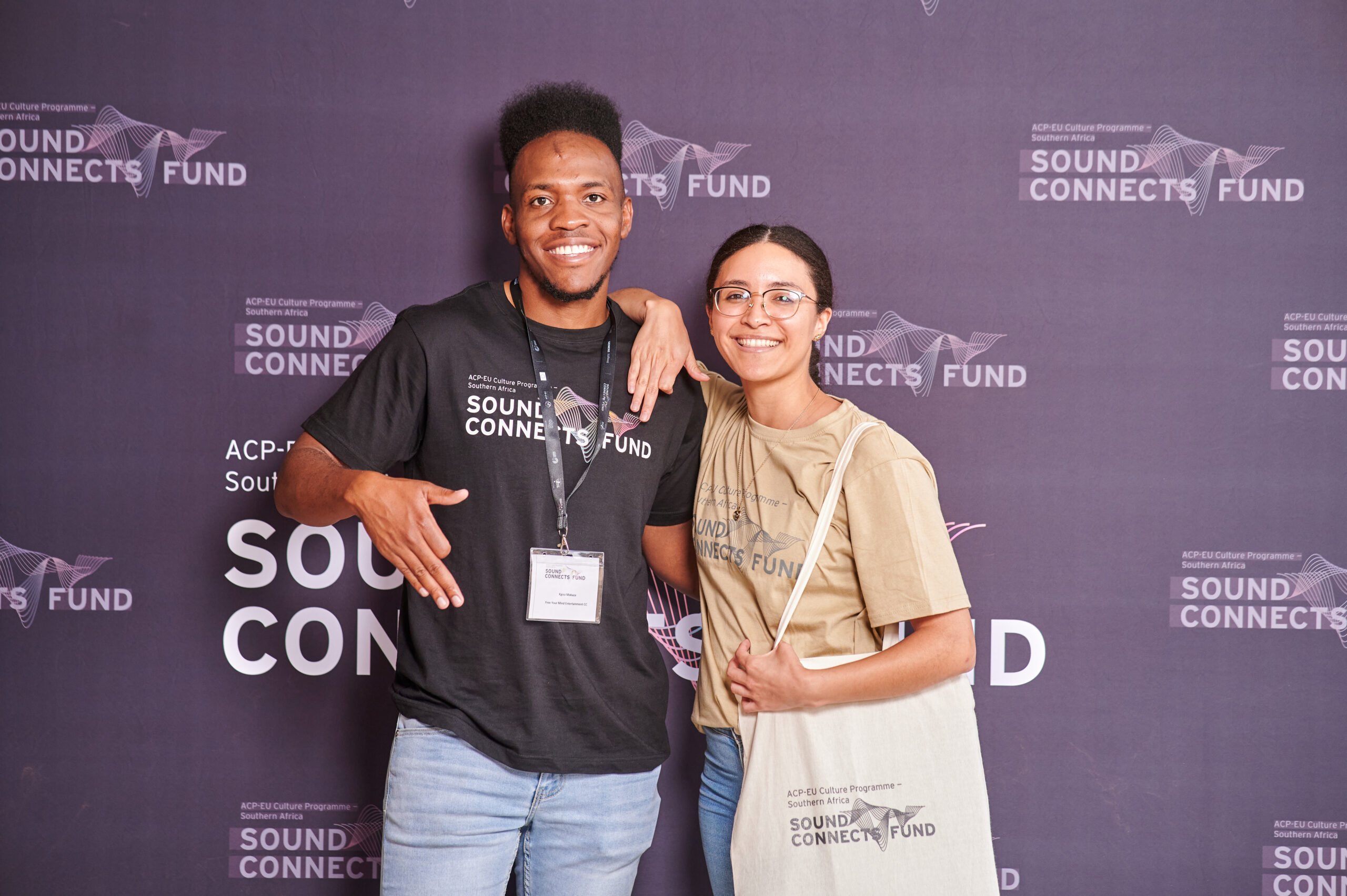
For cultural and creative practitioners and organisations operating in southern Africa, access to funding remains a major challenge. The COVID-19 pandemic has also had a massive impact on government policy, spending and the economy in general, and has seen spending on culture being moved further down the list of priorities. Further, the cultural and creative industries repeatedly cite four main areas where investment is needed for growth, which are increased visibility, mobility including access to new markets, finance and support structures.

Instrument Building And Repair Project

Experience the Vibrations African Instruments Exhibition online in 3D

News

SA: Malaika release Stakev remix of 2003 hit ‘Destiny’

26 Nov 2026 - 10:34

cc-img flag-img

South African Afro-pop group Malaika have released a new version of their 2003 hit ‘Destiny’, reworked by amapiano producer and DJ Stakev.
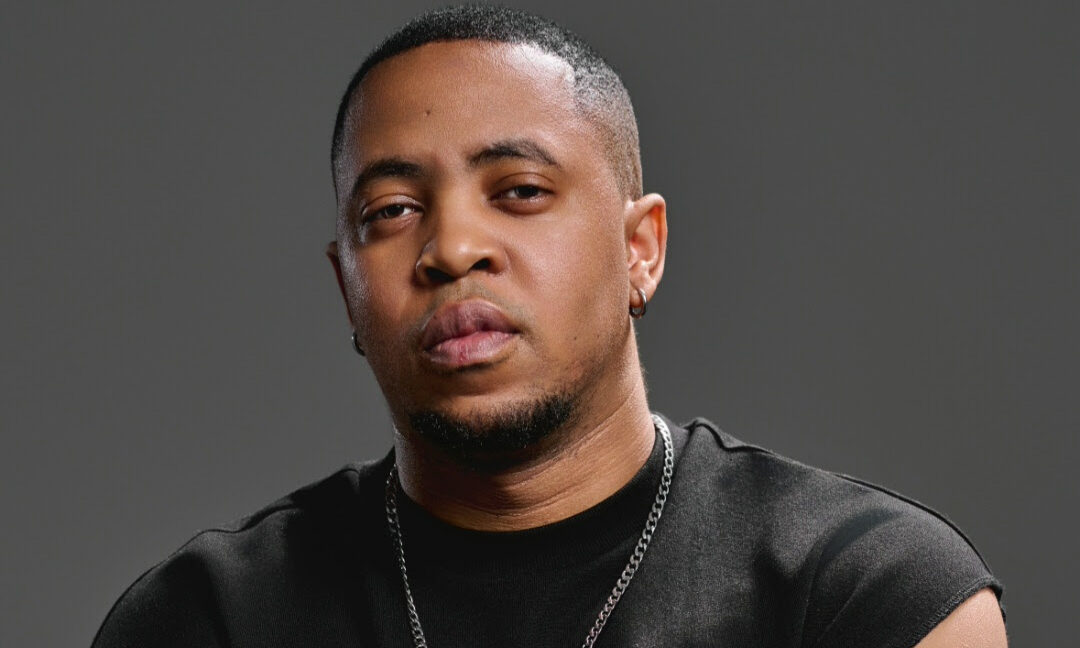
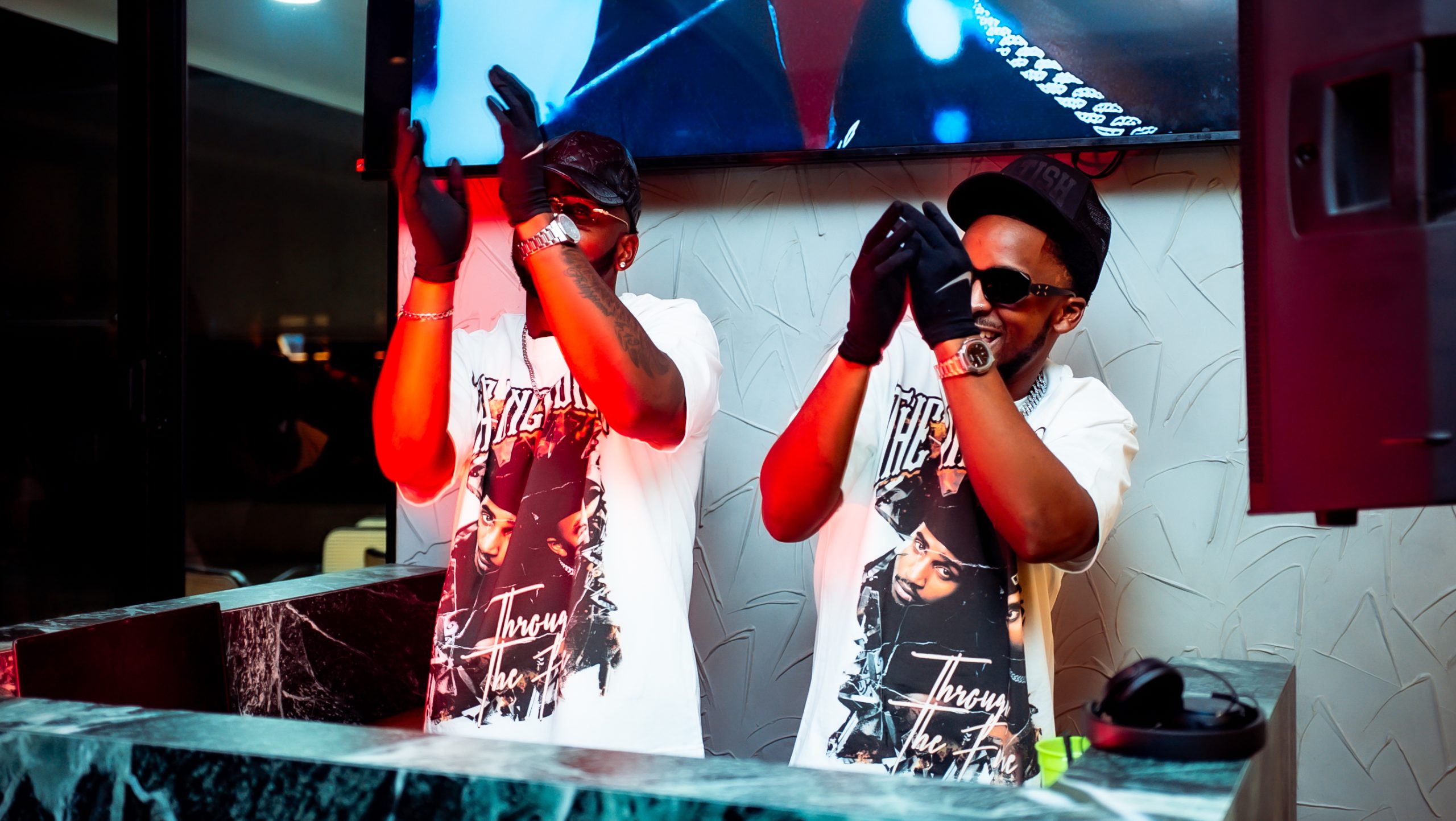
DJ Stakev.

Titled ‘Malaika x Stakev – Destiny [Re.Experience[D]] (Stakev Remix)’, the track is available on digital streaming platforms through Sony Music Entertainment Africa.

Originally featured as the 10th track on Malaika’s self-titled debut album, released in 2003, ‘Destiny’ became one of the group’s signature songs and a popular crossover hit in South Africa. The album sold hundreds of thousands of copies, establishing Malaika as one of the country's successful Afro-pop acts.

The remix retains the original song’s vocals and harmonies while incorporating amapiano elements, including log drums, basslines, shakers and electronic production.

According to the release, the track received support from DJs DJ Maphorisa, Kabza De Small and DBN Gogo, with early exposure across radio, DJ sets and TikTok ahead of its official release.

Stakev said he began working on the remix by experimenting with the song’s chords before incorporating the vocals and bassline. He also introduced a vocal sample in the Sgubhu section to give the track a stronger dancefloor appeal.

“When the idea to remix the song came to me, I decided to first play around with the chords. After that I laid down the vocals then it became easy to add the bassline. I then thought to myself, ‘How can I make it more fun?’ especially in the Sgubhu part, cause I wanted people to dance when it gets to that section. That's where the inspiration of the ‘I can feel it’ chop comes from. I wanted to feel it while at groove,” he said.

Malaika founding member Bongani Nchang said the group had previously received several remix requests but had declined some proposals because they felt the versions did not do justice to the original.

“It’s not a song that you can just remix as you feel. You either supersede the original or you try and keep it on that level – this one does justice,” Nchang said.

He added that both he and fellow founding member Guffy Pilane approved Stakev’s version independently after listening to it.

Producer and songwriter Godfrey ‘Guffy’ Pilane recalled the song's development during the recording of Malaika's debut album. He said he had recognised its potential early on, referring to it as ‘jersey number 10’ because it appeared as the album's 10th track.

Pilane also recalled Sony Music executive Lindelani Mkhize’s reaction when the group presented the album in 2003.

“I remember him calling and asking, ‘Guffy, why did you put the song so far?’ I said to him, ‘because it’s a hit’, I wanted everyone to listen to the whole album until they get to the hit,” he said.

Pilane also praised vocalist Tshedi Mholo’s performance, explaining that her vocal delivery helped distinguish the song from the group's other material.

The Stakev remix introduces the 2003 recording to a new audience while retaining elements of the original composition. It is available to stream online.

Contributor: Mndeni Mahlangu

Please log in to post a comment.

Most popular

Disclaimer: Music In Africa provides a platform for musicians and contributors to embed music and videos solely for promotional purposes. If any track or video embedded on this platform violates any copyrights please inform us immediately and we will take it down. Please read our Terms of Use for more.
newsletter banner

Subscribe to our monthly Newsletter

Follow us on social media