
















NEFCISA
NEFCISA

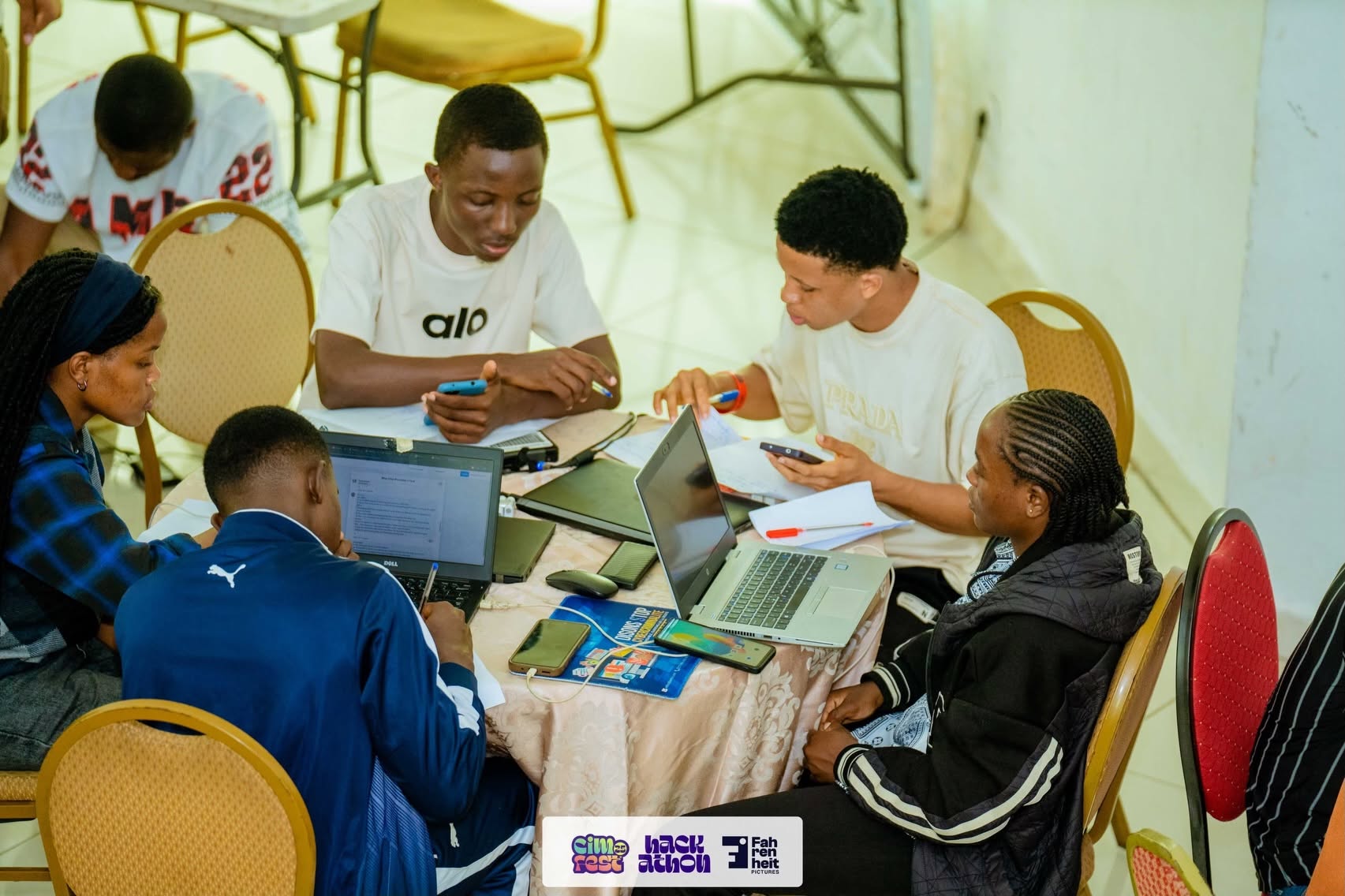
The Music In Africa Foundation (MIAF) is proud to announce its partnership with the Industrial Development Corporation (IDC) as a Strategic Implementing Partner (SIP) for its Social Employment Fund (SEF). Through this collaboration, MIAF is launching a new national programme designed to create jobs, address skills gaps, and strengthen South Africa’s creative industries — in line with the SEF’s overarching goal to generate work for the common good and build community value through employment, social contribution, and inclusive economic participation. Operating under the banner NEFCISA (National Employment Facility for Creative Industries in South Africa), the initiative will recruit and train participants, match them with host organisations, and place a minimum of 1 000 workers across the country. Key Objectives: Support employment and entrepreneurship in the creative industries. Offer skills development and training programmes. Foster partnerships between public and private creative sectors. Promote South African creativity at both provincial and national levels Foster community development through social contribution.

ACCES
ACCES

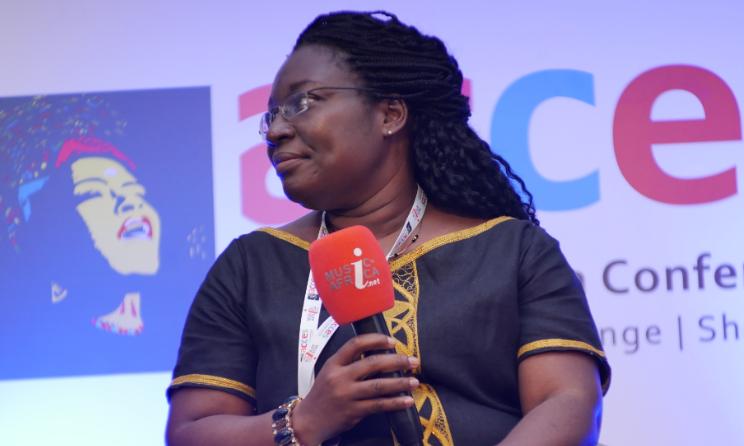
Chaque année, nous fournissons des informations générales afin de guider les participants dans la préparation de leur voyage. En plus de ce site, des mises à jour importantes seront envoyées par e-mail à tous les délégués inscrits. Assurez-vous de vous inscrire dès que possible. Pour plus d'informations, veuillez contacter [email protected] Continuez à consulter cette page pour plus d'information.  

Gender@Work
Gender@Work

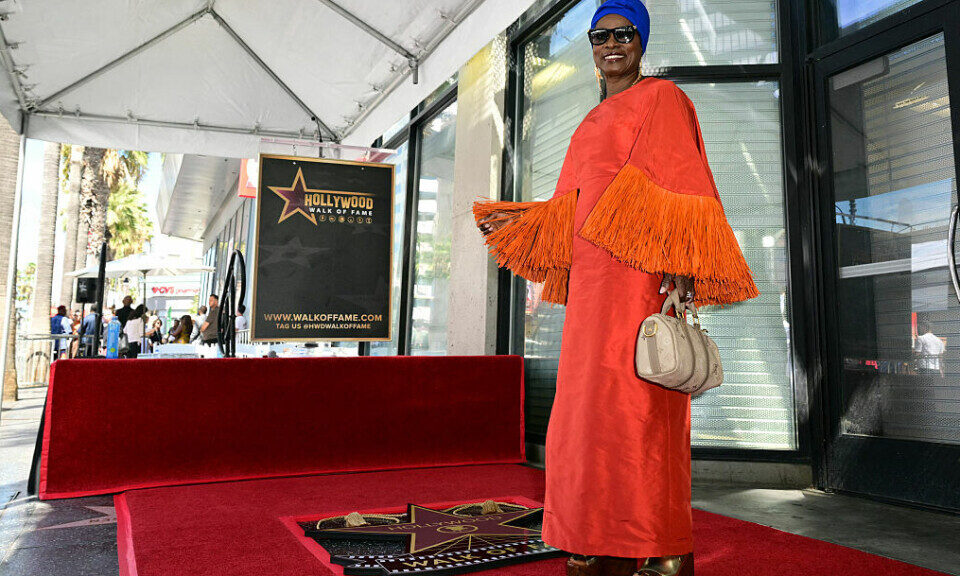
Music In Africa Gender @ Work is a three-year training programme aimed at upskilling and increasing the participation of female professionals in the African music sector. Launched by the Music In Africa Foundation (MIAF) in April 2019, the programme is connected to the MIAF’s ACCES music conference – a pan-African event held in a different African country every year. This connection enables the programme to reach new participants in a different African country every year. The programme marks the beginning of a more concerted effort by the Foundation to support the participation and inclusion of women in all facets of its programmes and the music sector in Africa as a whole. Over the three years, the programme will aim to address gender imbalances in the sector through training, lobbying, facilitating knowledge exchange and dialogues that foster the interest of women. The broader objectives of the programme are to: Provide industry training for women on critical music industry skills, focusing on: Stage management Electronic music production and recording Music business management Technical knowledge Provide an opportunity for both professional and aspiring women to benefit from the Music In Africa network and its broad range of activities in 2019, 2020 and 2021. Provide a solution-based platform in the form of a round table at ACCES with a view to identify challenges, discuss opportunities and lobby for the interests of female practitioners. Offer participants the opportunity to benefit from programmes offered by MIAF’s partners. Increase access to educational materials. Integrate participants in the broader ACCES programme to maximise experience and exposure to the industry. Record and present training materials on the www.musicinafrica.net, including but not limited to tutorials, templates and other best-practice materials. Communicate women-based themes that support the initiatives and messages of the programme. MAIN TRAINING ACTIVITIES Training in first country (Ghana): In the first year, participants will be trained on all aspects of stage management by a team of experienced stage managers from 10 to 17 November 2019. The programme will offer robust classroom training as well as practical, hands-on training in which participants will also be given the opportunity to manage various aspects of the ACCES performance programme. Training in second country: The second training iteration will take place at ACCES 2020 when the programme will diversify its course to include music production lessons and training on other music business topics. A round-table platform will also be introduced to coincide with the ACCES programme. Training in third country: The third training iteration will take place at ACCES 2021 in a different country, offering an advanced course. HOW DO YOU GET INVOLVED?  As a participant, facilitator or trainer: The programme enrolls up to 12 trainees every year. All opportunities are advertised publicly on this website, and will be added to this page. Please keep checking this page for new calls (below under UPDATES & CURRENT OPPORTUNITIES). As a partner Please contact Claire Metais at [email protected]. APPLY The call for applications for 2020 will be announced soon. The Music In Africa Gender @ Work programme is made possible with the support of the Prince Claus Fund, Siemens Stiftung and Goethe-Institut.

Sound Connects Fund
Sound Connects Fund

Pour les praticiens et les organisations culturels et créatifs opérant en Afrique australe, l’accès au financement reste un défi majeur. La pandémie de COVID-19 a également eu un impact massif sur les politiques gouvernementales, les dépenses et l’économie en général, et a vu les dépenses consacrées à la culture reléguées plus bas dans la liste des priorités. De plus, les industries culturelles et créatives citent régulièrement quatre domaines principaux où l’investissement est nécessaire pour la croissance : une visibilité accrue, la mobilité incluant l’accès à de nouveaux marchés, le financement et les structures de soutien.

Music In Africa Live

MUSIC IN AFRICA LIVE Lancé en 2020 pour une durée de 3 ans, Music In Africa Live est une initiative visant à soutenir l'écosystème de la musique africaine face aux contraintes imposées par la pandémie de COVID-19 ; le projet a été lancé par la Fondation Music In Africa (MIAF) en partenariat avec le ministère fédéral allemand des Affaires étrangères, Siemens Stiftung et le Goethe Institut. Plus de 30 aides sont disponibles dans le cadre de la troisième édition de Music In Africa Live, dans 3 catégories :  showcases, renforcement des compétences et plaidoyer, en conformité avec les modalités énoncées.

Instrument Building And Repair Project

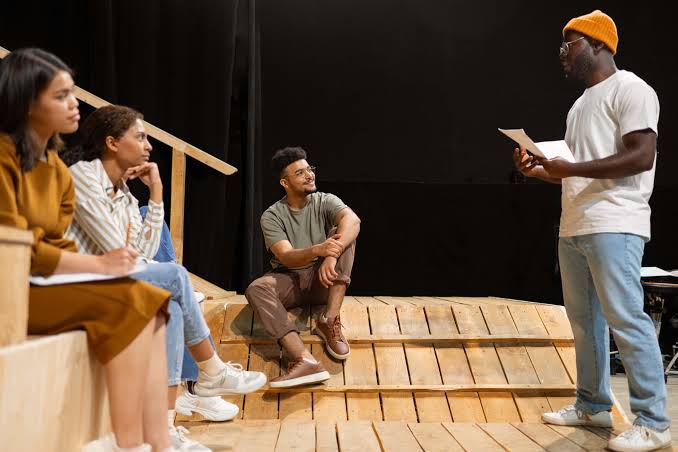
The overarching objective of Music In Africa Foundation’s Instrument Building and Repair (IBR) project is to encourage the formalisation and professionalisation of instrument-making and repair in Africa, especially in relation to indigenous African instruments. Background In 2014, the Music In Africa Foundation (MIAF) identified as one of its focus areas for development the need to encourage young people from music and music-related sectors to consider instrument-making as a career. This need extended itself from the recognition that the making of traditional African instruments is not a widely practiced skill and seems to be limited to the older generation. Traditional African instrument makers are also few and far between, making communication and logistics between teachers and learners an obstacle. When instrument building workshops take place, budgetary constraints do not allow teachers or learners the time to explore the finer details of an instrument. Based on these observations, the MIAF designed and piloted the first IBR workshop at the Dhow Countries Music Academy (DCMA) in Zanzibar in February 2015. In 2016, the foundation received funding from the South African National Lotteries Commission to implement a much bigger version of the project in Johannesburg. The project drew participants from five African countries. 25 students from South Africa, Ghana, Senegal, Kenya and Ethiopia were trained on how to build and repair musical instruments. The instruments that they made were: Traditional Instruments: Umakhweyana and Marimba Conventional Instrument: Dulcimer guitar The workshop culminated in a traditional instruments concert at the Wits Theatre in Johannesburg. It is the MIAF’s aim to roll out similar workshops in as many African countries as possible over the next few years. Objectives Developing awareness of musical instrument makers in Africa with a view to promote their work to a wider global audience. Facilitating the sharing and transfer of skills in indigenous instruments between countries on the continent. Encouraging the formalisation and professionalisation of instrument-making and repair in Africa, especially in relation to indigenous instruments. Helping instrument makers develop their careers. Fostering the rapid monetisation and sustainable development of instrument-making and repair in Africa. Promoting constant exchange of ideas, expertise, experiences and know-how among instrument makers in Africa. Facilitating the identification of existing gaps in the field with a view to contribute new solutions. Facilitating the transfer of knowledge and skills of indigenous instruments between younger and older generations. 2020 edition The MIAF has also announced that multi-instrumentalist and instrument maker Joe Makhanza will facilitate one of the workshops on the building of the kamale ngoni instrument. Kamale ngoni is a kora-like, stringed instrument that originated in West Africa. The instrument contributed to the rise of Wassoulou music in the 1970s and 1990s. Makhanza was born in Giyani in South Africa's Limpopo province. He completed a bachelor of music degree and a post-graduate diploma in arts marketing from Wits University. He is currently completing his masters in ethnomusicology and is a part-time lecturer in African music studies at Rhodes University. He plays the kora, mbira, valiha, masenqo, xiwewe, ngoni ba and xizambi, among others. He also manufactures the aforementioned instruments. The MIAF will confirm more trainers who will join the workshops as well as the other instruments that will be featured in the 2020 IBR programme.  Apply to participate here. Connect with us on Twitter, Instagram and Facebook, and subscribe to our monthly newsletter. The Music In Africa Instrument Building and Repair project is funded by the National Lotteries Commission. It is implemented in partnership with Siemens Stiftung, Goethe-Institut, Wits Theatre and Kaya FM.

Features

Visa For Music 2018 : les premiers groupes connus

05 Sep 2018 - 17:01

cc-img flag-img

La 5e édition du salon Visa For Music (VFM) se tiendra du 21 au 24 novembre 2018. Music In Africa vous propose de découvrir les premiers noms de la sélection showcases #VFM2018. D'autres noms seront prochainement communiqués.
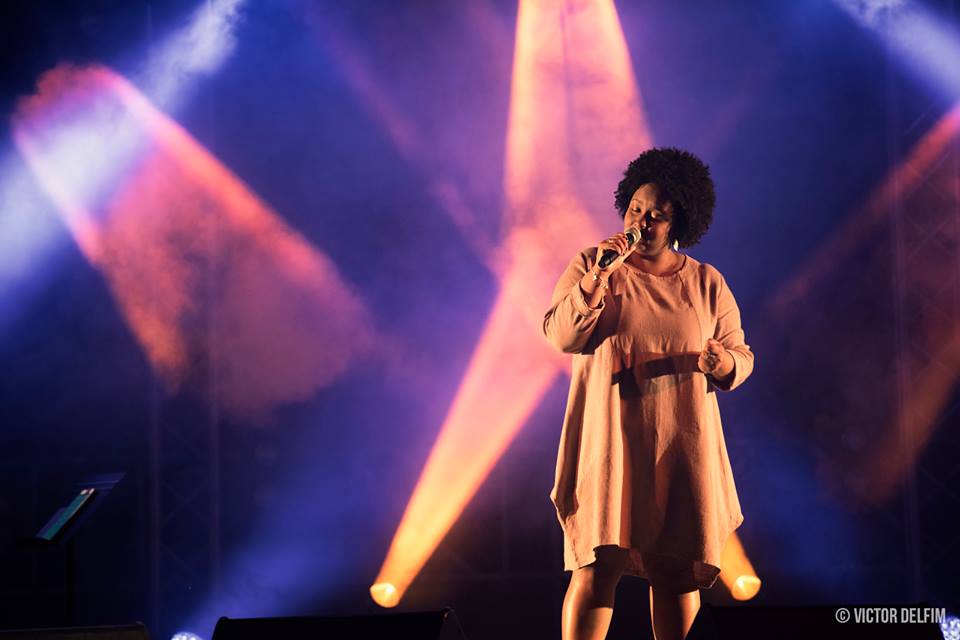
Lucibela sur scène (Photo) : Victor Delfim

Asmâa Hamzaoui & Bnat Timbouktou (Maroc)

La jeune Asmaâ Hamzaoui, leader du groupe Bnat Timbouktou, est une des rares joueuses de guembri, un instrument traditionnellement réservé aux hommes.

Bnat Timbouktou a été formé en 2012 et fait partie des formations musicales traditionnelles qui montent au Maroc. Fidèles à la plus pure tradition gnaouie, Asmaâ Hamzaoui et ses amies font encore résonner cette musique héritée de leurs ancêtres esclaves, originaires de l'Afrique occidentale.

Gwen & Tiana (Gabon)

Gwen & Tiana sont un duo gabonais de musique afro-jazz et de soul. La musique du groupe est un mélange de genres, une musique métissée, alchimie entre rythmiques africaines et sonorités jazz.

Parmi leurs sources d'inspiration, des artistes tels que Richard Bona et Angélique Kidjo. Gwen & Tiana ont sorti leur premier EP en 2017.

Le duo a participé à plusieurs événements d'importance sur le continent, dont le Marché des Arts et du Spectacle Africain (MASA) à Abidjan (Côte d'Ivoire).

Hamza Chraibi & Band (Maroc)

Hamza Saïd a l'art dans le sang. Il tient de son père Chraïbi, grand maître du luth oriental, ses dispositions artistiques innées. Son gout éclectique pour la musique lui fait explorer divers styles comme le flamenco, la bossa-nova et le jazz manouche entre autres.

Son band est composé de jeunes talents comme Mehdi Rayoud et Karam Lefhiyel et propose une musique qui combine avec art, différentes sonorités.

Hamza Chraibi compte dans sa discographie un album, Assyrians to Ahwachs.

Ifrikya Spirit (Algérie)

Ifrikiya Spirit est un groupe qui nous vient d'Algérie. Son style très varié mêle les musiques traditionnelles africaines à celle des Gnaoua, mais aussi à des sonorités plus modernes.

Le groupe a déjà sorti un album de 8 titres. Les inspirations de la bande fondée par Chakib Bouzidi en 2009, vont du jazz au salsa, en passant par le diwan, les rythmes africains, le blues et le reggae.

Kommanda Obbs (Lesotho)

Inspiré par les musiques traditionnelles africaines et le rap, Kommanda Obbs a débuté sa carrière en 1998.

Originaire de Maseru, au Lesotho, il est le créateur d'un sous-genre appelé T’sepe. Il compte à son actif une mixtape underground hip hop, Complex Mind Set Volume 1 sortie en 2006.

Lucibela (Cap vert)

Lucibela est une chanteuse cap-verdienne.

Héritière de grands noms de la musique cap-verdienne comme Césaria Evora, elle est la voix montante du pays de la morna et du coledara.

Révélation de la dernière Atlantic Music Expo à Praia (Cap-Vert), elle a publié en février 2018 son premier album, Laço Umbilical (Cordon Ombilical).

Lornoar Lorenoare (Cameroun)

Lornoar est une jeune auteure, compositrice, interprète et danseuse originaire de Yaoundé au Cameroun.

Elle débute sa carrière musicale en 2007. Elle a accompagné plusieurs chanteurs camerounais avant de lancer sa propre carrière en 2010. Elle sort son premier single intitulé « Ote Ben Ma » en 2012, suivi en avril de la même année d'un second single « Zen ».

Elle a participé à plusieurs festivals à travers le monde. Elle était à l'affiche au Visa for Music 2016.

Mamadou Diabate & Percussion Mania (Burkina Faso)

Mamadou Diabaté est né dans une famille de musiciens traditionnels au Burkina Faso, avec une longue tradition de pratique du conte et de la création musicale.

En 1988 et 1998, il remporte le premier prix de la Semaine nationale de la culture du Burkina Faso. Avec son groupe Percussion Mania, il a remporté le prix autrichien des musiques du monde (2011) et le grand prix du concours Triangle du Balafon au Mali (2012). Il a également reçu le Prix Alkaly Camara de la virtuosité et a été nommé en 2017, Chevalier de l'Ordre National du Burkina Faso.

Il a sorti 11 CDs avec ses propres compositions et 2 autres avec une musique authentique des peuples Sambla et Tusia (tous deux en première mondiale). Il vit actuellement en Autriche.

Mehdi Qamoum (Maroc)

Mehdi Qamoum est un compositeur polyvalent et multi-instrumentiste né en 1991 à Agadir (Maroc).

Musicien gnawa traditionnel, Mehdi maîtrise de nombreux instruments folkloriques, dont le guembri, le outar, le karbaou, le bendir et une basse électrique à quatre cordes, un guembri personnalisé qu'il a lui-même fabriqué.

Mehdi est également compositeur, ses chansons parlent des problèmes sociaux pressants comme la pauvreté, la diaspora et la discrimination. Outre ses propres compositions, Mehdi est bien connu pour son travail avec le groupe de musique du pavillon du Maroc à Epcot Center.

Nabyla Maan (Maroc)

Nabyla Maan est une chanteuse marocaine qui a bénéficié d'une formation auprès des plus grands maitres. Encouragée par des parents mélomanes, elle développe depuis son enfance une passion pour la musique.

Inspirée par les musiques du monde, elle combine ses influences avec la musique traditionnelle qu'elle propose avec une approche très moderne. En 2017, elle a sorti son dernier album initulé, Dar-al-Andalus.

Sharmoofers (Egypte)

Sharmoofers est un groupe égyptien formé par Ahmed Bahaa et Mohamed El Arkan en 2012.

Pour les Sharmoofers, la musique est le chemin du bonheur. Leur objectif est de faire sourire les gens qui les écoutent. Ahmed Bahaa, Ezz Shahwan & Mohamed El Arkan sont des musiciens brillants avec une vision positive, qui veulent partager leur joie de vivre.

Ces musiciens talentueux qui ont pris d'assaut la scène musicale égyptienne et du Moyen-Orient sont de vrais lanceurs de tendances.

Shayfeen (Maroc)

Shayfeen est un groupe de rap composé par Shobee et Small X. Véritables stars de la scène rap marocaine, ils sont considérés comme des esprits ouverts et visionnaires.

Parmi les titres qui ont fait leur succès, on peut mentionner des tracks comme « Wach Kayn Maydar », ainsi que des titres internationaux comme « 3dabi », présent dans RIPRO 3, la dernière mixtape de Lacrim.

Tania Saleh (Liban)

Tania Saleh est une chanteuse et compositrice originaire du Liban. Engagée, sa musique décrit la situation sociale et politique libanaise / arabe.

Tania Saleh qui a lancé sa carrière en 1990, est avide de rencontres et de nouvelles expériences, qu'elle traduit dans sa musique qui est un mix moderne et authentique.

Grâce à ce travail, elle remet au goût du jour, des musiques arabes traditionnelles telles que le «Tarab », le « Mawwal » et le « Dabke ».

Thee Legacy (Afrique du Sud)

Thee Legacy est un groupe originaire de Durban, en Afrique du Sud, dans la région du KwaZulu-Natal.

La musique du groupe reste ancrée dans les airs harmonieux d'Isicathamiya et du South African heritage, auquels ils ajoutent des accents contemporains tout en diffusant un message de paix, d'amour et d'harmonie.

Le groupe a été nominé pour le Best Remix aux Metro FM Music Awards en 2017 et a partagé la scène avec les plus grands noms de la musique sud-africaine.

Mr ID « Soul of Elbaraka » (Maroc)

Mr ID « Soul of Elbaraka » est un Dj producteur marocain.

Soutenu par Boddhi Satva, le célèbre DJ et producteur centrafricain, pape de l’Ancestral Soul, il s'inspire de la culture marocaine pour proposer des sonorités nouvelles et accrocheuses.

El Baraka son premier album, résultat de 5 années de travail et de recherche, est une pérégrination au cœur de la culture marocaine et africaine, fécond en variation et en harmonie.

Please se connecter to post a comment.

Most popular

Disclaimer: Music In Africa provides a platform for musicians and contributors to embed music and videos solely for promotional purposes. If any track or video embedded on this platform violates any copyrights please inform us immediately and we will take it down. Please read our Terms of Use for more.

newsletter banner

Abonnez-vous à notre newsletter

Retrouvez-nous sur les réseaux sociaux