








NEFCISA
NEFCISA

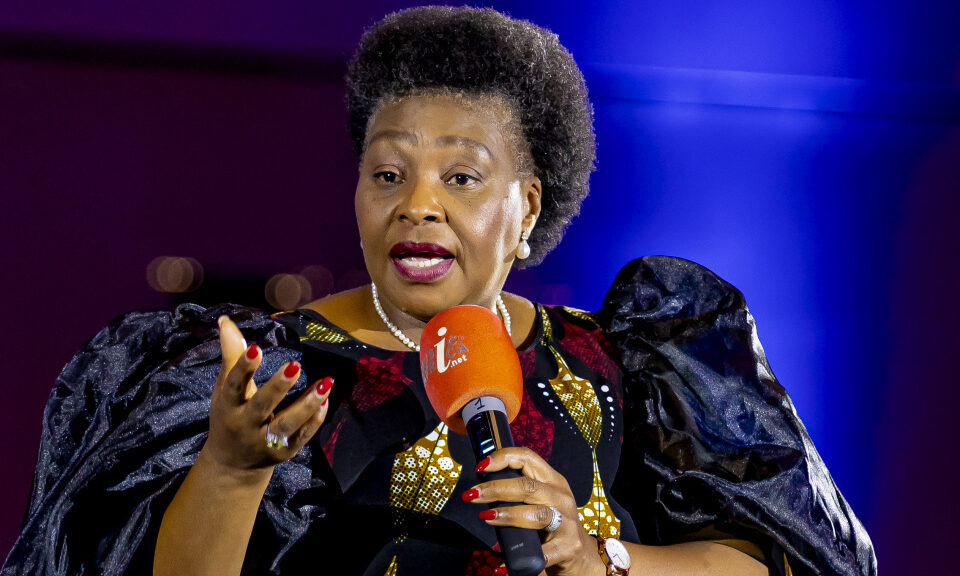
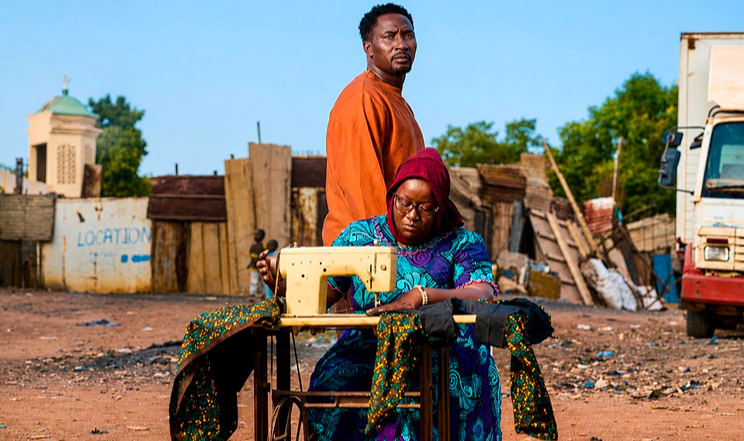
The Music In Africa Foundation (MIAF) is proud to announce its partnership with the Industrial Development Corporation (IDC) as a Strategic Implementing Partner (SIP) for its Social Employment Fund (SEF). Through this collaboration, MIAF is launching a new national programme designed to create jobs, address skills gaps, and strengthen South Africa’s creative industries — in line with the SEF’s overarching goal to generate work for the common good and build community value through employment, social contribution, and inclusive economic participation. Operating under the banner NEFCISA (National Employment Facility for Creative Industries in South Africa), the initiative will recruit and train participants, match them with host organisations, and place a minimum of 1 000 workers across the country. Key Objectives: Support employment and entrepreneurship in the creative industries. Offer skills development and training programmes. Foster partnerships between public and private creative sectors. Promote South African creativity at both provincial and national levels Foster community development through social contribution.

ACCES
ACCES

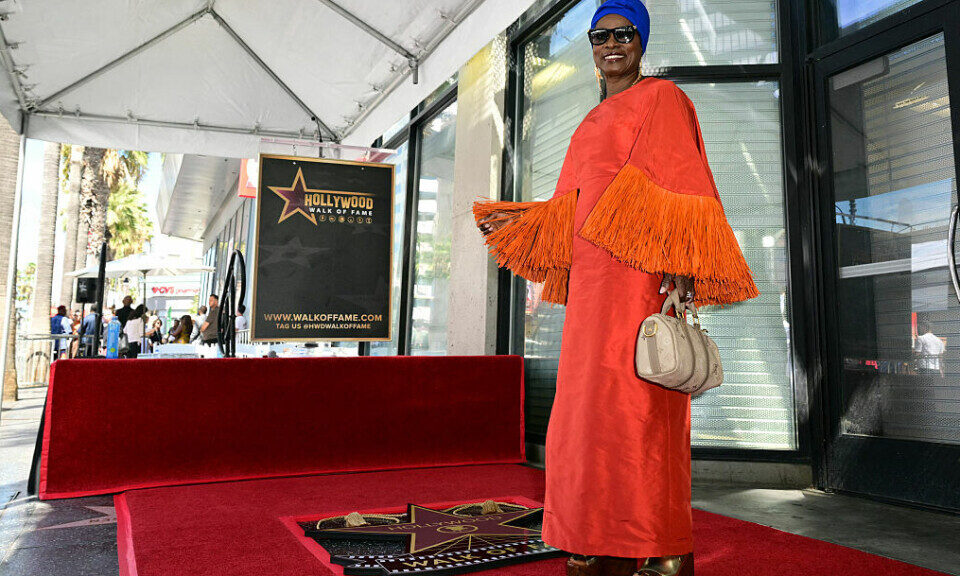
Chaque année, nous fournissons des informations générales afin de guider les participants dans la préparation de leur voyage. En plus de ce site, des mises à jour importantes seront envoyées par e-mail à tous les délégués inscrits. Assurez-vous de vous inscrire dès que possible. Pour plus d'informations, veuillez contacter [email protected] Continuez à consulter cette page pour plus d'information.  

Gender@Work
Gender@Work

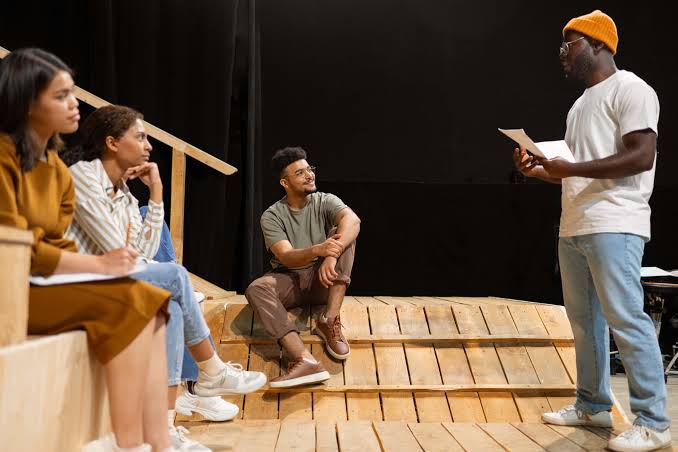
Music In Africa Gender @ Work is a three-year training programme aimed at upskilling and increasing the participation of female professionals in the African music sector. Launched by the Music In Africa Foundation (MIAF) in April 2019, the programme is connected to the MIAF’s ACCES music conference – a pan-African event held in a different African country every year. This connection enables the programme to reach new participants in a different African country every year. The programme marks the beginning of a more concerted effort by the Foundation to support the participation and inclusion of women in all facets of its programmes and the music sector in Africa as a whole. Over the three years, the programme will aim to address gender imbalances in the sector through training, lobbying, facilitating knowledge exchange and dialogues that foster the interest of women. The broader objectives of the programme are to: Provide industry training for women on critical music industry skills, focusing on: Stage management Electronic music production and recording Music business management Technical knowledge Provide an opportunity for both professional and aspiring women to benefit from the Music In Africa network and its broad range of activities in 2019, 2020 and 2021. Provide a solution-based platform in the form of a round table at ACCES with a view to identify challenges, discuss opportunities and lobby for the interests of female practitioners. Offer participants the opportunity to benefit from programmes offered by MIAF’s partners. Increase access to educational materials. Integrate participants in the broader ACCES programme to maximise experience and exposure to the industry. Record and present training materials on the www.musicinafrica.net, including but not limited to tutorials, templates and other best-practice materials. Communicate women-based themes that support the initiatives and messages of the programme. MAIN TRAINING ACTIVITIES Training in first country (Ghana): In the first year, participants will be trained on all aspects of stage management by a team of experienced stage managers from 10 to 17 November 2019. The programme will offer robust classroom training as well as practical, hands-on training in which participants will also be given the opportunity to manage various aspects of the ACCES performance programme. Training in second country: The second training iteration will take place at ACCES 2020 when the programme will diversify its course to include music production lessons and training on other music business topics. A round-table platform will also be introduced to coincide with the ACCES programme. Training in third country: The third training iteration will take place at ACCES 2021 in a different country, offering an advanced course. HOW DO YOU GET INVOLVED?  As a participant, facilitator or trainer: The programme enrolls up to 12 trainees every year. All opportunities are advertised publicly on this website, and will be added to this page. Please keep checking this page for new calls (below under UPDATES & CURRENT OPPORTUNITIES). As a partner Please contact Claire Metais at [email protected]. APPLY The call for applications for 2020 will be announced soon. The Music In Africa Gender @ Work programme is made possible with the support of the Prince Claus Fund, Siemens Stiftung and Goethe-Institut.

Sound Connects Fund
Sound Connects Fund

Pour les praticiens et les organisations culturels et créatifs opérant en Afrique australe, l’accès au financement reste un défi majeur. La pandémie de COVID-19 a également eu un impact massif sur les politiques gouvernementales, les dépenses et l’économie en général, et a vu les dépenses consacrées à la culture reléguées plus bas dans la liste des priorités. De plus, les industries culturelles et créatives citent régulièrement quatre domaines principaux où l’investissement est nécessaire pour la croissance : une visibilité accrue, la mobilité incluant l’accès à de nouveaux marchés, le financement et les structures de soutien.

Music In Africa Live

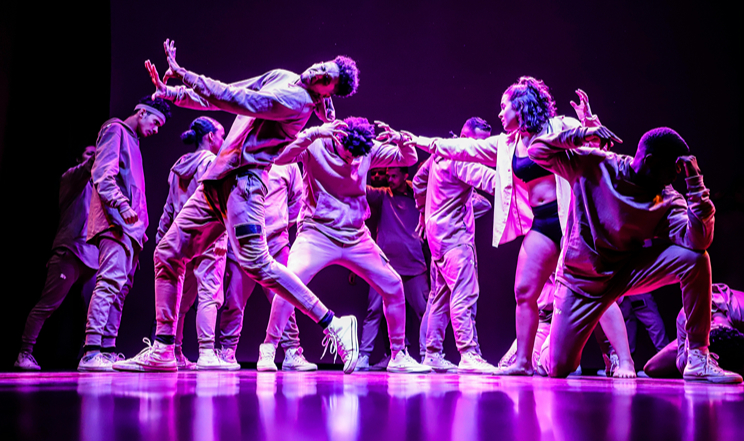
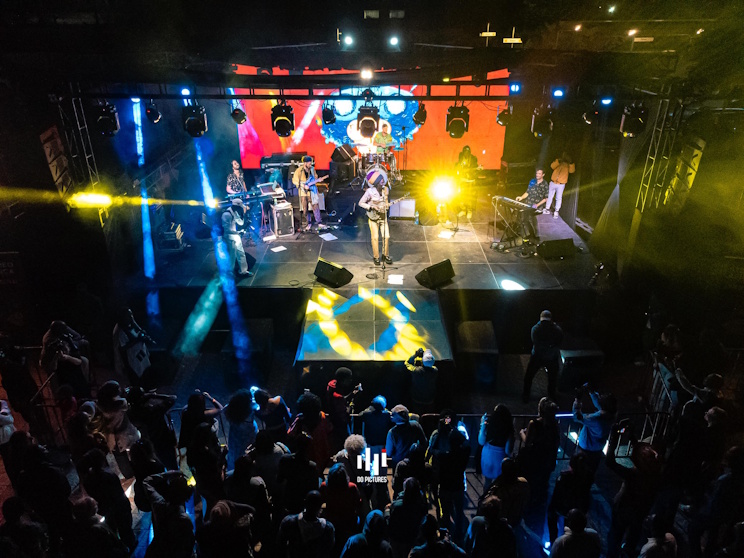
MUSIC IN AFRICA LIVE Lancé en 2020 pour une durée de 3 ans, Music In Africa Live est une initiative visant à soutenir l'écosystème de la musique africaine face aux contraintes imposées par la pandémie de COVID-19 ; le projet a été lancé par la Fondation Music In Africa (MIAF) en partenariat avec le ministère fédéral allemand des Affaires étrangères, Siemens Stiftung et le Goethe Institut. Plus de 30 aides sont disponibles dans le cadre de la troisième édition de Music In Africa Live, dans 3 catégories :  showcases, renforcement des compétences et plaidoyer, en conformité avec les modalités énoncées.

Instrument Building And Repair Project

The overarching objective of Music In Africa Foundation’s Instrument Building and Repair (IBR) project is to encourage the formalisation and professionalisation of instrument-making and repair in Africa, especially in relation to indigenous African instruments. Background In 2014, the Music In Africa Foundation (MIAF) identified as one of its focus areas for development the need to encourage young people from music and music-related sectors to consider instrument-making as a career. This need extended itself from the recognition that the making of traditional African instruments is not a widely practiced skill and seems to be limited to the older generation. Traditional African instrument makers are also few and far between, making communication and logistics between teachers and learners an obstacle. When instrument building workshops take place, budgetary constraints do not allow teachers or learners the time to explore the finer details of an instrument. Based on these observations, the MIAF designed and piloted the first IBR workshop at the Dhow Countries Music Academy (DCMA) in Zanzibar in February 2015. In 2016, the foundation received funding from the South African National Lotteries Commission to implement a much bigger version of the project in Johannesburg. The project drew participants from five African countries. 25 students from South Africa, Ghana, Senegal, Kenya and Ethiopia were trained on how to build and repair musical instruments. The instruments that they made were: Traditional Instruments: Umakhweyana and Marimba Conventional Instrument: Dulcimer guitar The workshop culminated in a traditional instruments concert at the Wits Theatre in Johannesburg. It is the MIAF’s aim to roll out similar workshops in as many African countries as possible over the next few years. Objectives Developing awareness of musical instrument makers in Africa with a view to promote their work to a wider global audience. Facilitating the sharing and transfer of skills in indigenous instruments between countries on the continent. Encouraging the formalisation and professionalisation of instrument-making and repair in Africa, especially in relation to indigenous instruments. Helping instrument makers develop their careers. Fostering the rapid monetisation and sustainable development of instrument-making and repair in Africa. Promoting constant exchange of ideas, expertise, experiences and know-how among instrument makers in Africa. Facilitating the identification of existing gaps in the field with a view to contribute new solutions. Facilitating the transfer of knowledge and skills of indigenous instruments between younger and older generations. 2020 edition The MIAF has also announced that multi-instrumentalist and instrument maker Joe Makhanza will facilitate one of the workshops on the building of the kamale ngoni instrument. Kamale ngoni is a kora-like, stringed instrument that originated in West Africa. The instrument contributed to the rise of Wassoulou music in the 1970s and 1990s. Makhanza was born in Giyani in South Africa's Limpopo province. He completed a bachelor of music degree and a post-graduate diploma in arts marketing from Wits University. He is currently completing his masters in ethnomusicology and is a part-time lecturer in African music studies at Rhodes University. He plays the kora, mbira, valiha, masenqo, xiwewe, ngoni ba and xizambi, among others. He also manufactures the aforementioned instruments. The MIAF will confirm more trainers who will join the workshops as well as the other instruments that will be featured in the 2020 IBR programme.  Apply to participate here. Connect with us on Twitter, Instagram and Facebook, and subscribe to our monthly newsletter. The Music In Africa Instrument Building and Repair project is funded by the National Lotteries Commission. It is implemented in partnership with Siemens Stiftung, Goethe-Institut, Wits Theatre and Kaya FM.

banner image

La musique takamba au Mali

Accueil/Non classé/La musique takamba au Mali

L’histoire du mot takamba commence au village de Temera, entre Tombouctou et Gourem. Les habitants de cette région racontent ainsi qu’un maître tamasheq et son griot campèrent un jour près de Temera. Au son du tehardent, les villageois songhay s’approchèrent des deux hommes. Fasciné par la beauté d’une des femmes, le maître voulu lui tendre la main. Son griot s’adressa à la femme en lui disant « takamba », autrement dit « prend la main ». Ainsi, le terme takamba naquit à Temera, village lui-même rebaptisé du nom de cette musique. Une autre version peut être croisée à cette histoire racontée à Temera. Elle évoque un Songhay, Mahamana Zaou Sadou, qui invita un griot tamasheq dans son village afin de célébrer le mariage de sa fille. Depuis, séduits par cette musique langoureuse, les Songhay ont commencé à solliciter des griots tamasheq pour courtiser les femmes.

Jusque dans les années 1960, le takamba était chanté et accompagné seulement du tehardent, avec quelques claquements de mains en guise de percussions. La danse, discrète, était pratiquée en position assise. Se diffusant à partir de ce village, le takamba devint une musique de célébration lors des événements sociaux et religieux songhay, et, pour les hommes et les femmes, un moyen privilégié de pouvoir se rencontrer et d’échanger subtilement des gestes, des codes de séduction, que l’organisation sociale au quotidien ne permettait pas d’exprimer librement.

Vers le takamba contemporain

Dans les années 1970, le takamba évolua, à travers une génération de musiciens tamasheq et songhay, vers sa forme popularisée aujourd’hui : un groupe formé de deux n’goni, basse et solo, de calebasses, d’un chanteur et de danseurs. Un joueur de n’goni tamasheq considéré comme un des plus grand inspirateurs contemporains du takamba est Ahmed Ag Assalat. Appelé le Grand Griot, il forma son neveu Sahaloun ou ‘petit griot’ à son art et, dans leur lignée, Yehia Mbala Samake est devenu une référence. Il est aujourd’hui le joueur leader du groupe Super Onze de Gao. Formation éponyme du takamba, Super Onze fut fondé en 1979 par Haziz Touré, Assalya Samake, père de Yehia Mbala Samake et Agita Moussa Maïga.

Mais c’est un douanier songhay passionné de takamba, Afizou Touré, qui œuvra notablement à sa diffusion et sa modernisation dans les années 1980 et 1990. A la manière d’un producteur, il investit en matériel : micros, baffles, instruments et enregistra Super Onze sur cassette en 1994. A cette époque, le takamba évolua dans sa pratique instrumentale et sa danse. Des calebasses sont introduites aux côtés des n’goni. Yehia Mbala Samake et Douma Maïga révolutionnent le jeu de cette guitare traditionnelle à trois cordes en composant, improvisant, branchant parfois leur n’goni sur des amplis. Quand aux danseurs, ils se lèvent, leurs mouvements concentrés sur le haut de corps toujours, avec des ondulations des avant-bras et du torse évoquant un jeu de séduction. Les chants relayent alors des valeurs contemporaines comme l’honneur, l’amour, la générosité. Le takamba, danse devenu avant tout distractive, est un langage en tant que tel, exprimé lors des mariages, baptêmes et circoncisions.

En 1986 le guitariste de l’orchestre national de Gao, Douma Elbaka, interprète des morceaux de takamba pour la première fois à la guitare électrique. C’est un succès. Les musiciens populaires du Nord, pour la plupart songhay, intègrent alors très souvent à leur répertoire des rythmes de takamba, œuvrant à sa large diffusion. Le morceau « Wahono » est ainsi popularisé par Oumou Sangaré. Baba Salah, guitariste de la chanteuse en 1995, est à ce titre également précurseur. Le takamba constituant un fabuleux terrain d’expérimentation pour le musicien, non griot, lorsque ce dernier était à l’Institut National des Arts de Bamako. Son premier album solo, Gao, compte ainsi deux morceaux de takamba. Considéré aujourd’hui comme un des meilleurs guitaristes de sa génération, il est un passeur de cette expression culturelle du Sahel, au même titre qu’Ali Farka Touré, Afel Boucoum, Habib Koité, Sidi Touré, Khaira Arby ou encore le groupe tamasheq Tartit. Ces artistes de renom ont ainsi popularisé dans tout le Mali cette musique et sa danse, source d’expérimentation artistique autant que de célébration religieuse et sociale.

Rayonnement international

Au courant des années 2000, le takamba se diffuse à l’international à travers le succès de Super Onze de Gao au festival sur le désert d’Essakane. Le groupe est alors formé d’Issa Touré au chant, de Yehia Samaké M’balah, Ahmed Ag Assalat ou d’Aboubekrim Yatara aux n’goni, de Mahamadou Balobo Maia et Aliou Saloum Yattara aux calebasses, d’Attaher Yatara au chant, et des danseurs Fatoumata Sarre et Ousmane Yattara. Invités à la troisième édition du festival en 2003, leur jeu suscite l’enthousiasme de nombreux musiciens comme Robert Plant et Justin Adams. En 2008, Super Onze participe au Sfinks festival en Belgique. Mais c’est leur rencontre avec le DJ hollandais Horst Timmers, dit MPS Pilot, qui permit réellement au takamba de rayonner en Europe. Au festival d’Essakane, le DJ est fasciné par ce rythme, marqué sur les contretemps. Il imagine déjà comment un beat électro peut s’insérer dans les nombreux espaces non accentués de la mesure. Horst Timmers retrouve le groupe quelques années plus tard, l’enregistre, et participe à la promotion d’un album diffusé en Europe sous le label Two Speakers, en 2010. Le DJ implique également le groupe dans un projet où le takamba rencontre les musiques électroniques, « Future Takamba », avec DJ Lottie, célèbre DJ anglaise de musique électronique. S’ensuit alors une tournée en Hollande, en Belgique et au festival de Ségou au Mali.

Aujourd’hui, le takamba se danse dans sa région natale, comme à Bamako et dans toute région ou pays voisins où les communautés songhay et tamasheq circulent (notamment Niger, Algérie, Burkina-Faso). Si les griots des groupes Super Onze de Gao, Super Khoumeissa ou encore Super Foghas jouent chaque semaine lors des mariages songhay à Bamako, le takamba s’entend aussi dans les maquis de la capitale. Au Songhoy notamment, à Bako Djikoroni, les jeunes dansent chaque week-end sur les rythmes takamba interprétés par des artistes populaires comme Babah Salah, Issa Touré et Omar Konaté. Les musiciens du Nord ont toujours effectué des allées et venues entre Gao, Tombouctou et Bamako, et le foyer de Kazambougou notamment battait depuis bien longtemps au rythme du takamba, comme en témoigne le griot Mohamad Sancko. Toutefois, leur enracinement dans la capitale s’est accentué depuis la crise au Nord Mali. Lors de l’invasion djihadiste en 2012, certains musiciens ont perdu du matériel de sonorisation et des instruments. Tout ceci les a forcés à l’exil. En 2015, la situation s’est apaisée à Tombouctou et Gao et les musiciens poursuivent leurs allers-retours à l’occasion des célébrations, tout en privilégiant Bamako où la possibilité de vivre de leur musique est bien plus forte. Le succès actuel du groupe Songhoy Blues, dont le répertoire est aussi parsemé de rythmes takamba, illustre ce paradoxe d’une carrière parfois favorisée par la crise politique. En temps de guerre, le takamba, dont l’histoire même associe une vertu réconciliatrice dans le Sahel, est souvent mobilisé lors d’événements culturels où un message politique sur la paix est délivré. En novembre 2014 à Gao, une soirée intitulée « Takamba pour la Paix » était ainsi organisée, rassemblant différents leaders communautaires. Plus récemment, le soir même des accords de réconciliation le 15 mai 2015, des Tamasheq et des Songhay dansent ensemble le takamba devant le Centre International de Conférences de Bamako (CICB). Force de rassemblement des foules, il faut en effet se rappeler que le takamba avait déjà été mobilisé par des mouvements politiques comme l’US-RDA, avant l’Indépendance du pays, pour propager ses messages de libération et séduire les jeunes.


Référence :
Andy Morgan, « Super Onze de Gao – The champions of the Niger bend », 1er avril 2011, www.andymorganwrites.com
« Gao – Soirée culturelle ‘Takamba pour la Paix’ », MaliActu.net, 1er décembre 2014. http://maliactu.net/mali-gao-soiree-culturelle-takamba-pour-la-paix/
Stone, Ruth M.1998. The Garland Encyclopedia of World Music, Volume 1 : Africa. New York and London : Garland Publishing, Inc.
Discographie :
Super 11, Super Onze de Gao, Two Speakers, 2010
Gao, Babah Salah, Akwaba, 2011.
Various Artists. Festival in the Desert, World Village, 2003.

newsletter banner

Abonnez-vous à notre newsletter

Retrouvez-nous sur les réseaux sociaux